Attractions and Places To See around Janeiro De Cima - Top 11
Best attractions and places to see around Janeiro De Cima include a rich blend of historical architecture, natural beauty, and cultural experiences. This charming "Schist Village" in Portugal is situated on the left bank of the Zêzere River, characterized by its distinctive schist houses and riverine environment. The area offers a variety of natural features, historical sites, and trails for exploration.
Best attractions and places to see around Janeiro De Cima
- The most popular attractions is Passadiços do Orvalho,…
Last updated: July 12, 2026
Passadiços do Orvalho
Highlight (Segment) • Trail
Translated by Google •
Tip by

Fraga de Água d'Alta Waterfall
Highlight • Waterfall
Translated by Google •
Tip by
Sign up now to discover places like this
Get recommendations on the best single tracks, peaks, & plenty of other exciting outdoor places.
Sign up for free
Amazing trail at Mosqueiro
Highlight (Segment) • Trail
Translated by Google •
Tip by
São Jorge da Beira
Highlight • Settlement
Translated by Google •
Tip by
Scenic road
Highlight • Viewpoint
Translated by Google •
Tip by

Sign up for free to discover even more attractions around Janeiro De Cima.
Sign up for free
Already have an account?
Start today with a free account
Your next adventure awaits.
Login or Signup
Popular around Janeiro De Cima

Tips from the Community

José Saramago described São Jorge da Beira as a village "thrown up the hillside," and perhaps there's no better image to convey the spirit of its people. Once called Cebola (Onion), after the neighboring peak, it was a land of shepherds, miners, and blacksmiths, until gaining autonomy in the 19th century and, later, the name of its patron saint. Amidst memories of tungsten and chestnut trees, the village has reinvented itself countless times and today keeps its identity alive, visible in the Museum and in the cultural associations that preserve the heritage of schist and the mountains.
1
0

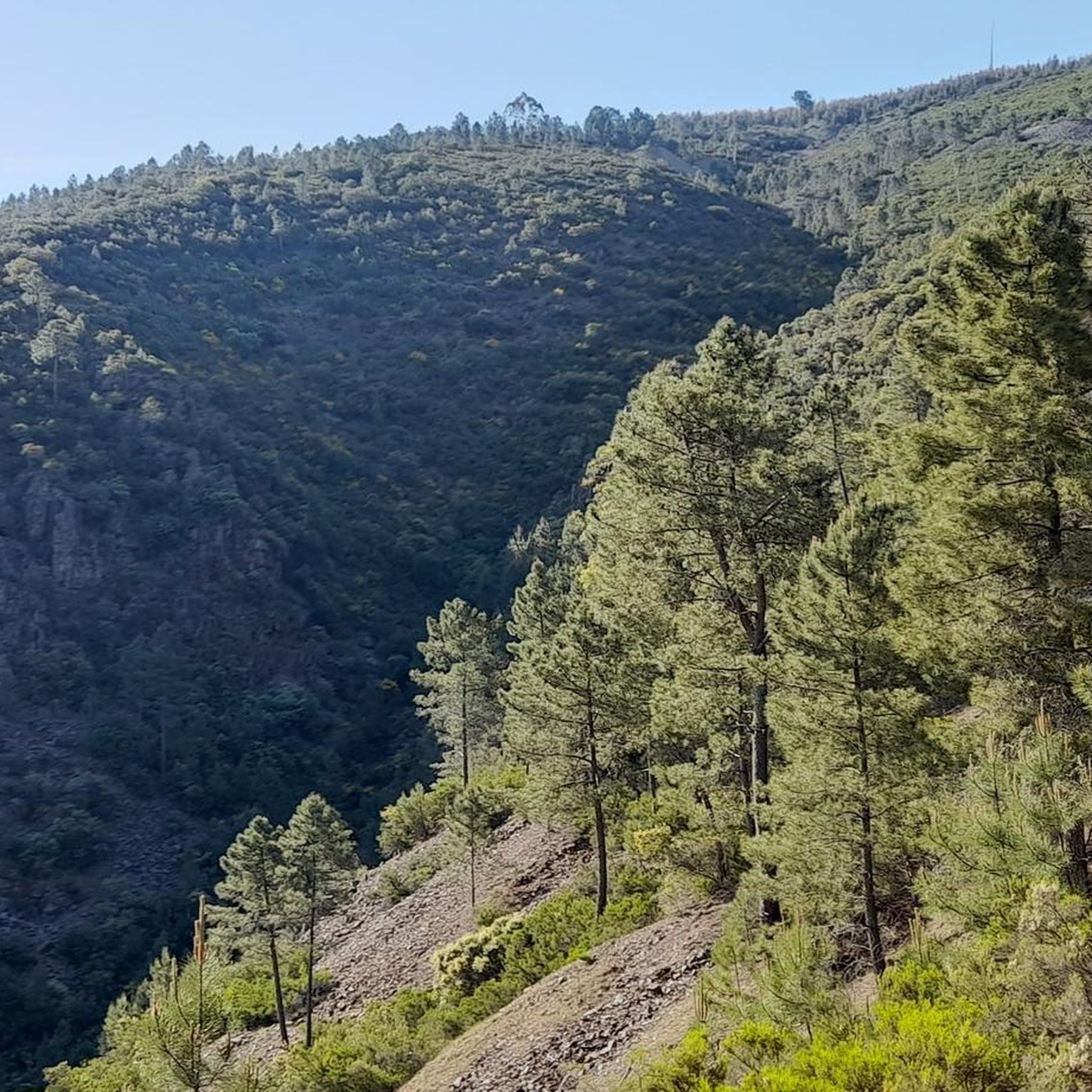
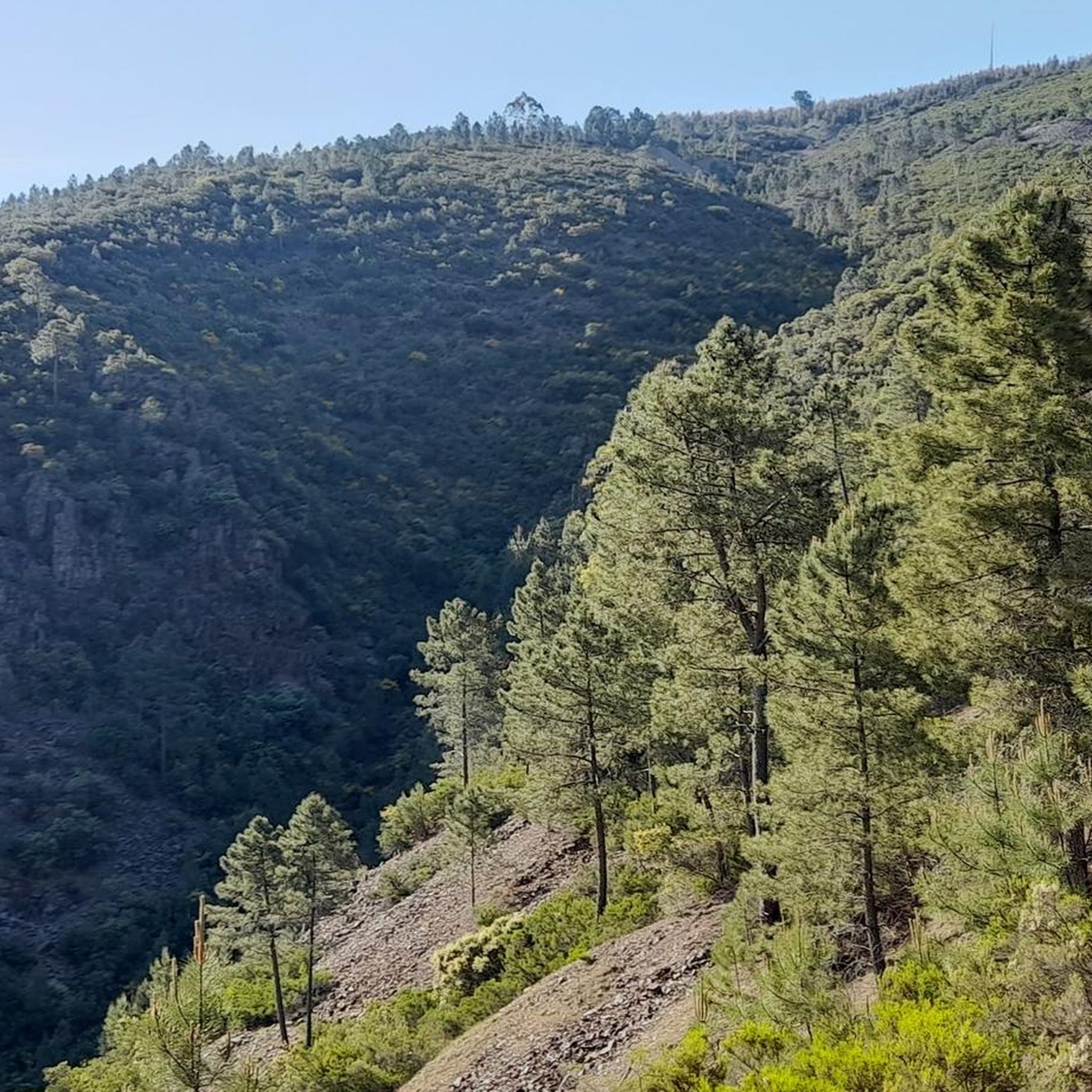
This road offers you a suggestive panorama that embraces the artificial lake of the dam and the surrounding imposing and wild mountains.
0
0
This road offers you a suggestive panorama that embraces the artificial lake of the dam and the surrounding imposing and wild mountains.
0
0
The climb up the walkways to the Cabeço do Mosqueiro viewpoint can be challenging, but every step is worth it. Along the way, traces of the past peek out from the surrounding nature: a stretch of Roman road, old watermills and the Forno das Mouras. Take a break, take a deep breath and let yourself be amazed by the landscape that unfolds around you. This final stretch of the Orvalho Walkways is even more magical at dusk, when the golden light of the sun caresses the slopes. At the top of the cliff, the viewpoint offers an unforgettable view over the Chapel of Nossa Senhora da Confiança and the vast landscape.
3
0
In the heart of Beira Baixa, in the heart of the Naturtejo Geopark, lies one of the most stunning walkways in Portugal. The Orvalho Walkways, part of the PR3 Orvalho GeoRoute, take you along a route where nature and geology intertwine in magnificent settings. Here, you can not only explore UNESCO-listed geomonuments, such as the imposing Fraga de Água d'Alta Waterfall and Cabeço do Mosqueiro, but also admire some of the region's most breathtaking and iconic landscapes.
3
0
Hidden at the base of the Orvalho Walkways, the Fraga de Água d’Alta Waterfall slides down 10 metres of rock, forming a small crystal-clear pool around it. It is a true natural refuge, where a refreshing dip becomes even more irresistible in the scorching summers of Beira Baixa. When the place is calm, the sensation of swimming under the waterfall becomes magical. It is no coincidence that this is considered one of the most beautiful waterfalls in Portugal. And the highest in the region!
3
0
Frequently Asked Questions
What kind of hiking trails can I find around Janeiro De Cima?
The area offers a variety of hiking experiences, from easy strolls to more challenging routes. You can explore trails like the Passadiços do Orvalho, which takes you through magnificent natural and geological settings, or the Amazing trail at Mosqueiro, known for its challenging climbs and historical traces like a Roman road. For easier options, komoot lists routes such as the "Passadiços do Orvalho loop from Orvalho" (2.6 km) or a "Hiking loop from Casal da Lapa" (5.7 km). You can find more hiking options, including moderate and difficult routes, on the Hiking around Janeiro De Cima guide.
Are there any waterfalls or natural swimming spots nearby?
Yes, the Fraga de Água d'Alta Waterfall is a notable natural refuge, where water cascades 10 meters into a crystal-clear pool, perfect for a refreshing dip in summer. Additionally, the Lavandeira River Park (Praia Fluvial de Janeiro de Cima) along the Zêzere River provides a beautiful spot for relaxation and leisure activities, including swimming.
What historical and cultural sites can I explore in Janeiro De Cima?
Janeiro de Cima is rich in history and culture. You can explore its traditional schist houses, some dating back to the 17th and 18th centuries, and visit the Old Church, which has medieval origins. The village also features several chapels, including São Sebastião, Divine Holy Spirit, and Nossa Senhora do Livramento. Nearby, the village of São Jorge da Beira offers insights into the region's past as a land of shepherds and miners, with a local museum preserving its heritage.
Can I learn about traditional crafts in the village?
Absolutely. The Casa das Tecedeiras (Weavers' House) is a dedicated cultural and educational space focused on the tradition of linen weaving. Here, visitors can learn about the entire linen cycle, observe live weaving demonstrations, and even try an old loom, playing a vital role in preserving local craftsmanship.
What is unique about the architecture of Janeiro De Cima?
The village is renowned for its distinctive schist architecture. Many houses and even the streets are built from schist stone. A unique feature is the incorporation of white, rounded river stones from the Zêzere River into the schist buildings, visually connecting the village deeply with its natural surroundings.
Where can I enjoy scenic views of the Zêzere River?
The Zêzere River is a prominent feature of the area. You can find excellent views from the Sarnadela Viewpoint, which overlooks the impressive Meandros do Zêzere (Zêzere Meanders) Geomonument. The village of Dornelas do Zêzere also offers a viewpoint where the river landscape blends with engraved verses, providing a poetic perspective.
Are there family-friendly activities or places suitable for children?
Yes, the Lavandeira River Park (Praia Fluvial de Janeiro de Cima) is an excellent spot for families, equipped with a playground, picnic area, and a beach bar. The village of Dornelas do Zêzere is also categorized as family-friendly, offering a pleasant environment for all ages.
What cycling opportunities are available around Janeiro De Cima?
For cyclists, the region offers several routes. You can find challenging options like the "Unhais-o-Velho – Barragem de Santa Luzia loop from Miradouro das Fontes" (29 km) or the "Dornelas do Zêzere loop from Dornelas do Zêzere" (29 km). More cycling routes are detailed in the Cycling around Janeiro De Cima guide.
What is the best time of year to visit Janeiro De Cima?
Janeiro de Cima encourages slow exploration, making it enjoyable across various seasons. Spring and autumn offer pleasant temperatures for hiking and exploring the natural beauty. Summer is ideal for enjoying the river beaches and natural swimming spots like the Fraga de Água d'Alta Waterfall for a refreshing dip.
Are there any other interesting villages to visit nearby?
Beyond Janeiro de Cima, you can explore other charming settlements. São Jorge da Beira, described as a village "thrown up the hillside," offers a glimpse into its past as a land of shepherds and miners. Dornelas do Zêzere, located on the banks of the Zêzere River, features an Ethnographic Museum and a scenic viewpoint.
What are the most popular natural attractions in the area?
Among the most popular natural attractions are the Passadiços do Orvalho, a trail that showcases magnificent natural and geological formations, and the stunning Fraga de Água d'Alta Waterfall, considered one of Portugal's most beautiful waterfalls. The Meandros do Zêzere Geomonument also offers a significant natural sight.
Most popular routes around Janeiro De Cima

Get inspired with the komoot mobile app


Explore more
Still not found the Highlight you’re looking for? See guides of the top attractions in other regions:
