Top 4 Caves around Carnbee And Arncroach
Best caves around Carnbee And Arncroach are primarily found along the wider Fife coastline, offering a blend of natural formations and historical significance. The region features sea caves formed by erosion, some of which contain ancient human markings. These sites provide insights into both geological processes and early Scottish history. The coastal path offers access to these natural features.
Best caves around Carnbee And Arncroach
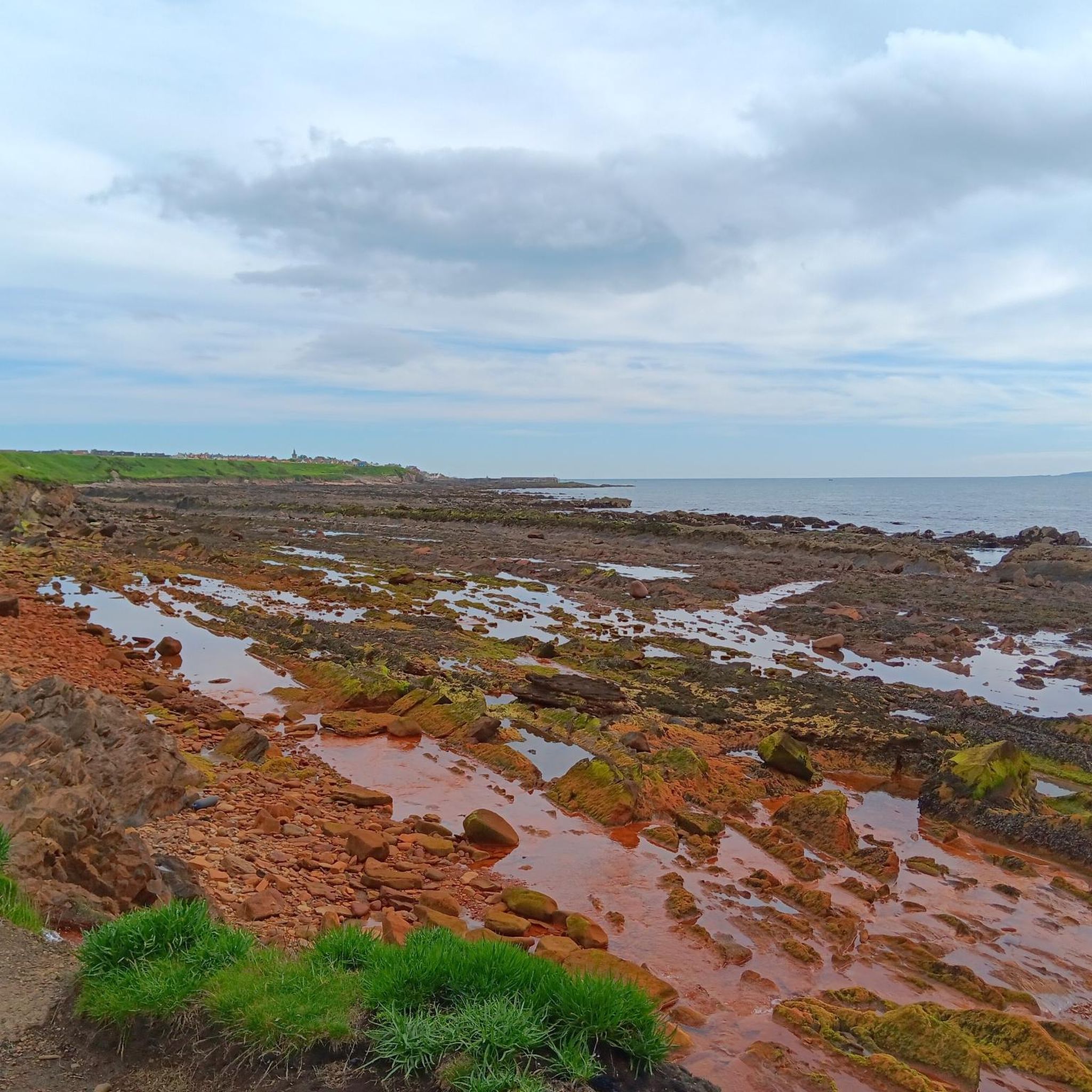
- The most popular caves is St. Monans Caves and Rock Formations, a natural monument…
Last updated: October 3, 2026
Elie Chainwalk
Highlight • Climb
Tip by

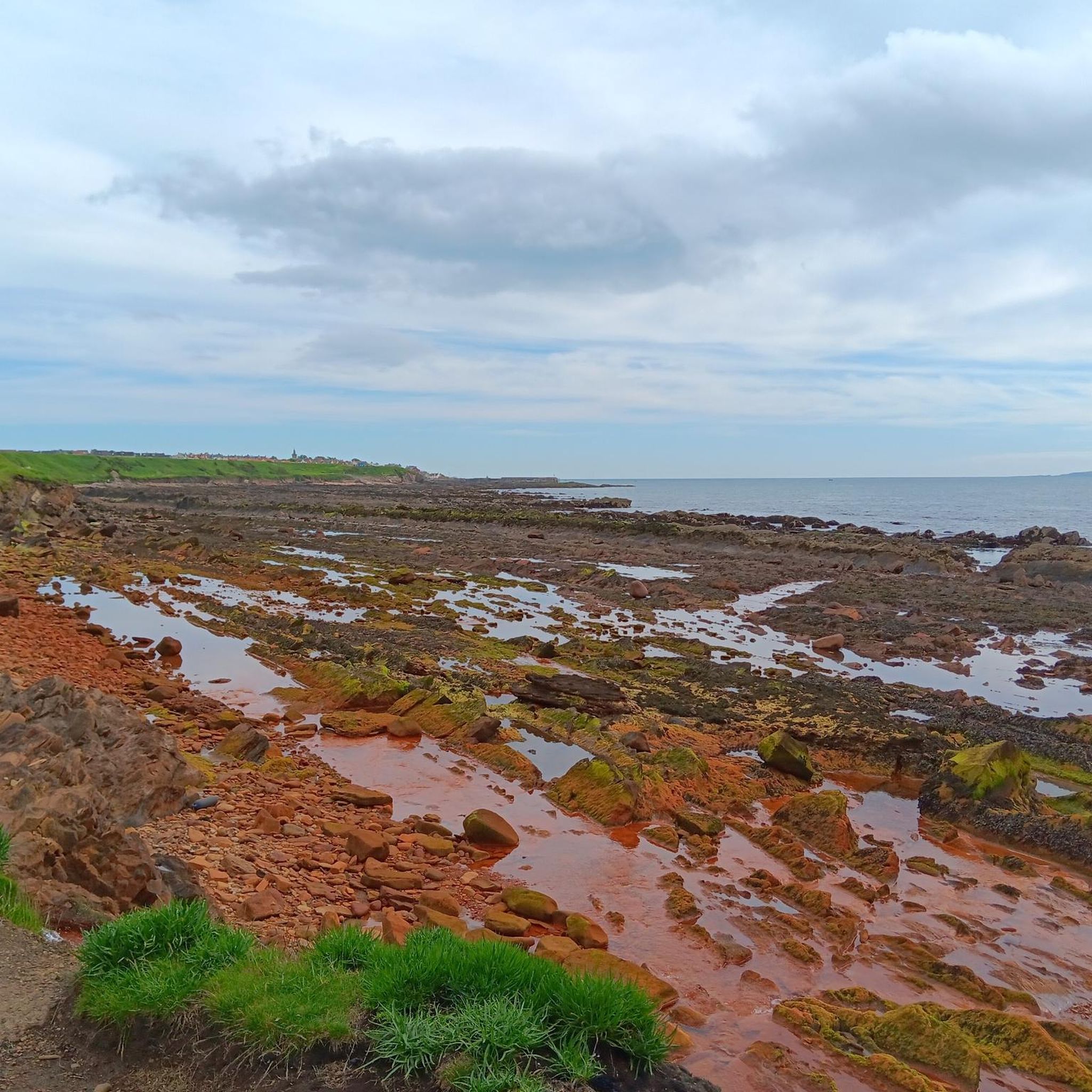
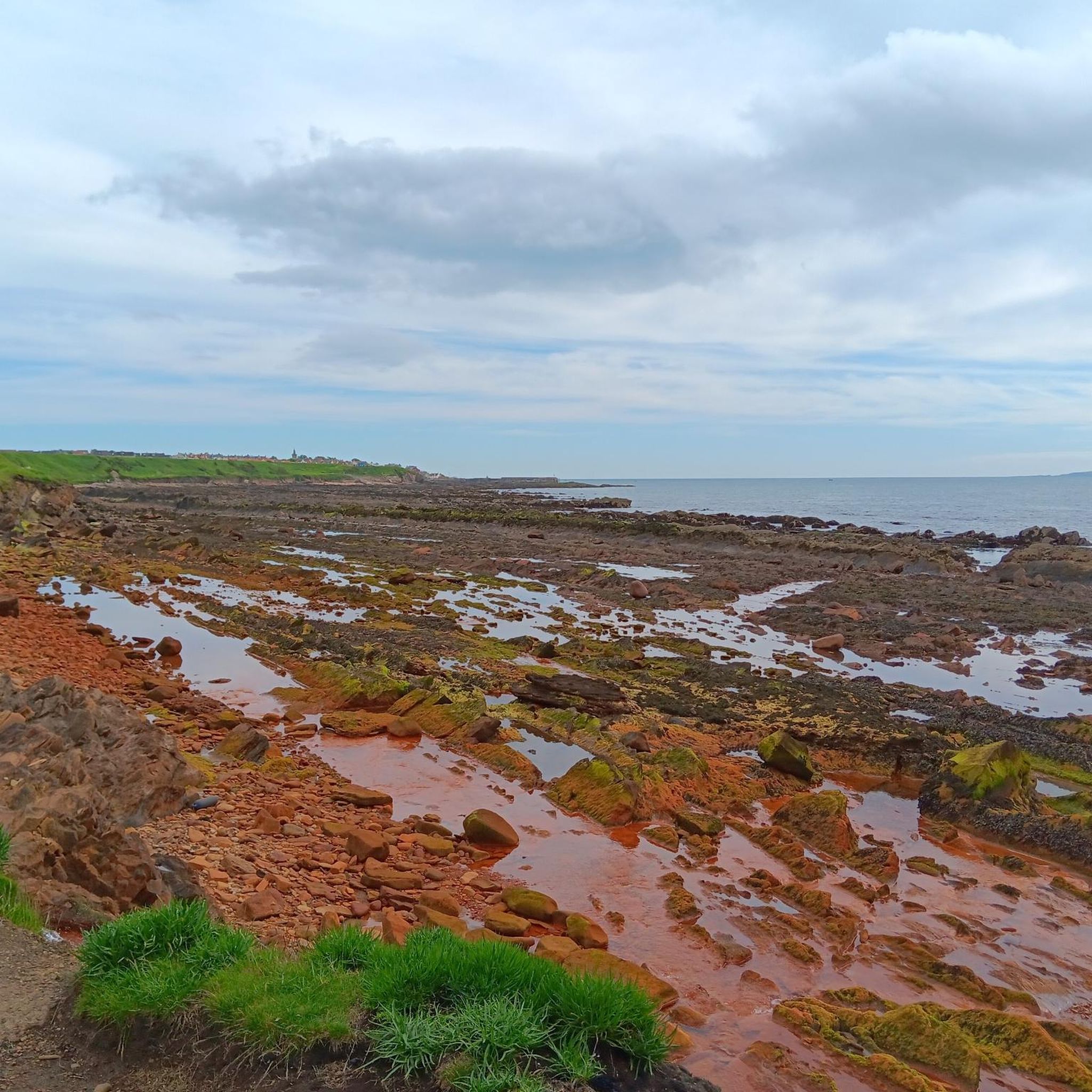
St. Monans Caves and Rock Formations
Highlight • Natural Monument
Tip by

Sign up now to discover places like this
Get recommendations on the best single tracks, peaks, & plenty of other exciting outdoor places.
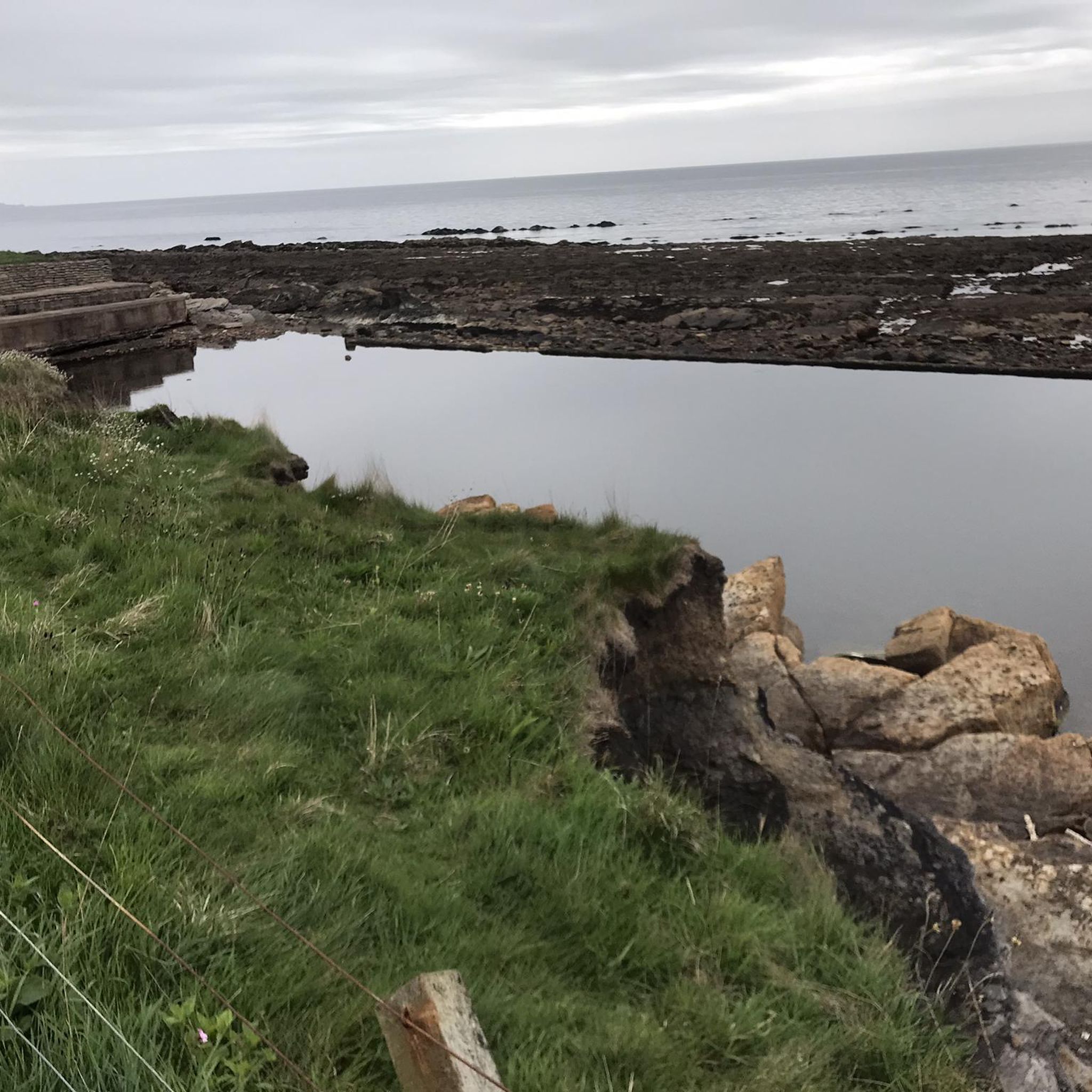
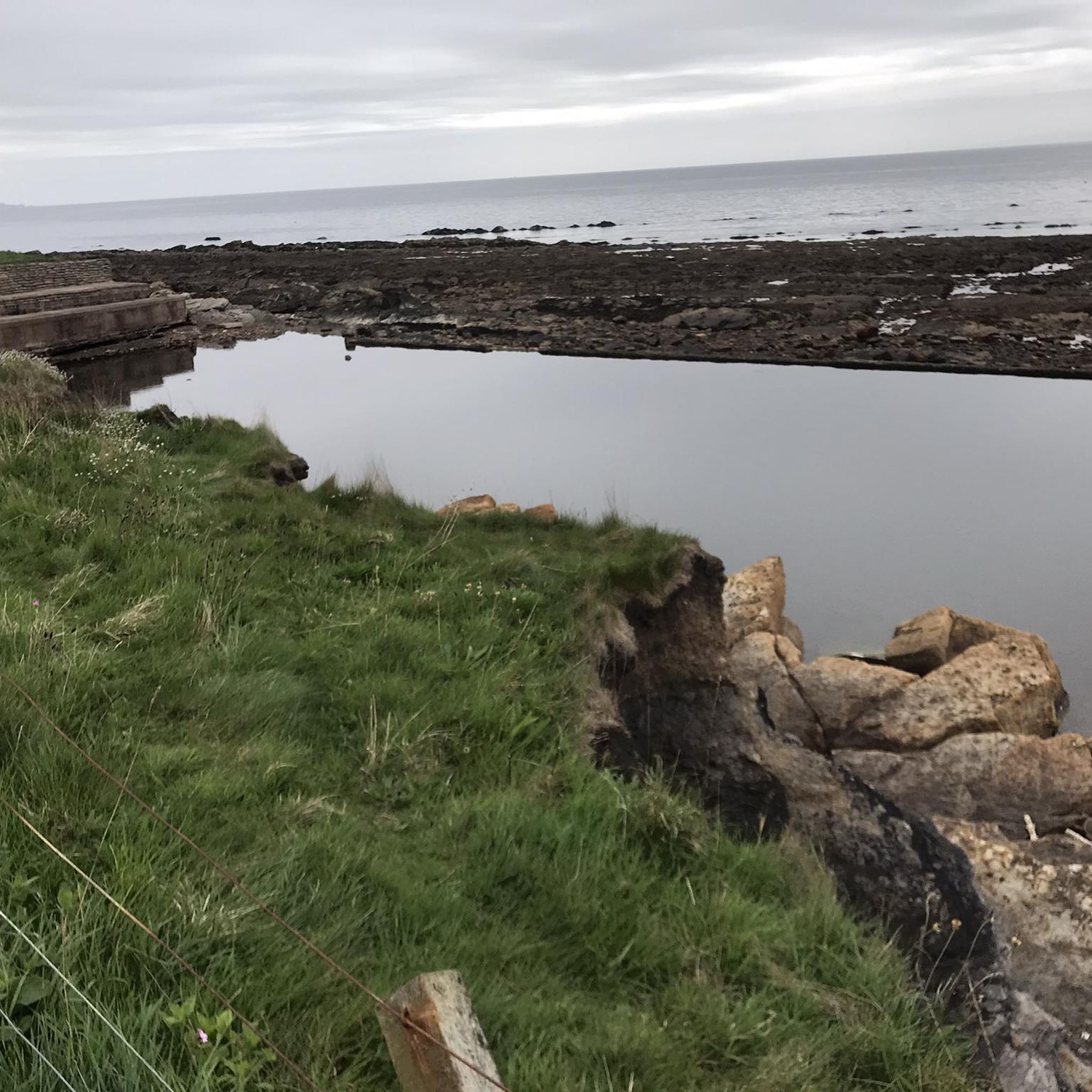
Stone Arch Cave
Highlight • Monument
Tip by
Constantine's Cave
Highlight • Natural Monument
Tip by

St Adrian's Cave and Rock Arches, Fife Coastal Path
Highlight • Cave
Tip by

Start today with a free account
Your next adventure awaits.
Tips from the Community


The cave is easy to come across on the Fife costal path and a short walk down from the golf club.
0
0
Easy to miss this little man made structure, head down to the beach to the east of the tower, and it is much easier to spot.
0
0


One of the unique features of the Fife Coast is the Elie Chain Walk. Chains are built into a section of the cliff west of Elie village, hugging the cliffs towards Kincraig Point and Shell Bay.
0
0

This immaculate ‘cave’ provides the perfect shelter from the howling coastal winds on a chilly day
0
0

A short uphill walk from Constantine's cave takes you to Crail Golfing Society clubhouse. A perfect stop for Sunday lunch. https://crailgolfingsociety.co.uk/restaurant-bar
0
0
Frequently Asked Questions
What are some of the most historically significant caves in the Fife region?
The Fife region boasts several historically significant caves. The Wemyss Caves are renowned for housing the largest collection of Pictish-inscribed symbols, with carvings dating back 1,500 years in Jonathan's Cave. The Caves of Caiplie (The Coves) have a long history of human occupation, including early Christian worship in Chapel Cave. Additionally, St Adrian's Cave is steeped in local legend and features crosses carved into the rock.
Where can I see ancient Pictish carvings in the caves?
The most significant collection of ancient Pictish carvings can be found in the Wemyss Caves, particularly in Jonathan's Cave. These carvings include over 50 symbols, animal figures, and an early medieval boat depiction, offering a unique glimpse into Pictish culture.
Are there caves with religious or legendary significance?
Yes, St Adrian's Cave is associated with the legend of St Adrian, who was reportedly killed by invading Danes. Inside, you can observe numerous crosses carved into the rock. The Caves of Caiplie also have a history of early Christian worship, with incised crosses found within Chapel Cave.
What natural features can I expect to see in the caves around Carnbee And Arncroach?
The caves in this area are primarily sea caves formed by erosion. You can expect to see impressive limestone arches, natural rock formations, and shallow caves. Notable examples include the natural monument St. Monans Caves and Rock Formations and the Cave of the Old Man, both easily accessible from the Fife Coastal Path.
What is the best time to visit the caves around Carnbee And Arncroach?
Many of the caves, especially those along the coast, are affected by tides. For experiences like the Elie Chainwalk, it's crucial to visit at least two hours before high tide. Generally, spring and summer offer more predictable weather for exploring the coastal path and caves. Always check local tide times before planning your visit to coastal caves.
Are the caves around Carnbee And Arncroach suitable for families?
Many of the caves, particularly those accessible via the Fife Coastal Path, can be suitable for families, depending on the specific cave and the family's activity level. Shallow caves and rock formations like St. Monans Caves and Rock Formations offer interesting exploration. However, more challenging routes like the Elie Chainwalk require a good level of agility and are not recommended for young children.
Are there any challenging cave experiences in the area?
Yes, the Elie Chainwalk offers an exhilarating and challenging scramble along a series of chains attached to cliffs. It requires a good level of agility, confidence, and fitness. It's important to note that the chains are submerged at high tide, so planning your visit around tide times is essential.
What outdoor activities can I combine with a visit to the caves?
The caves are often located along the Fife Coastal Path, making them ideal to combine with hiking or running. You can find various running trails, such as the 'Caiplie Caves – Crail Harbour loop from Anstruther' or 'St Monans Harbour – St Monans Windmill loop from Anstruther', by visiting the Running Trails around Carnbee And Arncroach guide. The wider region also offers gravel biking and road cycling routes.
Is parking available near the caves?
Parking availability varies by location. For coastal caves, parking is often found in nearby towns or designated car parks along the Fife Coastal Path. For instance, access to the Elie Chainwalk from the west is via Shell Bay Caravan Park, where you might inquire about vehicle parking. It's advisable to check specific access points for each cave.
Are permits required to visit any of the caves?
Generally, permits are not required for casual visits to the publicly accessible caves along the Fife Coastal Path. However, for specific sites like the Wemyss Caves, guided tours are often recommended by the Save the Wemyss Ancient Caves Society (SWACS) for deeper insights, and these might require booking or a fee. Always check for any local restrictions or guidance before your visit.
What do visitors enjoy most about the caves in this area?
Visitors appreciate the blend of natural beauty and historical significance. Many enjoy exploring the unique rock formations and the sense of discovery. The St. Monans Caves and Rock Formations are particularly noted for being 'incredible' and 'worth stopping and exploring'. The Stone Arch Cave is valued as a perfect shelter from coastal winds.
Can I explore man-made cave structures in the region?
Yes, the area features both natural and man-made cave structures. An example is the Stone Arch Cave, which is a man-made structure providing shelter on the beach. The Caves of Caiplie, while naturally formed, were also enlarged and utilized by humans throughout history.
Most popular routes around Carnbee And Arncroach
Most popular attractions around Carnbee And Arncroach

Get inspired with the komoot mobile app


Explore more
Extend your search for the best caves by checking out these guides of the top ones around Carnbee And Arncroach:
