Top 4 Castles around Aikton
Best castles around Aikton are found in a historical region of Cumbria, close to the Solway Coast and Hadrian's Wall. This area, once a frontier between England and Scotland, is characterized by its strategic significance and varied landscape. While the parish of Aikton itself does not contain prominent standing castles, the surrounding vicinity offers several notable historical sites. These include medieval fortresses and unique fortified churches, reflecting centuries of border conflicts.
Best castles around Aikton
- The most popular castles is…
Last updated: June 30, 2026
Carlisle Castle
Highlight • Historical Site
Tip by

Drumburgh Castle
Highlight • Other
Translated by Google •
Tip by

Sign up now to discover places like this
Get recommendations on the best single tracks, peaks, & plenty of other exciting outdoor places.
Sign up for free
Carlisle Railway Station
Highlight • Historical Site
Tip by

St John's Church, Newton Arlosh
Highlight • Historical Site
Tip by

Carlisle Castle Round Tower
Highlight • Castle
Tip by

Start today with a free account
Your next adventure awaits.
Login or Signup
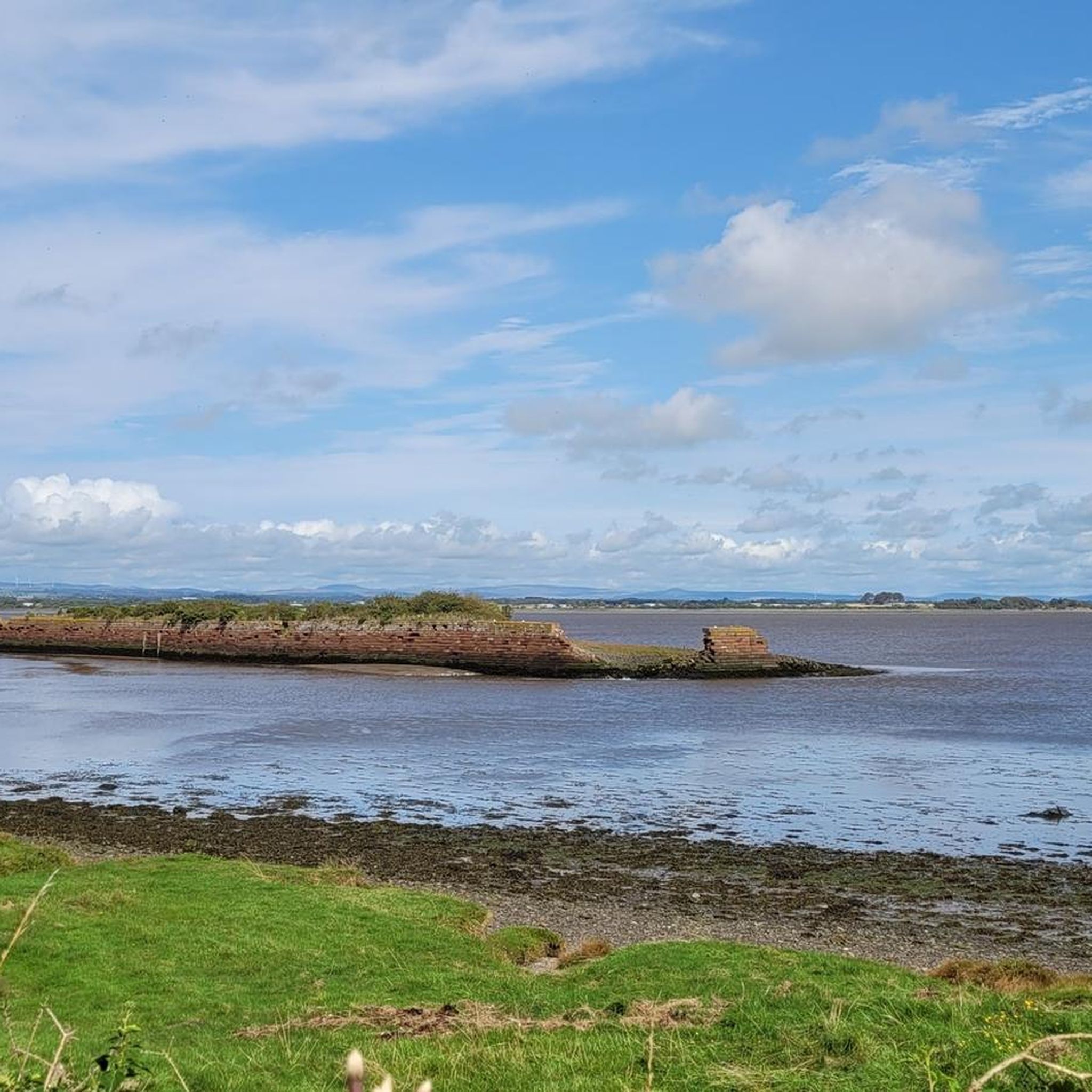
Tips from the Community

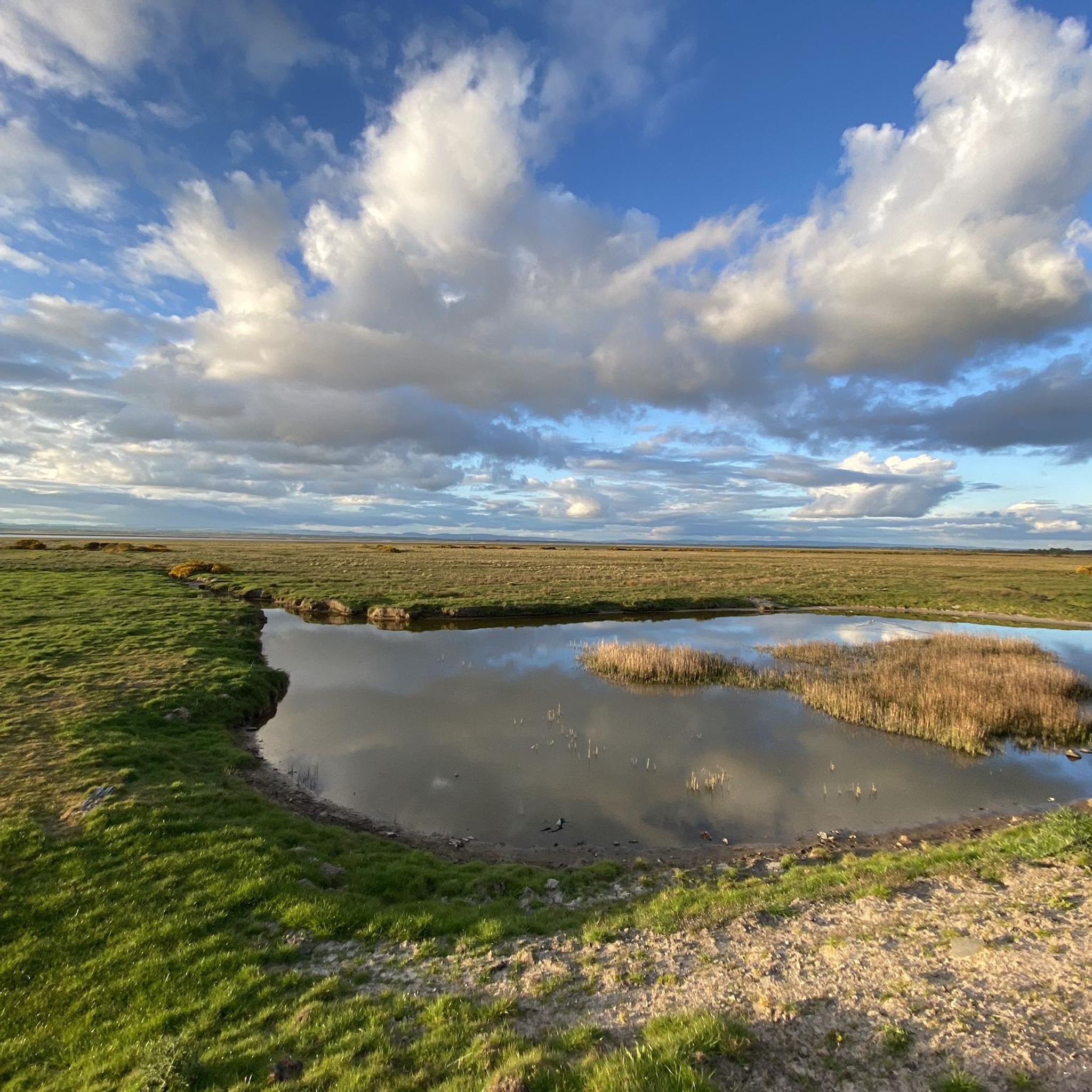
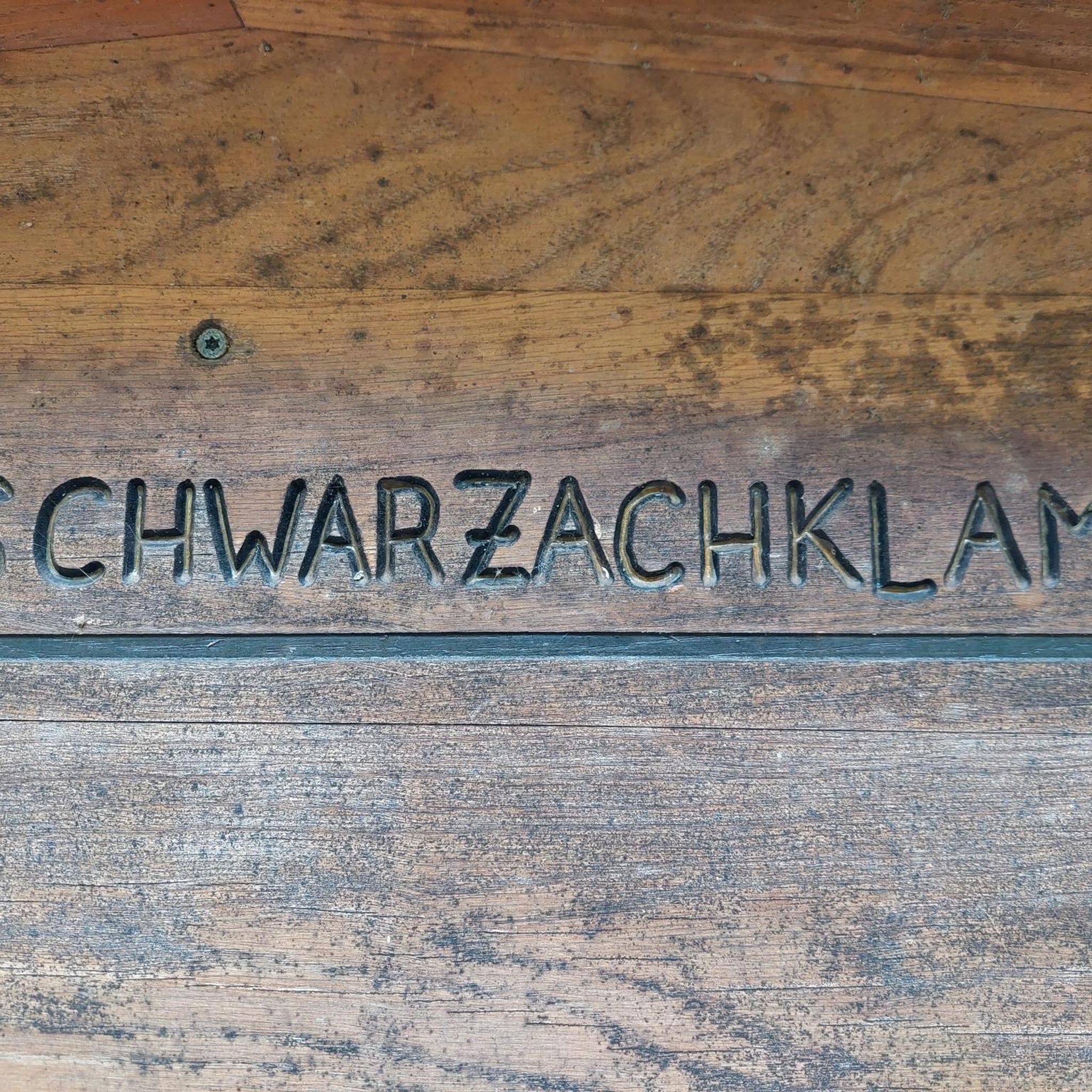
Drumburgh Castle in Cumbria was built in 1307 as a pele tower on a Roman foundation of Hadrian's Wall, using reused Roman sandstone. In 1518, it was converted into a fortified house, a so-called bastle house, which features defensive features such as loopholes and blank walls. The building even includes an integrated Roman altar and bears the Dacre coat of arms. As a Grade I-listed building, it is of exceptional heritage importance, but it is currently privately owned and not open to the public.
12
0
Carlisle Castle, built in 1092 by William II, is an imposing medieval fortress on the edge of Carlisle city center, near Hadrian's Wall. The castle played a key role in the Anglo-Scottish conflict, withstanding at least seven sieges between 1174 and 1461. In 1568, Mary Queen of Scots was imprisoned here, and during the Jacobite Rising of 1745, it was the last English fortress to be besieged. Visitors can explore the 12th-century gatehouse, the Tudor gun platform, and the keep with its 15th-century carvings. Also within its walls is Cumbria's Museum of Military Life, which chronicles 300 years of military history.
6
0
St. John's Church in Newton Arlosh, officially known as St. John the Evangelist's Church, is a rare example of a fortified church in Northwest England. It was built in 1303 by the monks of Holmcultram Abbey in response to the unsettled border situation with Scotland. Built of red sandstone and cobblestones, it features a massive west tower with arrow slits and a vaulted ground floor. The tower has a narrow entrance, a stone spiral staircase, and a hearth room, possibly used as a waiting room or priest's quarters. Newton Arlosh was founded after nearby Skinburness was destroyed by the sea; the monks built a new settlement and church there. After the Dissolution of the Monasteries in the 16th century, the church fell into disrepair and remained a ruin for over 250 years. In 1844 and again in 1894, the building was repaired and extended, with the chancel being placed perpendicular to the nave. Today it is a working Anglican parish church within the Diocese of Carlisle.
8
0

A pele tower was built on this site in 1307 on a former tower of Hadrian's Wall. This castle was then built on the same site in 1518 and then altered to its present design in the 17th century.
0
0


There were signs displayed saying cycle platform or cycle storage as soon as I went through an entrance. Due to the adverse weather I was focused on other issues and can not recall exactly what the signs say. The train station offers decent weather protection. Cafes, shelter rooms and areas, toilets, it is easy to ride into the train station and is permitted
1
0
Carlisle City Centre has castle grounds and what seems like an inner castle. There are several of these curved historical fort type structures, well preserved, whilst being the main city centre features
1
0

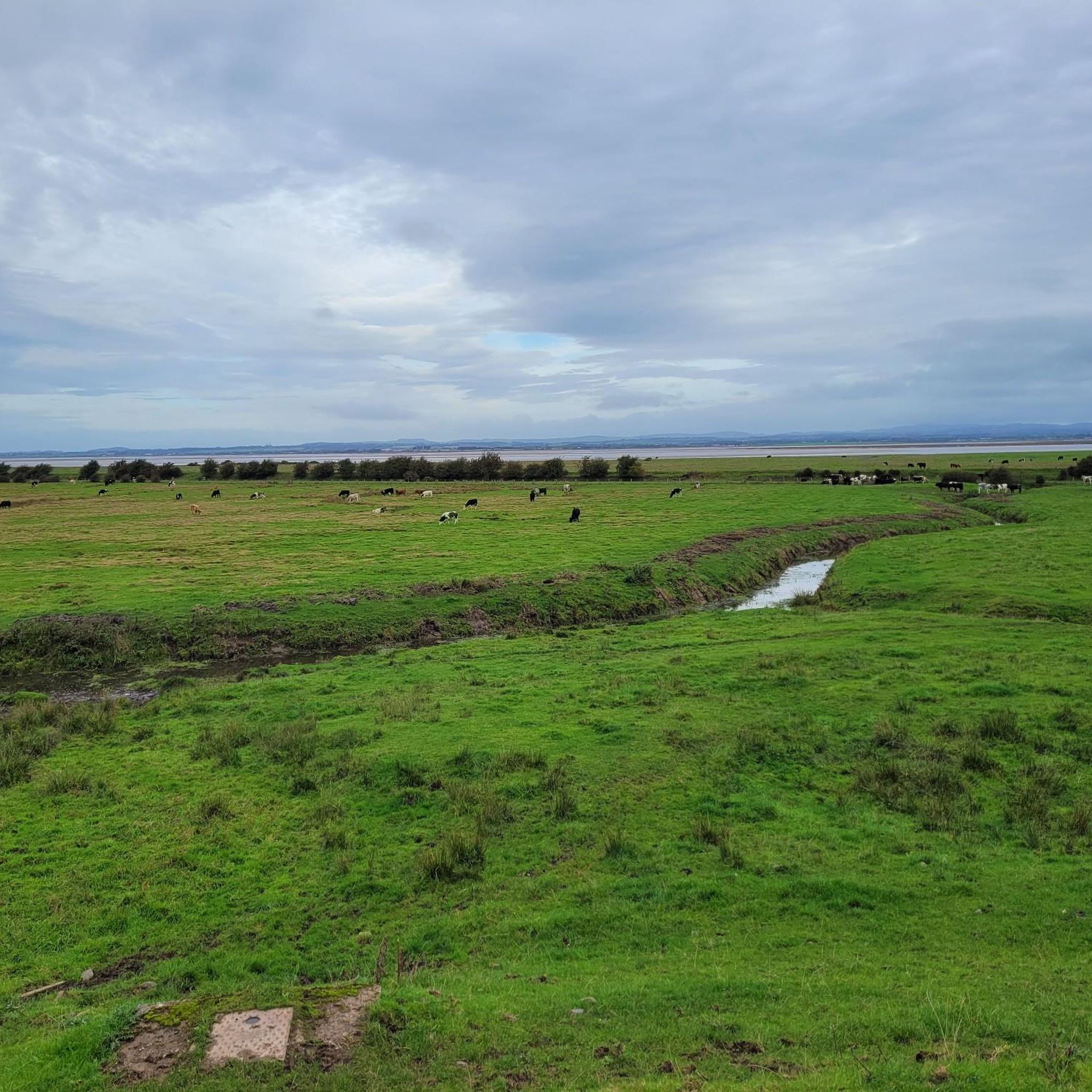
Drumburgh Castle is a medieval Grade I listed pele castle located in the coastal village of Drumburgh in Cumbria. Whilst the castle is not open for the public to explore, it still makes a great place to stop and admire some beautiful British history.
2
0
Frequently Asked Questions
What are the main castles and historical sites to visit near Aikton?
While there isn't a traditional castle to visit directly within Aikton parish, you can explore significant historical sites nearby. The most prominent is Carlisle Castle, located approximately 10 miles away. Another notable site is Drumburgh Castle, about 4.4 miles from Aikton, which is a medieval pele tower converted into a fortified house. Additionally, St John's Church in Newton Arlosh is a unique fortified church built in 1303, resembling a castle with its defensive features.
Is there an 'Aikton Castle' that visitors can explore?
The site historically referred to as 'Aikton Castle' is located in Great Salkeld, not within Aikton parish itself. It consists mainly of dry-walled foundations and collapsed walls, and its classification as a medieval defensive structure is uncertain. It does not offer the typical features expected of a castle for visitors and is not a coherent, visitable structure.
Are there family-friendly castles or historical sites near Aikton?
Yes, Carlisle Castle is a family-friendly attraction. It offers a rich history, including its role in Anglo-Scottish conflicts and as a prison for Mary Queen of Scots. Visitors can explore the 12th-century gatehouse, Tudor gun platform, and the keep, which also houses Cumbria's Museum of Military Life.
What outdoor activities can I do near these castles?
The area around Aikton and its historical sites offers various outdoor activities. You can find easy hikes, running trails, and road cycling routes. For example, near Drumburgh Castle, you can explore routes like the 'Glasson Moss – Glasson Moss Boardwalk loop' or 'Molly's Path – Glasson Moss loop' for hiking.
How far is Carlisle Castle from Aikton and how long does it take to get there?
Carlisle Castle is approximately 10 miles from Aikton. Driving typically takes around 20-25 minutes, depending on traffic and your exact starting point within Aikton.
Can I visit Drumburgh Castle?
Drumburgh Castle is a Grade I-listed building of exceptional heritage importance. However, it is currently privately owned and not open to the public. While you cannot enter, it still makes for an interesting stop to admire its historical architecture from the outside.
Are there any dog-friendly attractions or walks near the castles?
While specific castle interiors may have restrictions, the surrounding areas often offer dog-friendly walks. For instance, the Solway Coast AONB, near Drumburgh Castle and Newton Arlosh, provides scenic routes suitable for walks with dogs. Always check specific site rules for any indoor areas.
What is the best time to visit castles and historical sites around Aikton?
The best time to visit is generally during the spring and summer months (April to September) when the weather is milder and daylight hours are longer. This allows for more comfortable exploration of outdoor sites and better conditions for walking or cycling in the surrounding areas. Always check specific opening hours for attractions like Carlisle Castle before your visit.
Are there public transport options to reach castles near Aikton?
Public transport options directly to all castle sites from Aikton can be limited. Carlisle, where Carlisle Castle is located, is well-served by buses and trains, including Carlisle Railway Station. For sites like Drumburgh Castle or St John's Church, Newton Arlosh, public transport may require connections or be less frequent, so driving is often the most convenient option.
Are there accessible castles or historical sites for wheelchair users near Aikton?
Accessibility varies by site. Carlisle Castle, being a historic site, has some accessible areas, but certain parts of the medieval structure may have limitations due to stairs or uneven surfaces. It's advisable to check the official English Heritage website for detailed accessibility information before your visit. Carlisle Railway Station is noted as wheelchair accessible.
What makes St John's Church in Newton Arlosh unique?
St John's Church in Newton Arlosh is a rare example of a fortified church, built in 1303 by monks in response to border conflicts with Scotland. It features a massive west tower with arrow slits and a narrow entrance, giving it a castle-like appearance. This unique design reflects the turbulent history of the Anglo-Scottish border region.
Most popular attractions around Aikton

Get inspired with the komoot mobile app


Explore more
Looking for the best castles somewhere else? Discover other guides around Aikton:
