Top 6 Castles around Yealand Redmayne
Castles around Yealand Redmayne offer insights into historical architecture and defensive structures in Lancashire. The area features a mix of medieval fortifications, historic manor houses, and sites with connections to former castles. These locations provide examples of past military strategies and domestic life. The landscape around Yealand Redmayne combines natural beauty with historical significance.
Best castles around Yealand Redmayne
- The most popular castles is Hazelslack Tower, a historical site that is a small, medieval pele tower dating back to…
Last updated: July 13, 2026
Arnside Tower Ruins
Highlight • Historical Site
Tip by

Hazelslack Tower
Highlight • Historical Site
Tip by

Sign up now to discover places like this
Get recommendations on the best single tracks, peaks, & plenty of other exciting outdoor places.
Sign up for free
Borwick Hall
Highlight • Other
Tip by

Hazelslack Tower and Teddy Heights Nature Reserve
Highlight • Natural Monument
Tip by
St Michael the Archangel Church
Highlight • Historical Site
Tip by
Sign up for free to discover even more castles around Yealand Redmayne.
Sign up for free
Already have an account?
Start today with a free account
Your next adventure awaits.
Login or Signup
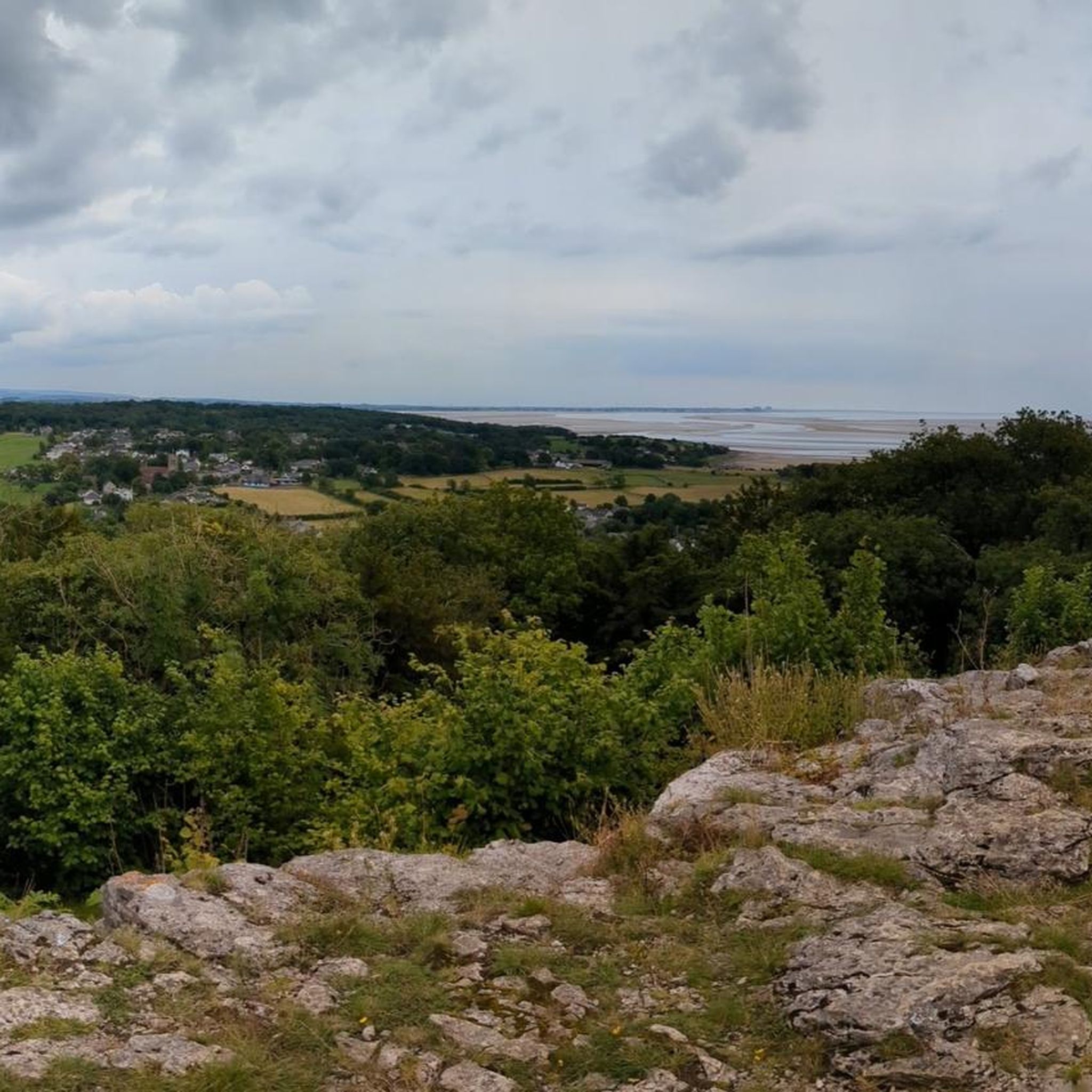
Tips from the Community

don't go through the farm yard, use the footpath on the left
0
0

Hazelslack Tower was a Peel (Pele) Tower ( small fortified keeps or tower houses, built along the English and Scottish borders in the Scottish Marches and North of England). Thought to built late 14th Century.
2
0
Hazelslack Tower was a Peel (Pele) Tower ( small fortified keeps or tower houses, built along the English and Scottish borders in the Scottish Marches and North of England). Thought to built late 14th Century.
0
0
Arnside Tower is in a dangerous condition and should not be entered. It was built in the 15th century as part of a defensive ring around Morecambe Bay, to safeguard the local inhabitants and their animals from marauding Scots.
0
0

Hazelslack Tower is visible from the footpath and is a small, medieval pele tower (a fortified tower house) that dates back to the 14th century. It was built as a defensive structure during a time of border conflicts and raids between England and Scotland.
1
0
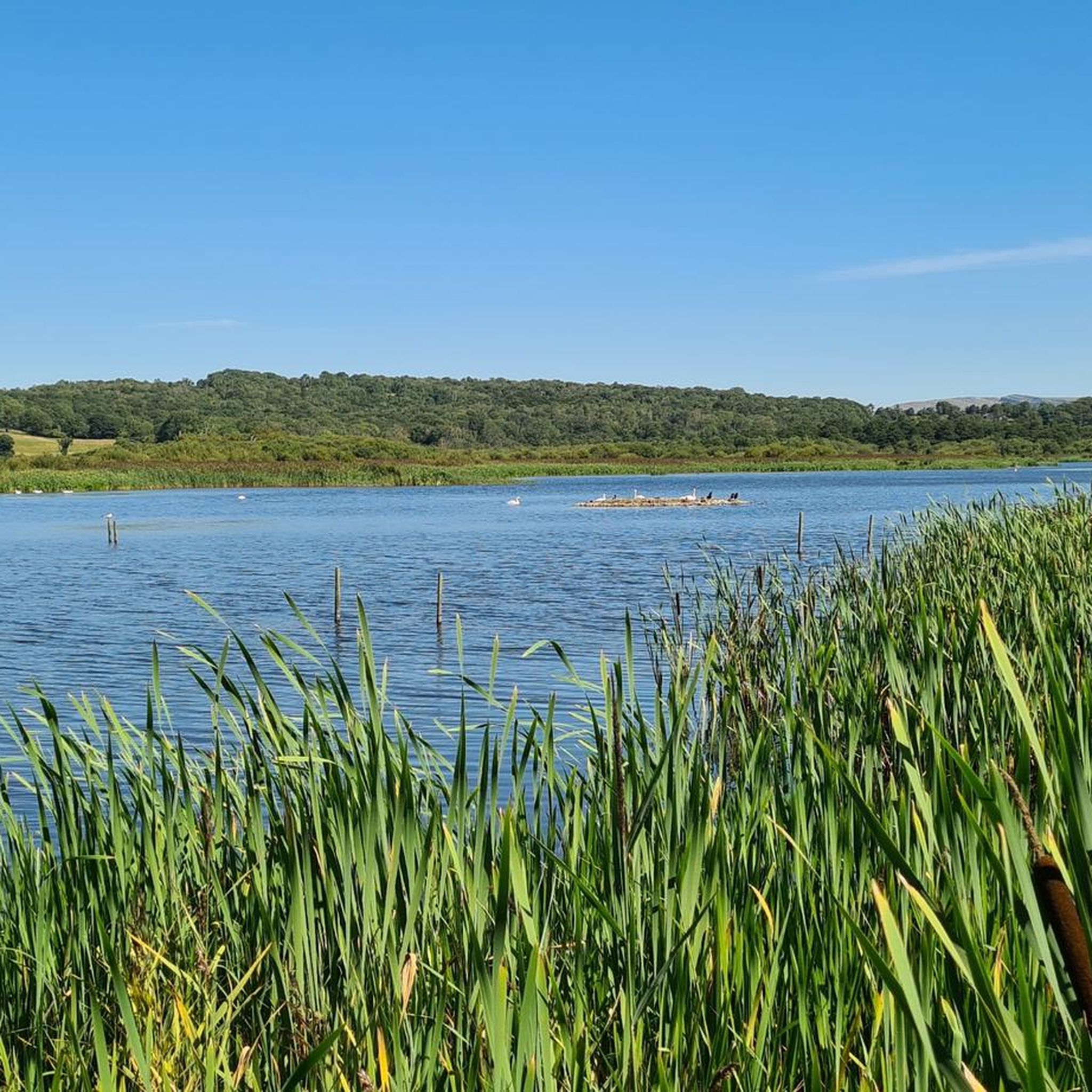
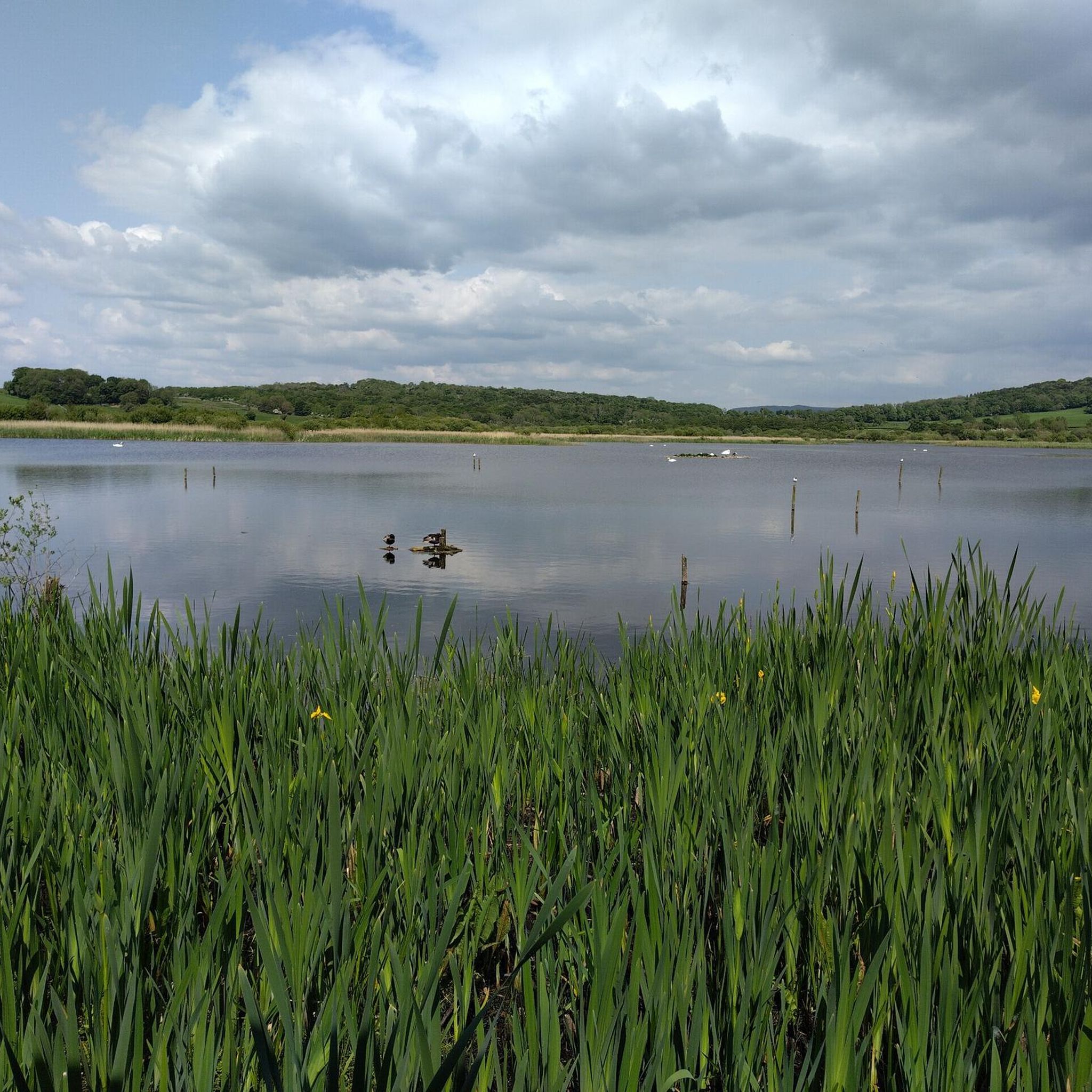
This compact Nature Reserve has three unique habitats: wet grassland in the southwest, a northern woodland exuding an ancient woodland charm, and the rest of the area covered by secondary semi-natural woodland. Hazelslack Tower is visible from the footpath and is thought to be from the 14th century and is Grade II listed.
2
0
Arnside Tower is believed to have been built in the late 14th century, during the late medieval period. It served as a defensive structure, designed to protect against potential Scottish raids and incursions along the border with Scotland.
2
0
The church stands within the bailey of a former castle. It is thought that a church has been on this site since 1200. The oldest part of the present church is the tower, which dates from the early 16th century. The rest of the church was largely rebuilt in 1875.
0
0
Frequently Asked Questions
What types of historical sites can I explore around Yealand Redmayne?
The area around Yealand Redmayne offers a diverse range of historical sites. You can find medieval pele towers like Hazelslack Tower, which served as defensive strongholds. There are also earthworks of early medieval fortifications, such as Castle Stede Motte and Bailey Earthworks, and historic manor houses like Borwick Hall, offering insights into gentry life.
Are there any sites that combine history with nature?
Yes, Hazelslack Tower and Teddy Heights Nature Reserve is an excellent option. Here, you can explore the 14th-century pele tower while also enjoying the compact nature reserve, which features wet grassland, ancient woodland, and semi-natural woodland habitats.
Which sites offer a glimpse into medieval military architecture?
For medieval military architecture, visit Hazelslack Tower, a 14th-century pele tower built for defense during border conflicts. Additionally, the visible earthworks of Castle Stede Motte and Bailey Earthworks provide a tangible connection to early medieval castle building and strategic fortifications.
Can I visit a historic house that isn't a traditional castle?
Yes, 'The Castle' in Yealand Redmayne is a late 17th-century Grade II* listed house. While not a medieval fortress, its well-preserved architectural style, featuring slobbered limestone rubble and sandstone dressings, makes it a significant example of a historic domestic building in the area.
What outdoor activities can I do near these historical sites?
The region offers various outdoor activities. You can find numerous hiking trails, including easy hikes around Hawes Water and Leighton Moss Nature Reserve. For cycling enthusiasts, there are routes like the Lancaster Canal loop. You can explore more options in the hiking guide and cycling guide for Yealand Redmayne.
Is there a site with historical church architecture related to a former castle?
Yes, St Michael the Archangel Church in Warton is notable. It stands within the bailey of a former castle, with its oldest part, the tower, dating from the early 16th century. It offers a chance to see ecclesiastical architecture on a site with deep historical roots.
What is the historical significance of Borwick Hall?
Borwick Hall is a 16th-century manor house that provides insight into the lives of the gentry and the architectural styles of the Tudor period. It was originally owned by Roger of Poitou and later by various Members of Parliament and elite families, reflecting centuries of local history.
Are there any easy walking trails that incorporate historical sites?
Yes, you can find easy walking trails that pass by or lead to historical sites. For instance, Hazelslack Tower is visible from a footpath, allowing for an easy historical exploration combined with a walk. Check the easy hikes guide for more options.
What should I know about visiting Castle Stede Motte and Bailey Earthworks?
The earthworks of Castle Stede are a visible example of a motte and bailey castle. It was strategically built to oversee a river fording point but was deserted in the early 13th century. Its enduring earthworks offer a tangible connection to early medieval military strategy, and a pillbox from WWII also stands on the site.
Where can I find more information about the history of Hazelslack Tower?
You can find more historical details about Hazelslack Tower, including its role as a pele tower during border conflicts, on the Lancashire County Council's Red Rose Collections website. For example, you can view related items here and here.
What do visitors appreciate most about the castles and historical sites in this area?
Visitors often appreciate the historical significance and the opportunity to see well-preserved examples of different architectural periods, from medieval defensive structures to Tudor manor houses. The combination of history with natural landscapes, such as at Hazelslack Tower and Teddy Heights Nature Reserve, is also highly valued by the komoot community.
Most popular routes around Yealand Redmayne
Most popular attractions around Yealand Redmayne

Get inspired with the komoot mobile app


Explore more
Looking for the best castles somewhere else? Discover other guides around Yealand Redmayne:
