Top 10 Lakes in Dorset AONB
Best lakes in Dorset AONB are situated within a protected landscape that covers over 40% of the county, extending from Lyme Regis to Poole Harbour. This region, now known as the Dorset National Landscape, encompasses diverse water bodies including tidal lagoons, freshwater lakes, and nature reserves. It is recognized for its unique habitats, significant wildlife, and geological importance, including parts of the World Heritage Jurassic Coast. The area offers various opportunities for nature observation and tranquil exploration.
Best lakes in Dorset AONB
- The most popular lakes is The Fleet Lagoon, a viewpoint that is Britain's largest tidal lagoon, spanning 13 km along Chesil Beach. It is a Site of Special Scientific Interest and a Ramsar site, known for its unique brackish waters and diverse birdlife.
- Another must-see spot is Fort on the Lake Folly, a historical site on a lake built in 1837 for model-boat testing. This folly, constructed in 1851, remains a decorative feature on the wild lake.
- Visitors also love Thatched Boathouse at Wheatley Lake, an other man-made structure on the shores of Lucerne Lake. This small thatched fishing lodge with stone walls dates back to the late 19th century and offers a place to rest.
- Dorset AONB is known for its tidal lagoons, freshwater lakes, and nature reserve lakes. The region offers a variety of water features to explore, from brackish lagoons to tranquil spring-fed lakes.
- The lakes in Dorset AONB are appreciated by the komoot community, with 58 upvotes and 18 photos shared by visitors.
Last updated: September 26, 2026
The Fleet Lagoon
Highlight • Viewpoint
Tip by

Minterne Gardens
Highlight • Lake
Tip by

Sign up now to discover places like this
Get recommendations on the best single tracks, peaks, & plenty of other exciting outdoor places.
Chaldon Herring Coastal Path and Pond
Highlight • Trail
Really nice, quaint pub here called The Sailor's Return. Closed on mondays and Tuesday mornings.
Tip by

Fort on the Lake Folly
Highlight • Historical Site
Furthermore, on this shore, you can observe the fort that was also constructed shortly thereafter.
Tip by

Shipstall Beach
Highlight • Beach
Tip by

Sign up for free to discover even more lakes in Dorset AONB.
Already have an account?
Start today with a free account
Your next adventure awaits.
Popular around Dorset AONB
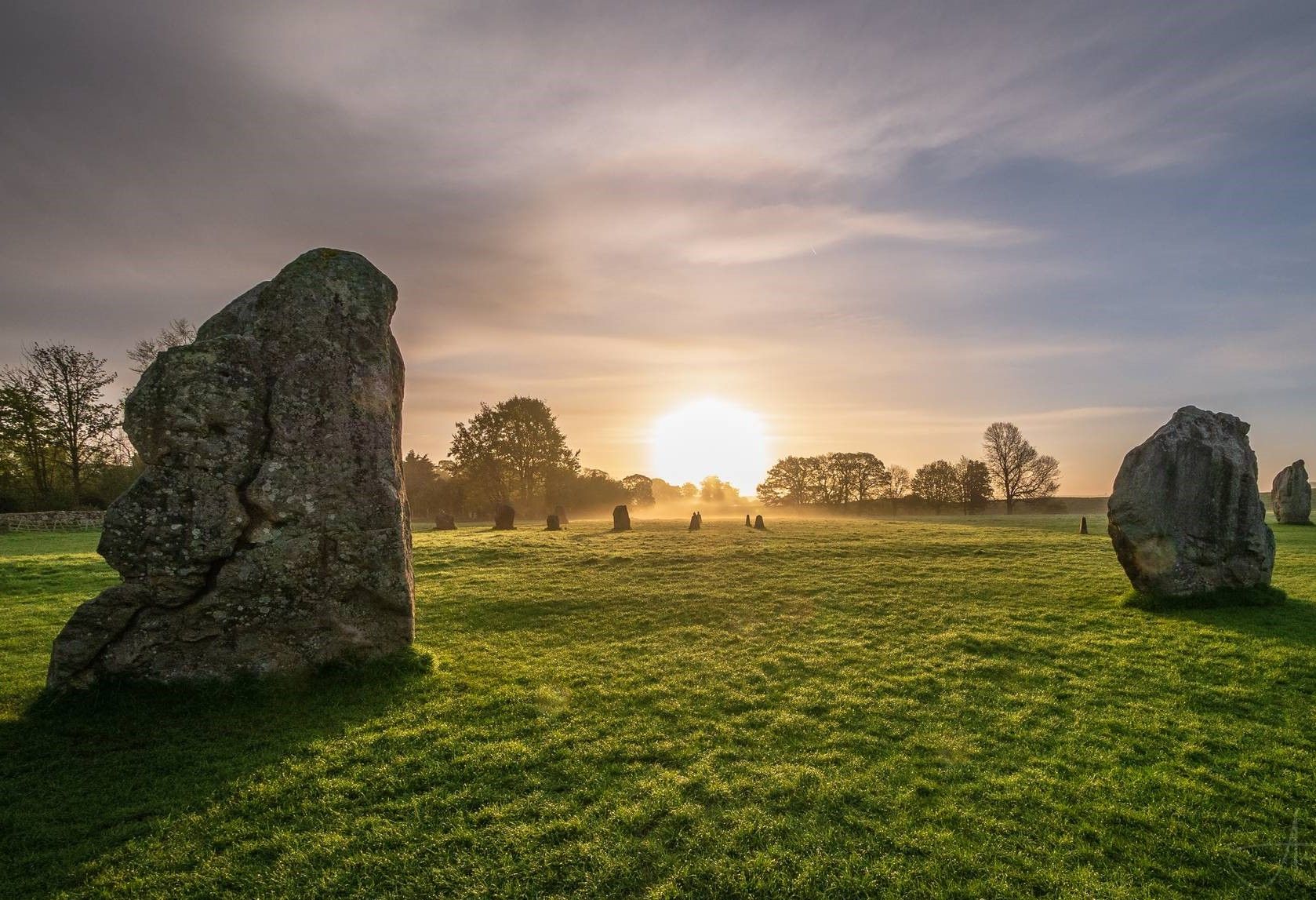
Celtic Way — An epic pilgrimage through prehistory and wild beauty

The Old Chalk Way
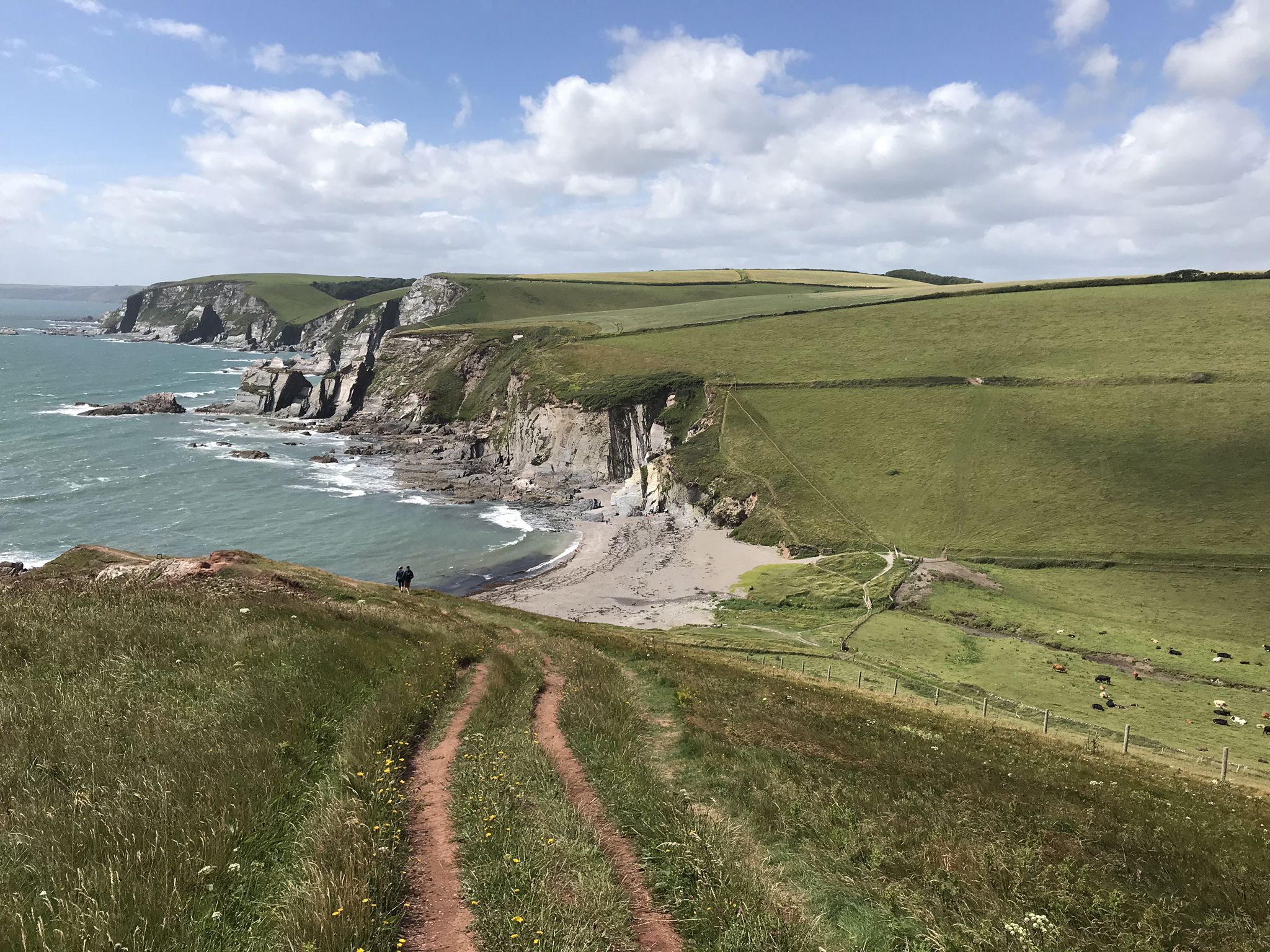
E9 Plymouth to Dover — An epic exploration of England's south coast

Just Around The Corner — exploring the best of the South West by bike

Hiking the Greater Ridgeway — Following Roman roads across England
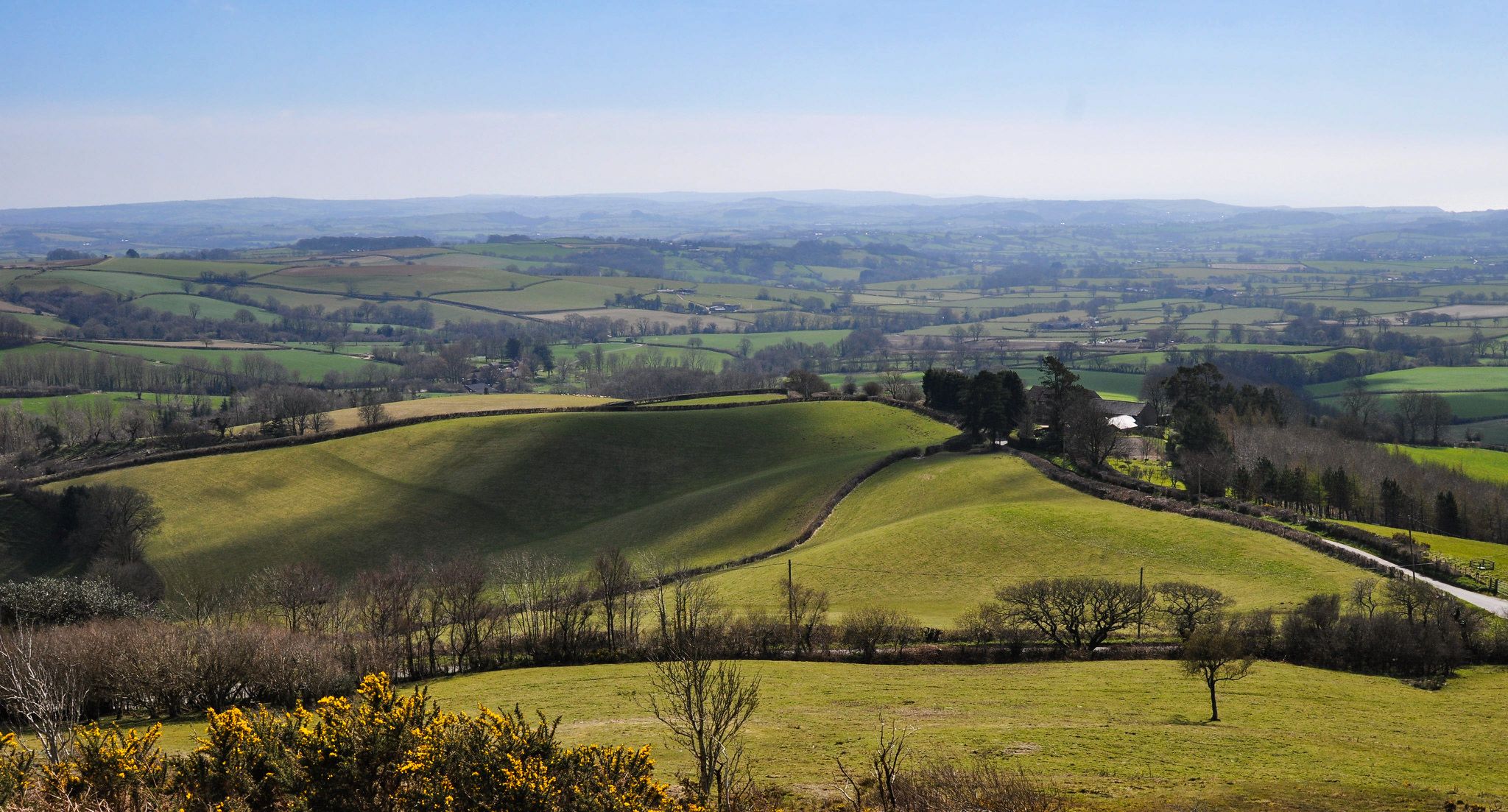
Hiking the Orange Way — Southern England in the footsteps of a king

Cycle the Greater Ridgeway Trail — English Channel to North Sea

Wessex Ridgeway — An ancient and beautiful ridge hike
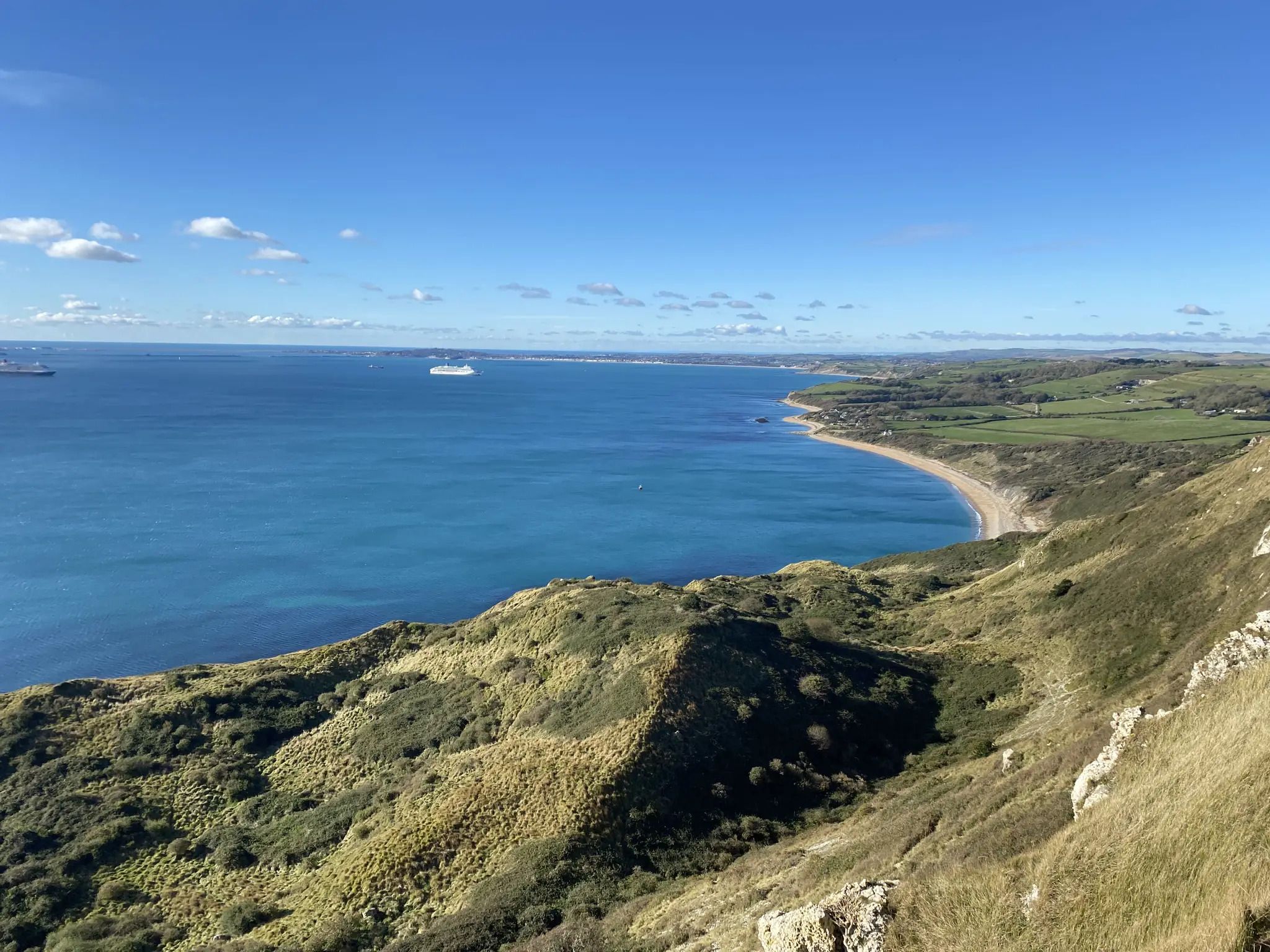
Jurassic Coast – Long Distance Walking in the South of England
Monarch's Way: Part 3 — Conquer the longest inland trail in England
Other adventures in Dorset AONB


Tips from the Community

The Chaldon Herring coastal path offers a peaceful Dorset hike past rolling green hills, ancient barrows, and dramatic chalk cliffs. You can explore a lovely circular route detailed on AllTrails, perfect for quiet sea views
0
0

A picturesque trek, with relatively easy paths and very enjoyable.
0
0
The "Fort on the Lake" in East Lulworth is a folly, a building built for decorative effect rather than a practical purpose, located on the edge of a lake created for model boat testing. The lake itself was built by Joseph Weld in the 1830s and the fort was built in 1851. The fort was originally intended to house a model 12-gun brig of war, but it was sadly dismantled and no longer exists. The folly remains as a decorative feature on the wild lake.
0
0
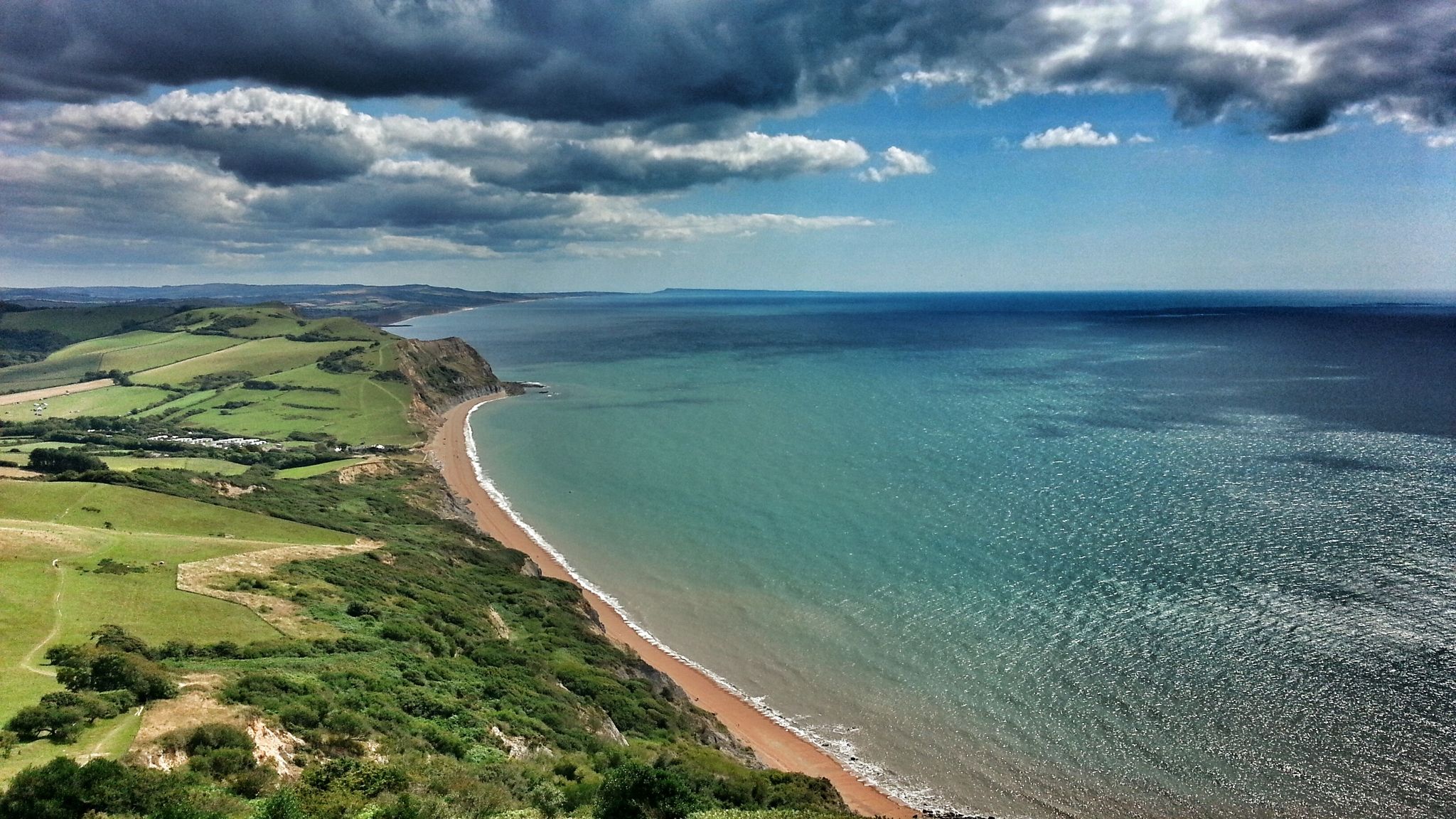
An extensive oasis of relative calm compared with the open sea across Chesil Beach, the Fleet Lagoon is a vital shelter and feeding area for wildlife. This long, shallow stretch of water is England’s largest lagoon at around 480 hectares. Home to the famous Abbotsbury Swannery and large numbers of over-wintering Brent geese, the Lagoon draws wildlife watchers to its shores. Visitors can also see other resident and migrant birds like little terns, wigeon, pochard, coots, even an occasional passing osprey. In addition to its birds, the Fleet Lagoon Marine Protected Area also protects numerous plants and animals. Several marine plants like seagrasses, stoneworts and salt marsh, and animals like lagoon sandworms, lagoon sand shrimps and the rare DeFolin’s lagoon snail all benefit from the Fleet’s status as an MPA. The Fleet Lagoon is also an important nursery area for several types of fish like bass, black bream, sand smelt, mullets and gobies. Commercial fishing does occur in the Fleet although it is tightly controlled and limited in its extent. Toward the seaward end, oysters are also farmed commercially.
0
0

Beautiful spot, on a sunny day could almost think you are in the Caribbean
0
0

Many birds can be observed here, it is a special place.
0
0

fabulous landscaped gardens at all times of year, especially the autumn
0
0
Frequently Asked Questions
What unique natural features can I explore at the lakes in Dorset AONB?
The region offers diverse water features. You can explore The Fleet Lagoon, Britain's largest tidal lagoon, known for its brackish waters and unique ecosystem. The Blue Pool mesmerizes with its water that changes color due to suspended clay particles, surrounded by heathland. Radipole Lake and Lodmoor Nature Reserve feature extensive reedbeds and wetlands, vital for birdlife.
Are there family-friendly lakes in Dorset AONB?
Yes, several lakes are great for families. The Blue Pool offers woodland walks with hidden fairy doors and an adventure play area. Radipole Lake provides family activities like pond dipping and nature trails. Sutton Bingham Reservoir has a children's play area and picnic spots, while Litton Lakes is a family-friendly site with a campsite and cafe, ideal for swimming and paddleboarding.
Which lakes are best for birdwatching in Dorset AONB?
For birdwatching, The Fleet Lagoon is a sanctuary for diverse birdlife, including mute swans and Brent geese. Radipole Lake and Lodmoor Nature Reserve in Weymouth are RSPB reserves, offering excellent opportunities to spot species like bearded tits, kingfishers, and various wading birds from viewing screens.
Can I go wild swimming or paddleboarding in the lakes of Dorset AONB?
Yes, there are excellent spots for water activities. Lake Pier in Poole Harbour is ideal for wild swimming, kayaking, and paddleboarding in its tranquil waters. Swineham Lake near Wareham is a dedicated spot for open water swimming, offering a peaceful connection with nature. Litton Lakes also provides sheltered and calm waters perfect for swimming, paddleboarding, and kayaking, especially for beginners.
Are there historical sites or unique man-made structures near the lakes?
Absolutely. The Fleet Lagoon holds historical significance, having been used for testing the 'Bouncing Bomb' during World War II. You can also visit the Fort on the Lake Folly, a decorative structure built in 1851 on a lake originally created for model-boat testing. The Thatched Boathouse at Wheatley Lake is another charming late 19th-century structure.
What outdoor activities can I do near these lakes?
Beyond water sports, the region offers various outdoor activities. You can find numerous cycling routes, such as the 'Abbostsbury and the Valley of the Stones' or 'Sandbanks Ferry' loops, which you can explore via the Cycling in Dorset AONB guide. For mountain biking, consider routes like the 'Purbeck Hills MTB Loop' from the MTB Trails in Dorset AONB guide. Gravel biking options are also available, including the 'Wareham Quay – Sika Trail loop' in the Gravel biking in Dorset AONB guide.
Which lakes offer accessible paths for pushchairs or wheelchairs?
Radipole Lake, an RSPB nature reserve in Weymouth, is known for its firm, flat paths, making it accessible for pushchairs and wheelchairs. This allows visitors of all mobility levels to enjoy the birdwatching and nature trails.
Are there any lakes suitable for dog walking?
Yes, Lodmoor Nature Reserve in Weymouth has designated dog-friendly trails, provided dogs are kept on leads. Lake Pier in Poole Harbour is also dog-friendly year-round, offering a pleasant sand and shingle beach for walks.
What is the best time to visit the lakes in Dorset AONB?
The best time to visit depends on your interests. Spring and autumn are excellent for birdwatching, especially at reserves like Radipole Lake and Lodmoor, which are important stopovers for migratory birds. Summer is ideal for water activities like swimming and paddleboarding. The region's natural beauty can be enjoyed year-round, with each season offering a different charm.
Are there cafes or facilities available near the lakes?
Many lake areas offer facilities. The Blue Pool has an on-site Art Deco tearoom. Litton Lakes features an on-site cafe, and Sutton Bingham Reservoir provides picnic spots. Additionally, areas like Radipole Lake and Lodmoor Nature Reserve have visitor centers or facilities nearby due to their urban or reserve locations.
What makes Sutton Bingham Reservoir a notable lake in the region?
Sutton Bingham Reservoir, located on the Dorset-Somerset border, is a significant water body known for its diverse wildlife, including 88 bird species. It's a popular destination for trout fishing, birdwatching, and exploring woodland trails. The reservoir also offers opportunities for sailing, canoeing, and model boating, with amenities like a children's play area and picnic spots.
What do visitors enjoy most about the lakes in Dorset AONB?
Visitors particularly enjoy the tranquility and natural beauty. The Fleet Lagoon is appreciated for its extensive oasis of calm and vital shelter for wildlife. The Minterne Gardens are celebrated for their exceptional landscaped gardens and water features. The region's diverse habitats and opportunities for wildlife observation, walking, and water activities are highly valued by the komoot community, with 58 upvotes and 18 photos shared.
Most popular routes in Dorset AONB
Most popular attractions in Dorset AONB

Get inspired with the komoot mobile app


Explore more
Still not found your perfect lake in Dorset AONB? Check out the guides of these regions to see even more beautiful places.
