The 20 Most Amazing Peaks in the Cascade Range
Best mountain peaks in the Cascade Range stretch over 700 miles through Northern California, Oregon, Washington, and into British Columbia. This region is home to a spectacular array of mountain peaks, many of which are active volcanoes. These mountains are known for their snow-capped summits, extensive glaciers, and diverse ecosystems, showcasing a dramatic geological history.
Best mountain peaks in the Cascade Range
- The most popular mountain peaks is Faraway Rock Overlook, a viewpoint that offers panoramic views of Lake…
Last updated: August 30, 2026
Faraway Rock Overlook
Highlight • Viewpoint
Tip by

Panorama Point Summit
Highlight • Viewpoint
Tip by
Sign up now to discover places like this
Get recommendations on the best single tracks, peaks, & plenty of other exciting outdoor places.
Sign up for free
Panorama Point View of Mount Rainier
Highlight • Viewpoint
Tip by

Squak Mountain Central Peak
Highlight • Summit
Tip by

Dog Mountain summit
Highlight • Summit
Tip by

Whittaker Wilderness Peak Trail (upper section)
Highlight (Segment) • Trail
Tip by

Samish Overlook
Highlight • Viewpoint
Tip by

Little Si Summit
Highlight • Summit
Tip by

Poo Poo Point
Highlight • Viewpoint
Tip by

Bench at Wilderness Peak
Highlight • Summit
Tip by

Sign up for free to discover even more peaks in the Cascade Range.
Sign up for free
Already have an account?
Start today with a free account
Your next adventure awaits.
Login or Signup
Popular around Cascade Range
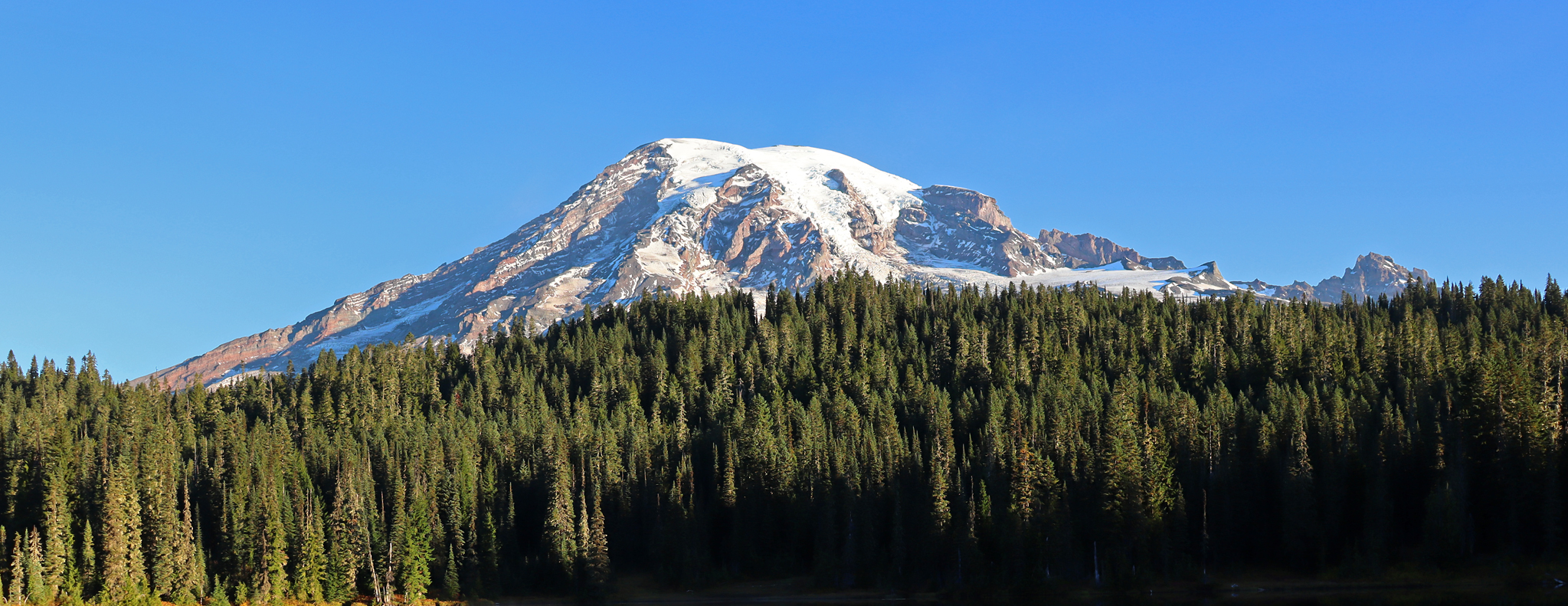
Wonderland Trail — 93 iconic miles around Mount Rainier
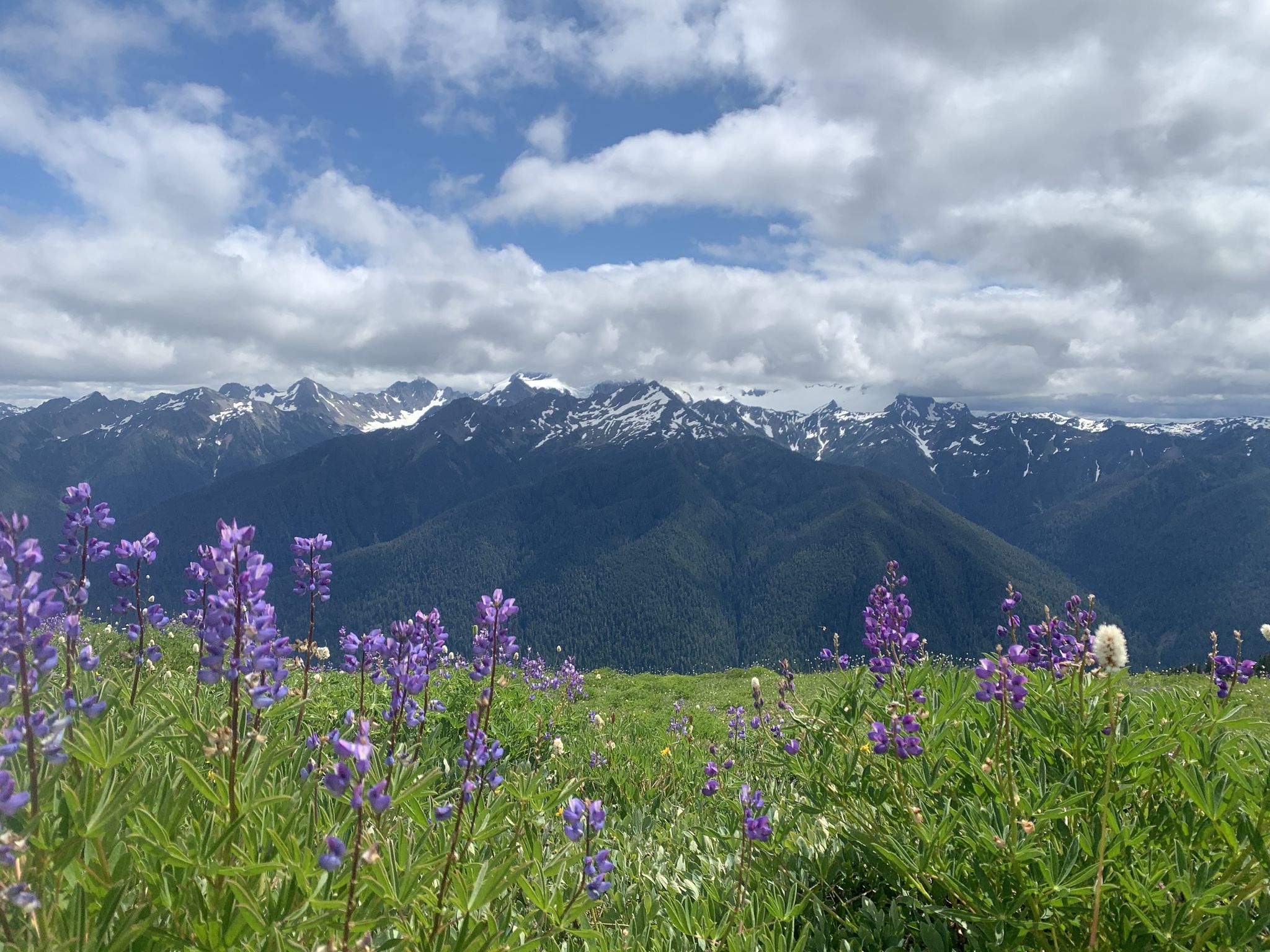
Pacific Northwest National Scenic Trail — From Alpine to Alava through the untamed Northwest
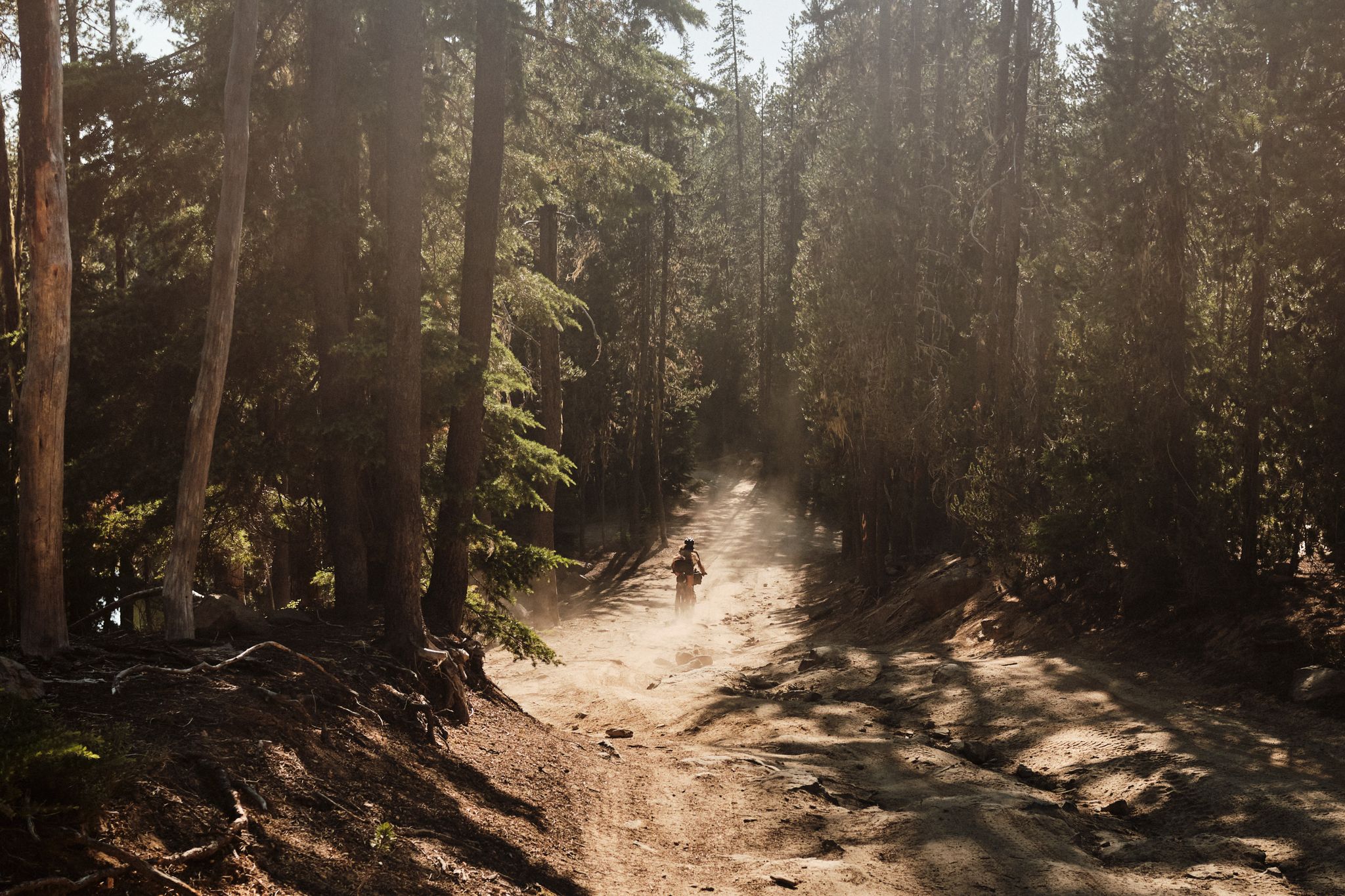
Oregon Timber Trail — High heat

Pacific Crest Trail from Mexico to Canada – 4,200 kilometres of wilderness
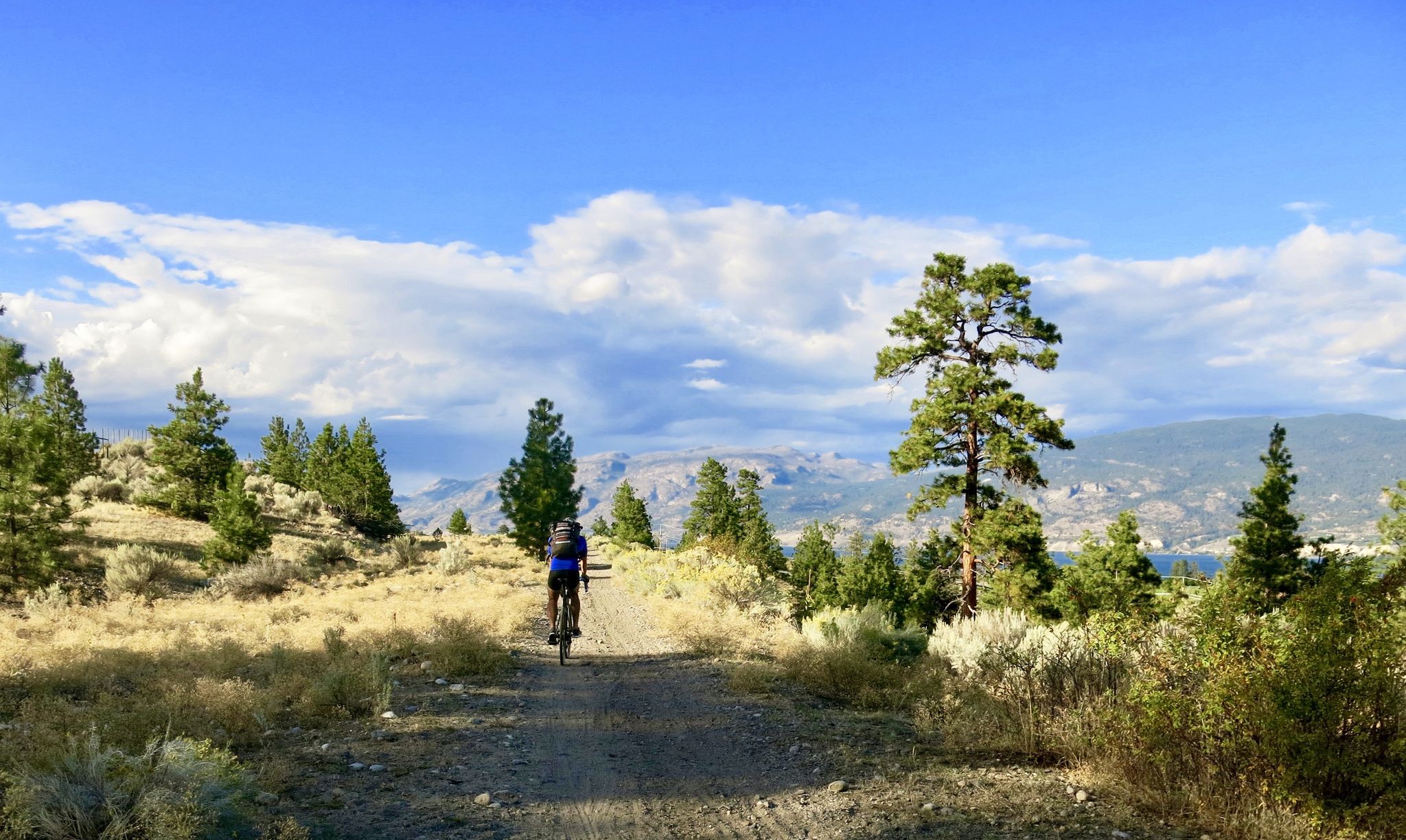
Vancouver roundtrip — Bikepacking British Columbia
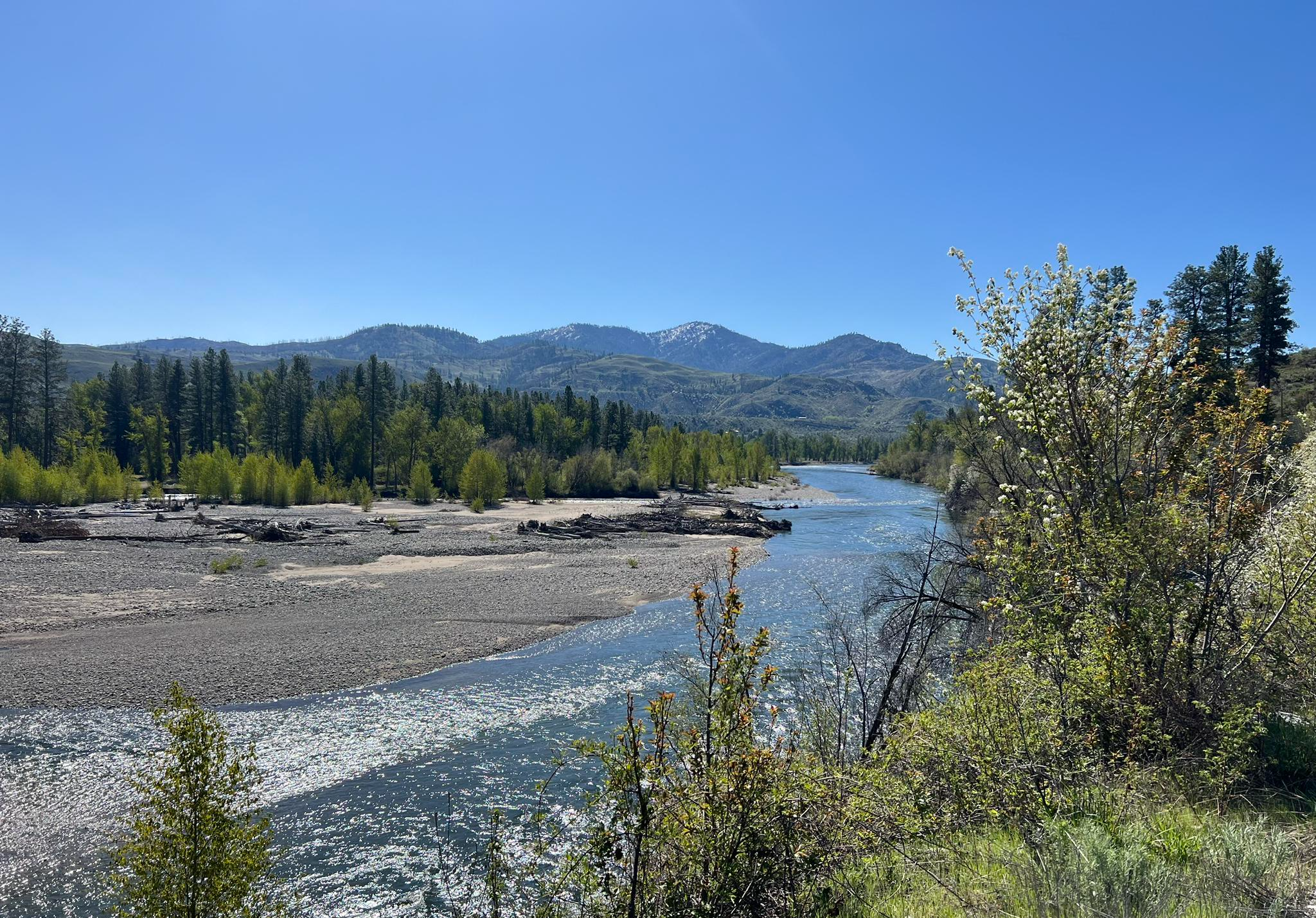
Winthrop Chelan Traverse — The backroads of the Eastern Cascades
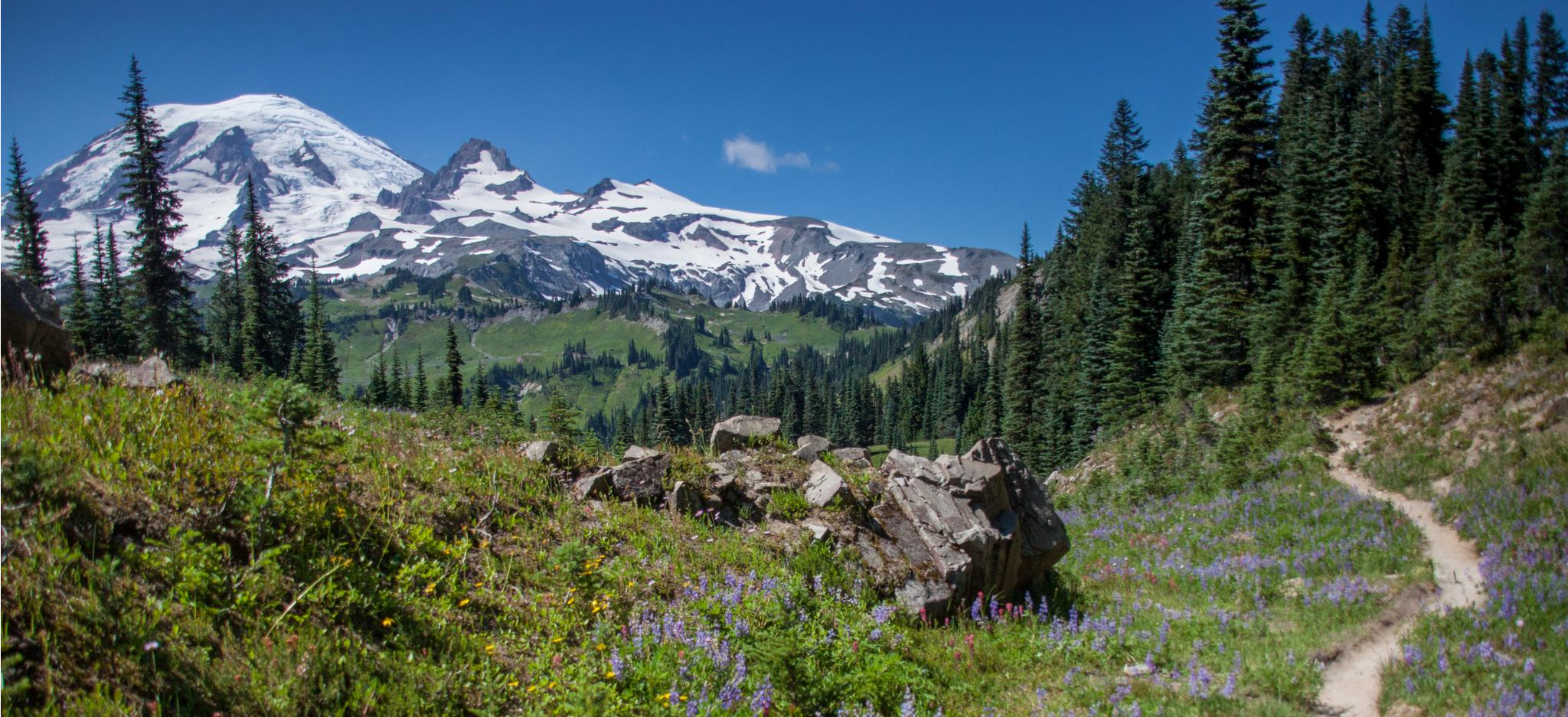
Wonderland Trail — 3-Day fastpacking through the dreamscape
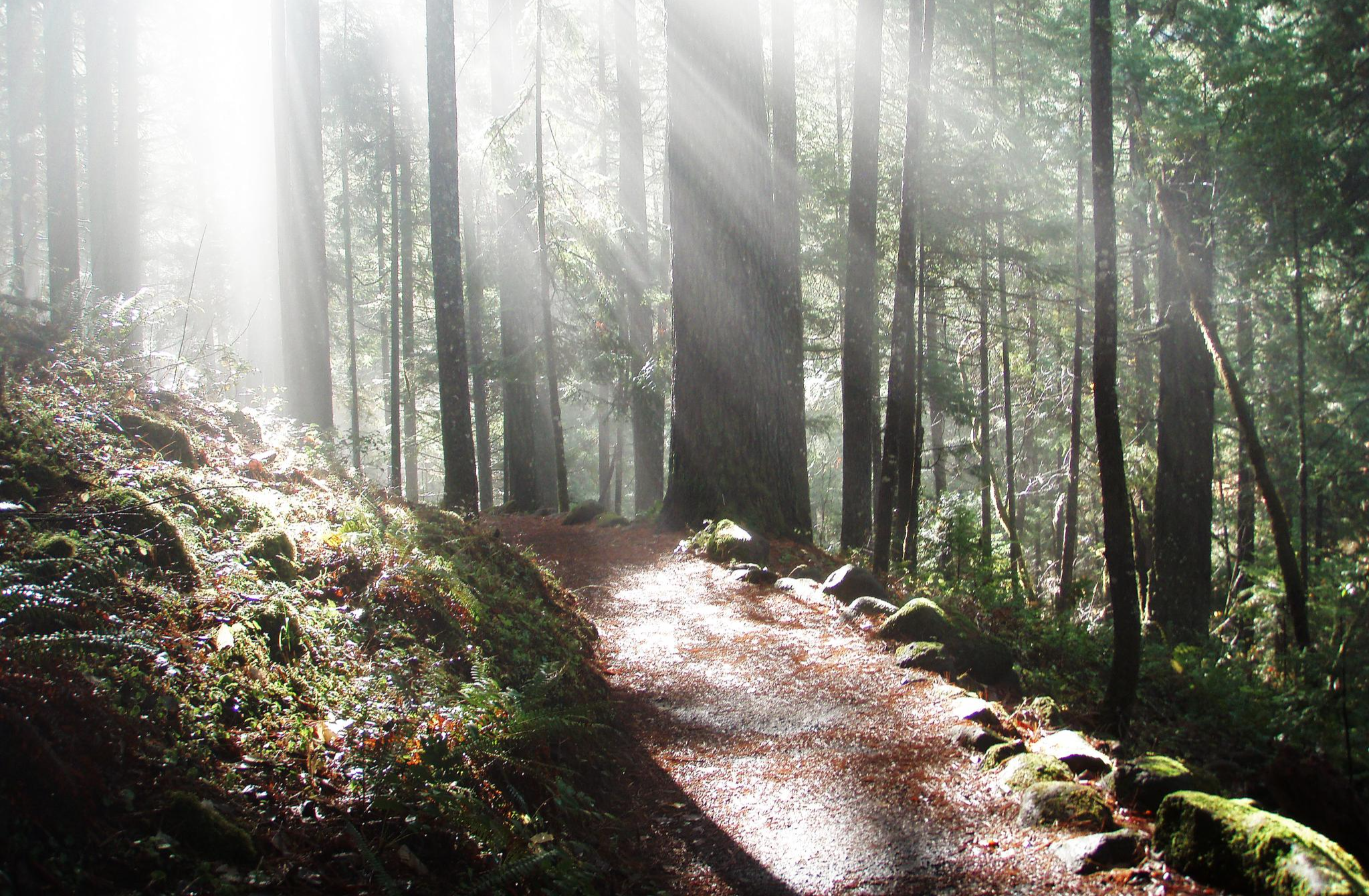
The North Umpqua Trail — Riding through Oregon's Lush Backcountry
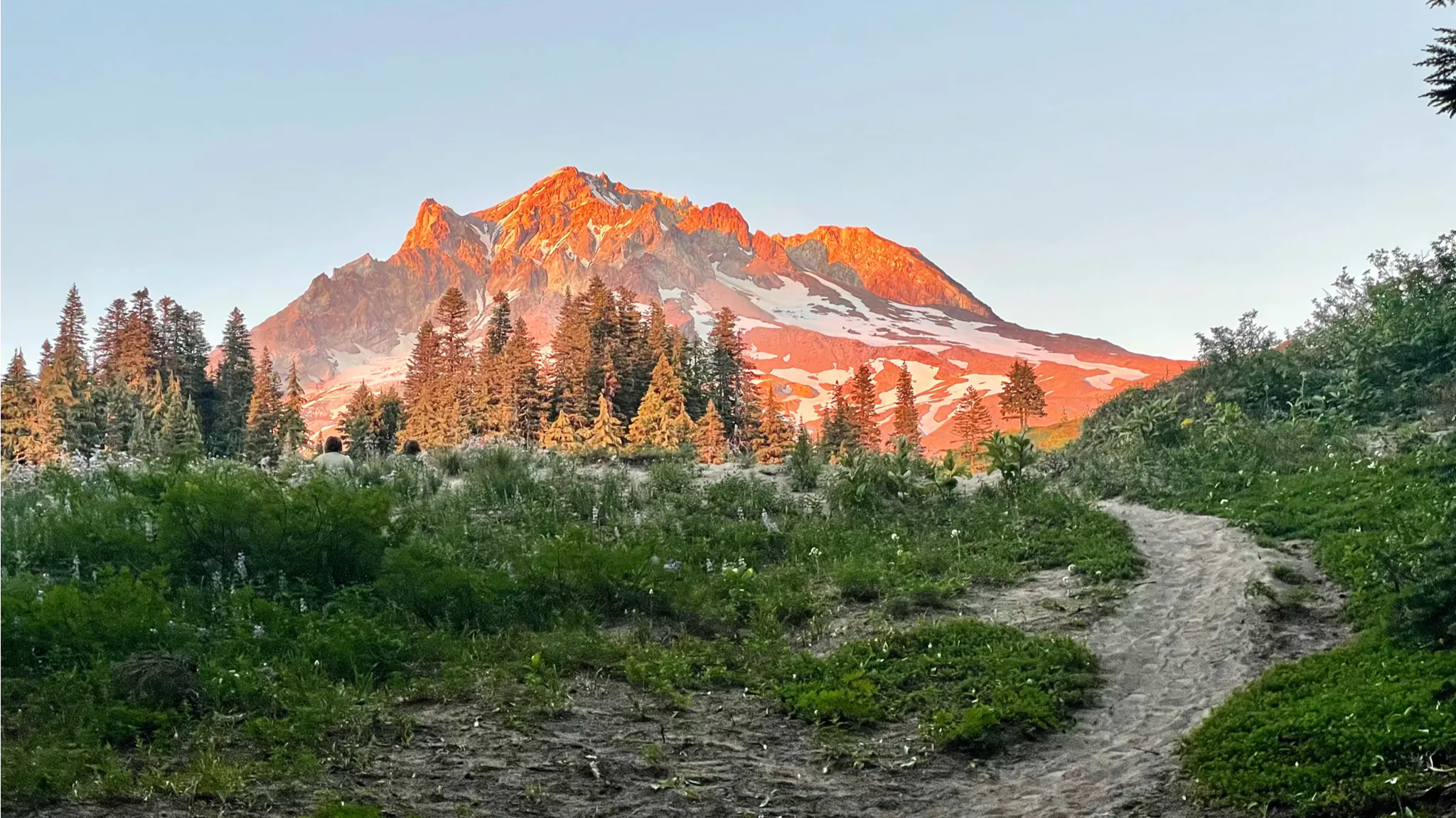
Timberline Trail — A Scenic Mount Hood Adventure
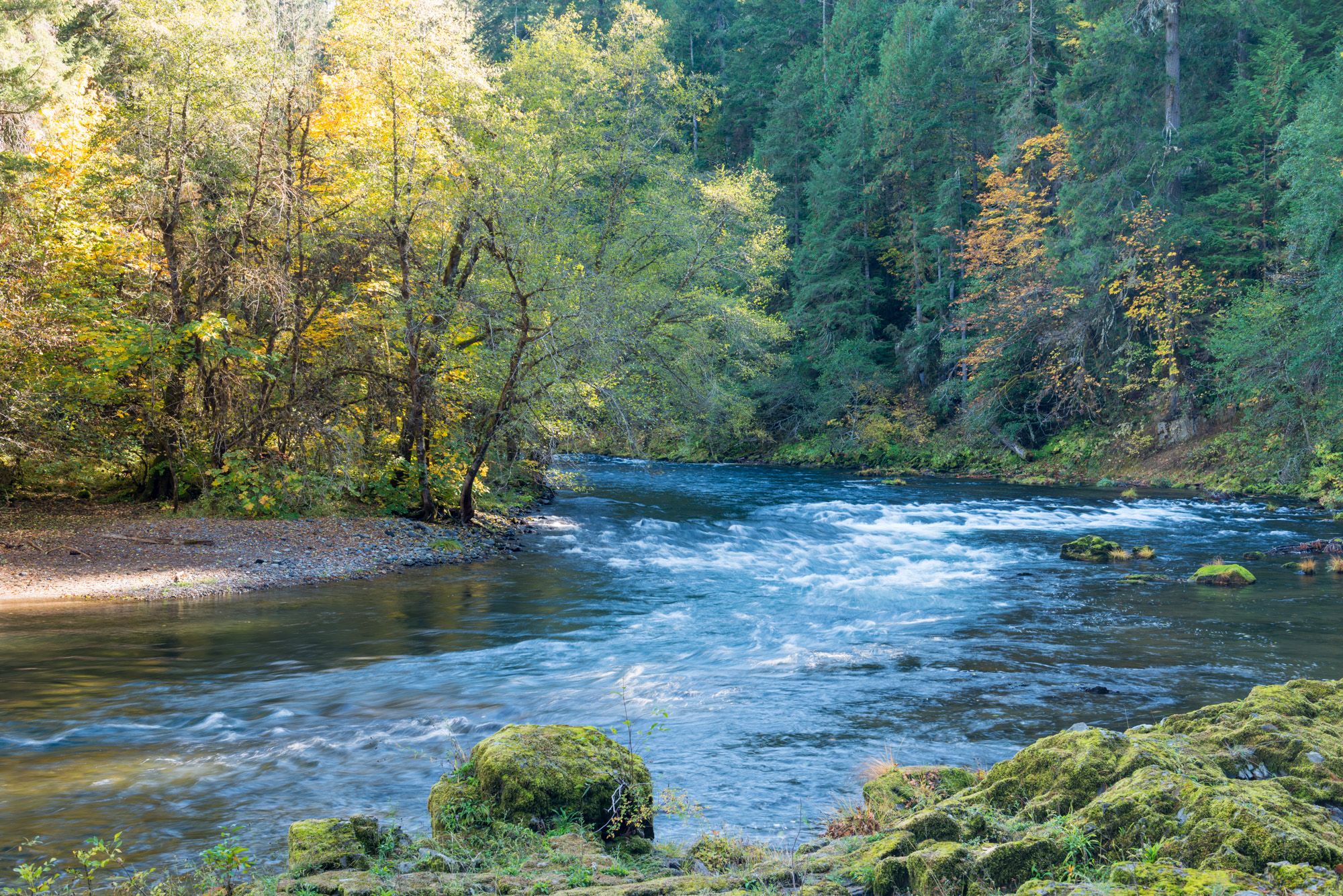
North Umpqua Trail — Waterfalls, Lakes & Lava
Other adventures in the Cascade Range


Tips from the Community

A fantastic vantage point. You can see Mt. Rainier and other surrounding highlights such as Mt. Adams and Mt. Hood. Highly recommended!
0
0

Holy mountain views, Batman! That's all there really is to say about this famous photo spot. From here you get great views down into Paradise Valley, Mount St. Helens, Mount Adams and, on very clear days, Mount Hood.
0
0

When navigating to the peak, some of the downed trees and vegetation can make it a bit confusing. There's white spray painted arrows on the ground at the most confusing spots, so keep an eye out for those!
1
1

From this spot, just a short distance down a spur trail off the main Skyline Trail, just below the summit of Panorama Point, a mountain of the same name, you stunning views of Mount Rainier (if the weather is good, of course!) and the surrounding mountains.
0
0
Faraway Rock is an accessible overlook on the Mazama Ridge Trail in Mount Rainier National Park. From the top of Faraway Rock, you get panoramic views of Lake Louise and the Tatoosh Ridge, which includes Tatoosh, Stevens, Plummer, Unicorn, Foss, and Pinnacle Peaks. From here you can keep going on the Mazama Ridge Trail to a tarn and the intersection of the High Lakes Trail, or you can loop back to the trailhead and parking area at Reflection Lakes via the Lower Lakes Trail.
0
0

Panorama Point offers stunning view of majestic Mount Rainier – of course, if the weather is good. Take a hike on a sunny day and enjoy the picturesque panorama of the dormant volcano and the surrounding mountain ranges. If you are lucky, you can see mountain goats roaming in the area. Sights of marmots and chipmunks are way more frequent.
4
0

Beautiful hiking area that offers a lot of variety and beautiful views. However, the weather can change very quickly and you should wear rainproof clothing. Good hiking shoes are also recommended, as the ground is often uneven and you sometimes have to climb over rocks. There is a parking lot and a visitor center where you can get information.
0
0

The Samish Overlook, located in the popular Blanchard State Forest, provides access to the Pacific Northwest Trail, Larry Reed Trail and many others. At an elevation of 1,300 feet, the Samish Overlook offers stunning views of the San Juan Islands in the bay and Skagit Valley.
0
0
Frequently Asked Questions
What are some of the most iconic mountain peaks to visit in the Cascade Range?
The Cascade Range is home to many iconic peaks. Mount Rainier in Washington is the highest and most glaciated, offering extensive hiking and climbing. Mount Hood in Oregon is known for its symmetrical cone and year-round skiing. In Northern California, Mount Shasta stands out for its spiritual significance and impressive size. For a unique experience, Mount St. Helens in Washington provides a stark reminder of volcanic power and ecological recovery.
Are there any easily accessible mountain peaks or viewpoints in the Cascade Range?
Yes, several peaks and viewpoints offer relatively easy access. Lassen Peak in Northern California is considered one of the most easily climbed among the higher Cascades, offering access to geothermal areas. For stunning views without a strenuous climb, consider Faraway Rock Overlook, which provides panoramic views of Lake Louise and the Tatoosh Ridge, or Panorama Point Summit, with views of Paradise Valley, Mount St. Helens, Mount Adams, and sometimes Mount Hood.
What kind of natural features can I expect to see around the Cascade Range peaks?
The Cascade Range is rich in diverse natural features. You'll find extensive glaciers, snow-capped summits, and active volcanoes. Many areas feature alpine meadows, dense forests, and unique geological formations like lava domes and geothermal areas with boiling mud pots. Highlights like Whittaker Wilderness Peak Trail showcase old-growth conifers and mossy boulders, while Faraway Rock Overlook provides views of pristine lakes.
What are the best times to visit the Cascade Range peaks for hiking or other activities?
The best time to visit depends on your desired activity. For hiking and climbing, late spring through early fall (June to September) generally offers the most favorable weather and snow-free trails. However, for winter sports like skiing and snowboarding, areas around Mount Hood and Mount Baker are popular from late fall through spring due to their impressive snowpack and year-round glacier skiing opportunities.
Are there family-friendly hiking options near the Cascade Range peaks?
Yes, there are several family-friendly options. Many national parks and forests within the Cascade Range offer trails suitable for families. For example, the Samish Overlook in Blanchard State Forest provides accessible trails and stunning views of the San Juan Islands. Always check specific trail conditions and difficulty ratings before heading out with children.
What types of outdoor activities are available near the Cascade Range peaks?
The Cascade Range offers a wide array of outdoor activities. You can enjoy extensive hiking, challenging mountaineering, and backpacking, especially in areas like the Three Sisters Wilderness. Cycling and gravel biking are popular on routes such as the Lake Sammamish Loop Trail or the Suntop and Skookum Flats Loop. Winter sports like skiing and snowboarding are prominent around peaks like Mount Hood and Mount Baker.
Where can I find hiking trails near the Cascade Range peaks?
Numerous hiking trails are available throughout the Cascade Range. Popular options include the Skyline Trail Loop and the Panorama Point – Mount Rainier National Park trail. For a challenging experience, the Dog Mountain Trail is also a well-known choice. Many trails lead to stunning viewpoints or summits like Little Si Summit.
Are permits required for climbing or hiking certain peaks in the Cascade Range?
Yes, permits are often required for climbing or accessing certain wilderness areas and high-elevation trails, especially for overnight stays or technical climbs. For example, climbing Mount Rainier requires a climbing permit and a reservation. It's always advisable to check with the specific national park or forest service for the peak you plan to visit to understand their current permit requirements and regulations.
Which Cascade Range peaks are known for extensive glaciers?
Several Cascade Range peaks are renowned for their extensive glacier systems. Mount Rainier boasts the most extensive glacier system in the contiguous United States, with 25 named glaciers. Mount Hood features 12 named glaciers and snowfields, supporting year-round skiing. Mount Baker is also a heavily glaciated stratovolcano known for its impressive snowpack, and the Three Sisters are part of a heavily glaciated region.
What makes Mount St. Helens a unique peak to visit in the Cascade Range?
Mount St. Helens is unique due to its dramatic 1980 eruption, which significantly altered its landscape. Visitors to the Mount St. Helens National Volcanic Monument can witness the ongoing ecological recovery and the raw power of a volcanic event firsthand. Its distinctive horseshoe-shaped crater and surrounding blast zone offer educational opportunities and trails that showcase this altered, yet resilient, environment.
Can I find historical sites or lookouts among the Cascade Range peaks?
Yes, the Cascade Range includes historical sites, often in the form of fire lookouts. The Mount Fremont Fire Lookout is a notable example, offering both historical significance and panoramic views. These lookouts provide a glimpse into the region's past efforts in forest fire detection and often serve as excellent viewpoints.
What are some challenging peaks for experienced mountaineers in the Cascade Range?
For experienced mountaineers, the Cascade Range offers several challenging ascents. Mount Rainier is considered one of North America's most coveted climbing challenges. Glacier Peak is another remote and heavily glaciated stratovolcano, appealing to those seeking solitude and a demanding climb in a pristine wilderness environment. The Three Sisters also provide exceptional climbing opportunities.
Most popular routes in the Cascade Range
Most popular attractions in the Cascade Range

Get inspired with the komoot mobile app


Explore more
See even more amazing summits in the Cascade Range with these guides:
