Top 16 Caves in the Cascade Range
Best caves in the Cascade Range offers a diverse collection of subterranean wonders across California, Oregon, and Washington. This mountain range features unique geological formations, including ancient lava tubes and impressive ice caves. The region's volcanic activity has shaped many of its underground landscapes, providing varied exploration opportunities. Visitors can discover a range of cave types, from accessible walk-throughs to more challenging routes.
Best caves in the Cascade Range
- The most popular caves is Ape Cave Interpretive Site/Lower entrance, a natural_monument that is the third longest lava tube in North America. This massive lava tube can be explored independently, with timed-entry tickets required from May through October.
- Another must-see spot is Big Four Ice Caves, a cave formed by waterfalls and melting snow from the mountains above. These glacial caves attract thousands of visitors annually.
- Visitors also love Cougar Mountain Regional Wildland Park, a forest featuring historical mining caves. The park spans nearly 3,000 acres with over 35 miles of trails.
- Cascade Range is known for lava tubes, ice caves, and historical mining caves. The variety of caves to see and explore includes formations shaped by volcanic activity and glacial melt.
- The caves in the Cascade Range are appreciated by the komoot community, with 15 upvotes and 10 photos shared across the highlights.
Last updated: August 23, 2026
Talus Rocks
Highlight • Natural Monument
Tip by

Big Four Ice Caves
Highlight • Cave
Tip by

Sign up now to discover places like this
Get recommendations on the best single tracks, peaks, & plenty of other exciting outdoor places.
Sign up for free
Ape Cave Interpretive Site/Lower entrance
Highlight • Cave
Tip by

Cougar Mountain Regional Wildland Park
Highlight • Forest
Tip by

Natural Bridge
Highlight • Natural Monument
Tip by

Cave Hole Trail
Highlight (Segment) • Trail
Tip by

Trail of the Two Forests
Highlight • Natural Monument
Tip by
Ape Cave - Upper Entrance
Highlight • Cave
Tip by
House Rock
Highlight • Cave
Tip by

Boca Cave
Highlight • Cave
Tip by

Sign up for free to discover even more caves in the Cascade Range.
Sign up for free
Already have an account?
Start today with a free account
Your next adventure awaits.
Login or Signup
Popular around Cascade Range
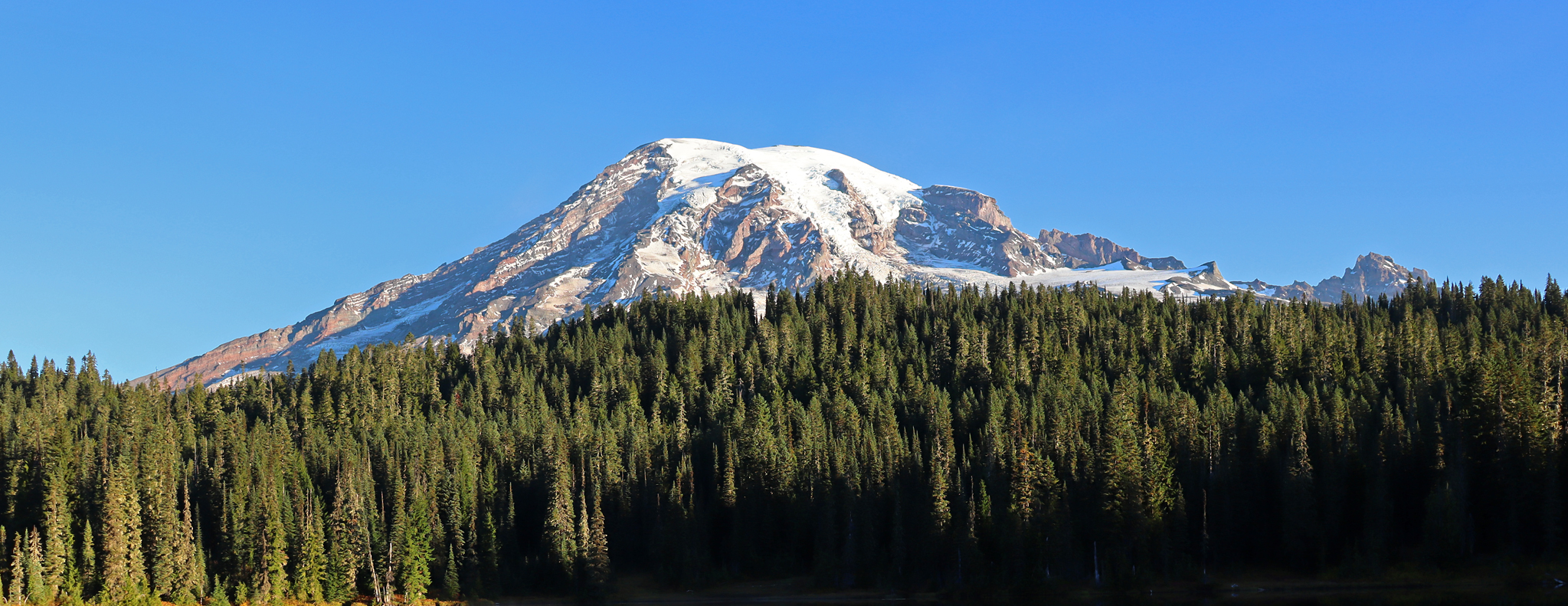
Wonderland Trail — 93 iconic miles around Mount Rainier
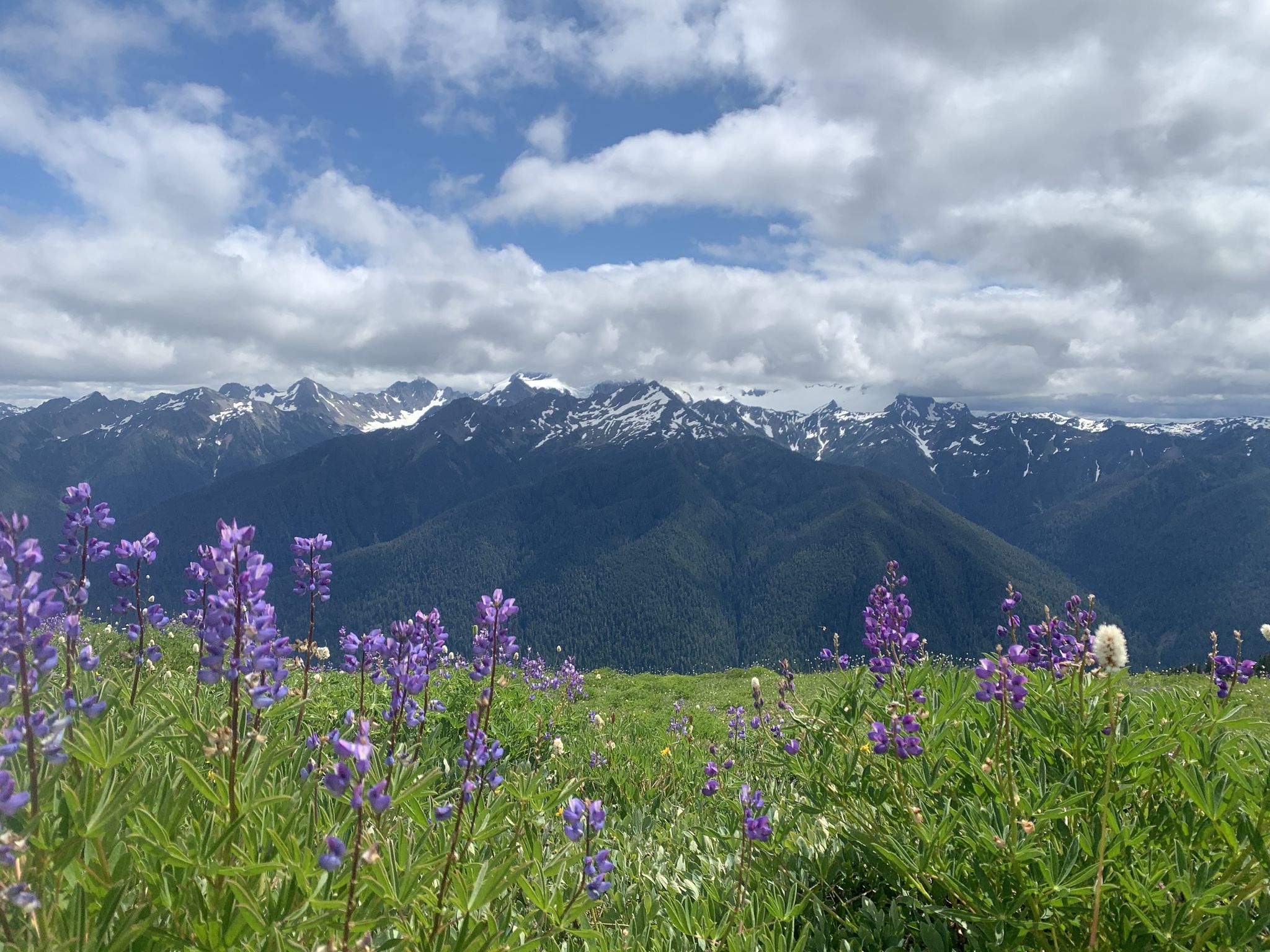
Pacific Northwest National Scenic Trail — From Alpine to Alava through the untamed Northwest
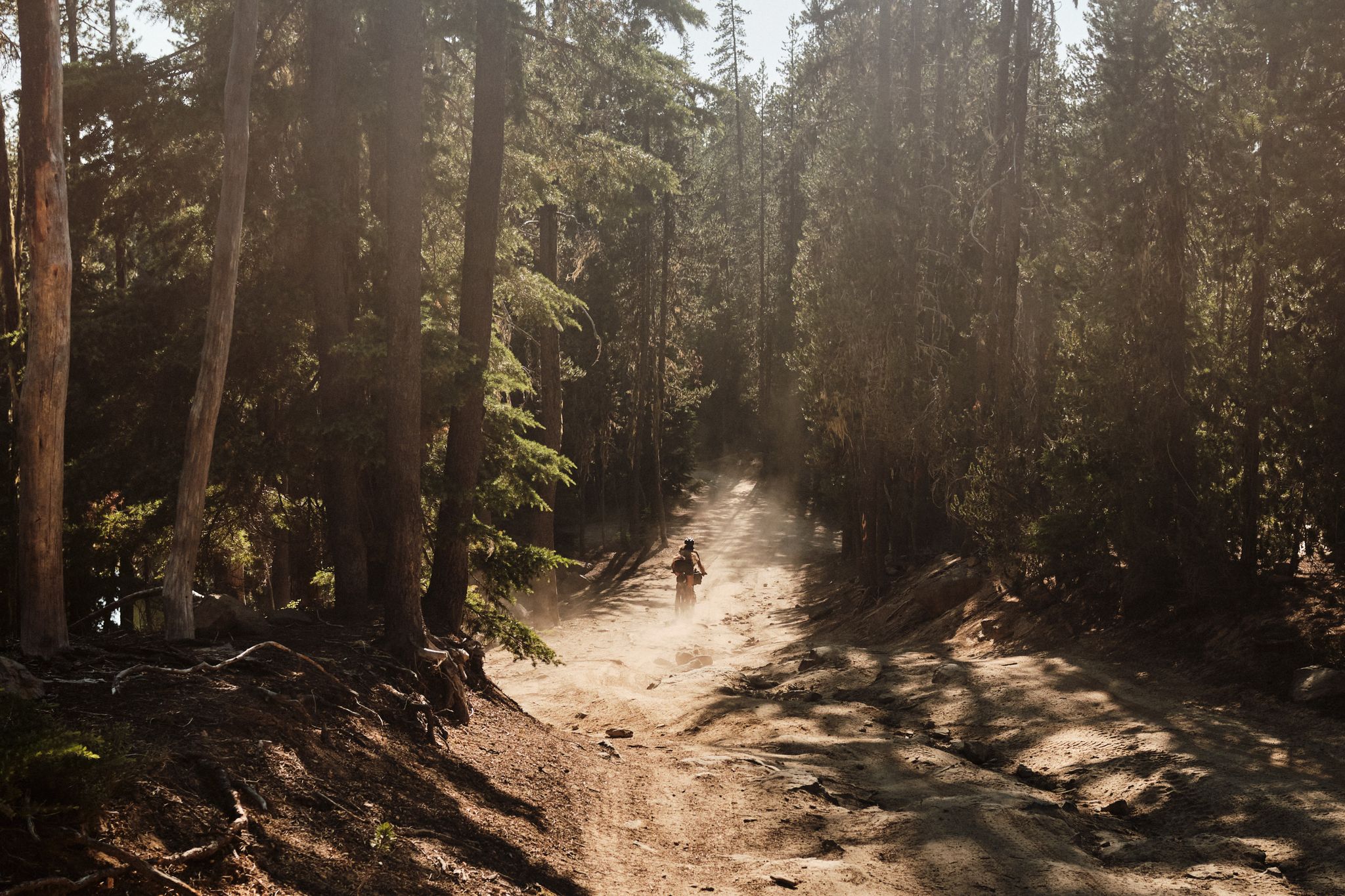
Oregon Timber Trail — High heat

Pacific Crest Trail from Mexico to Canada – 4,200 kilometres of wilderness
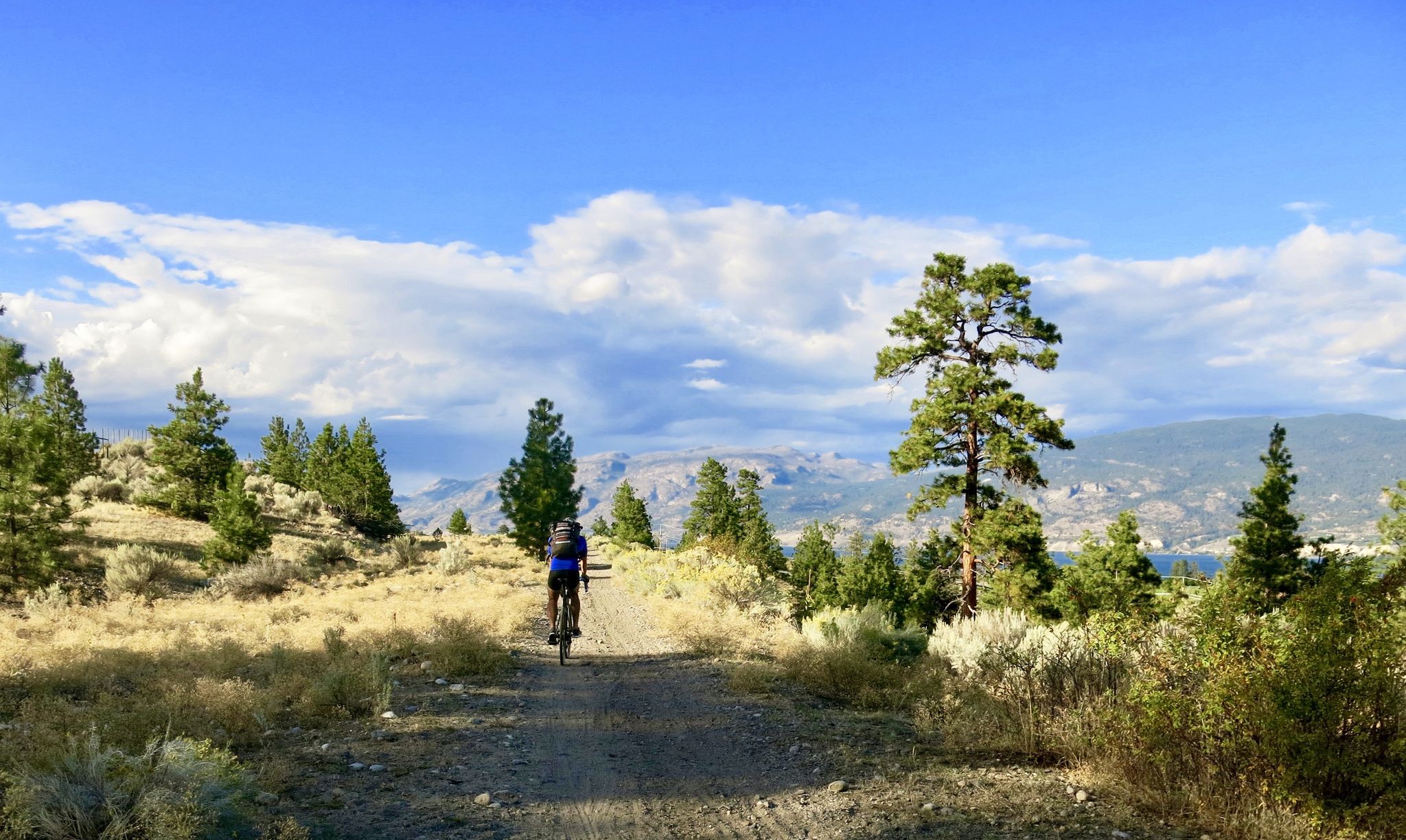
Vancouver roundtrip — Bikepacking British Columbia
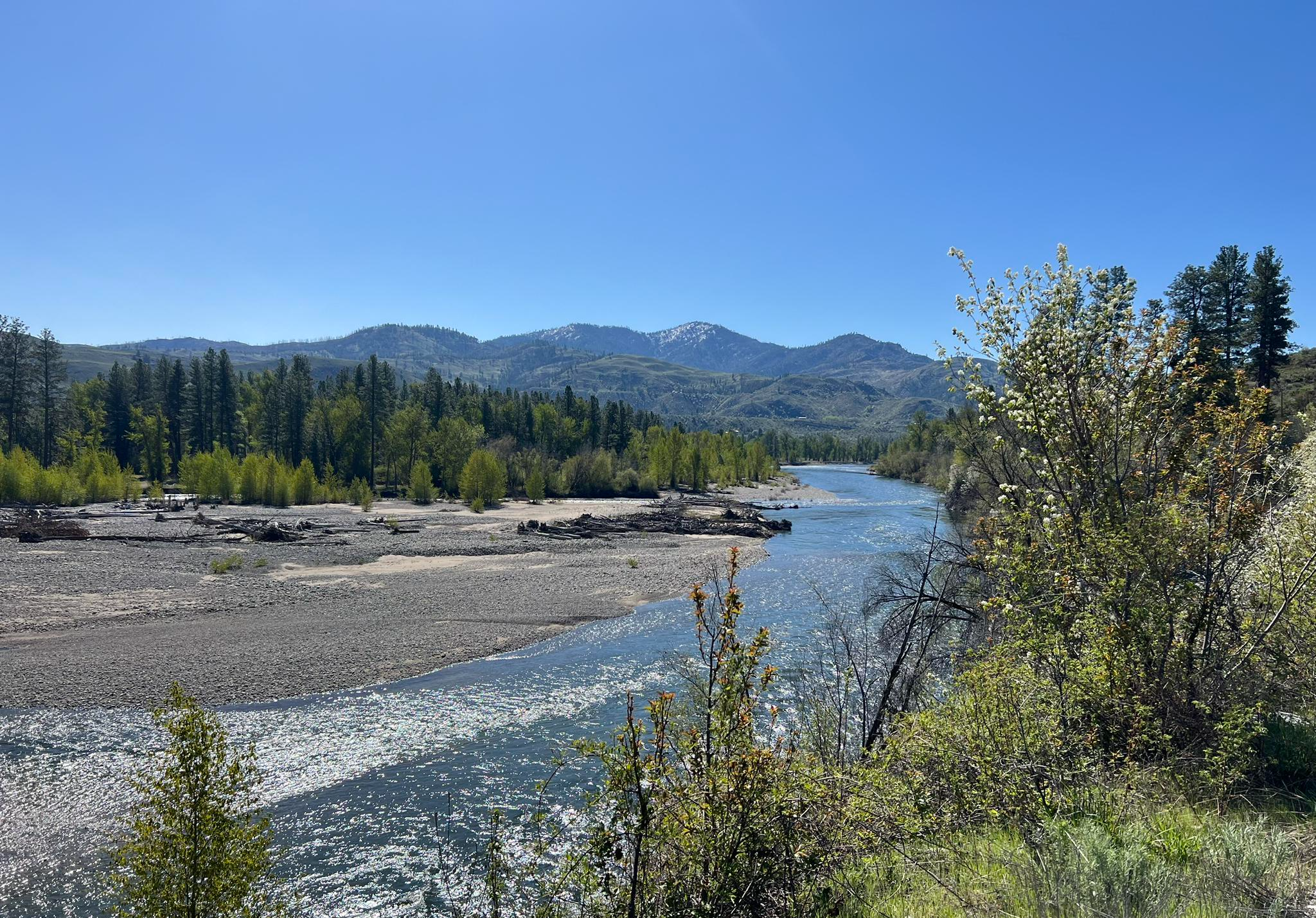
Winthrop Chelan Traverse — The backroads of the Eastern Cascades
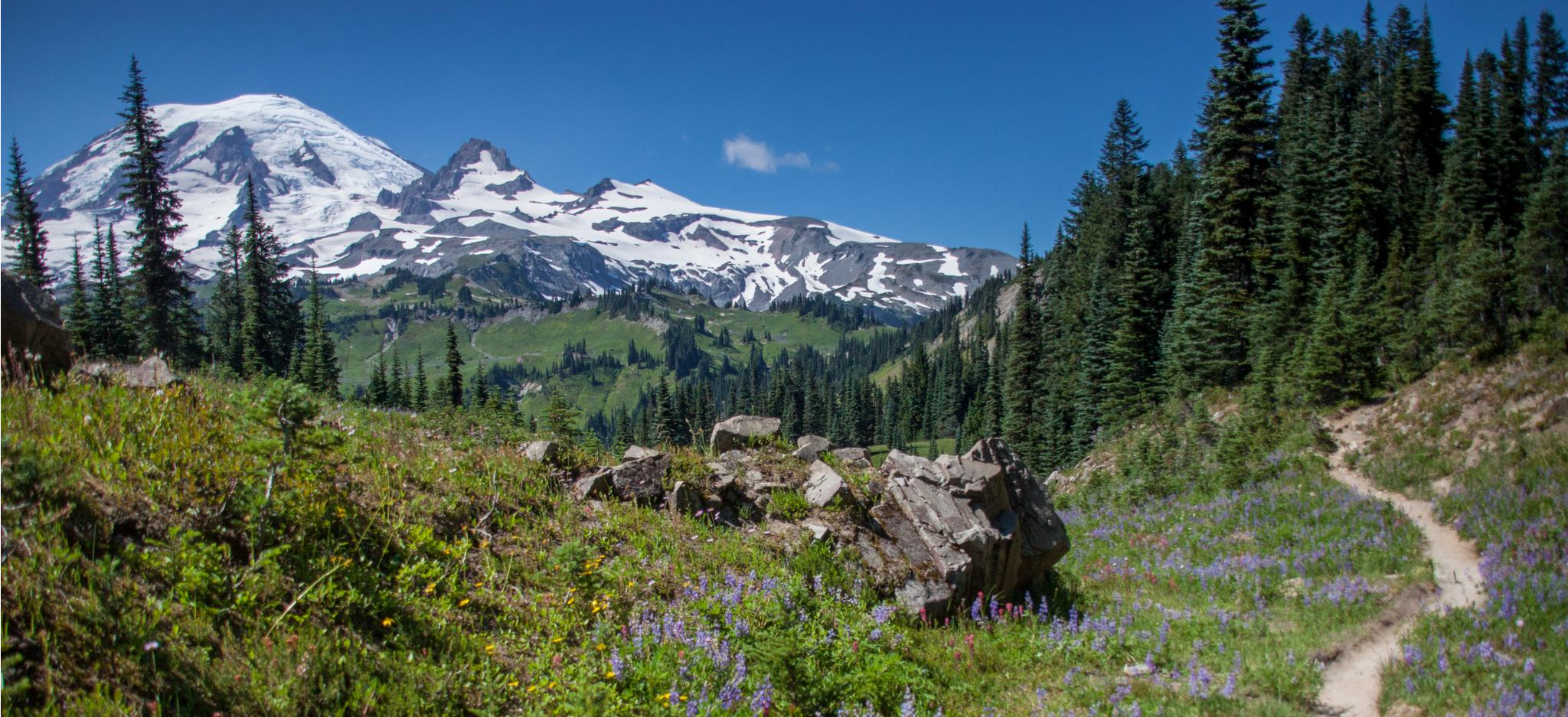
Wonderland Trail — 3-Day fastpacking through the dreamscape
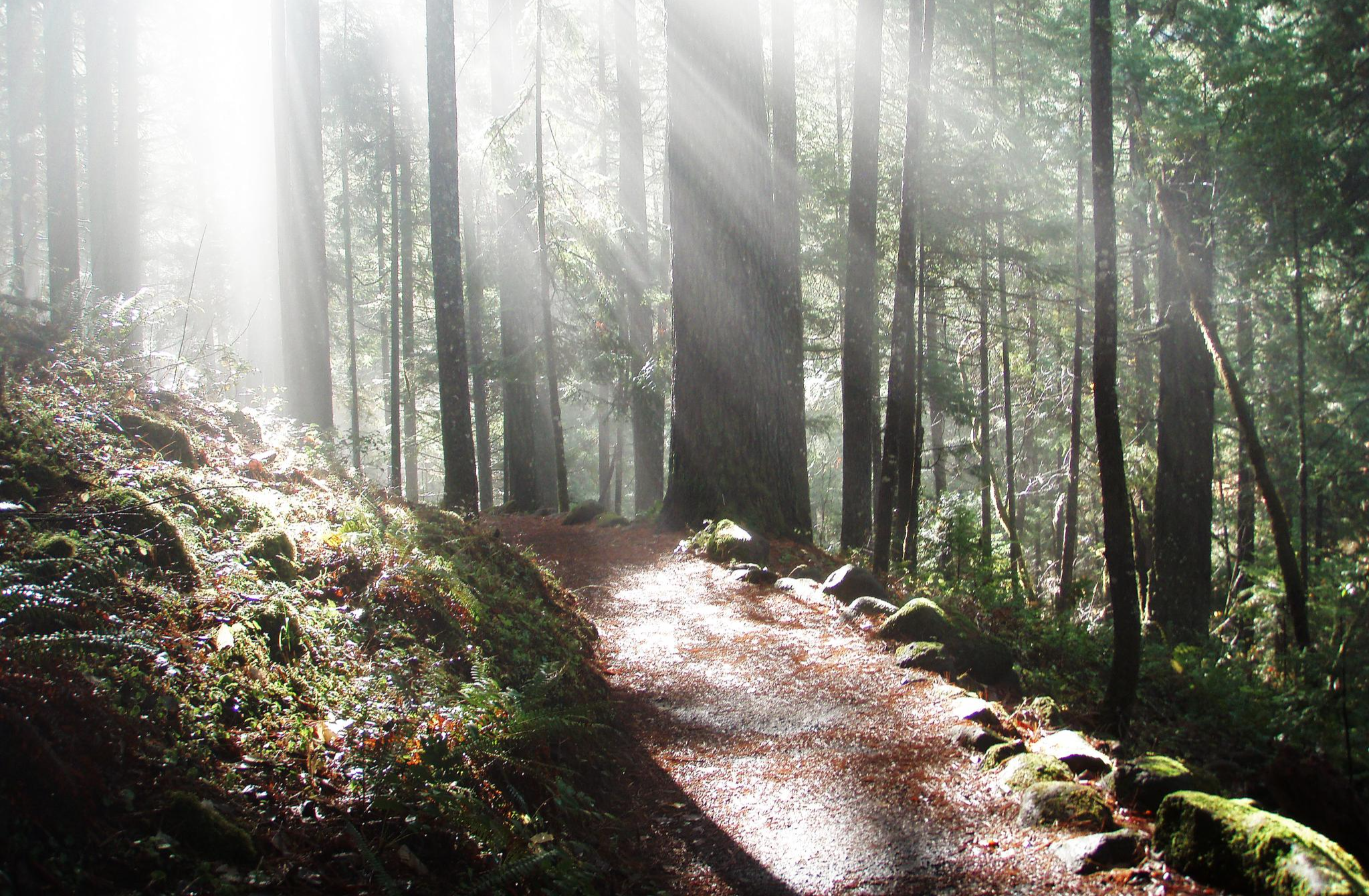
The North Umpqua Trail — Riding through Oregon's Lush Backcountry
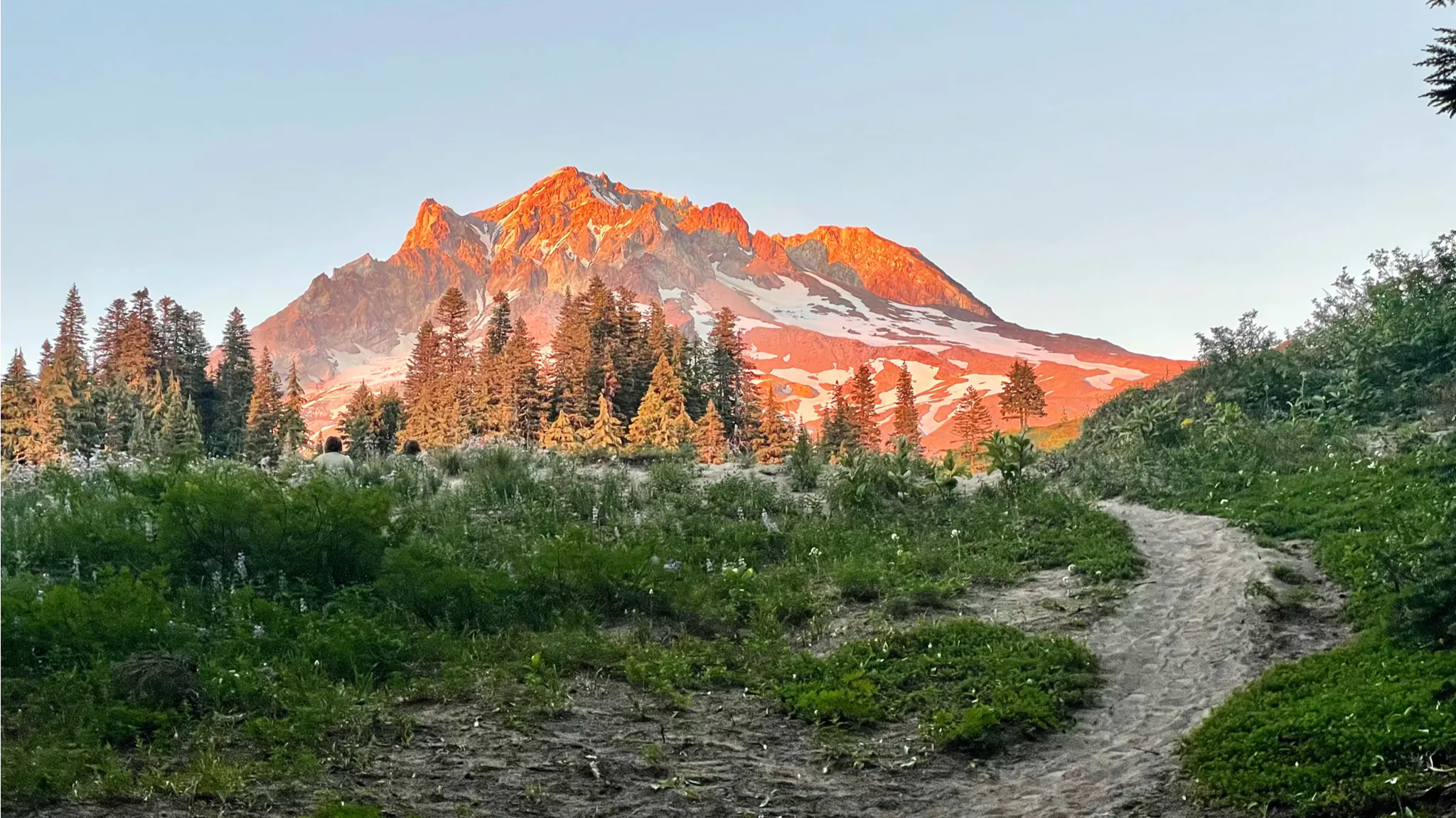
Timberline Trail — A Scenic Mount Hood Adventure
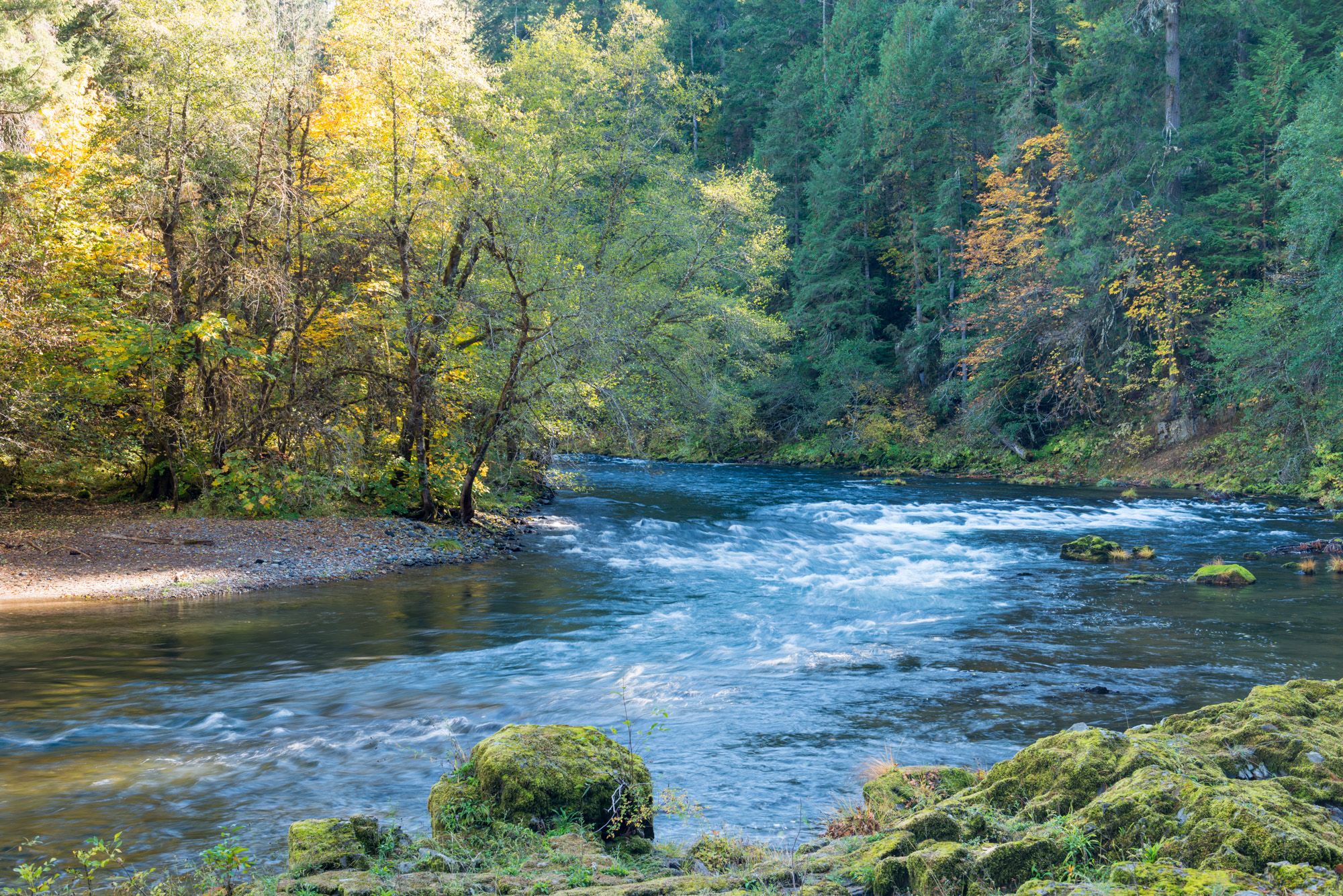
North Umpqua Trail — Waterfalls, Lakes & Lava
Other adventures in the Cascade Range


Tips from the Community

Back when the Santiam Wagon Road was in use (between 1865 and 1939), House Rock offered temporary shelter during storms. This massive stone forms a natural cave. Giant old growth trees surround this interesting spot on the old wagon road. Definitely worth taking some time to check it out.
0
0

Cougar Mountain Park spans nearly 3,000 acres, featuring over thirty-five miles of fantastic trails winding through second-growth forests, streams, wetlands, cliffs, and historical mining caves. There are breathtaking views throughout the park of the Cascade Mountains, Lake Sammamish, Bellevue and Seattle, along with other more secluded areas, which are ideal for spending time surrounded by nature away from the fast pace of the city. Most trails are mainly for hikers; however, some allow horseback riding, so keep an eye out for equestrians as you explore this beautiful area.
0
0

Hiking among towering moss-covered rocks with small caves to either side is a bit creepy, but it's worth the visit! It's not very well marked, but you have stairs to one side if you don't want to walk in between the rocks. There's a wooden fence blocking off an unsafe path between rocks, so if you see that, you're in the right place.
0
0
In the early spring, the rushing waters of the Rogue River may obscure the features of Natural Bridge - where the waters briefly dip underground as they roar through a lava tube. The gate remains closed until early spring; you may have to hike in from the road if this is the case.
0
0

You can find Boca Cave by taking a short spur trail near the summit of Triangulation Peak. The cave offers some pretty cool views from the entrance and is actually a pretty wide shelter in itself once you start walking through it. If you've already gone up the slopes of Triangulation Peak, this is worth a visit.
0
0
You can find Boca Cave by taking a short spur trail near the summit of Triangulation Peak. The cave offers some pretty cool views from the entrance and is actually a pretty wide shelter in itself once you start walking through it. If you've already run up the slopes of Triangulation Peak, this is worth a visit.
0
0

This natural bridge isn't like ones you may have seen elsewhere. Rather than being cut through the erosive action of the river, this "bridge" is actually an ancient lava tube that the river flows through for about 200 feet.
0
0

A colossal, looming boulder, a refuge from fierce winter storms for pioneers. Within the spacious cavern, a gentle stream murmured, offering shelter to several people.
0
0
Frequently Asked Questions
What types of caves can I explore in the Cascade Range?
The Cascade Range offers a diverse array of subterranean wonders. You can explore ancient lava tubes, such as Ape Cave in Washington or Lava River Cave in Oregon, formed by flowing molten rock. There are also stunning limestone caves like Gardner Cave in Washington, showcasing intricate speleothems, and impressive glacial formations like the Big Four Ice Caves.
Are there any family-friendly caves in the Cascade Range?
Yes, several caves are suitable for families. The Lower Cave section of Ape Cave is generally considered easier for beginners. Natural Bridge in Oregon, where the Rogue River flows through a lava tube, is also listed as family-friendly. The Oregon Caves National Monument offers family-friendly discovery tours, and the Lava Beds National Monument in California has caves like Mushpot Cave that are lighted and easy to navigate.
What should I bring when visiting caves in the Cascade Range?
When exploring caves in the Cascade Range, it's essential to bring at least two reliable sources of light, such as headlamps or flashlights, as it can be pitch black underground. Caves maintain cool temperatures year-round, typically between 42-46°F (5-8°C), so warm layers or a jacket are highly recommended. Sturdy, closed-toe shoes with good grip are also crucial for navigating uneven terrain.
Do I need permits or tickets to visit caves in the Cascade Range?
For popular caves like Ape Cave, timed-entry tickets are required from May through October to manage visitor numbers. It's always best to check the specific requirements for each cave you plan to visit, as some may require reservations or have seasonal restrictions. For example, Gardner Cave offers guided tours that you would need to join.
What are some of the longest or most significant caves in the region?
The Cascade Range is home to several notable caves. Ape Cave is the third-longest lava tube in North America. Gardner Cave holds the title for the longest limestone cave in Washington, featuring a massive 7.8-ton column. Oregon's Lava River Cave is the longest continuous lava tube in that state, stretching over 5,200 feet. Lava Beds National Monument in California boasts one of the largest concentrations of lava tubes, with over 800 known caves.
What is the best time of year to visit the caves in the Cascade Range?
Many caves in the Cascade Range, particularly lava tubes, maintain a consistent cool temperature year-round, making them a great escape during hot summer days. Ice caves, like the Big Four Ice Caves, are most prominent in spring and summer when the ice formations are at their peak. However, some caves may have seasonal closures or require timed-entry tickets during peak seasons (May-October for Ape Cave), so checking ahead is advisable.
Are there historical aspects to any of the Cascade Range caves?
Yes, some caves in the Cascade Range have historical significance. The Guler Ice Caves, for instance, were historically used by Native Americans for berry storage and later by pioneers for harvesting ice. Cougar Mountain Regional Wildland Park features historical mining caves within its extensive trail system, offering a glimpse into the region's past.
What other outdoor activities can I do near the caves in the Cascade Range?
The Cascade Range offers a wealth of outdoor activities. Near many caves, you can find extensive hiking trails, such as those in Hiking in the Cascade Range. Mountain biking is also popular, with numerous routes available as detailed in MTB Trails in the Cascade Range. Additionally, many cave sites are surrounded by forests and natural monuments, providing opportunities for scenic walks and wildlife viewing.
Are there any caves that are less crowded for a more secluded experience?
While popular caves like Ape Cave can get busy, especially with timed-entry requirements, some other options might offer a quieter experience. Boyd Cave near Bend, Oregon, is a long lava tube that is open year-round and can be explored independently. The Redmond Caves Recreation Site also offers access to five caverns that are generally less frequented, providing a more secluded exploration opportunity.
What are the differences between lava tubes and ice caves in the Cascade Range?
Lava tubes, like Lava River Cave or Subway Cave, are formed by flowing molten lava that cools and solidifies on the outside while the interior lava continues to flow, leaving behind a hollow tube. Ice caves, such as the Big Four Ice Caves or Guler Ice Caves, are typically formed by melting snow and ice, often within glacial environments or where cold air traps ice formations year-round. Lava tubes are volcanic in origin, while ice caves are glacial or seasonal ice formations.
How long do cave tours typically last in the Cascade Range?
The duration of cave explorations varies. Guided tours at places like Oregon Caves National Monument cover about half a mile of underground terrain and typically last around 90 minutes. For self-guided explorations, such as the 2.5-mile Ape Cave, the time spent depends on your pace and how much you wish to explore. Some shorter caves, like Subway Cave, can be explored in less than an hour.
Are there any caves with unique geological formations?
Absolutely. Gardner Cave in Washington is renowned for its impressive speleothems, including stalagmites, stalactites, and a towering 7.8-ton column. Lava tubes across the region, such as those in Lava Beds National Monument, showcase fascinating petrified lava flows and unique rock formations created by volcanic activity. The Guler Ice Caves are known for intricate ice formations that reform annually, creating crystal-like sculptures.
Most popular routes in the Cascade Range
Most popular attractions in the Cascade Range

Get inspired with the komoot mobile app


