Trotton With Chithurst
Trotton With Chithurst
Top 5 Castles around Trotton With Chithurst
Best castles around Trotton With Chithurst are primarily found in the nearby town of Midhurst, offering historical insights into the region. The area features archaeological remains of Norman fortifications and impressive Tudor house ruins. These sites provide a glimpse into centuries of local history, from early medieval strongholds to grand residences. The landscape around these historical sites often includes views of the River Rother and the South Downs.
Best castles around Trotton With Chithurst
- The most popular castles is Cowdray…
Last updated: October 1, 2026
Midhurst Town Centre
Highlight • Monument
Tip by

Cowdray Heritage Ruins
Highlight • Historical Site
Tip by

Sign up now to discover places like this
Get recommendations on the best single tracks, peaks, & plenty of other exciting outdoor places.
Uppark House and Garden
Highlight • Monument
Tip by

Remains of Verdley Castle
Highlight • Castle
Tip by

Start today with a free account
Your next adventure awaits.
Tips from the Community

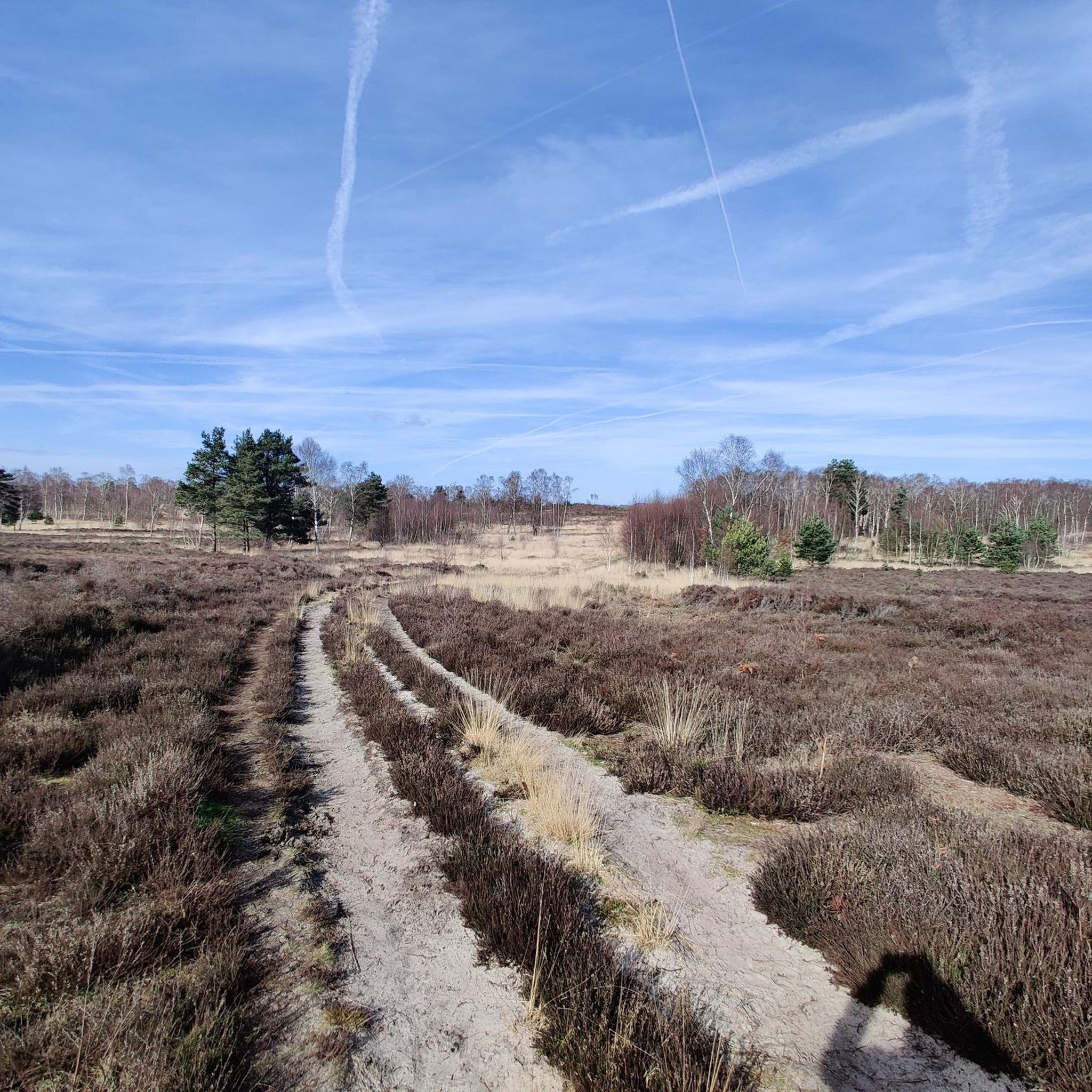
The Cowdray Heritage Ruins are one of England’s most important early Tudor houses and Cowdray is known to have been visited by both King Henry VIII and Queen Elizabeth I. In September 1793, whilst undergoing repairs and refurbishments for the impending marriage of the 8th Viscount Montague, a devastating fire took hold and most of the property was destroyed. The Kitchen Tower is the only part of the mansion to remain intact. https://www.cowdray.co.uk/historic-cowdray/
0
0

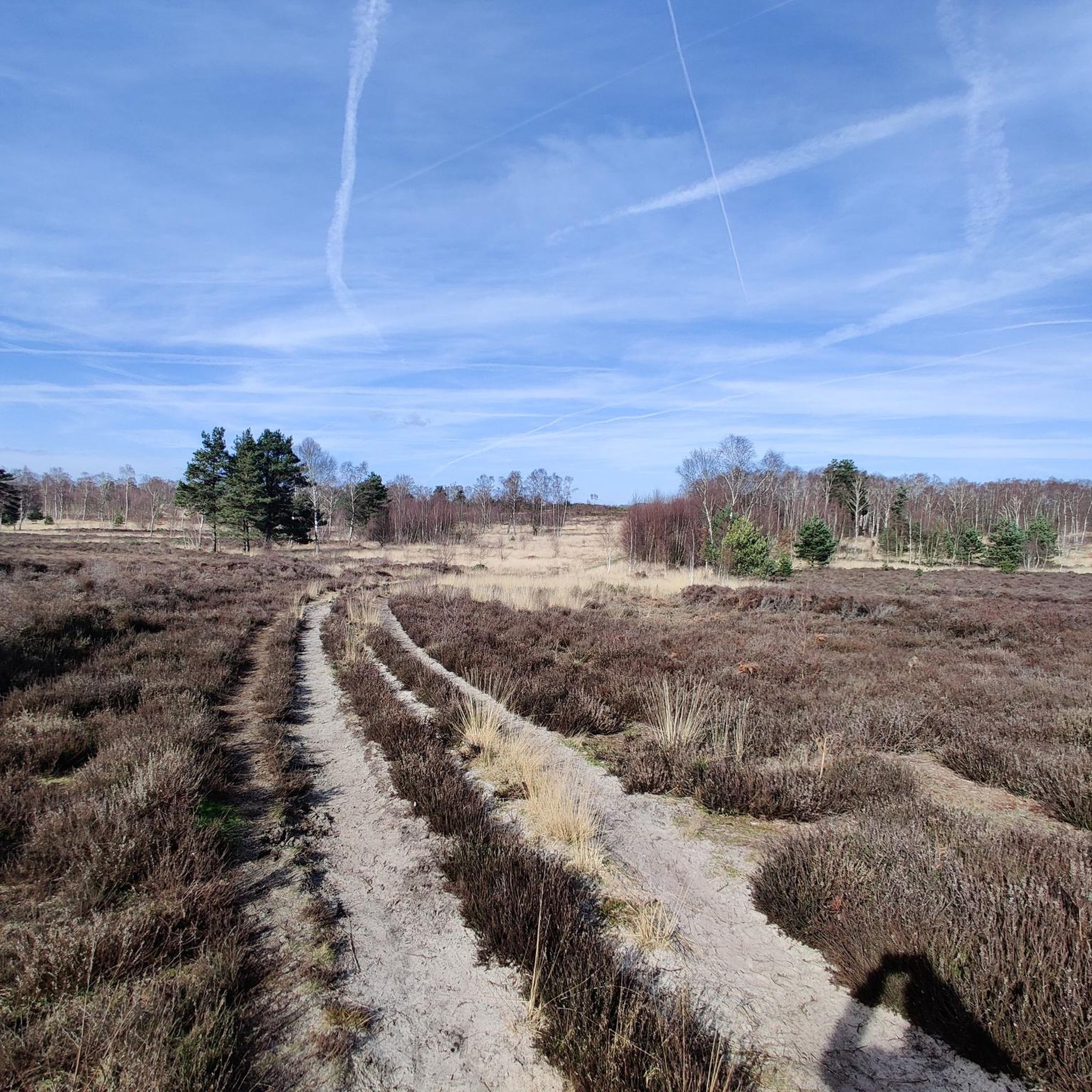
Midhurst is a historic market town, parish and civil parish in West Sussex. It lies on the River Rother 20 miles (32 km) inland from the English Channel, and 12 miles (19 km) north of the county town of Chichester. The town has a history that dates back to the Saxon times, and has been the site of a castle, a monastery, a royal residence, and a parliamentary borough. The town is also known for its association with the Cowdray Estate, which includes the ruins of the Tudor Cowdray House and the famous polo club. Midhurst is a charming and picturesque town that offers a wealth of attractions, activities, and amenities for visitors. You can explore the town’s heritage by visiting the parish church of St Mary Magdalene and St Denis, the Norman St Ann’s Castle, the Old Library, and the South Pond. You can also enjoy some retail therapy by browsing the independent shops, galleries, and markets along the town’s streets. You can sample some delicious food and drink at the various pubs, cafes, and restaurants in and around the town.
3
0

In view of the South Downs sits Midhurst, a town rich in architectural history with Tudor, Georgian and Victorian buildings all through the streets. You might also notice the yellow painted wnidow frames on houses in the town and the surrounding area. These properties below to the Cowdray Estate and a visit to the Cowdray Farm Shop and Cafe to the north of the town is well worth it. The town also boasts two ruined castles, Cowdray Castle and a motte and bailey castle on St Ann's Hill. HG Wells attended Midhurst Grammar School and returned to teach there as an adult. 'The Invisible Man' is set in the town. Look out for the blue plaque showing where he worked in a chemists.
2
0

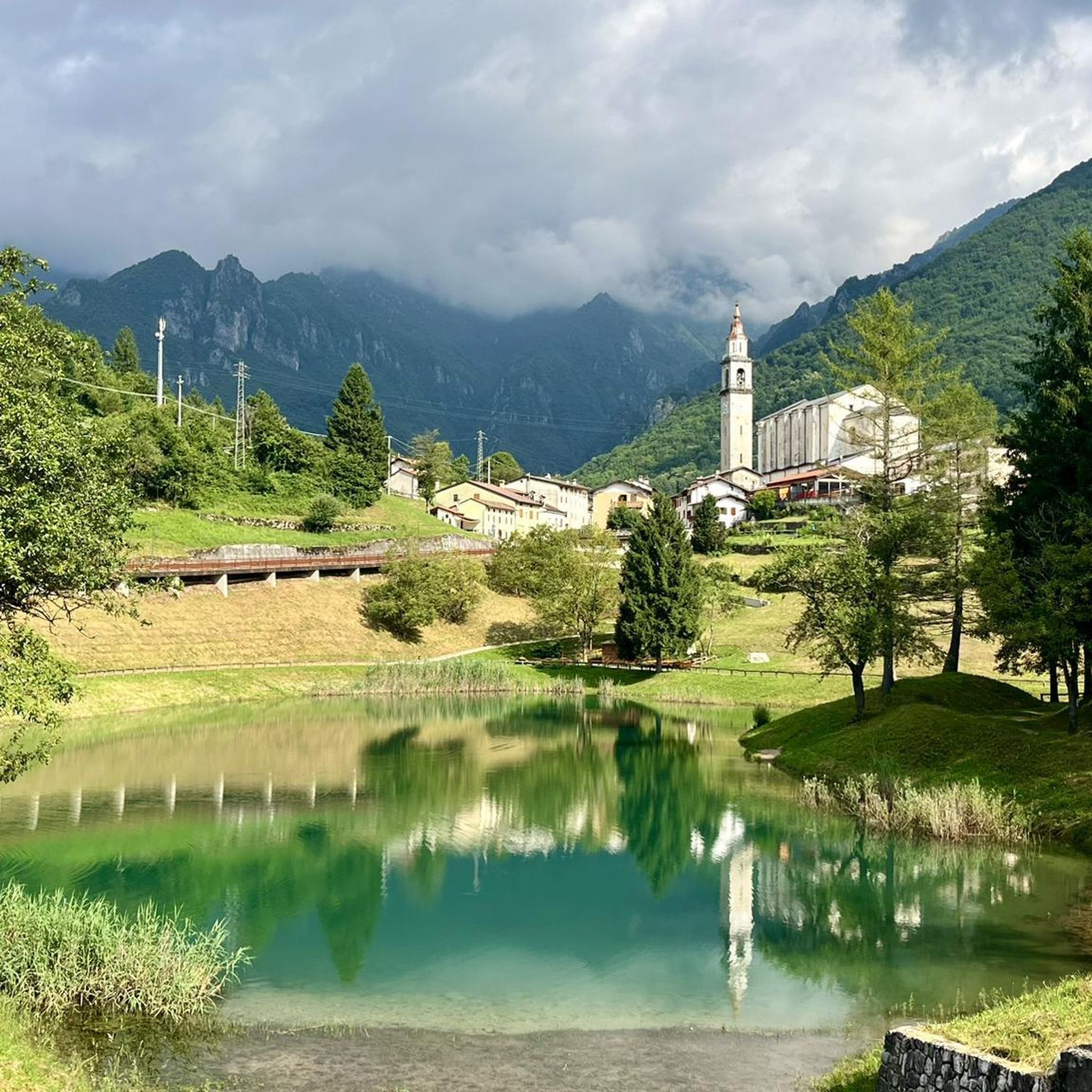
Uppark House is a magnificent stately home perched high on the South Downs ridge. The Grade I-listed property dates to the 17th century and is surrounded by beautiful gardens. Uppark is in the care of the National Trust. Entry cost £5 for adults, £2.50 for children, £12.50 for families, and £7.50 for a one-adult family. For more information, visit: https://www.nationaltrust.org.uk/uppark-house-and-garden.
2
0

I couldn't find it I tried all around on triangulation
0
0

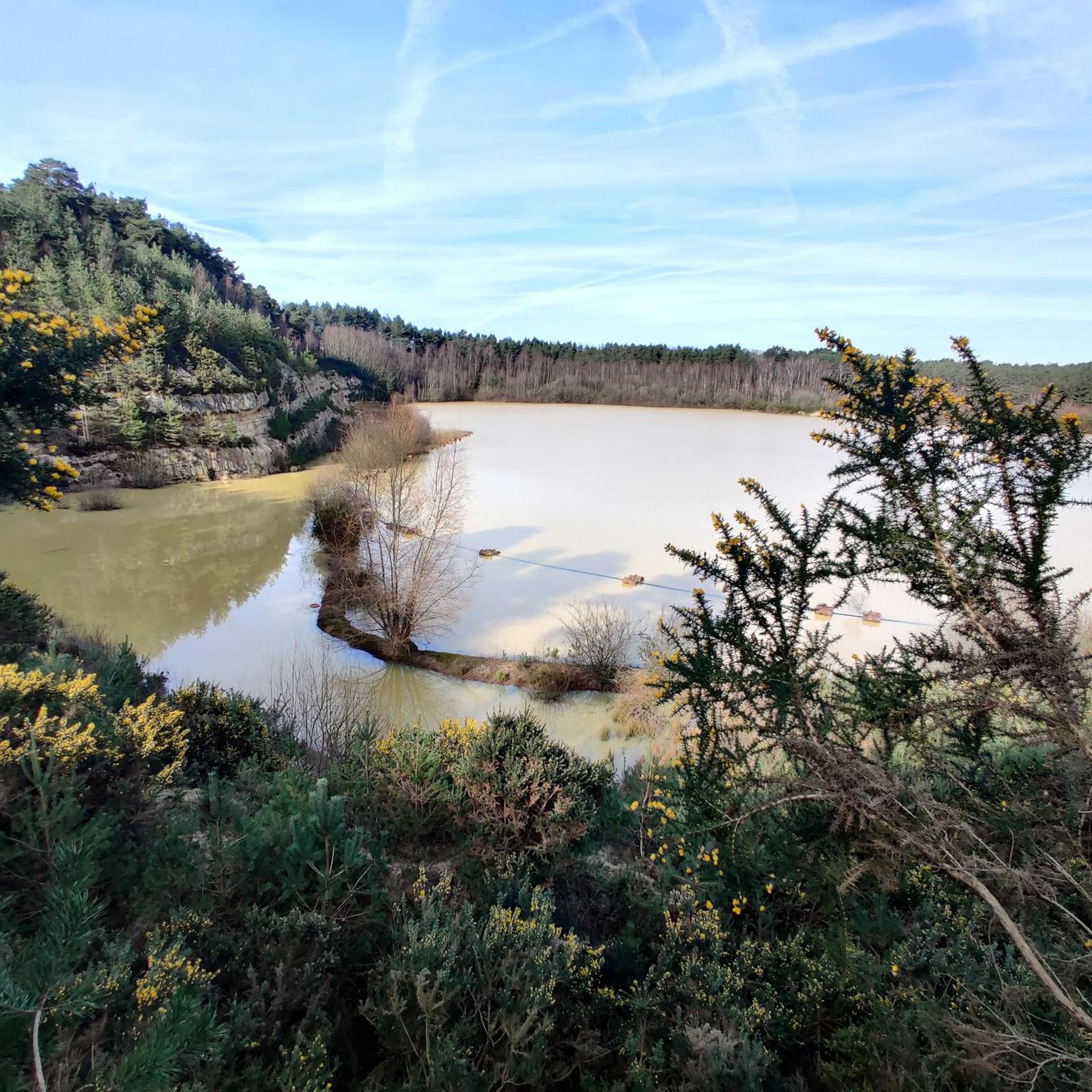
The remains of Verdley Castle. It was a 13th-century hunting lodge, which has been lost for hundreds of years. The building is now evidenced only by some dressed stones in the undergrowth.
0
0
Frequently Asked Questions
What types of castles can I explore near Trotton With Chithurst?
While Trotton With Chithurst itself doesn't have traditional castles, the nearby town of Midhurst offers a glimpse into different historical periods. You can explore the archaeological remains of a Norman motte and bailey castle at Midhurst Castle, and the impressive ruins of a grand Tudor house known as Cowdray Heritage Ruins.
What is the history behind Midhurst Castle?
Midhurst Castle was a Norman motte and bailey castle, originally built from timber after 1066 and later rebuilt in stone around 1160. It was strategically located on St Ann's Hill overlooking the River Rother. The castle was abandoned around 1280, and today, only foundation stones remain, outlining its original layout. The site itself has even older historical significance, having been an Iron Age fort.
What can I expect to see at the Cowdray Heritage Ruins?
The Cowdray Heritage Ruins are the striking remains of a magnificent Tudor house built in the 1520s. It hosted notable figures like King Henry VIII and Queen Elizabeth I before being largely destroyed by fire in 1793. You can walk around the perimeter of the site, admire the dramatic silhouette of the ruins, and imagine its former grandeur. Guided tours are sometimes available for closer access.
Are there any other historical castle sites in the area?
Yes, beyond Midhurst, you can also find the Remains of Verdley Castle. This was a 13th-century hunting lodge, now evidenced by some dressed stones in the undergrowth, offering a glimpse into a long-lost medieval structure.
Are the castles near Trotton With Chithurst family-friendly?
Both the Cowdray Heritage Ruins and the site of Midhurst Castle in Midhurst Town Centre are generally considered family-friendly. Exploring the ruins and imagining their history can be an engaging activity for children. The open spaces around them also provide room for families to enjoy the outdoors.
What outdoor activities can I do near these historical sites?
The area around Trotton With Chithurst and Midhurst offers various outdoor activities. You can find numerous running trails, cycling routes, and gravel biking paths. For example, you can explore routes like the 'Pine Tree Tunnel – Stedham Common loop' for running, or the 'South Pond, Midhurst – West Sussex Lanes loop' for gravel biking. You can find more details on these and other routes in the running, cycling, and gravel biking guides for the region.
Is there public transport available to reach the castles?
Midhurst, where the main castle sites are located, is accessible by public transport. For specific routes and schedules to Midhurst and the Cowdray Estate, it's advisable to check local bus services. Once in Midhurst, the sites are within walking distance or a short local journey.
What is the best time of year to visit the castles around Trotton With Chithurst?
The castles, being primarily outdoor ruins, are best visited during pleasant weather. Spring and summer offer warmer temperatures and longer daylight hours, ideal for exploring the grounds and enjoying the surrounding landscape. Autumn can also be beautiful with changing foliage. Winter visits are possible but may be colder and wetter.
Are there any walking trails near Midhurst Castle or Cowdray Ruins?
Yes, there are walking opportunities around these historical sites. You can explore the area around St Ann's Hill where Midhurst Castle is located. For the Cowdray Ruins, visitors can walk around the perimeter of the site. The South Downs National Park also offers a 'short walk around historic Midhurst' which can be a great way to combine history with nature. You can find more information on this walk at southdowns.gov.uk.
What amenities are available in Midhurst near the castle sites?
Midhurst Town Centre is a charming market town with a variety of amenities. You'll find independent shops, galleries, pubs, cafes, and restaurants. There are also accommodation options available. The Cowdray Estate itself has a farm shop and cafe to the north of the town.
How long should I allocate for visiting the castles?
For Midhurst Castle, as it's primarily archaeological remains, a visit might take 30 minutes to an hour to explore the foundations and the historical site on St Ann's Hill. For the Cowdray Heritage Ruins, allowing 1 to 2 hours would be suitable to walk around the perimeter, take photos, and absorb the atmosphere. If you combine it with exploring Midhurst town or a local walk, you could easily spend half a day or more.
Can I bring my dog to the castle sites?
Generally, dogs on leads are welcome in the outdoor areas around historical sites like the Cowdray Ruins and Midhurst Castle. However, specific access rules can vary, especially for any interior access or guided tours. It's always best to check the latest visitor information for each site before your visit.
Most popular routes around Trotton With Chithurst
Most popular attractions around Trotton With Chithurst

Get inspired with the komoot mobile app


Explore more
Looking for the best castles somewhere else? Discover other guides around Trotton With Chithurst:
