Top 5 Castles around Odiáxere
Best castles around Odiáxere are found within the municipality of Lagos and the broader Algarve region of Portugal. Odiáxere itself offers historical insights into the Neolithic and Moorish periods, exemplified by its menhir and the town's origins. The area is known for its rich history and various fortifications, providing a glimpse into centuries of Portuguese heritage. Visitors can explore impressive fortifications in the nearby areas for their historical significance and architectural features.
Best castles around Odiáxere
- The most popular castles…
Last updated: August 24, 2026
Ponta da Bandeira Fort
Highlight • Historical Site
Tuesday to Sunday
10:00 am - 12:30 pm
14:00 - 17:30
Closed on Mondays
Translated by Google •
Tip by

São João do Arade Castle
Highlight • Castle
Translated by Google •
Tip by

Sign up now to discover places like this
Get recommendations on the best single tracks, peaks, & plenty of other exciting outdoor places.
Sign up for free
Castle of S. João de Arade 🏰 Angrinha Beach
Highlight • Castle
Translated by Google •
Tip by

Angrinha Beach
Highlight • Beach
Translated by Google •
Tip by

Fort Meia Praia
Highlight • Historical Site
Translated by Google •
Tip by

Sign up for free to discover even more castles around Odiáxere.
Sign up for free
Already have an account?
Start today with a free account
Your next adventure awaits.
Login or Signup
Tips from the Community

Castelo de São João do Arade is an old fort in Ferragudo, built to defend the mouth of the Rio Arade River from pirates and invasions. It is situated on a rocky outcrop between Praia da Angrinha and Praia Grande. The fort is now privately owned and not open to the public, but it is a striking and photogenic part of Ferragudo's coastal landscape.
3
0
The Forte da Ponta da Bandeira is a 17th-century coastal fort in Lagos, Portugal, originally built between 1680 and 1690 to defend the city from maritime threats. The fort is designed with a square plan, thick walls facing the sea, and a surrounding moat, accessible via a drawbridge. It contains a small chapel dedicated to Santa Bárbara, the patron saint of artillery, completely clad in 17th-century azulejos.
2
0

The area where the castle stands has been inhabited since at least Roman times, due to the presence of salting tanks nearby. In the 15th century, a watchtower was built. In the early 17th century, under Philippine rule, the government began a programme to build several fortresses along the coast to defend it from attacks by pirates and corsairs. A fortress was planned to be built at the mouth of the Arade River, although initially no agreement was reached on which side of the mouth it should be built. The Italian military engineer Alexandre Massai argued in favour of the left bank, where Vila Nova de Portimão could be better defended, and so the fortress was built on this side. It was only after the restoration of independence in 1640 that plans began to be made to build the castle on the right bank, as a way of protecting the coast from Spanish attacks. The works took place between 1643 and 1644, on the site of the old watchtower, known as Ferragudo Castle, which was no longer considered strategically effective. In fact, it served not only to protect but also to control the mouth of the Arade, and was a customs registration point for ships sailing along the river to the city of Silves. In 1654, the castle underwent a process of refurbishment. The building was gradually abandoned and was already in ruins by 1669. However, the castle was still subject to extension works in the 18th century, and was only slightly damaged by the 1755 earthquake, due to the solid rock on which it was built. In 1821, two batteries were still in operation on the highest part of the castle, both with gun ports. By 1861 it was once again in ruins, and in 1892 it was leased to the writer and diplomat Joaquim José Coelho de Carvalho, whose family had bought the building in 1896. Joaquim de Carvalho carried out renovations at the beginning of the 20th century, which gave it the appearance of a romantic castle. Some time later, it became the property of the politician Francisco Vieira Machado. The monument did not undergo any major renovations in the 20th century. The changes that were made to its interior were mainly used to transform it into a holiday home, although much of the building remained in a state of disrepair. In 1976, the Ferragudo Parish Council asked for the fort to be ceded to it, so that a cultural centre could be set up inside.
3
0

The fort has a chapel dedicated to St. Barbara and an azulejo group from the end of the 18th century. The building, which was restored in the 1960s, is the bookplate among the sea fortresses of the Lagos fortifications. See: https://www.visitportugal.com/de/NR/exeres/C411AAEA-06C3-48DE-AF94-F497E49D39D5
5
0
Outside the old walled city stands the Fortaleza de Nossa Senhora da Penha de França, commonly known as Forte da Ponta da Bandeira. The fortress was built at the end of the 17th century to defend Lagos. Access is via a drawbridge that spans a moat. As it was one of the last defensive points built in Lagos, it is now one of the most beautiful and best preserved. See: https://www.visitportugal.com/de/NR/exeres/C411AAEA-06C3-48DE-AF94-F497E49D39D5
3
0
The Fort of São João do Arade, sometimes referred to as the Castle of Arade, is a medieval fortress in the parish of Ferragudo in the Portuguese Algarve municipality of Lagoa. It is privately owned.
1
0
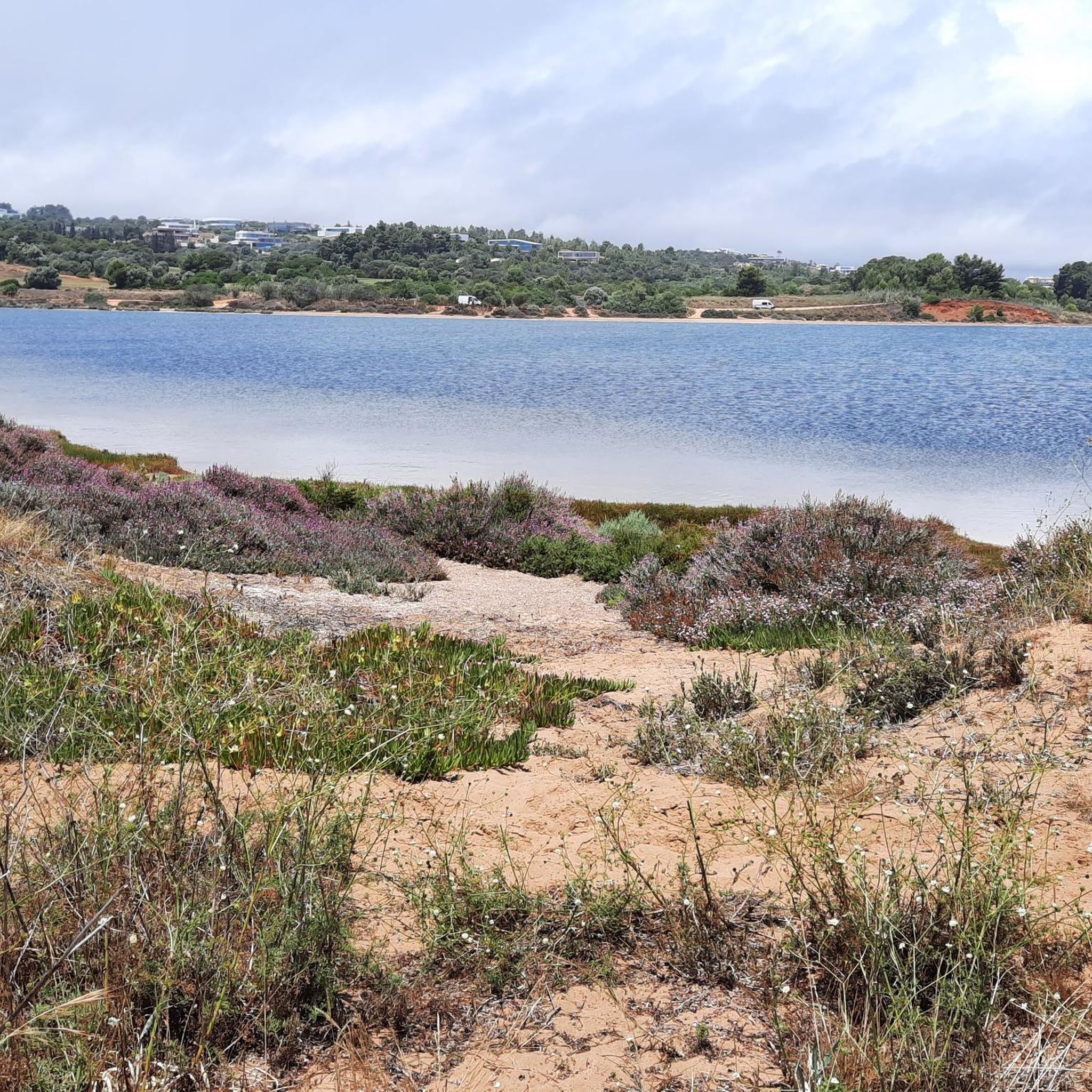
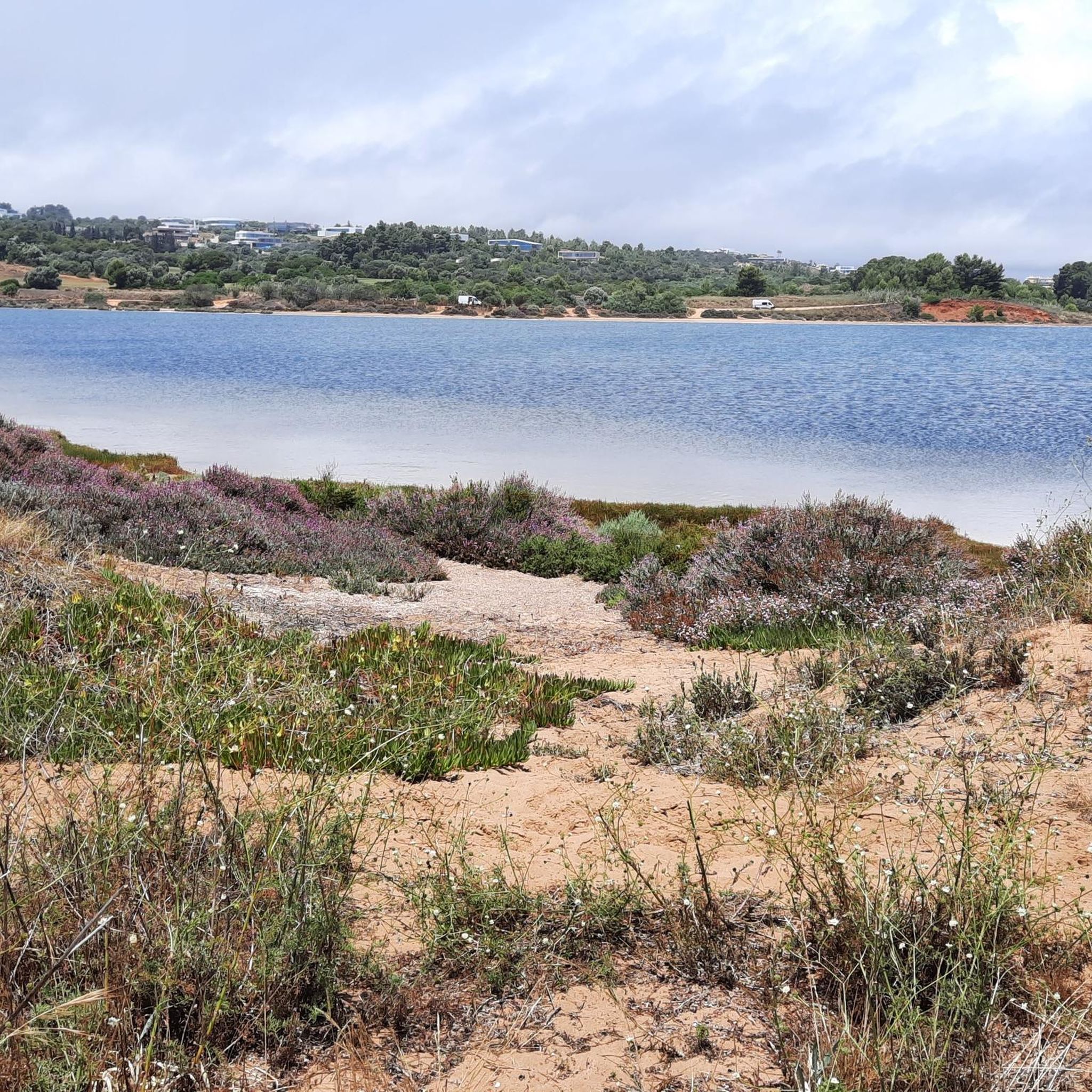
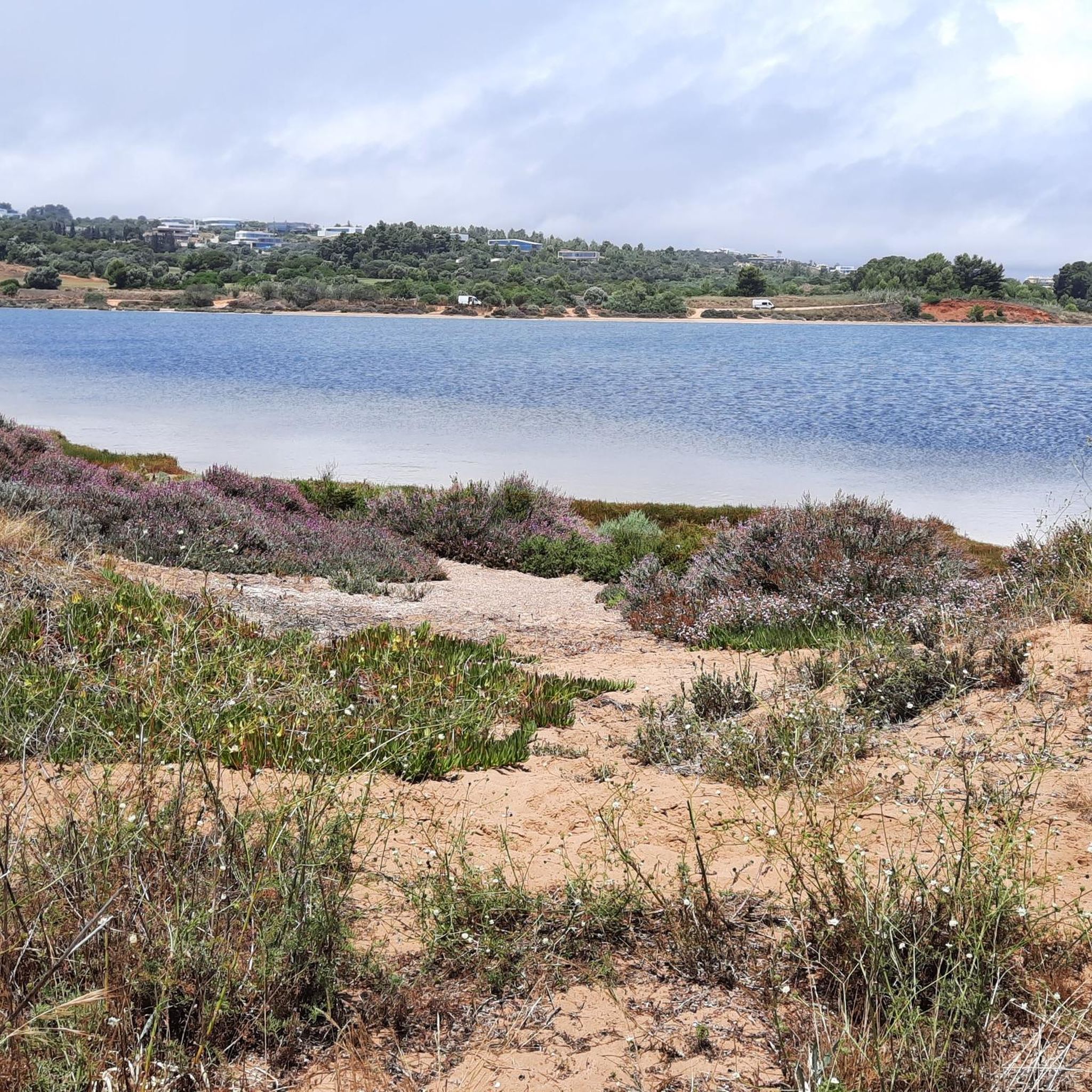
Praia da Angrinha is located at the wide mouth of the Arade River, south of Ferragudo, in the municipality of Lagoa, Portugal.
0
0

Originally it served to defend the Arade River. Although it is classified as a monument of public interest, it is privately owned and is not allowed to be entered.
0
0
Frequently Asked Questions
Which castles are most notable to visit near Odiáxere?
While Odiáxere itself doesn't have prominent castles, the surrounding Algarve region offers several significant fortifications. Highly recommended are the Ponta da Bandeira Fort in Lagos, known for its 17th-century preservation and harbor views, and Fort Meia Praia, which historically defended the Bay of Lagos. Further afield, Silves Castle stands out as a prime example of Arab military architecture in the Algarve.
What kind of historical significance do the castles near Odiáxere hold?
The castles in the region boast a rich history, with origins dating back to Roman and Moorish times. For instance, Silves Castle showcases significant 8th to 12th-century Arab military architecture. The Ponta da Bandeira Fort and Fort Meia Praia played crucial roles in defending the coast during the 17th and 18th centuries. These sites offer a glimpse into centuries of Portuguese heritage and military strategy.
Are there any family-friendly castles to visit near Odiáxere?
Yes, the Ponta da Bandeira Fort in Lagos is considered family-friendly. Its well-preserved structure, drawbridge, and small chapel make it an engaging visit for all ages. Silves Castle, with its accessible walls and archaeological exhibits, also provides an educational and enjoyable experience for families.
What are the typical opening hours for castles in the area?
Opening hours can vary by castle. For example, the Ponta da Bandeira Fort typically operates from 10:00 am to 12:30 pm and 2:00 pm to 5:30 pm, Tuesday to Sunday, but it's always best to check current status as closures can occur. Some castles, like São João do Arade Castle, are privately owned and not open to the public.
What is the best time of year to visit the castles around Odiáxere?
The best time to explore the castles is generally during the spring (April-May) and autumn (September-October) months. The weather is pleasantly mild, making it comfortable for walking and exploring without the intense heat of summer or the heavier rains of winter. This also helps avoid the peak tourist crowds.
Are there any castles near Odiáxere that offer panoramic views?
Absolutely. Silves Castle, perched atop a hill, provides stunning panoramic views of the surrounding landscape. The Ponta da Bandeira Fort also offers picturesque views of Lagos city and its bay. Aljezur Castle, on the west coast, boasts extensive walls and towers with breathtaking views over the Aljezur River and countryside.
Can I find cafes or restaurants near the castles?
Yes, most castles are located near towns or cities that offer various dining options. For instance, the castles in Lagos, like Ponta da Bandeira Fort, are close to numerous cafes and restaurants in the city center. Silves Castle is situated in the charming town of Silves, which has many eateries. Ferragudo, near São João do Arade Castle, also has dining establishments.
What outdoor activities can I do near these castles?
The region around Odiáxere and its castles is excellent for outdoor activities. You can find various running trails, such as the 'Meia Praia Beach – Boardwalk Section loop' which is an easy 4.2 km route. For cycling enthusiasts, there are gravel biking routes like the 'Lagos Marina – Odiáxere Windmill loop'. Mountain biking is also popular, with trails like the 'Burgau Beach – Ponta da Bandeira Fort loop'. You can explore more options on the Running Trails around Odiáxere, Gravel biking around Odiáxere, and MTB Trails around Odiáxere guides.
Are there any castles that are particularly well-preserved or restored?
The Ponta da Bandeira Fort in Lagos is notably well-preserved, having undergone restoration in the 1960s. Silves Castle is also an excellent example of a well-maintained historical site, allowing visitors to walk along its extensive walls and towers.
What should I wear when visiting castles in the Algarve?
Comfortable walking shoes are essential, as you'll likely be exploring uneven terrain, stone steps, and castle walls. Light, breathable clothing is recommended, especially during warmer months. A hat, sunglasses, and sunscreen are advisable due to the strong sun. In cooler seasons, a light jacket or sweater may be needed, particularly for coastal forts where it can be breezy.
How long should I allocate for visiting a castle?
The time needed can vary. For smaller forts like Ponta da Bandeira Fort, an hour or two might suffice. Larger sites like Silves Castle, with its extensive grounds, museum, and panoramic views, could easily take 2-3 hours to explore thoroughly. Consider travel time between locations if you plan to visit multiple castles in one day.
Are there any castles near Odiáxere that are dog-friendly?
While many outdoor areas and some castle grounds might permit dogs on a leash, specific rules can vary. It's always best to check with individual castle administrations before visiting with your dog, especially for interior access. Generally, outdoor areas around fortifications, like the beaches near Fort Meia Praia, are more accommodating for dog walks.
Most popular attractions around Odiáxere

Get inspired with the komoot mobile app


Explore more
Looking for the best castles somewhere else? Discover other guides around Odiáxere:
