Top 2 Castles around Areosa
Best castles around Areosa are primarily coastal fortifications and historical sites, offering insights into the region's defensive past. Areosa, a parish in Viana do Castelo, Portugal, is situated along the Atlantic coast, characterized by its maritime landscape. The area features a blend of natural beauty and historical architecture, with structures dating from medieval coastal defenses to later military fortresses. These sites often provide views of the ocean and surrounding terrain.
Best castles around Areosa
- The most popular castles is Paçô…
Last updated: October 17, 2026
Paçô Castle 🏰
Highlight • Castle
Tip by

Fort of Santiago da Barra
Highlight • Historical Site
Translated by Google •
Tip by

Sign up now to discover places like this
Get recommendations on the best single tracks, peaks, & plenty of other exciting outdoor places.
Vila Praia de Âncora
Highlight • Beach
Translated by Google •
Tip by

Forte da Vinha
Highlight • Historical Site
Translated by Google •
Tip by

Interesting route around the fortress
Highlight (Segment) • Trail
Showing Translation
Tip by

Start today with a free account
Your next adventure awaits.

Tips from the Community

Old castle, but it was unfortunately closed.
0
0

During the tour around Castelo Forte de Santiago de Barra, interesting views of the fortress itself with its mighty walls and bastions emerge, as well as views of the harbor, the lighthouse, and the large sculpture of Viana. It is also worth taking a look inside and walking along the fortress walls. To the north, beyond Campo da Agonia, the church Nuestra Senhora da Agonia and the lighthouse Farol da Senhora da Agonia can be admired. Behind them, on Monte de Santa Luzia north of the city, is the church Santuário do Sagrado Coração de Jesus, often also referred to as Basilica de Santa Luzia.
1
0

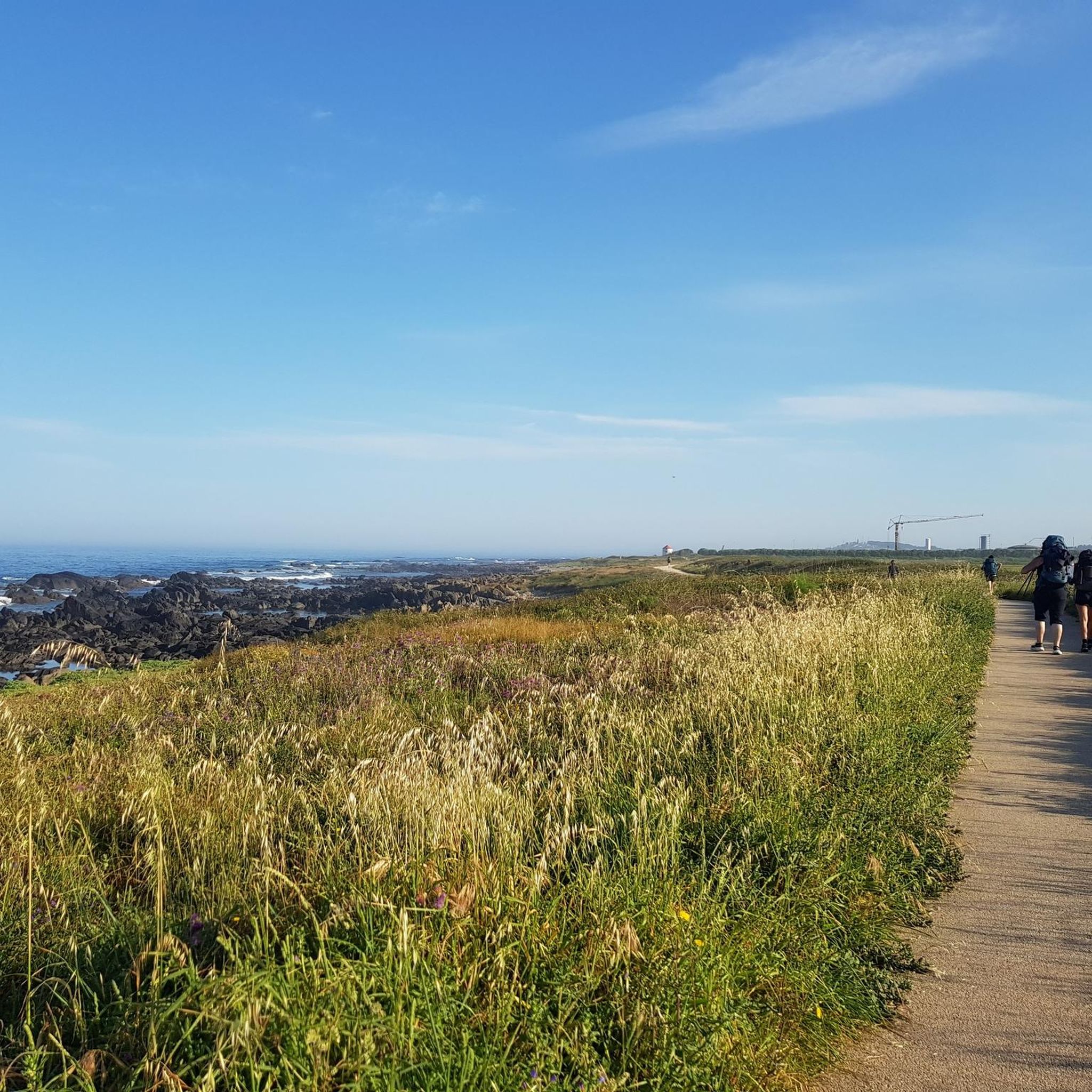
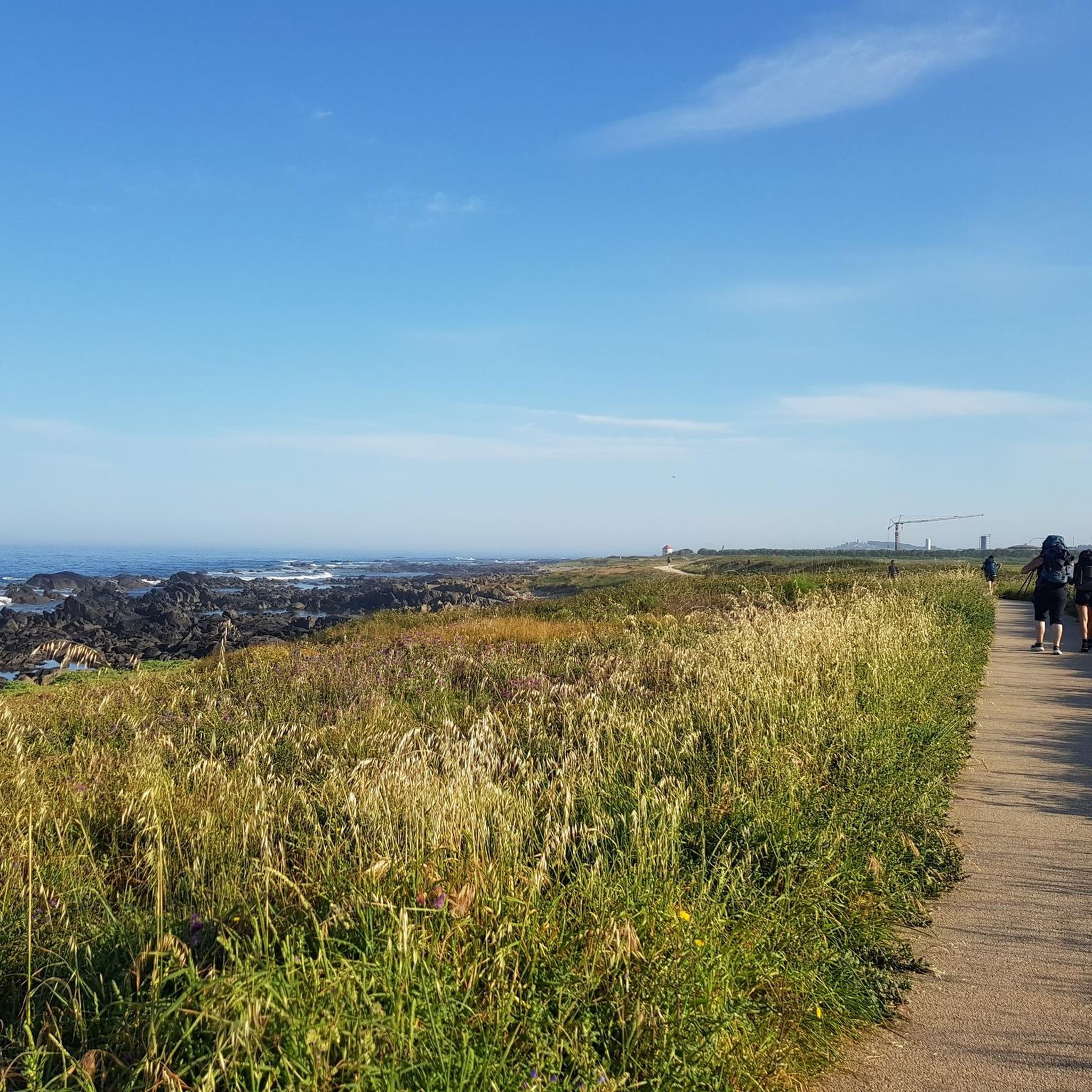
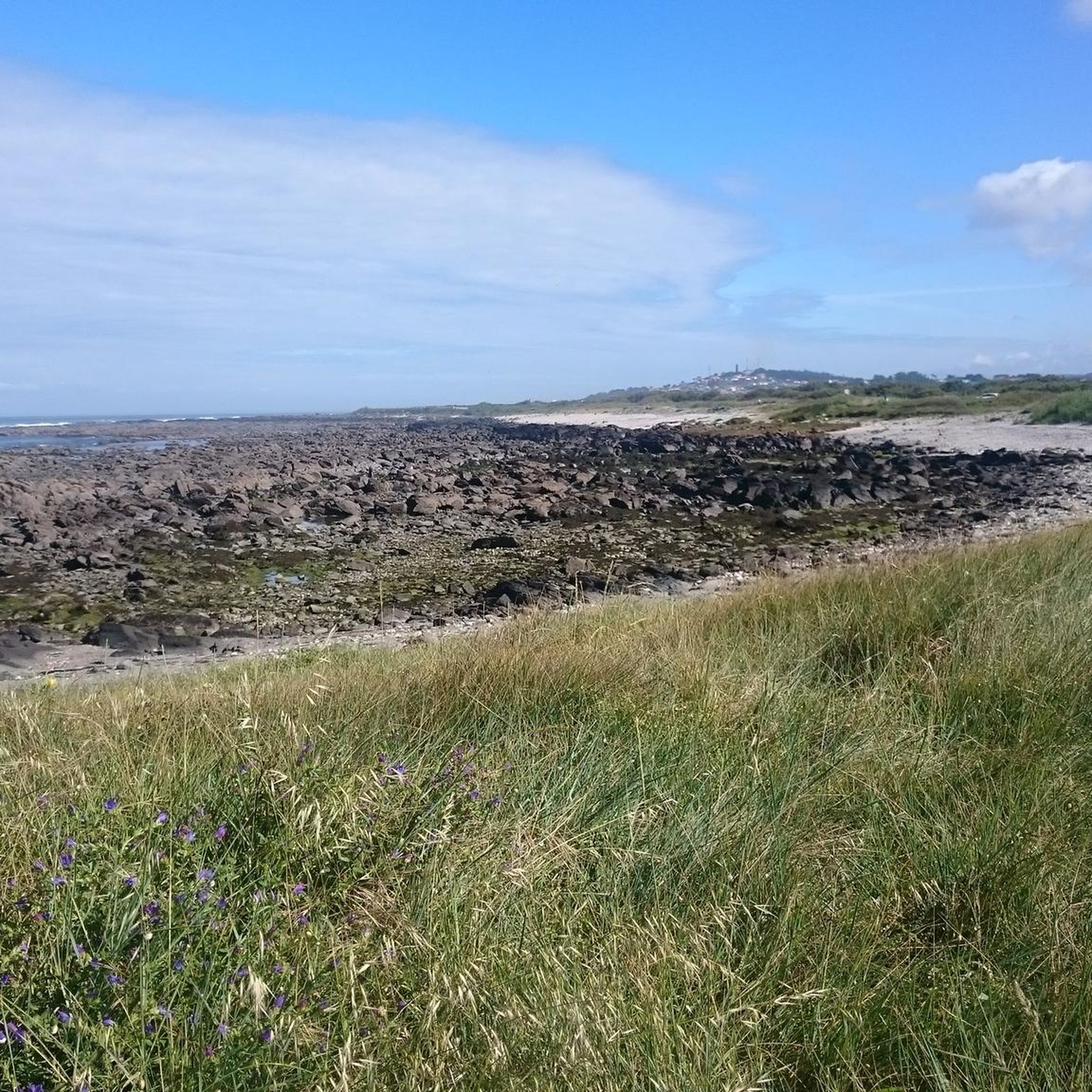
Visit and Accessibility Access: Access to the site is free and open 24 hours a day. Trails and Hiking: The fort is part of the PR7 - Paçô Fort Trail, a pedestrian route that coincides with part of the Camino de Santiago da Costa and allows you to explore the area of the Viana do Castelo Coastal Geopark, passing through landscapes of dunes and cliffs. Beach: Paçô Beach, adjacent to the fort, is a beach with a wide sandy area and rock formations that form natural pools at low tide. Accessibility: There is wheelchair accessible parking nearby.
2
0
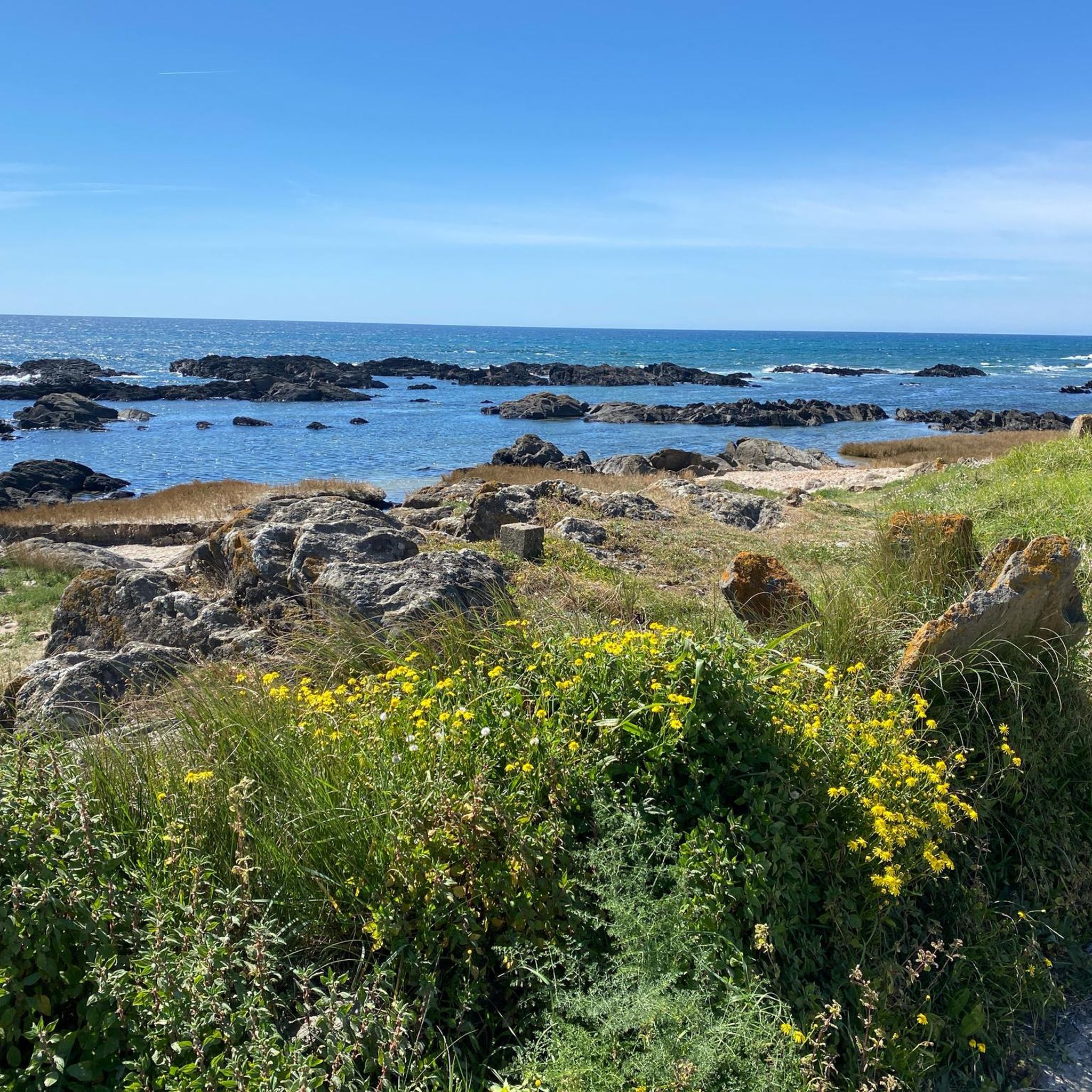
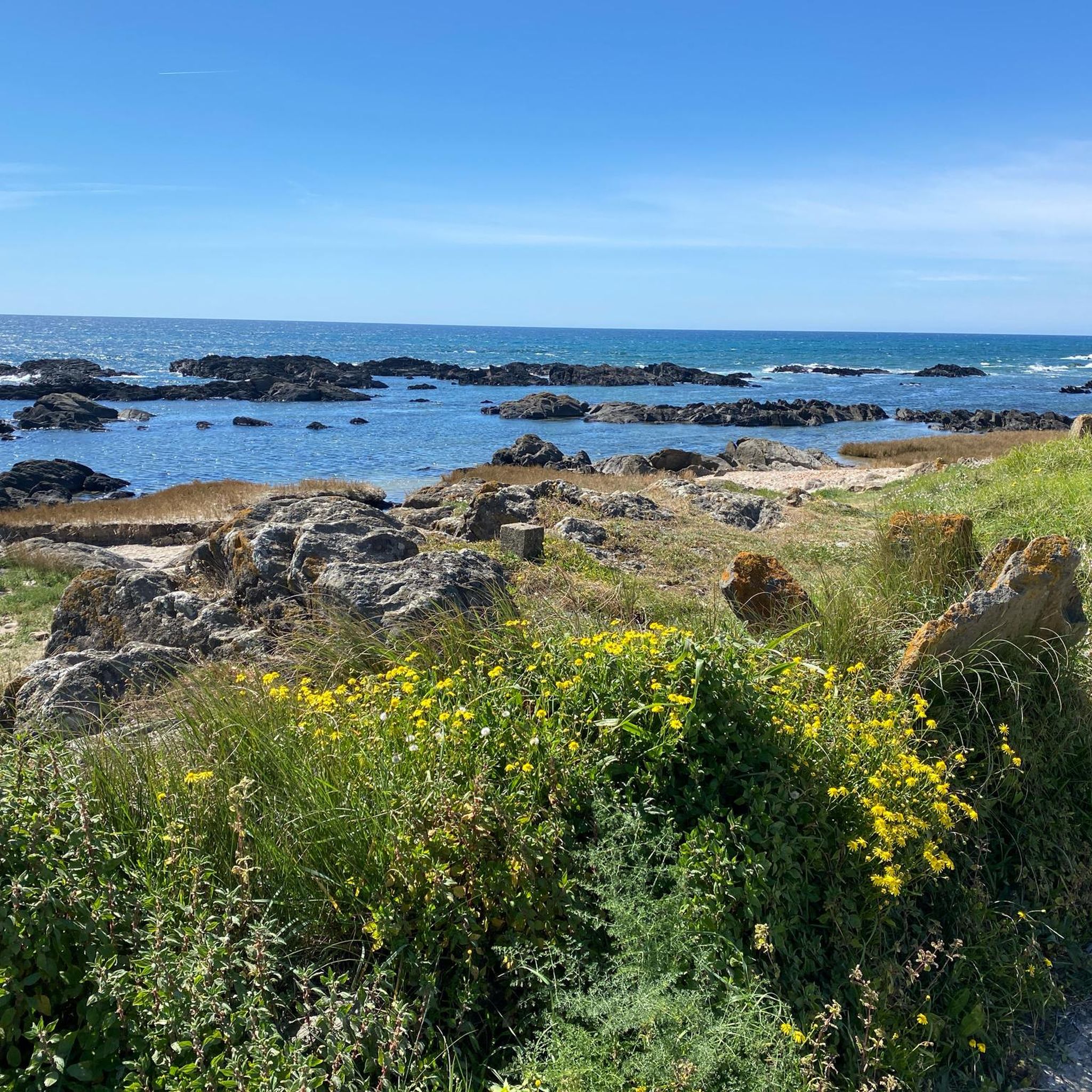
Main Characteristics Military Architecture: The fort was built for the purpose of defending the Atlantic coast against maritime attacks. It has a characteristic star-shaped plan and small dimensions. Location: It is located directly on the beach, a few meters from the sea, which can reach its walls during the winter. Its location offers scenic views of the coastline. Current State: The fort is currently in ruins, without functional rehabilitation, and it is not possible to enter the structure. However, the surrounding area is accessible for public visitation.
2
0
The Paçô Fort, also known as the Montedor Fort, is a historic 17th-century coastal fortification located in the parish of Carreço, near Paçô Beach, in the municipality of Viana do Castelo, Portugal.
2
0

A very pretty little town on the Atlantic. A worthwhile stop on the Camino Portuguese!
0
0

The complex is surprisingly large. You can walk along the entire fortress wall, offering new views every time. There's no admission charge.
0
0
A very simple complex. Just a walled square. Nevertheless, it's interesting to stroll past.
0
0
Frequently Asked Questions
What types of historical fortifications can I explore around Areosa?
While traditional medieval castles are not prevalent directly in Areosa, the region offers several significant coastal forts and historical sites. You can visit the Paçô Castle 🏰, an old fort from the medieval coastal defense system, or the impressive Fort of Santiago da Barra, with its 15th-century Roqueta Tower and polygonal design. Another notable ruin is Forte da Vinha, offering great views.
Are there any family-friendly historical sites near Areosa?
Yes, several sites are suitable for families. The Paçô Castle 🏰 is listed as family-friendly and is picturesquely located right on the beach. The area around Vila Praia de Âncora, which includes a historical site and beach, is also considered family-friendly and wheelchair accessible. Additionally, the 'Interesting route around the fortress' highlight near the Fort of Santiago da Barra is also family-friendly.
What are the best viewpoints near these historical sites?
Many of the historical sites offer excellent views. The Paçô Castle 🏰 is a viewpoint located directly on the beach. Forte da Vinha provides good views from its well-preserved outer walls. For truly breathtaking panoramic views of Viana do Castelo, the Lima River, and the Atlantic Ocean, consider visiting the Sanctuary of Santa Luzia, which is perched atop Mount Santa Luzia.
What outdoor activities can I do near the historical fortifications?
The region around Areosa offers various outdoor activities. You can find several running trails, such as the 'Litoral Norte Boardwalk – Carreço Beach loop', which is a moderate 8.4 km route. For cycling, explore routes like the 'Praia Norte Park ⛱️ – Forte da Vinha loop', an easy 18.3 km ride. There are also easy hikes available, including the 'Sanctuary of Santa Luzia – Stairs to Santa Luzia loop' at 2.7 km. You can find more details on these activities in the Running Trails around Areosa, Cycling around Areosa, and Easy hikes around Areosa guides.
Are there any ancient archaeological sites in the Areosa region?
Yes, near the Sanctuary of Santa Luzia, you can explore the **Citânia de Santa Luzia**, a Celtic archaeological site dating back to the 4th century B.C. This site provides insight into the daily lives of pre-Roman inhabitants with its stone foundations of circular buildings and an Interpretation Centre displaying artifacts.
What is the accessibility like for these historical sites?
Accessibility varies by site. Vila Praia de Âncora is noted as wheelchair accessible. The Sanctuary of Santa Luzia is easily accessible via a funicular from Viana do Castelo, or by car. For specific details on other sites, it's advisable to check local information.
What do visitors enjoy most about the coastal forts in the area?
Visitors particularly enjoy the scenic locations and historical significance of the coastal forts. For instance, Paçô Castle 🏰 is appreciated for its picturesque setting directly on the beach. Forte da Vinha is recommended for its good views, with one visitor suggesting taking a picnic to enjoy the sunset from its walls.
Can I visit the interior of these fortifications?
Access to the interior varies. The Paçô Castle 🏰 can only be visited from the outside. For the Fort of Santiago da Barra, it is generally possible to walk along the fortress walls and explore inside, though it has been noted to be closed on some occasions, so checking opening times beforehand is recommended.
What is the best time of year to visit the historical sites around Areosa?
The region is pleasant to visit during various seasons. For enjoying the beaches and promenades, the summer months are ideal. However, for exploring historical sites and hiking, spring and autumn offer milder temperatures and fewer crowds. The Vila Praia de Âncora is described as a 'beautiful summer town'.
Are there any unique architectural landmarks besides the forts?
Absolutely. The **Sanctuary of Santa Luzia** is a majestic basilica with Gothic and Byzantine-inspired architecture, featuring some of the largest rose windows on the Iberian Peninsula. While not a castle, its grandeur and historical context make it a significant landmark in the region.
Are there any dog-friendly trails or sites near the castles?
While specific dog-friendly designations for the castles themselves are not detailed, many outdoor trails in the region are suitable for walks with dogs. For example, the 'Litoral Norte Boardwalk – Carreço Beach loop' is a popular running trail that could be enjoyed with a dog. Always ensure to follow local regulations regarding pets in historical areas and on trails.
How long should I plan for a visit to these historical sites?
For smaller sites like Paçô Castle 🏰, a few minutes might suffice to observe the structure and enjoy the surroundings. Larger sites like the Fort of Santiago da Barra, especially if combined with the 'Interesting route around the fortress', could take an hour or two. If you include the Sanctuary of Santa Luzia and the Celtic archaeological site, you could easily spend half a day or more exploring the area.
Most popular attractions around Areosa

Get inspired with the komoot mobile app


Explore more
Looking for the best castles somewhere else? Discover other guides around Areosa:
