Top 2 Castles around Carreço
Best castles around Carreço are found in a region known for its historical significance and coastal landscapes in Portugal. Carreço is situated within the municipality of Viana do Castelo, offering a blend of natural beauty and historical sites. The area features fortifications that were part of medieval coastal defense systems, protecting the coastline and river mouths. These historical structures provide insight into past military architecture and regional history.
Best castles around Carreço
- The most popular castles is Paçô Castle 🏰…
Last updated: August 24, 2026
Paçô Castle 🏰
Highlight • Castle
Tip by

Fort of Santiago da Barra
Highlight • Historical Site
Translated by Google •
Tip by

Sign up now to discover places like this
Get recommendations on the best single tracks, peaks, & plenty of other exciting outdoor places.
Sign up for free
Vila Praia de Âncora
Highlight • Beach
Translated by Google •
Tip by

Forte da Vinha
Highlight • Historical Site
Translated by Google •
Tip by

Lagarteira Fort
Highlight • Castle
Translated by Google •
Tip by

Sign up for free to discover even more castles around Carreço.
Sign up for free
Already have an account?
Start today with a free account
Your next adventure awaits.
Login or Signup

Tips from the Community

Old castle, but it was unfortunately closed.
0
0

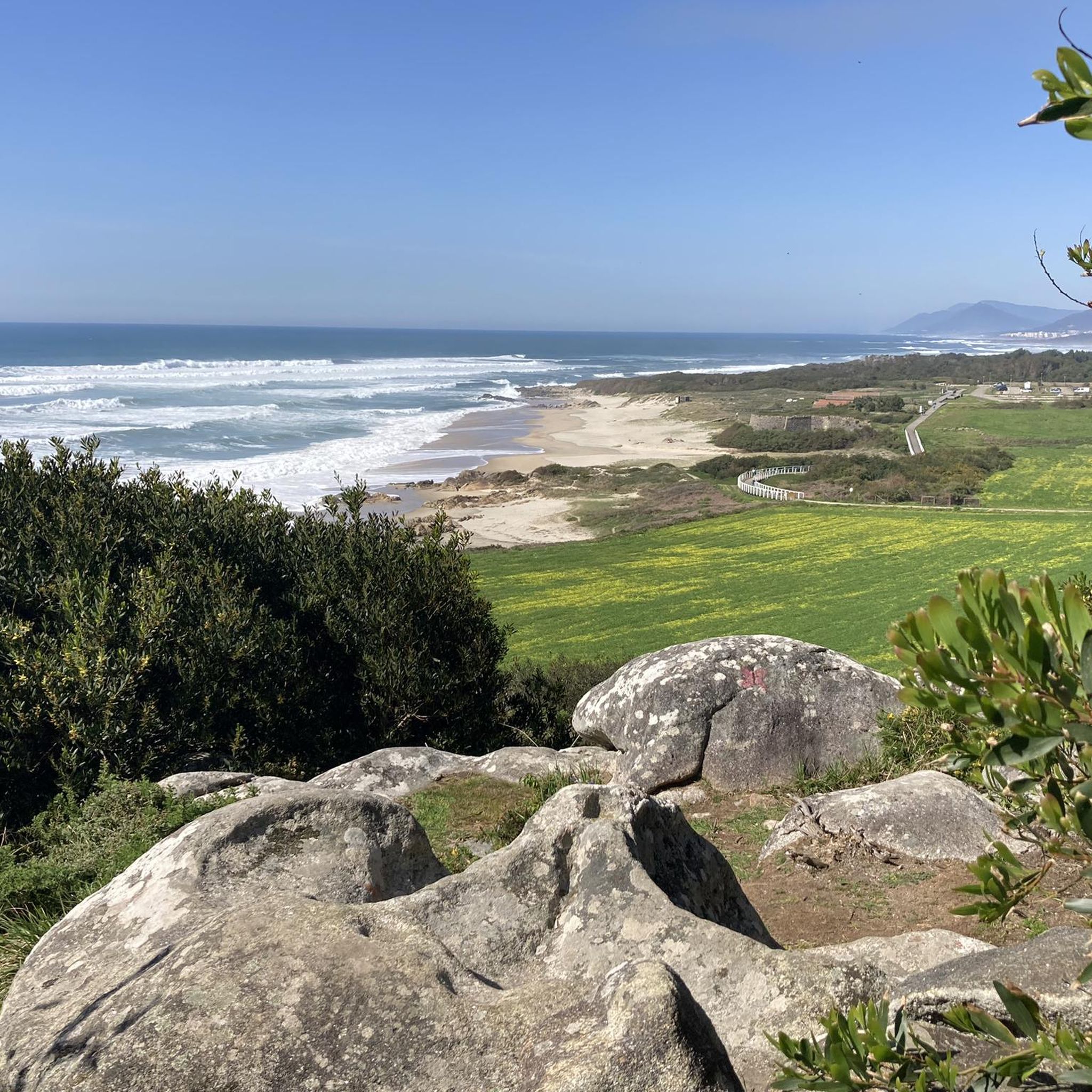
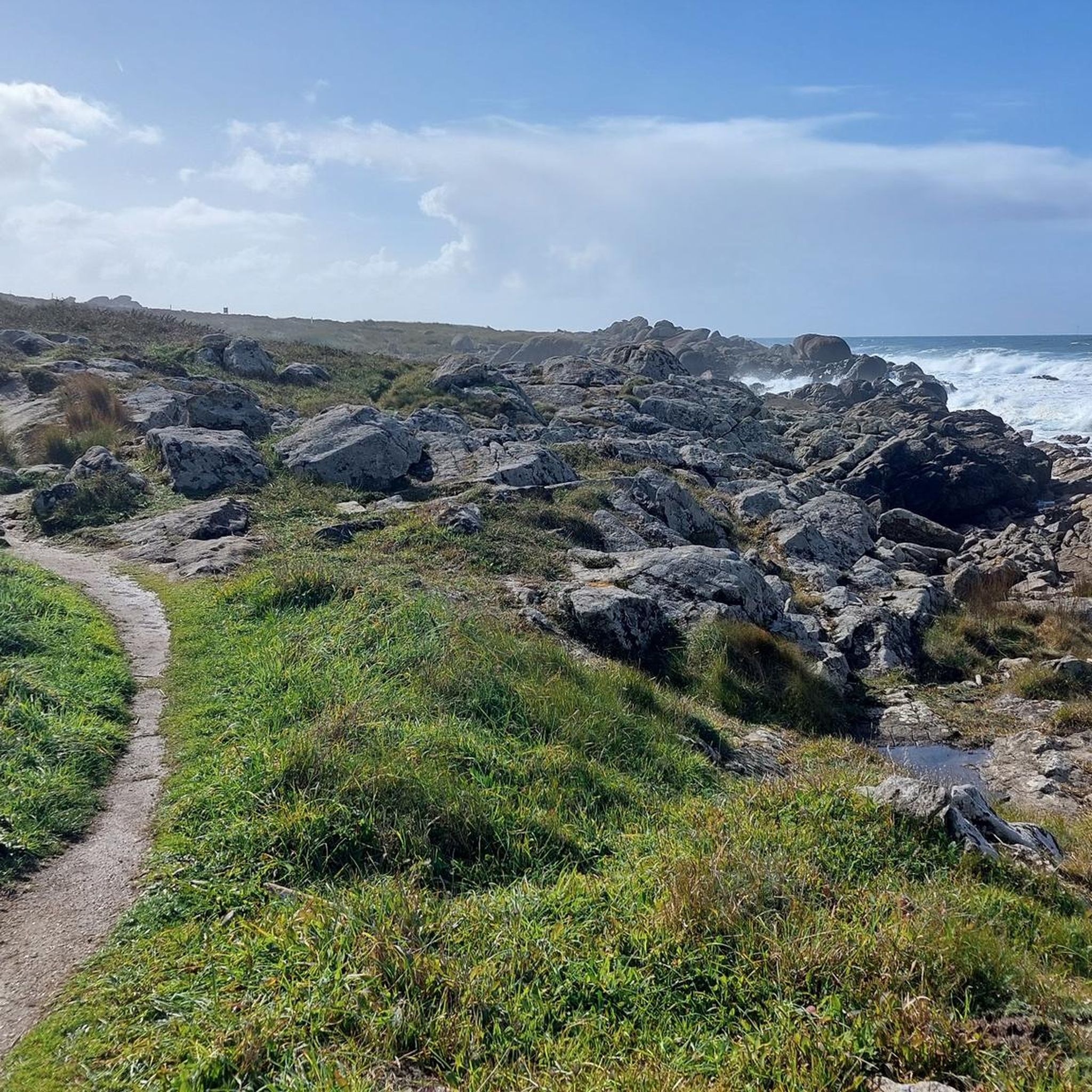
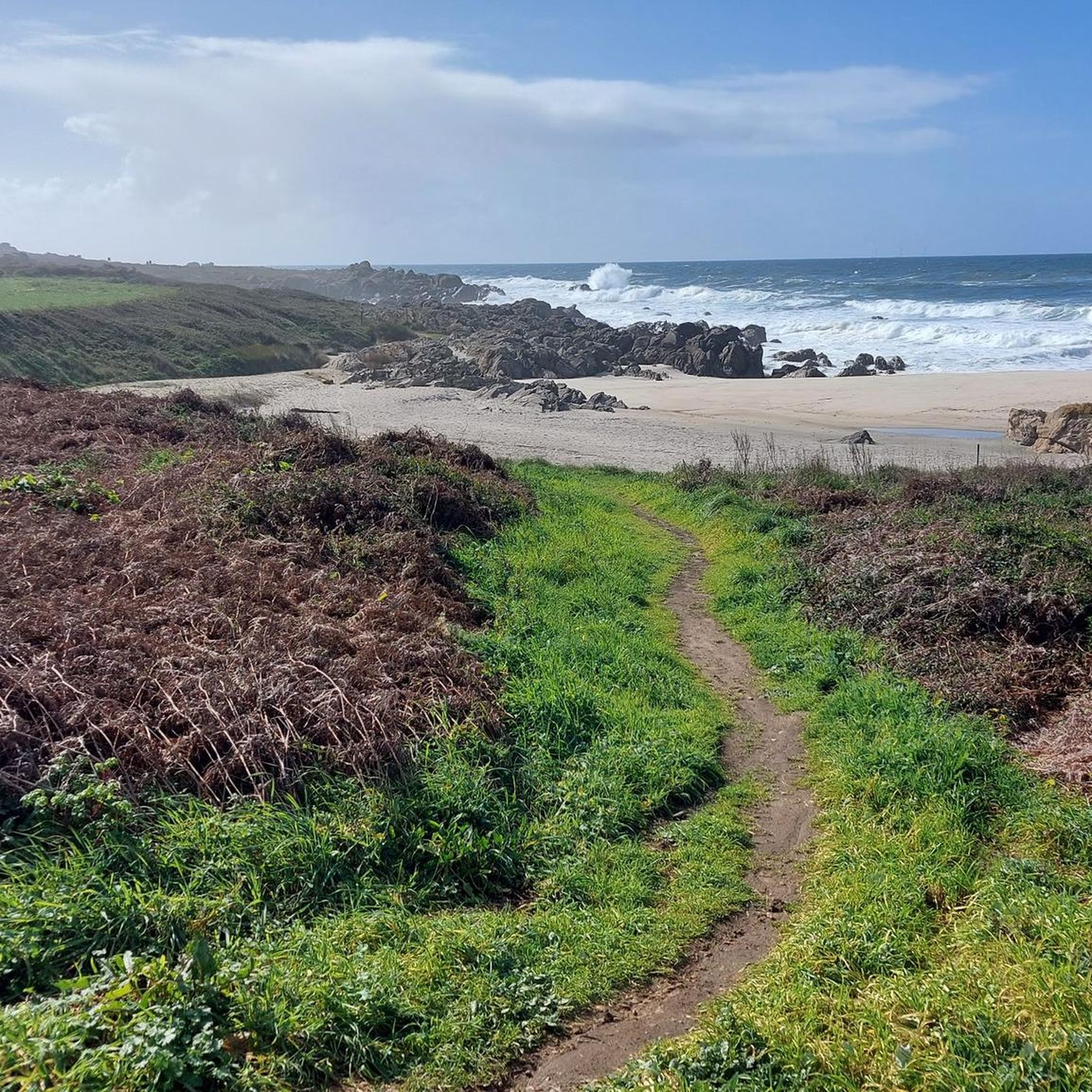
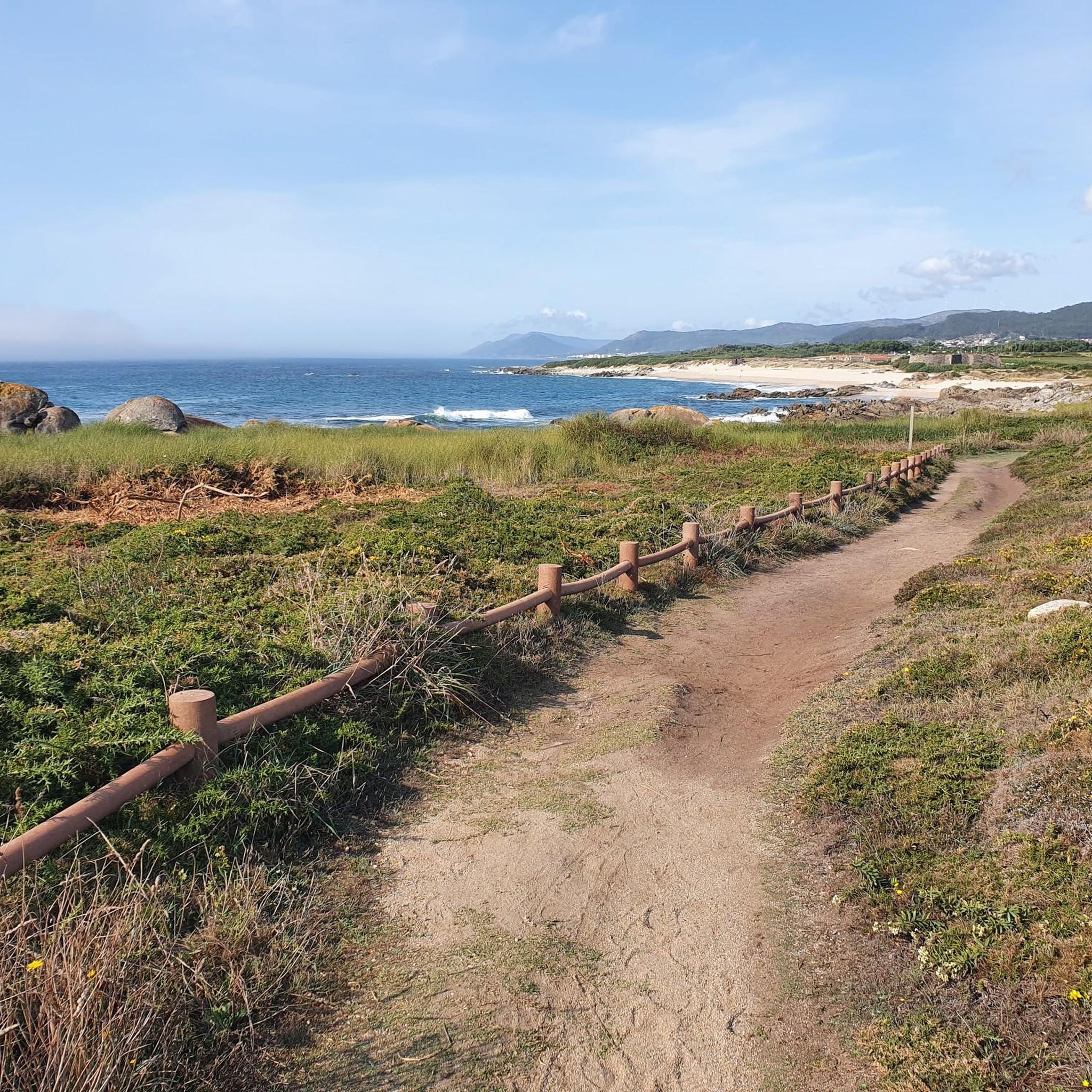
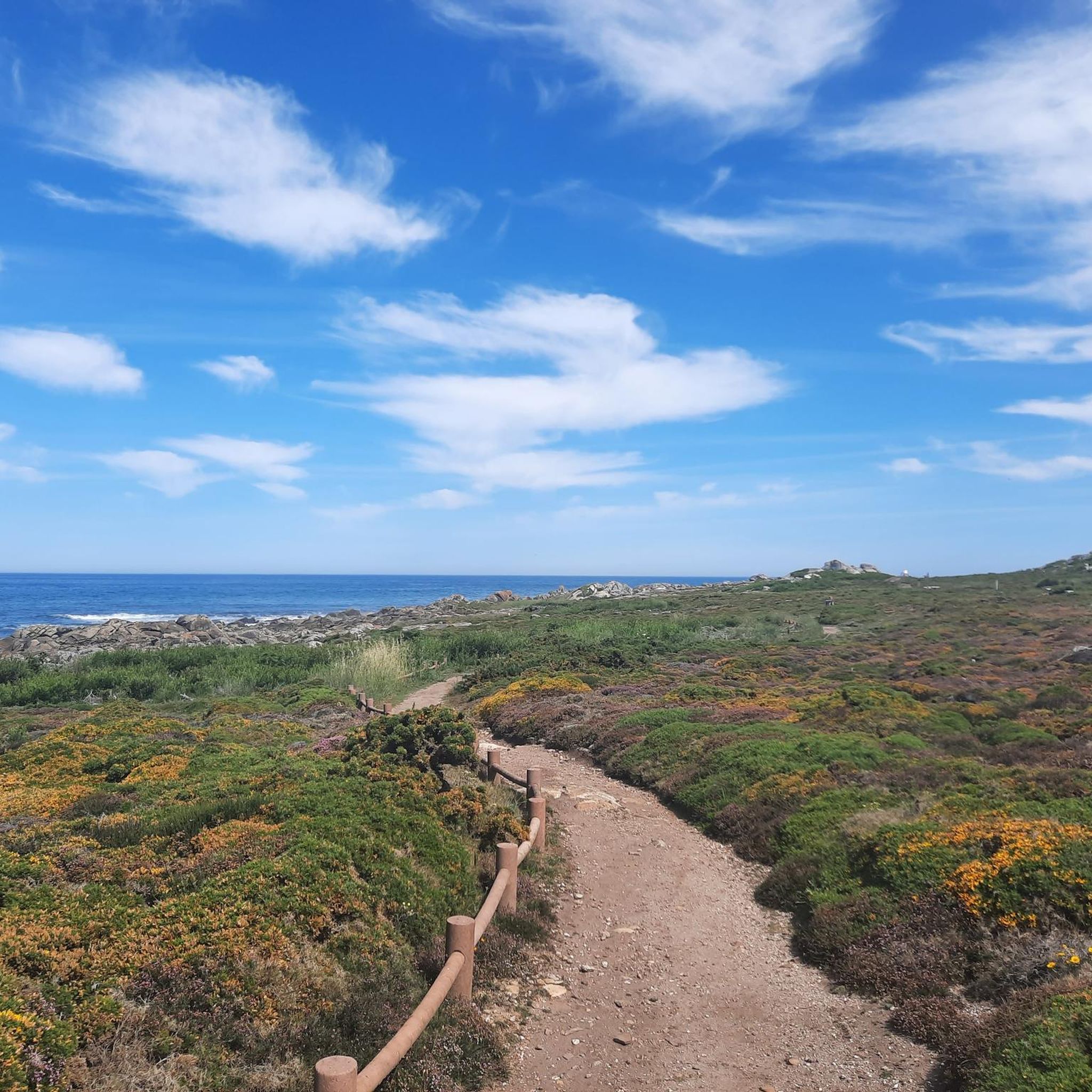
Visit and Accessibility Access: Access to the site is free and open 24 hours a day. Trails and Hiking: The fort is part of the PR7 - Paçô Fort Trail, a pedestrian route that coincides with part of the Camino de Santiago da Costa and allows you to explore the area of the Viana do Castelo Coastal Geopark, passing through landscapes of dunes and cliffs. Beach: Paçô Beach, adjacent to the fort, is a beach with a wide sandy area and rock formations that form natural pools at low tide. Accessibility: There is wheelchair accessible parking nearby.
2
0
Main Characteristics Military Architecture: The fort was built for the purpose of defending the Atlantic coast against maritime attacks. It has a characteristic star-shaped plan and small dimensions. Location: It is located directly on the beach, a few meters from the sea, which can reach its walls during the winter. Its location offers scenic views of the coastline. Current State: The fort is currently in ruins, without functional rehabilitation, and it is not possible to enter the structure. However, the surrounding area is accessible for public visitation.
2
0
The Paçô Fort, also known as the Montedor Fort, is a historic 17th-century coastal fortification located in the parish of Carreço, near Paçô Beach, in the municipality of Viana do Castelo, Portugal.
2
0
Caminha Castle, or Caminha Fortifications, is located in the current parish of Caminha and Vilarelho, in the town and municipality of Caminha, in the district of Viana do Castelo, Portugal.
1
0

A very pretty little town on the Atlantic. A worthwhile stop on the Camino Portuguese!
0
0

The complex is surprisingly large. You can walk along the entire fortress wall, offering new views every time. There's no admission charge.
0
0
A very simple complex. Just a walled square. Nevertheless, it's interesting to stroll past.
0
0
Frequently Asked Questions
What is the historical significance of the fortifications around Carreço?
The castles and forts in the Carreço region played a crucial role in Portugal's coastal defense. For example, Paçô Castle 🏰 was part of a medieval coastal defense system, specifically designed to protect against maritime threats. The Fort of Santiago da Barra, located in nearby Viana do Castelo, has origins dating back to King Alfonso III's reign and was vital for defending the Viana Bar, showcasing centuries of Portuguese military architecture.
Which fortifications offer the best views of the coastline?
Both Paçô Castle 🏰 and Forte da Vinha offer excellent coastal views. Paçô Castle is picturesquely located directly on Ingleses Beach, providing a great spot to observe the sea. Forte da Vinha, a well-preserved coastal fortress north of Viana do Castelo, also boasts good views from its walls.
Are there family-friendly activities or castles near Carreço?
Yes, several sites are suitable for families. The Fort of Santiago da Barra offers an engaging historical experience with its unique architecture and the opportunity to walk along its walls. Additionally, the nearby village of Vila Praia de Âncora, which also has historical elements, is known for its beautiful promenade and beach, making it a pleasant family destination.
How can I access Paçô Castle?
Paçô Castle 🏰 is situated on a rocky outcrop next to Ingleses Beach. It is easily accessible, located just a few meters from a parking lot. While you can visit the exterior and enjoy its scenic location, the fortress itself can only be viewed from the outside.
What outdoor activities can I do near these castles?
The area around Carreço offers various outdoor activities, especially hiking. You can find routes like the 'Paçô Castle 🏰 – Fornelos Salt Pans loop from Carreço' or the 'Esposende Forest Trail – Paçô Castle 🏰 loop from Carreço'. For more options, explore the Hiking around Carreço guide. There are also road cycling routes available, such as the 'Serra d'Arga Loop from Viana do Castelo', detailed in the Road Cycling Routes around Carreço guide.
Is the Fort of Santiago da Barra accessible for visitors?
Yes, the Fort of Santiago da Barra is generally accessible. Visitors can cross a wide bridge over the moat to enter. Inside, you can explore the main building and walk along the fortress walls, which offer interesting views of the harbor, lighthouse, and the city of Viana do Castelo. There is also an interesting route around the fortress itself.
Are there easy walking routes near the castles?
Yes, there are easy walking routes that incorporate the castles. For instance, the 'Paçô Castle 🏰 – Fornelos Salt Pans loop from Carreço' is an easy 4.5 km hike. You can find more easy options in the Easy hikes around Carreço guide, which includes routes like the 'Montedor Windmills – Fornelos Salt Pans loop from Carreço'.
What is the best time of year to visit the castles around Carreço?
The region generally enjoys pleasant weather for outdoor exploration. Visiting during the spring (April-June) or early autumn (September-October) often provides comfortable temperatures for walking and sightseeing, avoiding the peak heat of summer while still offering good conditions to enjoy the coastal scenery.
Can I bring my dog to the trails around the castles?
Many outdoor trails in the region are dog-friendly, allowing you to explore the natural beauty and historical sites with your pet. However, it's always advisable to keep dogs on a leash, especially near historical structures or in areas with wildlife, and to check specific regulations for individual sites or trails before your visit.
What unique architectural features can I expect to see at the Fort of Santiago da Barra?
The Fort of Santiago da Barra is notable for its polygonal plan and trapezoidal walls, reinforced by triangular bastions and circular sentry boxes. It features a moat and a main entrance accessed via a wide bridge, adorned with the coat of arms of King João de Sousa and the Portuguese coat of arms. The oldest visible structure is the 15th-century Roqueta Tower, completed during the reign of King Manuel I.
Are there any hidden or less crowded castle trails near Carreço?
While the main fortifications like Paçô Castle and Fort of Santiago da Barra are well-known, exploring the coastal trails that connect these sites can offer a less crowded experience. The 'North Coast Ecotrail – Praia do Camarido loop from Carreço' is an easy route that allows you to discover the coastline and potentially encounter smaller, less frequented historical remnants or viewpoints along the way.
Most popular attractions around Carreço

Get inspired with the komoot mobile app


Explore more
Looking for the best castles somewhere else? Discover other guides around Carreço:
