Cape Cod National Seashore
Cape Cod National Seashore
Top 7 Lakes in Cape Cod National Seashore
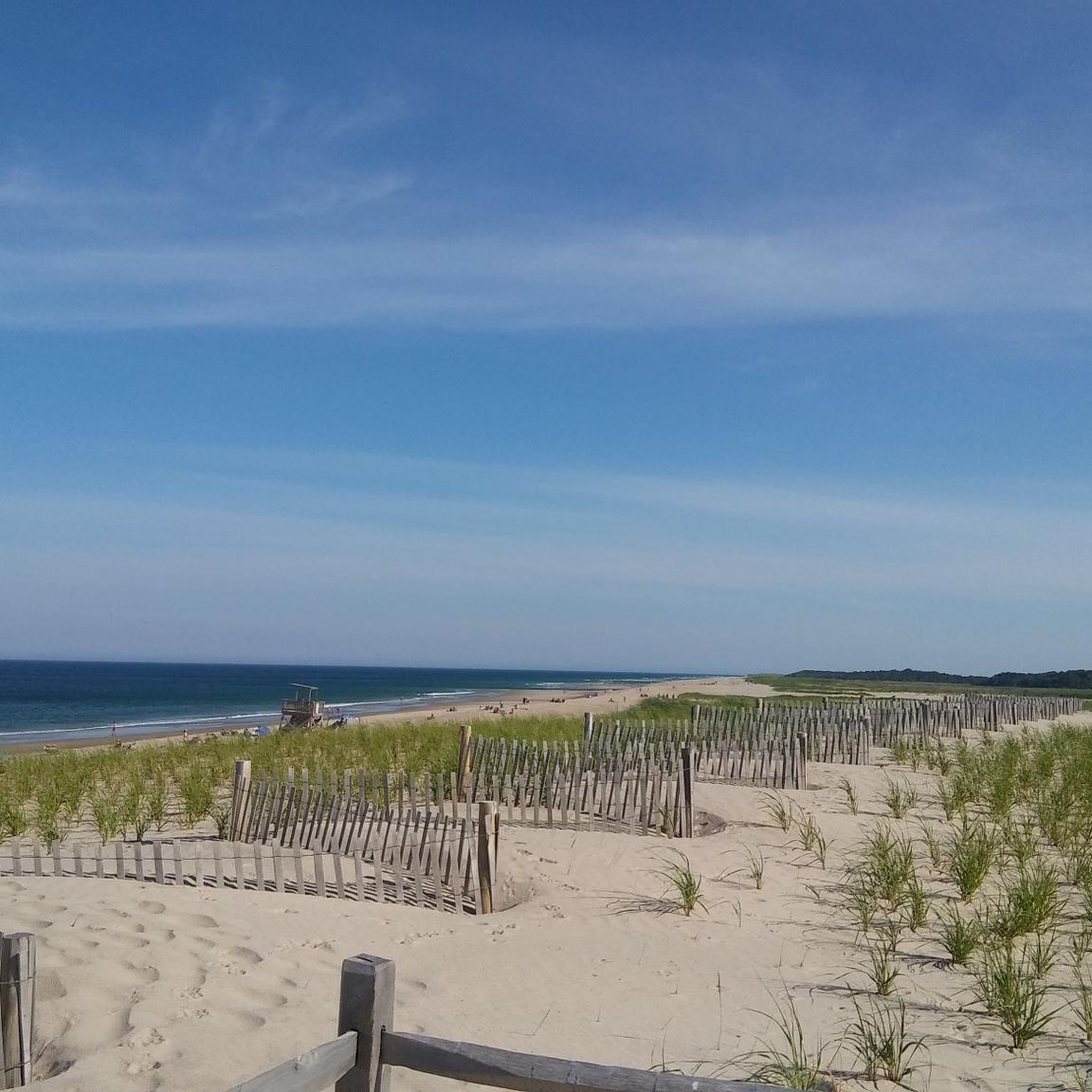
Lakes in Cape Cod National Seashore are a defining feature of this protected area, shaped by glacial activity that created numerous kettle ponds. This region on the outer arm of Massachusetts is characterized by its dynamic coastal landscape, including extensive beaches, dunes, and diverse freshwater and saltwater bodies. The area offers a blend of natural beauty and ecological significance, providing habitats for various wildlife. Its unique geology and ecosystems make it a notable destination for outdoor exploration.
Best lakes in Cape Cod National Seashore
- The most popular lakes is Salt Pond, a lake that is a twelve-meter-deep tidal pool flowing into the Atlantic Ocean. It is known for its tranquil waters, salt marshes, and diverse wildlife.
- Another must-see spot is Nauset Marsh, a coastal lagoon within Cape Cod National Seashore. Its serene waters and salt marshes offer views of the Atlantic Ocean, making it a spot for birdwatching and nature enthusiasts.
- Visitors also love Blackwater Pond (Beech Forest Pond), a peaceful, shallow pond in the middle of Province Lands. Surrounded by trees, this body of water is filled with lily pads and is home to many animals including frogs, turtles, and waterfowl.
- Cape Cod National Seashore is known for its diverse freshwater ponds, tidal pools, and coastal lagoons. These bodies of water provide varied ecosystems and recreational opportunities.
- The lakes in Cape Cod National Seashore are appreciated by the komoot community, with 14 upvotes and 8 photos shared.
Last updated: July 9, 2026
Salt Pond
Highlight • Lake
npshistory.com/publications/caco/guides-guide/salt-pond-nauset-marsh.pdf
Translated by Google •
Tip by

Nauset Marsh
Highlight • Lake
When the area was mapped by French explorer Champlain in 1605, it was a navigable bay. Over the years, ocean currents deposited a narrow strip of sand along the outer shore, now known as Nauset Spit. The spit acts as a barrier to the Atlantic Ocean and allowed the extensive marsh landscape to develop.
npshistory.com/publications/caco/guides-guide/salt-pond-nauset-marsh.pdf
Translated by Google •
Tip by
Sign up now to discover places like this
Get recommendations on the best single tracks, peaks, & plenty of other exciting outdoor places.
Sign up for free
Blackwater Pond (Beech Forest Pond)
Highlight • Lake
Tip by

Little Pleasant Bay
Highlight • Lake
mass.gov/info-details/pleasant-bay-acec
pleasantbay.org/wp-content/uploads/RMP-2018-REv-2020-final.pdf
Translated by Google •
Tip by
Pasture Pond
Highlight • Lake
Tip by
Sign up for free to discover even more lakes in Cape Cod National Seashore.
Sign up for free
Already have an account?
Start today with a free account
Your next adventure awaits.
Login or Signup
Tips from the Community

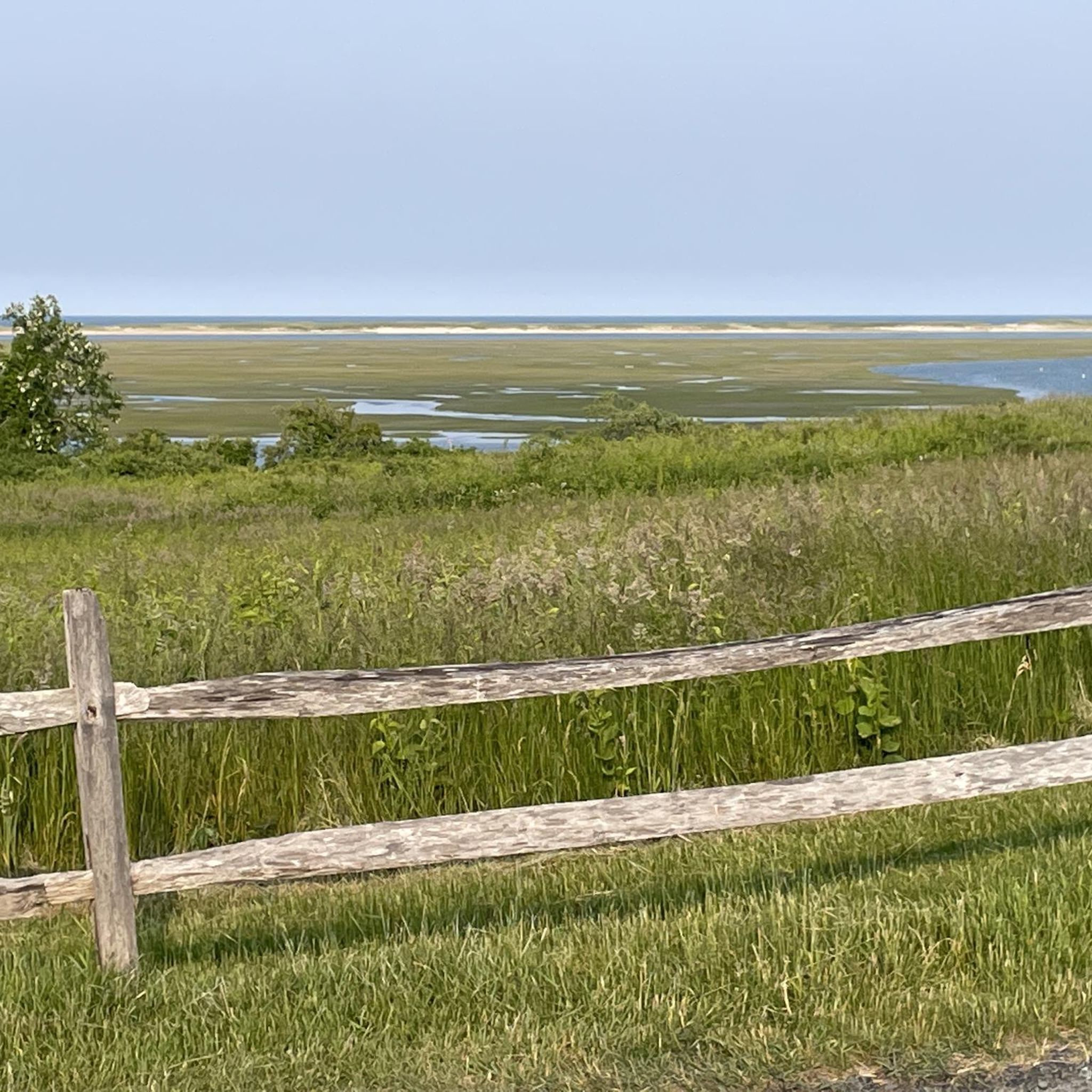
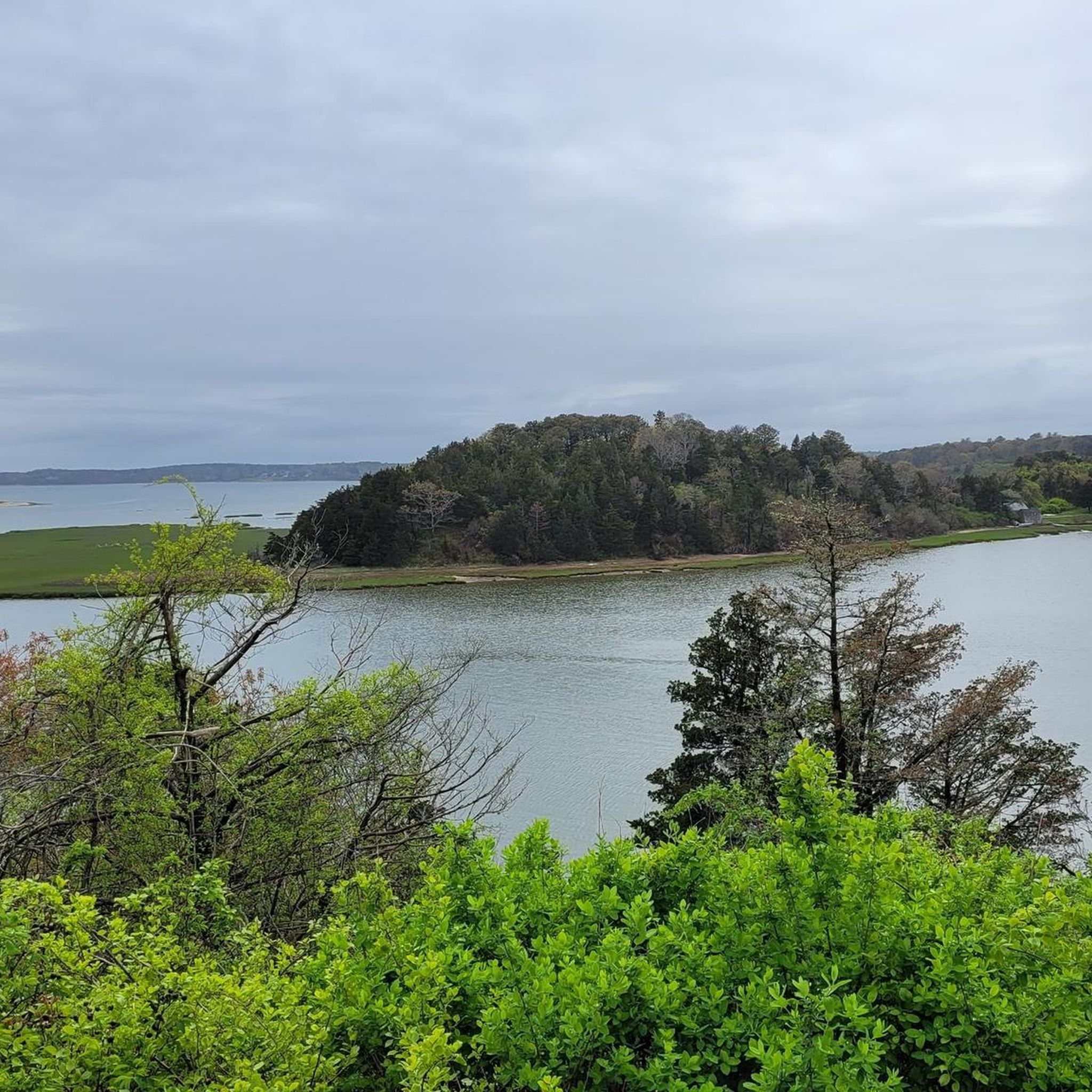
What is now Nauset Marsh was once a freshwater system until the shoreline in the area eroded, connecting the landscape to the sea. When the area was mapped by French explorer Champlain in 1605, it was a navigable bay. Over the years, ocean currents deposited a narrow strip of sand along the outer shore, now known as Nauset Spit. The spit acts as a barrier to the Atlantic Ocean and allowed the extensive marsh landscape to develop. https://npshistory.com/publications/caco/guides-guide/salt-pond-nauset-marsh.pdf
2
0
The Salt Pond is a twelve-meter-deep tidal pool that flows into the Atlantic Ocean. The lake was formed about 18,000 years ago when glaciers retreated and left depressions. The Salt Pond was originally a freshwater lake and became a saltwater lake that is subject to the tides. A narrow channel connects the lake to the Nauset Marsh on the Atlantic Ocean. The Salt Pond continues to change; the connecting channel to the marsh is gradually filling with sand. https://npshistory.com/publications/caco/guides-guide/salt-pond-nauset-marsh.pdf
2
0
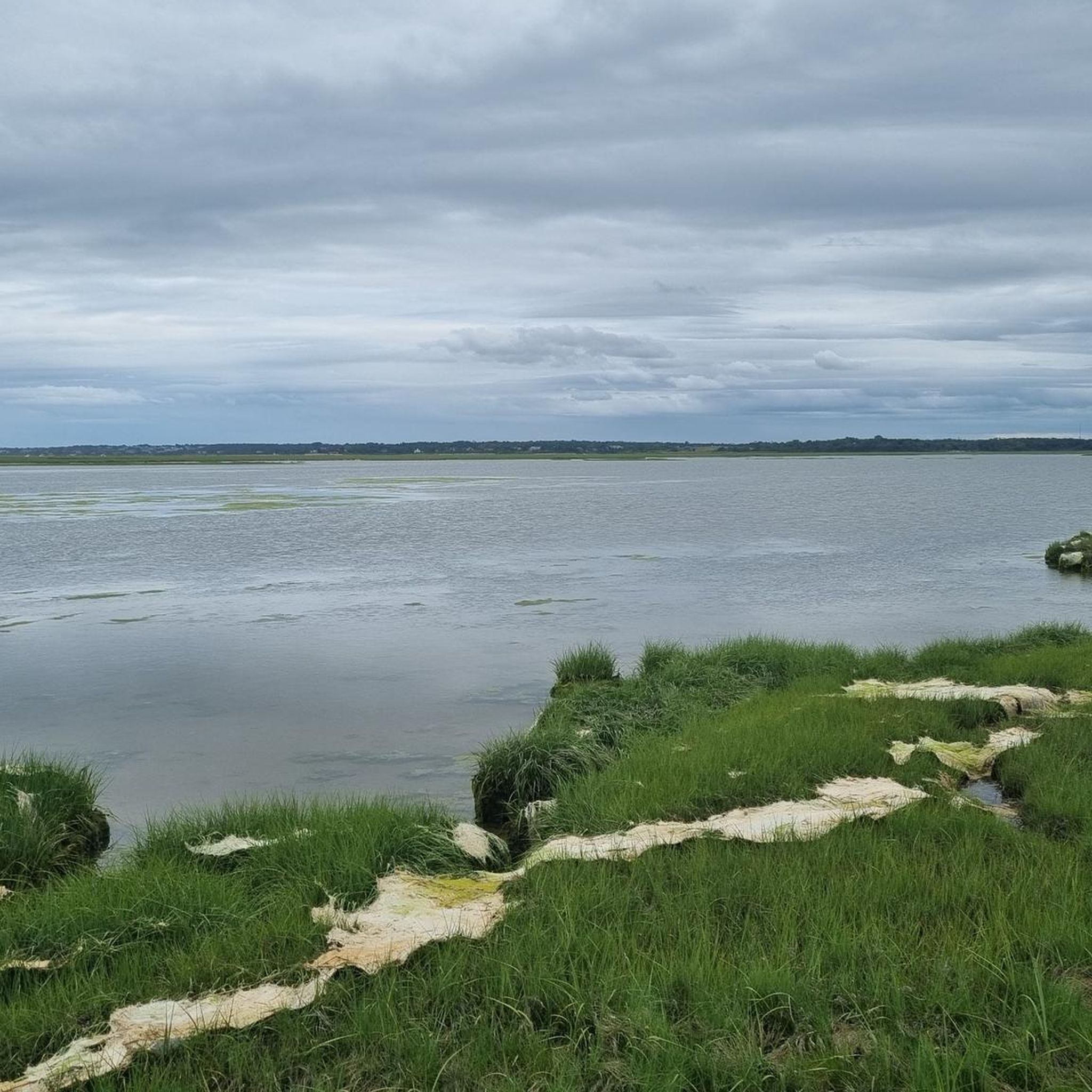
Little Pleasant Bay is located in the north of the large bay that stretches from Pochet Neck to Chatham in the south. The bay's watershed is designated as a protected area under the Areas of Critical Environmental Concern (ACEC) Program. Opposite the west coast of Pochet Island lies the Barley Neck peninsula; it extends far into Little Pleasant Bay. https://www.mass.gov/info-details/pleasant-bay-acec https://pleasantbay.org/wp-content/uploads/RMP-2018-REv-2020-final.pdf
1
0

Salt Pond in Cape Cod is a picturesque coastal salt pond within the Cape Cod National Seashore. It's known for its tranquil waters, salt marshes, and diverse wildlife, making it a popular spot for those in the area.
0
0
Nauset Marsh is a breathtaking coastal lagoon within Cape Cod National Seashore. Its serene waters and salt marshes offer stunning views of the Atlantic Ocean, making it a haven for birdwatching and nature enthusiasts.
0
0

Blackwater Pond is a peaceful, shallow pond in the middle of Province Lands. Surrounded by trees, this slowly shrinking body of water is filled with lily pads and is home to many animals including frogs, turtles, and an abundance of waterfowl like ducks, Canada Geese, and herons. The famed poet Mary Oliver wrote about this pond in "In Blackwater Woods," which was first published in the Pulitzer Prize winning collection "American Primitive."
0
0
This freshwater pond is a peaceful place to stop and take in the views that has a very different feel than the nearby beaches. You can frequently see birds like Great Blue Herons and ducks as well as turtles and frogs among the lily pads.
0
0
Frequently Asked Questions
What types of lakes can I find in Cape Cod National Seashore?
Cape Cod National Seashore features a diverse range of water bodies, primarily shaped by glacial activity. You'll find freshwater kettle ponds, tidal pools like Salt Pond, and coastal lagoons such as Nauset Marsh, offering varied ecosystems and recreational opportunities.
Are there family-friendly lakes in Cape Cod National Seashore?
Yes, many lakes in the Cape Cod National Seashore are suitable for families. Salt Pond and Nauset Marsh are both categorized as family-friendly, offering tranquil waters and opportunities for nature observation. Blackwater Pond (Beech Forest Pond) is also a peaceful spot surrounded by trees, ideal for a quiet family outing.
What kind of wildlife can I expect to see around the lakes?
The lakes and marshes are rich in wildlife. At Blackwater Pond (Beech Forest Pond), you can spot frogs, turtles, and various waterfowl like ducks, Canada Geese, and herons. Pasture Pond is also known for birds such as Great Blue Herons and ducks, as well as turtles and frogs among its lily pads. Nauset Marsh is a haven for birdwatching enthusiasts.
Are there hiking trails near the lakes in Cape Cod National Seashore?
Absolutely. The region offers numerous hiking opportunities. You can explore trails like the Nauset Marsh Trail, which is an easy hike, or the more moderate Duck Pond, Great Pond and Whitecrest Beach Loop. For more options, check out the full guide to Hiking in Cape Cod National Seashore.
Can I go cycling near the lakes?
Yes, cycling is a popular activity. The Province Lands Bike Trail and the Nauset Bicycle Trail are excellent options for exploring the area on two wheels. You can find more routes and details in the guide to Cycling in Cape Cod National Seashore.
Which lakes offer good viewpoints or scenic spots?
Nauset Marsh is renowned for its stunning views of the Atlantic Ocean and extensive salt marshes. Pasture Pond also offers peaceful views, distinct from the nearby beaches, where you can observe local wildlife.
What is the best time to visit the lakes in Cape Cod National Seashore?
The best time to visit depends on your preferred activities. Spring and fall offer pleasant weather for hiking and cycling, with fewer crowds. Summer is ideal for swimming and enjoying the beaches, though it's the busiest season. Winter can be beautiful for quiet walks, especially around the kettle ponds, offering a different, serene experience.
Are there any secluded spots for swimming or quiet reflection?
Blackwater Pond (Beech Forest Pond) is described as a peaceful, shallow pond surrounded by trees, making it an excellent choice for quiet reflection. While not explicitly for swimming, its serene atmosphere offers a secluded natural escape.
What makes Salt Pond unique among the lakes?
Salt Pond is unique because it's a twelve-meter-deep tidal pool that flows into the Atlantic Ocean. Originally a freshwater lake, it transformed into a saltwater body subject to tides, connected to Nauset Marsh. Its dynamic nature and diverse wildlife make it a fascinating spot.
What is the geological history behind the lakes in Cape Cod National Seashore?
The lakes in Cape Cod National Seashore, particularly the kettle ponds, were formed approximately 18,000 years ago when glaciers retreated, leaving behind depressions that filled with water. This glacial activity also shaped the region's dynamic coastal landscape, including its extensive beaches and dunes.
Are there any protected areas around the lakes?
Yes, Little Pleasant Bay, for example, is part of a watershed designated as a protected area under the Areas of Critical Environmental Concern (ACEC) Program, highlighting the region's commitment to preserving its natural ecosystems.
What do visitors enjoy most about the lakes in Cape Cod National Seashore?
Visitors particularly appreciate the tranquil waters, diverse wildlife, and the serene atmosphere of the lakes. Many enjoy the opportunities for birdwatching, nature observation, and the peaceful escape these natural settings provide, often contrasting with the nearby ocean beaches.
Most popular routes in Cape Cod National Seashore
Most popular attractions in Cape Cod National Seashore

Get inspired with the komoot mobile app


Explore more
Still not found your perfect lake in Cape Cod National Seashore? Check out the guides of these regions to see even more beautiful places.
