Top 14 Caves in Torino
Best caves in Torino and its surrounding Piedmont region offer a diverse range of subterranean experiences, from natural geological formations to historically significant underground sites. The area features karst phenomena, ancient shelters, and man-made tunnels that reveal layers of history and natural beauty. These sites are often nestled within wooded areas or mountainous terrain, providing opportunities for exploration beyond the city. The region's caves are a testament to both natural processes and human ingenuity, serving various purposes throughout history.
Best caves in Torino
- The most popular caves is Gheisa d'la Tana Cave, a cave that served as a clandestine religious site for the Waldensian community during periods of persecution. This natural cavity is located in Val d’Angrogna and is accessible via a marked hiking trail.
- Another must-see spot is Decauville Tunnel, an other man-made site that was once a railway line connecting Lake Dietro la Torre and Lake Malciaussia. Visitors can explore this historical tunnel, which requires a flashlight and offers an adventurous experience.
- Visitors also love Antica Cava di Rocaforte, an ancient stone quarry with climbing routes. This site features millstones carved into the rock and requires navigating iron steps and rubble to enter.
- Torino is known for natural caves, historical underground sites, and man-made tunnels. The region offers a variety of experiences, from geological formations with stalactites and stalagmites to ancient quarries and historical shelters.
- The caves in Torino are appreciated by the komoot community, with 52 upvotes and 24 photos shared by visitors.
Last updated: August 19, 2026
Gheisa d'la Tana Cave
Highlight • Cave
The cave is located in a wooded area on the left side of the valley and can be reached via a short hiking trail, marked and suitable for everyone.
Translated by Google •
Tip by

Pera Furà Millstone Cave
Highlight • Cave
To reach the quarry, starting from the car park of the climbing wall, one follows the two existing paths on either side of the cliff, with both of them reaching Chiampano, while with the path on the right access is direct, with the one on the left it is necessary, once in the hamlet, turn right onto the main street thus reaching the signs for pera furà.
Access to the quarry is carried out with a short stretch of aided path (metal pegs driven into the rock) and a stretch of path where you need to be careful not to slip. In five minutes you arrive at the cave, on the walls of which the marks left by the quarrymen and some millstones, well hewn, still set in the rock and never completed again, are clearly visible.
continuing the climb towards Roccabruna (or Pietrabruna) you arrive, after a steep stretch of path, on the top of the "pear", with an exceptional view over the Susa valley. The hamlet, not far away, is abandoned. In the basements are found old vats, remains of barrels and some presses, witnesses of an ancient exploitation of the surrounding land as vineyards, where the remains of dry stone wall terraces are found (the toponym "vigne del rocco" is not chosen at random .. ..)
Translated by Google •
Tip by

Sign up now to discover places like this
Get recommendations on the best single tracks, peaks, & plenty of other exciting outdoor places.
Sign up for free
The Pertus (Colombano Romean Tunnel)
Highlight • Structure
You have waterproof shoes as you walk on the surface of the water of a countercurrent stream that flows inside.
You do not suffer from claustrophobia and have a torch as it is completely dark and narrow in places.
Be fairly covered as the temperature inside drops considerably.
The Pertus can be walked in about 40 minutes, or simply look at it from the outside and then climb to the 4-teeth peak.
Translated by Google •
Tip by

Sanctuary of Our Lady of Lourdes
Highlight • Religious Site
The ecclesiastical memorial day "Our Lady of Lourdes" is on February 11th, this is the anniversary of the apparition of Mary (1858), when the Mother of God appeared to the 14-year-old Bernadette Soubirous in a rock grotto not far from Lourdes. Bernadette later became a nun and died at the age of only 35. On December 8 (the feast of the Immaculate Conception of Mary) 1933, she was canonized by Pope Pius XI.
The commemoration of the Lourdes Madonna is also World Day of the Sick.
Translated by Google •
Tip by

Crotin del Cerro
Highlight • Cave
This place is also linked to the local history of the Resistance: during the German occupation, the crutin was used as a partisan refuge and hiding place. Today it is immersed in the silent environment of the Bosc Grand, among paths, oaks, and panoramas of the Po hills, and is a curious destination for naturalistic and historical excursions.
Showing Translation
Tip by

Decauville Tunnel
Highlight (Segment) • Structure
Translated by Google •
Tip by

Antica Cava di Rocaforte
Highlight • Cave
Translated by Google •
Tip by

Le Voute Caves
Highlight • Cave
Source: parchialpicozie.it/page/view/sentiero-delle-voute
Translated by Google •
Tip by

Ca' 'd Pajret Cave
Highlight • Cave
Translated by Google •
Tip by
Mysterious cave 😱
Highlight • Cave
Translated by Google •
Tip by

Sign up for free to discover even more caves in Torino.
Sign up for free
Already have an account?
Start today with a free account
Your next adventure awaits.
Login or Signup
Popular around Torino
Historic and spiritual trails in the province of Torino
Piemont's Via Francigena
Giro del Gran Paradiso – A trail running adventure in the Italian Alps
GTA Central Piedmont – Dense forests, lakes and impressive waterfalls
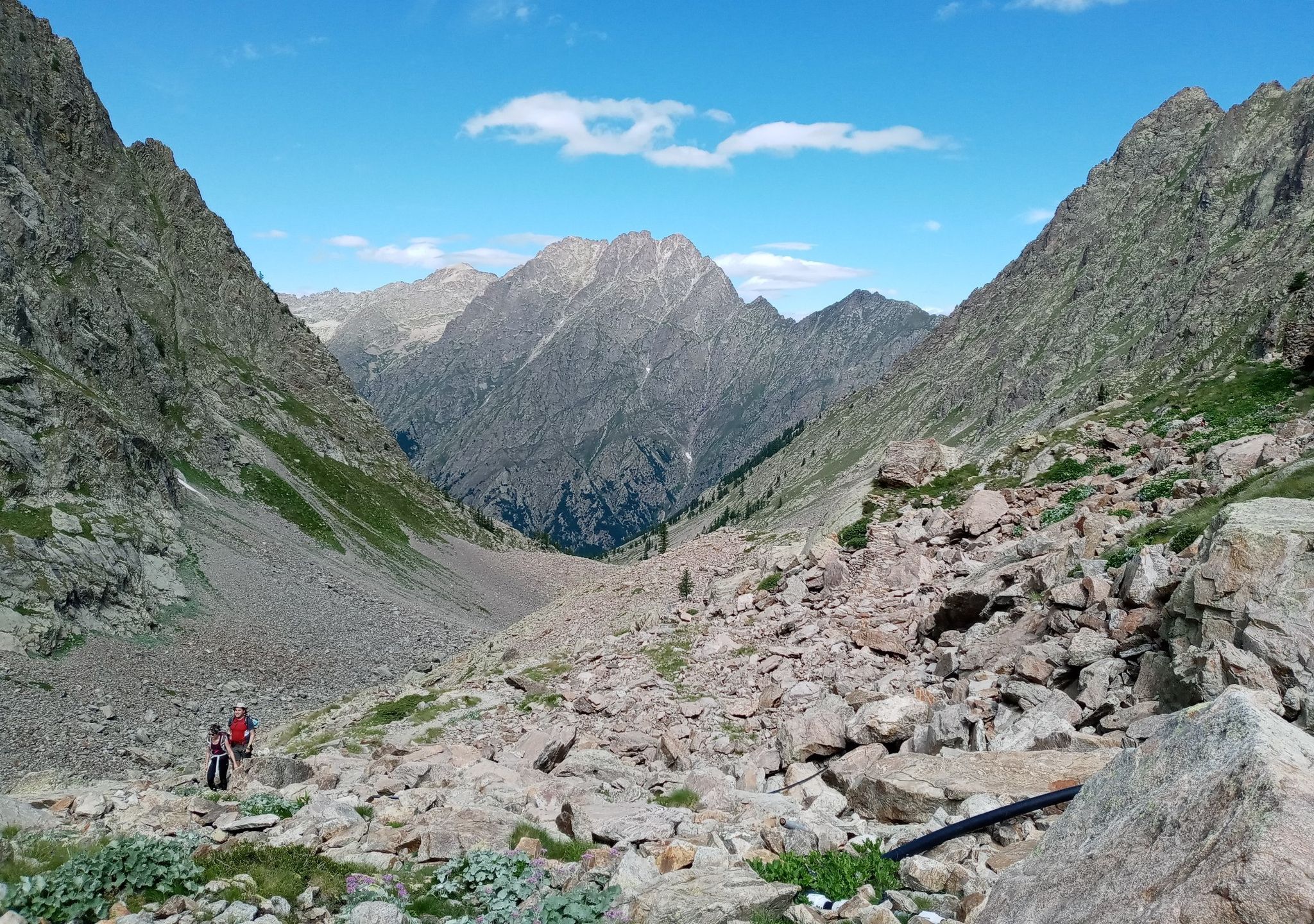
GTA South Piedmont — Hiking in Italy's Occitan valleys
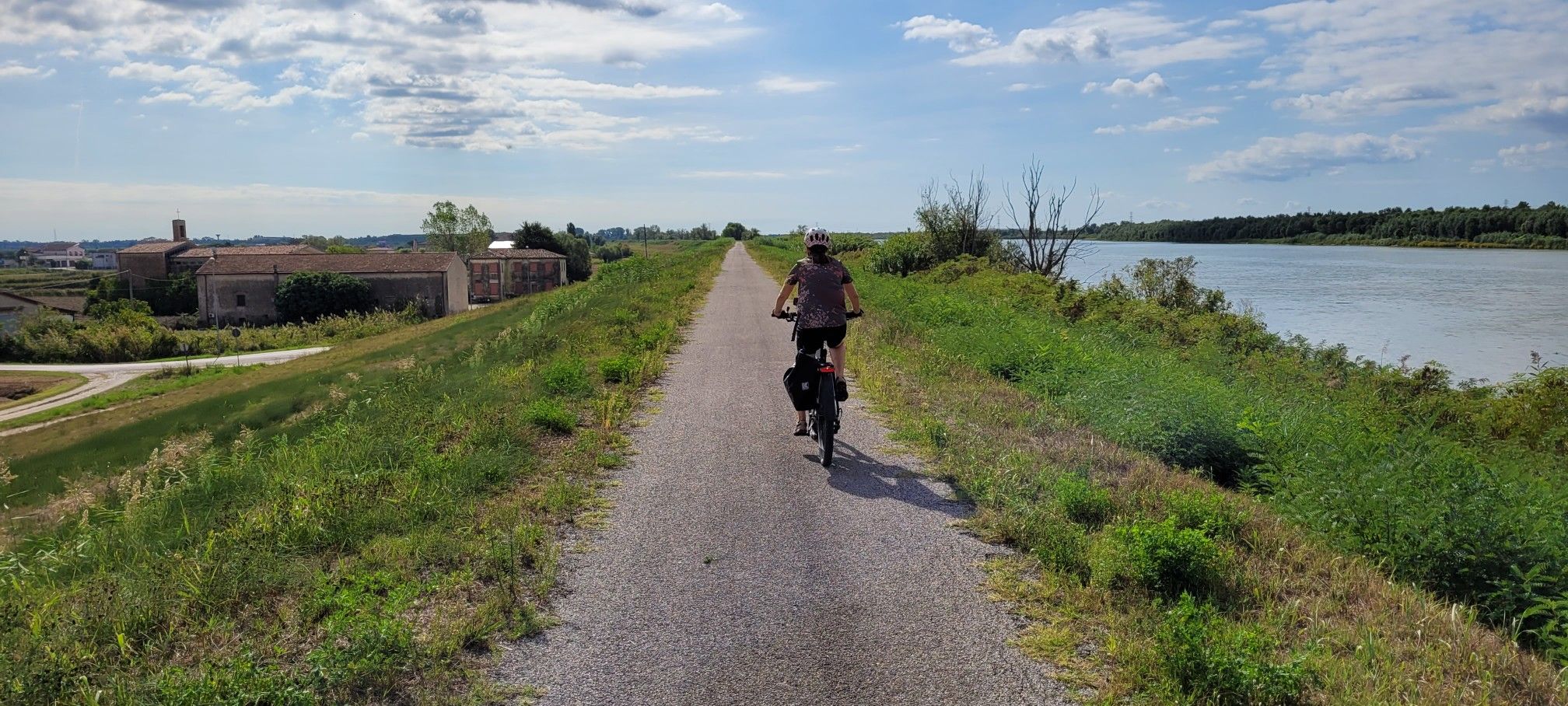
Ciclovie del Po — An all-round experience along Italy's longest river
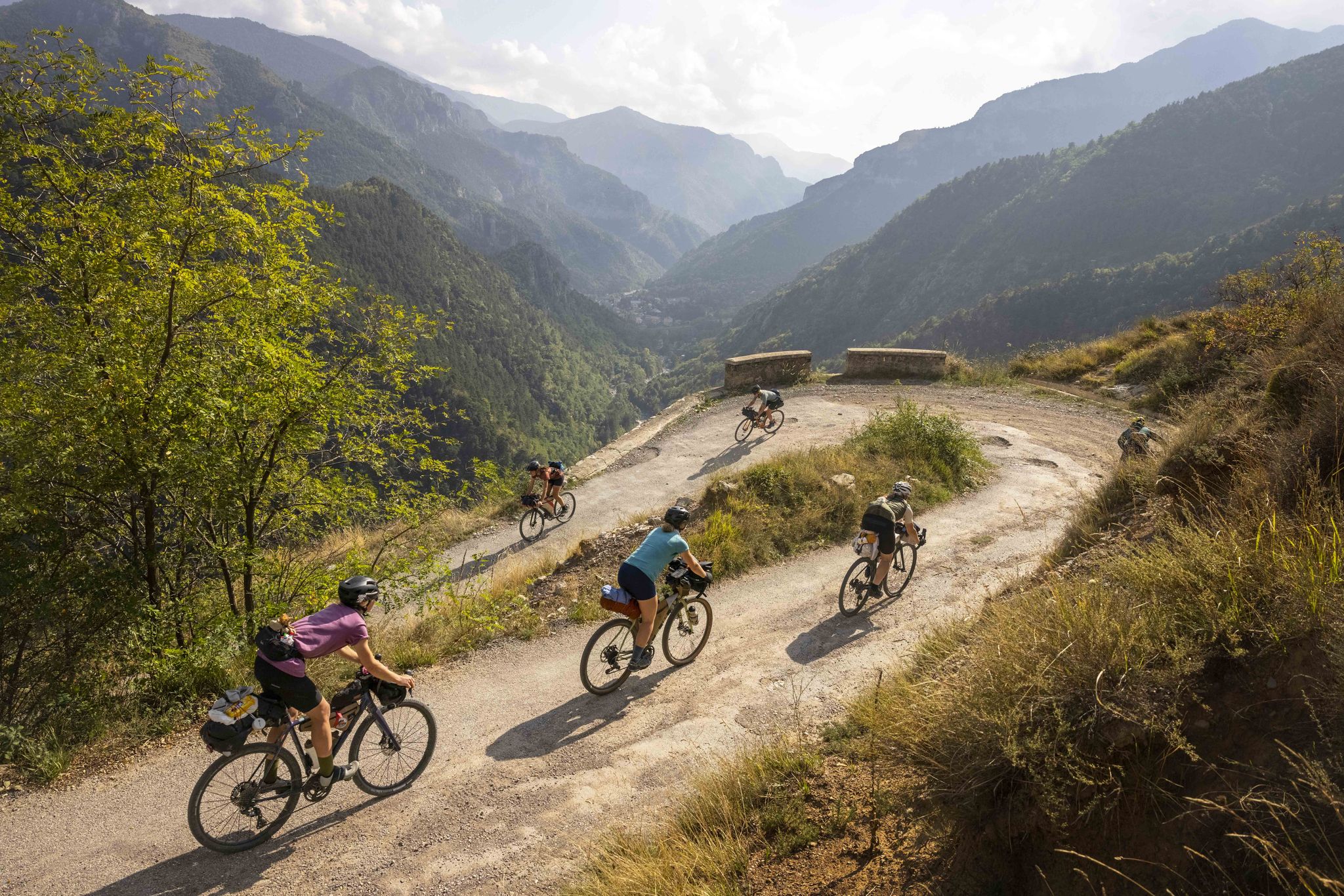
Lael's 2021 Komoot Women's Torino Nice Rally
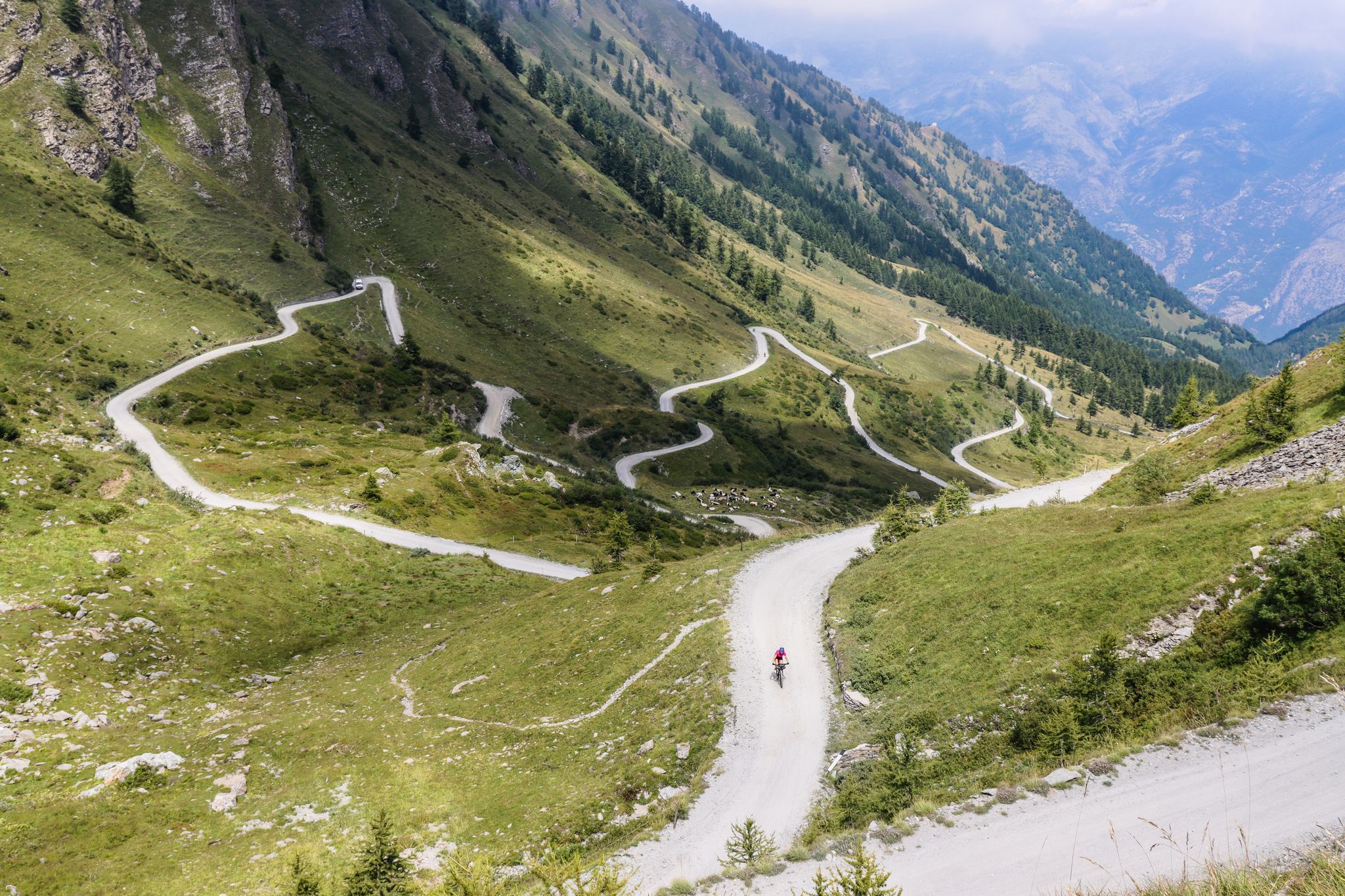
Colle del Colombardo and the Colle delle Finestre — Two of the Italian gravel giants
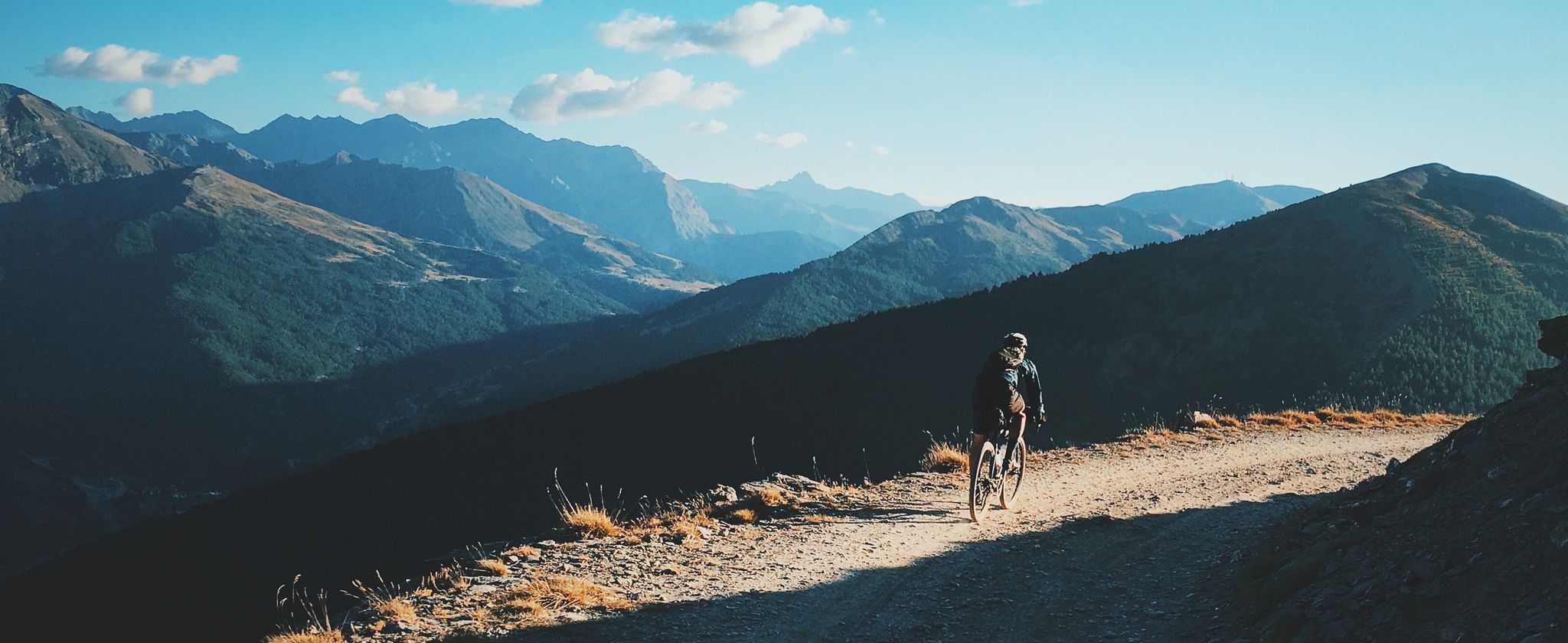
The Komoot Torino-Nice Rally
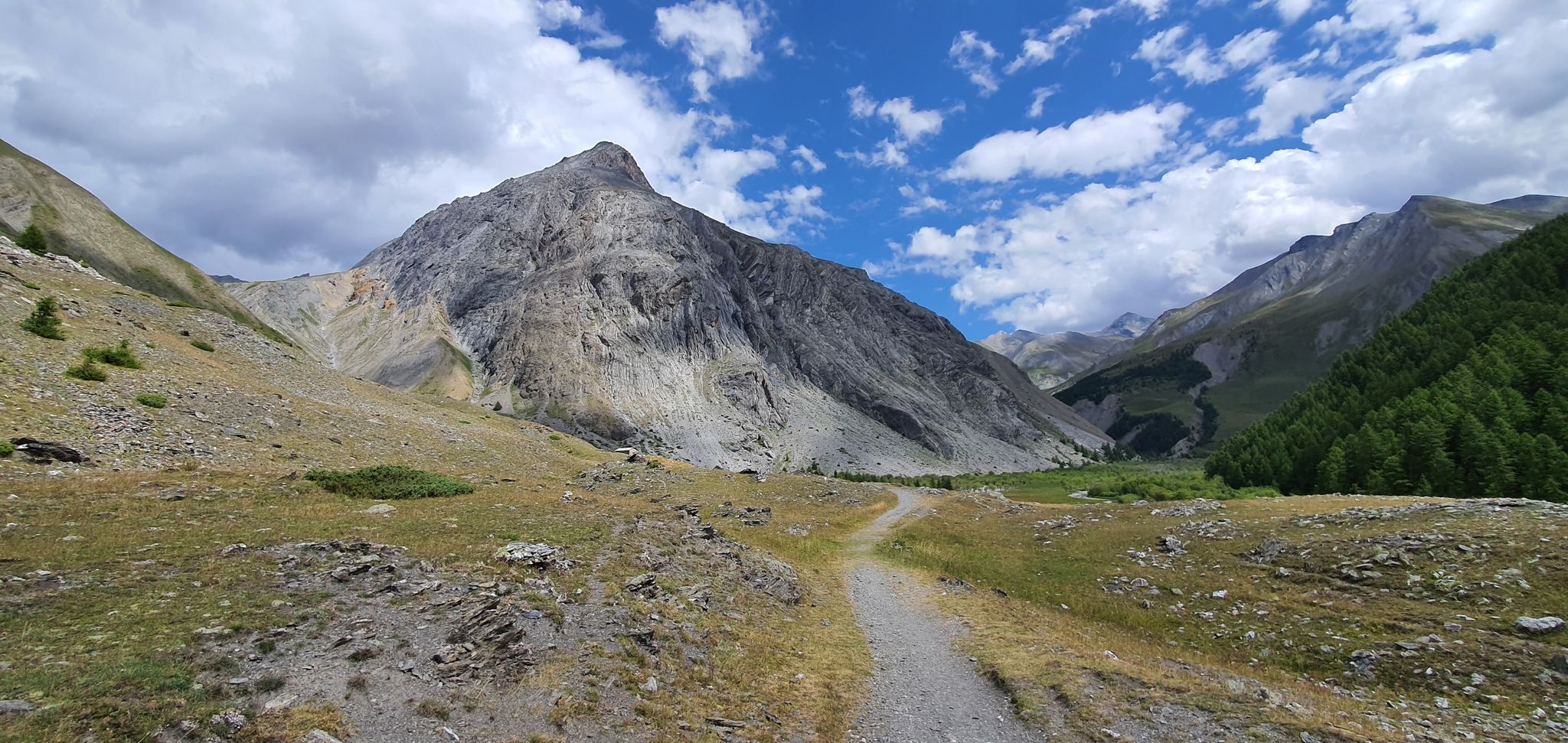
Western trans-alpine crossing – pure adventure on your mountain bike
Other adventures in Torino


Tips from the Community

The Crutin del Cerro, in the woods between Rivalba and Castagneto Po, is a suggestive cave dug into sandstone/tuff, used in the past as a pastoral shelter and rural storage. The Piedmontese term 'crutin' actually indicates a small cellar or cavity dug into the rock. This place is also linked to the local history of the Resistance: during the German occupation, the crutin was used as a partisan refuge and hiding place. Today it is immersed in the silent environment of the Bosc Grand, among paths, oaks, and panoramas of the Po hills, and is a curious destination for naturalistic and historical excursions.
3
0

If you are in the area it is worth a visit, a very particular place, be careful of your head, the entrance is very narrow
0
0


Here guys, the story gets deep. We recommend overcoming the initial fear of the unconscious and, for those who do not suffer from claustrophobia, enter the very short tunnel: it will take you inside a cave that will leave you speechless.
1
0

The Gheisa d’la Tana is a natural cavity located in Val d’Angrogna, a side valley of Val Pellice, particularly known for its history linked to the Waldensian community. The name, which in Piedmontese means "Church of the Tana", recalls the use that the Waldensians made of it during the period of religious persecution, when they clandestinely celebrated religious functions in this natural hiding place. The cave is located in a wooded area on the left side of the valley and can be reached via a short hiking trail, marked and suitable for everyone.
1
0

Caves are present along the path
0
0

Small caves inside a rock, free to be visited.
1
0

Immediately after the new construction of water outflow on the Dora, on the right side, it actually makes it a little intimidating
0
0
Frequently Asked Questions
What types of caves can I explore near Torino?
The Torino region offers a diverse range of subterranean experiences. You can find natural geological formations like those with stalactites and stalagmites, historically significant natural shelters, and intriguing man-made tunnels and quarries. These sites reveal layers of both natural processes and human history.
Are there any historically significant caves or underground sites in the Torino region?
Yes, the region is rich in historical underground sites. The Gheisa d'la Tana Cave, for instance, served as a clandestine religious site for the Waldensian community. The Decauville Tunnel is a former railway line, and the Antica Cava di Rocaforte is an ancient stone quarry. Beyond these, the broader Piedmont region features sites like the Grotta di Bossea, a significant speleological site, and the Grotte di Pugnetto, known for their scientific value and historical exploration. Torino also has an extensive network of historical underground passages, including Roman and WWII remnants.
Which caves are suitable for families or beginners?
For families and beginners, the Gheisa d'la Tana Cave is accessible via a marked hiking trail suitable for everyone. The Decauville Tunnel is also considered adventurous for children, though it requires a flashlight. In the broader region, the Grotte di Pugnetto offer guided tours, and Grotta Gino provides underground adventures for novice cavers.
What are some geologically interesting caves in the area?
The Grotta di Bossea in the southern Piedmont region is renowned for its impressive caverns, stalactites, stalagmites, waterfalls, and serene pools. Grotta Gino on the Turin hills features fascinating stalactites and stalagmites sculpted by water erosion. The Le Voute Caves are also noted as an area of geological interest resulting from erosive phenomena.
Are there any caves with unique local legends or folklore?
Yes, the Grotta delle Masche (Cave of the Witches) in the Turin hills is steeped in local Piedmontese folklore, associated with legends of 'masche' (witches) and magical rituals. It offers a unique atmosphere connected to ancient stories.
What should I know before visiting the Grotte di Pugnetto?
The Grotte di Pugnetto are natural cavities in the Lanzo Valleys, known for their scientific value as a habitat for endemic species. Guided tours are organized by the CAI (Italian Alpine Club) from April to October. The main branch, the Fountain branch, extends for 765 meters and includes large rooms and an active stream.
Can I explore man-made tunnels or quarries near Torino?
Absolutely. The Decauville Tunnel, a former mountain railway line, offers an adventurous experience requiring a flashlight. The Antica Cava di Rocaforte is an ancient stone quarry with climbing routes and visible millstones carved into the rock. Additionally, The Pertus (Colombano Romean Tunnel) is a historic tunnel that can be walked, though it requires waterproof shoes and a torch due to an internal stream and darkness.
What outdoor activities can I do near these caves?
Many caves are located in areas suitable for outdoor activities. For instance, the Gheisa d'la Tana Cave is accessible via a marked hiking trail. The region around Torino offers numerous hiking and cycling opportunities. You can find easy hikes, mountain hikes, and cycling routes in the vicinity. For more details on routes, explore guides like Easy hikes in Torino, Mountain Hikes in Torino, or Cycling in Torino.
Are there any caves that were used for religious purposes?
Yes, the Gheisa d'la Tana Cave, meaning 'Church of the Tana' in Piedmontese, was historically used by the Waldensian community for clandestine religious functions during periods of persecution. It is a significant site for religious history.
What is 'Underground Turin' and how does it relate to caves?
While not natural caves, 'Underground Turin' refers to the city's vast network of tunnels, cellars, crypts, and air-raid shelters. These are remnants of Roman times, Baroque constructions, and World War II, offering a unique subterranean experience that reveals layers of the city's past. There are also local legends of 'alchemical caves' beneath the city, though these are more folklore than explorable natural formations. For more information on Italy's underground sites, you can visit italia.it.
What should I wear when exploring caves in the Torino region?
When exploring caves, especially those with active water systems or narrow passages, it's advisable to wear waterproof shoes. Temperatures inside caves can drop considerably, so dressing in layers and being fairly covered is recommended. A flashlight or headlamp is essential for many of these sites, particularly for tunnels like the Pertus or the Decauville Tunnel.
Most popular routes in Torino
Most popular attractions in Torino

Get inspired with the komoot mobile app


Didn’t find what you were looking for?
Discover more caves in Torino region by region:
Explore more
Extend your search for the best caves by checking out these guides of the top ones in Torino:
