Top 10 Castles in Pistoia
Best castles in Pistoia are found in a historic region of Tuscany, Italy, featuring a range of fortified structures. These sites are strategically positioned across plains, hills, and mountains, offering insights into medieval architecture and military history. The area provides a diverse landscape for exploring historic castles and their surrounding environments.
Best castles in Pistoia
- The most popular castles is Larciano Castle Tower, a castle with Roman origins. This powerful stronghold was contested between Pistoia and Florence, playing a…
Last updated: July 9, 2026
Cozzile Castle and the Clock Tower
Highlight • Castle
Translated by Google •
Tip by

Cozzile Medieval Village
Highlight • Settlement
Translated by Google •
Tip by

Sign up now to discover places like this
Get recommendations on the best single tracks, peaks, & plenty of other exciting outdoor places.
Sign up for free
Sambuca Castle
Highlight • Castle
Translated by Google •
Tip by

Porta Nuova, Cozzile
Highlight • Historical Site
Translated by Google •
Tip by
Villa Smilea
Highlight • Castle
Translated by Google •
Tip by

Larciano Castle Tower
Highlight • Castle
Translated by Google •
Tip by

Cecina village (Larciano)
Highlight • Settlement
Translated by Google •
Tip by

Vinacciano Historic Village
Highlight • Settlement
Translated by Google •
Tip by

View of Montecarlo and the Valdinievole Valley
Highlight • Viewpoint
Inside the Castle you won't be able to see too much from the surrounding area.
Tip by

Torri di Popiglio
Highlight • Castle
Translated by Google •
Tip by

Start today with a free account
Your next adventure awaits.
Login or Signup
Popular around Pistoia
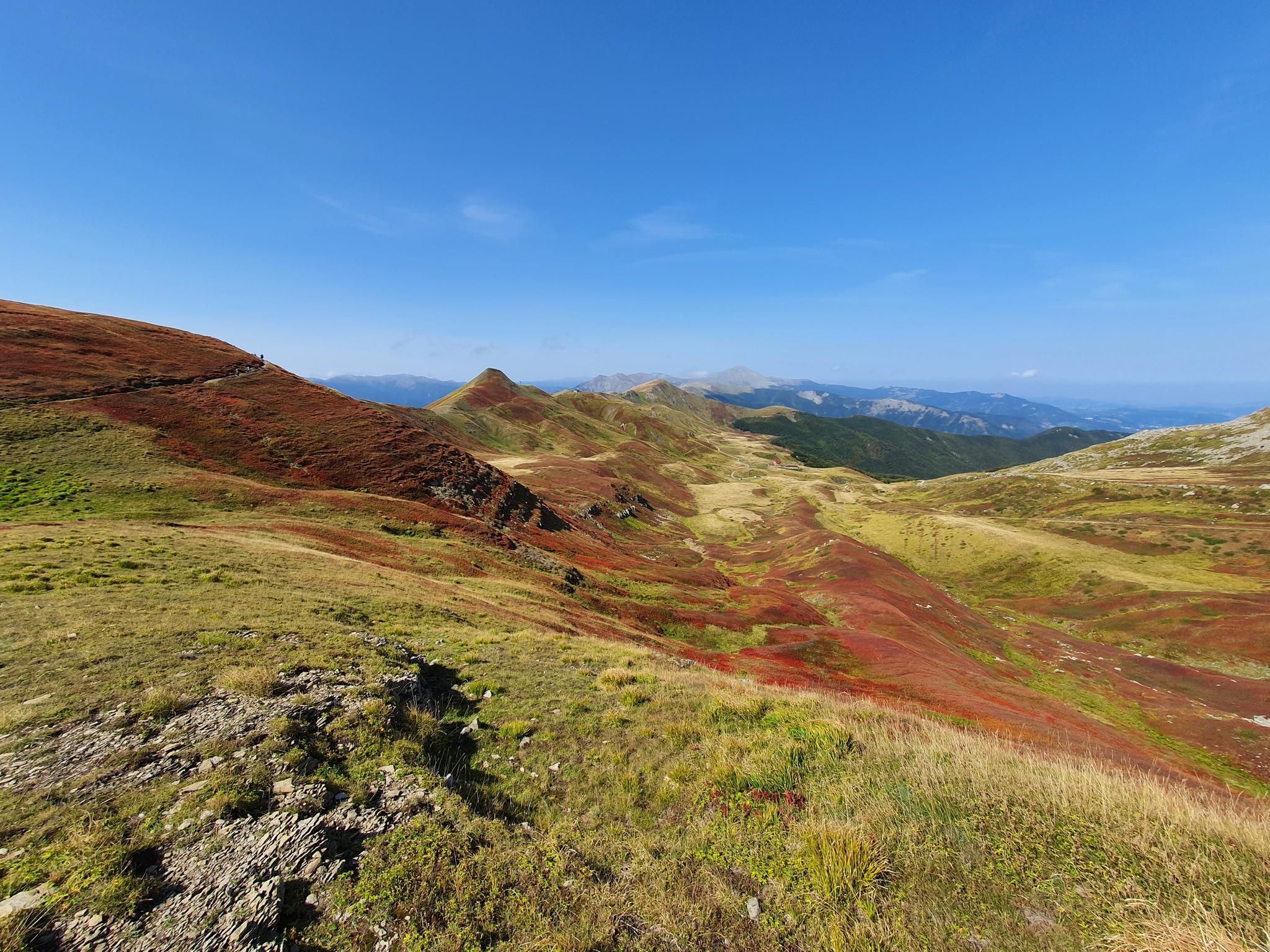
Abetone to Lake Brasimone – Alta Via dei Parchi (part 2)
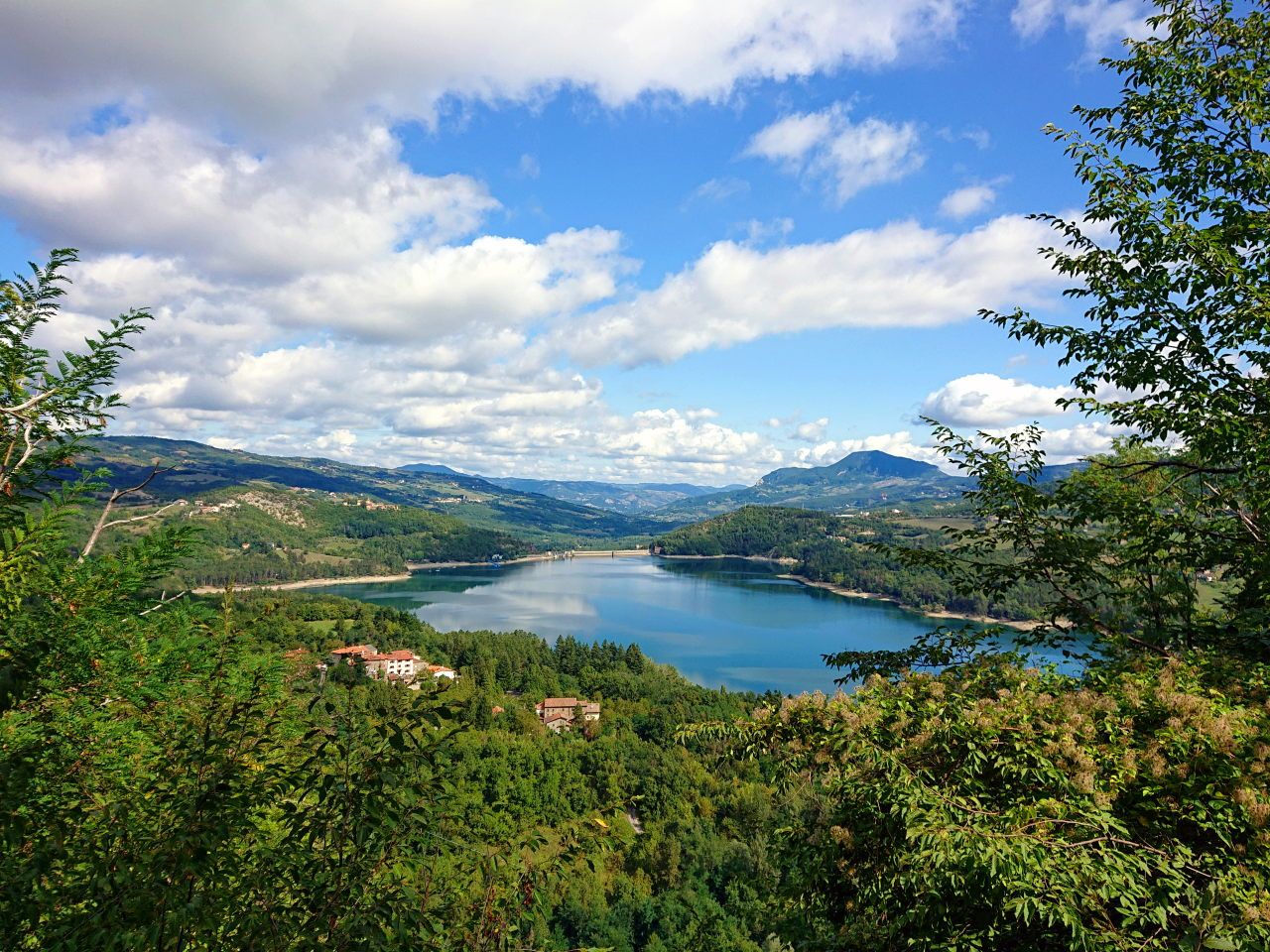
Interiora - A Journey into the Remote Areas of Italy
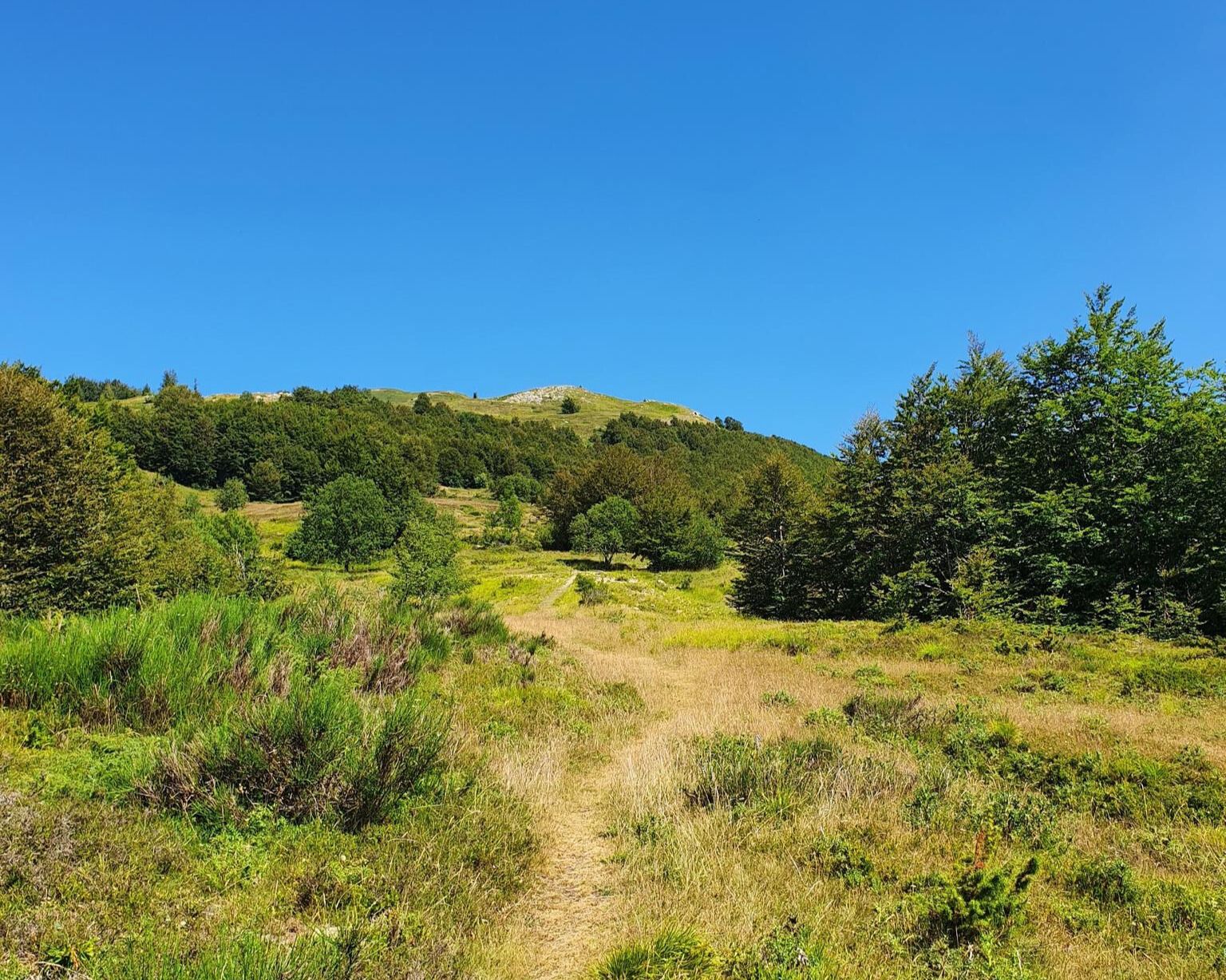
Fiumalbo to Pistoia – Way of St Bartholomew in Italy
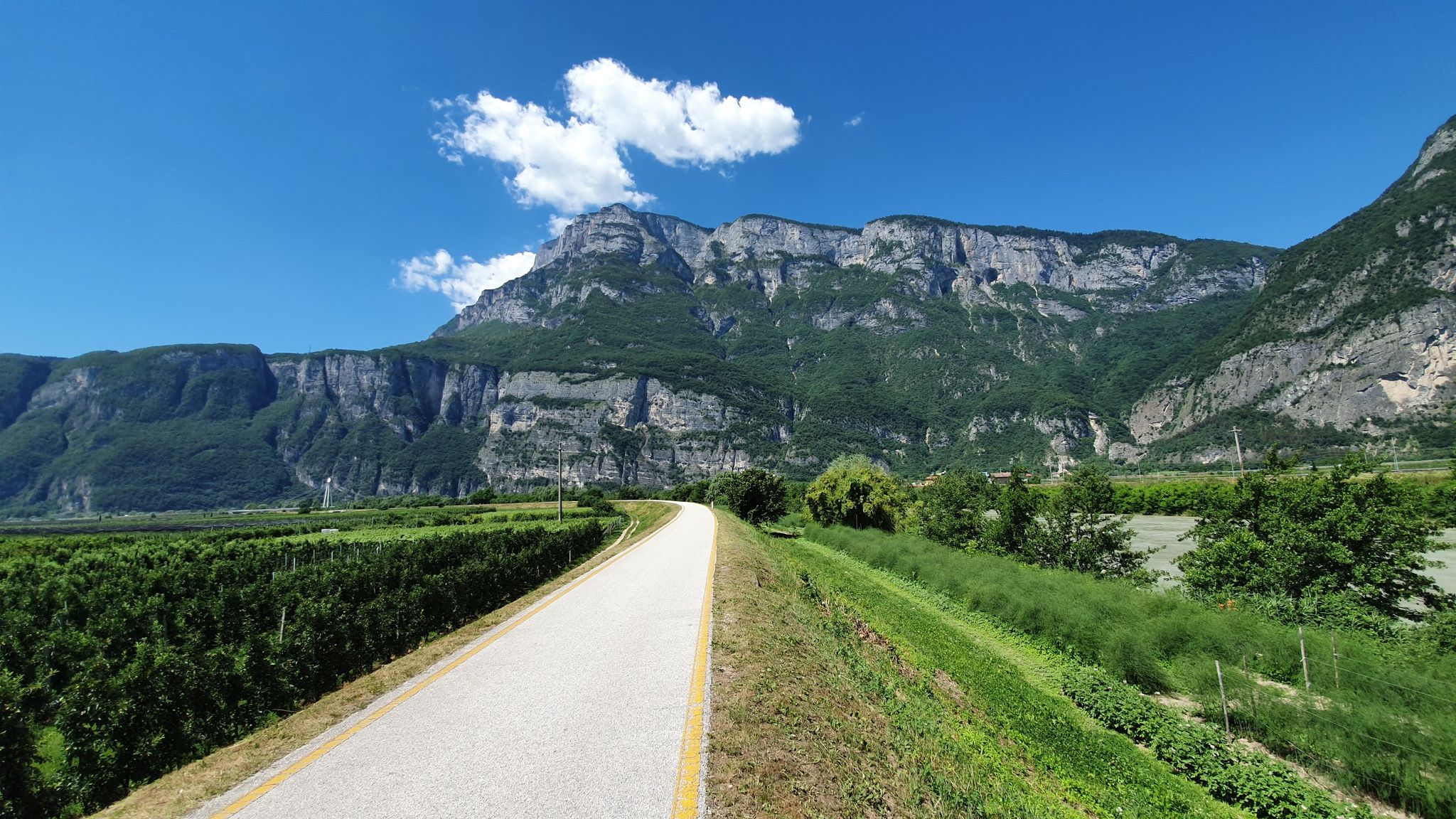
Ciclopista del Sole – Brenner Pass to Florence by bike
Florence to Bolzano – from the heart of Italy to the foot of the Dolomites
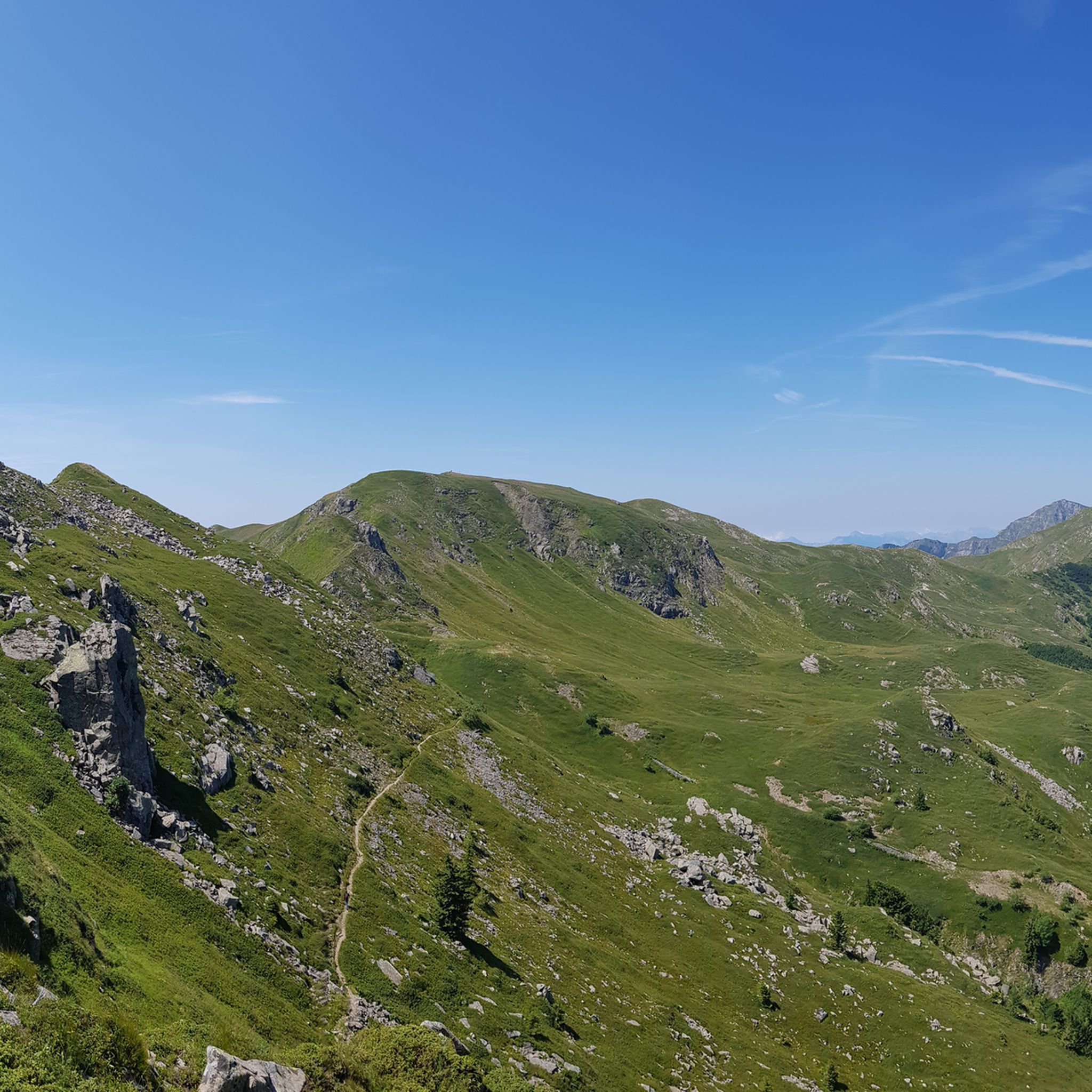
Hiking in Pistoia
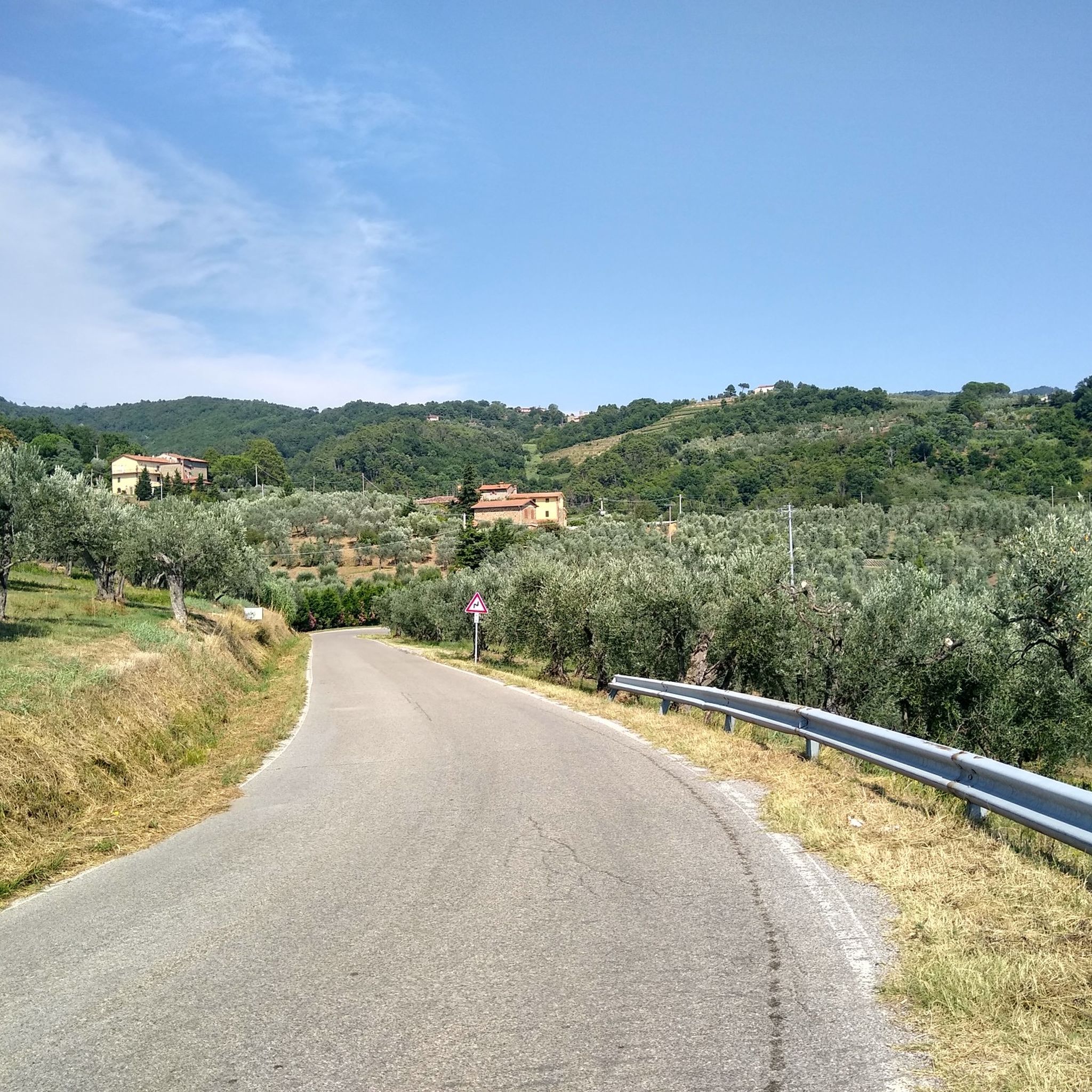
Road Cycling Routes in Pistoia
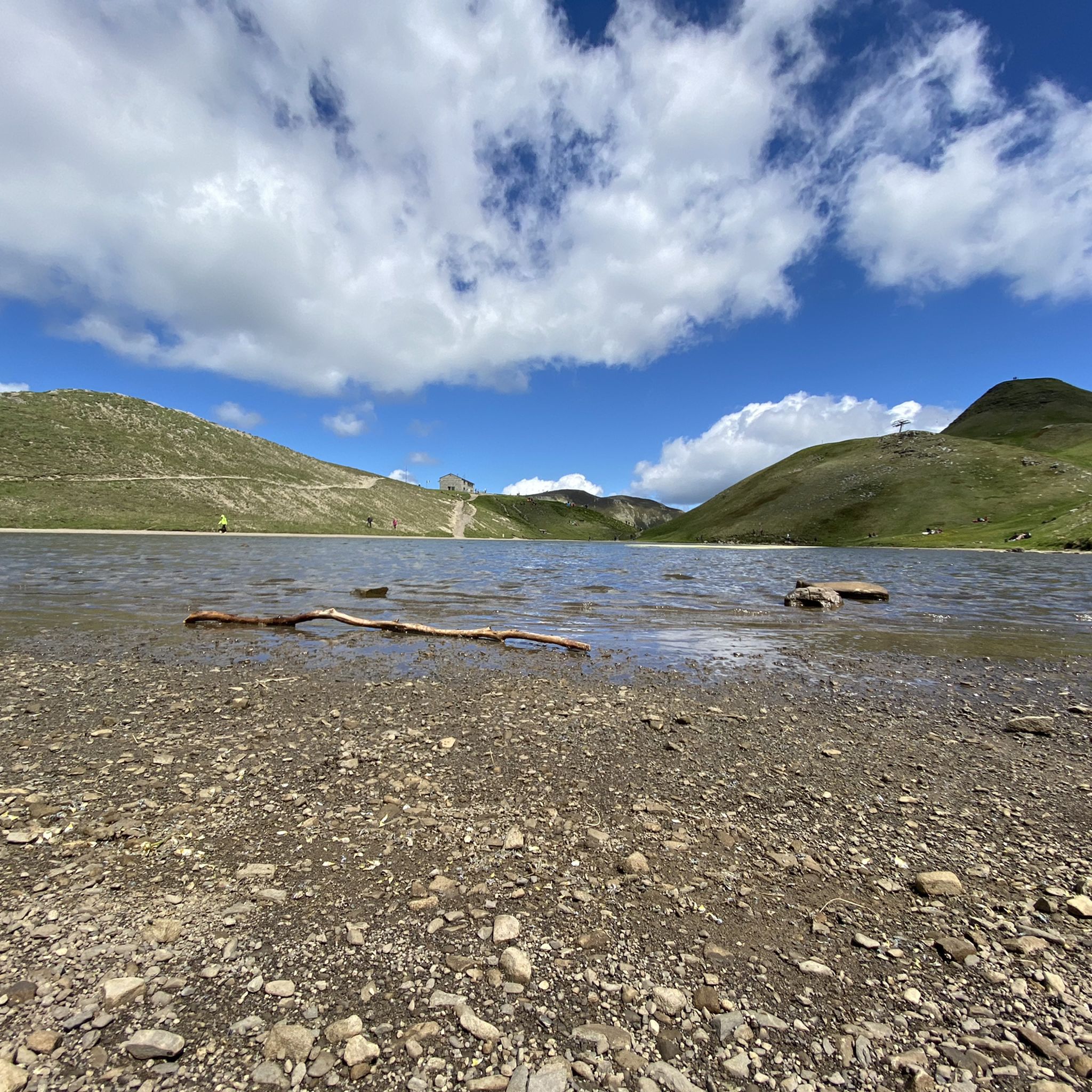
MTB Trails in Pistoia
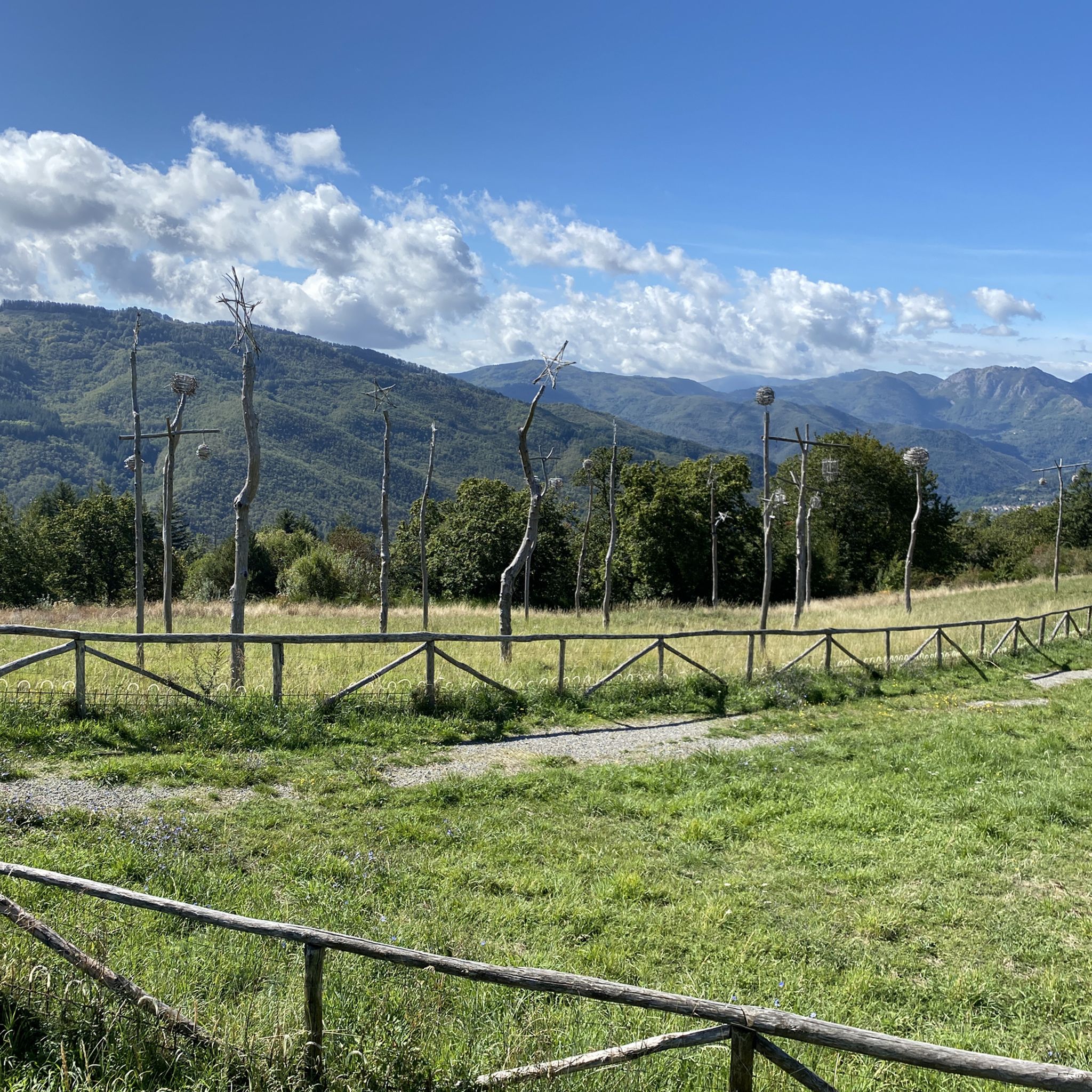
Cycling in Pistoia
Running Trails in Pistoia
Other adventures in Pistoia


Tips from the Community

Unknown to most people, this small town, a hidden gem on the eastern side of the Montalbano hills, is the most typical, genuine and representative of an ancient Tuscan village. Its origins, very far back in time, date its construction back to the end of the 10th century as a castle or rather as a fortified village, appointed in the following centuries to guard the borders of the free municipality of Pistoia. This ancient walled village is located on the northern slopes of the Montalbano hills on the side that looks east, towards the city of Pistoia at an altitude of 264 meters above sea level.
0
0

Beautiful, tranquil place that invites you to linger!👍
0
0

The village, also called Sambuca Castello[2], gives its name to the entire municipality, even if the administrative headquarters is located in the hamlet of Taviano. (Source Wikipedia).
2
0

Cozzile was probably founded at the end of the 12th century around fortification works with lookout and extreme defense functions. Even at the beginning of the 14th century they hosted a castellan and a small garrison on behalf of the people of Lucca. Around the fortress a fortified town arose with a structure similar to that of Massa, organized in a "fishbone" pattern on both sides of the road that crossed it and which, exiting at the other end of the town, led towards the Apennines and towards Modena. The houses were grouped into two neighborhoods or "deeds" (Volata to the East, and Cessana to the West of the main road) with the square located to the north and the church to the south. In the city walls, of which important remains are still visible incorporated into the houses built above them, three doors opened: one to the east, corresponding to the entrance to the town of the medieval road from Massa (gate to Massa), one to the west , on the diametrically opposite side (Porta Vecchia)
0
0
Cozzile was probably founded at the end of the 12th century around fortification works with lookout and extreme defense functions. Even at the beginning of the 14th century they housed a castellan and a small garrison on behalf of the people of Lucca. Around the fortress a fortified town arose with a structure similar to that of Massa, organized in a "fishbone" pattern on both sides of the road that crossed it and which, exiting at the other end of the town, led towards the Apennines and towards Modena. The houses were grouped into two neighborhoods or "deeds" (Volata to the East, and Cessana to the West of the main road) with the square located to the north and the church to the south. In the city walls, of which important remains are still visible incorporated into the houses built above them, three doors opened: one to the east, corresponding to the entrance to the town of the medieval road from Massa (gate to Massa), one to the west , on the diametrically opposite side (Porta Vecchia)
0
0
Cozzile was probably founded at the end of the 12th century around fortification works with lookout and extreme defense functions. Even at the beginning of the 14th century they housed a castellan and a small garrison on behalf of the people of Lucca. Around the fortress a fortified town arose with a structure similar to that of Massa, organized in a "fishbone" pattern on both sides of the road that crossed it and which, exiting at the other end of the town, led towards the Apennines and towards Modena. The houses were grouped into two neighborhoods or "deeds" (Volata to the East, and Cessana to the West of the main road) with the square located to the north and the church to the south. In the city walls, of which important remains are still visible incorporated into the houses built above them, three doors opened: one to the east, corresponding to the entrance to the town of the medieval road from Massa (gate to Massa), one to the west , on the diametrically opposite side (Porta Vecchia)
0
0

The Towers of Popiglio are in a beautiful area in the heart of the Val di Lima which is absolutely worth a visit. To reach the towers, take a short, very suggestive path, with the ridge of the Open Book always in view, which leads to the first tower. The second tower is slightly more challenging as the path descends. These structures, located above the village, were an important defensive point of the Pistoia mountains until the fifteenth century, located on the border with the Lucchese state, therefore of great strategic importance both for Pistoia and subsequently for Florence.
0
0

Villa Castello Smilea stands at the entrance to the Agna valley along the Roman route of the Via Cassia Clodia. The building consists of two towers, one north and one south, and a lowered tower running along the north side.
4
0
Frequently Asked Questions
What historical significance do the castles in Pistoia hold?
The castles in Pistoia are crucial witnesses to the region's rich and often turbulent past. Strategically positioned, they played vital roles in medieval conflicts between powerful cities like Florence, Pistoia, and Lucca. Structures like the Rocca di Carmignano and Larciano Castle Tower were significant strongholds, controlling key routes and territories. They offer a fascinating glimpse into medieval architecture, military history, and the political landscape of Tuscany.
Which castles offer the best panoramic views in Pistoia?
Many castles in Pistoia are known for their stunning panoramic views. The Rocca di Carmignano provides breathtaking vistas of the Montalbano area and surrounding cities. From the Castello di Serravalle Pistoiese, particularly its grand hexagonal tower, you can enjoy expansive views over the entire Valdinievole. Sambuca Castle, perched on a high ridge, also offers commanding views of the Limentra valley. Additionally, Montecatini Alto provides splendid panoramic views from its Rocca, overlooking Montecatini Terme and the Valdinievole.
Are there any lesser-known or 'hidden gem' castles worth visiting in the Pistoia region?
While some castles are more prominent, the region has several intriguing sites. Villa Smilea, for instance, is an 11th-century castle-villa in excellent condition, surrounded by green spaces, offering a relaxing and historically rich experience. The remains of Torri di Popiglio also offer a unique historical exploration off the main tourist path.
What kind of outdoor activities can I find near Pistoia's castles?
The Pistoia region, with its diverse landscape, offers various outdoor activities near its castles. You can explore mountain biking trails, such as the 'Ten Castles Loop' or routes around Corno alle Scale. There are also numerous mountain hikes, like those around Lago Santo modenese, and waterfall hikes, including routes to Dardagna Waterfalls. For more details on these activities, you can explore the MTB Trails in Pistoia, Mountain Hikes in Pistoia, and Waterfall hikes in Pistoia guides.
Are there specific hiking trails associated with the castles in Pistoia?
Yes, many castles are integrated into or are near hiking opportunities. For example, the 'Ten Castles Loop' is a moderate 30 km mountain biking route that connects several castles. While not all castles have dedicated hiking trails directly from their gates, their strategic locations often mean they are excellent starting or ending points for exploring the surrounding natural landscapes. You can find more information on hiking routes in the Mountain Hikes in Pistoia guide.
What is the best time of year to visit the castles in Pistoia?
The best time to visit the castles in Pistoia is generally during the spring (April to June) and autumn (September to October). During these seasons, the weather is pleasant for exploring, and the natural scenery is particularly beautiful. Summer can be hot, but still enjoyable, especially in the mornings or late afternoons. Winter visits are possible, but some sites might have reduced hours, and the weather can be colder and wetter.
Are the castles in Pistoia generally family-friendly?
Many castles in Pistoia can be family-friendly, especially those with well-preserved structures and open spaces. Exploring medieval walls, towers, and imagining historical events can be engaging for children. Montecatini Alto, with its historic funicular ride and charming village atmosphere, offers an enjoyable experience for families. Always check specific castle accessibility and facilities if traveling with very young children or strollers.
Can I find places to eat or stay near the castles in Pistoia?
Yes, many castles are located near or within charming villages that offer amenities. Montecatini Alto, for example, has a central piazza with historical buildings and restaurants. The Pistoia region is known for its hospitality, and you can typically find cafes, restaurants, and various accommodation options in the towns and villages surrounding the castles. For specific recommendations, it's advisable to check local listings for the area you plan to visit.
Which castles showcase unique architectural features?
The castles in Pistoia exhibit diverse architectural styles reflecting their long histories. The Castello di Serravalle Pistoiese features the impressive 'Torre del Barbarossa' and the robust 'Rocca Nuova' with its hexagonal tower. Cozzile Castle and the Clock Tower, founded in the late 12th century, showcases a 'fishbone' pattern in its fortified town structure. Villa Smilea, an 11th-century structure, is notable for its two main towers and excellent state of preservation.
What role did the castles play in the history of the Pistoia region?
The castles in the Pistoia region were pivotal in controlling strategic passages and defending territories. They served as military outposts, administrative centers, and symbols of power. For instance, Serravalle Pistoiese controlled the passage between the Ombrone valley and Valdinievole, while Sambuca Castle guarded the important Via Francesca della Sambuca connecting Pistoia and the Po Valley. Their history is intertwined with the conflicts and alliances of medieval Tuscany.
Are there any castles in Pistoia that have been restored or repurposed for cultural events?
Yes, some castles have undergone restoration and now serve as cultural venues. The Rocca di Carmignano, for example, has been restored and transformed into a space for cultural events and exhibitions, blending its ancient stones with contemporary art installations. Larciano Castle Tower also houses a small archaeological museum, offering further insights into its past.
How long should I plan for a visit to a Pistoia castle?
The duration of a visit can vary depending on the castle and your interest. For smaller sites or ruins like Sambuca Castle, an hour or two might suffice to explore the remains and enjoy the views. Larger, more preserved castles or those with museums, such as Larciano Castle Tower or the Castello di Serravalle Pistoiese, could easily take half a day, especially if you combine it with exploring the surrounding village or taking a short walk.
Most popular routes in Pistoia
Most popular attractions in Pistoia

Get inspired with the komoot mobile app


Didn’t find what you were looking for?
Explore Pistoia’s best castles region by region:
Explore more
Looking for the best castles somewhere else? Discover other guides in Pistoia:
