Top 7 Lakes in Lanzarote
Best lakes in Lanzarote are often unique water formations shaped by the island's volcanic geology and the Atlantic Ocean. This Canary Island features a landscape of solidified lava flows, volcanic craters, and black sand beaches. Its natural water bodies range from vibrant green lagoons to serene tidal pools and underground lakes. These formations offer diverse experiences, showcasing the island's distinctive natural beauty and the artistic integration of nature by figures like César Manrique.
Best lakes in Lanzarote
- The most popular…
Last updated: April 27, 2026
San Ginés Lagoon
Highlight • Lake
Translated by Google •
Tip by

Charco de los Clicos - Green Lake
Highlight • Lake
Translated by Google •
Tip by

Sign up now to discover places like this
Get recommendations on the best single tracks, peaks, & plenty of other exciting outdoor places.
Sign up for free
Charco de Ginés
Highlight • Lake
Tip by

Jameos del Agua
Highlight • Cave
Translated by Google •
Tip by

Jameos del Agua Cave and Underground Lake
Highlight • Cave
Translated by Google •
Tip by

Sign up for free to discover even more lakes in Lanzarote.
Sign up for free
Already have an account?
Start today with a free account
Your next adventure awaits.
Login or Signup
Popular around Lanzarote
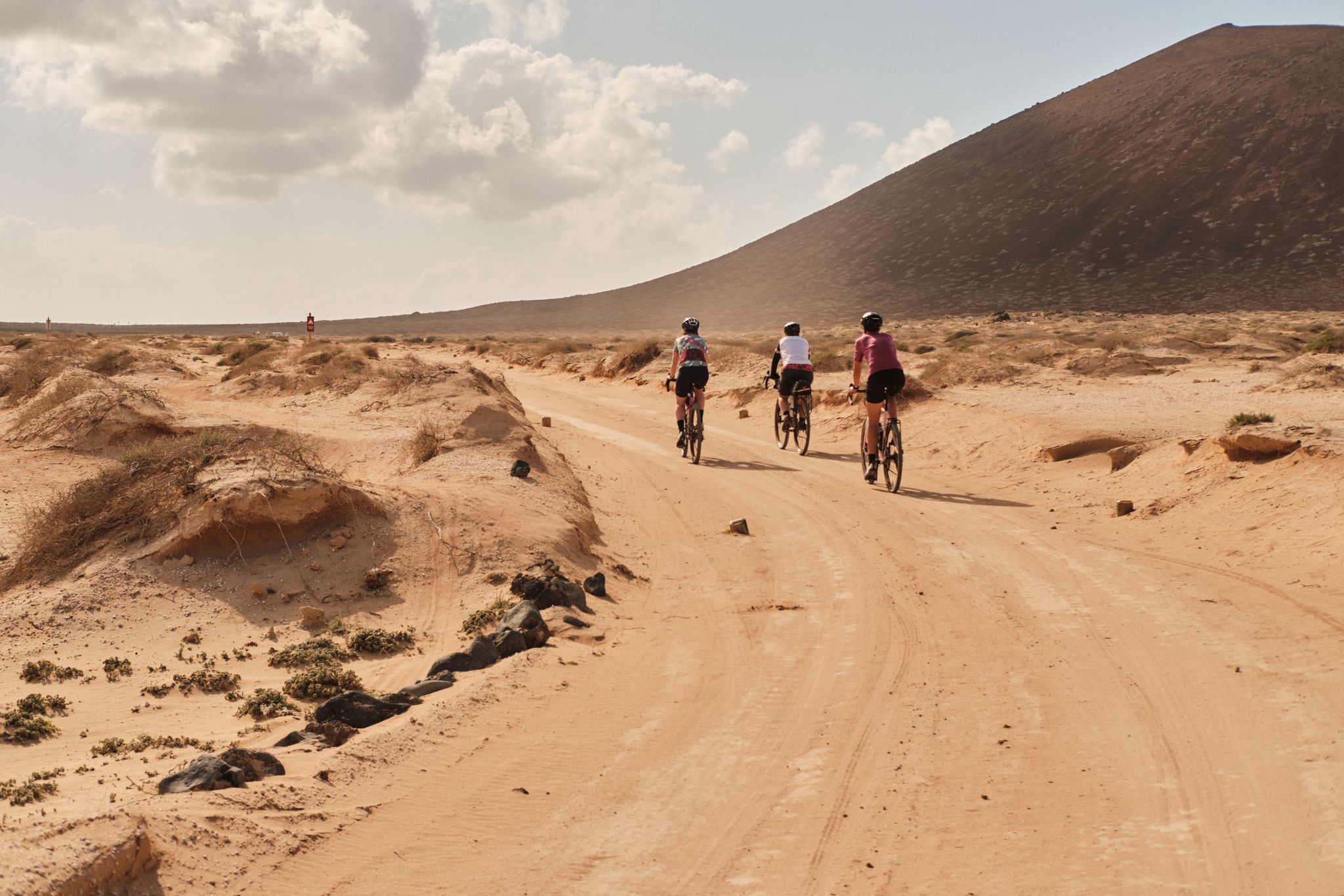
GranGuanche gravel – Komoot women's rally 2023

GranGuanche Audax Trail – my first ultra race on the Canary Islands
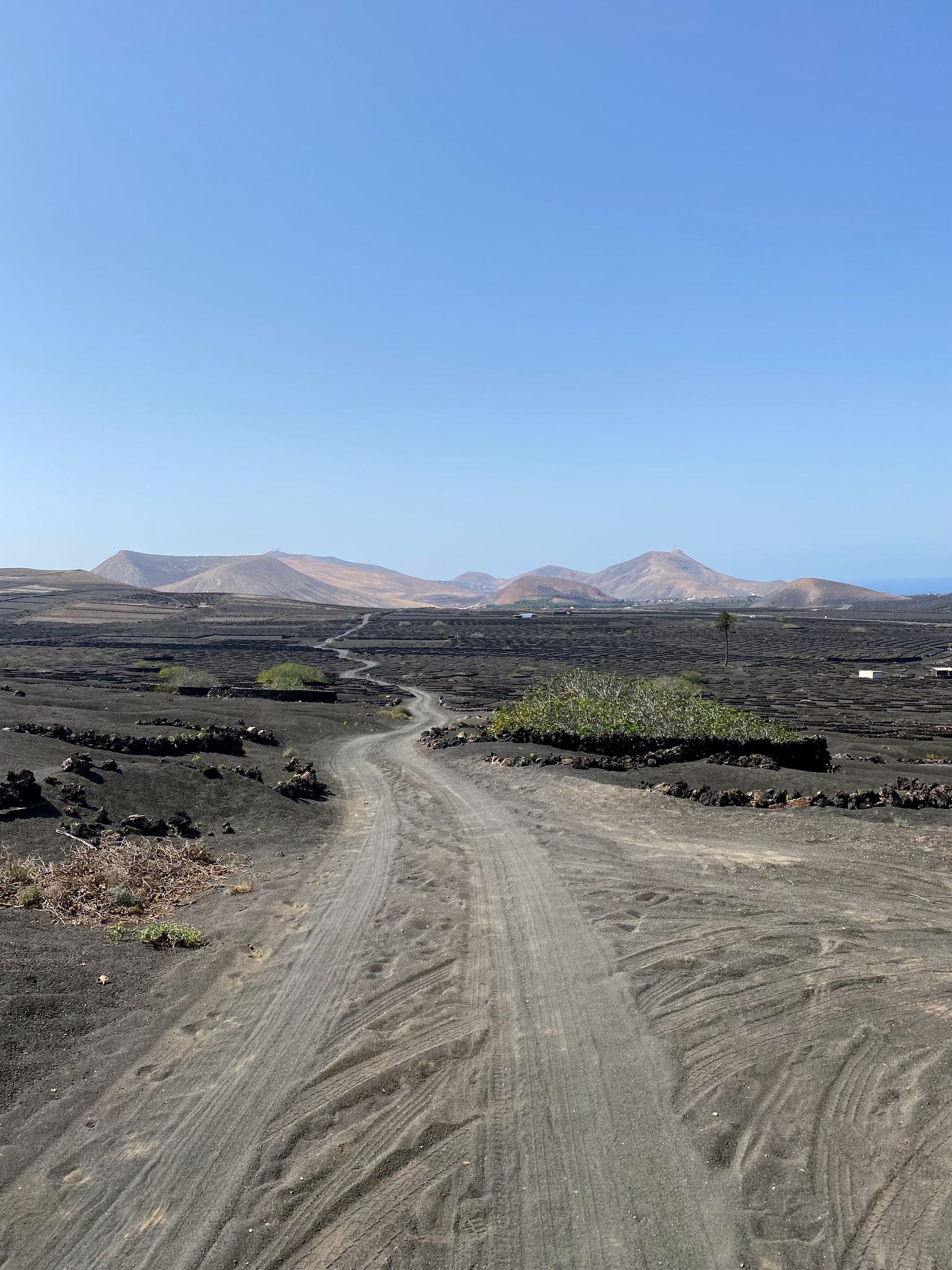
Bikepack in the Canary Islands – surprising adventures in the sun
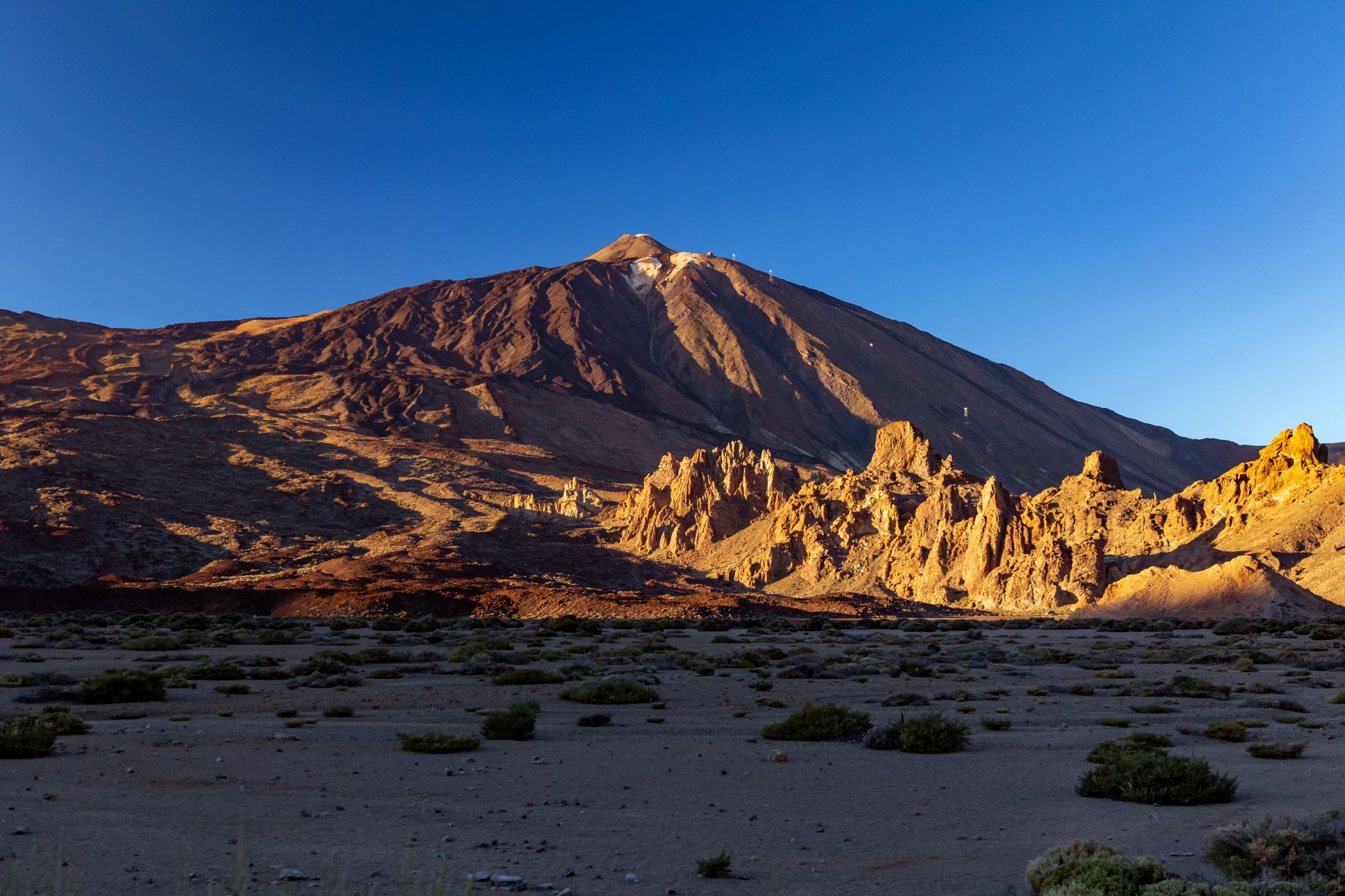
Six fascinating ways to discover the Canary Islands on foot
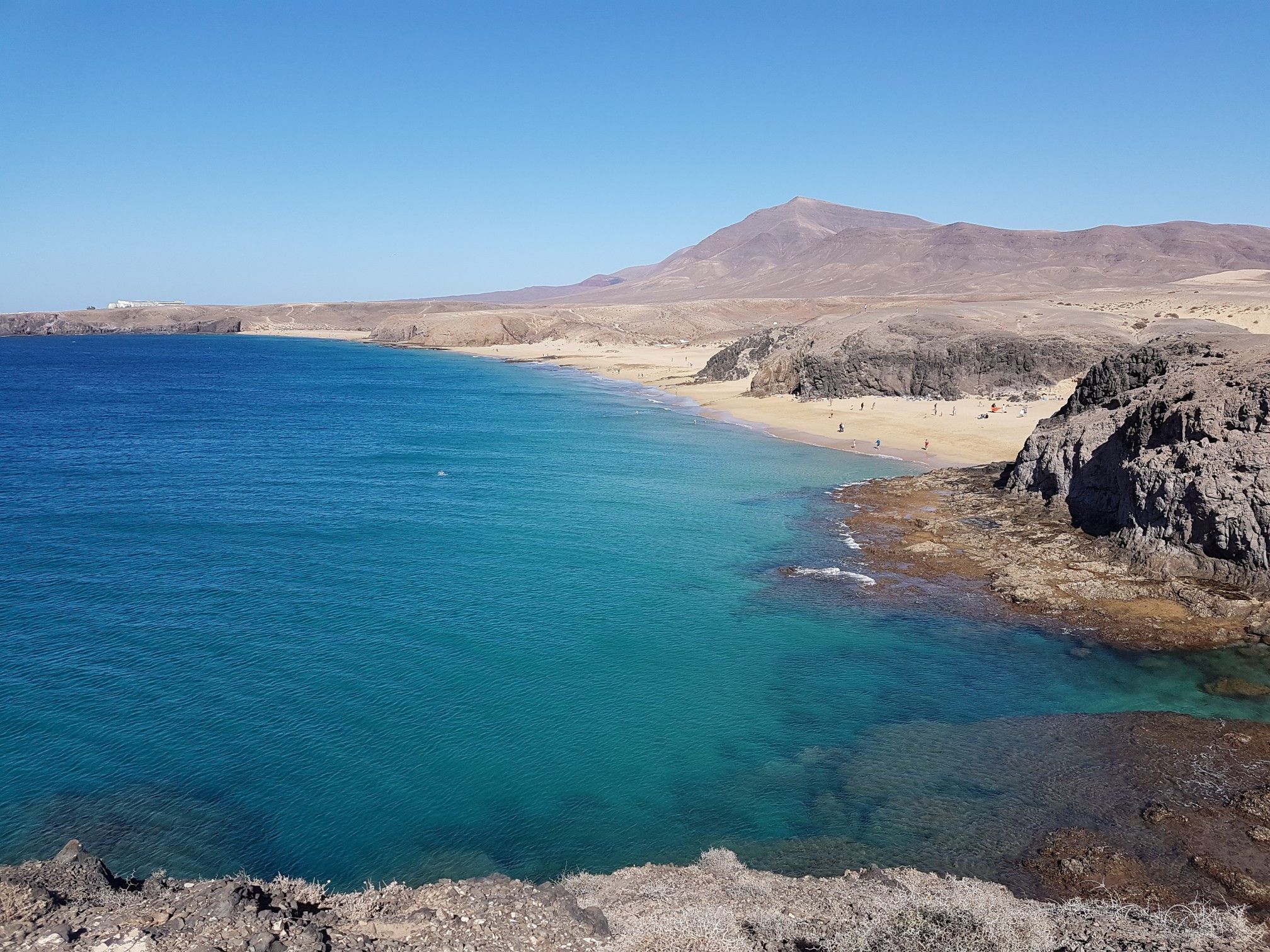
Volcanic and coastal hikes in Lanzarote
Lanzarote by road bike – three dream routes
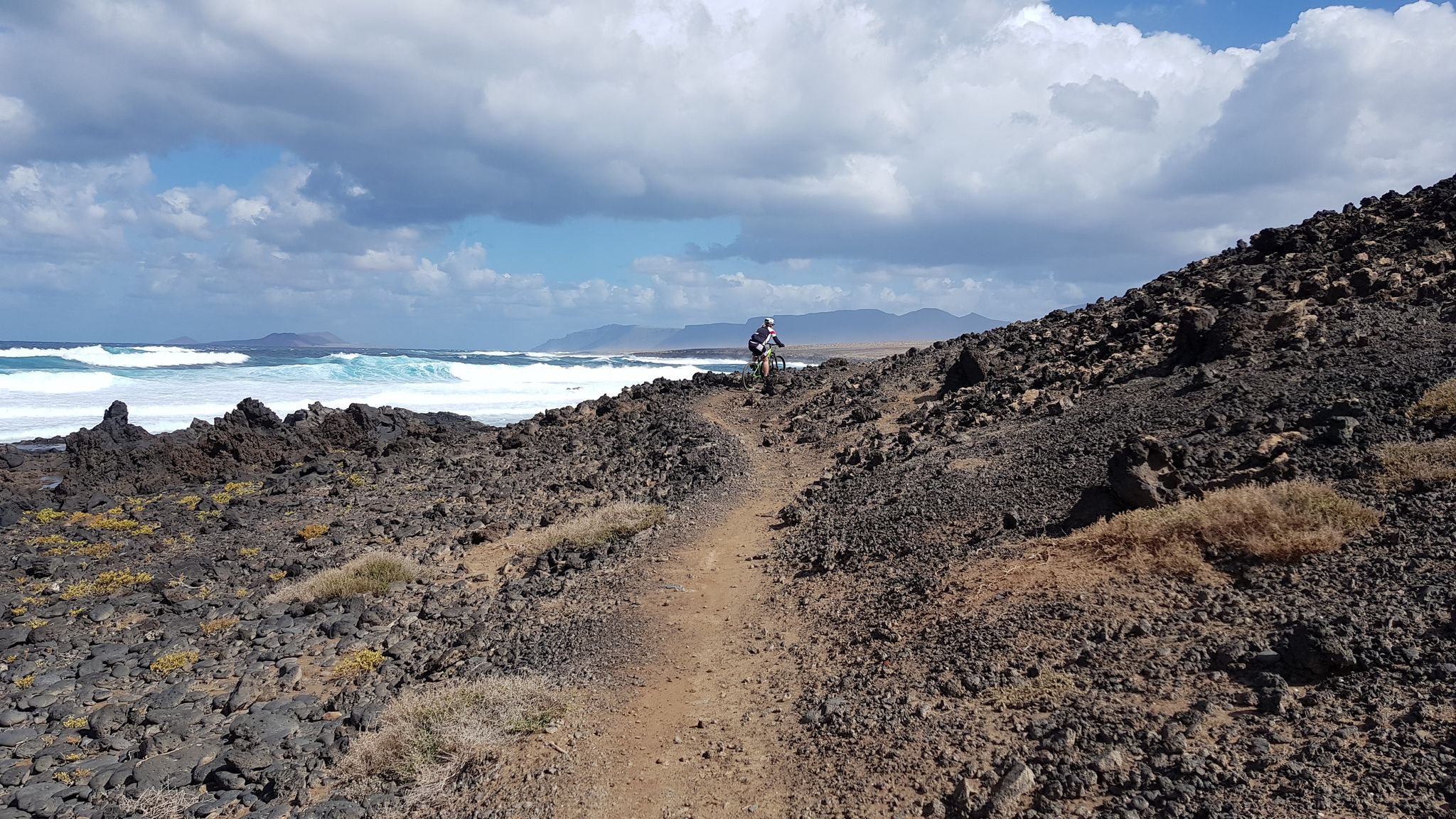
MTB on the island of volcanoes – Pedales de Lava
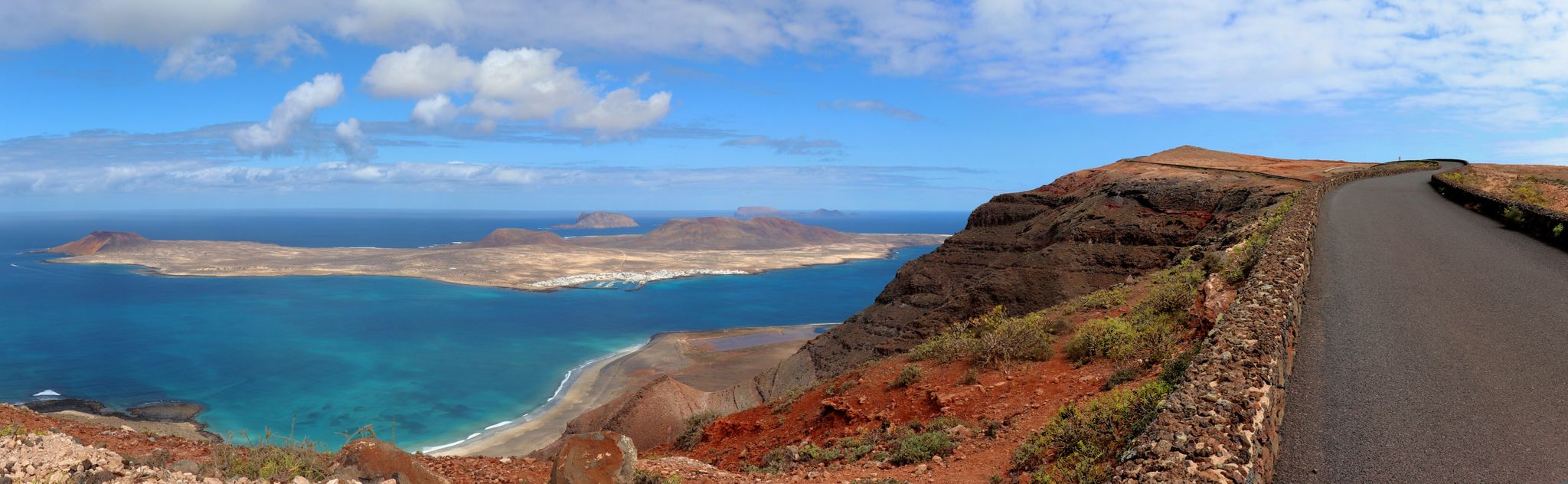
Adventures on the eighth island – hiking in La Graciosa
Las Cumbres Reinas de España — Spanish mountain trail races

GranGuanche Audax Gravel — five islands in two and a half days
Other adventures in Lanzarote


Tips from the Community

Not far from the port lies the tidal lagoon Charco de San Ginés, which is well worth seeing. This small saltwater lagoon played a significant role in Arrecife's history, serving both as a sheltered harbor for fishing boats and as a gateway for trade goods. Equally beautiful as the promenade and the lagoon are the traditional white houses of the old town, which can be seen here.
3
0

Very nice area… Highly recommended… Will come again no question
1
0

Natural lagoon around which the first group of fishermen on the island was born and still used today to moor small boats. A point of reference for the city, where you can find a wide range of bars and restaurants with a pleasant atmosphere.
5
0

The crabs are rather inconspicuous. What is special is simply the entire work.
4
0

Jameos del Agua is a fascinating natural attraction on the Canary Island of Lanzarote, designed by renowned artist and architect César Manrique. The name "Jameos" refers to the natural caves created by lava flows that contain this unique work of art. The Jameos del Agua extends over an underground lava cave created by the eruption of the La Corona volcano. César Manrique made creative use of the natural formations of this cave, creating a breathtaking place that combines art, nature and architecture. Visitors enter the Jameos del Agua through a lava tunnel and then enter an underground world with a saltwater lake in which the unique albino crab "Jameito" lives. The dazzling white crabs are an endemic species and contribute to the unique ecology of this place. The heart of the Jameos del Agua is a spectacular auditorium integrated into the natural cave structure. It is used for cultural events, concerts and other artistic performances. The architecture and the organic integration of art and nature make the visit an unforgettable experience. The harmonious combination of artistic design and the natural beauty of the surroundings makes Jameos del Agua a must-see in Lanzarote and an impressive example of César Manrique's vision that shaped the island.
5
0
Nice here, but have you ever been to Baden-Württemberg?
3
3

It is fascinating to see the effects of ebb and flow. Sometimes boats lie on dry land, sometimes they float.
3
0

Throughout the summer, 'Maritime processions (collective trips where a statue of the Virgin Mary is taken out to sea)' take place in many communities in Lanzarote. The small, participating fishing and rowing boats remain decorated in the meantime.
4
0
Frequently Asked Questions
What makes Lanzarote's 'lakes' unique?
Lanzarote's 'lakes' are not traditional freshwater bodies but rather unique natural water formations shaped by the island's volcanic geology and the Atlantic Ocean. These include vibrant green lagoons, serene tidal pools, and even underground saltwater lakes, offering diverse experiences that showcase the island's distinctive natural beauty.
Are there any 'lakes' in Lanzarote where I can swim?
Yes, several natural pools are suitable for swimming. Jameos del Agua features an underground saltwater lake, though swimming is generally not permitted for visitors. However, you can swim in the natural rock pools of Los Charcones, the easily accessible pools at Punta Mujeres, and the tidal pools at Charco del Palo and Cueva del Agua (La Olla).
Which natural water formations are best for families in Lanzarote?
For families, the natural pools at Punta Mujeres are highly recommended due to their easy accessibility, small breakwaters, and stairs. They offer clear waters where children can observe marine life. San Ginés Lagoon in Arrecife is also family-friendly, with a vibrant promenade and restaurants, though it's more for enjoying the atmosphere than swimming.
Can I visit a green lake in Lanzarote?
Yes, you can visit Charco de los Clicos, also known as the Green Lake. Located near El Golfo, this emerald-green lagoon is a stunning natural spectacle within a volcanic crater. Its vibrant color comes from algae and microorganisms. While swimming is forbidden as it's a protected area, you can admire its unique beauty from a viewpoint.
What is Jameos del Agua?
Jameos del Agua is a unique cultural and natural attraction designed by artist César Manrique. It features an underground saltwater lake within a volcanic tunnel, home to a rare species of blind albino crabs. Manrique skillfully integrated art, architecture, and nature to create a breathtaking space for visitors.
What kind of wildlife can I see around Lanzarote's natural water formations?
Around the natural pools like Punta Mujeres, you can observe various marine life while swimming. The underground lake at Jameos del Agua is famously home to a rare species of blind albino crabs. The vibrant green color of Charco de los Clicos is due to a high concentration of algae and microorganisms.
Are there any urban 'lakes' in Lanzarote?
Yes, San Ginés Lagoon, often called 'the Venice of Lanzarote,' is a picturesque tidal lagoon in the heart of Arrecife, the island's capital. It's a significant landmark where small fishing boats are moored, surrounded by a vibrant promenade with numerous bars and restaurants.
What is the best time to visit Lanzarote's natural water formations?
Lanzarote enjoys a mild climate year-round, making its natural water formations accessible in any season. However, for swimming in the natural pools, the warmer months from spring to autumn (April to October) are generally more pleasant. Always check tide levels for pools connected to the sea, as they can affect accessibility and depth.
Are Lanzarote's natural pools easily accessible?
Accessibility varies. The natural pools at Punta Mujeres are easily accessible with small breakwaters and stairs. Los Charcones, while stunning, can be more challenging to reach, often requiring a walk from an abandoned hotel. Jameos del Agua is a well-developed tourist attraction with good accessibility.
What outdoor activities can I do near Lanzarote's 'lakes'?
Lanzarote offers a variety of outdoor activities near its unique water formations. You can find numerous hiking and cycling routes across the island's volcanic landscape. For example, explore trails like the Caldera Blanca loop or the Tremesana Route. For more details on routes, visit the Hiking in Lanzarote or Cycling in Lanzarote guides.
Are there hiking trails near the natural water formations?
Yes, many natural water formations are situated within or near areas with excellent hiking opportunities. For instance, Charco de los Clicos is located in the Timanfaya National Park area, which has several trails. You can find detailed hiking routes, including those around volcanic landscapes, in the Hiking in Lanzarote guide.
Are there cafes or restaurants near Lanzarote's natural water formations?
Yes, especially near the more developed or urban 'lakes'. San Ginés Lagoon in Arrecife is surrounded by a vibrant promenade with numerous bars and restaurants. The fishing village of El Golfo, near Charco de los Clicos, also offers dining options. Jameos del Agua itself includes a restaurant and cafe as part of its visitor experience.
Most popular routes in Lanzarote
Most popular attractions in Lanzarote

Get inspired with the komoot mobile app


Explore more
Still not found your perfect lake in Lanzarote? Check out the guides of these regions to see even more beautiful places.
