Top 5 Castles in the Bezirk Bludenz
Best castles in the Bezirk Bludenz are found within Vorarlberg, Austria, a region characterized by its mountainous terrain and historical significance. The area features a mix of preserved castles, castle ruins, and historical sites that reflect its medieval past. These landmarks are often situated on prominent natural features, offering insights into the region's cultural heritage and strategic importance.
Best castles in the Bezirk Bludenz
- The most popular castles is Welsch-Ramschwag Castle Ruins, a castle that was built between 1270 and 1290 by the Knights of Ramschwag. This ruin has been restored in stages and offers a viewpoint.
- Another must-see spot is Sonnenberg Castle Ruins, a castle ruin situated on a steep rocky outcrop above Nüziders. Visitors can explore the remnants of this medieval fortification, which is accessible via a marked trail.
- Visitors also love Oberes Tor (Upper Gate) and Bludenz City Museum, a historical site that was built in the 15th century. This three-storey gate building is part of the city fortifications and features historical frescoes.
- Bezirk Bludenz is known for castles, castle ruins, and historical city fortifications. The region offers a variety of historical structures to explore, from well-preserved sites to dramatic ruins.
- The castles in the Bezirk Bludenz are appreciated by the komoot community, with more than 170 upvotes and 50 photos shared across the highlights.
Last updated: September 29, 2026
Oberes Tor (Upper Gate) and Bludenz City Museum
Highlight • Historical Site
City fortification Oberes Tor
The Oberes Tor was built in the 15th century. The three-story gate building with a hipped roof protrudes slightly beyond the line of the city wall. The gate is a pointed arch gate, on the upper floor there is a row of loopholes. The fresco of Duke Friedrich V of Austria, who confirmed the town privileges of Bludenz in 1420, is by the painter Hubert Fritz from 1948. On the city side, a fresco shows Archangel Michael fighting Satan.
"Through this gate, Duke Friedrich V of Austria entered his city, which remained loyal to him despite excommunication and ban, on the night of March 31, 1416, while fleeing from Constance."
City of Bludenz
Showing Translation
Tip by

Welsch-Ramschwag Castle Ruins
Highlight • Castle
Welsch-Ramschwag Castle was built between 1270 and 1290 by the Knights of Ramschwag, a noble family from the canton of St. Gallen (CH). Their family castle is in Häggenschwil, Canton St. Gallen. Before 1352 the castle came into the possession of the lords of Landenberg-Greifensee. In 1352 it was sold to Count Rudolf von Montfort-Feldkirch. When the Werdenbergs attacked the castle in 1360 as a result of a feud with the Montfort family, Hartmann von Prasberg from an Allgäu noble family was castellan. He defended the keep for many hours until help came from Feldkirch and the attackers were successfully driven away. In the same year, Welsch-Ramschwag Castle came to the Habsburgs. The castle did not last long, because angry Walgau farmers destroyed it on the evening of September 28, 1405 during the Appenzell War and it has been a ruin ever since. At the same time, other castles in the Walgau (Jagdberg, Blumenegg and Rosenegg) also went up in flames.
The almost square complex had an elevated, central residential tower with simple light slits and a surrounding curtain wall. This was 1.20 meters thick and included the courtyard with an area of about 42 x 38 meters. In the west, two artificial wall-ditch systems were built as obstacles to the approach. As is the case today, the entrance to the main gate was in the east.
The first attempts at restoration date back to 1912. Another attempt failed in 1925/26 due to a lack of funds. In 1947, parts of the ring wall were destroyed by the construction of a ski jump, which is now closed again. From 1997 to 2000 the ruins were restored in several stages by the market town of Nenzing in cooperation with the Federal Monuments Office and volunteers. The Castle Committee of the State Museum Association carried out the graphic reconstruction of the keep and the floor plan.
Text / source: Vorarlberg Tourismus GmbH, Poststraße 11, 6850 Dornbirn
vorarlberg.travel/poi/nenzing-burgruine-welsch-ramschwag
Translated by Google •
Tip by
Sign up now to discover places like this
Get recommendations on the best single tracks, peaks, & plenty of other exciting outdoor places.
Valcastiel Castle Ruins
Highlight • Castle
Not much is known about the history of this extremely exposed ruin.
For a long time it was assumed that the Montafon castle, mentioned in 1391 and documented in the archives, was probably destroyed in 1405 in the Appenzeller War. According to other findings, the Montafon castle does not refer to a building, but should be considered a medieval rulership designation.
Above the village of Vandans is the Valcastieltobel with the Mustergielbach between the Geißberg and the Fahrengrat. The ruin stands near the western end of a sharp rock ridge that rises very ruggedly between the Mustergielbach in the south and a tributary of the Valkastieltobel in the north that rises to the Vandanser Steinwand. It can be reached from Vandans via a marked hiking trail, mostly along a forest road, which leads to the base of the ridge. The last part goes over steep wooden steps and a path secured with steel cables. Shortly before reaching the rock outcrop, as the bridge has broken down, the Mustergielbach must be crossed, which can be difficult if the water is strong.
Translated by Google •
Tip by

Gayenhofen Castle
Highlight • Castle
From 1745, Franz Andrä Freiherr von Sternbach had the baroque Schloss Gayenhofen built in place of a medieval castle that had become dilapidated due to a fire. For a long time, it served as the residence of the Vogt. In 1936, the town of Bludenz bought the building from the Sternbach family and later handed it over to the state of Vorarlberg. After a renovation between 1960 and 1963, the Bludenz district administration moved into the castle. The building is constructed in the neoclassical style and is therefore one of the few castle buildings of its kind in Austria.
Municipality of Bludenz
Showing Translation
Tip by
Sonnenberg Castle Ruins
Highlight • Castle
Showing Translation
Tip by

Start today with a free account
Your next adventure awaits.
Popular around Bezirk Bludenz
#Winterlove — 14 tips for your winter adventure in Austria
The RUN2 from Lech to Ischgl – Transalpine Run for beginners
North Alpine Trail 01 – Hike across Austria in 49 days
Min Weag long-distance hiking trail – From Lake Constance to the Alps
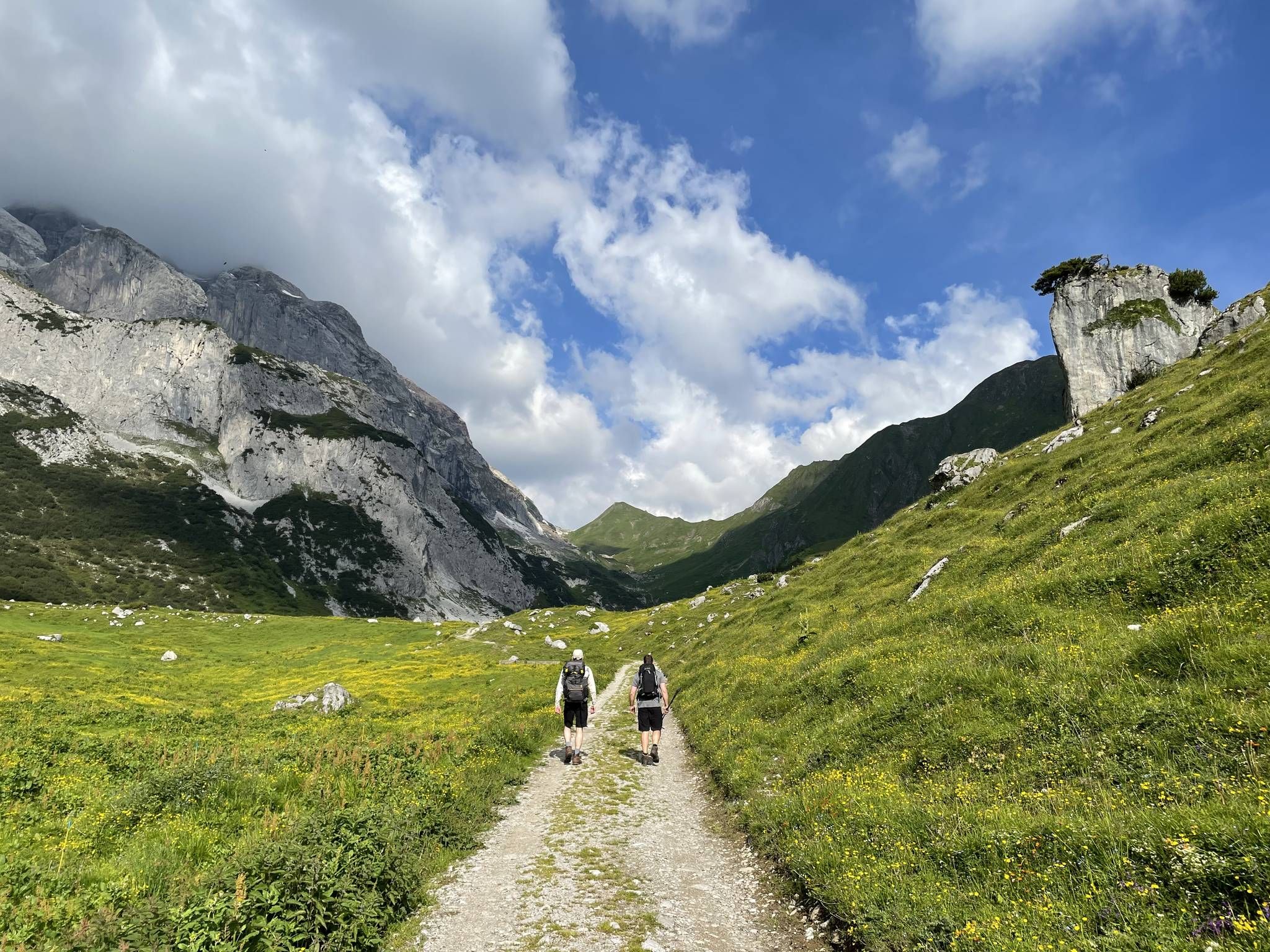
Montafon Hut-to-Hut Hiking Trail – 13 days in Western Austria
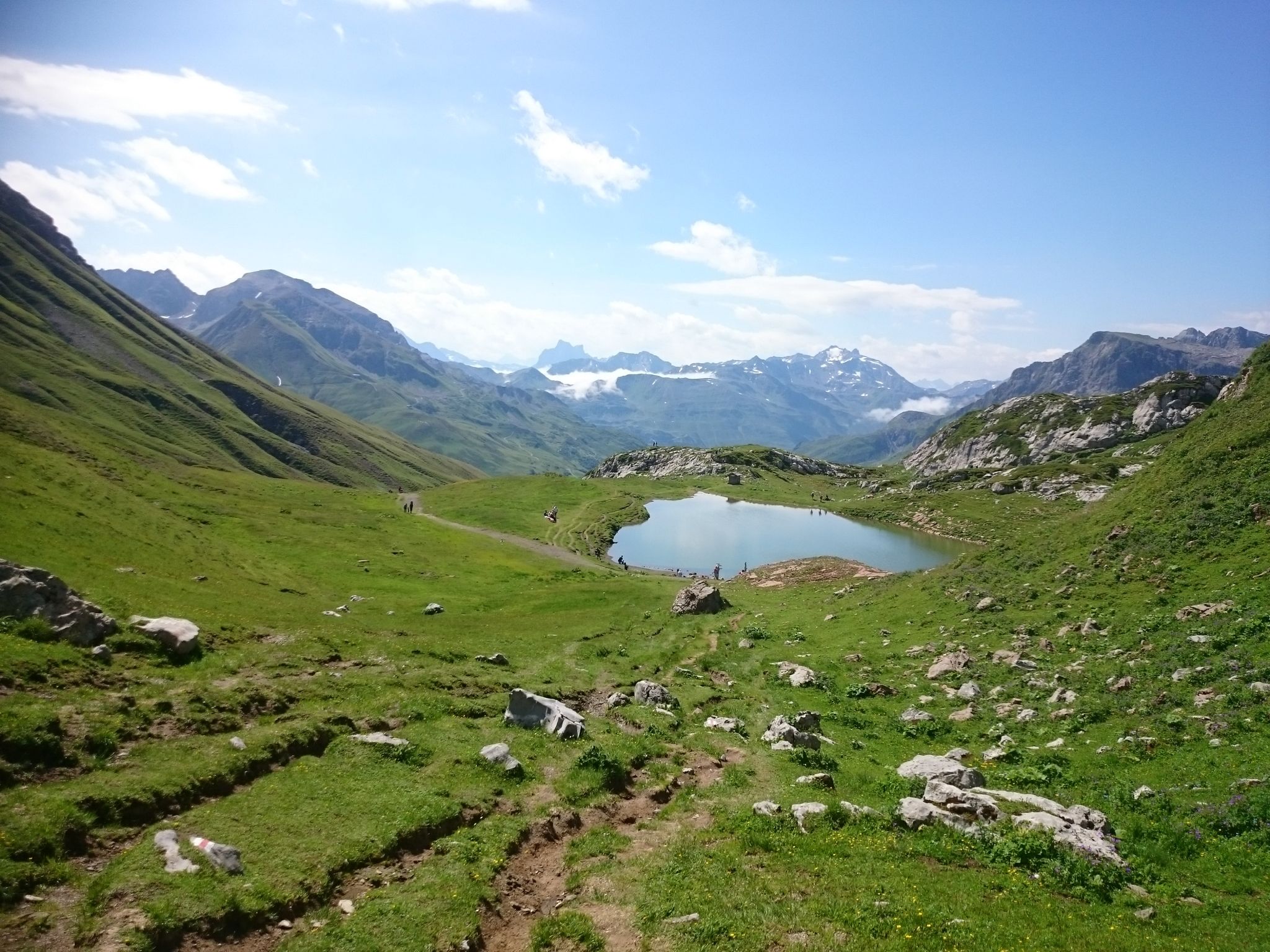
The Green Ring – hiking the fabled mountains of Austria's Arlberg
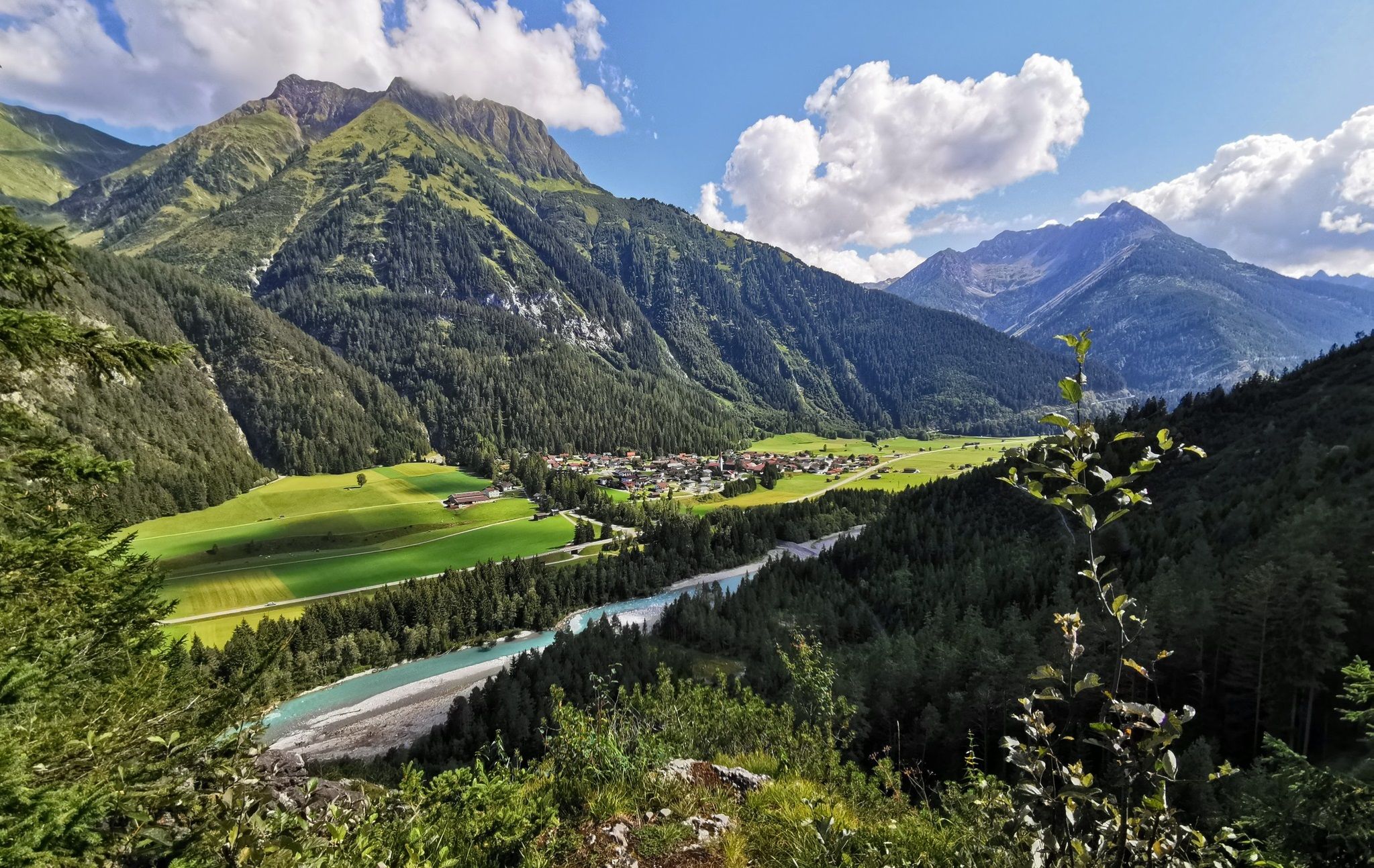
The Lechweg — eight days on Austria's wildest river
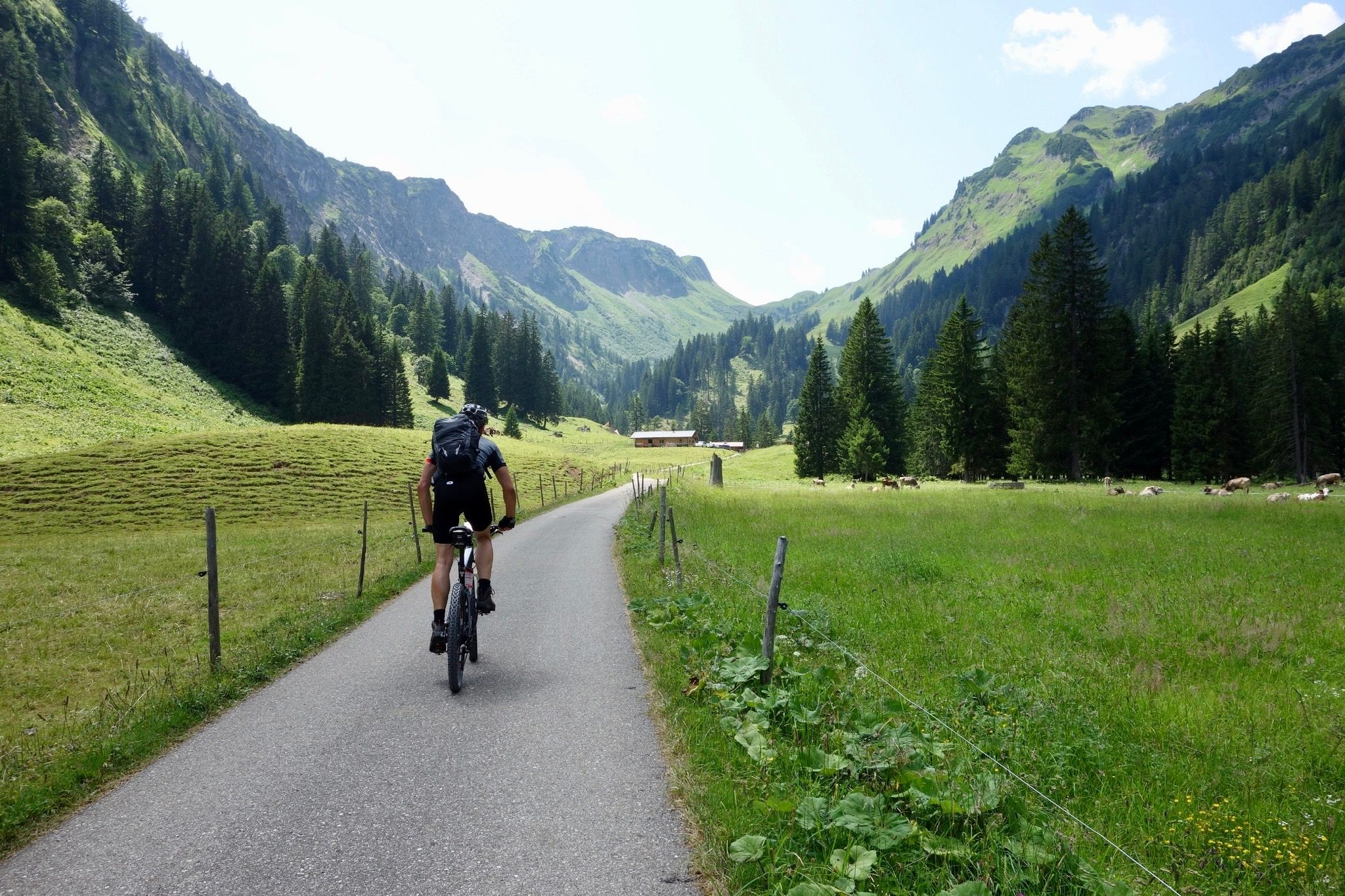
Heckmair Transalp – the original Alpine Crossing
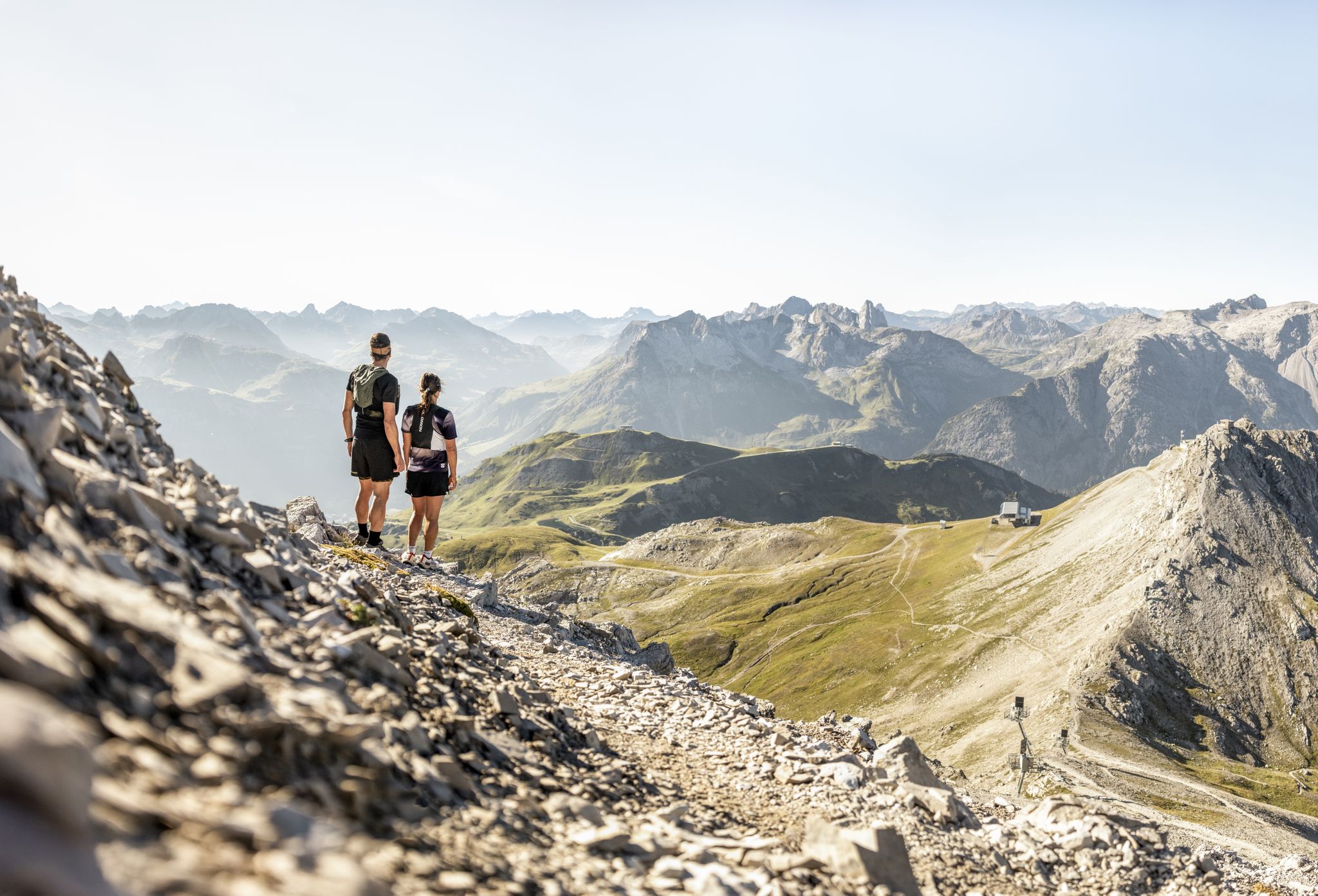
Trail running Lech Zürs – the region's most beautiful trails
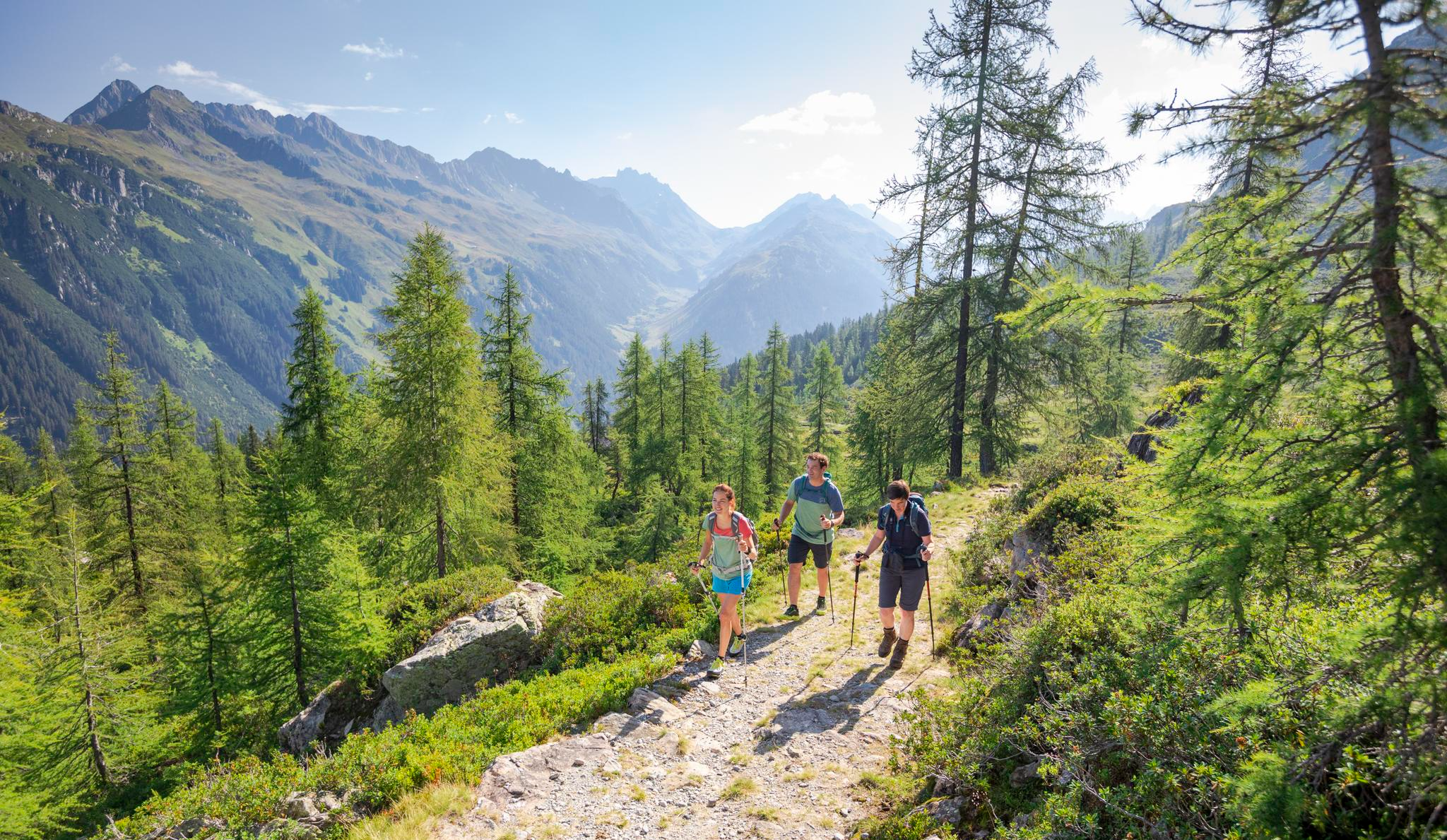
Between Maisäß and Alpe – hiking in Montafon
Other adventures in the Bezirk Bludenz


Tips from the Community

Friedrich walked through this gate.
1
0

From the village of Nünziders, it's just a stone's throw to the ruins. The walk takes about 10 minutes. It's an interesting place for explorers. There are also seating areas. Here's a short documentary about Sonnenberg Castle: https://youtu.be/mnxkXHwWZ3Q
0
0

Archduke Friedrich IV of Tyrol fled to Bludenz through this gate after his condemnation at the Council of Constance in 1416
0
0

The Milka production surrounds everything with a light cocoa/chocolate smell 😋
0
1
Characteristic of the city for the place worth visiting🤩
1
0

Castle ruins (Welsch-)Ramschwag, Nenzing Welsch-Ramschwag Castle was built between 1270 and 1290 by the Knights of Ramschwag, a noble family from the canton of St. Gallen (CH). Their family castle is in Häggenschwil, Canton St. Gallen. Before 1352 the castle came into the possession of the lords of Landenberg-Greifensee. In 1352 it was sold to Count Rudolf von Montfort-Feldkirch. When the Werdenbergs attacked the castle in 1360 as a result of a feud with the Montfort family, Hartmann von Prasberg from an Allgäu noble family was castellan. He defended the keep for many hours until help came from Feldkirch and the attackers were successfully driven away. In the same year, Welsch-Ramschwag Castle came to the Habsburgs. The castle did not last long, because angry Walgau farmers destroyed it on the evening of September 28, 1405 during the Appenzell War and it has been a ruin ever since. At the same time, other castles in the Walgau (Jagdberg, Blumenegg and Rosenegg) also went up in flames. The almost square complex had an elevated, central residential tower with simple light slits and a surrounding curtain wall. This was 1.20 meters thick and included the courtyard with an area of about 42 x 38 meters. In the west, two artificial wall-ditch systems were built as obstacles to the approach. As is the case today, the entrance to the main gate was in the east. The first attempts at restoration date back to 1912. Another attempt failed in 1925/26 due to a lack of funds. In 1947, parts of the ring wall were destroyed by the construction of a ski jump, which is now closed again. From 1997 to 2000 the ruins were restored in several stages by the market town of Nenzing in cooperation with the Federal Monuments Office and volunteers. The Castle Committee of the State Museum Association carried out the graphic reconstruction of the keep and the floor plan. Text / source: Vorarlberg Tourismus GmbH, Poststraße 11, 6850 Dornbirn https://www.vorarlberg.travel/poi/nenzing-burgruine-welsch-ramschwag/
15
0

Upper gate Built at the end of the 15th century, rebuilt in 1774 and 1920, it is also called Herzog-Friedrich-Tor or Feldkircher Tor. In 1416, Duke Friedrich IV (with an empty pocket) fled from Constance through the Upper Gate into the city; He was taken in in Bludenz and brought safely over the Arlberg by the town's citizens. The Bludenz City Museum is located in the Upper Gate. A few meters away, a covered church staircase built in the 17th century, one of the five castle staircases, leads up to the hill to St. Laurentius Church and Gayenhofen Castle. Source: https://de.wikipedia.org/wiki/Bludenz
1
0
Schloss Gayenhofen is located in the architectural ensemble with the Laurentiuskirche, dominating the town of Bludenz in the Austrian state of Vorarlberg. It is a successor structure to the former Bludenz Castle. The Counts of Werdenberg built a castle complex between 1222 and 1245 as the center of the County of Werdenberg-Heiligenberg, or the Lordship of Bludenz. This made Bludenz a fortified town in Vorarlberg in the Middle Ages, alongside Bregenz and Feldkirch. From 1377/78 to 1418, Count Albrecht III. von Werdenberg-Heiligenberg resided within its walls. After the Werdenberg feud, the town and castle of Bludenz fell to the Habsburgs. In 1448, Duke Sigmund exchanged both for the Lordship of Rotund with Ulrich von Schlandersberg. In 1491, the castle was destroyed by fire. Baron Franz Andreas von Sternbach (1675–1755), who had previously built Schloss Wolfsthurn, had Schloss Gayenhofen built in 1746/1747 by his administrator Johann Josef Gassmayr, with the local bailiff Franz Josef Gilm as local construction manager, using demolition stones from the old castle, with master builder and stonemason Andreas Schmied, who had previously extended the nave of the adjacent Laurentiuskirche. The experience of the mentioned individuals did not require an external architect for the simple design of the castle. On May 5, 1746, the foundation stone of the new castle was laid with the Provicar and parish priest of Bürs, Christian Battlogg, as well as with three Capuchins. The mention of Johann Caspar Bagnato in various sources as an architect is unsubstantiated for Schloss Gayenhofen; however, Bagnato was present at a guild meeting in Schnifis on December 17, 1745, where he accepted Andreas Moll as an apprentice and likely also recruited workers for his construction site at Kornhaus Rohrschach from the Abbey of St. Gallen. In 1936, the town of Bludenz bought the castle and handed it over to the state of Vorarlberg in 1959. Between 1960 and 1963, the castle was remodeled again. The north wing was demolished, thereby opening the previously closed, square inner courtyard, and the castle was adapted on October 26, 1963, as the administrative building of the Bludenz district authority. Source: https://de.wikipedia.org/wiki/Schloss_Gayenhofen
0
0
Frequently Asked Questions
What historical significance do the castles in Bezirk Bludenz hold?
The castles in Bezirk Bludenz, such as Schloss Gayenhofen, Burgruine Sonnenberg, and Burg Jagdberg, offer a deep dive into the region's medieval past. They served as strategic power centers, fortifications, and residences for noble families like the Counts of Werdenberg and Montfort-Feldkirch. Many were involved in conflicts like the Appenzell Wars, reflecting their crucial role in the region's history.
Are there any well-preserved castles or are they mostly ruins?
Bezirk Bludenz features a mix. While many are picturesque ruins like Welsch-Ramschwag Castle Ruins and Sonnenberg Castle Ruins, which offer a tangible connection to medieval history, there are also more preserved structures. Schloss Gayenhofen, for instance, was rebuilt in Baroque style and now houses the District Commission, maintaining its architectural grandeur.
Which castles are suitable for families with children?
Many of the castle sites are suitable for families. Burg Jagdberg is easily accessible for a short excursion and offers an open-air stage for cultural events in summer. Oberes Tor (Upper Gate) and Bludenz City Museum is also listed as family-friendly, providing an engaging historical experience within the city fortifications.
Can I visit the interior of Schloss Gayenhofen?
While Schloss Gayenhofen is an architectural landmark, its interior serves as the District Commission of Bludenz and is generally not accessible to the public. However, visitors can admire the castle's serene pink façade and explore its recently restored, idyllic gardens, which are open to the public and occasionally host small cultural events.
What kind of views can I expect from the castle ruins?
Many castle ruins in the region are situated on prominent natural features, offering excellent viewpoints. From Welsch-Ramschwag Castle Ruins, you can enjoy beautiful vistas. Burgruine Sonnenberg, perched on a steep rocky outcrop, provides expansive views over Nüziders, and Burg Jagdberg offers captivating views, especially during sunsets from its ridge position.
Are there hiking trails near the castles in Bezirk Bludenz?
Yes, many castles are integrated into hiking routes. Burgruine Sonnenberg is accessible year-round via a marked trail from Nüziders. Valcastiel Castle Ruins can be reached from Vandans via a marked hiking trail. For more options, you can explore various hiking routes in the region on the Hiking in the Bezirk Bludenz guide.
How can I reach the castles using public transport?
Specific public transport options vary by castle. Bludenz, where Schloss Gayenhofen and Oberes Tor are located, is well-connected by train and bus. From there, you can often reach nearby castle ruins like Sonnenberg via local bus services or by walking from the nearest village. It's advisable to check local transport schedules for the most up-to-date information for your specific destination.
Is it possible to visit the castles during winter?
Most outdoor castle ruins, like Burgruine Sonnenberg, are accessible year-round, weather permitting. However, paths might be snowy or icy, so appropriate footwear is essential. Interior access to places like Schloss Gayenhofen's gardens might have seasonal hours, and any cultural events would be subject to their specific winter schedules.
Are dogs allowed at the castle sites?
Generally, outdoor castle ruins and their surrounding trails are dog-friendly, provided dogs are kept on a leash. For specific sites like Schloss Gayenhofen's gardens or any indoor museum sections, it's best to check local regulations or signage. Always ensure to clean up after your pet.
What are some lesser-known or 'hidden gem' castle ruins to explore?
While not widely publicized, Valcastiel Castle Ruins near Vandans is a less-frequented site. It's known for its dramatic hilltop location and the challenging hike to reach it, offering a more rugged and adventurous exploration experience for those seeking a true ruin.
What do visitors particularly enjoy about the castles in Bezirk Bludenz?
Visitors appreciate the historical depth and the stunning natural settings. Many enjoy the beautiful views from the ruins, such as those from Welsch-Ramschwag Castle Ruins, and the opportunity for a break during a hike. The blend of history with outdoor activity, like the walk to Sonnenberg Castle, is also highly valued.
Are there any cultural events held at the castle sites?
Yes, some castle sites host cultural events. The gardens of Schloss Gayenhofen serve as a venue for small cultural gatherings. Additionally, the interior of Burg Jagdberg's palace is utilized as an open-air stage, suggesting that cultural events take place there, particularly during the summer months.
Where can I find parking near the castles?
Parking availability varies by location. For castles within towns, like Schloss Gayenhofen and Oberes Tor in Bludenz, public parking lots or street parking might be available nearby. For ruins like Burgruine Sonnenberg, there are often designated parking areas at the start of the hiking trails in the nearest village, such as Nüziders.
What should I wear when visiting the castle ruins?
Given that many castles are ruins and often involve walking or hiking, comfortable and sturdy footwear is highly recommended. Dress in layers, as weather conditions can change, especially at higher elevations. If visiting in winter, ensure you have warm, waterproof clothing and good grip shoes for potentially icy paths.
Can I find food or accommodation near the castles?
The Bezirk Bludenz region offers various options for food and accommodation. Larger towns like Bludenz, Nenzing, and Nüziders, which are close to many castle sites, have cafes, restaurants, and hotels. For specific recommendations, it's best to check local tourism information for the area you plan to visit.
Most popular routes in the Bezirk Bludenz
Most popular attractions in the Bezirk Bludenz

Get inspired with the komoot mobile app


Didn’t find what you were looking for?
Explore Bezirk Bludenz’s best castles region by region:
