Top 8 Gorges around Wuppertal
Best canyons around Wuppertal are characterized by the city's unique topography, featuring steep slopes and numerous brooks carving through the landscape. The region offers several gorge-like natural features and valleys, providing recreational opportunities. The term "Tal" in Wuppertal signifies "valley" in German, reflecting the city's geographical setting. These areas are valued for their natural beauty and geological features.
Best canyons around Wuppertal
- The most popular canyons is Deep Cutting on the Nordbahntrasse, a cycle way that features an impressive…
Last updated: June 25, 2026
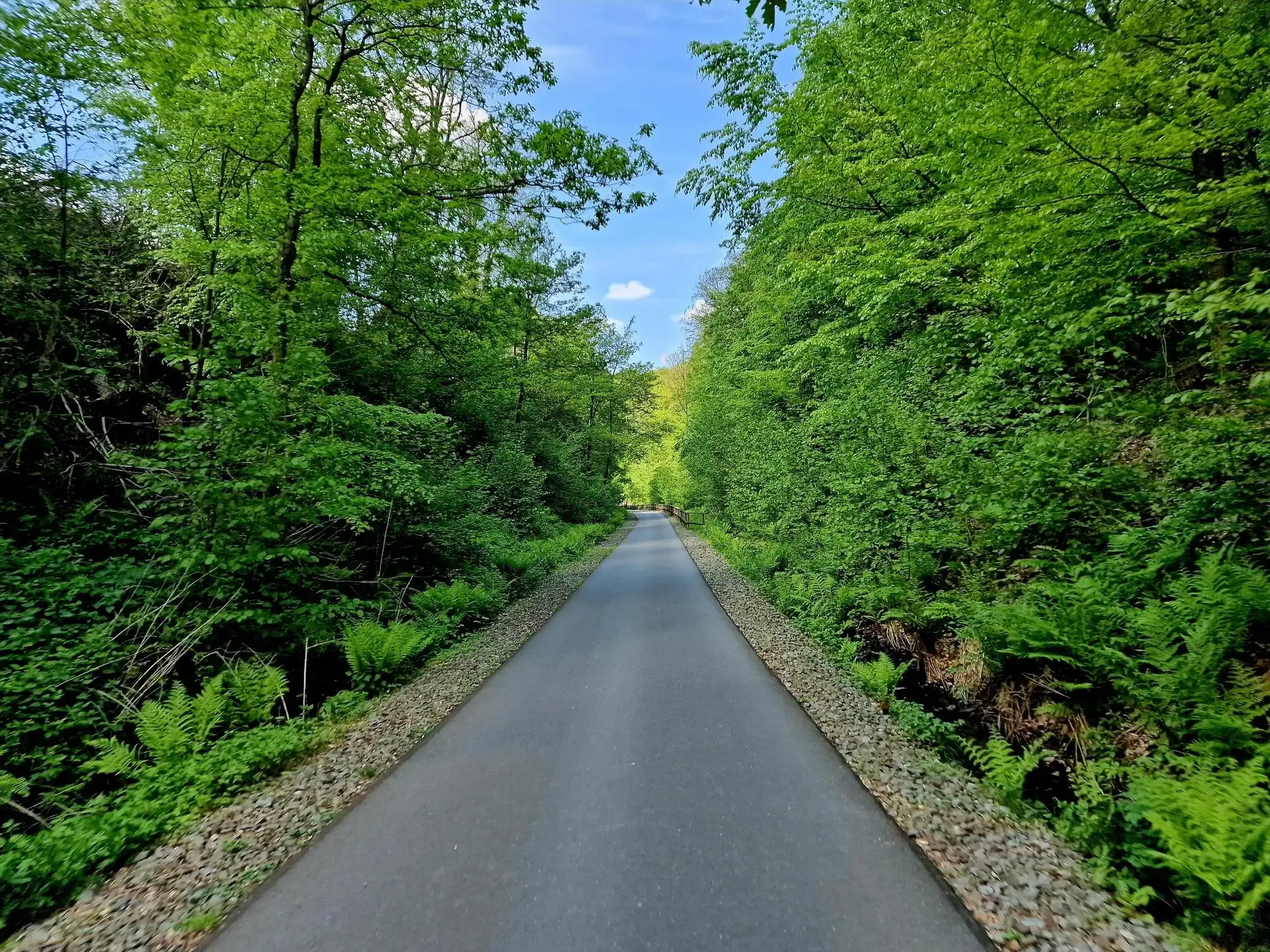
Deep Cutting on the Nordbahntrasse
Highlight • Cycleway
That had to happen when the track was built - Anno 1884.
Translated by Google •
Tip by

Deep Cutting on the Nordbahntrasse
Highlight (Segment) • Cycleway
Translated by Google •
Tip by

Sign up now to discover places like this
Get recommendations on the best single tracks, peaks, & plenty of other exciting outdoor places.
Sign up for free
Saalbach Valley
Highlight • Gorge
Translated by Google •
Tip by

Cascades on the Vogelsangbach
Highlight • Waterfall
Translated by Google •
Tip by

Bramdelle Rock Cut
Highlight • Gorge
Translated by Google •
Tip by

Forest Path by the Ravine in Naturpark Bergisches Land
Highlight (Segment) • Forest
Translated by Google •
Tip by
Dohrer Bach
Highlight • River
Translated by Google •
Tip by

Start today with a free account
Your next adventure awaits.
Login or Signup
Popular around Wuppertal
WHEW 100 – An Ultramarathon in three days in the middle of NRW
Rhineland Way of St. James – A pilgrimage week
Wupper Trail – On the gentle part through Germany's Bergisches Land
Off into the countryside – discover Wuppertal's forests on foot
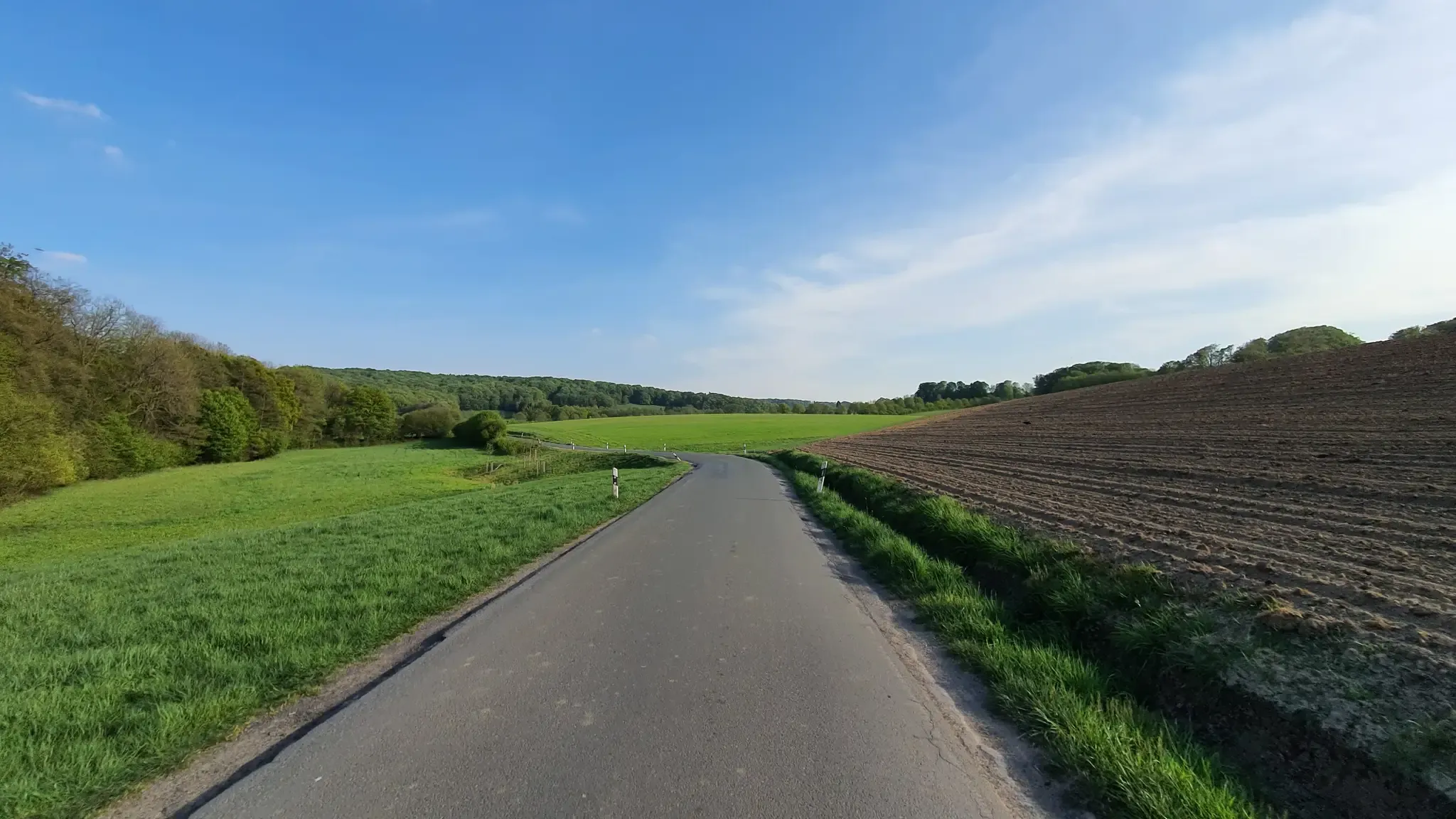
Hills, valleys and tracks – cycling in Elfringhauser Schweiz
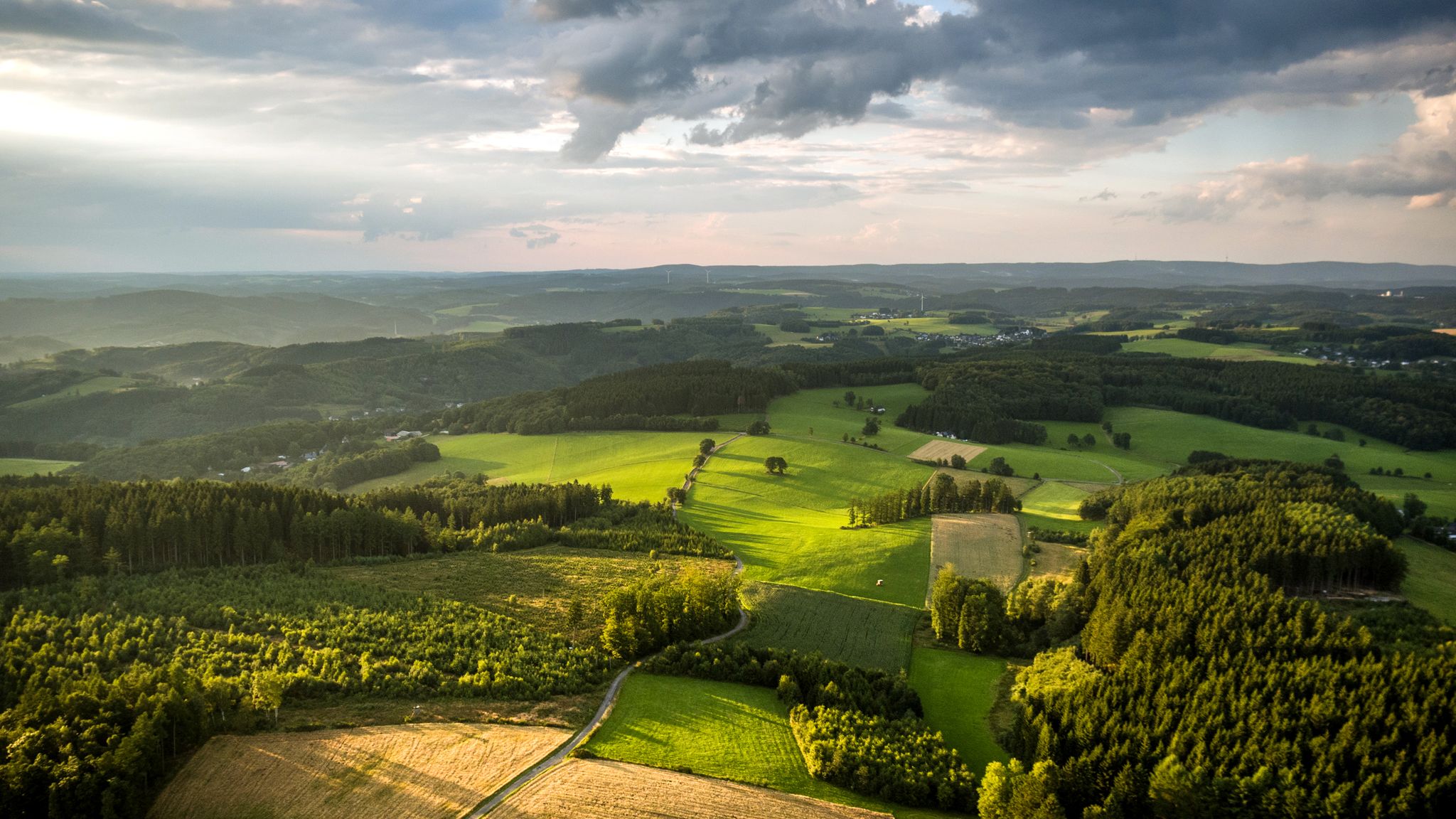
Panoramic adventures — explore Germany’s Bergisches Land
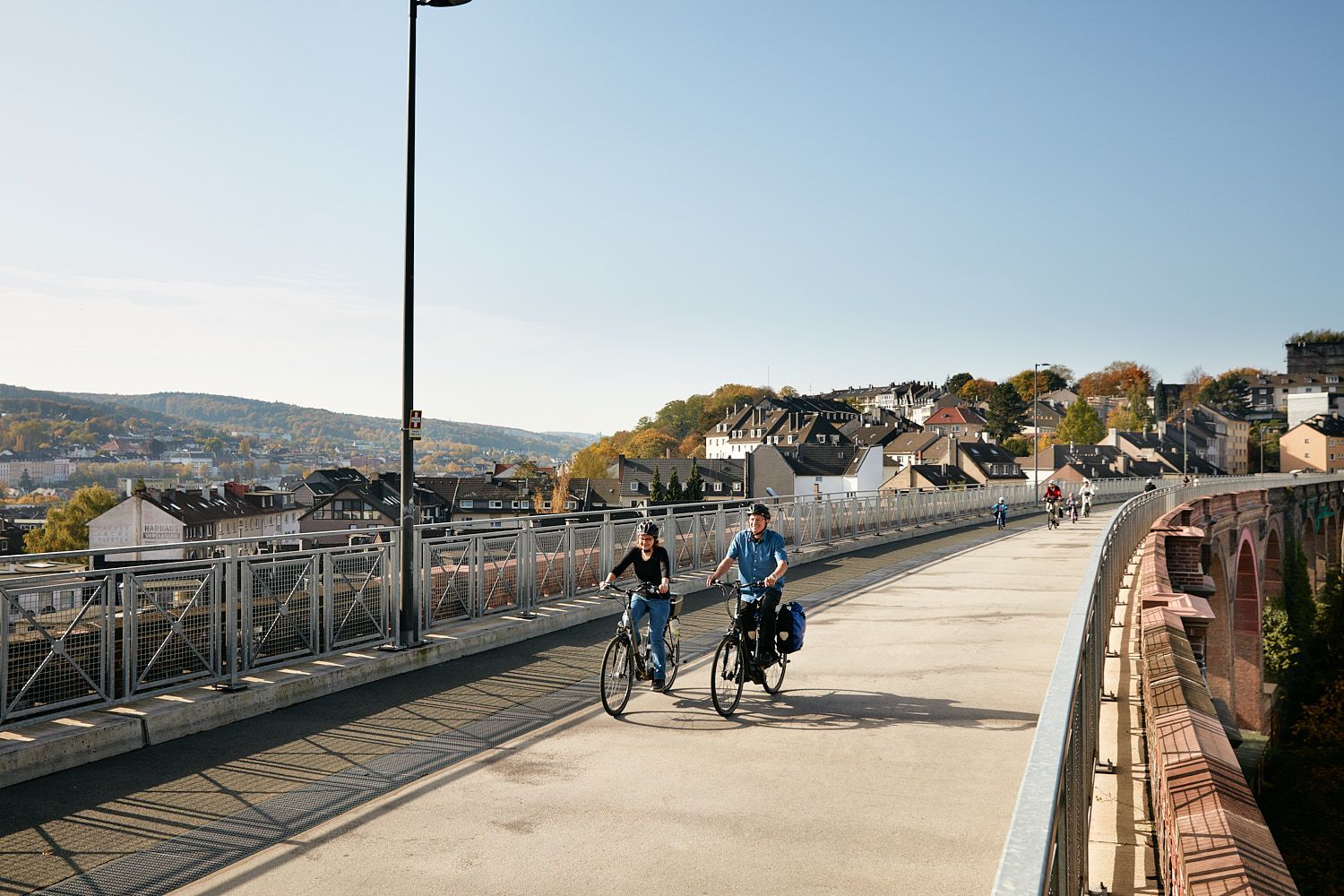
Railway lines & industrial heritage – Cycling through the Bergisches Land
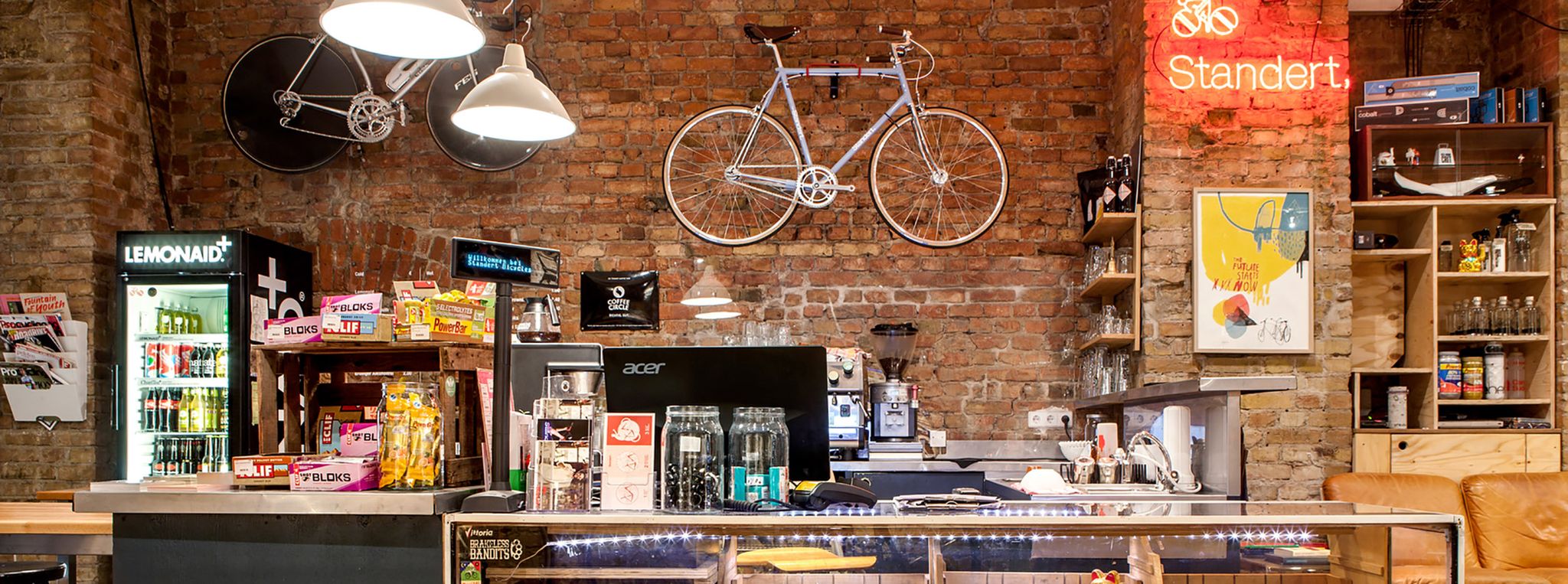
Germany's best bike cafés
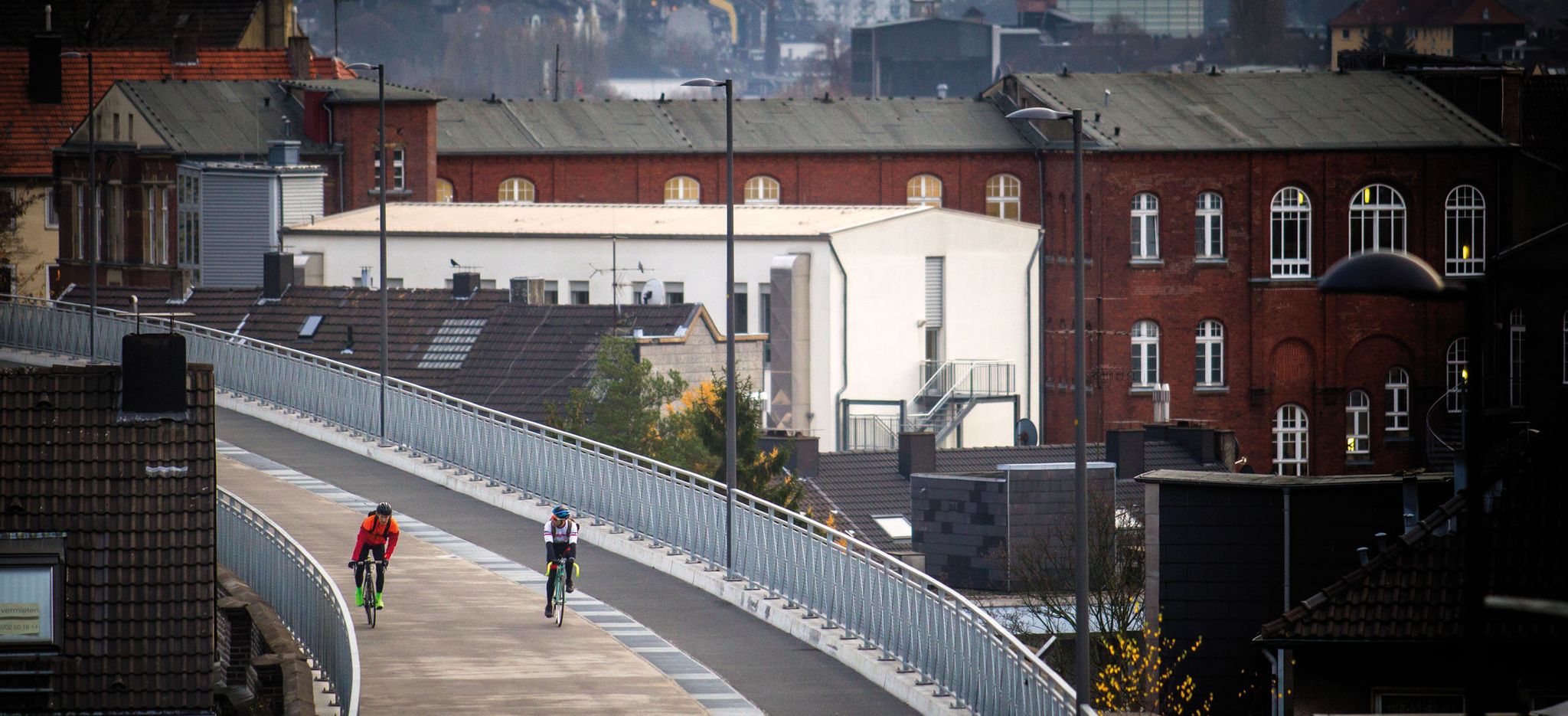
The most beautiful rail trails – cycle paths in the Ruhr area
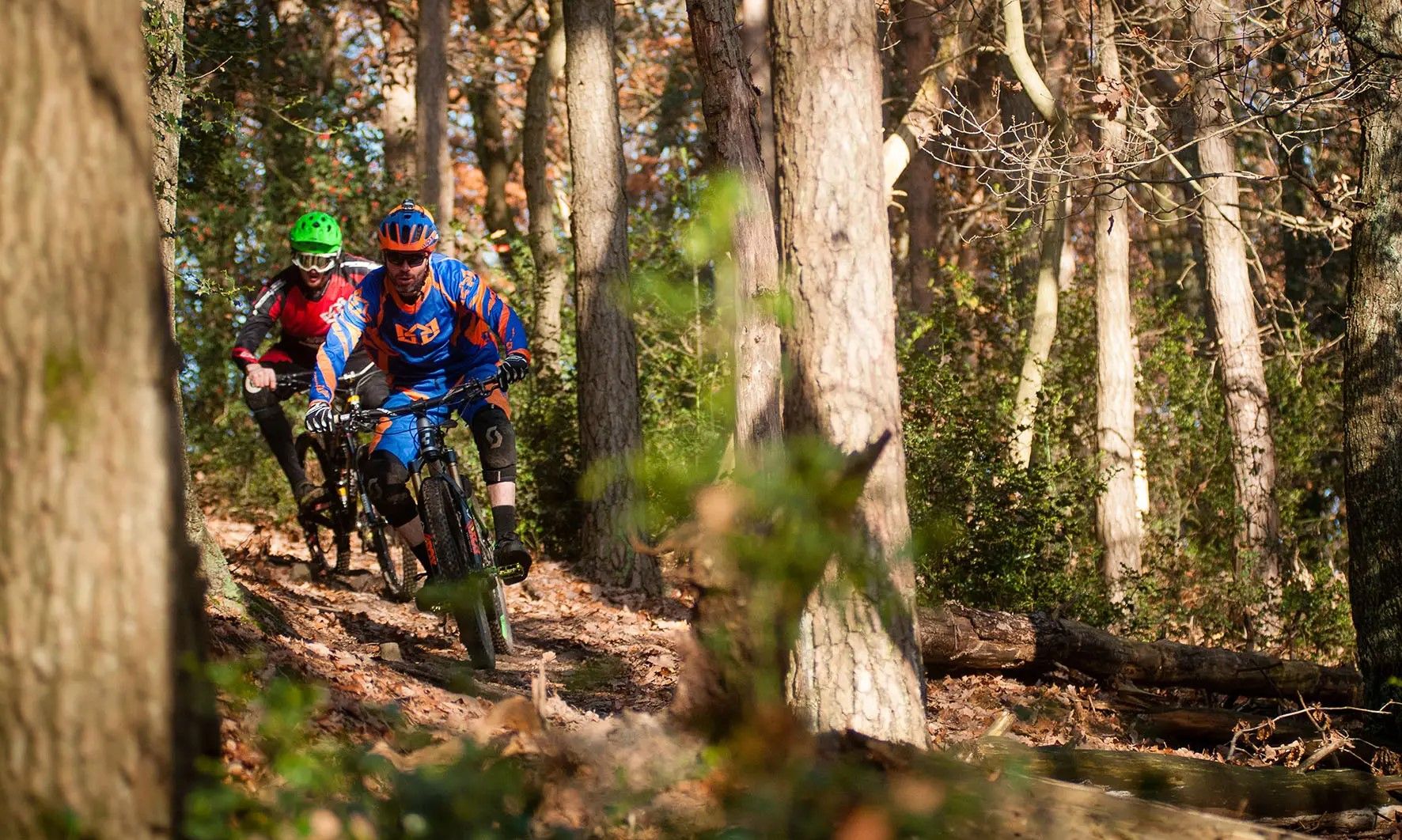
Ruhrpott After-Work Express - challenging after-work loops
Other adventures around Wuppertal


Tips from the Community

The Saalbach Valley is one of my favorite areas to enjoy the peace and quiet of nature.
1
0

Totally rustic area with many small streams and small ponds.
5
0

The Saalbach rises below the Ronsdorf comprehensive school, flows through the small but fine Ronsdorf dam and finally flows into the Gelpe. Together with this, it forms a protected running water system that offers biotopes for rare animal and plant species. The different habitats (e.g. damp and wet meadows, alluvial forest, etc.) are explained on display boards. Other display boards tell the story of the old hammer works and grinding huts, which inspired the Bergische steel and tool industry through the use of water power.
5
0

A small detour, which is worthwhile to refresh yourself under the waterfall.
3
0

Deep rock cuts in the middle of the city
8
0

Almost 600 m long stream that flows into the Gelpe Source: https://de.wikipedia.org/wiki/Liste_der_Gew%C3%A4sser_in_Wuppertal
1
0
In the past, this brook valley was traversed by many paths that repeatedly crossed the Vogelsangbach with log bridges. At that time nobody thought that the walk would lead through the remains of the Carboniferous and Devonian. As if you were entering another world! These two areas of the lower Mirker Hain are so different. The special charm of this valley captivates you immediately. Many different lines of sight tempt you to follow the views spontaneously. The path continues to the end of the narrow gorge, below the dam on Wilhelm-Raabe-Weg. The Vogelsang brook is directed into the lower Bachtal via its many barrages, which seem like cascades. Source and more: http://uellendahl.de/index.php/forum-mirker-hain/fotogalerie/schlucht-und-bachtal
2
0
On the right-hand side you walk past a fairly large forest hollow with a ravine-like character. It's partly downhill here. Especially when the ground is wet - although the path is quite well trodden - you should exercise some caution ...
4
0
Frequently Asked Questions
What kind of natural gorge-like features can I explore in Wuppertal?
Wuppertal is characterized by its unique topography, featuring steep slopes and numerous brooks carving through the landscape. While not traditional canyons, you'll find several gorge-like natural features and valleys. These include deep cuts from former railway lines, protected river valleys, and forest ravines. The term “Tal” in Wuppertal itself signifies “valley,” reflecting the city's geographical setting.
Which are some of the most popular gorge-like areas to visit in Wuppertal?
Among the most appreciated areas are the Deep Cutting on the Nordbahntrasse, which is a cycle way featuring an impressive cut into the mountain, and the Saalbach Valley, a protected running water system with rustic streams and ponds. Visitors also enjoy the Forest Path by the Ravine in Naturpark Bergisches Land, known for its ravine-like character.
Are there family-friendly trails in Wuppertal's valleys and gorges?
Yes, several areas are suitable for families. The Saalbach Valley is noted as family-friendly, offering a rustic area with small streams and ponds. The Bramdelle Rock Cut is also categorized as family-friendly and is part of a cycle way, making it accessible for various activities.
What geological features can I observe in the Wuppertal region?
Wuppertal's landscape offers fascinating geological insights. Areas like the Vogelsangbach Gorge allow you to traverse paths through the remains of the Carboniferous and Devonian geological periods. The region also features karst topography and various rock formations, particularly evident in places like the Dornap limestone quarrying area, showcasing the city's geological past.
Can I find waterfalls or cascades in Wuppertal's gorge areas?
Yes, you can. The Cascades on the Vogelsangbach are a notable feature where the brook flows through a valley with multiple barrages resembling cascades. This area offers a sense of entering 'another world' as you explore.
What are some historical aspects related to Wuppertal's valleys?
The valleys around Wuppertal are rich in history. For instance, the Saalbach Valley has display boards explaining the history of old hammer works and grinding huts, which were crucial for the Bergische steel and tool industry using water power. The Morsbach Valley also holds great importance for regional industrial history due to its numerous hammer mills and grinding kills.
Are there any circular hiking routes through these valleys?
Yes, the Kaltenbach Valley, located in the Kohlfurth area, offers a 5.7-kilometer circular hiking route. This trail features steep paths and passes historical sites like Manuelskotten, Wuppertal's last active grinding cottage. Sturdy footwear is recommended due to uneven and steep sections.
What kind of outdoor activities can I do near Wuppertal's gorges and valleys?
Beyond exploring the gorges themselves, the surrounding areas offer diverse outdoor activities. You can find excellent opportunities for mountain hikes, gravel biking, and cycling. The Wupper Valley between Burg and Müngsten is particularly popular for hiking, and the Nordbahntrasse, which includes the Deep Cutting, is a well-known cycle path.
What is the best time to visit Wuppertal's valleys and gorge-like areas?
The region's natural features offer captivating atmospheres and diverse lines of sight throughout the year. Spring and autumn are particularly beautiful for hiking, with lush greenery or vibrant fall colors. However, the unique geological formations and forest paths, like the Forest Path by the Ravine, can be enjoyed in any season, with late afternoon hours often creating mysterious moments.
Are there any challenging hiking trails in the Wuppertal valleys?
Yes, some trails offer more challenging terrain. The Steinbach Valley and Devil's Cliffs, as well as the Cascades on the Vogelsangbach, are categorized as intermediate difficulty. The Kaltenbach Valley circular route also features steep and uneven sections, requiring sturdy footwear.
What do visitors appreciate most about the Wuppertal gorges and valleys?
Visitors frequently highlight the unique natural beauty and the sense of tranquility these areas offer. The impressive engineering of features like the Deep Cutting on the Nordbahntrasse and the rustic charm of places like the Saalbach Valley are often praised. The diverse landscapes and opportunities for spontaneous exploration are also highly valued.
Is the Wupper Valley itself considered a significant gorge-like area?
Yes, the Wupper Valley, particularly the section between Burg and Müngsten, is a highly popular hiking area. It's known for its natural flowing water, diverse forest types, and historical relics. The impressive Müngsten Bridge, Germany's highest railway bridge, spans this valley, offering breathtaking views and attracting hikers and cyclists.
Most popular routes around Wuppertal
Most popular attractions around Wuppertal

Get inspired with the komoot mobile app


Explore more
Already discovered everything in this region? See additional gorges around Wuppertal for your next adventure:
