Top 8 Castles in Ammerland
Castles in Ammerland offer a journey through the region's historical landscape in Lower Saxony, Germany. This area features a mix of grand estates, event venues, and significant archaeological sites. The Ammerland is characterized by its green spaces and historical remnants, providing insights into medieval fortifications and noble residences. Visitors can explore a diverse range of historical buildings and former castle grounds.
Best castles in Ammerland
- The most popular castles is Rastede Castle, a castle that served as the summer residence for the Grand Dukes of Oldenburg. The extensive English-style parkland surrounding the castle is freely accessible for visitors.
- Another must-see spot is Köhlmoor Castle, a castle and historical site. This venue is known for hosting events and offers a breakfast buffet, providing a castle ambiance in a modern setting.
- Visitors also love Elmendorf Castle Mounds (Three-Hill Motte), a historical site and vanished motte-and-bailey castle. This archaeological monument features visible remains and information boards explaining its medieval history.
- Ammerland is known for grand ducal residences, event venues, and archaeological castle sites. The region offers a variety of historical buildings and former fortifications to explore.
- The castles in Ammerland are appreciated by the komoot community, with over 1300 upvotes and more than 240 photos shared.
Last updated: July 9, 2026
Rastede Castle
Highlight • Castle
Translated by Google •
Tip by

Köhlmoor Castle
Highlight • Castle
The Köhlmoor Castle was rebuilt in 2014 and is located next to the airfield in Felde - Westerstede. The castle got its name because the "Köhlmoor" used to be in this area. In the 17th/18th In the 19th century, two families lived here who burned high-quality charcoal from the heavy peat. The style of the house is based on historical Renaissance country house castles both inside and outside. The outer facade - a dream of white and yellow - is decorated with shell and stucco ornaments. A large mural decorates the entrance area. In the crown room there is an exclusive marble fireplace from France and lavish chandeliers that complete the overall picture. The approximately 6.50 m high hall with a separate counter and buffet room is ideal for weddings or other family celebrations. French doors lead you to the veranda.
Translated by Google •
Tip by

Sign up now to discover places like this
Get recommendations on the best single tracks, peaks, & plenty of other exciting outdoor places.
Sign up for free
Westerstede-Felde Airfield (EDWK)
Highlight • Structure
Translated by Google •
Tip by
Elmendorf Castle Mounds (Three-Hill Motte)
Highlight • Historical Site
Translated by Google •
Tip by

Specken Castle
Highlight • Castle
Translated by Google •
Tip by

Dreibergen
Highlight • Historical Site
Translated by Google •
Tip by

Start today with a free account
Your next adventure awaits.
Login or Signup
Popular around Ammerland
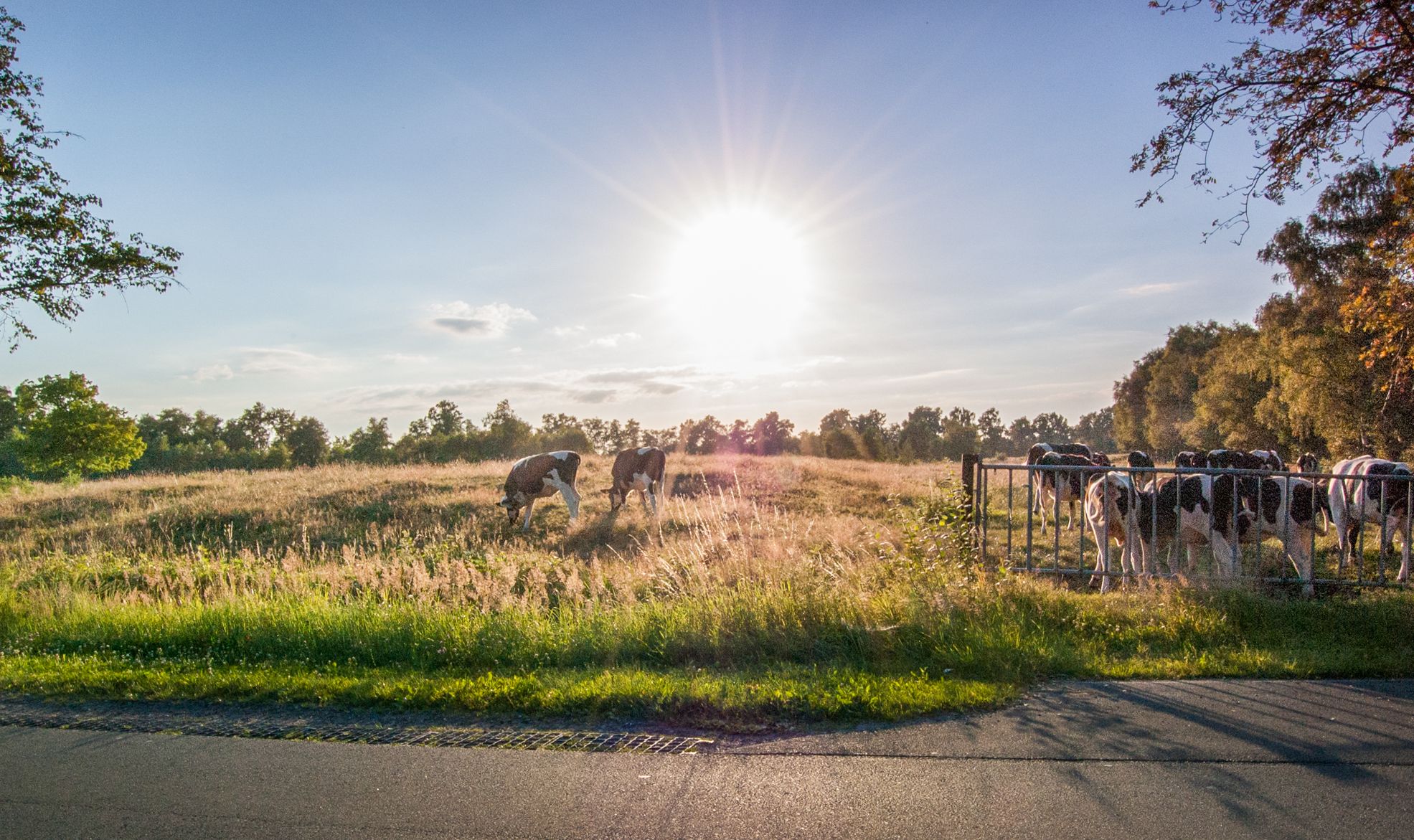
The Jade Trail in Ammerland – Hiking in Northern Germany
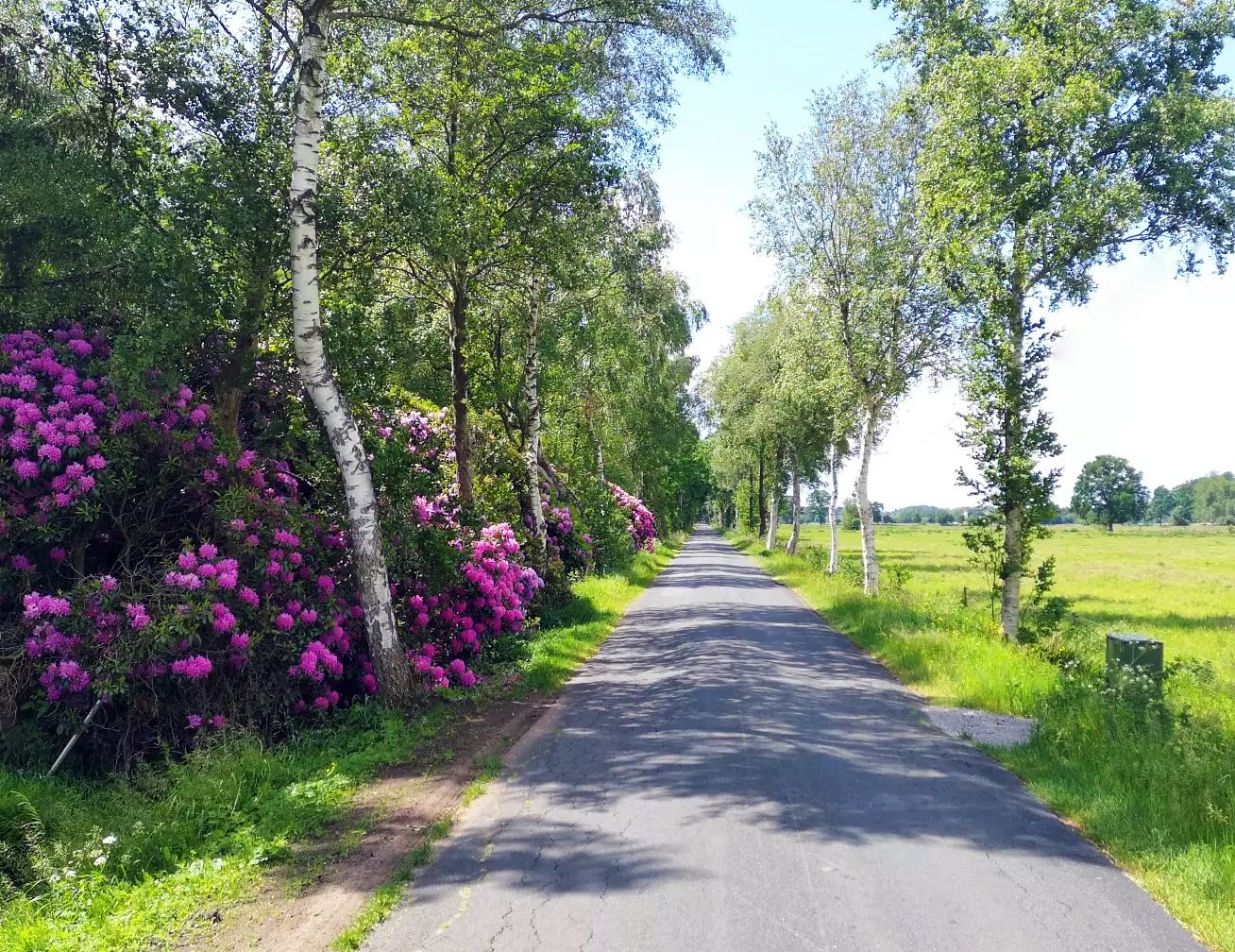
Ammerland Route – Cycling through unique park landscapes
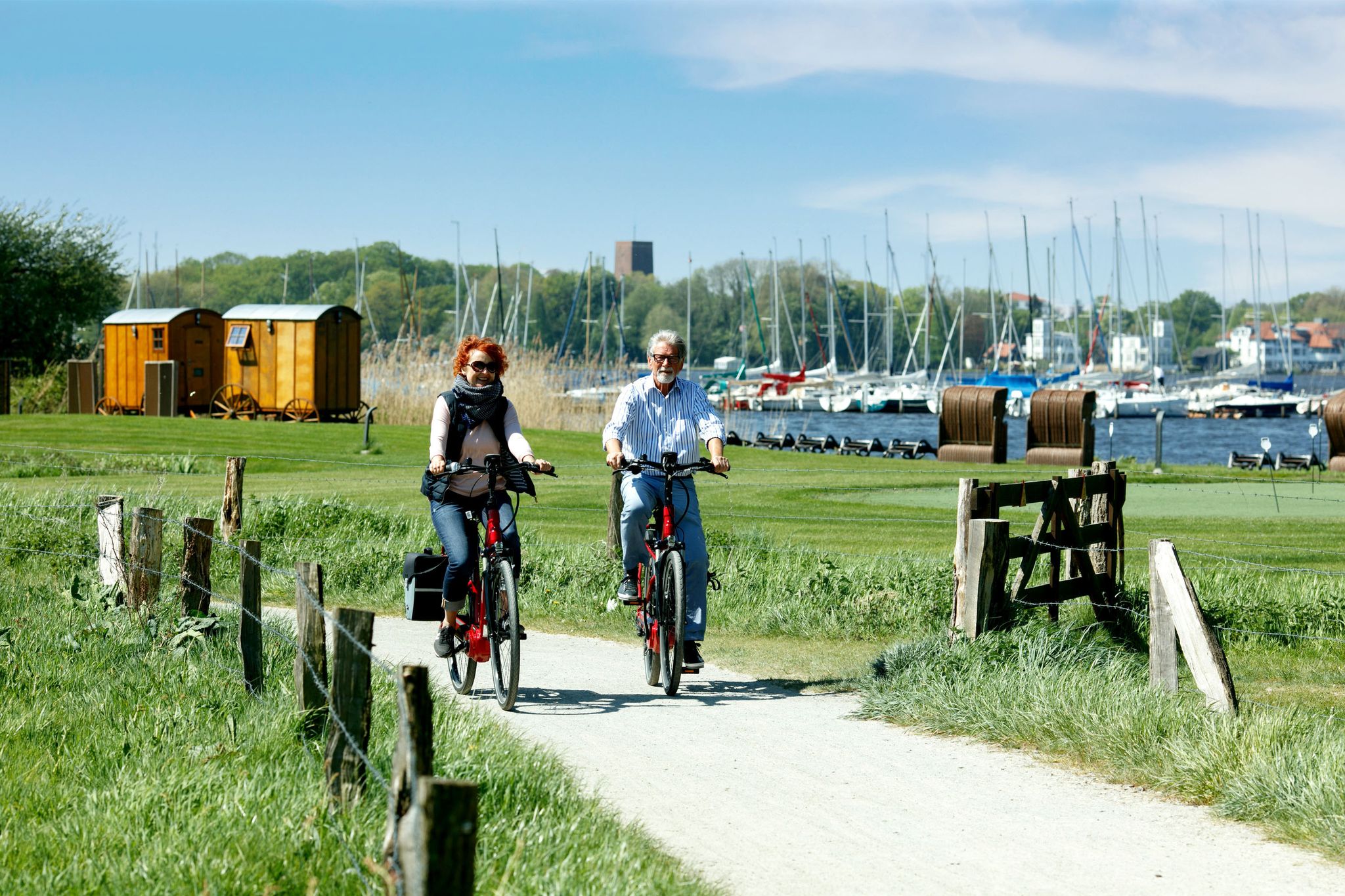
The Ammerland route – a cycling trip through the idyllic park landscape
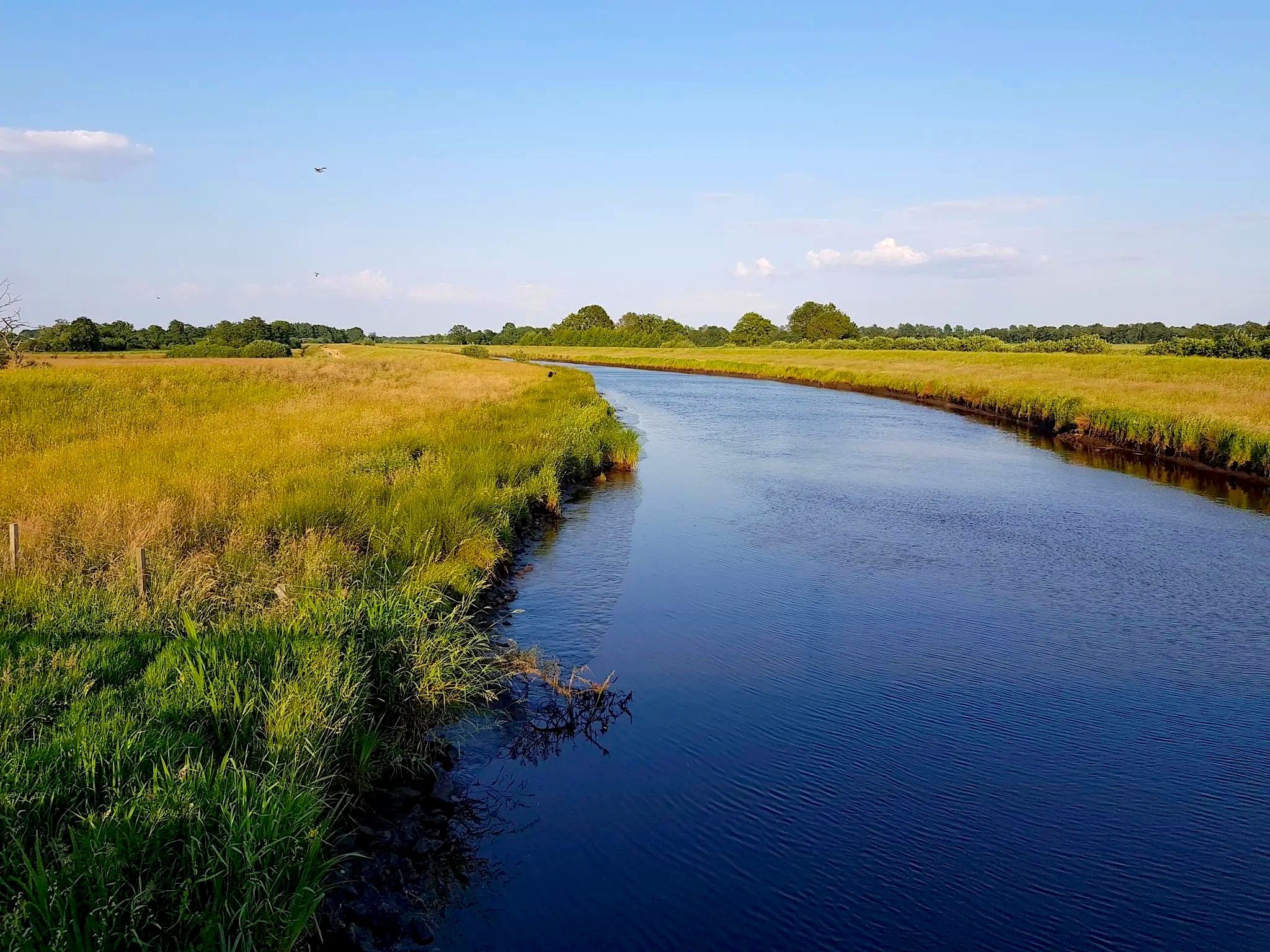
Peace, space and fresh air – hiking the Ems-Hunte-Weg
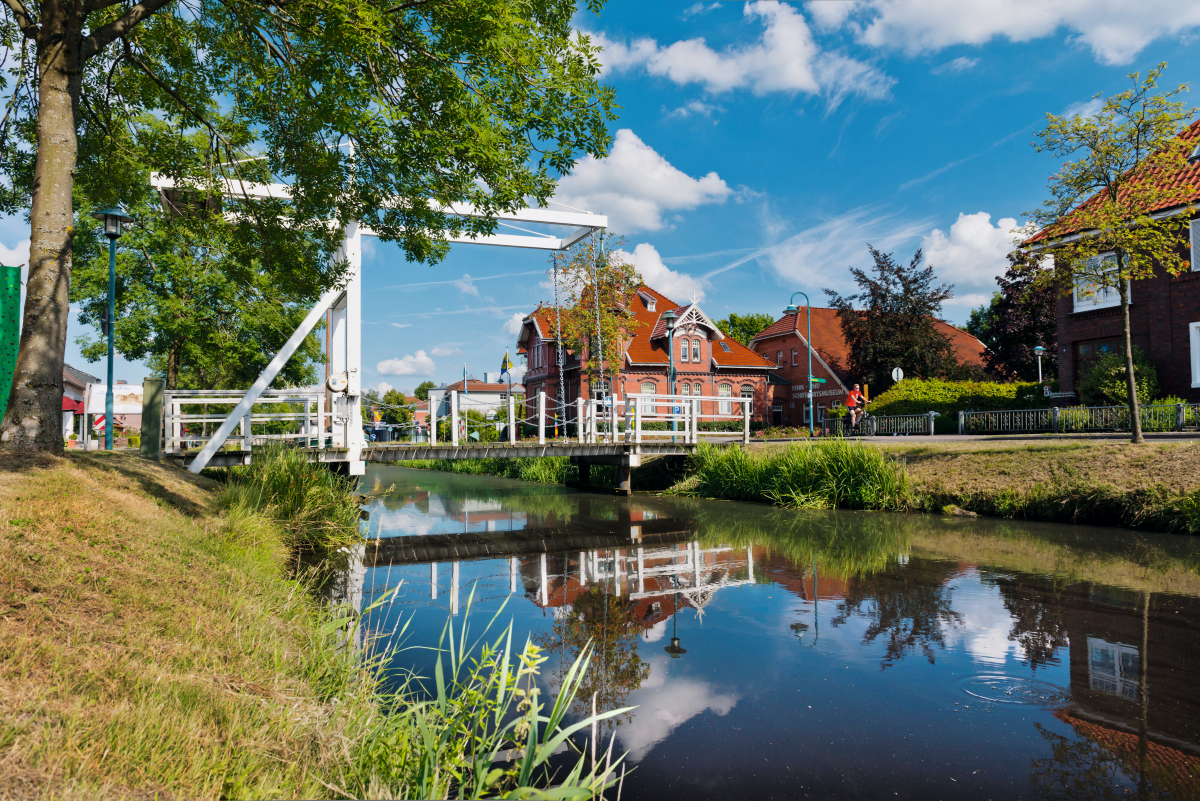
German Fehnroute – cycle Tour through the unique Fehn region
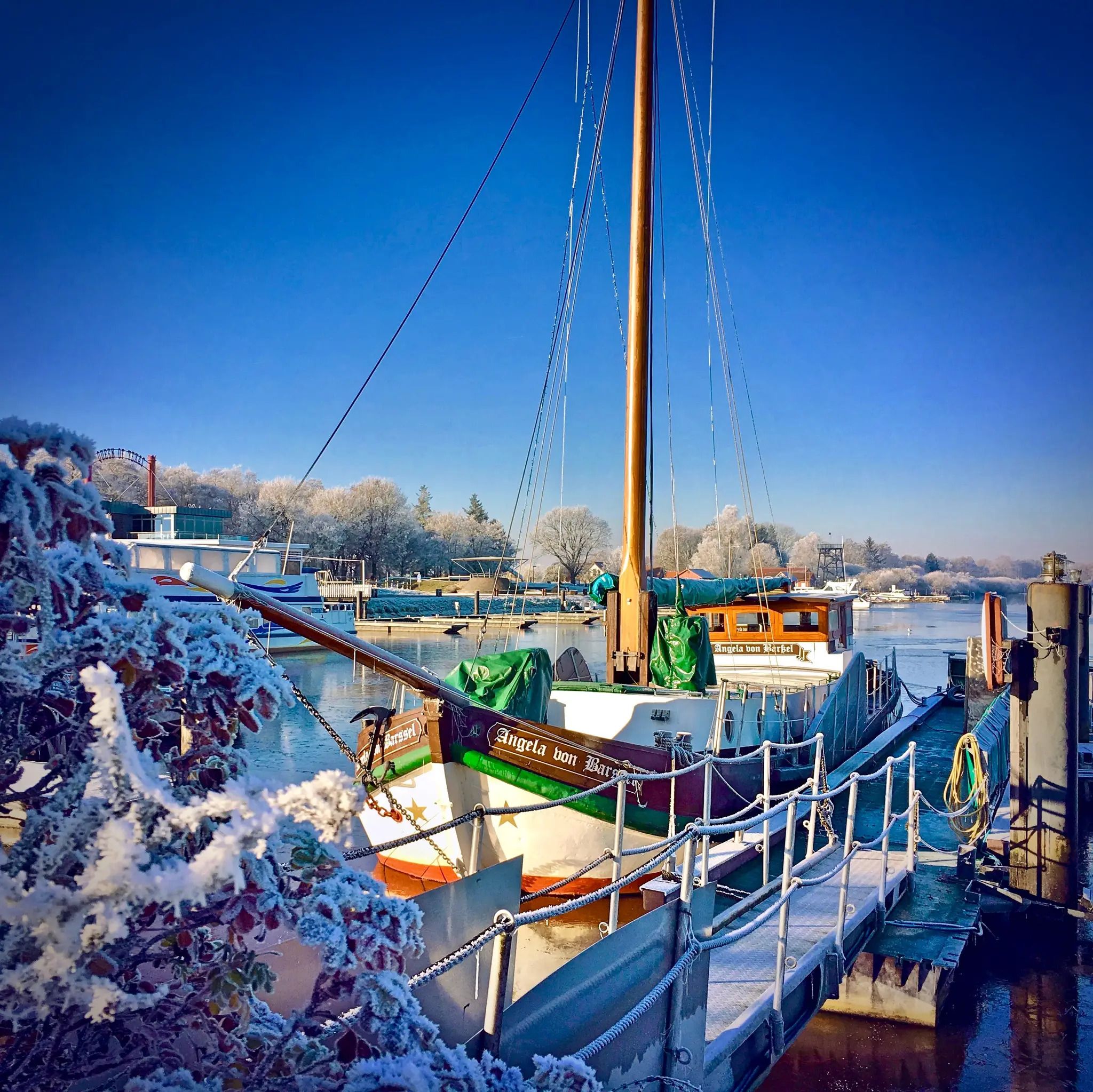
Moorland and nautical history – cycling the Fehn Route in Germany
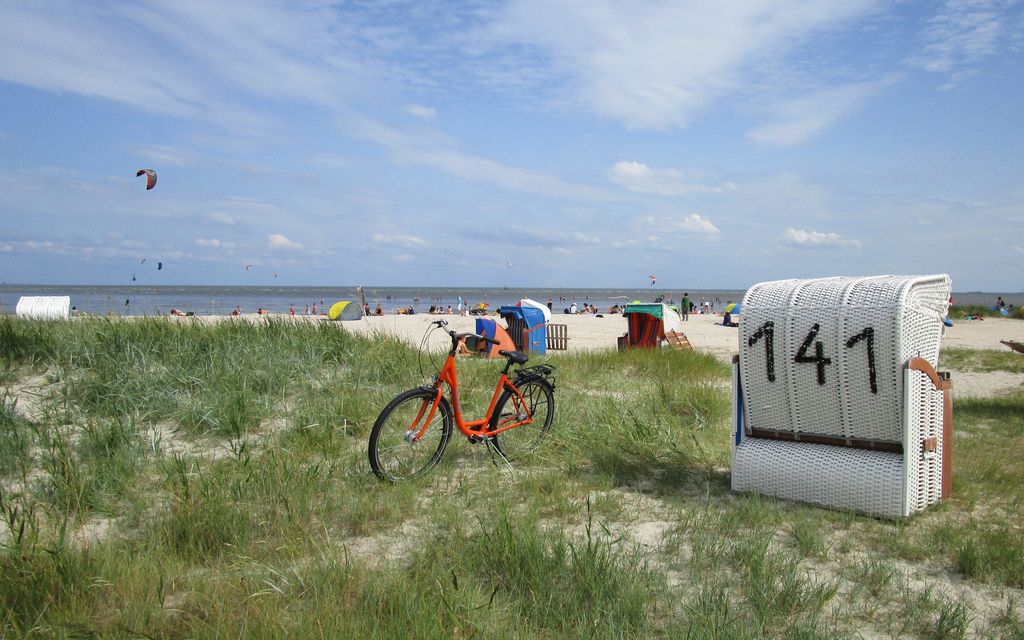
Through the land of wide horizons — Cycling holidays in East Frisia
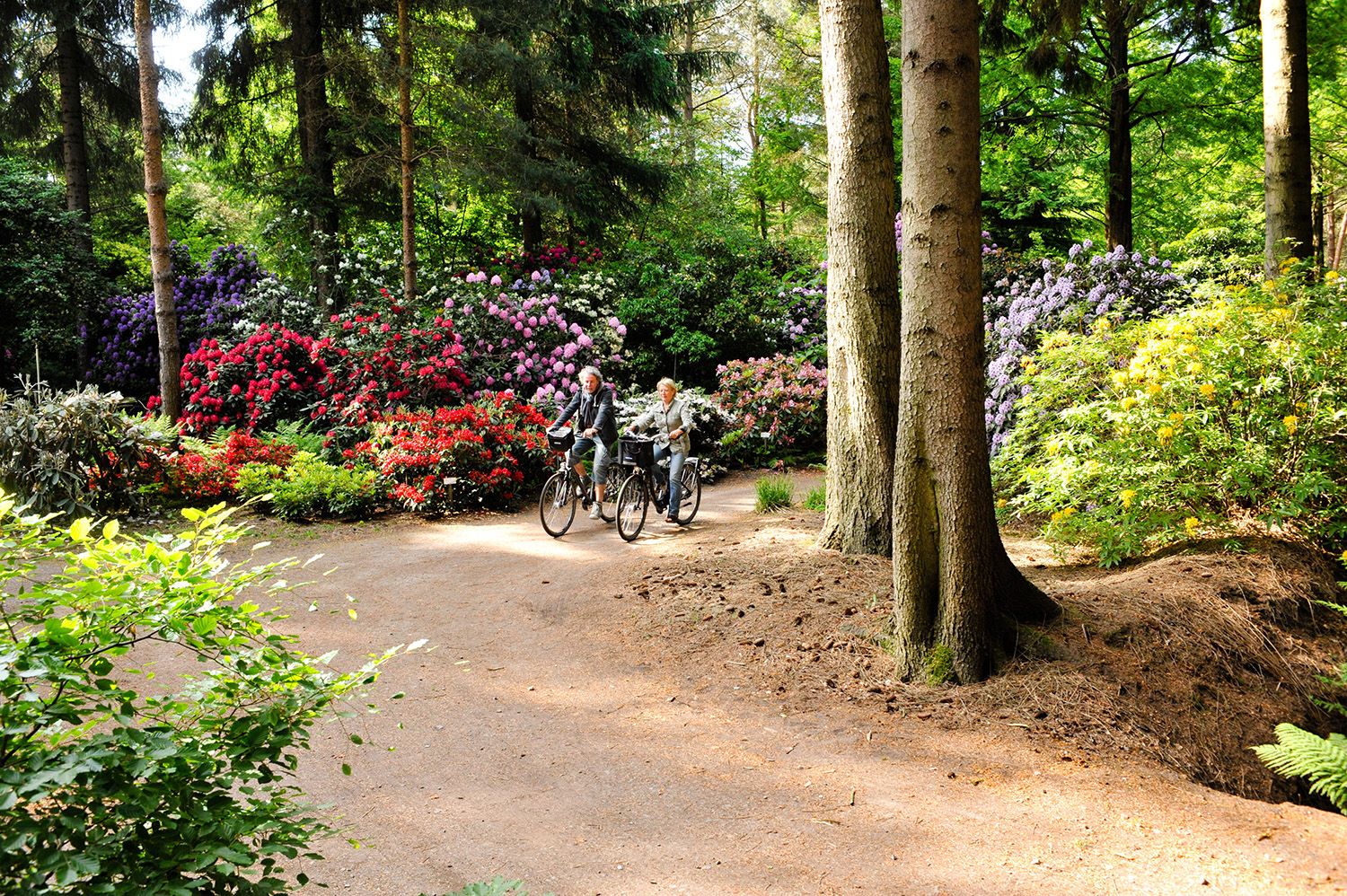
The 15 most beautiful themed bike Tours in Germany’s Ammerland
33 lakes for sunny weekends
The best swimming lakes in Lower Saxony
Other adventures in Ammerland


Tips from the Community

Dreibergen is always a good place to take a break.
0
0

The Elmendorf Motte was a castle. Only the three mounds remain.
0
0

Excavations confirmed the existence of the complex - information boards: Three mountains used to be the Dreibergen castle hill. "Three mountains" stand out in the town of the same name on the northern shore of the sea. Many people have certainly puzzled over the hills. They are - as excavations by archaeologist Dr. Dieter Zoller prove - more than just simple elevations. In the middle of the twelfth century, a castle complex belonging to the Counts of Elmendorf stood here. Information boards present the history. https://www.bad-zwischenahn.de/de/gemeindeportrait/geschichte/Elmendorfer-Burg.php
6
0

Elmendorf Castle, also called Elmendorf Castle or Three Hill Motte, is a ruined tower hill castle (motte) in the Dreibergen nature reserve on the northern shore of the Zwischenahner Meer near Elmendorf, a district of Bad Zwischenahn in the Ammerland district in Lower Saxony.
3
0

Köhlmoor Castle was rebuilt in 2014 and is located next to the airfield in Felde - Westerstede. The castle received its name because the “Köhlmoor” was once located in this area. In the 17th/18th In the 19th century, two families lived here and burned high-quality charcoal from the heavy peat. The style of the house is modeled on historic Renaissance country house castles both inside and out. The outer facade - a dream of white and yellow - is decorated with shell and stucco ornaments. A large mural decorates the entrance area.
4
1

Excavations confirmed the existence of the facility - information boards: Three hills were once castle mounds, Dreibergen. The "three hills" rise conspicuously in the place of the same name on the north shore of the sea. Many have surely wondered about the hills. They are - as excavations by archaeologist Dr. Dieter Zoller prove - more than just simple elevations. In the mid-12th century, a castle complex of the Counts of Elmendorf stood here. Information boards present the history. Dr. Dieter Zoller, who died in 1993, assumed that Elmendorf Castle developed from a fortified noble court destroyed in the 10th century. This was followed by the construction of a tower castle on a flat hill, which was destroyed in the first half of the 12th century. This court and castle complex was rebuilt around 1150 by piling up the large, approximately ten-meter-high hills with a new structure. From the finds, including ceramics, a steelyard, bronze brooches, a horse bit, and a dragon-shaped candlestick, his son and architect Dirk Zoller created several reconstruction drawings. Subsequently, from the mid-12th century, several residential and utility buildings for the castle staff stood on the flattest hill. This hill was connected to the main hill by a drawbridge. On it was the castle itself - a 12-sided, mighty timber-framed residential tower. Another bridge connected the castle to the western hill, where a watchtower was presumably located. The entire complex was surrounded by moats. Little is known about the ownership. Originally, the castle probably belonged to the comital vogts in Ammerland. Count Eglimar II of Oldenburg (1108-1142) gave the nobleman Friedrich von Anvorde his daughter Beatrix as a wife. He took over the castle. In 1243, Abbess Gertrud von Anvorde bequeathed her estates to Hude Monastery. In 1331, the castle came back into the possession of the Counts of Oldenburg through an exchange. Thereafter, the Elmendorf motte lost importance and gradually fell into disrepair. https://www.bad-zwischenahn.de/de/gemeindeportrait/geschichte/Elmendorfer-Burg.php
5
1
Frequently Asked Questions
Which castles in Ammerland offer a glimpse into the region's history?
Ammerland features several historical sites that tell tales of its past. Rastede Castle, a former grand ducal residence, offers a historical park to explore. For those interested in medieval archaeology, the Elmendorf Castle Mounds (Three-Hill Motte) and the site of Burg Specken provide insights into early fortifications and noble seats. Burg Kayhausen and Burg Burgforde are also significant historical sites, even if their physical remains are minimal today.
Are there any family-friendly castles or historical sites to visit in Ammerland?
Yes, several sites are suitable for families. The extensive English-style parkland around Rastede Castle is freely accessible and great for walks. Köhlmoor Castle, while primarily an event venue, offers a unique castle ambiance. The Elmendorf Castle Mounds, with its information boards, can be an educational outing for older children interested in history and archaeology.
What kind of natural features can I expect to see around Ammerland's castles?
The Ammerland region is known for its green spaces and natural beauty. Rastede Castle is set within a large English-style park, famous for introducing rhododendrons to the area. The Elmendorf Castle Mounds are located within the Dreibergen nature reserve, on the northern shore of Zwischenahner Meer, offering picturesque views and natural surroundings.
Can I find cafes or dining options near the castles?
Yes, Köhlmoor Castle is known for hosting events and offers a breakfast buffet, providing a unique castle dining experience. Additionally, the 'Ahrenshof' farm, historically associated with Burg Kayhausen, now operates as a restaurant, offering a connection to the past while enjoying a meal.
What outdoor activities can I do near the castles in Ammerland?
The Ammerland region offers various outdoor activities, especially hiking. You can find numerous trails, such as the 'Lake Zwischenahn – Tree-Lined Avenue loop' or the 'Moor nature trail with rest area' near Specken. For more options, explore the Hiking in Ammerland guide or the Running Trails in Ammerland guide.
Are there any wheelchair accessible castle sites in Ammerland?
Yes, Köhlmoor Castle is noted as being wheelchair accessible, making it a suitable option for visitors with mobility needs.
What is the best time of year to visit Ammerland castles?
The spring and summer months (April to September) are generally ideal for visiting Ammerland's castles, especially for enjoying the outdoor parks and nature reserves. The rhododendrons in the park of Rastede Castle are particularly beautiful in bloom during spring. However, the historical sites are accessible year-round, offering different atmospheric experiences.
What makes the Elmendorf Castle Mounds significant?
The Elmendorf Castle Mounds (Three-Hill Motte) are a significant archaeological monument. This vanished motte-and-bailey castle, possibly founded in the 9th century, was an early fortification. Excavations confirmed the three hills were part of the castle complex, not burial mounds. Information boards on site explain its medieval history and importance, making it a key site for understanding the region's early past. You can learn more about its history on Wikipedia.
What should I know about visiting Schloss Rastede?
Schloss Rastede was the summer residence of the Grand Dukes of Oldenburg. While the castle itself remains privately owned and is not open to the public, its extensive English-style parkland is freely accessible. The park is perfect for leisurely walks and features historical elements like the Venustempel. You can find more details about its history on Wikipedia.
Are there any vanished castle sites in Ammerland that are still worth visiting?
Yes, several vanished castle sites offer a unique historical experience. The Elmendorf Castle Mounds (Three-Hill Motte) and Burg Specken are preserved as ground monuments with information boards, allowing visitors to visualize their former layouts and understand their medieval significance. Burg Burgforde also has visible grounds and remnants of its moat, highlighting its strategic past.
What kind of events are hosted at Köhlmoor Castle?
Köhlmoor Castle is a popular venue for events, particularly weddings and celebrations. Its design is inspired by historic Renaissance country houses, offering a charming and elegant setting for various occasions.
Can I combine a castle visit with a longer hike?
Absolutely. Many castle sites in Ammerland are situated in areas with excellent hiking opportunities. For example, you can explore the area around the Elmendorf Castle Mounds and then continue on routes like the 'View of the Zwischenahner Meer – Tree-Lined Avenue loop'. Check the Hiking in Ammerland guide for detailed routes.
Most popular routes in Ammerland
Most popular attractions in Ammerland

Get inspired with the komoot mobile app


Didn’t find what you were looking for?
Explore Ammerland’s best castles region by region:
Explore more
Looking for the best castles somewhere else? Discover other guides in Ammerland:
