Top 19 Castles in Malta
Castles in Malta showcase the island's rich and layered history, featuring fortifications and stately residences. The island's strategic location has led to the construction of numerous defensive structures, from medieval castles to grand palaces with defensive elements. These sites offer insights into periods ranging from the Knights of St. John to British rule. Malta's landscape is dotted with these historical landmarks, providing panoramic views and a glimpse into its past.
Best castles in Malta
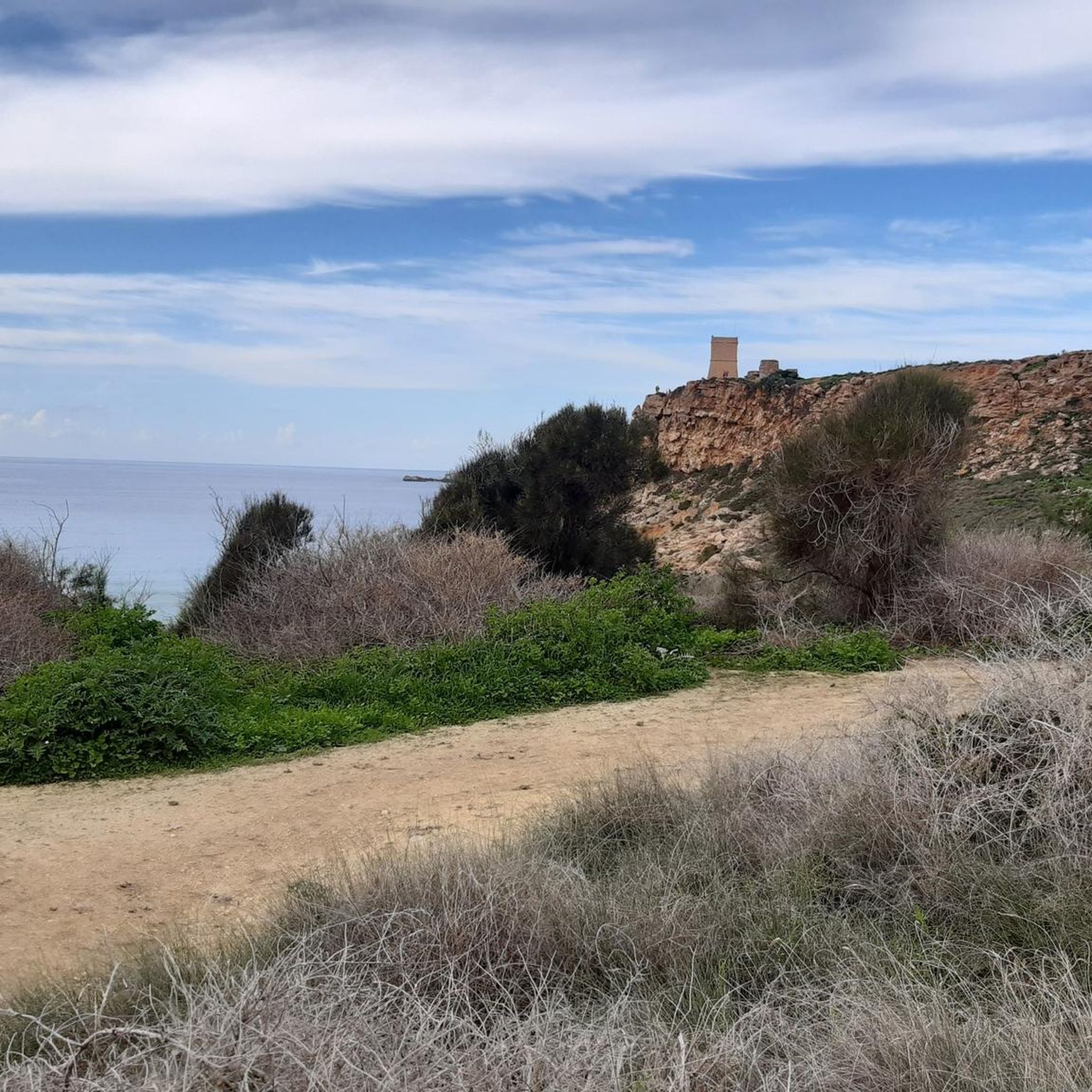
- The most popular castles is St. Agatha's Tower (Red Tower), a castle built between 1647 and 1649. This red fortress tower offers a wonderful view over the Marfa Ridge.
- Another must-see spot is The Cittadella in Victoria (Gozo Citadel), a true fortress in the center of Gozo. Visitors can explore its impressive defensive walls, which are largely passable, and enjoy panoramic views of the entire island.
- Visitors also love Grandmaster's Palace, Valletta, a historical site completed in 1571. This magnificent building occupies a whole block of streets and is considered one of the most significant structures in Malta.
- Malta is known for its medieval castles, formidable forts, and grand palaces. The island offers a variety of historical structures to explore, from defensive strongholds to aristocratic residences.
- The castles in Malta are appreciated by the komoot community, with more than 250 upvotes and over 350 photos shared by visitors.
Last updated: September 29, 2026
St. Agatha's Tower (Red Tower)
Highlight • Castle
Translated by Google •
Tip by

Grandmaster's Palace, Valletta
Highlight • Historical Site
Translated by Google •
Tip by

Sign up now to discover places like this
Get recommendations on the best single tracks, peaks, & plenty of other exciting outdoor places.
The Cittadella in Victoria (Gozo Citadel)
Highlight • Castle
The defensive walls are impressive and are passable for their entire length.
Inside there is one of the most beautiful churches in Malta, some museums and it is still possible to see the ancient foundations in the north.
With the flagstone floor, heels and leather soles are strongly discouraged.
Translated by Google •
Tip by

Fort St. Elmo
Highlight • Historical Site
Translated by Google •
Tip by

Fort St. Angelo
Highlight • Castle
Translated by Google •
Tip by

Vilhena Palace
Highlight • Historical Site
Translated by Google •
Tip by

Fort Tigné
Highlight • Historical Site
Translated by Google •
Tip by
St. James Bastion
Highlight • Historical Site
Translated by Google •
Tip by

Gran Castello Historic House
Highlight • Historical Site
The museum's collections relate to the domestic, rural and traditional ways of life in the agrarian economy of the Maltese Islands and the many skills, crafts and traditions that have shaped everyday life on the islands over the centuries.
The architectural features of the buildings housing the museum are in Sicilian style, and may owe something to the influence of the Chiaramonte family of Sicily and southern Italy when they were Counts of Malta in the late 14th century. Delicate baroque façades countervail the relatively plainness of interiors.
It was renamed from Folklore Museum to Gran Castello Historic House museum in 2016, during the restoration of the Cittadella.
Tip by

Selmun Palace
Highlight • Castle
A steep path leads from the castle to the Mistra bay.
Translated by Google •
Tip by

Sign up for free to discover even more castles in Malta.
Already have an account?
Start today with a free account
Your next adventure awaits.


Tips from the Community

Fort St. Elmo offers beautiful views of the surrounding area and opportunities to walk along the quayside. You can also see Sliema from there 😎🌞
1
0
Translated from English - Fort Tigné is a polygonal fortress located in Tigné Point, Sliema, Malta. It was built between 1793 and 1795 by the Knights Hospitaller to protect the entrance to Marsamxett Harbour. It is one of the oldest polygonal fortresses in the world.
2
0

The Palazzo Vilhena is a French Baroque palace built in the 18th century by order of Grand Master António Manoel de Vilhena. It was designed by the French military engineer Charles François de Mondion. The palace now houses the National Museum of Natural History of Malta. The museum opened in 1973 and focuses on native flora and fauna, as well as geology and paleontology.
1
0

This fort at the northern tip of Valletta existed before the city was founded and was a significant site during the Ottoman siege. Today, the fort is used as a military training facility. Therefore, the numerous tiny bays facing the sea are no longer open to the public. According to locals, they housed female members of the Knights of St. John. The other part of the fort houses the National War Museum, which displays documents from the Second Siege of Malta (1940 to 1943). Also on display are a Gloster Gladiator and the original decoration awarded to the island as a whole, the George Cross, which still appears on the national flag. Source: Wikipedia
4
1

No matter which side you look at it from, it is still very impressive.
1
0

From this bank you can get a good view of the bank where the cannons fire at 12 and 4 o'clock.
0
0

The palace, built in the 16th century, is one of the oldest buildings in Valletta. It was originally the seat of the Grand Master of the Order of Malta. The Grand Master's Palace is now the seat of the President of Malta. Despite this, many parts of the palace are open to visitors. The palace looks straight and simple from the outside, but don't be fooled! The interior rooms and corridors are decorated with numerous paintings, portraits and suits of armour. They commemorate the various residents of the palace. The palace's armoury contains over 5,700 exhibits. They date back to the time of knights. The weapons include arquebuses, halberds, daggers and magnificent suits of armour.
3
0

This place is definitely recommended
6
0
Frequently Asked Questions
What types of historical fortifications and residences can I explore in Malta?
Malta's rich history means you'll find a diverse range of structures often referred to as 'castles.' These include formidable medieval castles, bastioned forts like Fort St. Angelo, and grand palaces with defensive features such as Verdala Palace and San Anton Palace. Many offer a glimpse into the island's past, from the Knights of St. John to British rule.
Which castles offer the best historical insights into the Knights of St. John?
For a deep dive into the Knights of St. John, Fort St. Angelo is paramount. It served as their headquarters and played a crucial role in the Great Siege of Malta in 1565. The Grandmaster's Palace, Valletta, completed in 1571, was also a significant seat of power for the Order. Fort St. Elmo also has a strong connection to the Knights, particularly during the Great Siege.
Are there any castles in Malta that are also palaces or grand residences?
Yes, several notable structures are grand palaces with castle-like features. Verdala Palace, built in 1586, serves as the official summer residence of the President of Malta. San Anton Palace, also a presidential residence, boasts extensive gardens. Casa Rocca Piccola in Valletta is a privately-owned 16th-century palace offering insight into aristocratic life. Vilhena Palace in Mdina, home to the National Museum of Natural History, is another stunning example of a Baroque palace.
Which castles provide the best panoramic views of Malta and Gozo?
For breathtaking panoramic views, the Cittadella in Victoria (Gozo Citadel) is unparalleled, offering vistas of the entire island of Gozo and beyond. Fort St. Angelo provides spectacular views of the Grand Harbour and surrounding fortified towns. St. Agatha's Tower (Red Tower) also offers a wonderful view over the Marfa Ridge.
Are there family-friendly castles or historical sites to visit in Malta?
Many of Malta's historical sites are suitable for families. The Cittadella in Victoria (Gozo Citadel), Grandmaster's Palace, Valletta, Fort St. Elmo, and Fort St. Angelo are all categorized as family-friendly. These sites often have engaging displays and plenty of space to explore, making history come alive for all ages.
What outdoor activities can I do near these castles in Malta?
Malta offers various outdoor activities near its historical sites. You can find numerous hiking and road cycling routes. For example, near many castles, you can embark on routes like the 'Upper Barrakka Gardens – In the streets of Valletta loop' for hiking or 'St. Paul's Islands – Dingli Cliffs Climb loop from Attard' for road cycling. You can explore more options on the Hiking in Malta or Road Cycling Routes in Malta guide pages.
What is the best time of year to visit Malta's castles?
The best time to visit Malta's castles is typically during the shoulder seasons (spring: April-May, and autumn: September-October). The weather is pleasant, making it ideal for exploring outdoor fortifications and walking through historical towns without the intense heat of summer or the larger crowds. Many sites remain open in winter, offering a quieter experience.
Are there any less-known or 'hidden' historical sites among Malta's castles?
While not entirely 'hidden,' Castello Zammitello in Mġarr is a unique 19th-century countryside folly with a castle-like appearance, often used for events. It's less of a traditional tourist attraction and more of a picturesque landmark with a local legend. St. Thomas Tower is another less prominent but historically significant tower worth exploring.
What do visitors enjoy most about Malta's castles and historical sites?
Visitors frequently praise the impressive defensive walls, the deep historical significance, and the exceptional panoramic views offered by many sites. The opportunity to explore ancient foundations, beautiful churches, and museums within these fortifications is also highly valued. Many appreciate the well-preserved nature of sites like the Cittadella and the immersive experience of places like Fort St. Angelo.
Is public transport available to reach Malta's castles?
Yes, Malta has a comprehensive public bus network that connects most towns and villages, including those where castles and historical sites are located. Major sites like those in Valletta, Birgu (for Fort St. Angelo), Mdina (for Vilhena Palace), and Victoria (for the Cittadella) are generally well-served by public transport, making them accessible without a car.
Are there any castles or palaces in Malta with notable gardens?
Yes, San Anton Palace in Attard is renowned for its extensive and beautifully maintained surrounding gardens, which are open to the public. Verdala Palace is also set within the picturesque Buskett Gardens, offering a scenic backdrop, though the palace itself is generally closed to visitors.
Most popular attractions in Malta

Get inspired with the komoot mobile app


Explore more
Looking for the best castles somewhere else? Discover other guides in Malta:
