Top 11 Caves around Burglengenfeld
Best caves around Burglengenfeld offer a diverse range of natural attractions and historical sites within the Upper Palatinate region. The surrounding area features impressive underground landscapes, including significant stalactite caves, karst formations, and numerous prehistoric rock shelters. This region provides opportunities to explore geological wonders and gain insights into ancient human habitation. Burglengenfeld is known for its cave dwellings, rock shelters, and historical rock cellars.
Best caves around Burglengenfeld
- The most popular caves is Vils Riverside Trail and Rock Formations…
Last updated: July 9, 2026
House without a Roof (Kallmünz)
Highlight • Cave
Translated by Google •
Tip by

Vils Riverside Trail and Rock Formations
Highlight (Segment) • Trail
Translated by Google •
Tip by

Sign up now to discover places like this
Get recommendations on the best single tracks, peaks, & plenty of other exciting outdoor places.
Sign up for free
Burglengenfeld Historic Beer Cellars
Highlight • Historical Site
Translated by Google •
Tip by

Stone Age rock shelter at the Steinbergwand
Highlight • Cave
Translated by Google •
Tip by

Dürrloch Cave Entrance
Highlight • Cave
Not far from the gravel road, but currently not to be seen due to tree foliage and bushes.
Translated by Google •
Tip by

Sign up for free to discover even more caves around Burglengenfeld.
Sign up for free
Already have an account?
Start today with a free account
Your next adventure awaits.
Login or Signup
Tips from the Community

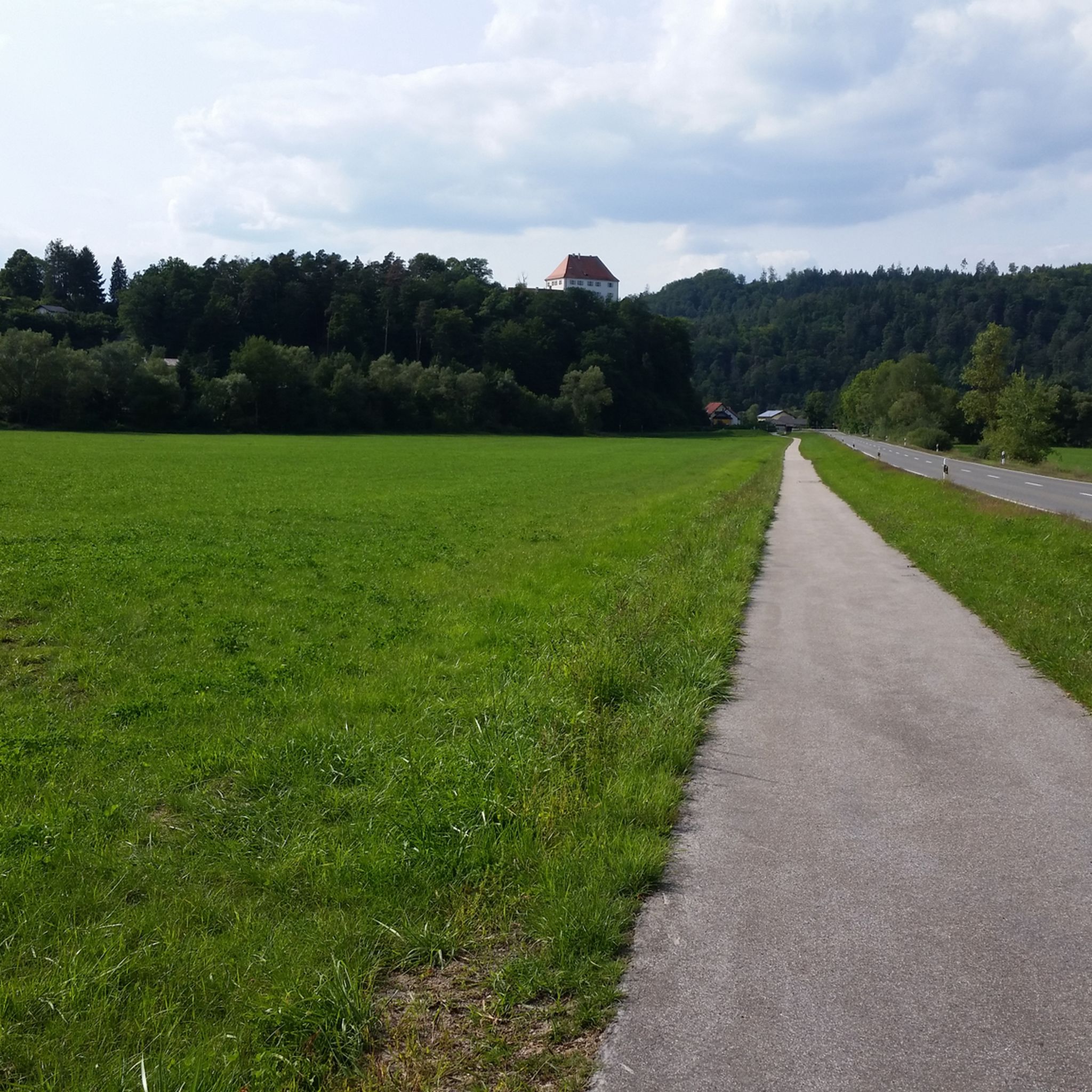
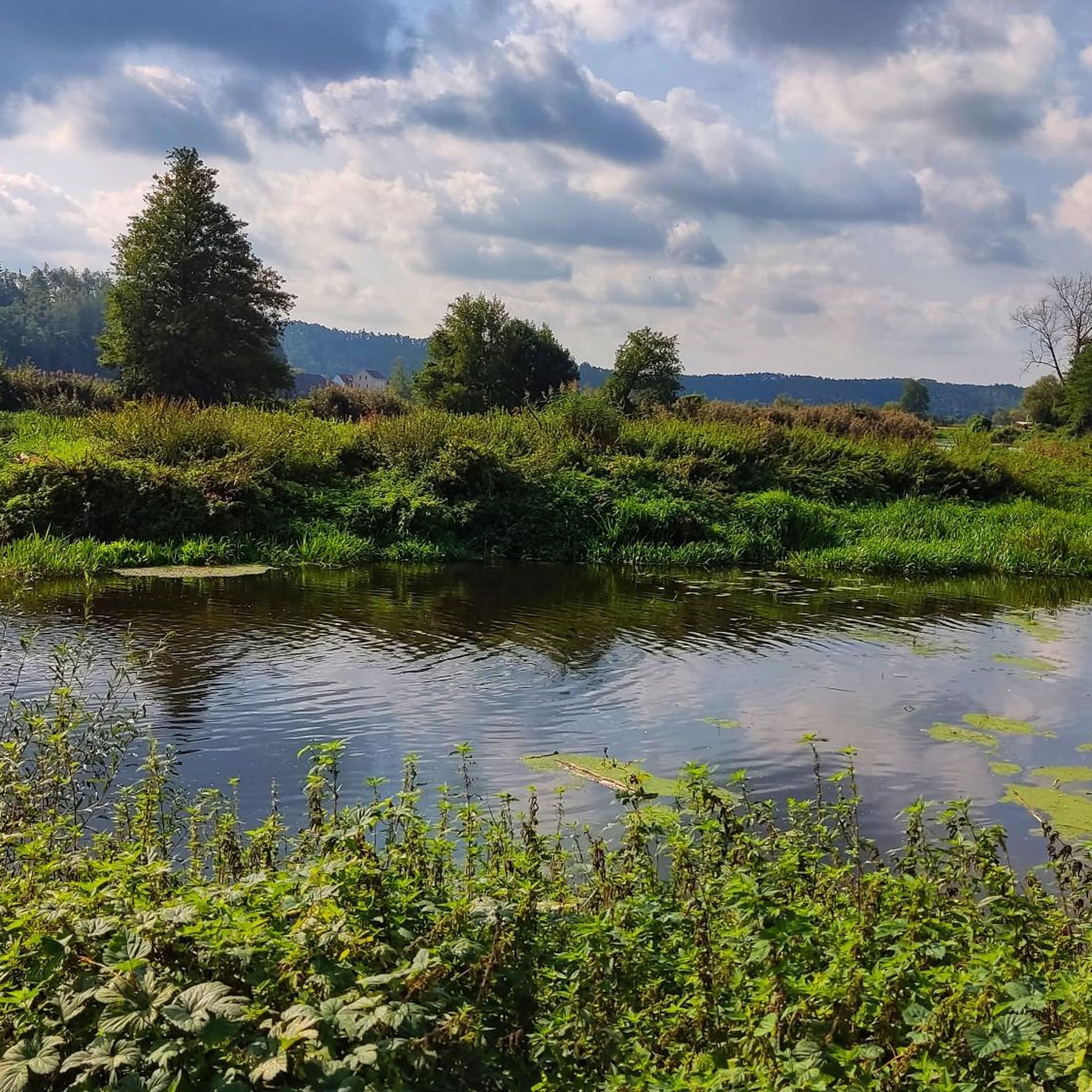
Beautiful rock formations in the forest
2
0

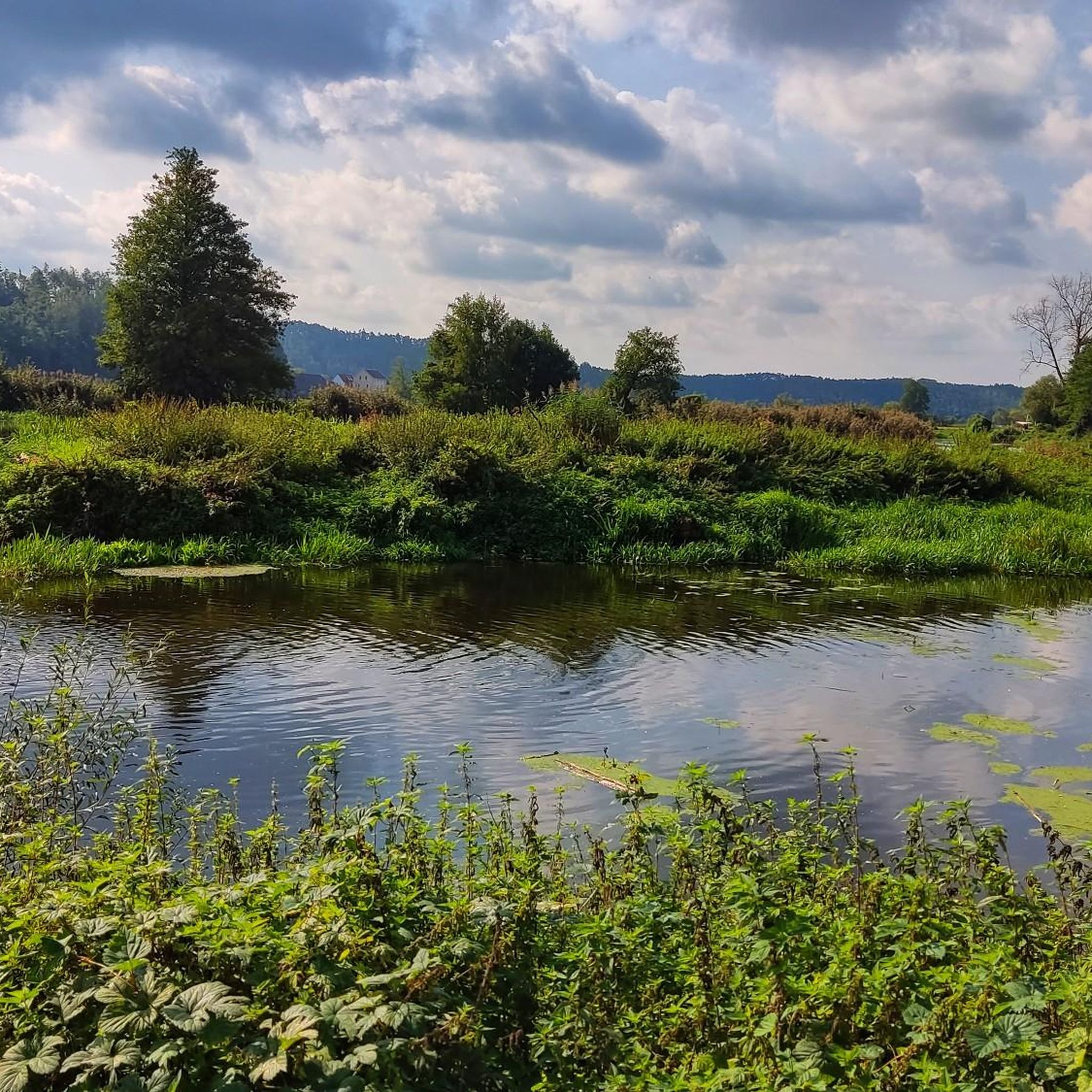
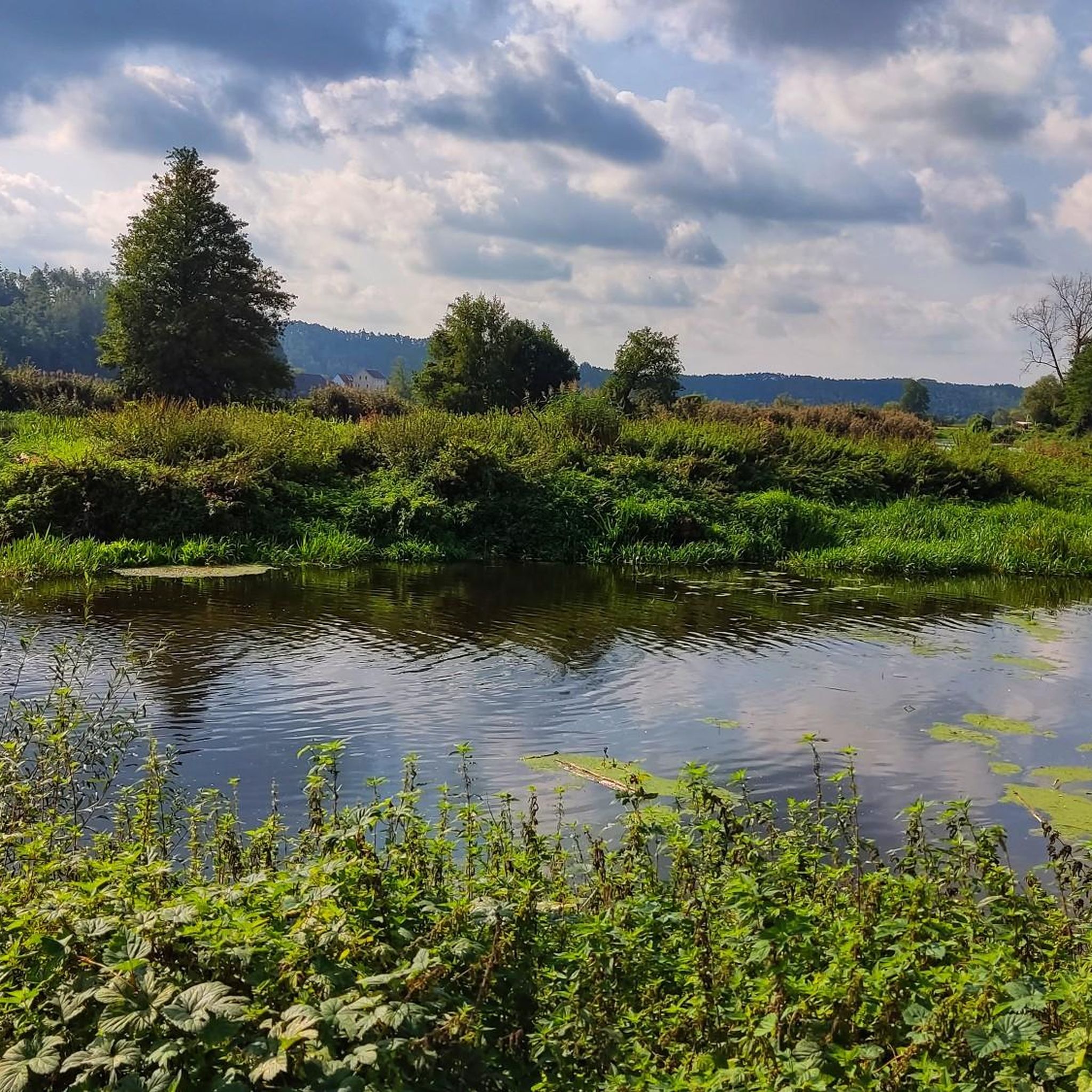
Beautiful view back over the Vils
3
0
Rock formations are now majestically visible in March. They soon disappear into the sea of leaves and are then almost invisible again—unfortunately!
4
0

Very nice here
2
0

The "house without a roof", as it is officially called, is a cave dwelling that is still in use in the Upper Palatinate town of Kallmünz. The cave dwelling is located north of the Vils at the southern end of the Schlossberg, on which the Kallmünz castle ruins stand. The entrance is set back from Vilsgasse at the foot of a 20-meter-high limestone wall of the Schlossberg, and access leads between the listed residential buildings at Vilsgasse 26 and Vilsgasse 28. The house consists of a natural cave in the dolomite rock, the opening of which is closed off by a plastered wall with a door and windows. Inside there is a hallway, a living room, two storage rooms fitted into rock niches and a historic smokehouse. The oldest known mention of the cave dwelling can be found in a document kept in the land registry archive in Amberg with the year 1707. In the 19th century it was also known as the "house under the rock". In 1908 it was sold to the owner of the blacksmith's shop across the street, and it remains in his family's possession. The last permanent resident left the house in 1937 because he had developed rheumatism due to the damp cave air.
6
0
The "House Without a Roof," as it is officially known, is a still-used cave dwelling in the Upper Palatinate market town of Kallmünz. The cave is located north of the Vils River at the southern end of the Schlossberg (Castle Hill), upon which the Kallmünz Castle ruins stand. The entrance is set back from Vilsgasse (Vils Lane) at the foot of an approximately 20-meter-high limestone cliff of the Schlossberg, and access is via a passage between the listed residential buildings at Vilsgasse 26 and Vilsgasse 28. The house consists of a natural cave in the dolomite rock, the opening of which is closed off by a plastered wall with a door and windows. Inside, there is a hallway, a living room, two storage rooms fitted into rock niches, and a historic smokehouse. The oldest known mention of the cave dwelling is found in a document dated 1707, preserved in the land registry archive in Amberg. In the 19th century, it was also referred to as the "House Under the Rock." In 1908, it was sold to the owner of the blacksmith's shop located across the road, and it remains in his family's possession. The last permanent resident left the house in 1937 because he developed rheumatism due to the damp cave air.
17
0

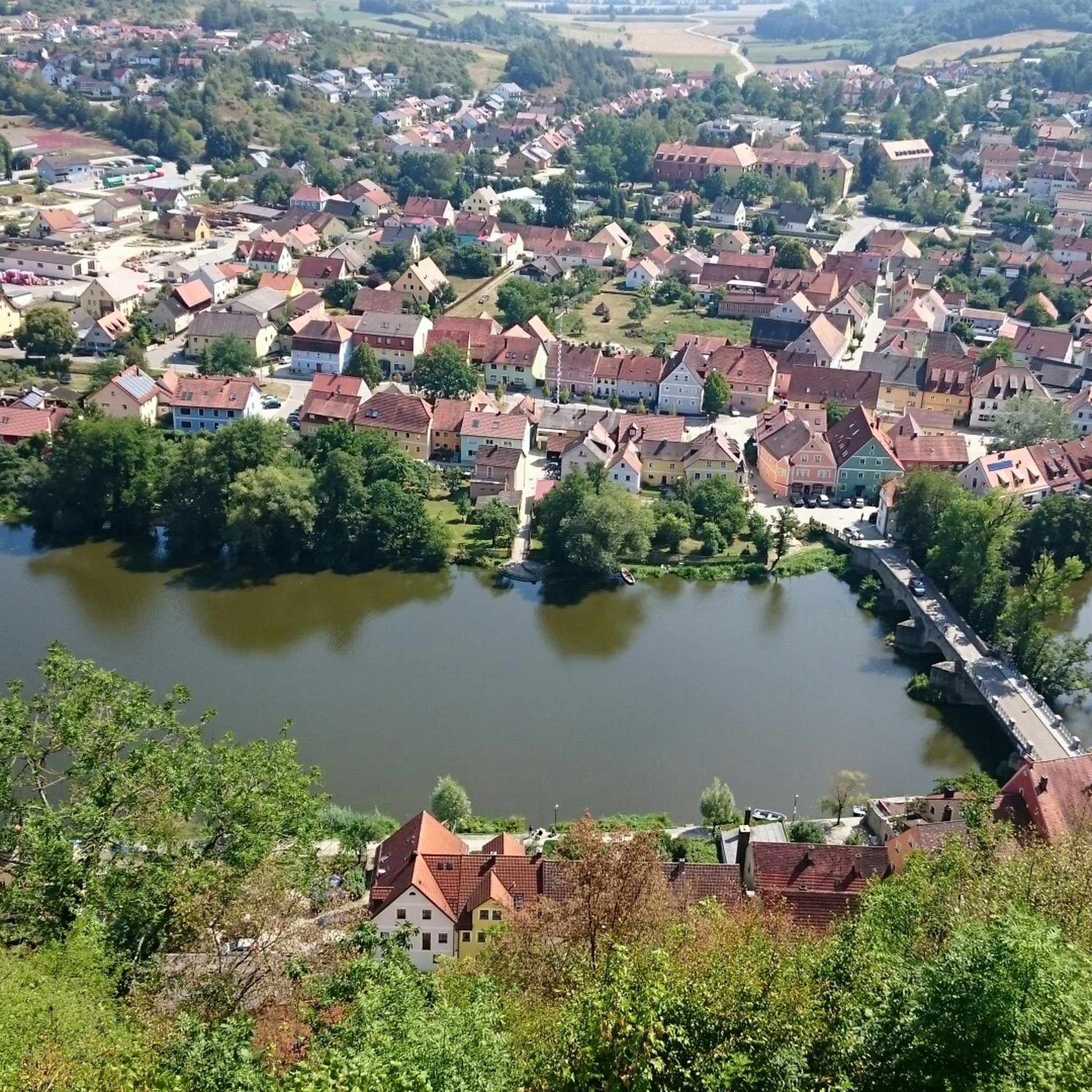
The brewing tradition is also related to the Naab. The numerous inns from the town entrance at the Naab Bridge to the Upper Gate needed space for storage and every winter blocks of ice were sawn out of the frozen Naab and brought to the cellars by cart so that the temperature of the cellar for the bottom-fermented beer did not exceed nine in the summer degrees rose.
1
0
Since autumn 2014, one of the beer cellars has been used as a music and cabaret stage, Keller No 10. The aim is to establish a cabaret stage that will enable cultural workers to stage performances in the areas of music, theater and cabaret in general bring. On the one hand, this creates an attractive performance opportunity and, on the other hand, closes a large cultural gap in the city of Burglengenfeld.
1
0
Frequently Asked Questions
What types of caves can I explore around Burglengenfeld?
The region around Burglengenfeld offers a mix of natural cave formations and historical sites. You can find impressive stalactite caves, karst formations, and numerous prehistoric rock shelters. There are also man-made historical rock cellars and unique cave dwellings.
Are there any significant natural caves in the Upper Palatinate region near Burglengenfeld?
Yes, the Vils Riverside Trail and Rock Formations includes a small cave on the slope with majestic rock formations. Further afield, the Osterhöhle near Neukirchen bei Sulzbach-Rosenberg is a significant stalactite cave known for its formations, cave lake, and sinter basins. The Schulerloch Karst Cave near Kelheim also features rich stalactites and stalagmites, including a unique cup-shaped stalagmite water basin.
Which caves have historical or archaeological significance?
Several sites offer a glimpse into the past. The House without a Roof (Kallmünz) is a documented cave dwelling from 1707. The Stone Age rock shelter at the Steinbergwand is where stone-age tools were discovered. The Dürrloch Cave Entrance has yielded Ice Age animal bones, human remains, and ceramic shards from various prehistoric cultures. The Schulerloch Karst Cave was inhabited by Neanderthals, and the Osterhöhle has pottery shards from the Hallstatt period.
Are there any family-friendly cave experiences?
Yes, the Stone Age rock shelter at the Steinbergwand is considered family-friendly. The Historical Rock Cellars of Schwandorf offer exciting guided tours suitable for families. The Osterhöhle also permits children aged 5 and above on its guided tours.
Can I visit the Historical Rock Cellars of Schwandorf?
Yes, the Historical Rock Cellars of Schwandorf offer guided tours. These cellars, carved into Dogger sandstone, were used for beer production and storage in the 16th century. Over 60 of the more than 130 discovered cellars are accessible for tours, sometimes with acting interludes.
What is the 'House without a Roof' in Kallmünz?
The House without a Roof (Kallmünz) is a unique cave dwelling, documented since 1707. It's a natural cave in dolomite rock with its opening closed by a plastered wall, door, and windows. While it cannot be visited inside, there is an informative board at the entrance explaining its history as a still-used dwelling until 1937.
What should I know about visiting the Dürrloch Cave?
The Dürrloch Cave Entrance is accessed via a narrow, sometimes difficult-to-spot trail. This 120-meter-long cave system is historically significant due to archaeological finds, but it currently serves as a bat roost and is closed to visitors for their protection.
Are there guided tours available for any of the caves?
Yes, guided tours are available for the Osterhöhle from Easter to October, lasting about 30 minutes. The Schulerloch Karst Cave also offers expert-guided tours every half hour, lasting 30 minutes. The Historical Rock Cellars of Schwandorf also provide guided tours.
What outdoor activities can I combine with a visit to the caves around Burglengenfeld?
You can combine cave visits with various outdoor activities. There are numerous hiking opportunities, including easy, moderate, and difficult trails. For example, you can find routes like the 'View from Köblitzplatte' or 'Saltendorf Pond' in the Hiking around Burglengenfeld guide. Gravel biking is also popular, with routes like the 'Lauterachtal Cycle Path' available in the Gravel biking around Burglengenfeld guide.
What is the best time to visit the caves in the region?
For the Osterhöhle, guided tours are available from Easter to October. During the winter months (November to March), it serves as a bat roost and is closed. The Schulerloch Karst Cave is generally open for tours, and in summer, it also hosts concerts. Always check specific opening times for each location before planning your visit.
What are the geological features of the caves in this area?
The caves around Burglengenfeld and the wider Upper Palatinate region are primarily characterized by karst formations, featuring stalactites and stalagmites. The Osterhöhle is known for its well-formed stalactite formations, leaching forms, and 'Kolken' (kettle-like depressions). The Schulerloch Karst Cave boasts a unique 'cup-shaped stalagmite' water basin. Many of these caves are formed in dolomite or Dogger sandstone.
Are there any caves that are unlit or offer a more natural experience?
The Osterhöhle remains largely natural and is unlit, offering a more authentic cave experience during its guided tours. Visitors should be prepared for this natural environment.
Most popular routes around Burglengenfeld
Most popular attractions around Burglengenfeld

Get inspired with the komoot mobile app


Explore more
Extend your search for the best caves by checking out these guides of the top ones around Burglengenfeld:
