Top 5 Caves around Schalkenmehren
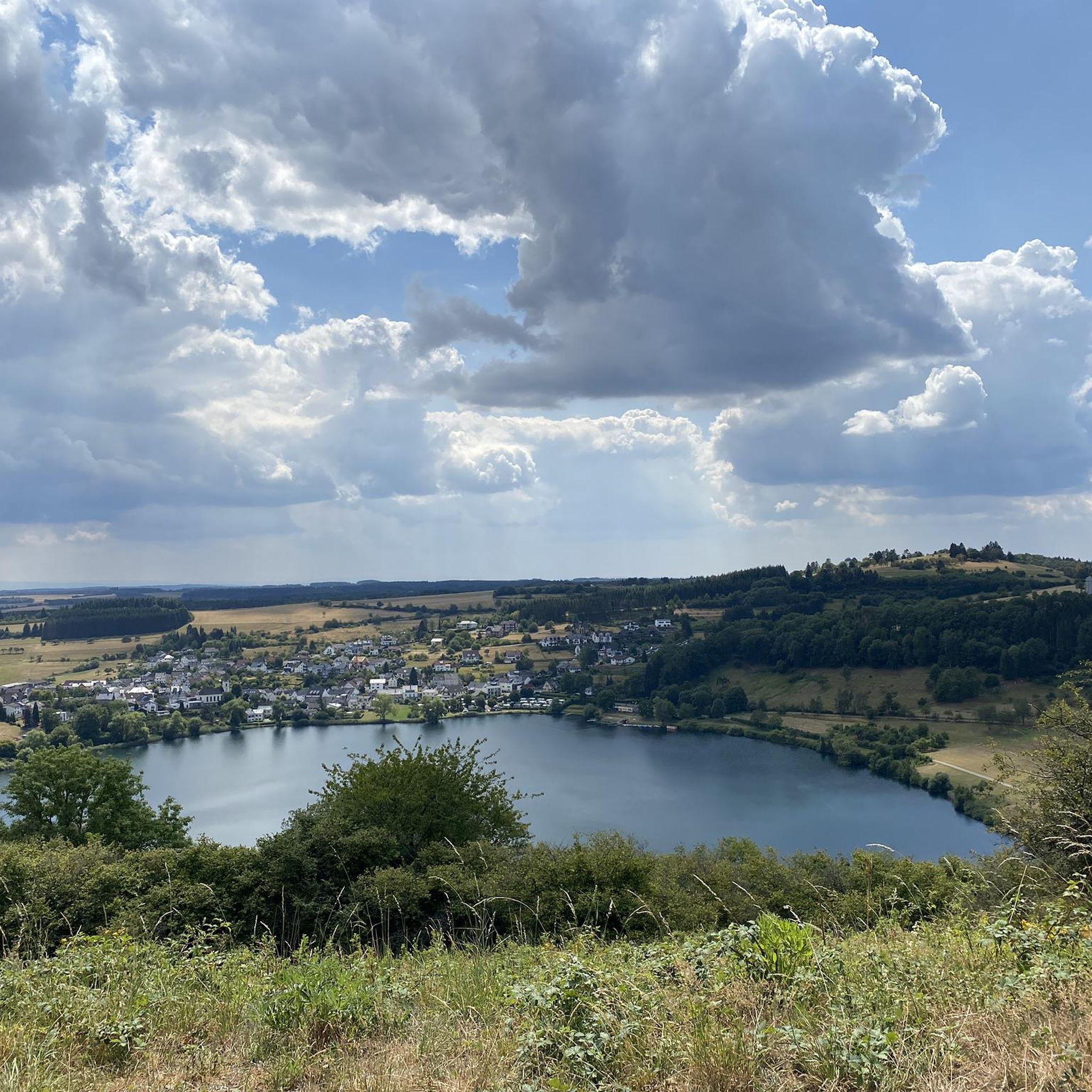
Best caves around Schalkenmehren are found within the Vulkaneifel region, known for its unique geological formations. Schalkenmehren itself features the Schalkenmehrener Maar, a volcanic crater lake formed by explosive volcanic activity. The broader Vulkaneifel region offers millstone caves, created through basalt extraction, and ice caves, characterized by consistently low temperatures and ice formations. These sites provide insights into the region's geological past and industrial history.
Best caves around Schalkenmehren
- The most popular caves is Millstone Cave at Nerother Kopf,…
Last updated: October 12, 2026
Millstone Cave at Nerother Kopf
Highlight • Cave
The millstone cave consists of lava boards and is an artificial cave in the Vulkaneifel, Rhineland-Palatinate. It was created by the production of …
Translated by Google •
Tip by

Caves and natural rock arch on the Ernstberg summit
Highlight • Cave
Translated by Google •
Tip by

Sign up now to discover places like this
Get recommendations on the best single tracks, peaks, & plenty of other exciting outdoor places.
Kobesloch Hut – View over the Lieser Valley
Highlight • Mountain Hut
Translated by Google •
Tip by

Ernstberg Summit and Cave
Highlight • Summit
Translated by Google •
Tip by

Goldglück Former Lead Mine
Highlight • Historical Site
Niederstadtfeld, Niederstadtfeld municipality
description
[...] The mine that was operated in the previous century should not go unmentioned. The field names "Am Bleiofen" and "An der Bleireinigung" …
Translated by Google •
Tip by

Sign up for free to discover even more caves around Schalkenmehren.
Already have an account?
Start today with a free account
Your next adventure awaits.
Popular around Schalkenmehren
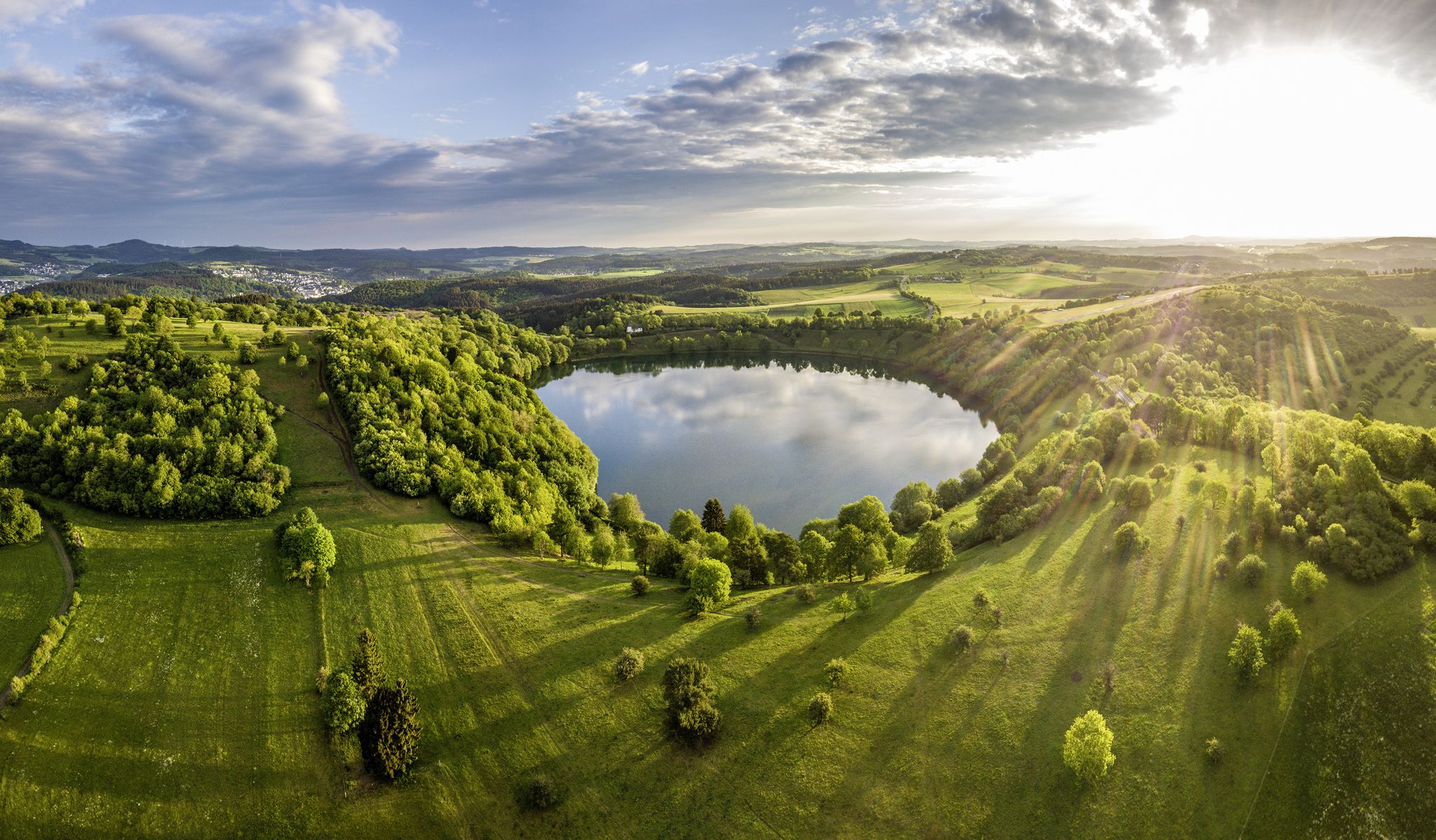
Germany’s Most Beautiful Hiking Trails in the Vulkaneifel
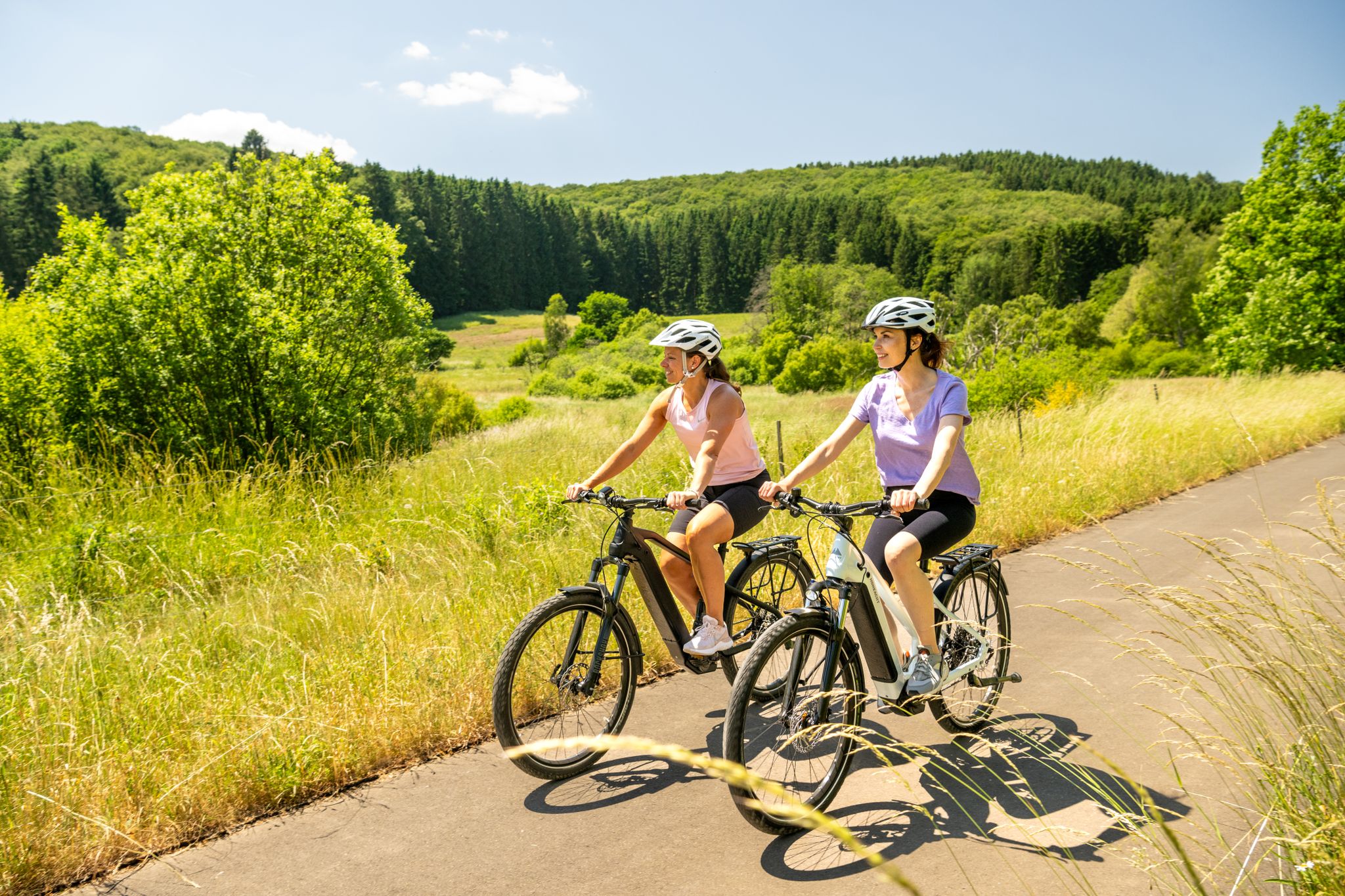
E-biking through the Volcanic Eifel
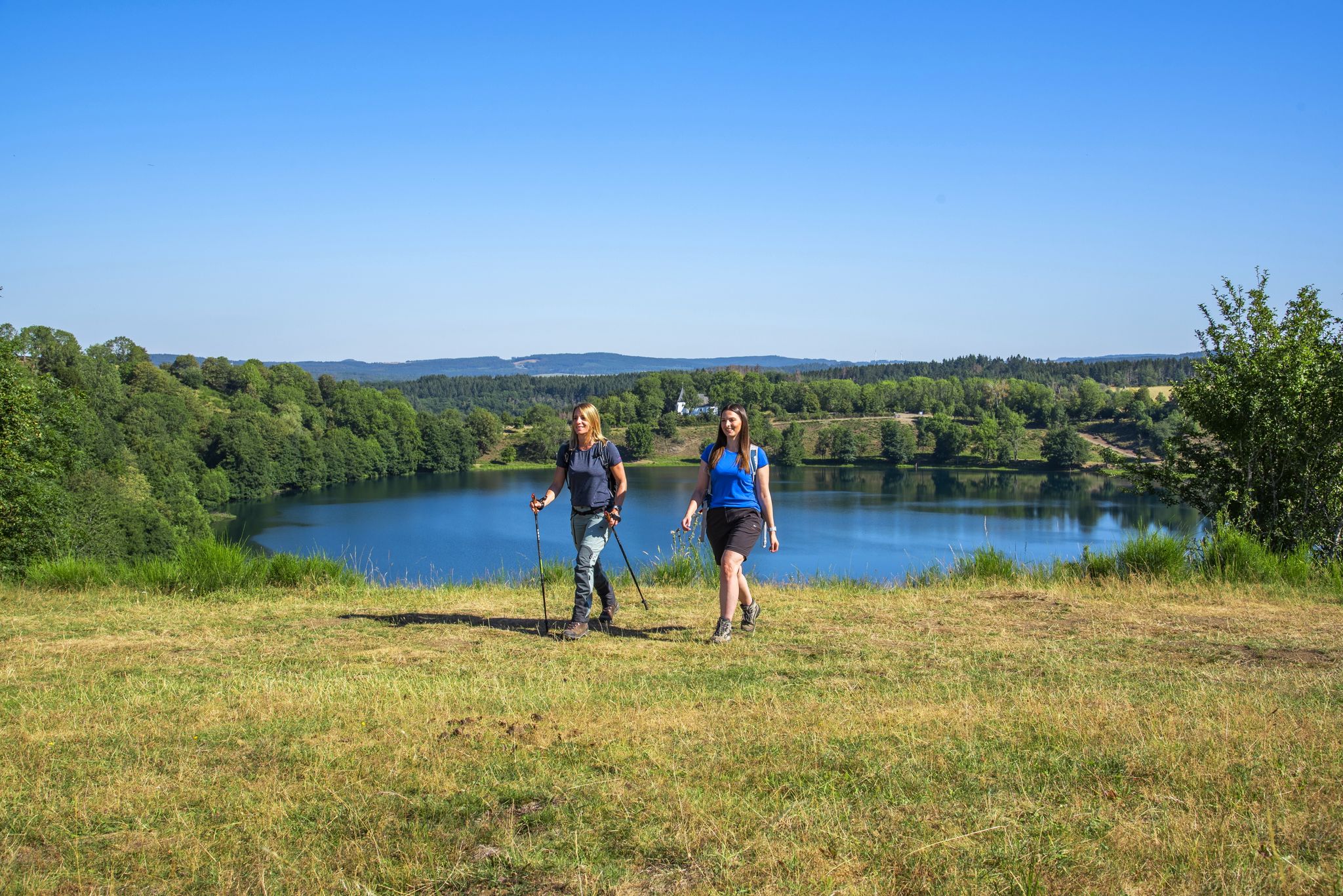
Excellent paths in the Vulkaneifel – Explore the HeimatSpuren
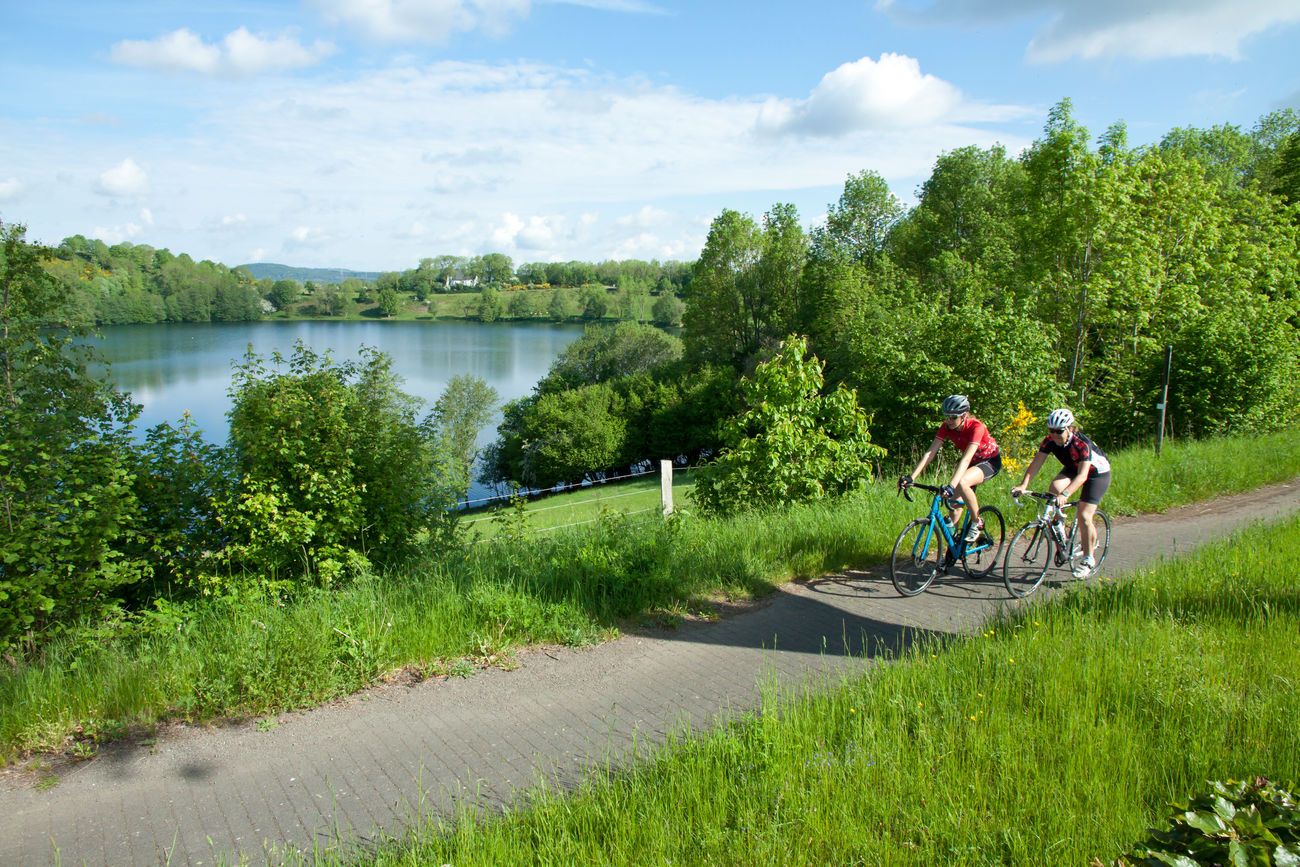
Discover Germany with the Tour in a motorhome and racing bike
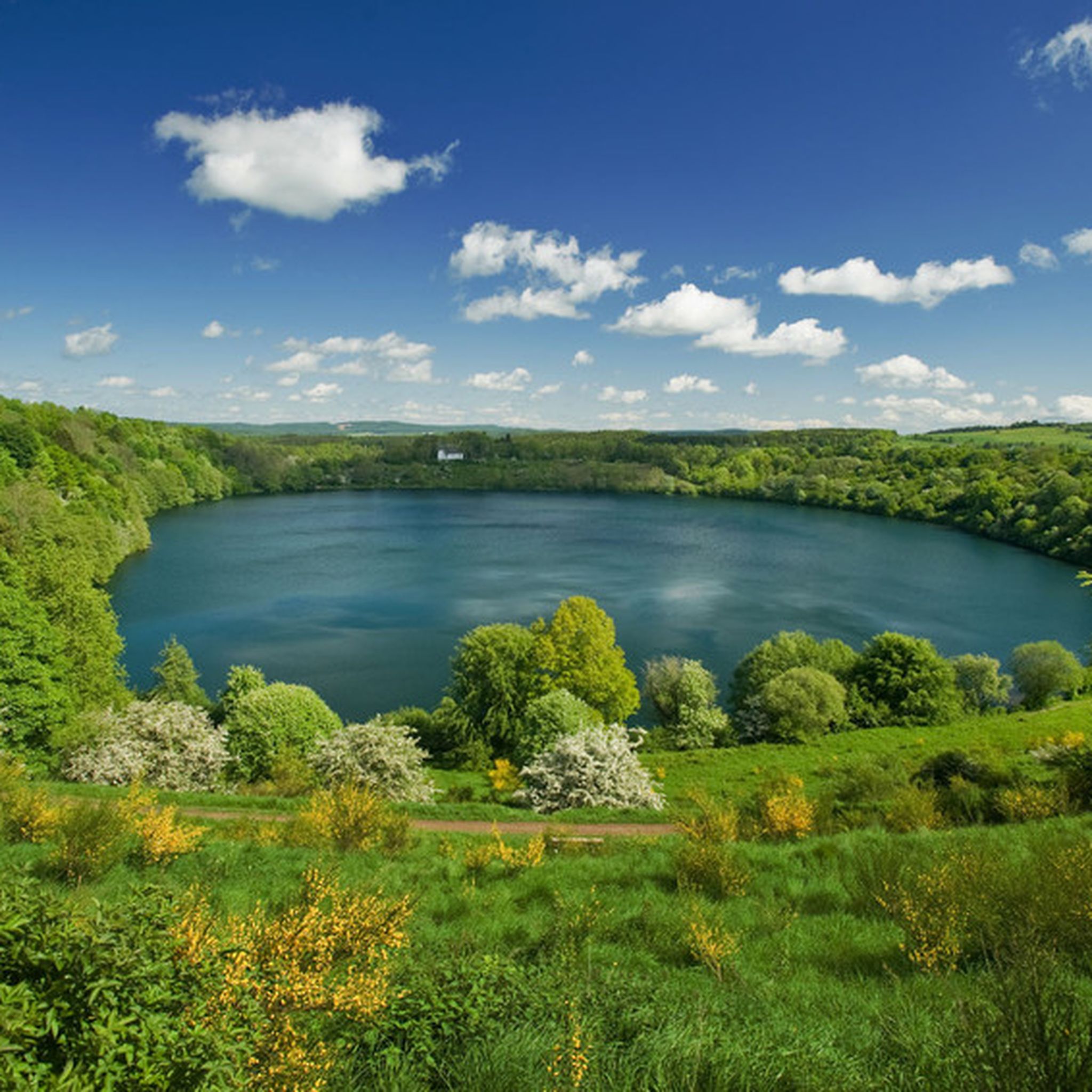
Volcanoes, water, forest – the partner trails of the Eifelsteig
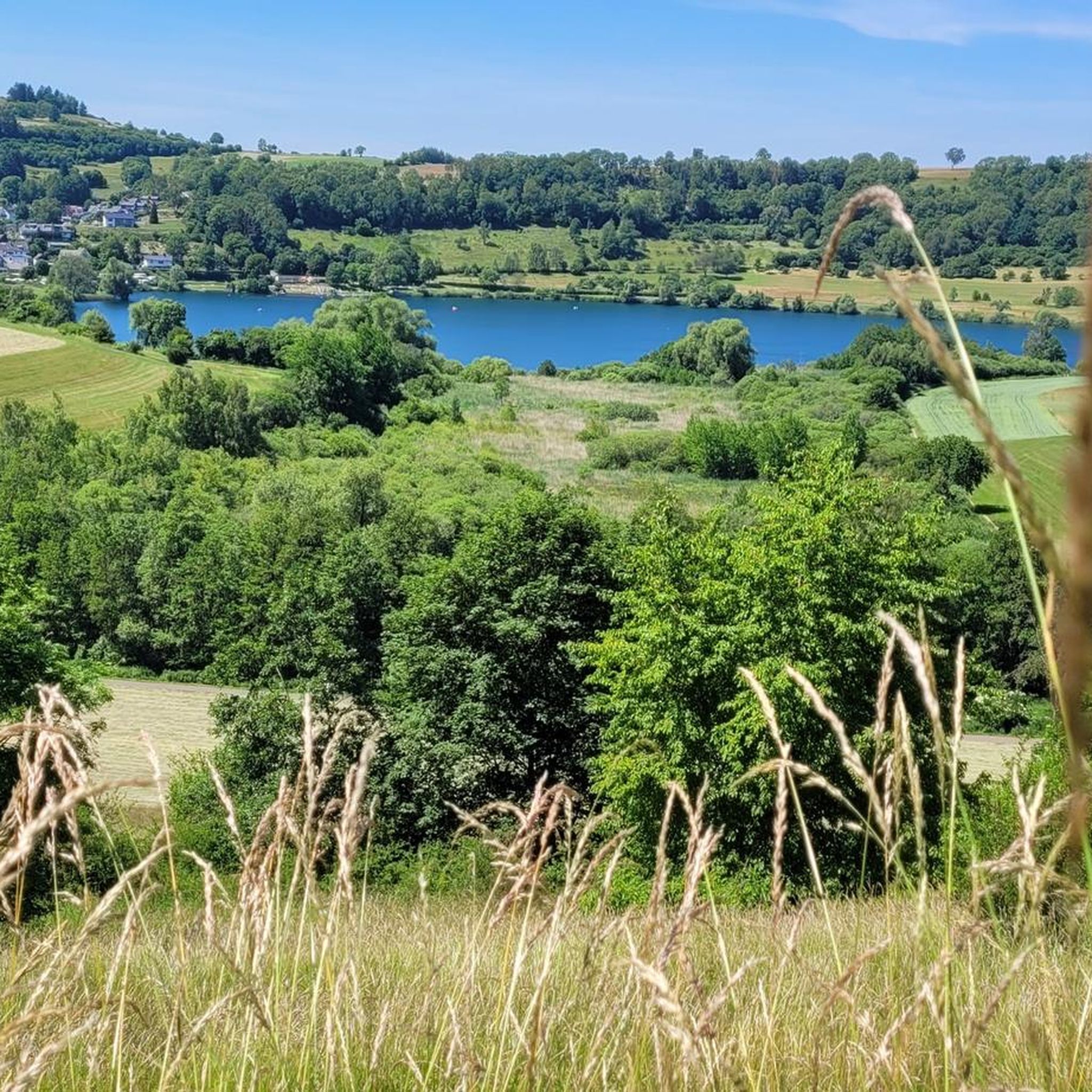
4 days of pure geological history — a tour through the Volcanic Eifel
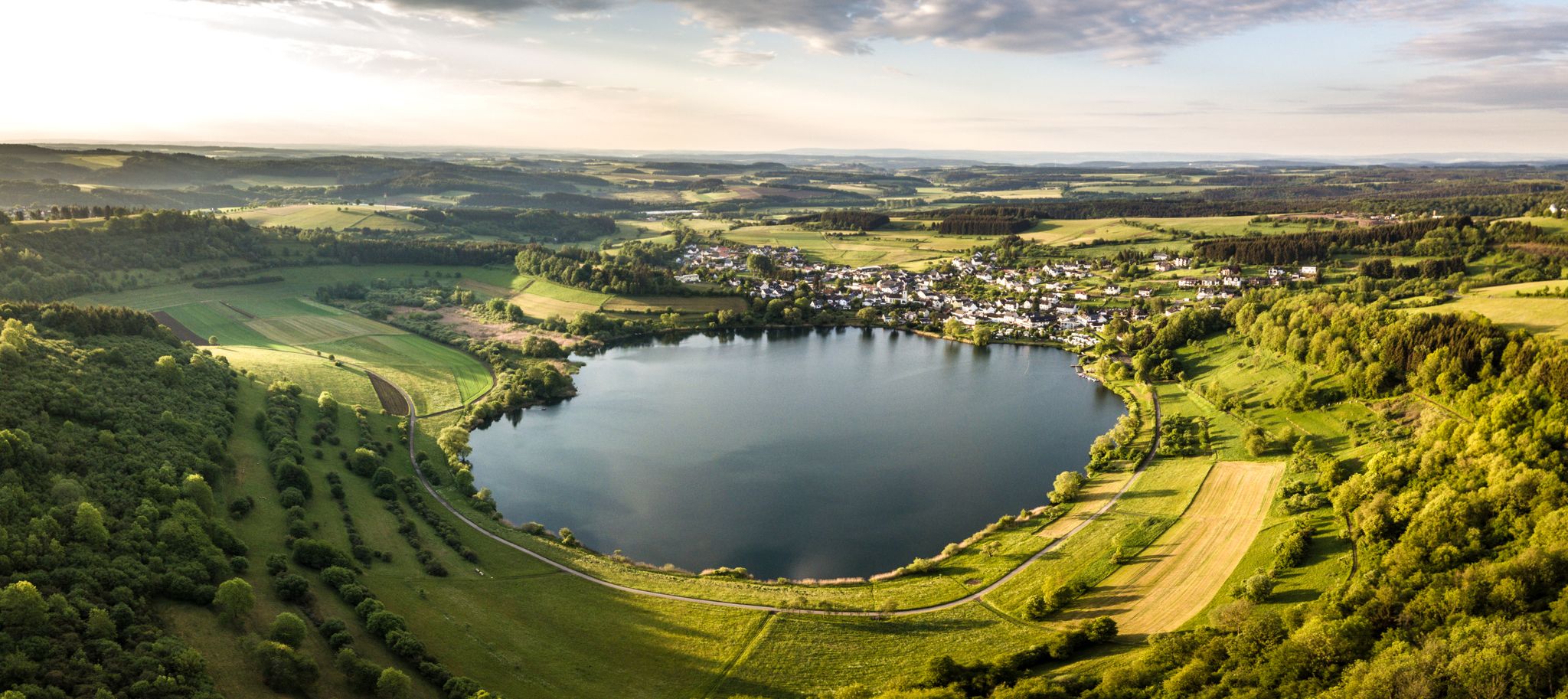
Hiking around Schalkenmehren
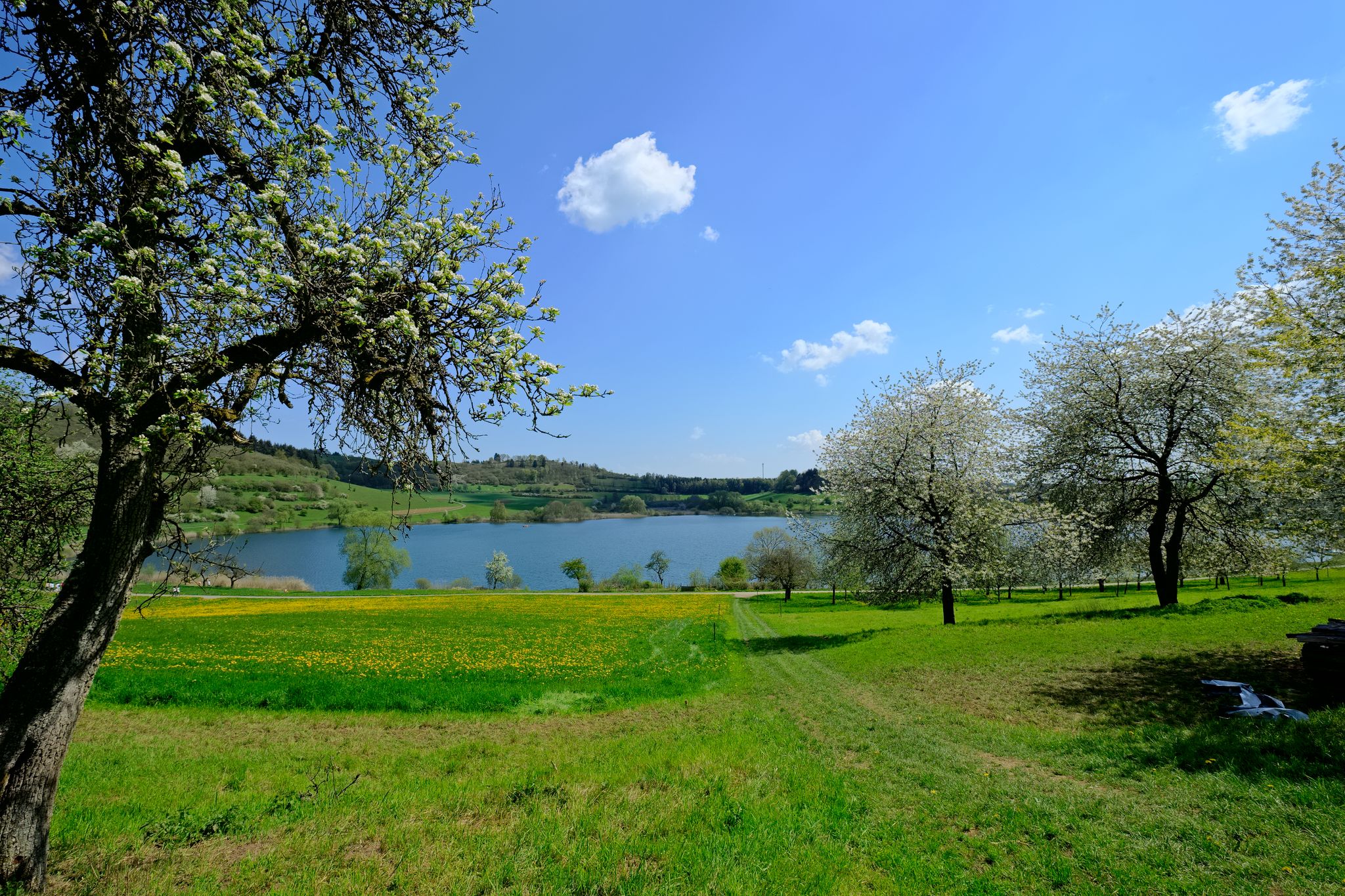
Cycling around Schalkenmehren
MTB Trails around Schalkenmehren
Running Trails around Schalkenmehren
Other adventures around Schalkenmehren


Tips from the Community

At these heights, millstones were once quarried from the basalt rock.
4
0

This cave is located at the top of the Ernstberg
3
0

If you want to enjoy a very personal view, you can take a small, secured steep path to the left of the hut to the actual Kobesloch. The path is not long, but you should be sure-footed and not afraid of heights. A must for climbing enthusiasts.
3
0

Here you will find a natural bridge and small caves on the Ernstberg.
4
0

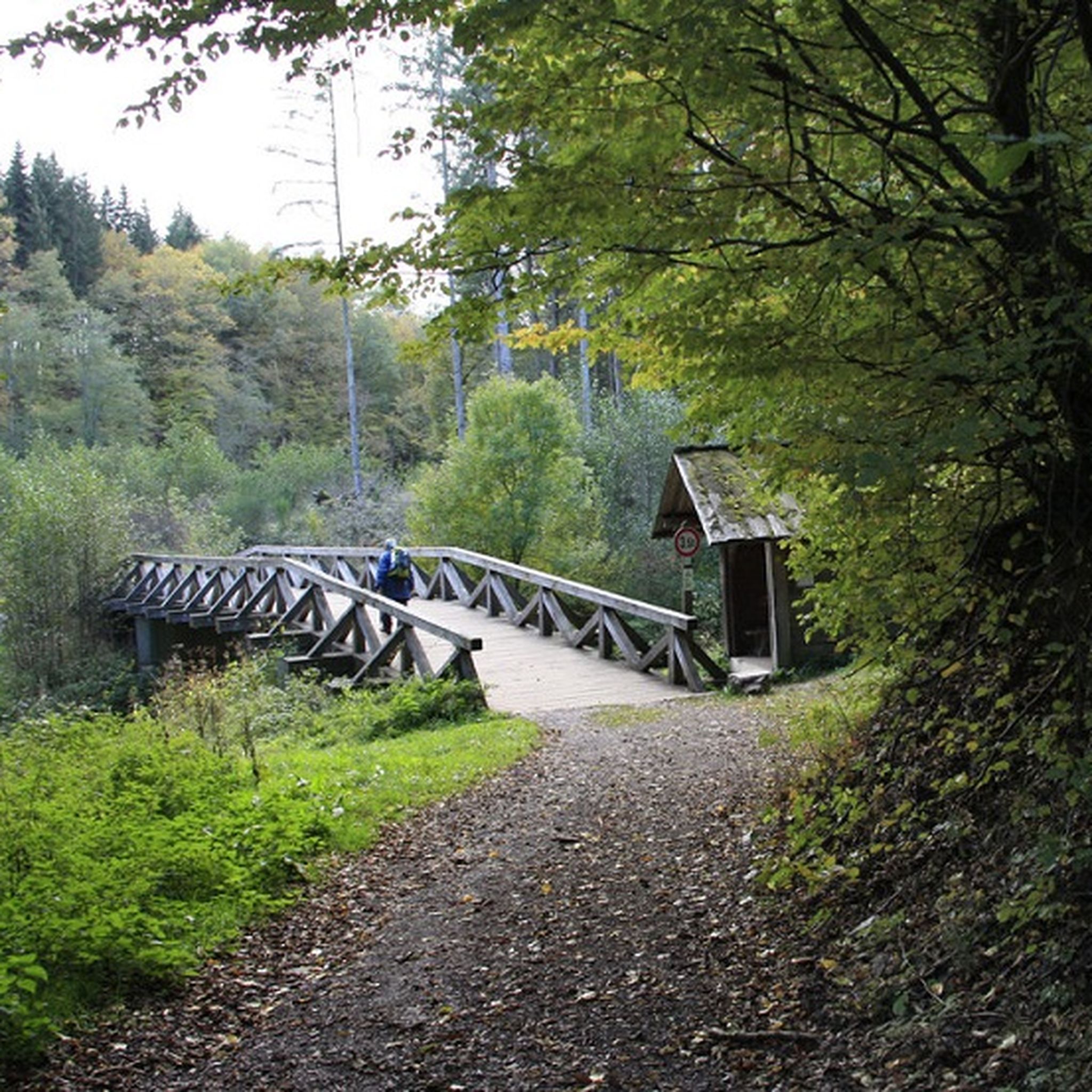
The Kobesloch and the associated hut give us the last kick: A steep, steel cable-secured path leads to the Kobesloch - space for two - that's all the path and the hole offers. This change is just great.
5
0

Beautiful and wide panoramic view
5
0

I really liked the story of the cave under the Kobeslochhütte. I haven't looked at the cave, but I find it very exciting.
2
0

Past the hut on the left is a narrow path to the Kobesloch. You should be free from giddiness and sure-footed. Steel cables secure the way. Was a nice short detour.
5
0
Frequently Asked Questions
What types of caves can I explore around Schalkenmehren?
The Vulkaneifel region, where Schalkenmehren is located, is known for two primary types of caves: millstone caves and ice caves. Millstone caves are artificial, created over centuries through the extraction of basalt for millstones, offering insights into industrial history and geology. Ice caves are distinguished by consistently low temperatures, often leading to year-round ice formations, and sometimes serve as important bat habitats.
Are there any family-friendly caves or cave-like attractions in the area?
Yes, the Kobesloch Hut – View over the Lieser Valley is considered family-friendly and offers a great view of the Liesertal, ideal for a break. The Gillenfeld Mariengrotte, a grotto built from lava, is also listed as family-friendly.
What are some historical caves or sites related to mining near Schalkenmehren?
The Millstone Cave at Nerother Kopf is a significant historical site, created by the production of millstones from a volcanic rock wall. It's 18 meters deep and its vault up to 10 meters high. Similarly, the Caves and natural rock arch on the Ernstberg summit also feature locations where millstones were quarried. For a different historical perspective, the Goldglück Former Lead Mine, possibly of Roman origin, was used for extracting silver, lead, and copper, and its tunnels served as bunkers during wartime.
What are the geological features of the caves in the Vulkaneifel region?
The caves in the Vulkaneifel region primarily showcase basalt formations, a result of the area's volcanic past. Millstone caves, like the one at Nerother Kopf, are carved into these lava panels. Ice caves, such as the Birresborn Ice Caves, are notable for their consistently low temperatures (typically -1°C to +4°C), which allow ice formations to persist year-round.
What should I wear or bring when exploring caves near Schalkenmehren?
For exploring millstone caves, a flashlight is recommended as they are often unlit. For ice caves, sturdy shoes, a flashlight, and sometimes a helmet are advisable due to the unique conditions and potential for ice. Given the consistently low temperatures in ice caves, even in summer, warm clothing is also recommended.
Are there hiking trails near these caves?
Yes, the Vulkaneifel region offers numerous hiking opportunities. For example, the hiking guide for Schalkenmehren includes routes like the 'HeimatSpur MaareGlück – GesundLand Vulkaneifel' and the 'Volcano Trail', which can lead you to or near some of these geological features. The Millstone Cave at Nerother Kopf is accessible via a hiking trail.
What is the best time of year to visit the caves around Schalkenmehren?
Millstone caves can generally be visited year-round. For ice caves, while the ice persists well into the summer, some may have seasonal closures during winter months to protect hibernating bats. It's advisable to check local information for specific ice caves before planning a visit, especially between October and April.
Do I need permits for caving near Schalkenmehren?
Generally, for publicly accessible millstone and ice caves, permits are not required for casual exploration. However, some ice caves may offer guided tours, and certain areas might have restricted access, especially during bat hibernation periods. Always respect signage and local regulations.
What do visitors enjoy most about the caves and natural features in the Vulkaneifel region?
Visitors appreciate the unique blend of natural geology and historical significance. The impressive basalt formations and the adventurous exploration opportunities in millstone caves, like the Millstone Cave at Nerother Kopf, are highly rated. The unique natural phenomenon of year-round ice in ice caves also draws significant interest. Many also enjoy the scenic viewpoints, such as from the Kobesloch Hut, which offers a great view of the Liesertal.
Are there cycling routes near the caves around Schalkenmehren?
Yes, the region offers various cycling opportunities. You can find routes in the cycling guide for Schalkenmehren, including options like 'View of the Schalkenmehrener Maar – Dronketurm Tower Viewpoint loop from Schalkenmehren'. For off-road adventures, the gravel biking guide also features routes that traverse the diverse landscapes of the Vulkaneifel.
How long does it typically take to explore these caves?
Exploration times vary depending on the cave. For larger millstone caves like the one at Nerother Kopf, you might spend 30 minutes to an hour exploring its depths. Smaller caves or rock shelters, such as those on the Ernstberg summit, might only take a few minutes to explore their accessible sections. Guided tours for some ice caves can last longer, providing detailed insights into their history and environment.
Most popular routes around Schalkenmehren
Most popular attractions around Schalkenmehren

Get inspired with the komoot mobile app


Explore more
Extend your search for the best caves by checking out these guides of the top ones around Schalkenmehren:
