Top 7 Castles around Brissago
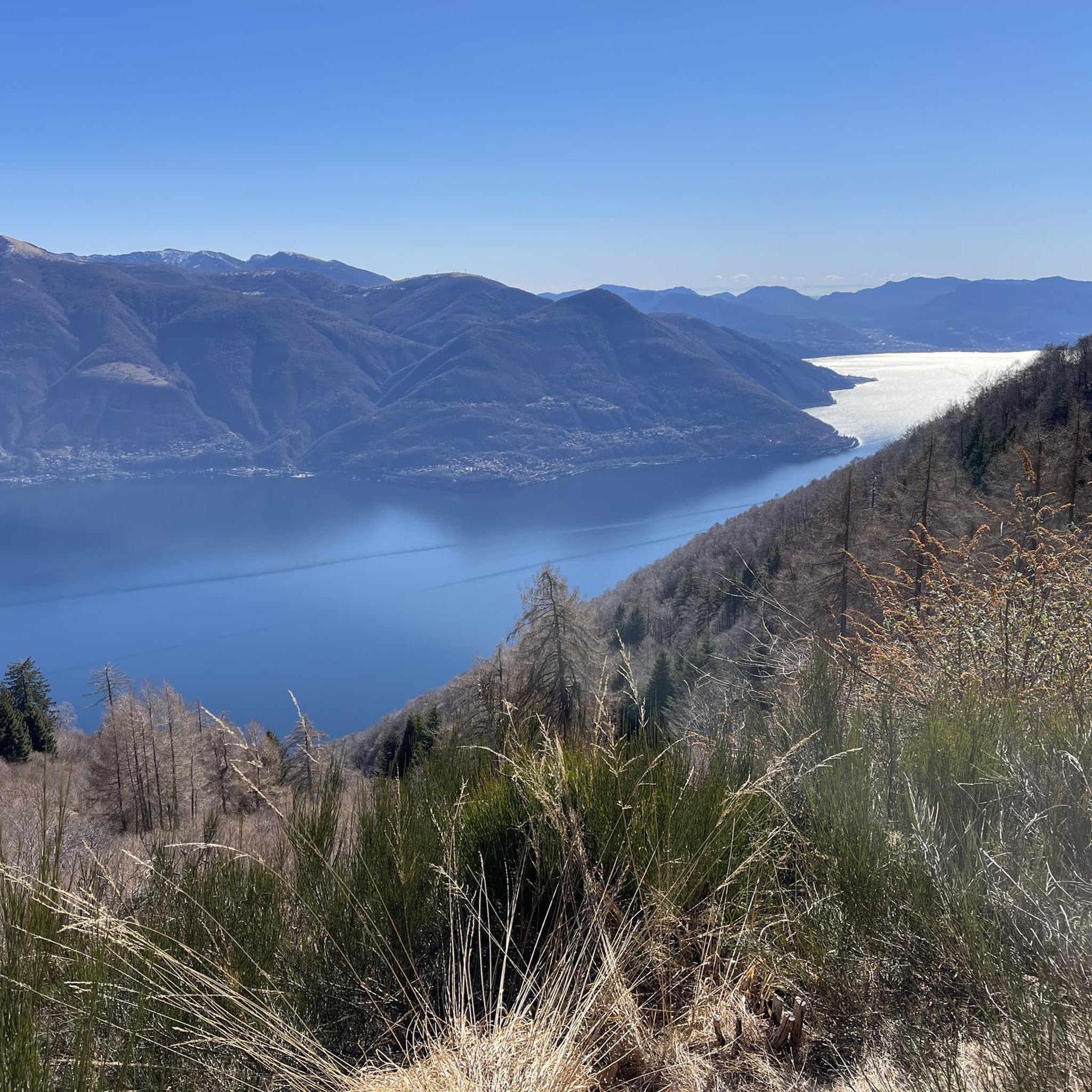
Best castles around Brissago are situated on the Swiss side of Lago Maggiore, an area rich in architectural heritage. The region features historical palaces, villas, and remnants of ancient fortifications. These structures offer insights into Brissago's strategic past and diverse architectural styles. The landscape provides a backdrop for exploring these historical sites.
Best castles around Brissago
- The most popular castles is View of the Castles of Cannero, a viewpoint that offers a perspective on the historical island fortresses. These…
Last updated: August 19, 2026
Iron House
Highlight • Historical Site
Translated by Google •
Tip by

Visconti Castle
Highlight • Castle
Translated by Google •
Tip by

Sign up now to discover places like this
Get recommendations on the best single tracks, peaks, & plenty of other exciting outdoor places.
Sign up for free
San Materno Castle Museum
Highlight • Castle
Translated by Google •
Tip by
Fortezza di Pro
Highlight • Historical Site
Translated by Google •
Tip by

Start today with a free account
Your next adventure awaits.
Login or Signup

Tips from the Community

The historic fortress was built in 1558 by Peter von Pro of Uri as a barracks for his mercenaries and as a warehouse. The building was added to the inventory of cultural assets of the Canton of Ticino in 1997.
0
0

The castle houses two museums and is very close to the city centre. From there it is just a few minutes' walk to Piazza Grande
0
0

Medieval structure in good condition and well integrated into the urban context
0
0

Built in 1560 according to the wishes of the Uri mercenary leader Peter A Pro, as a military base for the recruitment of mercenaries. The complex includes one massive square-plan building with a projecting top part, with walkway and machicolations. Adjacent is a rectangular two-floor building, with iron gratings on the ground floor windows. Inside are corridors and hiding places. It’s also known as “La Vignaccia”. Close to Minusio are also the ruins of the “Fraccia”, a wall with towers built during the Fourteenth Century. Unfortunately, it's not open to the public.
0
0

The historic San Materno Castle revives, after careful restoration, as a modern space for exhibitions of the municipality of Ascona in all its splendor. Thanks to a happy agreement between the community and the Kulturstiftung Kurt and Barbara Alten, the castle houses a permanent collection of more than forty works by German artists, the most important from the end of the nineteenth century until after the First World War.
1
0
Of ancient origin, it was conquered in 1342 by the Milanese Visconti family and subsequently expanded. In 1532, after the victory of the Confederates over the Milanese, it was largely demolished and of the five towers only one remained. The castle currently houses the Archaeological Museum, which houses a considerable collection of Roman glasses from archaeological excavations in the region, including the famous "Bird's Chalice".
3
0

Built as a recruiting ground for Swiss mercenaries in the 16th century, this fort is now privately owned and one of the most interesting monuments in the area.
2
0
Frequently Asked Questions
What kind of historical structures can I expect to see in Brissago?
Brissago offers a rich architectural heritage beyond traditional medieval castles. You can explore historical palaces, villas, and remnants of ancient fortifications. These structures provide insights into the town's strategic past and the opulent lifestyles of its former inhabitants, showcasing diverse architectural styles from medieval to Belle Époque.
Are there any ancient fortifications or defensive structures in Brissago?
Yes, remnants of medieval walls and towers can still be found throughout Brissago. These structures serve as a reminder of the town's historical importance as a fortified settlement, even if they are not always traditional castles.
Where can I get a good view of the Castles of Cannero?
You can get a beautiful perspective on the historical island fortresses from the View of the Castles of Cannero highlight. These castles were once home to robber barons and are currently undergoing restoration to become a museum.
What is the history behind the <a href="https://www.komoot.com/highlight/617313" target="_blank" rel="noopener">Visconti Castle</a>?
The Visconti Castle is a medieval structure of ancient origin. It was conquered and expanded by the Milanese Visconti family in 1342. After the Confederates' victory over the Milanese in 1532, much of it was demolished, with only one of its five towers remaining. Today, it houses an Archaeological Museum with Roman artifacts.
What is the significance of the <a href="https://www.komoot.com/highlight/167398" target="_blank" rel="noopener">Iron House</a>?
The Iron House, also known as 'La Vignaccia', was built in 1560 as a recruiting ground for Swiss mercenaries by the Uri mercenary leader Peter A Pro. This fort is a significant monument in the area, featuring a massive square-plan building with machicolations and iron gratings. It is privately owned and not open to the public.
Is there a museum dedicated to Ruggero Leoncavallo in Brissago?
Yes, the Palazzo Branca-Baccalà, an impressive Baroque palace, now functions as an important cultural center and houses the Ruggero Leoncavallo Museum. It is dedicated to the famous Italian composer who spent his later years in Brissago.
What is the <a href="https://www.komoot.com/highlight/826283" target="_blank" rel="noopener">San Materno Castle Museum</a> known for?
The historic San Materno Castle Museum in Ascona, after careful restoration, serves as a modern exhibition space. It houses a permanent collection of over forty works by German artists, primarily from the late 19th century until after the First World War.
Are there any notable villas with botanical gardens in the Brissago area?
Yes, Villa Emden, found on the Brissago Islands, is an elegant early 20th-century villa reflecting the Art Nouveau style. It serves as a cultural center and museum, and the Brissago Islands themselves are famous for their botanical garden, which was developed around the villa.
Are there family-friendly historical sites around Brissago?
Many of the historical sites, including the Visconti Castle and the View of the Castles of Cannero, are considered family-friendly. Exploring the old town of Brissago with its palaces and ancient walls can also be an engaging activity for families.
What is the best time of year to visit the historical sites around Brissago?
The region around Brissago, with its mild climate, is pleasant to visit for historical sites throughout much of the year. Spring and autumn offer comfortable temperatures for exploring. Summer is also popular, especially for combining visits with lake activities, though it can be warmer.
Are there hotels or accommodations in historical castle-like buildings?
Yes, the Hotel Castello Seeschloss is located in a castle built in the first half of the 13th century. Originally the residence of the Milanese noble family de'Ghiriglioni, the eastern part of the castle remains and now operates as a hotel, offering guests the unique experience of staying in a historical setting.
What outdoor activities can I do near the historical sites in Brissago?
The Brissago area offers various outdoor activities. You can find numerous routes for gravel biking, running, and cycling that allow you to explore the stunning landscape around Lake Maggiore and discover historical points of interest.
Are there cycling routes that pass by historical sites in the Brissago area?
Yes, there are several cycling routes around Brissago. For example, the 'Bridge over the Cannobino Stream – Cannobio Lakeside Promenade loop from Brissago' is a challenging route that can take you through scenic areas where you might encounter historical elements. You can find more cycling options in the Cycling around Brissago guide.
Most popular routes around Brissago
Most popular attractions around Brissago

Get inspired with the komoot mobile app


Explore more
Looking for the best castles somewhere else? Discover other guides around Brissago:
