Top 5 Castles around Maloja
Best castles around Maloja are primarily historical fortifications and significant towers, rather than numerous classic medieval castles. Situated at the gateway to the Upper Engadin, the region offers fascinating historical structures. These sites provide insights into the area's past and serve as scenic points of interest. The historical context of Maloja is closely tied to the broader Engadin and Bergell valleys, which feature various defensive structures.
Best castles around Maloja
- The most popular castles is Torre Belvedere, a man-made…
Last updated: April 27, 2026
Crap da Sass Castle
Highlight • Castle
Translated by Google •
Tip by

Spaniola Tower
Highlight • Historical Site
The name Spaniola (in Roman spagniöl = Spanish) seems to be of more recent origin. The edge is directed towards the mountain to protect against avalanches …
Translated by Google •
Tip by

Sign up now to discover places like this
Get recommendations on the best single tracks, peaks, & plenty of other exciting outdoor places.
Sign up for free
Badrutt’s Palace Hotel
Highlight • Monument
In the mid-1880s, Caspar Badrutt purchased the Hotel Beau Rivage in St. Moritz, built in 1872. Over a four-year renovation, he transformed the small inn …
Translated by Google •
Tip by
Torre Belvedere
Highlight • Monument
Translated by Google •
Tip by

Guardaval Castle
Highlight • Castle
Translated by Google •
Tip by

Nossa Dona Church and Castelmur Tower
Highlight • Historical Site
Translated by Google •
Tip by

View of Crap-da Sass Castle
Highlight • Viewpoint
Translated by Google •
Tip by

Start today with a free account
Your next adventure awaits.
Login or Signup
Popular around Maloja
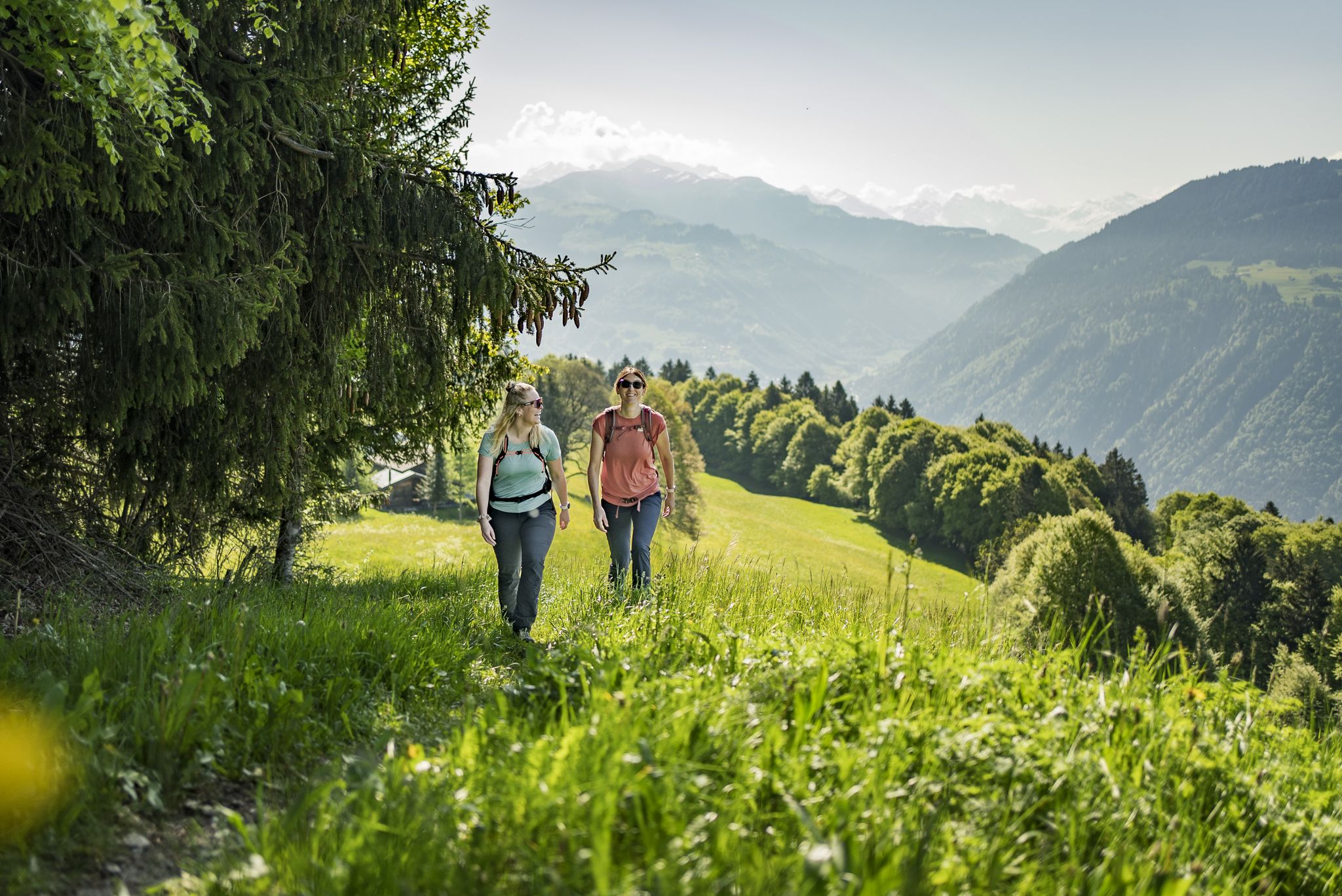
Step into the hiking season – spring routes in Graubünden
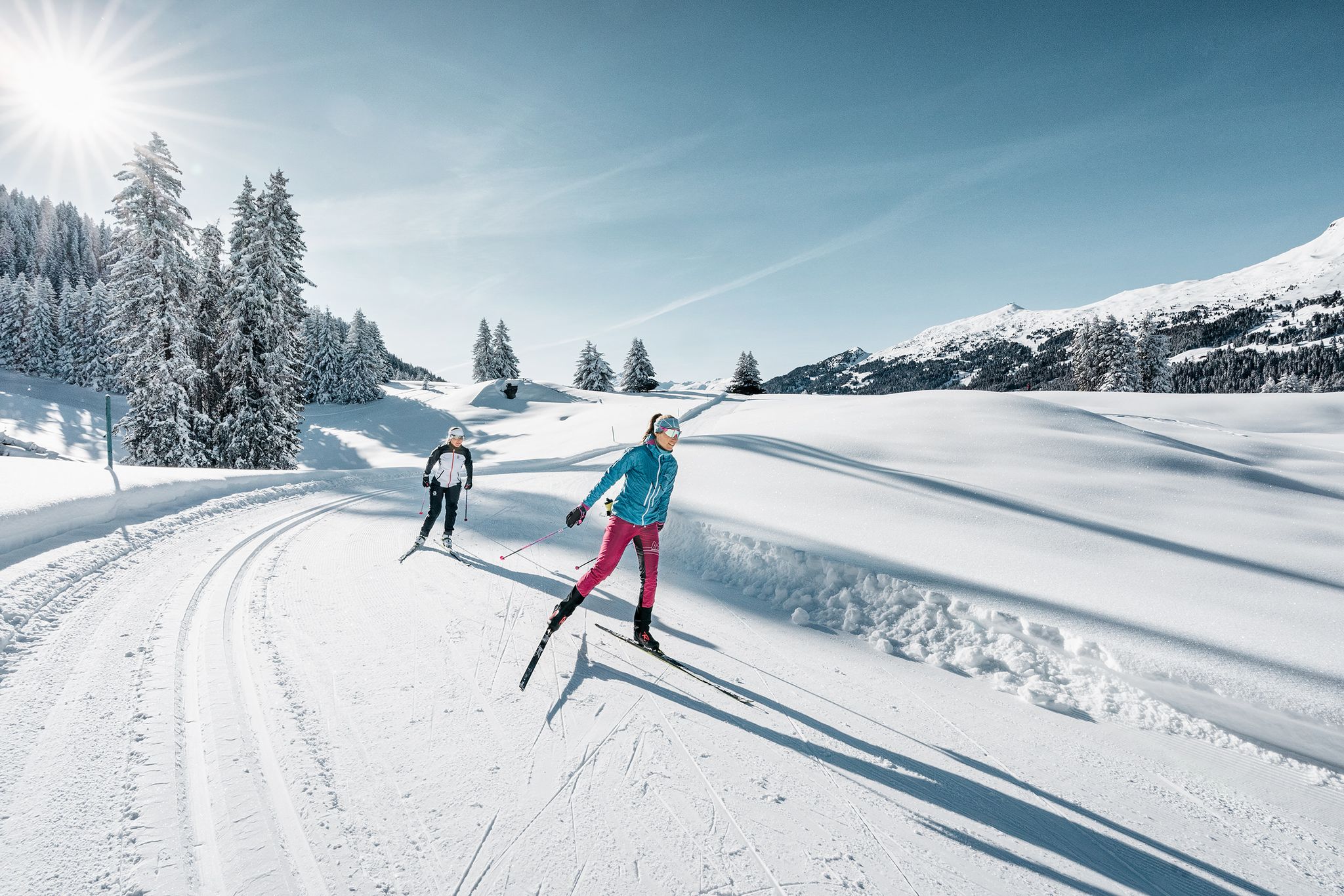
Cross-country skiing fever in the Graubünden region
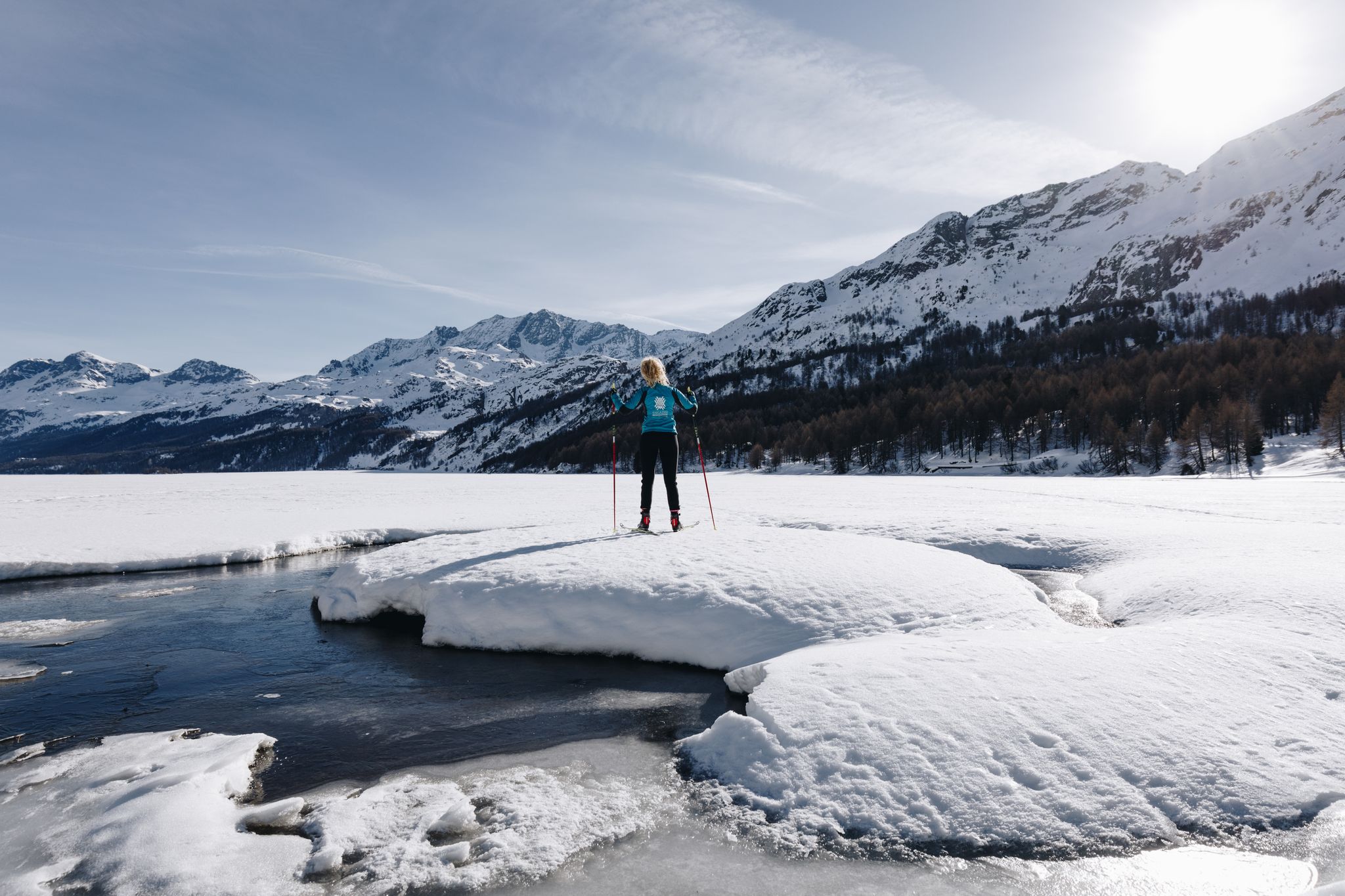
Simply paradisiacal – cross-country skiing in Bregaglia
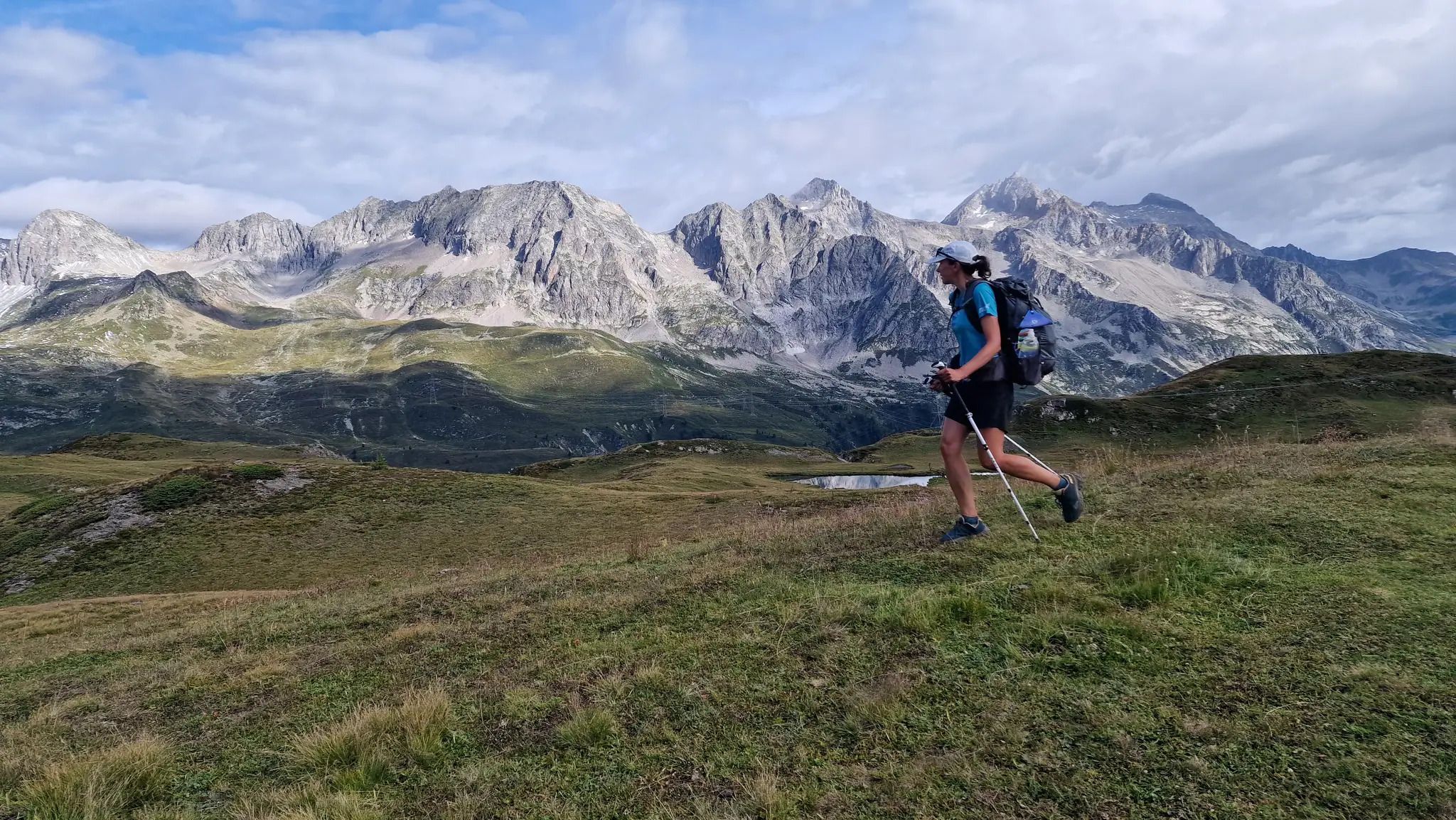
Alpine Passes Trail – hiking 700km across Switzerland
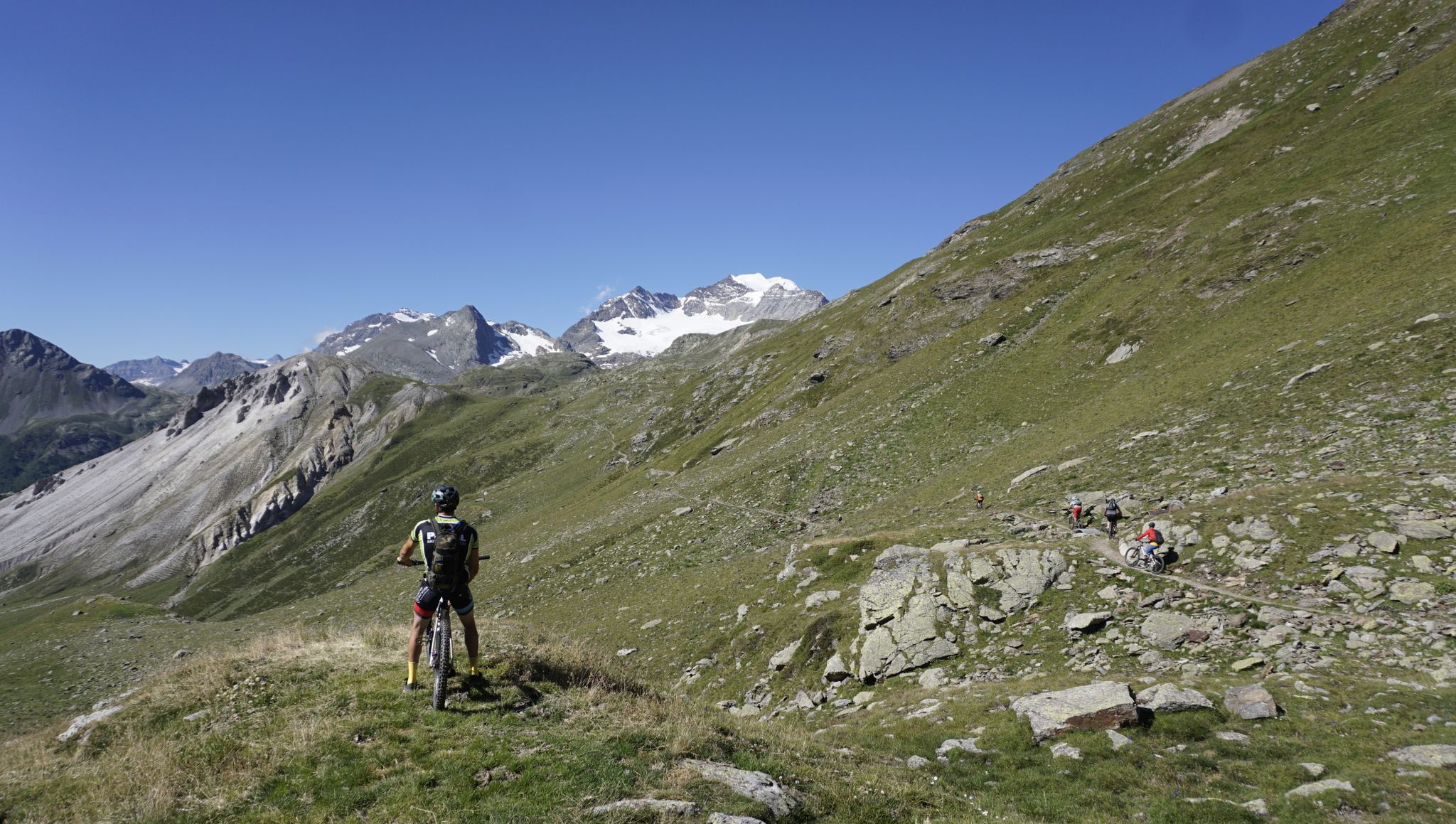
MTB Transalp Lake Como – From the Zugspitze to Lake Como
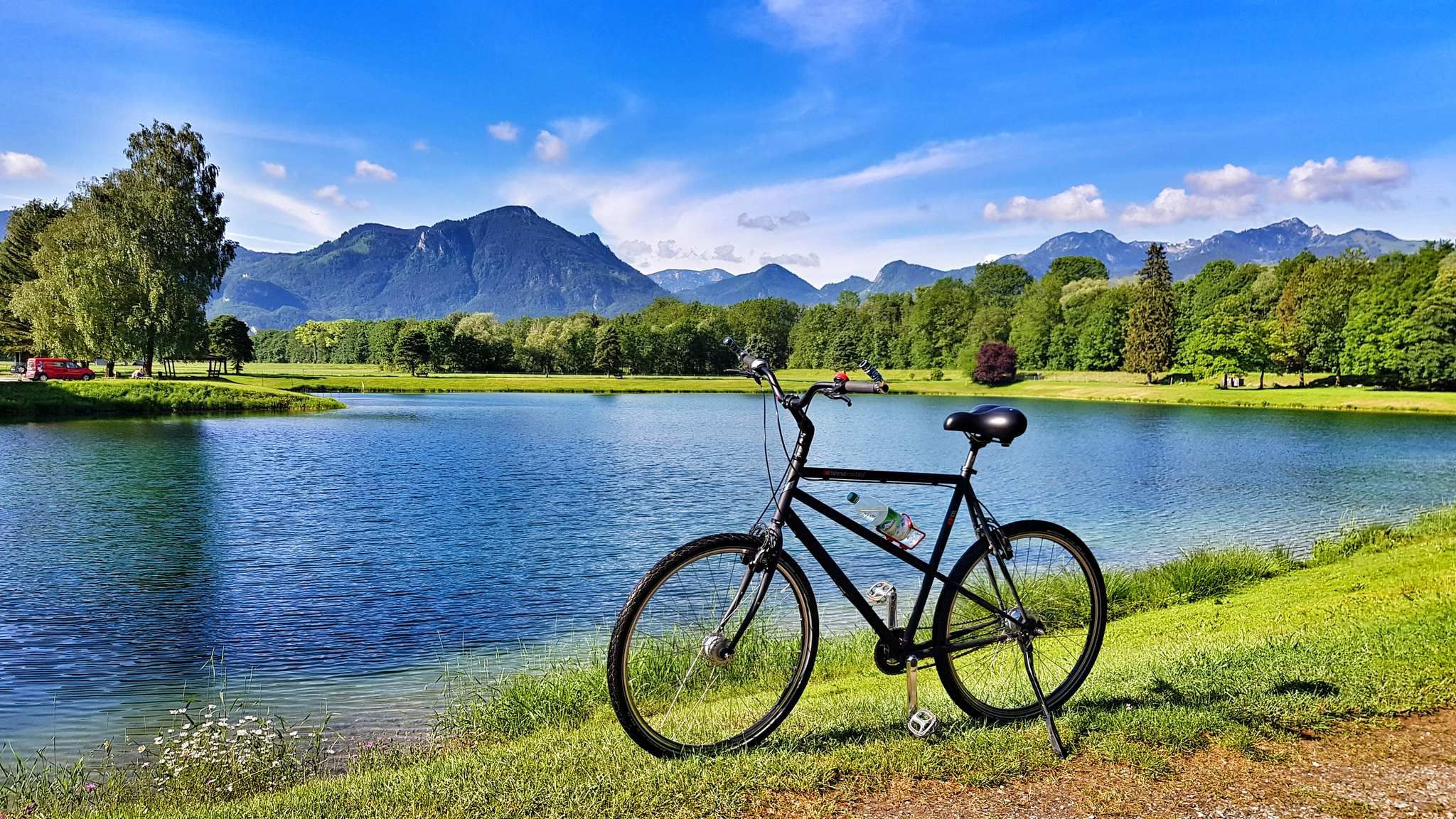
The Inn Cycle Path – From a babbling brook to a mighty river
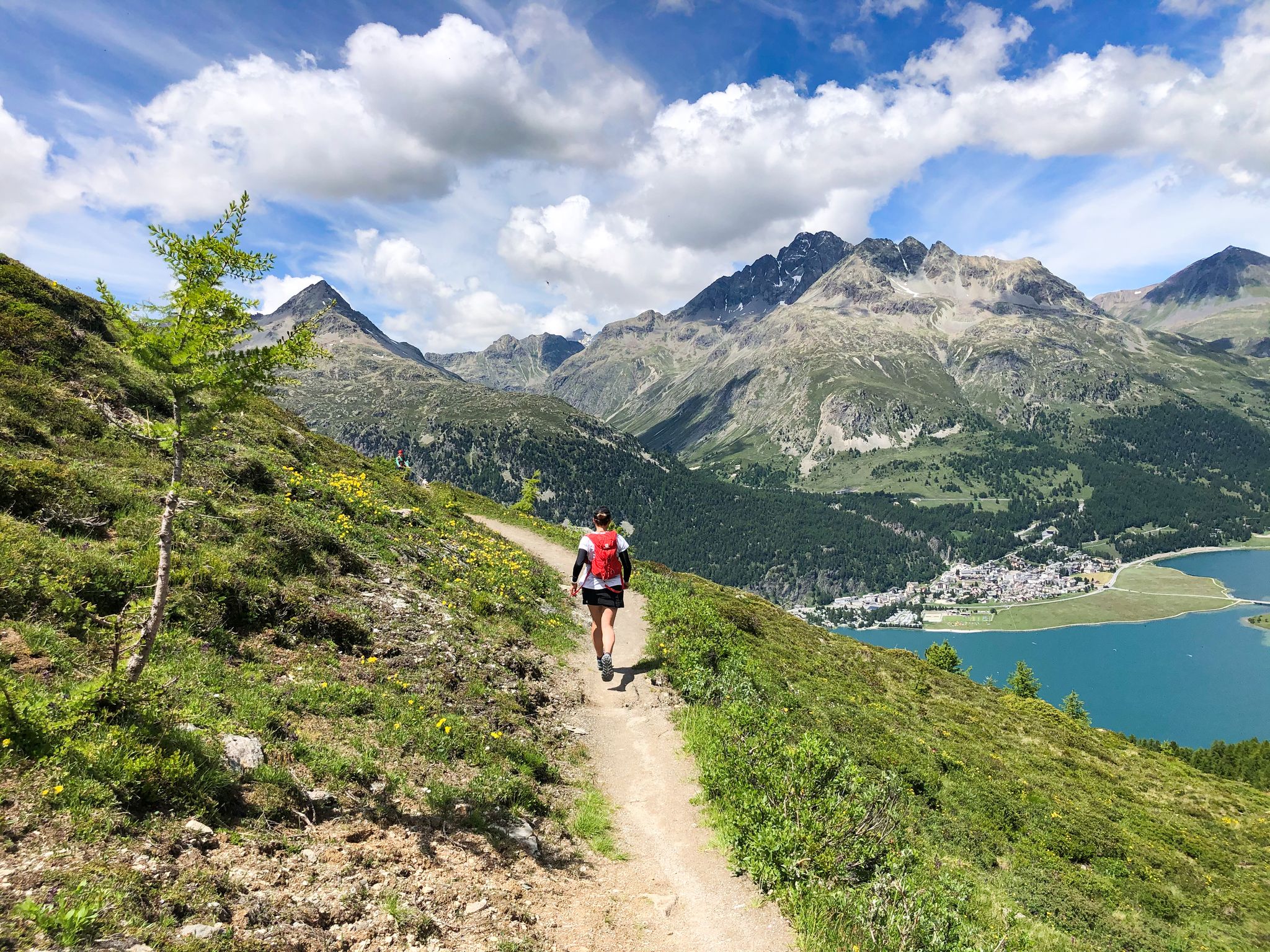
Bernina Tour – Trail running the highest mountain in the Eastern Alps
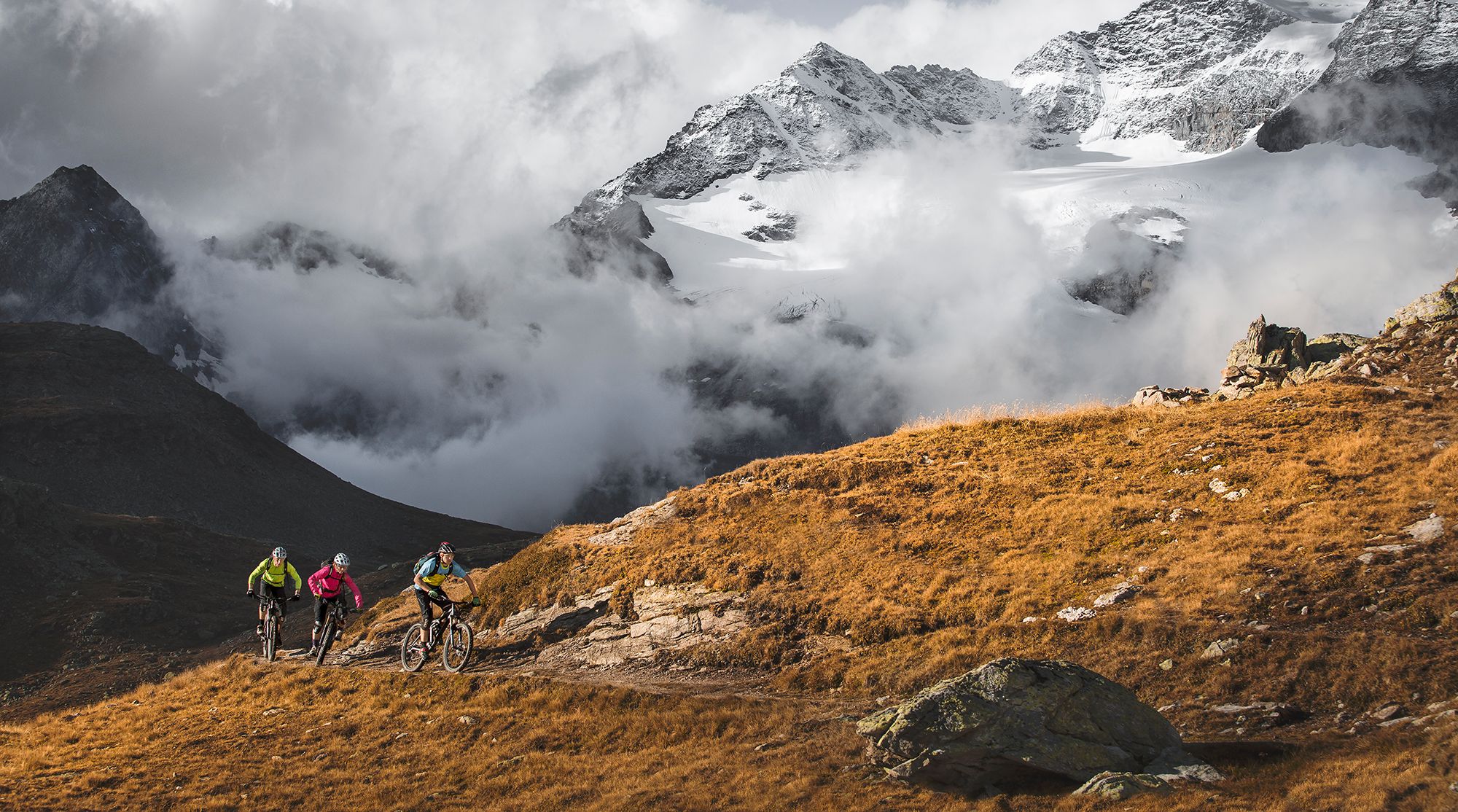
Great heights from Chur to Tirano with your mountain bike & post bus
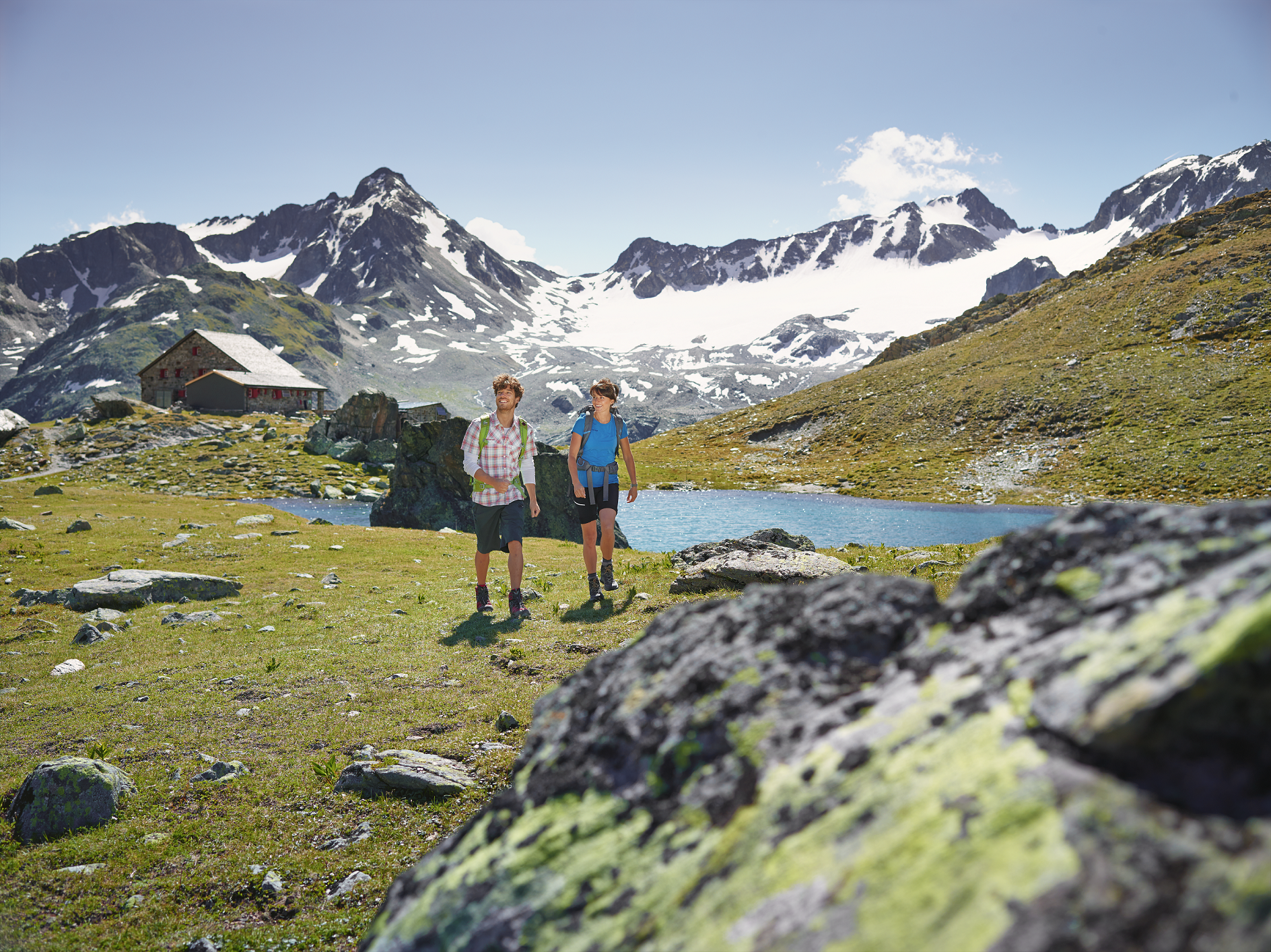
Kesch-Trek – A four-day hut adventure in Davos Klosters
Following the Race Across the Alps
Other adventures around Maloja


Tips from the Community

Badrutt's Palace Hotel, St. Moritz In the mid-1880s, Caspar Badrutt purchased the Hotel Beau Rivage in St. Moritz, built in 1872. Over a four-year renovation, he transformed the small inn into the palatial Badrutt's Palace Hotel, which opened in 1896. His father, Johannes Badrutt, had already been active in the hospitality industry: as the proud owner of the Kulm Hotel in St. Moritz, he was the founder of the Badrutt hotel dynasty. For decades, prominent guests from around the world appreciated the hotel's exclusive atmosphere. Following the construction of Badrutt's Palace Hotel by the Zurich architects Alfred Chiodera (1850-1916) and Theophil Tschudi (1847-1911), the hotel underwent several expansions and renovations. In 1907, the building was raised by one full story and an attic; a little later, a three-story west wing was added, housing a dining room and tennis hall. Extensive renovations were carried out towards the end of the 20th century. Its location on the steep slope above Lake St. Moritz and its distinctive shape, with crenellations and corner turrets, give Badrutt's Palace Hotel its unmistakable, castle-like character to this day. A striking main tower with a pyramidal roof rises on the west side. The building rests on a two-story base of rustic stonework. Above this is a light-filled ground floor with public areas, restaurants, boutiques, a veranda, and a large terrace. The upper floors contain guest rooms, and the tower's apex houses a suite that was rebuilt after the tower fire of 1967. From the very beginning, the facade and interior have displayed a great diversity of design. The neo-Gothic motif of the facade, with its English pointed arches, continues inside the hotel. Intricate wooden walls and imposing Renaissance-style coffered ceilings, along with neo-Baroque ceiling paintings, characterize the public areas. Despite numerous renovations, great care has always been taken to preserve the original structure; for example, the original stamped graffiti on the facade was uncovered in 2006. Badrutt's Palace Hotel has been a member of Swiss Historic Hotels since 2006. Text / Source: Badrutt's Palace Hotel, Via Serlas 27, 7500 St. Moritz https://swiss-historic-hotels.ch/hotels/badrutts-palace-hotel
15
0

A very beautiful vantage point above Madulain, easily accessible on foot or by bike (the last few meters are on foot). A fire pit and bench are located near the ruins.
0
0

Badrutt's Palace Hotel in St. Moritz features 164 guest rooms, including 35 suites, all offering breathtaking views of the lake or the charming village center. Unique room designs and legendary service distinguish this historic 5-star luxury hotel. Source: https://badruttspalace.com/de/hotel-st-moritz-winter/
2
0
Badrutt's Palace Hotel in St. Moritz features 164 guest rooms, including 35 suites, all offering breathtaking views of the lake or the charming village center. Unique room designs and legendary service distinguish this historic 5-star luxury hotel. Source: https://badruttspalace.com/de/hotel-st-moritz-winter/
3
0

The Torre Belvedere is a 24-meter-high observation tower above Maloja in the Swiss canton of Graubünden. The tower houses a Pro Natura nature center with various exhibitions. (Wikipedia)
1
0

Spaniola Castle Tower, Pontresina The name Spaniola (in Roman spagniöl = Spanish) seems to be of more recent origin. The edge is directed towards the mountain to protect against avalanches and rockfalls, but also for strategic reasons. The round-arched high entrance and the toilet extension on the second floor are clearly visible and unique. The tower can be viewed from the outside. The tower was built around 1200, but there are no written documents. Text / Source: Pontresina Tourism, Via Maistra 133, Pontresina https://www.pontresina.ch/de/guide/unser-pontresina/ausflugsziele-im-ueberblick/kultur-architektur/spaniolaturm
11
0
Spaniola Castle Tower, Pontresina The name Spaniola (in Roman spagniöl = Spanish) seems to be of more recent origin. The edge is directed towards the mountain to protect against avalanches and rockfalls, but also for strategic reasons. The round-arched high entrance and the toilet extension on the second floor are clearly visible and unique. The tower can be viewed from the outside. The tower was built around 1200, but there are no written documents. Text / Source: Pontresina Tourism, Via Maistra 133, Pontresina https://www.pontresina.ch/de/guide/unser-pontresina/ausflugsziele-im-ueberblick/kultur-architektur/spaniolaturm
14
0
Frequently Asked Questions
What kind of historical structures can I expect to find around Maloja?
The Maloja region is primarily known for its historical fortifications, significant towers, and grand hotels built in a castle-like style, rather than numerous traditional medieval castles. You'll find fascinating structures like the Belvedere Tower, the impressive Maloja Palace, and medieval fortresses such as Castelmur and Guardaval, offering insights into the area's rich past.
Which historical sites around Maloja are open to the public?
The Torre Belvedere is publicly accessible and houses a Pro Natura nature center with various exhibitions. You can also view the exterior of medieval fortifications like Spaniola Tower and Guardaval Castle. However, Crap da Sass Castle is privately owned and not open for public visits, though you can enjoy views of it from nearby viewpoints.
Is the Maloja Palace accessible to visitors?
The Maloja Palace, a grand Neo-Renaissance hotel, is a significant historical landmark in the region. While it's not a medieval castle, it reflects the ambitions of late 19th-century luxury tourism. After extensive renovations, it reopened as a four-star hotel, offering a blend of historic grandeur and modern amenities. As a hotel, its public areas and facilities are generally accessible to guests and visitors.
Are there family-friendly historical sites around Maloja?
Yes, the Torre Belvedere is considered family-friendly. It features a small, child-friendly museum and offers beautiful views from its platform. The surrounding Maloja Glacier Garden reserve is also a great starting point for walks, making it suitable for families.
Can I bring my dog to the historical sites near Maloja?
While specific rules vary by site, many outdoor historical sites and trails in the Maloja region are dog-friendly. For instance, the area around Torre Belvedere and the walks along Lake Sils are generally suitable for dogs on a leash. For indoor exhibitions or specific castle interiors, it's best to check individual site regulations beforehand.
What are the best viewpoints to see these historical structures?
The platform of the Torre Belvedere offers breathtaking views of the Engadin and Bergell valleys. For Crap da Sass Castle, the View of Crap da Sass Castle highlight provides an excellent perspective of this privately owned castle situated on the lake. Guardaval Castle, though mostly a tower ruin, offers a beautiful vantage point over the valley.
Are there hiking trails that connect to these historical sites?
Yes, many historical sites in the Maloja region are integrated into hiking networks. The Torre Belvedere is an excellent starting point for walks along Lake Sils or through the Palü Marcia moor. You can find various hiking routes in the area, including trails that lead to or past fortifications like Guardaval Castle. For more hiking options, explore the Hiking around Maloja guide.
What outdoor activities can I do near the castles around Maloja?
Beyond visiting the historical sites, the Maloja region offers a wide range of outdoor activities. You can enjoy hiking, mountain biking, and gravel biking on numerous trails. For specific routes and difficulties, check out the Hiking around Maloja, MTB Trails around Maloja, and Gravel biking around Maloja guides.
What is the best time to visit the historical sites in Maloja?
The Maloja region is beautiful year-round, but the best time to visit depends on your preferred activities. Summer and early autumn (June to October) are ideal for hiking and exploring the outdoor sites, with pleasant weather and full accessibility. Some sites or trails might have seasonal access restrictions or different opening hours during winter, so it's advisable to check in advance if visiting off-season.
How can I reach these historical sites using public transport?
The Maloja region is well-served by public transport, primarily buses. Maloja village itself is a hub. You can often reach the vicinity of many historical sites, including the Torre Belvedere, by bus. For sites further afield like Castelmur or Tarasp, bus connections within the Engadin and Bregaglia valleys are generally available. It's recommended to consult local bus schedules for precise routes and timings.
Are there guided tours available for the historical fortifications?
The 'Myth of Fortress Engadin' project aims to open up these historical sites and offers guided tours to explore their hidden history. While specific tour availability may vary, this initiative provides opportunities to delve deeper into the defensive strategies and historical significance of the medieval fortifications in the wider Maloja/Engadin region.
What amenities are available near the Belvedere Tower?
The Torre Belvedere is located within the Maloja Glacier Garden reserve, which is a nature area. The tower itself houses a Pro Natura nature center with exhibitions. Nearby, in Maloja village, you can find amenities such as cafes, restaurants, and accommodation options. It's also an excellent starting point for walks along Lake Sils.
What is the historical significance of Castelmur in the Maloja region?
Castelmur, along with other medieval fortifications like Tarasp, Steinsberg, Guardaval, and Spaniola, is part of the rich historical landscape of the wider Maloja and Engadin region. These fortifications offer insights into the defensive strategies and historical power struggles of the Middle Ages in the Alpine region, standing as visible reminders of a bygone era. You can visit the Nossa Dona Church and Castelmur Tower.
Most popular routes around Maloja
Most popular attractions around Maloja

Get inspired with the komoot mobile app


Didn’t find what you were looking for?
Explore Maloja’s best castles region by region:
Explore more
Looking for the best castles somewhere else? Discover other guides around Maloja:
