The 20 Most Amazing Peaks in Japan
Best mountain peaks in Japan are found across a nation where mountains cover nearly two-thirds of the land. These peaks are recognized for their natural features and cultural significance. Japan's mountainous terrain includes iconic volcanoes and extensive alpine ranges. The diverse landscape offers a variety of peaks to explore.
Best mountain peaks in Japan
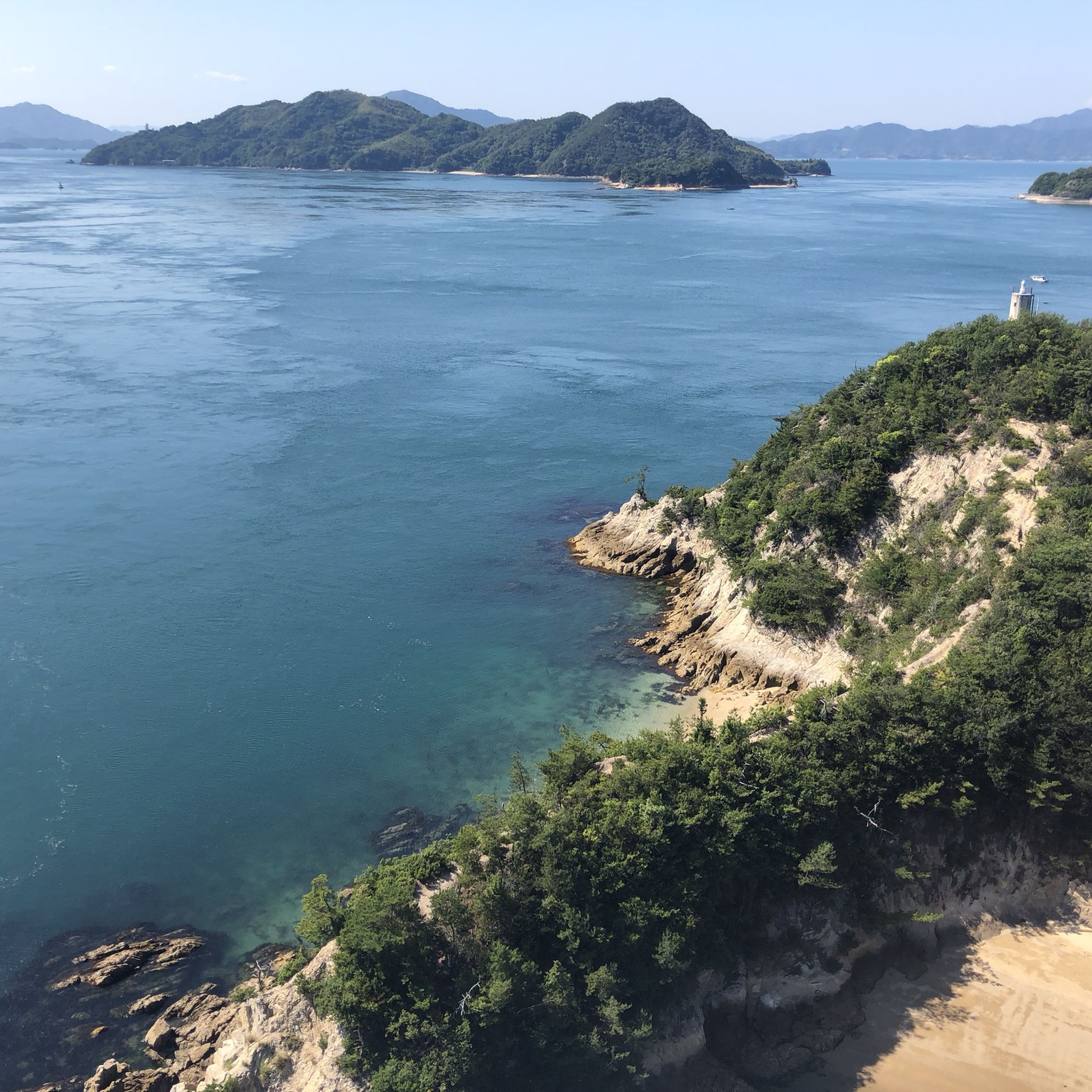
- The most popular mountain peaks is View of the Seto Inland Sea from Mount Misen, a viewpoint that offers spectacular views of the Seto Inland Sea and Hiroshima City. Mount Misen is the highest peak on Miyajima at 535 meters.
- Another must-see spot is View of Nara from Mount Wakakusa, a viewpoint and natural monument. Visitors can expect an excellent view of Nara city from its observation deck.
- Visitors also love Mount Kintoki Summit, a summit offering views of Mount Fuji. This 1,213 meter high mountain is located in the Fuji-Hakone-Izu National Park.
- Japan is known for its sacred mountains, active volcanoes, and extensive alpine ranges. These include peaks like Mount Fuji, Mount Tate, and the Japanese Alps, offering a wide variety of mountain experiences.
- The mountain peaks in Japan are appreciated by the komoot community, with more than 280 upvotes and 160 photos shared across various highlights.
Last updated: July 9, 2026
View of the Seto Inland Sea from Mount Misen
Highlight • Viewpoint
There are three trails that lead to Mt. Misen ": the" Momijidani Route ", the" Daisho-in Route "and the" Omoto Route ". Of the three, the Daisho-in Route offers the best views and is not as steep as the other two. It takes 1.5 to 2 hours to reach the summit from the city.
Translated by Google •
Tip by

Mount Fuji Summit (Yoshida Trail)
Highlight • Summit
Translated by Google •
Tip by

Sign up now to discover places like this
Get recommendations on the best single tracks, peaks, & plenty of other exciting outdoor places.
Sign up for free
Mount Kintoki Summit
Highlight • Summit
Translated by Google •
Tip by

Nakasha Shinseki (Naka no Yashiro Shrine), Ninomine Peak
Highlight • Religious Site
Translated by Google •
Tip by
Mount Ōyama Summit
Highlight • Summit
Tip by

Mount Tsurugi summit cairn
Highlight • Summit
Translated by Google •
Tip by

Ichinomine Summit and Kamisha Shinseki Shrine (Mount Inari)
Highlight • Summit
The deity Suehiro Okami is worshiped here.
Translated by Google •
Tip by

View from Mount Hakodate
Highlight • Viewpoint
Translated by Google •
Tip by
Mount Inasa Observation Deck
Highlight • Viewpoint
Translated by Google •
Tip by

View of Nara from Mount Wakakusa
Highlight • Viewpoint
Mount Wakakusa is open to the public from March to December and offers an excellent view of the city from the observation deck.
Translated by Google •
Tip by
Sign up for free to discover even more peaks in Japan.
Sign up for free
Already have an account?
Start today with a free account
Your next adventure awaits.
Login or Signup
Popular around Japan
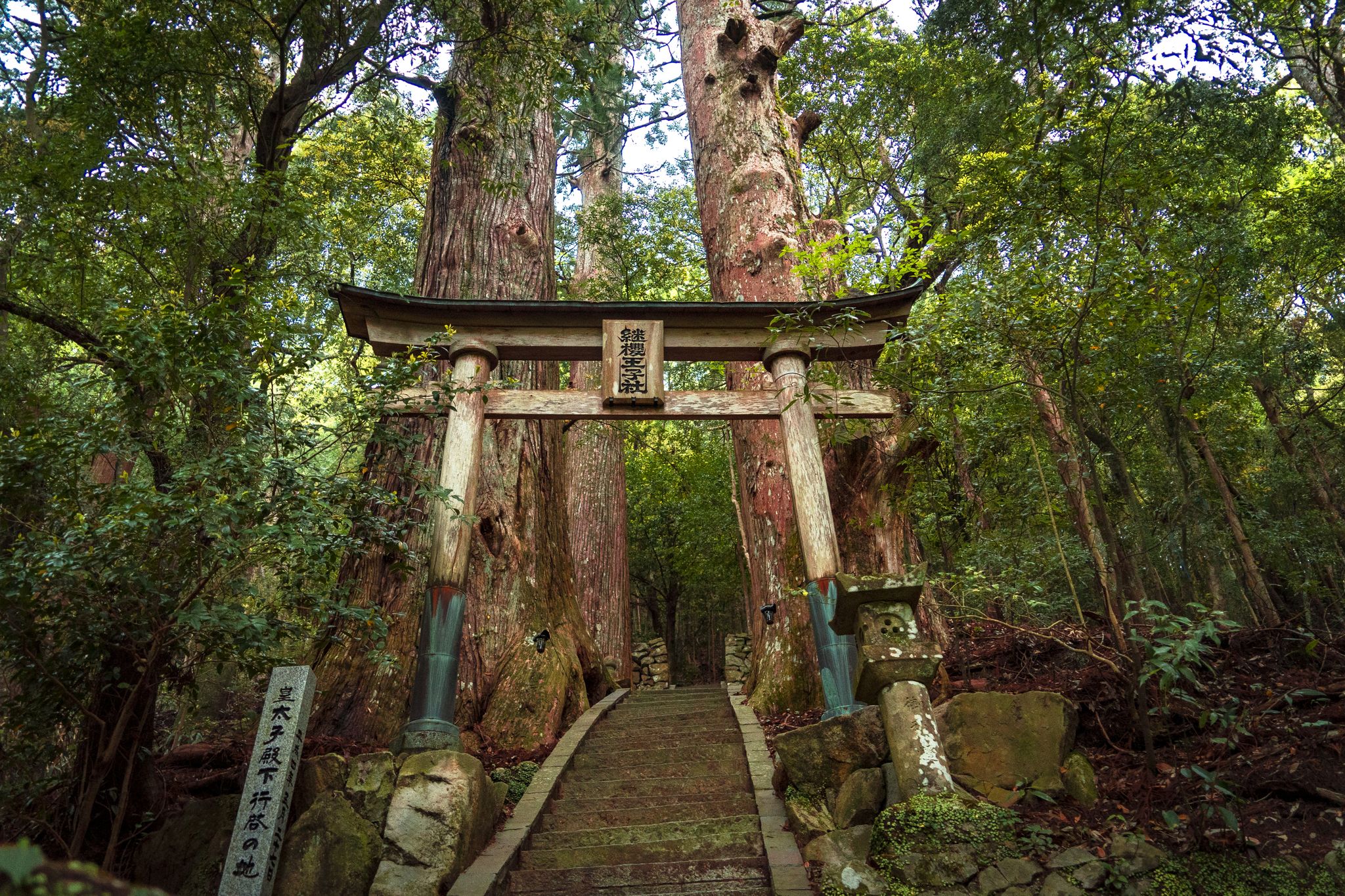
Kumano Kodo – a pilgrimage in the sacred forests of Japan
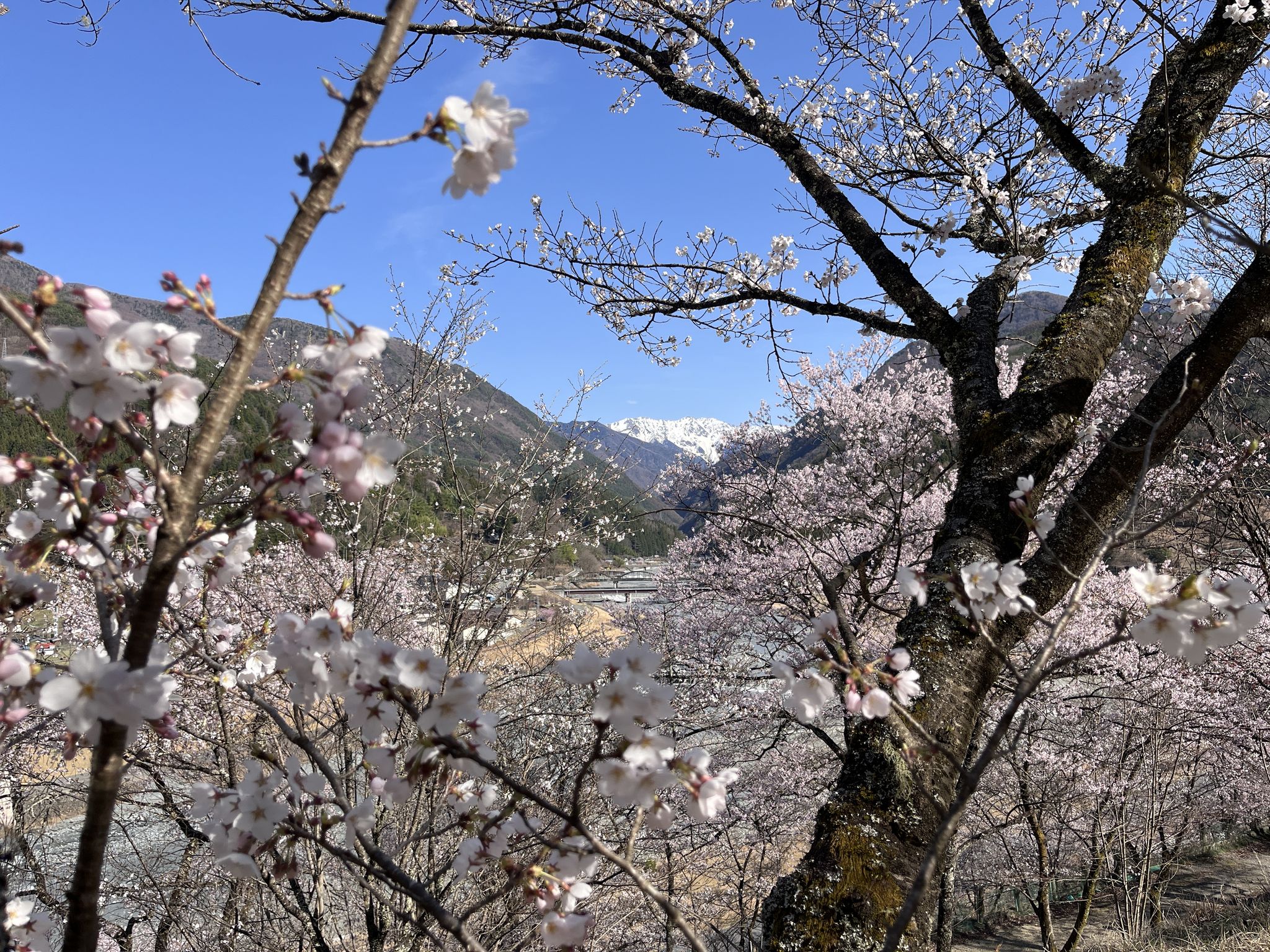
Oshika Akiha Kodo Hanami Tours
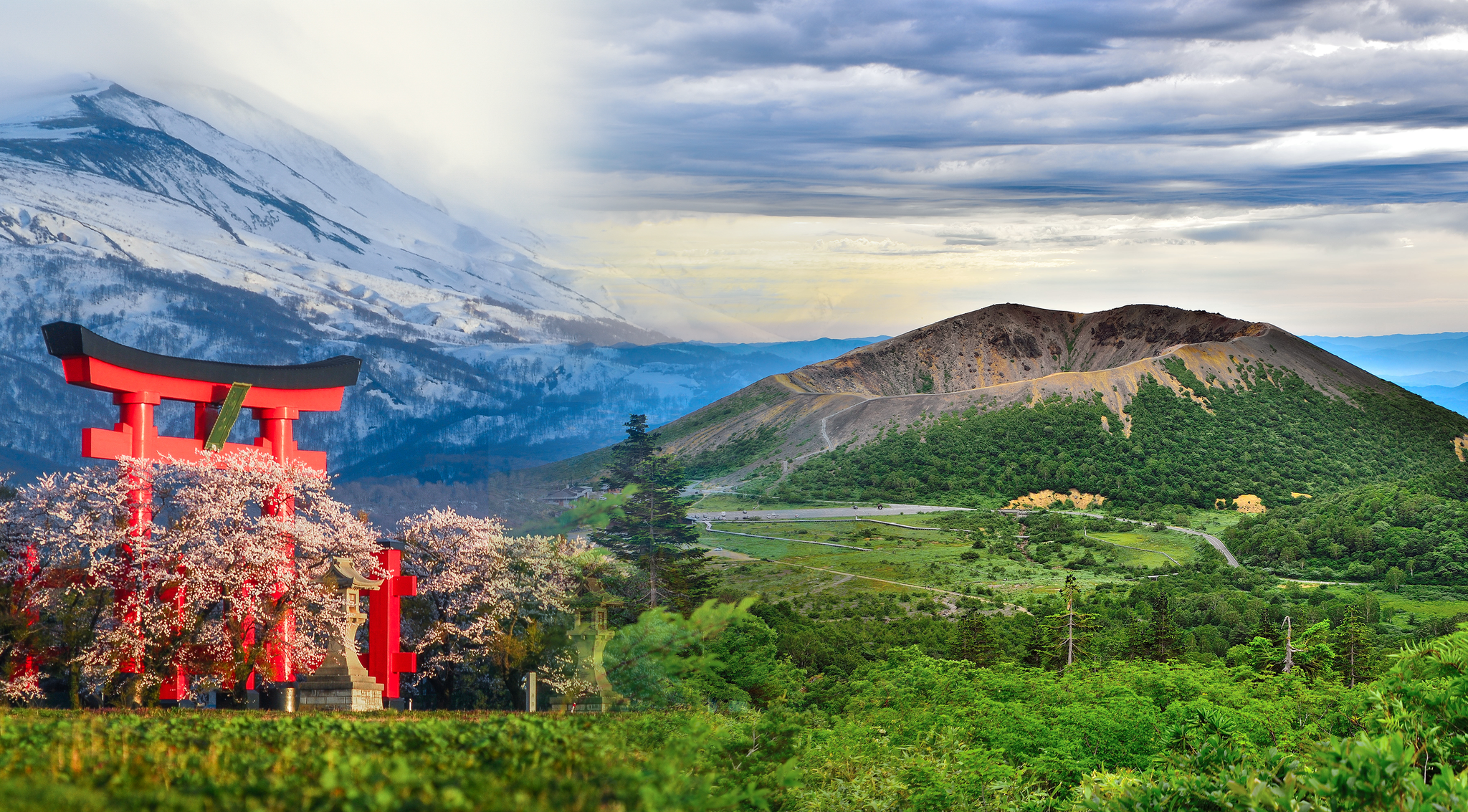
Spiritual peaks — hiking Bandai Asahi National Park’s Volcano Trail
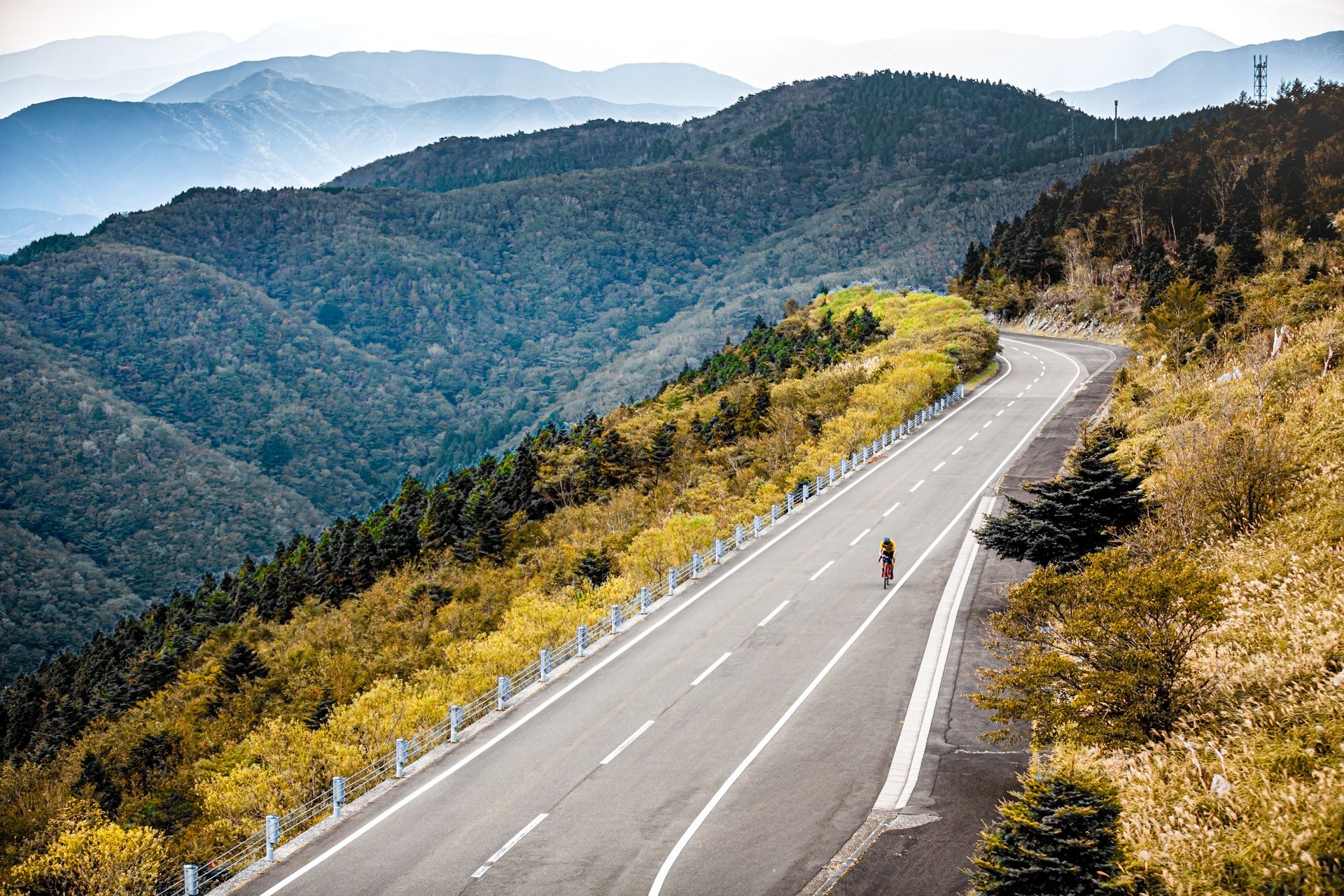
The Japanese Odyssey — 1,600km of volcanic islands to Tokyo
Hiking in Japan
Cycling in Japan
Running Trails in Japan
Road Cycling Routes in Japan
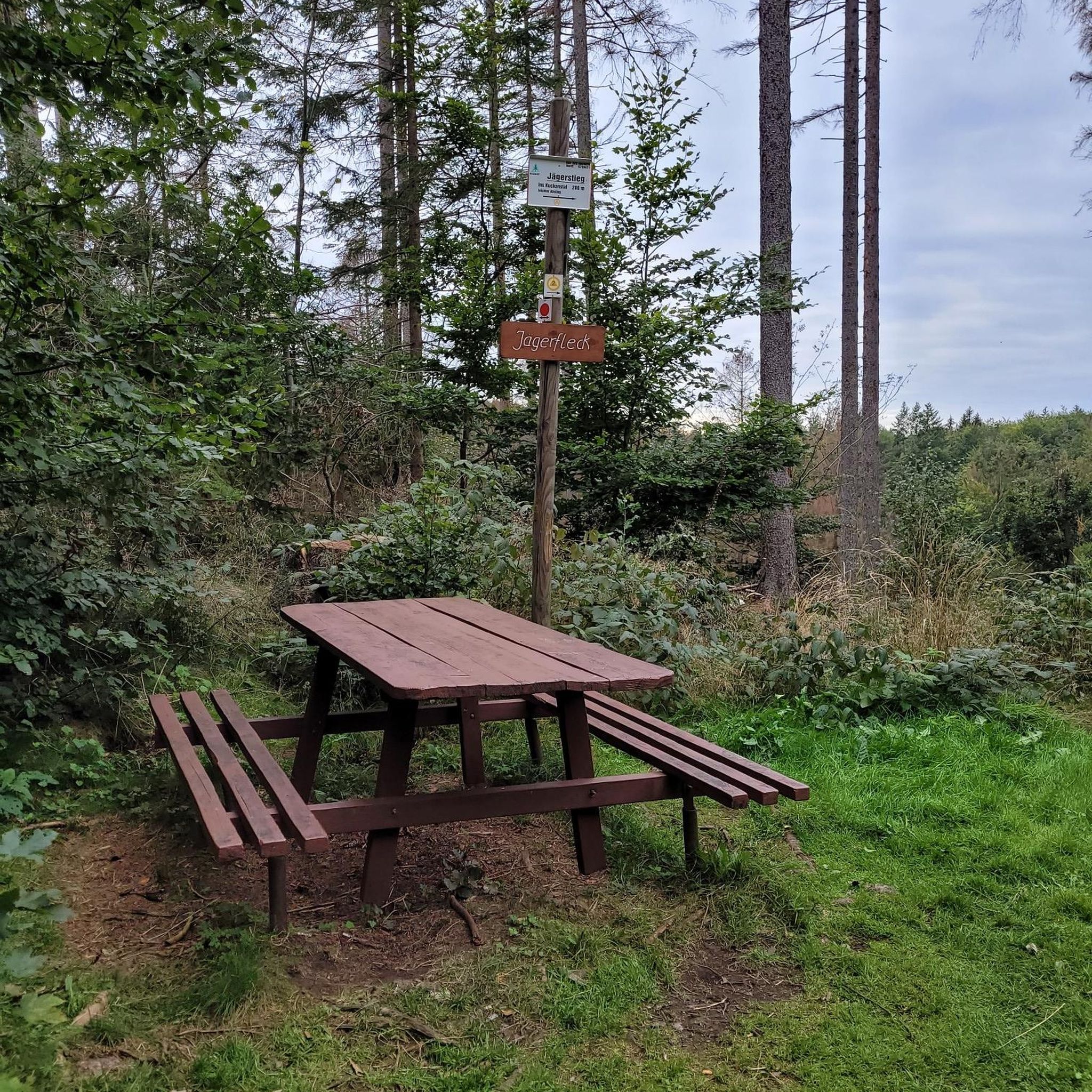
Mountain Hikes in Japan
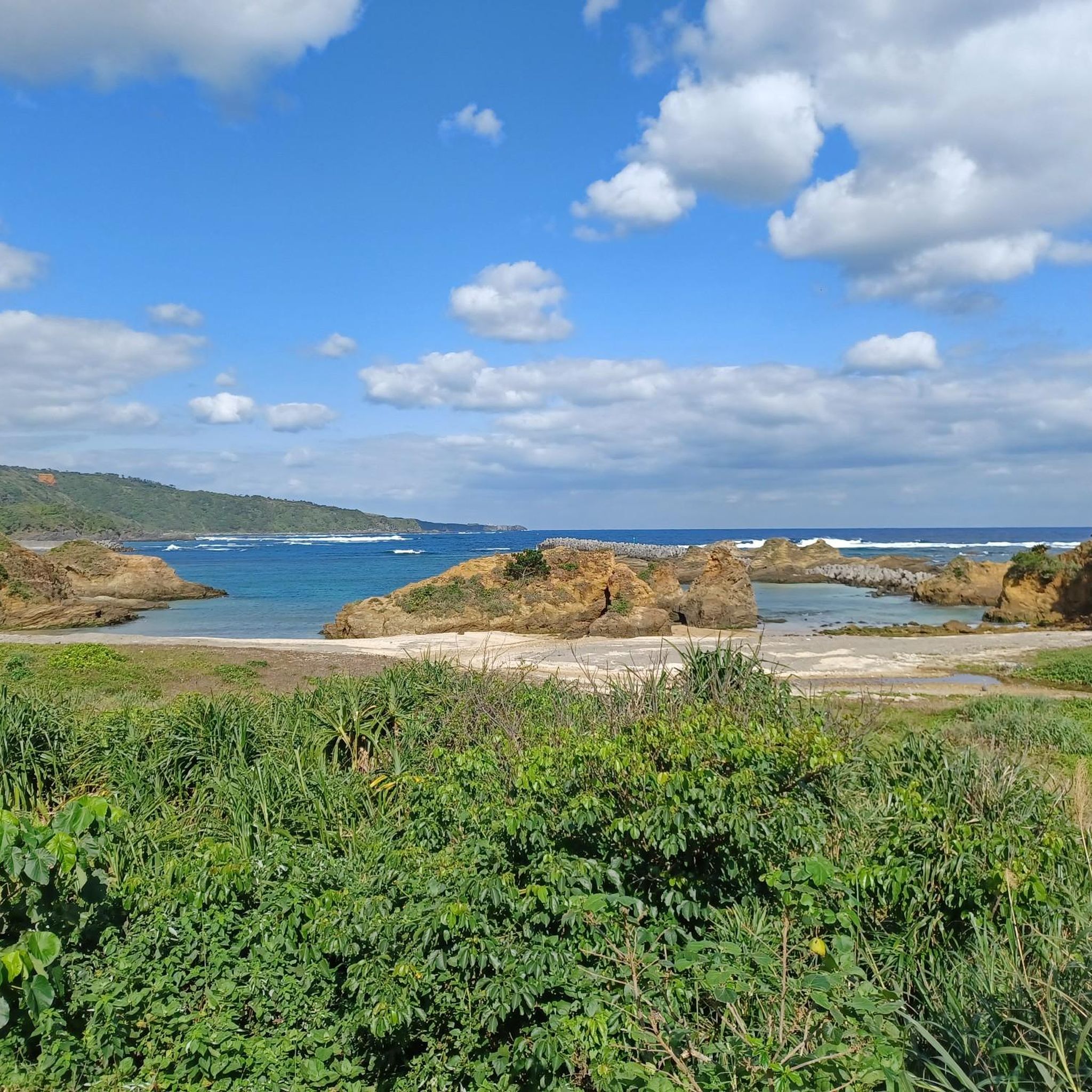
MTB Trails in Japan
Other adventures in Japan


Tips from the Community

The ultimate peak of the sacred mountain. On a clear day, it rewards hikers with a breathtaking, majestic view of Mt. Fuji, the Tokyo skyscape, and the Tanzawa mountain range. There is a small shrine (Honsha) at the top.
0
0

From the summit of Mt. Ōyama, you have a great view!😍
0
0

definitely worth the climb. wonderful view (and more deers) 😊
0
0

Awesome, view, feeling. Everything is great. Always pay attention to the weather forecast and prepare accordingly!
1
0

The 1,213 m high Mt. Kintoki (also called Mt. Ashigara) is located on the border between the prefectures of Kanagawa and Shizuoka in the Fuji-Hakone-Izu National Park. According to legend, Mount Kintoki is the birthplace of Kintaro. Once you reach the summit of Mt. Kintoki, you will be treated to unforgettable views of the impressive Mt. Fuji. On the south side of the summit, you can see over Sengokuhara to the mountains of Hakone, Lake Ashi and the steaming Owakudani Valley. (Source: DIAMIR Erlebnisreisen)
1
1

What a view. Definitely recommended! Good fitness required from the mountain station. I wouldn't walk up the stairs from the bottom (harbor)! That's the path of death, just walking down is enough!
2
0

Very rustic hut with typical Japanese dishes
0
1

Impressive granite blocks and great views of the bay
1
0
Frequently Asked Questions
Which mountain peaks in Japan are most popular with komoot users?
Komoot users particularly enjoy the View of the Seto Inland Sea from Mount Misen, which offers spectacular views of the Seto Inland Sea and Hiroshima City. Another favorite is the View of Nara from Mount Wakakusa, providing an excellent panorama of Nara city. The Mount Kintoki Summit is also highly rated for its unforgettable views of Mount Fuji.
Are there any sacred or culturally significant mountain peaks in Japan?
Yes, Japan is home to several sacred mountains deeply rooted in its culture and religion. Mount Fuji, Mount Tate, and Mount Haku are considered Japan's three sacred mountains. Additionally, the Dewa Sanzan in Yamagata Prefecture (Mount Haguro, Mount Gassan, and Mount Yudono) are central to the Shugendo religion, offering a blend of nature worship and Buddhist beliefs. Many peaks, like Ninomine Peak and Mount Inari, feature shrines and historical sites.
What are the best mountain ranges for dramatic alpine scenery in Japan?
The Japanese Alps, divided into the Hida (Northern), Kiso (Central), and Akaishi (Southern) ranges, are renowned for their dramatic ridgelines, alpine lakes, and traditional villages. Peaks like Mount Kita (Japan's second-highest) and Mount Okuhotaka offer challenging climbs and breathtaking views. Mount Tate, part of the Tateyama Mountain Range, also provides stunning alpine landscapes accessible via the Tateyama Kurobe Alpine Route.
What kind of natural features can I expect to see on Japan's mountain peaks?
Japan's mountain peaks showcase diverse natural features. You can find volcanic landscapes, such as the iconic Mount Fuji, and areas with abundant alpine flora and beautiful flower fields, like on Mount Haku. Many peaks offer expansive viewpoints, such as the View of the Seto Inland Sea from Mount Misen, and some areas feature natural hot springs (onsen) due to the country's volcanic activity.
Are there family-friendly mountain peaks or viewpoints in Japan?
Yes, there are options suitable for families. The Mount Inasa Observation Deck is categorized as family-friendly and offers facilities. While some mountain ascents can be challenging, viewpoints like the View of Nara from Mount Wakakusa provide great views and opportunities to enjoy nature, including deer, without extreme difficulty.
What is the best time of year to visit Japan's mountain peaks?
The best time to visit Japan's mountain peaks largely depends on the specific peak and desired activity. For iconic climbs like Mount Fuji, the official climbing season is typically July and August. Generally, warmer months from March to May are recommended for many hikes, as mentioned for the Mount Ōyama Summit. The natural beauty of the mountains transforms with each season, offering different experiences from spring flowers to autumn foliage.
What outdoor activities can I do near Japan's mountain peaks?
Beyond hiking and mountaineering, you can find various outdoor activities. For cycling enthusiasts, there are routes like the 'Tatara Bridge – Kurushima-Kaikyō Bridge loop' or the 'Peach blossom tour through the mountain hamlet of Wazo' near some mountain regions. You can explore more cycling options in the Cycling in Japan guide. For running, trails like the 'Imperial Palace Loop, Tokyo' offer urban running experiences near mountainous areas. Discover more running routes in the Running Trails in Japan guide.
Are there specific hiking trails near these mountain peaks?
Yes, many mountain peaks are surrounded by extensive trail networks. For instance, near Mount Fuji, you can find challenging routes like the 'View of Mount Fuji Crater – Fuji-Hakone-Izu National Park loop'. Other popular hiking areas include trails around Daibosatsu Pass and Mount Tsukuba. You can find detailed information on these and many other routes in the Mountain Hikes in Japan guide.
What are some of the highest non-volcanic peaks in Japan?
While Japan is famous for its volcanoes, it also boasts impressive non-volcanic peaks. Mount Kita, located in the Akaishi Mountains (Southern Alps), is Japan's second-highest mountain at 3,193 meters and is the highest non-volcanic peak. It offers spectacular views, including Mount Fuji from its summit.
What do visitors appreciate most about Japan's mountain peaks?
Visitors frequently highlight the breathtaking views, such as the panoramic vistas from Mount Misen or the impressive sight of Mount Fuji from Mount Kintoki Summit. The blend of physical activity with spiritual significance, often found along routes with shrines and temples, is also highly valued. Many also enjoy the opportunity to relax in natural hot springs (onsen) after a hike.
How accessible are Japan's mountain peaks by public transport?
Accessibility varies by peak. For some, like Mount Tate, the Tateyama Kurobe Alpine Route offers various modes of transportation, including cable cars and buses. For others, like Mount Tsurugi, public buses are available on weekends, often followed by a cable car ride and a short walk to the summit. It's advisable to check specific schedules as connections can be limited, especially on weekdays.
Are there any mountain peaks in Japan that offer views of Mount Fuji?
Yes, several peaks provide stunning views of Mount Fuji. The Mount Kintoki Summit is particularly known for its unforgettable vistas of the iconic volcano. Mount Kita, Japan's second-highest mountain, also offers one of the best views of Mount Fuji from its summit.
Most popular routes in Japan
Most popular attractions in Japan

Get inspired with the komoot mobile app


Didn’t find what you were looking for?
Discover Japan’s best peaks and summits by region:
Explore more
See even more amazing summits in Japan with these guides:
