Top 9 Caves in Montenegro
Caves in Montenegro offer a diverse range of subterranean experiences within a country known for its dramatic landscapes. This region features a variety of natural underground formations, from sea caves to extensive karstic systems. These geological features contribute to Montenegro's natural heritage, providing insights into its geological history. The country's terrain supports numerous caves, many of which are accessible for exploration.
Best caves in Montenegro
- The most popular caves is Ledina Pećina Ice Cave, a cave that features ice formations persisting even in summer. The way there offers great views.
- Another must-see spot is Lipa Cave, a cave and natural monument. This cave is accessible for organized tourist visits, with tickets available at the hairpin curve.
- Visitors also love Golubinja Pećina Cave, a cave and natural monument. It is located directly on the road and features a Gothic-shaped ceiling.
- Montenegro is known for ice caves, sea caves, and karstic caves. These include formations with underground pools, stalagmites, and stalactites, offering a variety of environments to explore.
- The caves in Montenegro are appreciated by the komoot community. The guide features 10 highlights, with 23 photos and 61 upvotes from visitors.
Last updated: July 9, 2026
Ledina Pećina Ice Cave
Highlight • Cave
Translated by Google •
Tip by

Ice Cave in Prokletije National Park
Highlight • Cave
Translated by Google •
Tip by

Sign up now to discover places like this
Get recommendations on the best single tracks, peaks, & plenty of other exciting outdoor places.
Sign up for free
Cave Spring with Turquoise Pool
Highlight • Cave
Tip by

Golubinja Pećina Cave
Highlight • Cave
Go in, it not only has a Gothic-shaped ceiling, it is also as big as the nave of a cathedral.
By the way: On the opposite side of the road you have a view of the bay.
Translated by Google •
Tip by

Jelovačka Cave
Highlight • Cave
Translated by Google •
Tip by

Lipa Cave
Highlight • Cave
To gain entry there are tickets in the hairpin curve. There is also the free parking lot.
Translated by Google •
Tip by

Submarine Tunnel (Kotor Bay)
Highlight • Structure
Only accessible by boat.
Translated by Google •
Tip by

Vodena Jama Cave
Highlight • Cave
Tip by

Morgen Cave
Highlight • Cave
Usually included in local boat tours.
Translated by Google •
Tip by

Start today with a free account
Your next adventure awaits.
Login or Signup
Popular around Montenegro
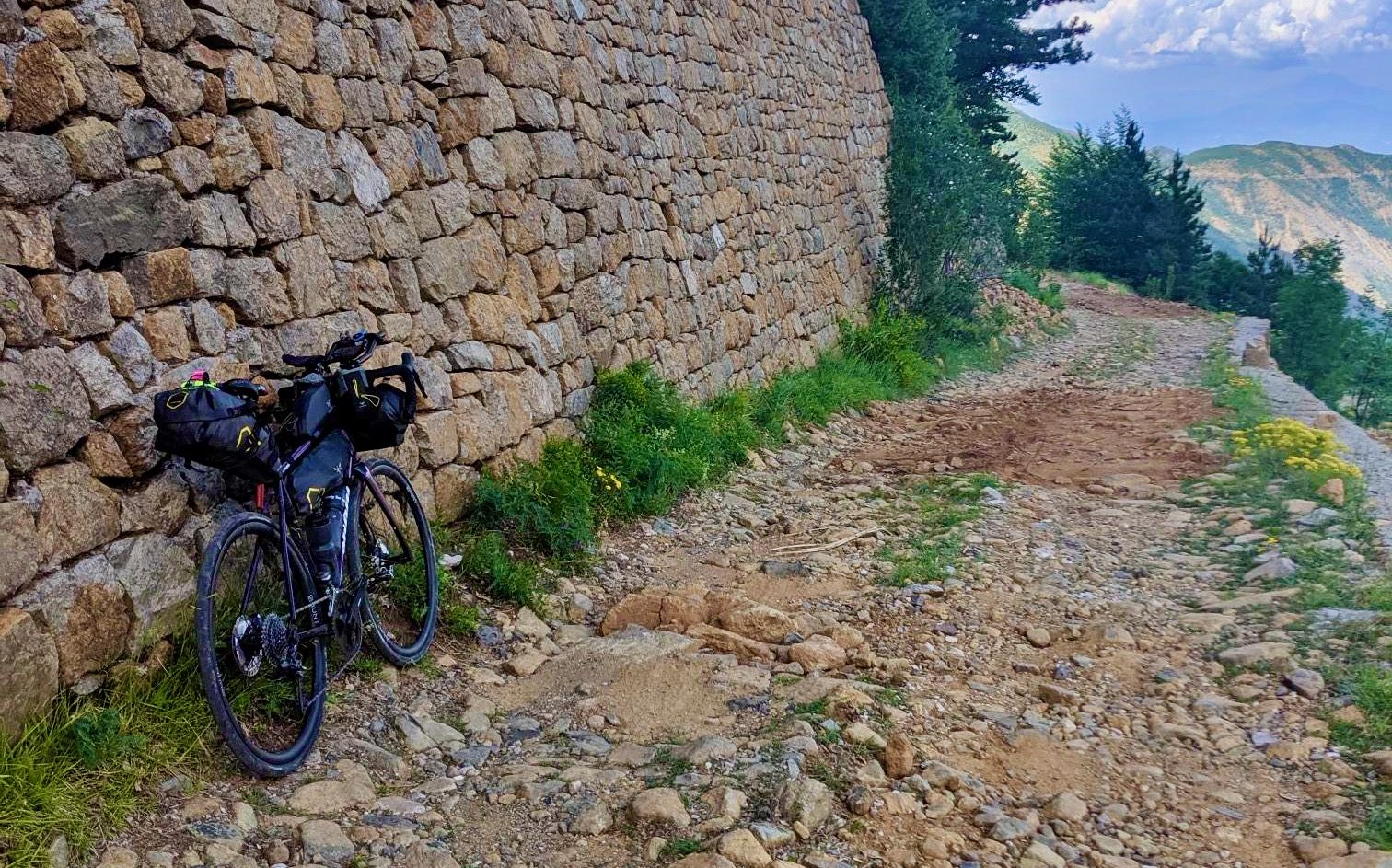
Traversing the Dinaric Alps — bikepacking from the mountains to the sea
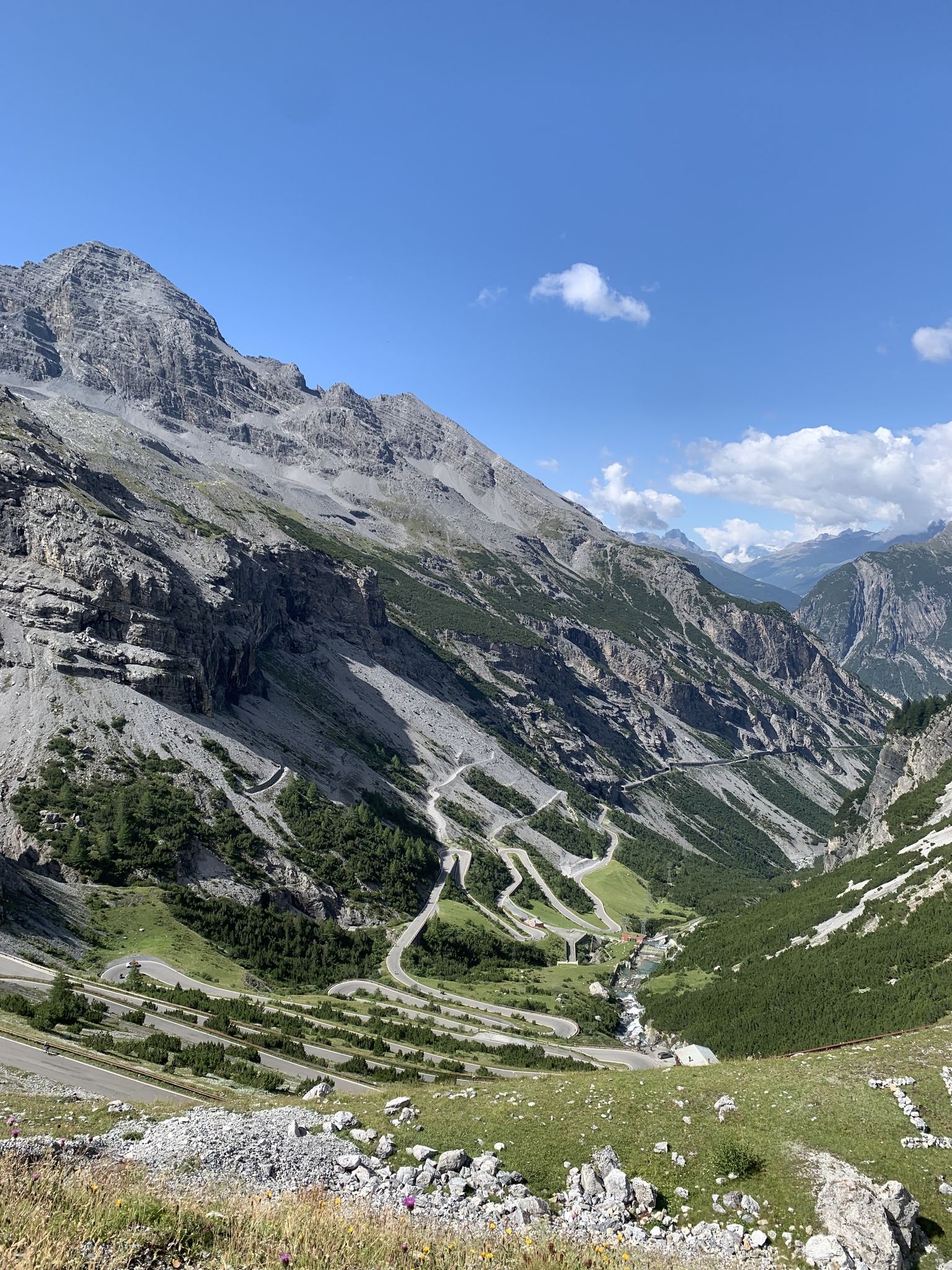
Transcontinental Race No9 2023
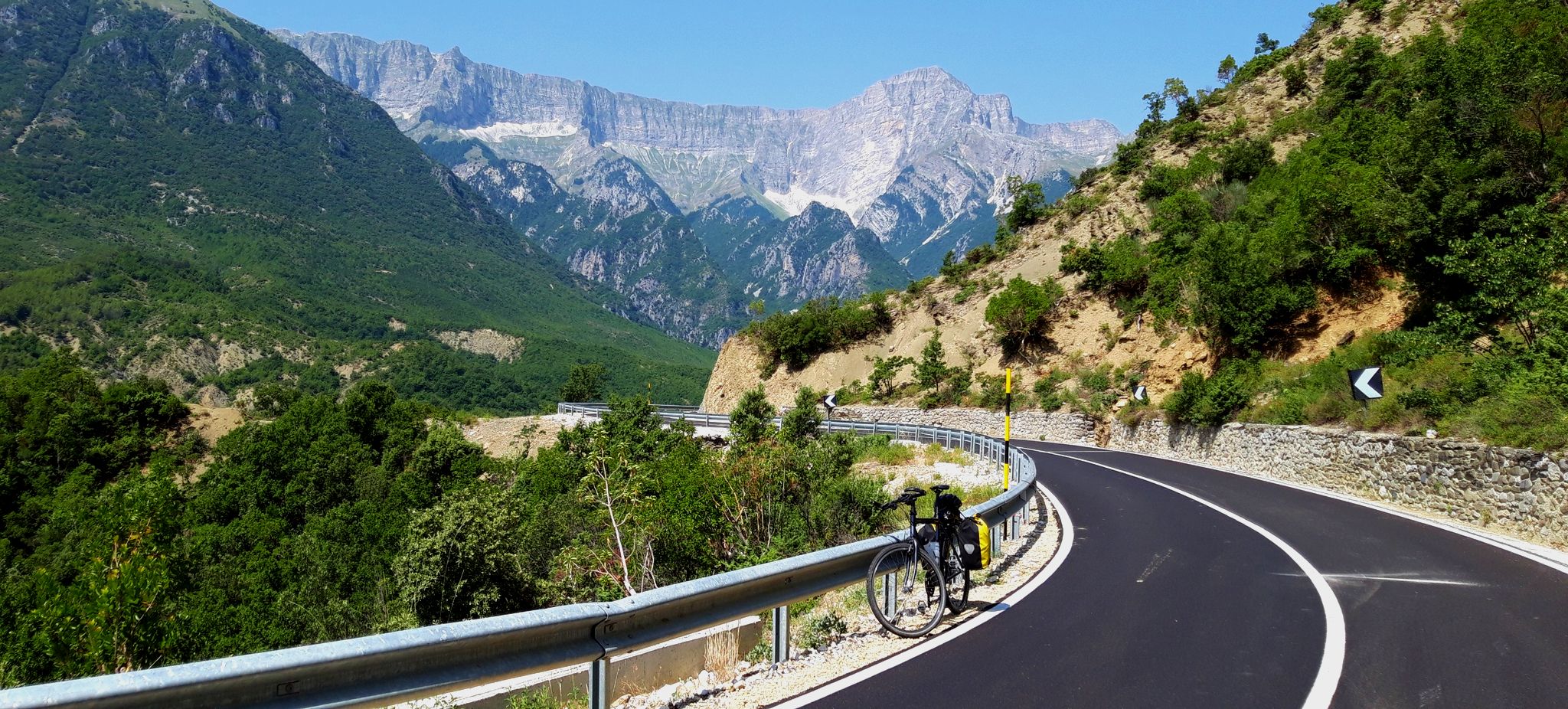
Balkan cycling adventure – Dubrovnik to Corfu
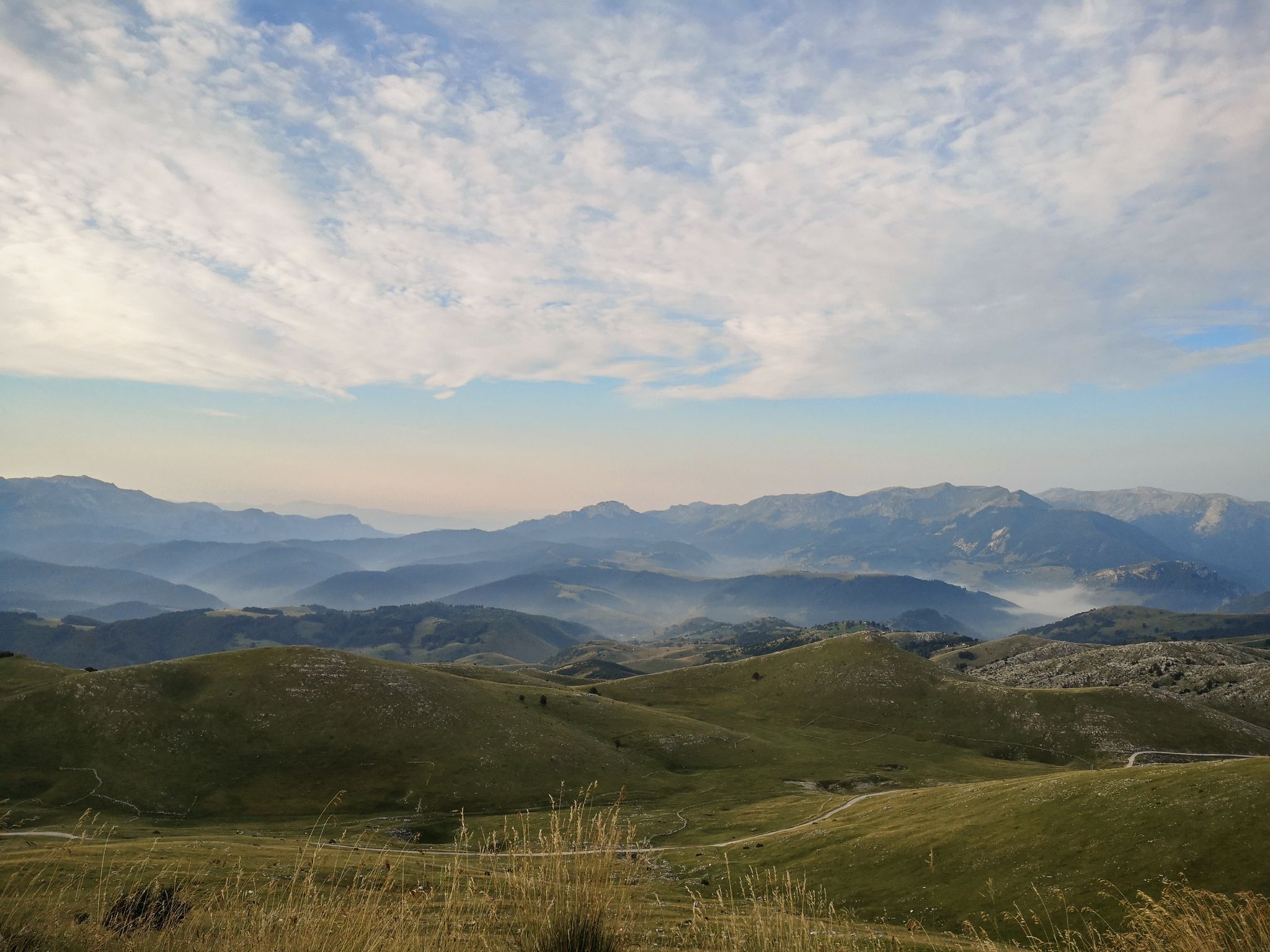
As we wrote history – the Transcontinental Race #TCRN06
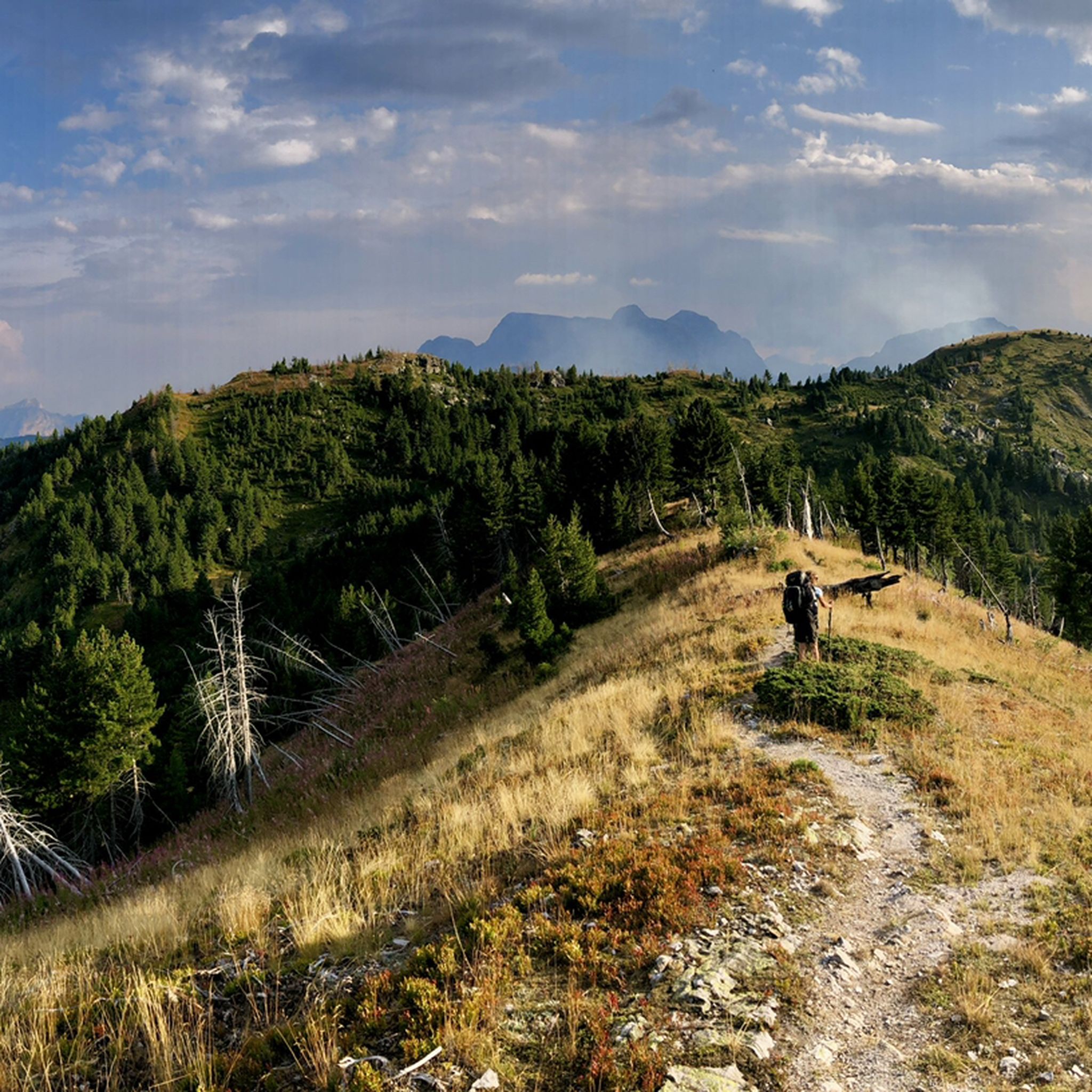
Hiking in Montenegro
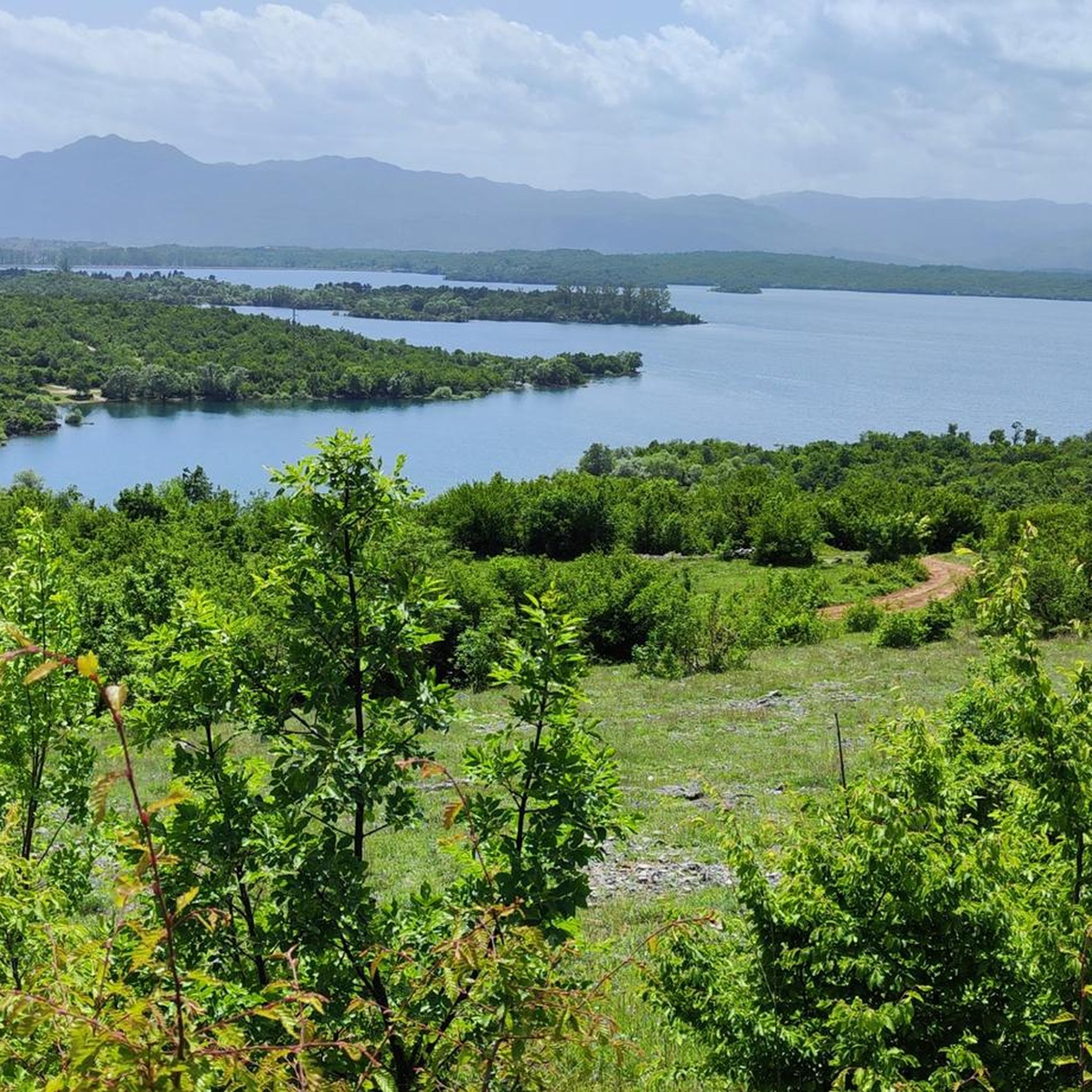
Cycling in Montenegro
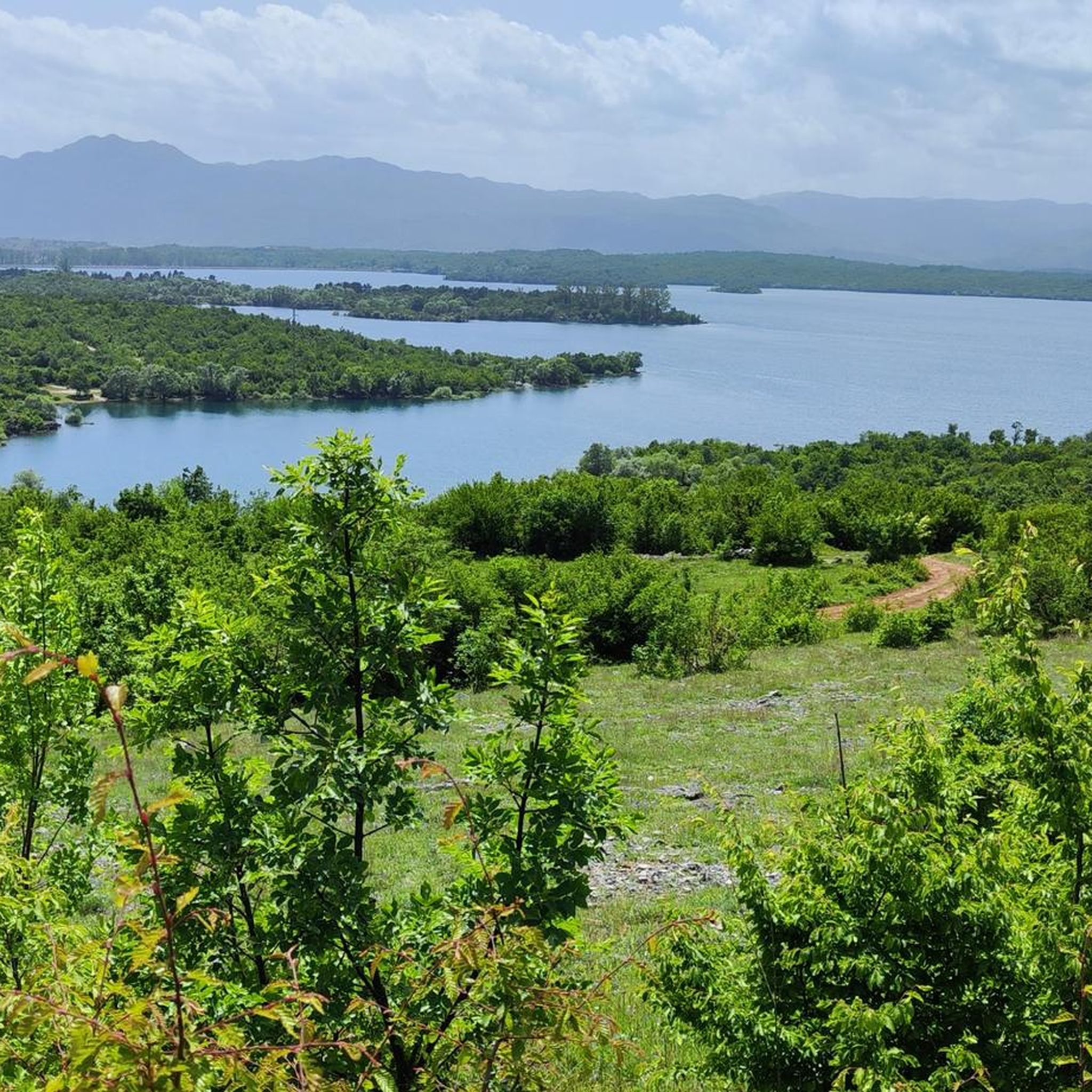
Road Cycling Routes in Montenegro
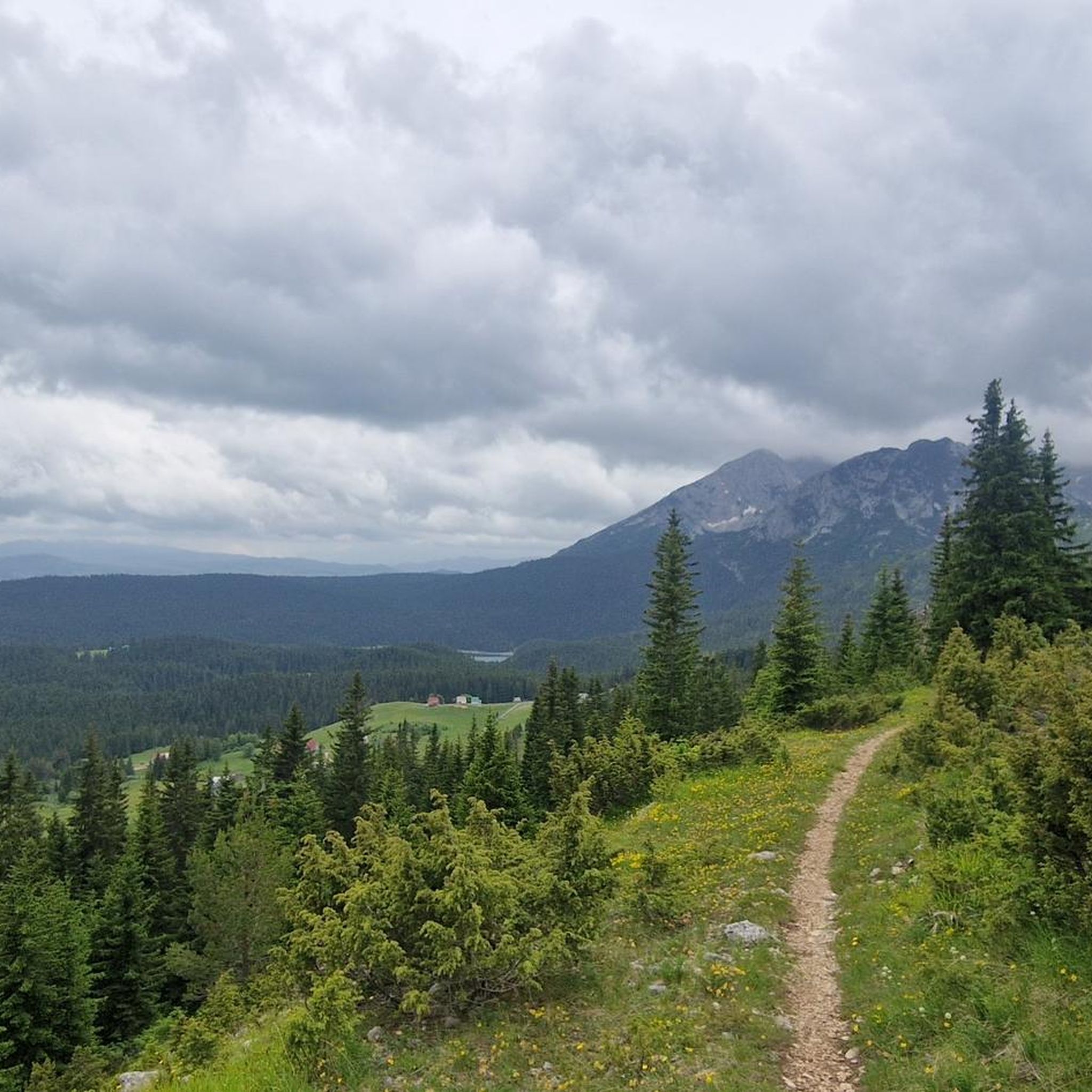
Running Trails in Montenegro
MTB Trails in Montenegro

Mountain Hikes in Montenegro
Other adventures in Montenegro


Tips from the Community

It's astonishing how icy the air blows out of the cave. The temperature difference when you stand there in the sun is incredible. You can immediately sense that a path leads deep and far into the cave.
0
0

A unique photo opportunity to capture the scenery from the sea by boat. Usually included in local boat tours.
0
0

After a somewhat strenuous climb, we repeatedly climb through mountain pines, with a short exposed section. Then don't miss the turnoff to the ice cave, which is very surprising and a highlight for me. Chamois are grazing and are not bothered. After the cave, a magnificent panorama. The descent is marked by repeated scree fields, making it a bit strenuous. Great tour
0
1


The cave and spring are an important part of the groundwater supply for the people in the surrounding settlements. Local people ask that people not swim here and that they treat the spring responsibly.
0
0

When you walk past, you can feel the cold coming from the cave. You can go in, but you'll need light soon. I couldn't tell how deep the cave was because I didn't have my headlamp with me and I only went in a little bit. The temperature contrast is pretty stark. Without a jacket, it quickly becomes uncomfortable inside.
3
0

The Golubinja pecina cave is right on the road and therefore impossible to miss. Go in, it not only has a Gothic-shaped ceiling, it is also as big as the nave of a cathedral. By the way: On the opposite side of the road you have a view of the bay.
1
0

Cave with shallow depth, easily accessible without equipment, featuring water trickling through openings in the ceiling.
0
0
Frequently Asked Questions
Which caves in Montenegro are easily accessible for visitors?
For an easily accessible experience, Lipa Cave near Cetinje is the only cave in Montenegro set up for organized tourist visits. Another easily accessible option is Golubinja Pećina Cave, which is located directly on a road and features a striking Gothic-shaped ceiling.
Are there any sea caves in Montenegro that can be visited?
Yes, the Blue Cave (Plava Špilja) on the Luštica Peninsula is a prominent sea cave known for its mesmerizing blue water, created by sunlight reflecting off the sandy seabed. It's accessible only by boat, with tours often departing from towns like Kotor, Tivat, and Budva, allowing visitors to swim and snorkel in its vivid waters.
What unique natural features can I expect to see in Montenegro's caves?
Montenegro's caves offer a variety of natural wonders. You can find impressive stalagmites and stalactites in karstic caves like Lipa Cave. Ice caves, such as Ledina Pećina Ice Cave in Durmitor National Park and the Ice Cave in Prokletije National Park, feature ice formations that persist even in summer. Some caves also contain underground lakes and turquoise pools, like the Cave Spring with Turquoise Pool.
Are there any family-friendly caves in Montenegro?
Yes, Vodena Jama Cave is noted as family-friendly. Lipa Cave, with its organized tours and well-maintained paths, is also suitable for families.
What is the best time of year to visit caves in Montenegro?
Many caves, especially those with organized tours like Lipa Cave, are typically open during the warmer months, from spring through autumn. Ice caves like Ledina Pećina can be visited in summer, offering a cool contrast to the outside temperatures, though access might still involve snowfields. It's always best to check specific cave operating seasons before planning your visit.
Do I need a permit to explore certain caves in Montenegro?
For some of the more extensive and untouched caves, such as Đalovića Cave, access requires permission from the Environmental Protection Agency and guidance from an experienced speleologist. For tourist-oriented caves like Lipa Cave, permits are not needed, but tickets for guided tours are required.
What kind of terrain and difficulty can I expect when visiting caves in Montenegro?
Difficulty varies significantly. Caves like Lipa Cave offer intermediate difficulty with guided paths. Others, such as Ledina Pećina Ice Cave and Jelovačka Cave, are considered challenging, often involving strenuous climbs, snowfields, scree, or exposed sections. Some, like the Ice Cave, may require ropes for descent due to icy conditions.
Are there any historical or cultural sites associated with caves in Montenegro?
Yes, some caves have historical significance. For example, the Stone Chapel Ruins are found within a cave setting, indicating a historical religious use. Additionally, the Submarine Tunnel in Kotor Bay, while man-made, is often explored similarly to a cave and holds historical military significance.
What outdoor activities can I do near the caves in Montenegro?
Montenegro offers diverse outdoor activities near its caves. You can find numerous hiking opportunities, including easy hikes and more challenging trails. For cycling enthusiasts, there are many MTB trails. For detailed routes and guides, you can explore Hiking in Montenegro, Easy hikes in Montenegro, and MTB Trails in Montenegro.
What should I wear when visiting caves in Montenegro?
Even in summer, caves maintain a cool temperature, typically between 8 to 12 degrees Celsius. It's advisable to wear layers, including a jacket or sweater, and sturdy, closed-toe shoes with good grip. For more adventurous or icy caves, specialized gear like headlamps and potentially ropes might be necessary, and guided tours with instructors are recommended.
How long does it typically take to explore a cave like Lipa Cave?
A guided tour of Lipa Cave usually lasts about 60 minutes, covering a significant portion of its accessible passages and halls. This allows ample time to appreciate the formations and learn about the cave's history.
Are there any less-explored or hidden caves for experienced cavers?
Montenegro has many caves that remain largely unexplored. Đalovića Cave, for instance, has about 17.5 kilometers explored but estimates suggest another 100 kilometers of underground channels. These require specialized guidance and permits for exploration, offering a thrilling experience for experienced speleologists seeking untouched natural beauty.
Most popular routes in Montenegro
Most popular attractions in Montenegro

Get inspired with the komoot mobile app


Explore more
Extend your search for the best caves by checking out these guides of the top ones in Montenegro:
