The 20 Most Amazing Peaks in Montenegro
Best mountain peaks in Montenegro are found within the rugged Dinaric Alps, a landscape that defines much of this country. Montenegro, meaning "Black Mountain," is characterized by its densely forested peaks and dramatic karst formations. This region offers diverse terrain, from high alpine summits to culturally significant peaks, providing a range of experiences for visitors. The country's mountains feature deep canyons, glacial lakes, and unique geological formations.
Best mountain peaks in Montenegro
- The most popular mountain peaks is Njegoš Mausoleum on Mount Lovćen, a man-made monument that offers panoramic views from the final resting place of Petar II Petrović-Njegoš. The mausoleum provides extensive views that can span from the Adriatic Sea to the peaks of Albania.
- Another must-see spot is Via ferrata to the summit of Bobotov Kuk, a challenging climb. This route is well-secured and offers impressive views across the national park, requiring surefootedness and concentration.
- Visitors also love Popadija Peak, a summit offering amazing panoramic views from its grass mountains of the jagged cliffs opposite. This peak is located right on the Albanian-Montenegrin border.
- Montenegro is known for its rugged Dinaric Alps, dramatic limestone peaks, and rounded, volcanically formed mountains. The variety of mountain peaks provides diverse opportunities for hiking, climbing, and exploration across different national parks.
- The mountain peaks in Montenegro are appreciated by the komoot community, with 150 upvotes and 140 photos shared across 49 highlights.
Last updated: July 9, 2026
Njegoš Mausoleum on Mount Lovćen
Highlight • Monument
Translated by Google •
Tip by

Via ferrata to the summit of Bobotov Kuk
Highlight • Climb
Translated by Google •
Tip by

Sign up now to discover places like this
Get recommendations on the best single tracks, peaks, & plenty of other exciting outdoor places.
Sign up for free
Savin Kuk Summit
Highlight • Summit
In good weather you can look in all directions for several kilometers :) Just the large rock wall right in the ascent is impressive. Especially great is the option to go up or down the lift. We hiked up the trail and down the elevator. For only 5 € p.P. you can go up and down completely. Attention for those who drive only with the lift: even in warm / hot weather, it is recommended that something warm to wear. On the summit, the cold wind is already very strong. ;)
Translated by Google •
Tip by

Prutaš Peak
Highlight • Summit
Translated by Google •
Tip by

Popadija Peak
Highlight • Summit
Translated by Google •
Tip by

Crvena Greda Ridge, Durmitor National Park
Highlight • Summit
Tip by

View of the Tara Gorge and the Durmitor Massif from Ćurevac
Highlight • Viewpoint
We hiked with a dog and a 7 month pregnant women. And a family hiked the same day so not a hike level of skill needed.
Parking is easy and obvious. You will be charged 3 euros per person for a ticket to the national park. So if you have been to the black Lake or are going to you can use the same ticket that day.
Tip by

Rumija Summit and Chapel
Highlight • Summit
This way up is clearly "committed", steep, but without difficulties. - The small, well-known chapel on the summit is now "packed" with stones all around; unfortunately closed.
Translated by Google •
Tip by

Lovćen Mountain Climb
Highlight • Climb
Tip by

Bora Summit (2106 m)
Highlight • Summit
Translated by Google •
Tip by

Sign up for free to discover even more peaks in Montenegro.
Sign up for free
Already have an account?
Start today with a free account
Your next adventure awaits.
Login or Signup
Popular around Montenegro
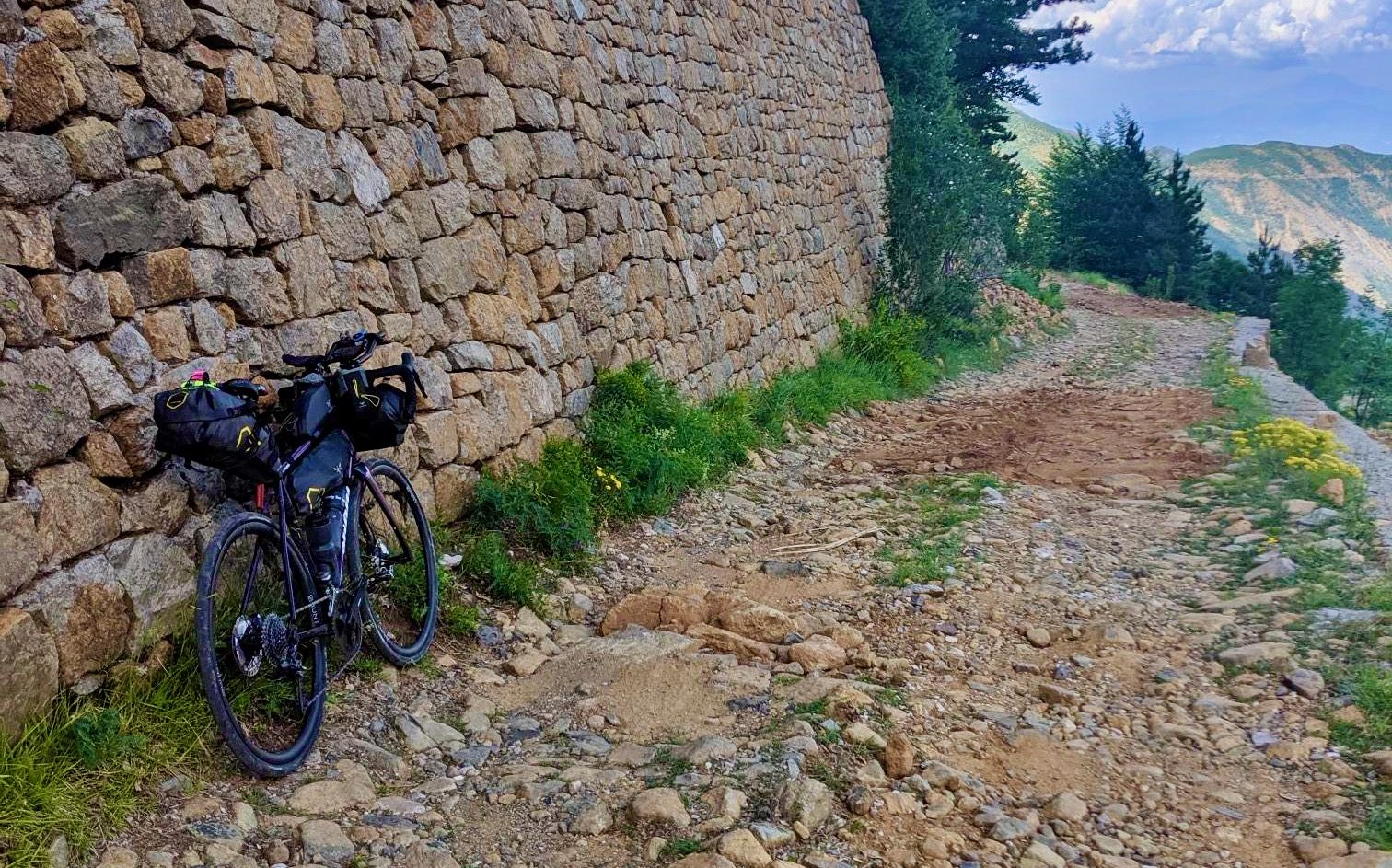
Traversing the Dinaric Alps — bikepacking from the mountains to the sea
Transcontinental Race No9 2023
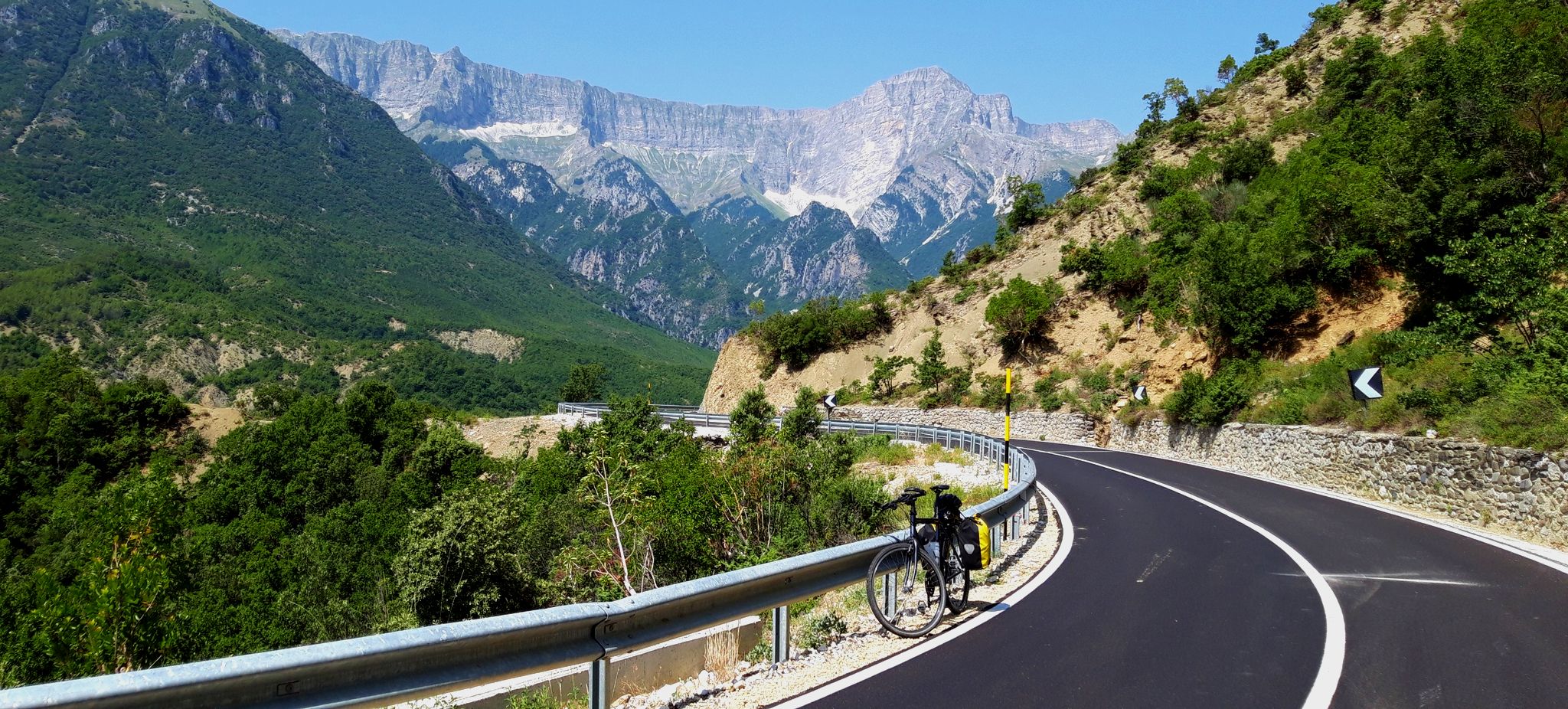
Balkan cycling adventure – Dubrovnik to Corfu
As we wrote history – the Transcontinental Race #TCRN06
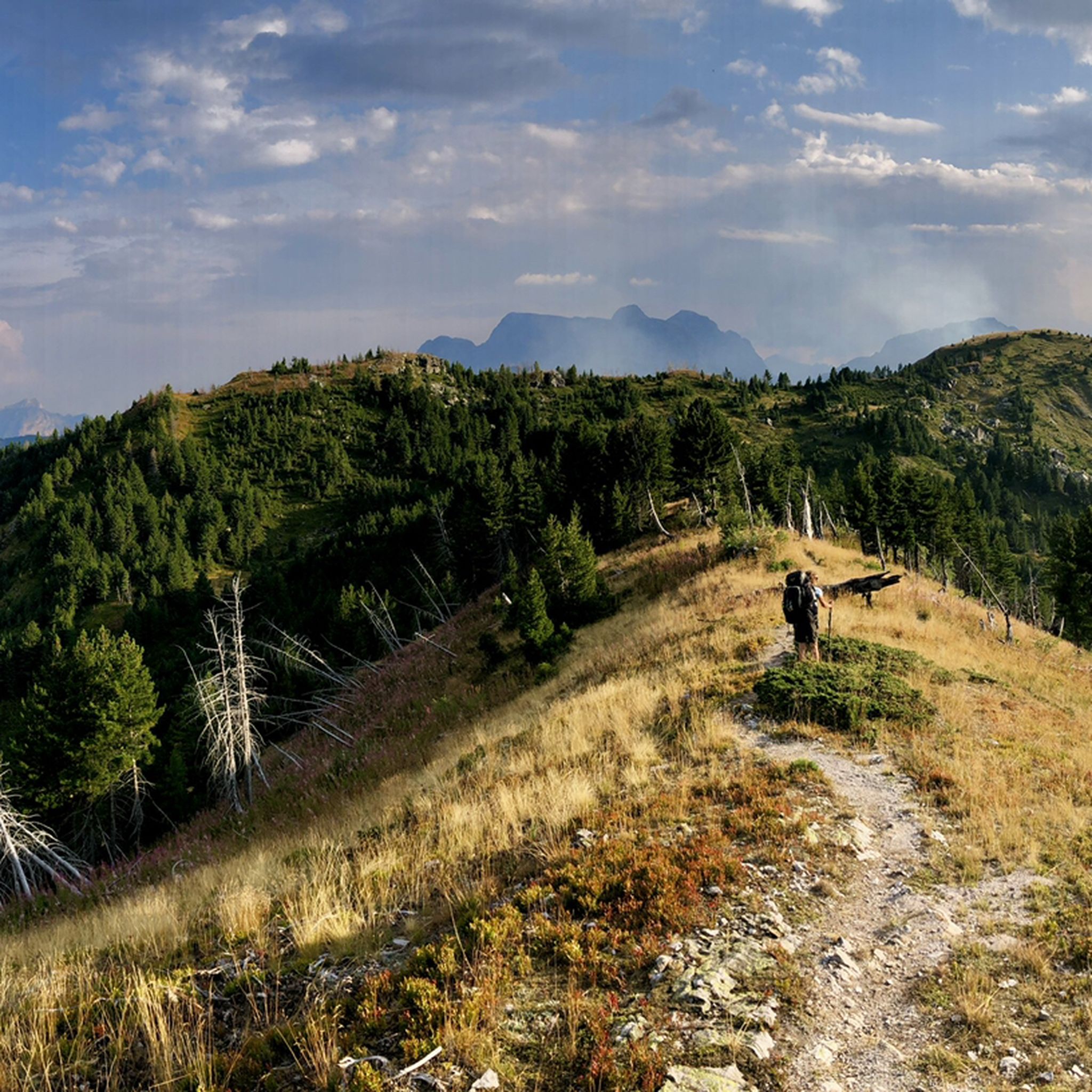
Hiking in Montenegro
Cycling in Montenegro
Road Cycling Routes in Montenegro
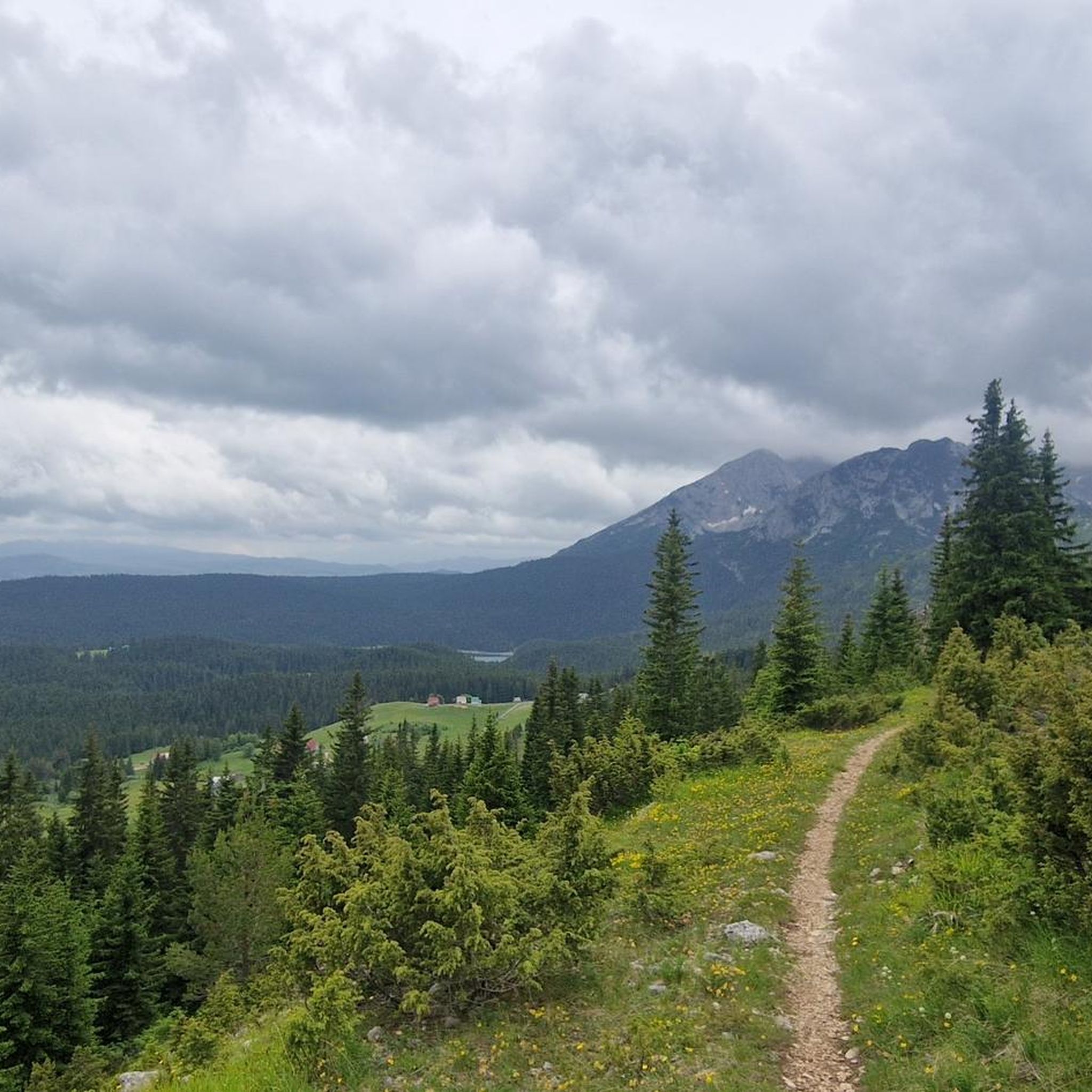
Running Trails in Montenegro
MTB Trails in Montenegro

Mountain Hikes in Montenegro
Other adventures in Montenegro


Tips from the Community

Maybe take poles. The path is not moderate or even easy. It is a very stony path, demanding and partially steep. But the view is gigantic, the path is worth it.
0
0

The accompanying page in the ARD media library for the television series "Treasures of the World – Heritage of Humanity" states: Rugged peaks marked by glaciers and karst formation, high alpine pastures, and primeval forests characterize a mountain landscape in the far north of the Republic of Montenegro: the Durmitor Massif. Nestled in the mountains are glacial lakes and karst gorges, springs and streams, and rivers roar in wild, inaccessible valleys. The name Durmitor likely originates from the Celtic language and means "Mountains of Many Waters." Interested viewers can access the corresponding film via the following link (duration: 15 minutes / language: German) =>> https://www.ardmediathek.de/video/schaetze-der-welt/nationalpark-durmitor-montenegro-folge-367/3sat/Y3JpZDovL3N3ci5kZS82NjM0ODA4
0
0

Not a steep summit, but a rounded knoll at the end of a grassy ridge, yet offering the most beautiful view of the peaks of the Prokletije Mountains! In the center: Kollata (2552 m).
0
0
We just completed this hike in early June. The ascent (via Todorov Do) is very technical and challenging for inexperienced hikers (30/40 degree slope, rocky and unstable terrain, some climbing, etc.). The descent (which is actually the ascent to the summit of the other side, which is another hike - a loop with a lake viewpoint, starting from the Dobri Do parking lot) is much simpler. Note that the end of the hike in the plain to return to the car is not at all signposted, the path is not easily visible, and the GPS track does not always match; you are mostly off-piste.
3
3

Beware of clouds and wind which greatly change the difficulty
0
0

You can go there on foot (about 3 hours) but it is easier to take the chairlift, 2 stations for 10 euros up and down.
0
0
The ascent via Todorov do is difficult, scree then climbing passages follow one another before reaching the summit. We left the road which comes from Zabljak a few kilometers before this departure. It joins hill 2100, Prutaski do, and the path which goes up to Prutas. This route is much easier. On the other hand, we went down the path that leads to Todorov do. Very uneven route, but which is done with great attention and caution. Around 4h30 with breaks.
2
1
Definitely advise an 8am start from the car park if you wish to avoid traffic jams on the fixed cables at the top. Fixed cables themselves are ok and sections are not difficult, just a little exposed for people without experience.
2
4
Frequently Asked Questions
What are some popular hiking trails in Montenegro's mountains?
Montenegro offers a variety of popular hiking trails. For a challenging experience, consider the Via ferrata to the summit of Bobotov Kuk in Durmitor National Park, known for its impressive views. If you're looking for easier options, the Bjelasica range, particularly around Biogradska Gora National Park, offers smooth, rounded peaks suitable for less strenuous activities. You can also find easy hikes around the Black Lake in Durmitor.
Which are the highest mountain peaks in Montenegro?
The highest mountain peak in Montenegro is Zla Kolata, standing at 2,534 meters, located in Prokletije National Park. While Bobotov Kuk (2,523 m) in Durmitor National Park was historically considered the highest, Zla Kolata now holds that distinction. Other notable high peaks include Maja Rozit (2,522 m) also in Prokletije, and the Komovi peaks like Kom Kučki (2,487 m).
Are there any challenging climbs for experienced mountaineers?
Yes, Montenegro provides several challenging climbs for experienced mountaineers. The ascent to Zla Kolata in Prokletije National Park is a demanding 10-hour hike. In Durmitor National Park, the Via ferrata to the summit of Bobotov Kuk requires surefootedness and concentration. Prutaš Peak also offers a challenging mountaineering experience with breathtaking scenery.
What kind of natural features can I expect to see in Montenegro's mountains?
Montenegro's mountains are rich in diverse natural features. Durmitor National Park, a UNESCO site, boasts dramatic peaks, deep canyons like the Tara River Canyon, and 18 glacial lakes, including the popular Black Lake. Prokletije National Park features rugged, jagged limestone peaks and pristine wilderness. Lovćen National Park is characterized by karst formations, deep sinkholes, and steep cliffs, while Bjelasica offers smooth, rounded, volcanically formed peaks, ancient forests, and glacial lakes.
Where can I find the best panoramic views of Montenegro's mountains?
For breathtaking panoramic views, consider visiting the Njegoš Mausoleum on Mount Lovćen, which offers extensive vistas from the Adriatic Sea to the peaks of Albania. The summit of Savin Kuk in Durmitor also provides impressive 360-degree views. Additionally, Popadija Peak offers amazing panoramic views of jagged cliffs, particularly from its grass mountains.
Are there any significant cultural or historical landmarks among Montenegro's peaks?
Yes, the mountains hold significant cultural and historical landmarks. The most prominent is the Njegoš Mausoleum on Jezerski Vrh in Lovćen National Park, the final resting place of Petar II Petrović-Njegoš, a revered Montenegrin ruler. Another notable site is the chapel on Rumija Summit.
What outdoor activities can I do near these mountain peaks besides hiking?
Beyond hiking, Montenegro's mountain regions offer various outdoor activities. You can explore gravel biking routes, such as the 'View of the Mountains – Sedlo Pass loop from Borje'. Bjelasica is particularly suitable for snowshoe hiking in winter. The Tara River Canyon in Durmitor National Park is also famous for rafting, though this guide focuses on mountain peaks.
What is the best time to visit Montenegro's mountains for hiking?
The ideal period for hiking in Montenegro's higher mountain peaks, such as Bobotov Kuk, is typically from June to September. During these months, the weather is generally more stable, and trails are clear of snow. However, lower peaks and national parks like Lovćen can be enjoyed earlier in spring and later into autumn.
Are there family-friendly mountain peaks or trails in Montenegro?
Yes, there are family-friendly options. The View of the Tara Gorge and the Durmitor Massif from Ćurevac is an easy, short hike suitable for families. The Bjelasica mountain range, with its smooth and rounded peaks, offers less strenuous activities compared to the rugged karst mountains, making it a good choice for families. The easy 3.5 km loop around the Black Lake in Durmitor is also very popular.
What do visitors enjoy most about Montenegro's mountain peaks?
Visitors frequently praise the incredible panoramic views, the challenging yet rewarding climbs, and the diverse natural beauty. Many appreciate the accessibility of peaks like Savin Kuk via ski lift, allowing for impressive vistas without an arduous climb. The historical significance of sites like the Njegoš Mausoleum also adds to the appeal, offering cultural enrichment alongside stunning scenery.
What wildlife might I encounter in Montenegro's mountain regions?
Montenegro's mountain regions are home to diverse wildlife. Prokletije National Park, known for its wild character, is particularly noted for its population of brown bears and wolves. Other areas may feature various bird species, deer, and smaller mammals, especially in the dense forests of Durmitor and Bjelasica.
Are there any mountain ranges known for their unique geological formations?
Absolutely. The Durmitor National Park is famous for its landscape carved by glaciers, featuring towering peaks and deep gorges. Prokletije National Park is renowned for its dramatic, jagged limestone peaks, earning it the moniker 'the Arctic Alps of Europe.' Lovćen is characterized by rugged karst formations, deep sinkholes, and steep cliffs, while Orjen also displays prominent karst features, jagged edges, and high cliffs.
Most popular routes in Montenegro
Most popular attractions in Montenegro

Get inspired with the komoot mobile app


Didn’t find what you were looking for?
Discover Montenegro’s best peaks and summits by region:
Explore more
See even more amazing summits in Montenegro with these guides:
