Top 9 Caves around Hardert
Best caves around Hardert are found within the broader Rhineland-Palatinate region, offering diverse subterranean experiences. Hardert is situated in the district of Neuwied, an area characterized by its natural features and historical significance. The landscape includes geological formations such as volcanic tuff and red sandstone, providing the setting for various cave types. This region offers opportunities to explore both natural rock formations and historical mining sites.
Best caves around Hardert
- The most popular caves is Laubach Valley Slate Mines,…
Last updated: June 26, 2026
Laubach Valley Slate Mines
Highlight • Cave
Translated by Google •
Tip by

Brexbach Stream and Stone Bridges
Highlight • River
Translated by Google •
Tip by

Sign up now to discover places like this
Get recommendations on the best single tracks, peaks, & plenty of other exciting outdoor places.
Sign up for free
Westerwald Caves
Highlight • Cave
Translated by Google •
Tip by

Translated by Google •
Tip by

World War II Air-Raid Shelter
Highlight • Historical Site
Translated by Google •
Tip by

Sign up for free to discover even more caves around Hardert.
Sign up for free
Already have an account?
Start today with a free account
Your next adventure awaits.
Login or Signup
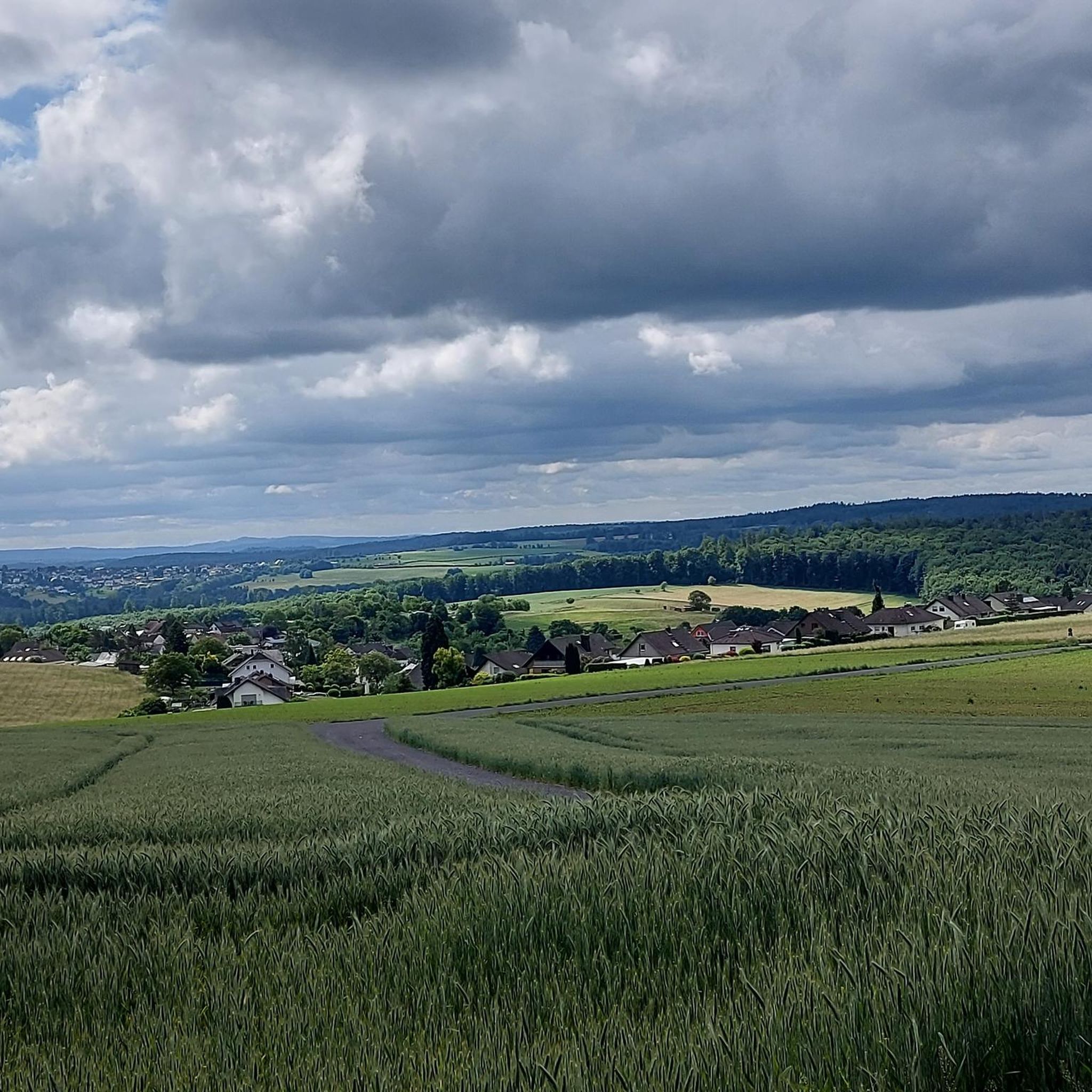
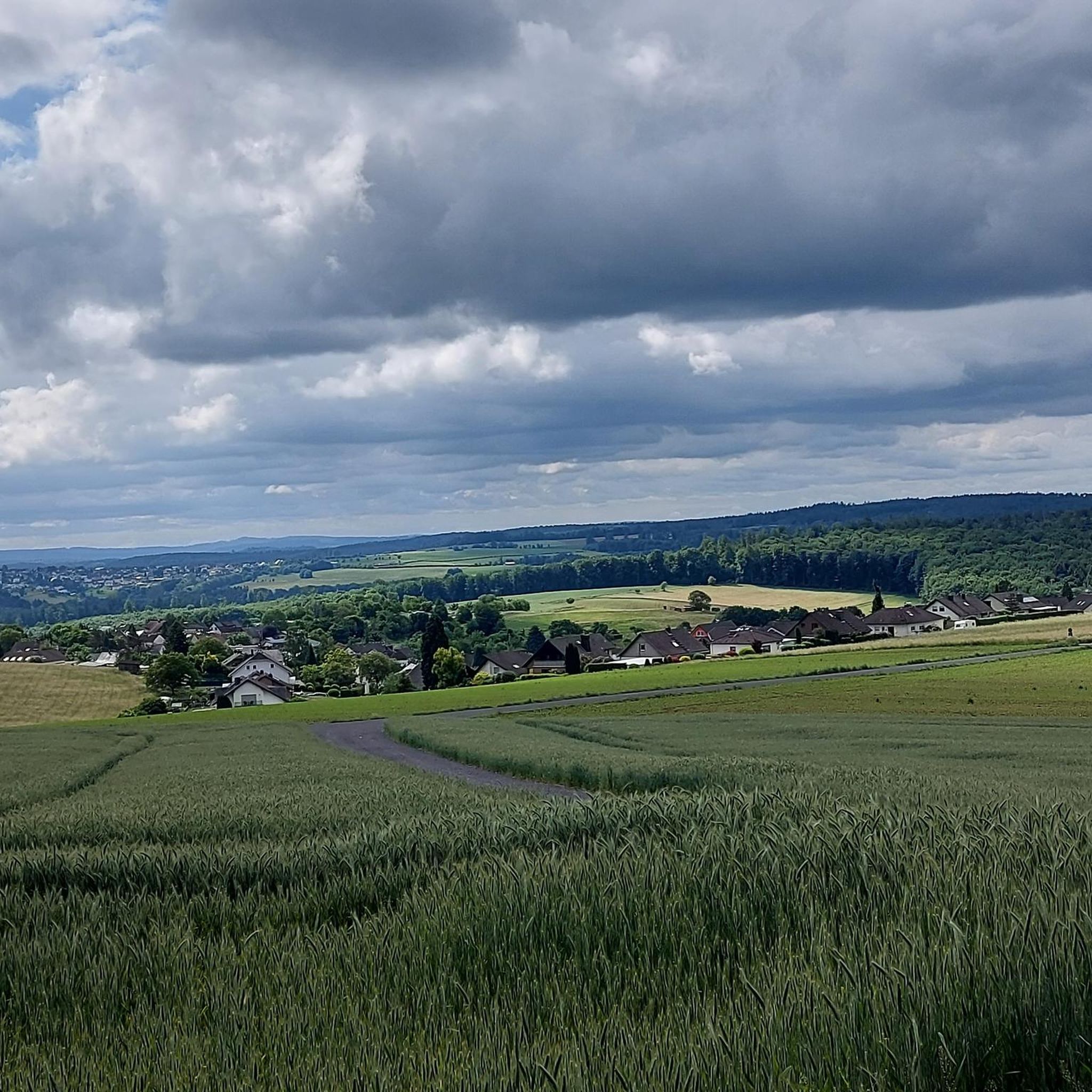
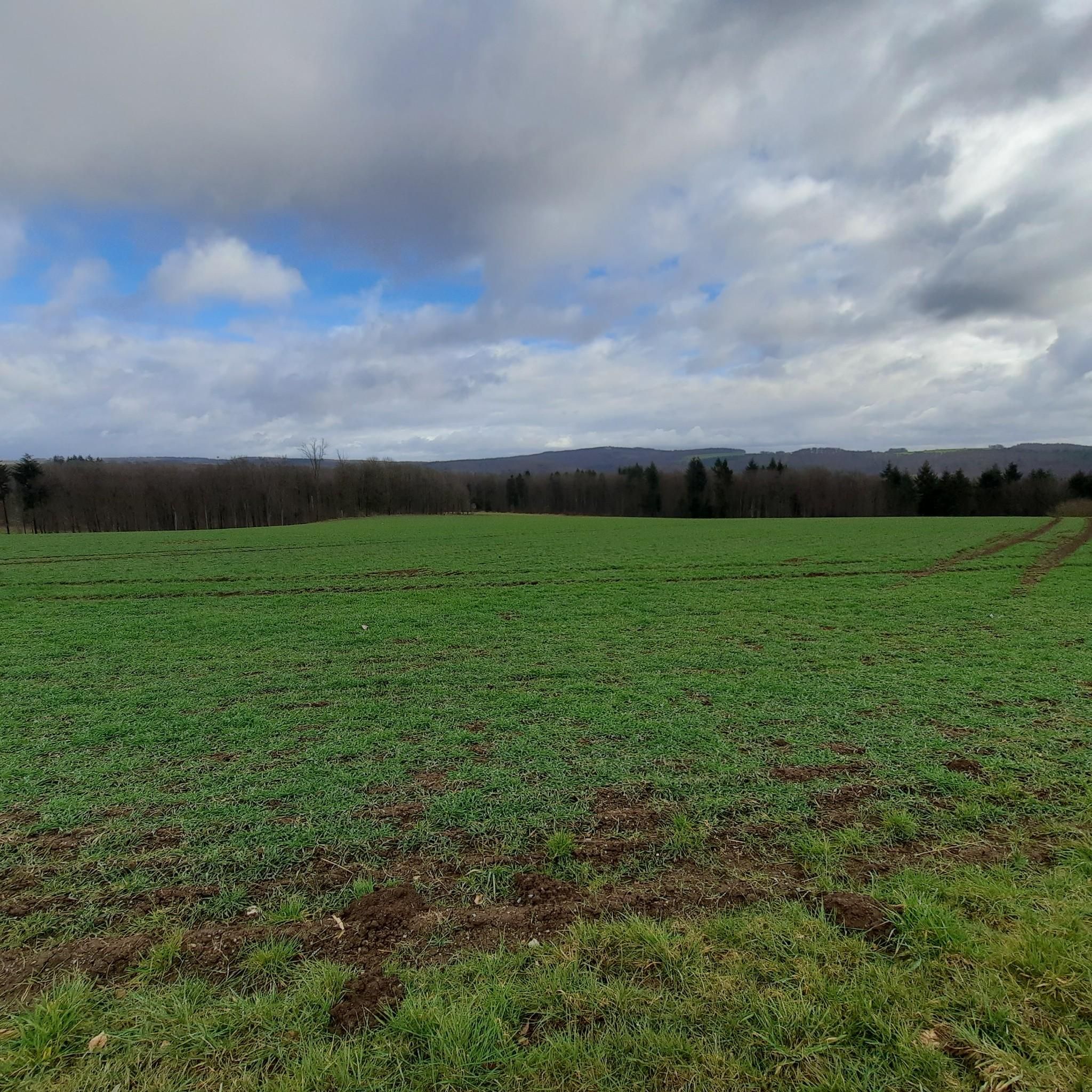
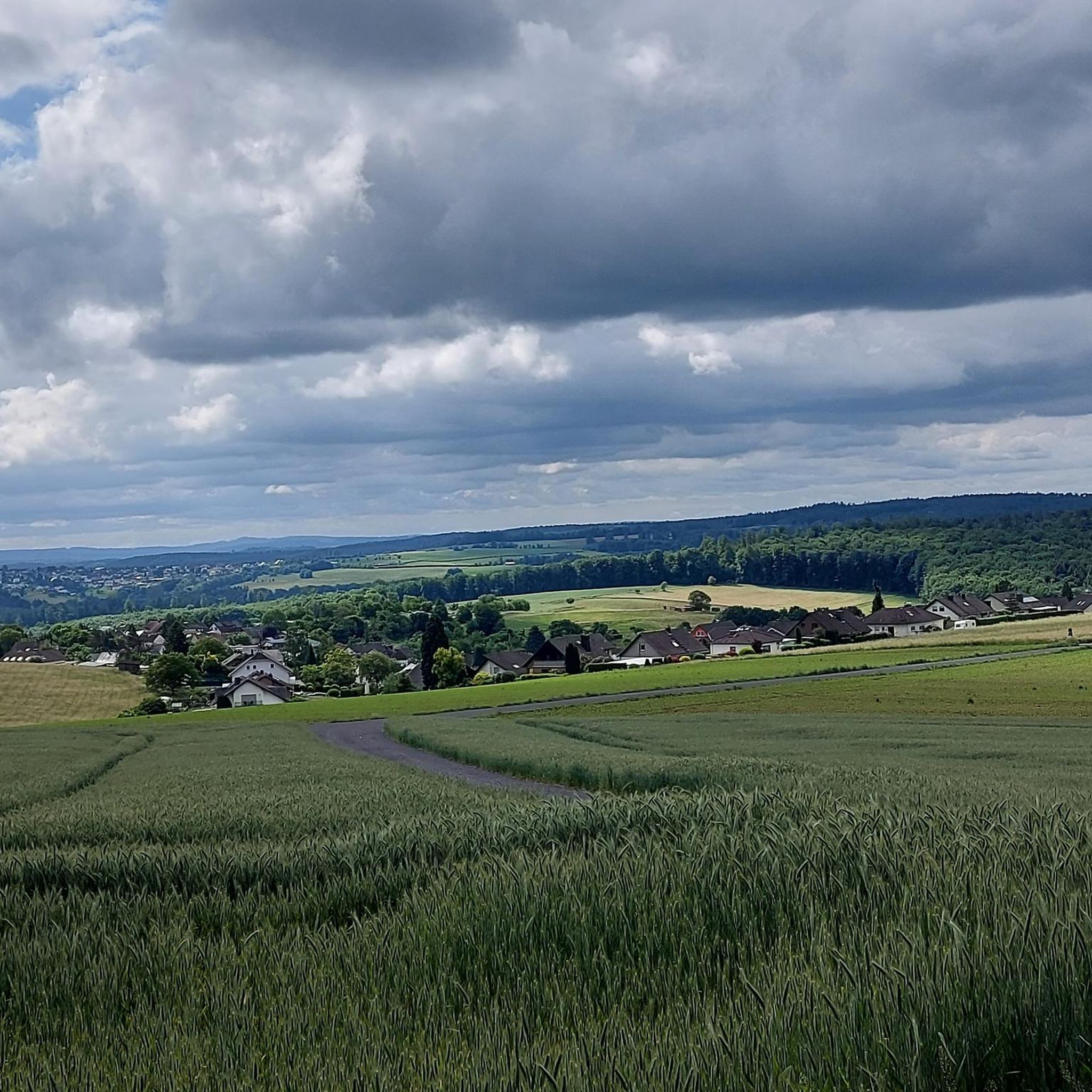
Tips from the Community

A fenced area where slate was formerly mined. Is privately owned
0
0

Along the shady Brexbach stream, there are beautiful paths, bridges from an old railway line, and two accessible caves in the hillside. Don't forget your flashlight!
2
0

Were only in the lower one, but it was already convincing. Several branches and really many meters long. It's worth it. There is no treasure, but the way is the goal
0
0


A beautiful spot with narrow paths ❤
5
0

Just wonderful on warm summer days
3
0

Brexbach ... there are great hiking trails here
3
0
Unfortunately, the tunnel cannot be visited
1
0
Frequently Asked Questions
What types of caves can I explore around Hardert?
The region around Hardert, within Rhineland-Palatinate, offers a variety of subterranean experiences. You can find historical slate mines, natural cave passages, and even impressive cellars carved into volcanic rock. Examples include the Laubach Valley Slate Mines, known for their historical mining significance and current role as bat habitats, and natural cave passages like the Cave tunnel in Naturpark Rhein-Westerwald.
Are there any natural cave passages in the Hardert area?
Yes, there are natural cave passages. For instance, the Cave tunnel in Naturpark Rhein-Westerwald is an approximately 10-meter-long natural passage through a rock ledge. Visitors often need to remove their backpacks to crawl through its low ceiling.
What historical caves or sites are there near Hardert?
The area is rich in historical subterranean sites. The Laubach Valley Slate Mines are a significant historical site where valuable slate was once mined. Another historical location is the Old Slate Mine Entrance (Bat Protection), Naturpark Rhein-Westerwald, which is now closed to protect bats. Additionally, a World War II Air-Raid Shelter, originally a slate mining area, can also be found.
What do visitors enjoy most about the caves around Hardert?
Visitors appreciate the unique blend of natural geology and historical significance. Many enjoy discovering the old tunnels and slate mines, often noting their importance as bat habitats. The Cave tunnel in Naturpark Rhein-Westerwald is particularly popular for its adventurous crawl-through experience.
Are there any caves near Hardert that are suitable for beginners or families?
While some natural passages require crawling, many of the historical mine entrances and sealed caves offer an interesting, less physically demanding experience from the outside. For example, the Sealed Cave in Naturpark Rhein-Westerwald allows visitors to peek inside through an opening. Always check specific access details for each location.
Do I need a permit to visit caves in the Hardert region?
Generally, access to many historical mine tunnels and natural caves in the region is restricted, often for safety reasons or to protect bat populations, especially during hibernation periods (October 1 to March 31). These sites are typically secured with grilles or walls. For accessible caves, permits are usually not required, but it's always best to respect signage and local regulations.
What is the best time of year to visit caves near Hardert?
The best time to visit depends on the type of cave experience you seek. For outdoor exploration of cave entrances and surrounding trails, spring through autumn offers pleasant weather. However, if you are interested in the ecological aspect, be aware that many caves serve as bat winter quarters, and access is restricted from October 1 to March 31 to avoid disturbing them.
What should I wear or bring when exploring caves in this area?
When exploring cave areas, especially those with natural passages or historical sites, wear sturdy footwear suitable for uneven terrain. A flashlight is highly recommended for any dark sections, even if you only plan to look into entrances. Layers of clothing are also advisable as cave interiors can be cooler than the outside temperature.
What outdoor activities can I do near these caves?
The Hardert region offers various outdoor activities. You can find numerous hiking trails, including easy, moderate, and difficult options. There are also dedicated routes for mountain biking and gravel biking. For hiking, explore options like the 'Path Along the Aubach – Aubachtal Valley loop from Hardert' or the 'Zum Schwanenteich Beer Garden – Schwanenteich Reservoir loop from Hardert'. You can find more details on these activities in the Hiking around Hardert, MTB Trails around Hardert, and Gravel biking around Hardert guides.
Are there any other notable caves in the broader Rhineland-Palatinate region?
Beyond Hardert, the wider Rhineland-Palatinate state features other interesting subterranean sites. These include the Trass Caves Brohltal, known for volcanic tuff formations, the Buchenloch Cave, and the Bears' Cave near Rodalben, which are impressive natural monuments of red sandstone. The Elfengrotte near Bad Bertrich, formed from hot basalt flows, and the Lavakeller Mendig, historical cellars carved into volcanic rock, also offer unique experiences.
Are the caves around Hardert accessible by public transport?
While Hardert itself has public transport connections, direct access to specific cave sites might require further planning or a short walk. It's recommended to check local bus schedules and routes to the nearest villages or trailheads, and then plan your journey to the cave locations accordingly. Parking is generally available near popular hiking trailheads that lead to some cave entrances.
Most popular routes around Hardert
Most popular attractions around Hardert

Get inspired with the komoot mobile app


Explore more
Extend your search for the best caves by checking out these guides of the top ones around Hardert:
