Top 4 Caves around Eiterfeld
Best caves around Eiterfeld are situated within the Vogelsberg Mountains region, an area known for its volcanic geology and varied natural landscapes. This locale presents a combination of natural geological formations and historical subterranean features. Eiterfeld provides access to exploring these unique sites, which include sinkholes, grottoes, and ancient cave remnants. The region's geology offers insights into past volcanic activity and natural erosion processes.
Best caves around Eiterfeld
- The most popular caves is Hilmeser Loch Sinkhole, a natural monument…
Last updated: April 28, 2026
Hilmeser Loch Sinkhole
Highlight • Natural Monument
Translated by Google •
Tip by

Sargenzell Lourdes Grotto
Highlight • Religious Site
Translated by Google •
Tip by

Sign up now to discover places like this
Get recommendations on the best single tracks, peaks, & plenty of other exciting outdoor places.
Sign up for free
Ransbacher Senke Cave
Highlight • Cave
Translated by Google •
Tip by

Remains of a dripstone cave
Highlight • Cave
Translated by Google •
Tip by

Start today with a free account
Your next adventure awaits.
Login or Signup
Tips from the Community

If the sign did not point to the remains of a stalactite cave, you would have no idea what you were looking at here... very inconspicuous
1
0

Unfortunately, it has now dried up. Only fragments of the stalactites can be found.
0
1

Inconspicuous, with the wooden gate around it, you drive past it quickly.
0
0

The closed hole is the natural monument "Hilmeser Loch". The last depth measured in 2018 by the Cave Research Club Bad Hersfeld e.V. was about 20 m. Reports from the 19th century by Carl Trautvetter (first explorer) spoke of a length of 100 - 150 m. Source: S.Gress
1
0
Supposedly there used to be a stalactite cave here, but only the hint of an entrance remained
1
0

The “Ransbacher Senke” rift cave is of regional importance as winter quarters for bats. In 2008, the State Association for Cave and Karst Research Hessen e. V. for example the Bechstein's bat and the great mouse-eared bat.
1
1
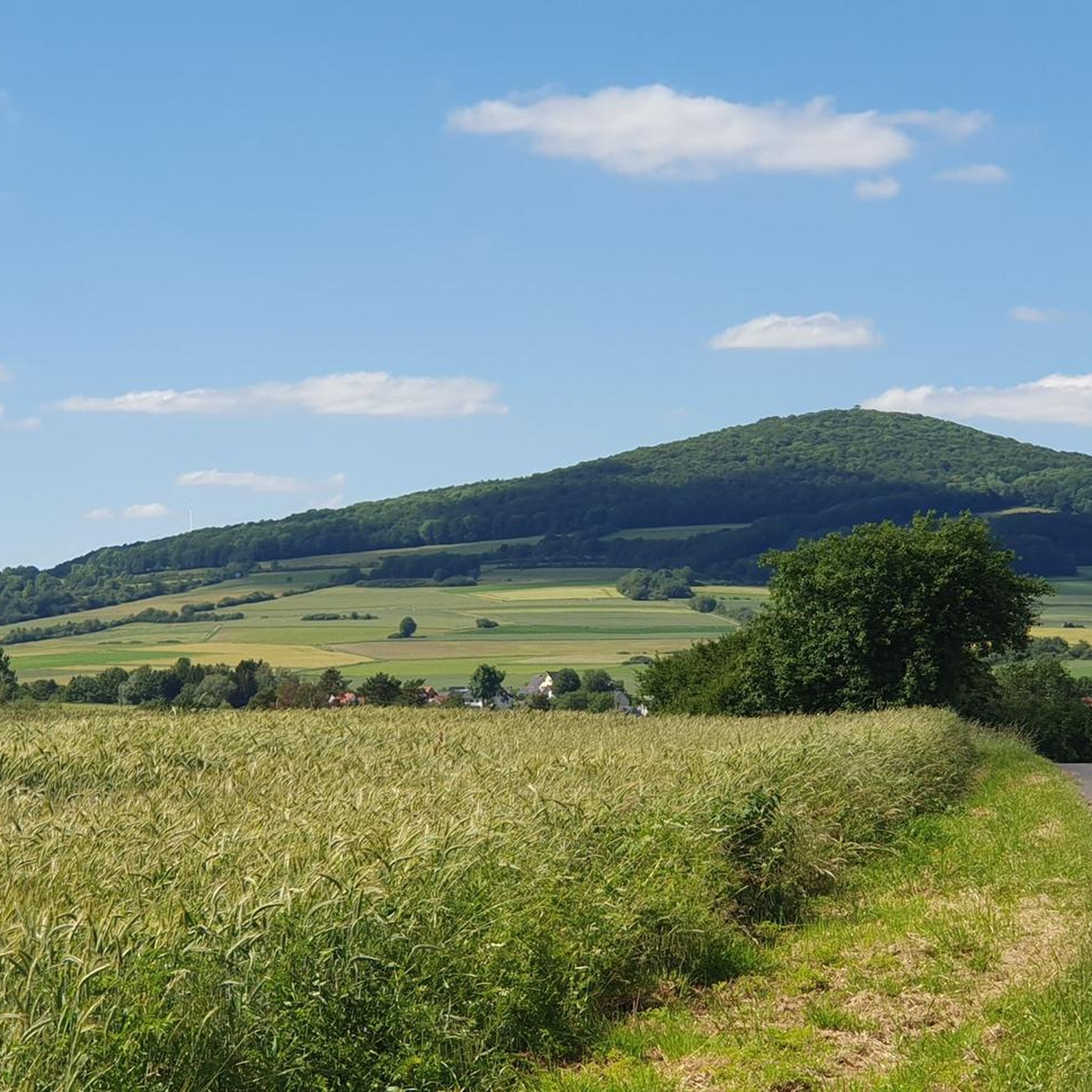
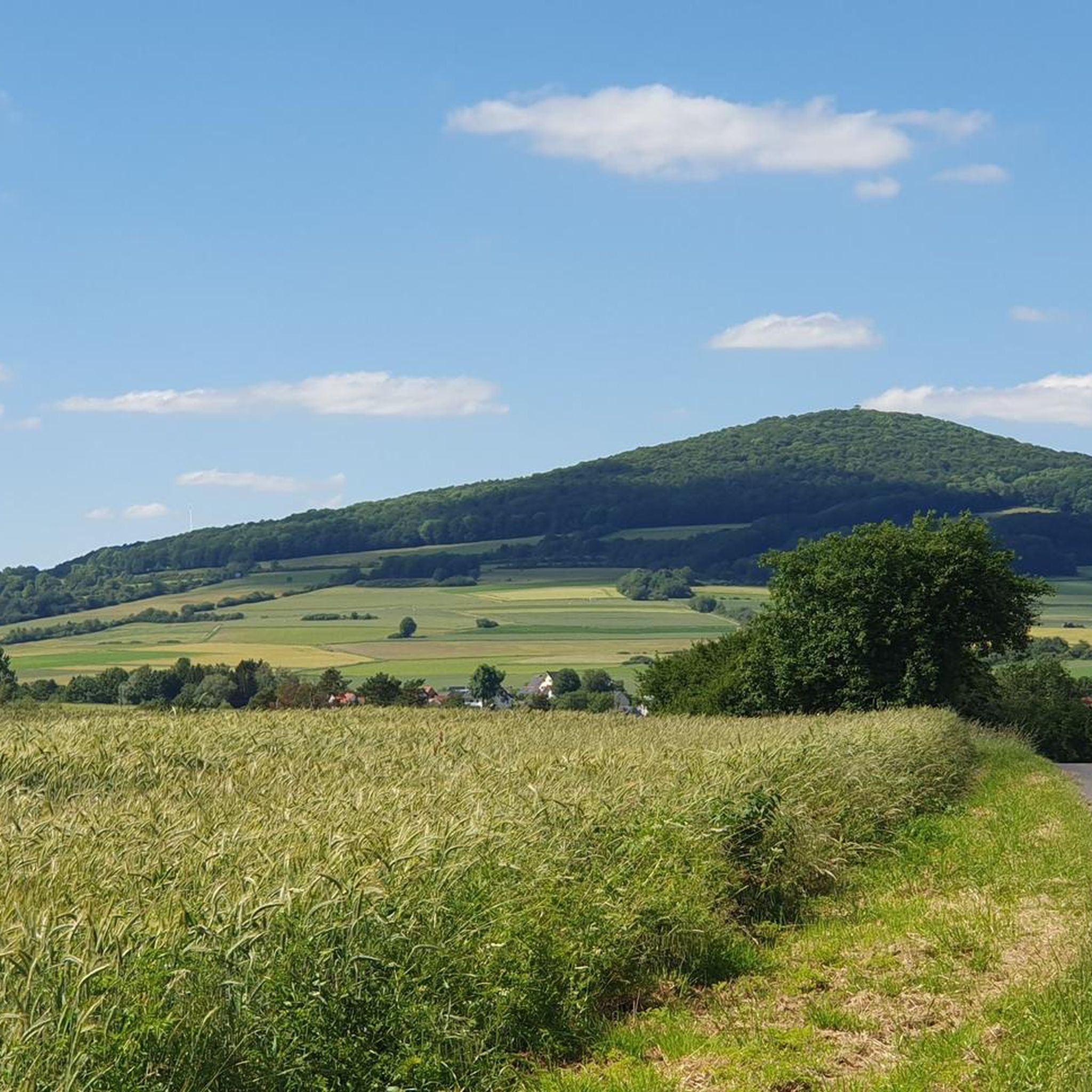
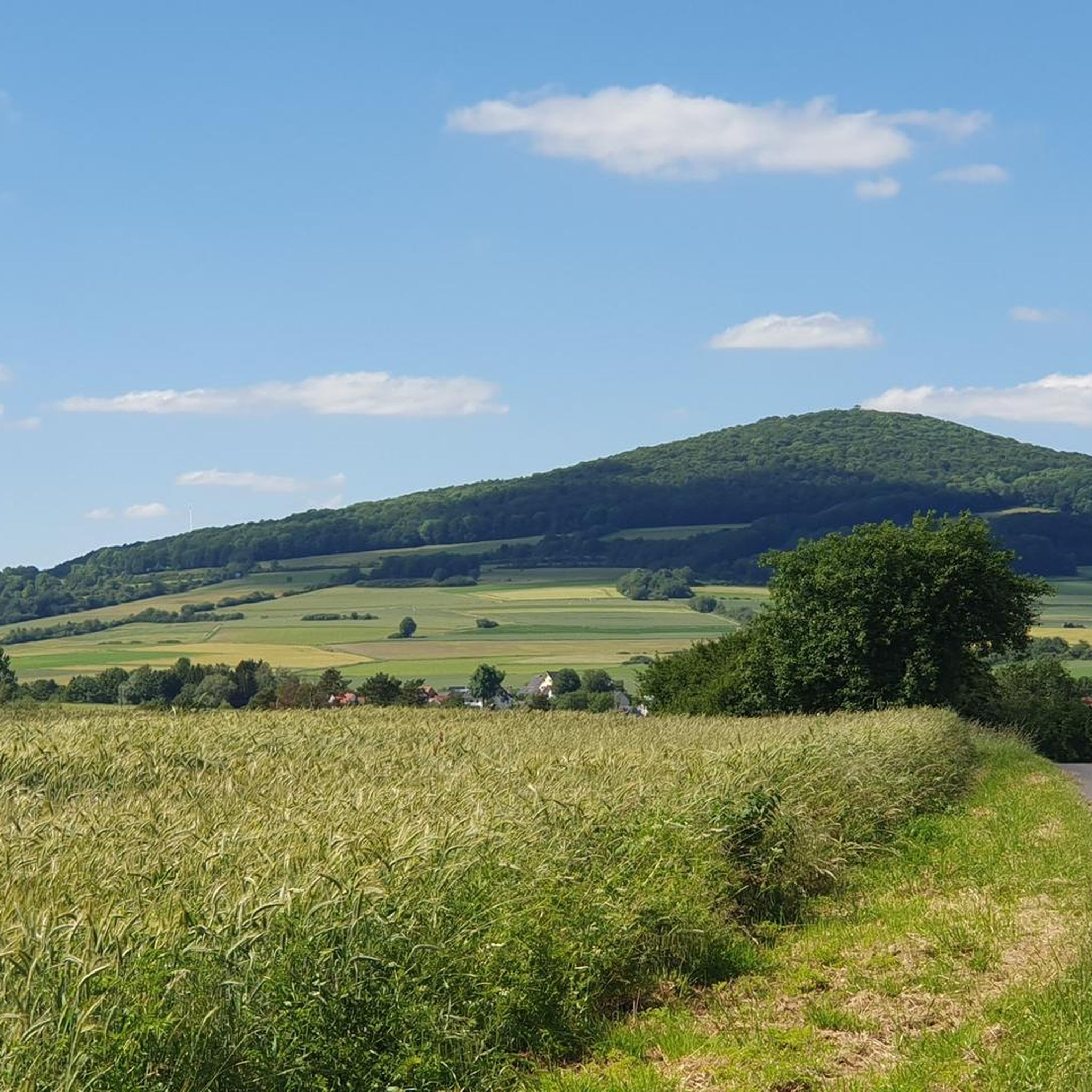
The Hilmeser Loch is a shaft cave created by landslides in the limestone on the Landecker Berg. The burglar funnel is secured with a wooden railing. The cave was created by the cave research club Bad Hersfeld e. V. has been documented in the past and freed from rubbish and rubbish several times together with the volunteer fire brigade. The approx. 20 meter deep cave is designated as a natural monument and a particularly protected habitat for bats, for example, as winter quarters. Literature tip: Stefan Zaenker - Das Hilmeser Loch, Mein Heimatland, No. 9, Sept. 2021.
1
1

The Sargenzeller Lourdes Grotto was inaugurated in 1957 by Father Franz-Josef Leinberger, OMI. It is surrounded by a very well-kept complex. Several benches invite you to linger. From up here you have a wonderful view over Sargenzell and Hünfeld, all the way to the mountains of the Hessian skittles.
6
0
Frequently Asked Questions
What types of geological features can I explore in the caves around Eiterfeld?
The region around Eiterfeld, particularly within the Vogelsberg Mountains, offers a variety of geological features. You can find natural sinkholes, such as the Hilmeser Loch Sinkhole, which is a shaft cave formed by landslides in limestone. There are also rift caves like the Ransbacher Senke Cave, and even remnants of former dripstone caves. The area's geology provides insights into past volcanic activity and natural erosion processes.
Are there any caves with historical or folklore significance in the Vogelsberg Mountains near Eiterfeld?
Yes, the Vogelsberg Mountains region is rich in local folklore and history. The Frau Holle Cave (Frau Holle-Loch) and Wildholl-Loch Cave are both deeply embedded in local tales surrounding the mythical figure of Frau Holle, considered ancient cult places. Additionally, man-made subterranean structures like the Old Riedmann Tunnel, historically used for ice storage, and the 16th-century Historic Rock Cellars in Dauernheim, used for wine storage, offer unique historical perspectives.
What makes the <a href="https://www.komoot.com/highlight/881756" target="_blank" rel="noopener">Hilmeser Loch Sinkhole</a> a notable site?
The Hilmeser Loch Sinkhole is a natural monument and a shaft cave, approximately 20 meters deep, created by landslides in limestone. It is a particularly protected habitat for bats, serving as their winter quarters. The entrance is secured with a wooden railing, and it has been documented and maintained by local cave research clubs.
Can I visit a grotto near Eiterfeld?
Yes, the Sargenzell Lourdes Grotto is a religious building near Eiterfeld. Inaugurated in 1957, it is surrounded by a well-maintained complex with benches, inviting visitors to linger. From this spot, you can also enjoy a wonderful view over Sargenzell and Hünfeld.
Are there any caves important for wildlife protection in the Eiterfeld area?
Yes, several cave sites around Eiterfeld are crucial for wildlife. The Hilmeser Loch Sinkhole is a designated natural monument and a protected habitat for bats, serving as their winter quarters. Similarly, the Ransbacher Senke Cave is a rift cave of regional importance, also serving as winter quarters for various bat species, including the Bechstein's bat and the great mouse-eared bat.
What is the <a href="https://www.komoot.com/highlight/7169675" target="_blank" rel="noopener">Remains of a dripstone cave</a> highlight about?
The Remains of a dripstone cave is an inconspicuous site where a stalactite cave supposedly once existed. Unfortunately, it has now dried up, and only fragments of the stalactites and a hint of an entrance remain. It's a site that speaks to the geological past of the area, even if its former grandeur is no longer visible.
Are there family-friendly options for exploring caves or grottoes near Eiterfeld?
The Sargenzell Lourdes Grotto is considered family-friendly. It features a well-kept complex with benches, making it a pleasant spot for families to visit and relax. While most natural caves in the region might require more caution, the grotto offers an accessible and serene experience.
What outdoor activities can I do near these caves?
The region around Eiterfeld offers various outdoor activities. You can find numerous hiking trails, with options ranging from easy to moderate, such as the 'Buchenau Castle loop' or the 'Soisberg Observation Tower loop'. For cyclists, there are gravel biking routes like the 'Solztal Cycle Path' and road cycling routes, including scenic loops like 'View of Arzell and Eiterfeld'. You can explore more routes on the Hiking around Eiterfeld, Gravel biking around Eiterfeld, and Road Cycling Routes around Eiterfeld guide pages.
What is the best time to visit the caves and grottoes around Eiterfeld?
The best time to visit depends on your interest. For sites like the Sargenzell Lourdes Grotto, which is an outdoor religious site, spring through autumn offers pleasant weather for lingering. For natural caves that serve as bat winter quarters, such as the Hilmeser Loch Sinkhole and Ransbacher Senke Cave, it's important to be mindful of the bats' hibernation period, typically in colder months, when access might be restricted or disturbance should be avoided.
Are there any specific safety considerations for exploring the natural caves?
For natural caves like the Hilmeser Loch Sinkhole, the entrance is secured with a wooden railing due to its depth. The Frau Holle Cave, mentioned in regional research, might have restricted entry due to potential rockfall. Always observe local signage and safety warnings. For any deeper or more challenging natural features, it's advisable to have appropriate gear and experience, or to visit with local experts.
What do visitors enjoy most about the caves and subterranean features near Eiterfeld?
Visitors appreciate the blend of natural geological formations, local legends, and historical significance. The well-kept complex around the Sargenzell Lourdes Grotto is often highlighted as a beautiful place to linger and enjoy views. The natural monuments like the Hilmeser Loch Sinkhole offer a glimpse into unique geological processes and serve as important bat habitats, appealing to those interested in nature and conservation.
Are there any man-made subterranean structures to explore in the area?
Yes, beyond natural caves, the region offers interesting man-made subterranean structures. The Old Riedmann Tunnel, for instance, was historically used as an ice cellar to cool beverages. In Dauernheim, you can find Historic Rock Cellars dating back to the 16th century, some multi-layered, which were originally used for storing locally produced wine. These sites provide a unique look into past local practices and ingenuity.
Most popular routes around Eiterfeld
Most popular attractions around Eiterfeld

Get inspired with the komoot mobile app


Explore more
Extend your search for the best caves by checking out these guides of the top ones around Eiterfeld:
