Top 20 Caves around Spesenroth
Caves near Spesenroth offer a glimpse into the geological and historical landscape of the Rhein-Hunsrück-Kreis region. This area features various natural and man-made underground sites, including former mine tunnels and natural cave formations. Many of these sites are significant for their past use in mining or as shelters, and some now serve as important bat habitats. Visitors can explore these Spesenroth natural features, often accessible via hiking trails.
Best caves around Spesenroth
- The most popular caves is Baybachtal Bat Cave…
Last updated: June 27, 2026
Baybachtal Bat Cave (Slate Tunnel)
Highlight • Cave
Translated by Google •
Tip by

Klöckners Kaul slate mine tunnel and rest area
Highlight • Cave
Translated by Google •
Tip by

Sign up now to discover places like this
Get recommendations on the best single tracks, peaks, & plenty of other exciting outdoor places.
Sign up for free
Katzenloch Slate Mine
Highlight • Cave
Translated by Google •
Tip by

Cave
Highlight • Cave
Translated by Google •
Tip by

Swing near the Dwarf Cave (Zwergenhöhle)
Highlight • Cave
Translated by Google •
Tip by

Sign up for free to discover even more caves around Spesenroth.
Sign up for free
Already have an account?
Start today with a free account
Your next adventure awaits.
Login or Signup
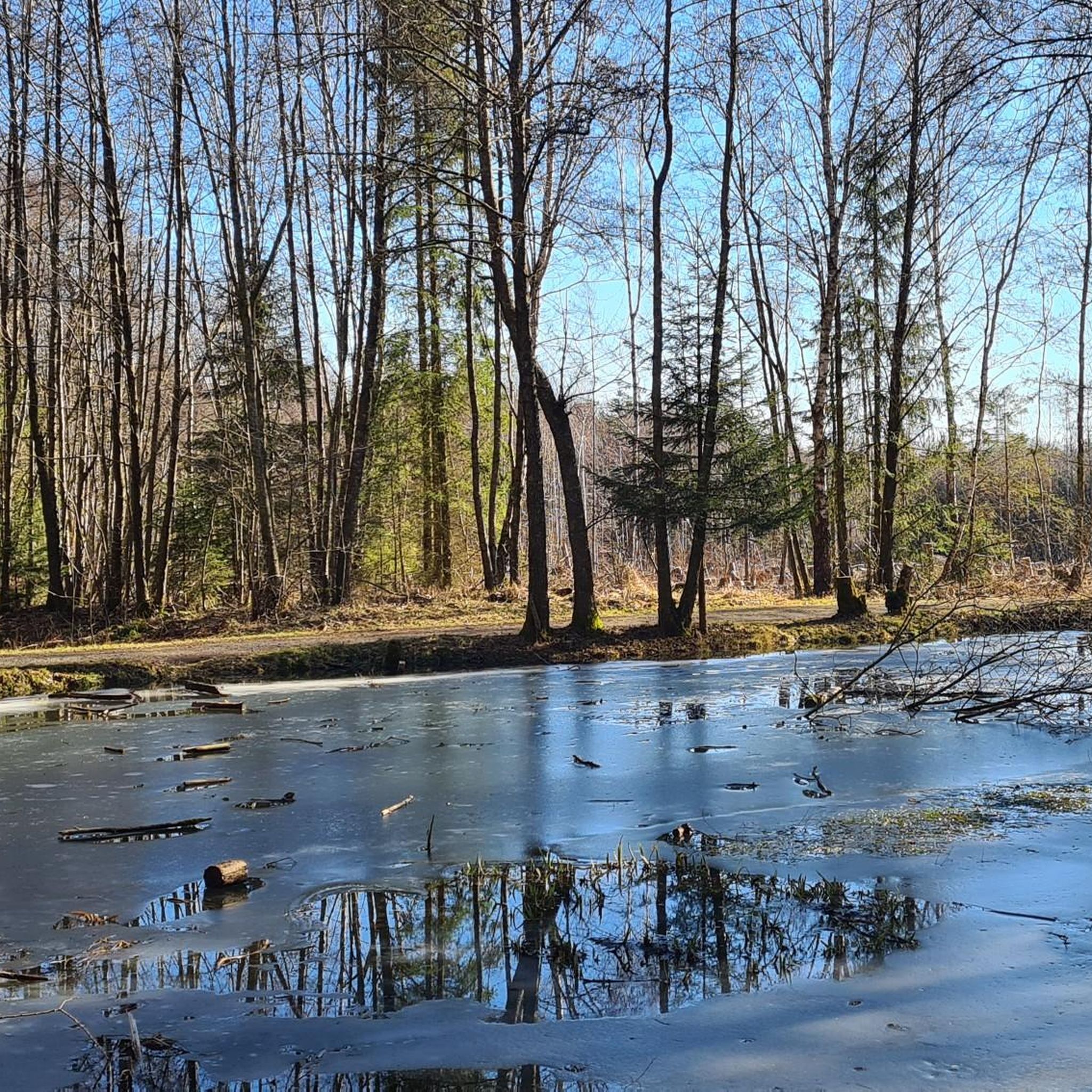
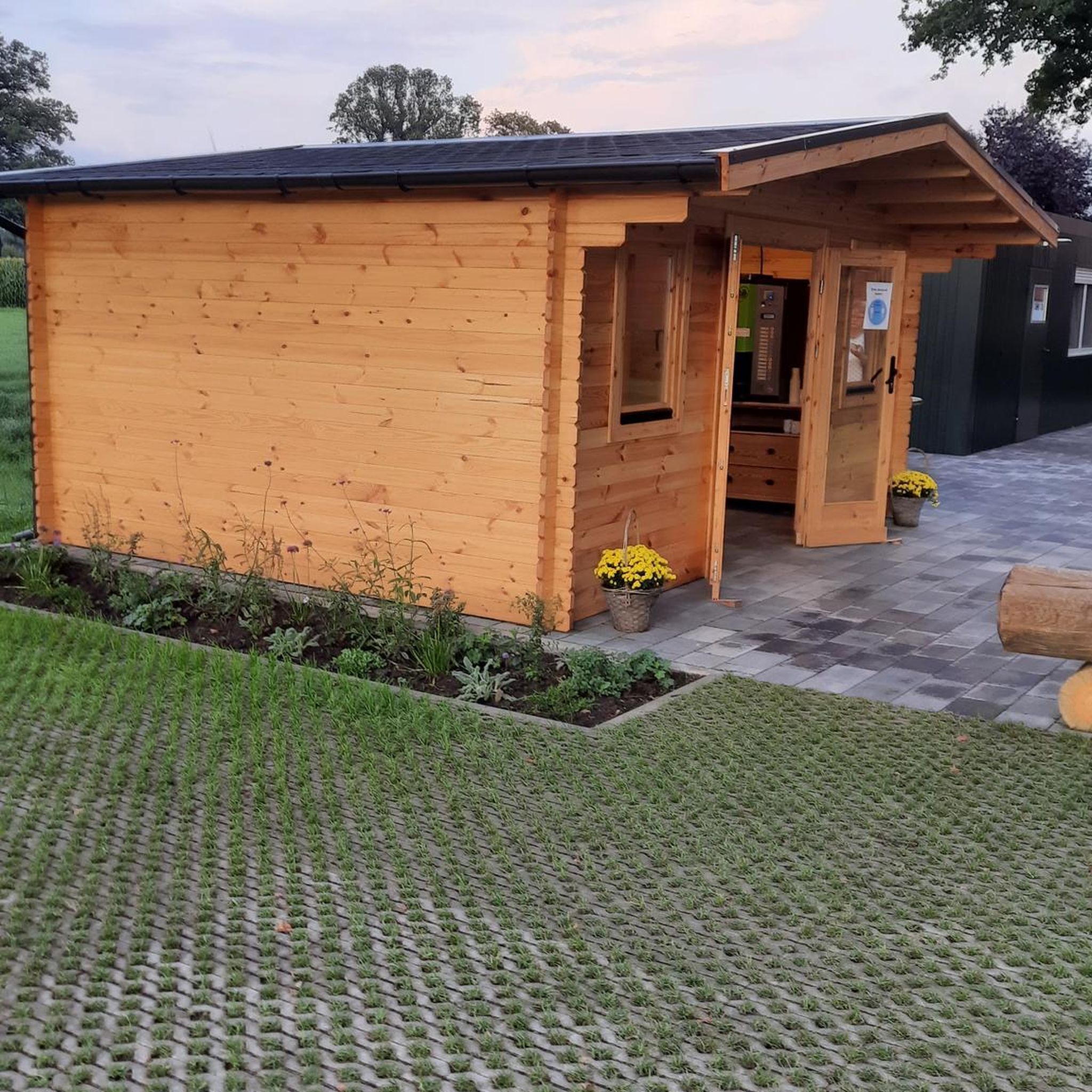
Tips from the Community

There's always something new to discover here
0
0

Who likes it
0
0

Hike "Dünnbachpfad" at the Dwarf Cave
0
0

A beautiful spot... nature 🌳🍄🟫
0
0

large rocky outcrop as a shelter and as a wintering place for bats
3
0

A slate mine with a nice rest area and information board.
2
0

This evidence of the former slate mining in the Baybachtal can be found in several places.
2
0
Whether this is a real highlight remains to be seen. We also used the swing and had fun!
0
0
Frequently Asked Questions
What types of caves can I explore around Spesenroth?
The Spesenroth area features a mix of natural cave formations and historical man-made underground sites. These include former slate mine tunnels, which were once active mining operations, and natural caves. Many of these sites now serve as important bat habitats, offering a glimpse into both the region's geological past and its industrial history.
Which caves near Spesenroth are suitable for families?
For families, the Klöckners Kaul slate mine tunnel and rest area is a great option, featuring a lovingly designed rest area at the entrance to the old mining site. Additionally, the area near the Dwarf Cave (Zwergenhöhle) offers a swing, providing an entertaining spot for children to rest.
Are there historical mining sites among the caves in the Spesenroth area?
Yes, the region is rich in historical mining sites. The Baybachtal Bat Cave (Slate Tunnel) represents former roof slate pits that were driven hundreds of meters into the mountain. Another significant site is the Katzenloch Slate Mine, which operated in the early 20th century with a tunnel about 100 meters long. The Klöckners Kaul slate mine tunnel is also a historical mining site with a prepared rest area.
What natural features can I expect to see in the caves around Spesenroth?
The caves and tunnels around Spesenroth often showcase impressive slate formations, reflecting the region's geological makeup. Many former mine tunnels, such as those in the Baybachtal, now serve as sheltered sleeping places for bats, making them important ecological sites. You can observe the mighty slate slabs in earth outcrops near these historical mining areas.
Can I go hiking near the caves around Spesenroth?
Absolutely. The caves around Spesenroth are often accessible via hiking trails. You can find numerous hiking routes in the area, ranging from easy to moderate. For more details and specific routes, explore the Hiking around Spesenroth guide.
Are there other outdoor activities besides hiking near the caves?
Beyond hiking, the region offers opportunities for mountain biking and road cycling. You can find various MTB trails in the area, including challenging routes like the 'Baybach Valley – Schönecker Stahlbrunnen loop'. For road cyclists, there are routes like the 'Schinderhannes Cycle Path'. Check out the MTB Trails around Spesenroth and Road Cycling Routes around Spesenroth guides for more information.
What is the Baybachtal Bat Cave (Slate Tunnel) known for?
The Baybachtal Bat Cave (Slate Tunnel) is known for its history as a roof slate pit, with tunnels driven hundreds of meters into the mountain. Today, it's primarily recognized as a significant wintering place for bats, with the entrance often barred to protect these creatures. You can still see the mighty slate slabs in the surrounding earth outcrops.
Is the Katzenloch Slate Mine accessible to visitors?
The Katzenloch Slate Mine is a historical site that operated in the early 20th century. While the mine itself is generally not accessible for entry, the area around it offers a cozy resting place and a bridge over the Wohnrother Bach, making it a pleasant spot to visit and learn about the region's mining past.
What should I know about the 'Cave' highlight near Spesenroth?
The highlight simply named 'Cave' (Cave) is a small natural cave. The path to it can be challenging, especially the northern end, which features a very steep ascent without safety measures. It is recommended for very sure-footed individuals, and caution is advised if visiting with children or older adults. It can offer shelter in bad weather.
What is the best time to visit the caves around Spesenroth?
Given that many former mine tunnels and natural caves in the Hunsrück region serve as important bat habitats, some sites might have restricted access or specific visiting seasons to protect these animals. For general outdoor activities and exploring the surrounding trails, spring and autumn often offer pleasant weather. Always check local information for specific cave access details.
Are there any specific historical facts about the caves in the Rhein-Hunsrück-Kreis region?
Beyond their mining history, some sites in the broader Rhein-Hunsrück-Kreis, such as the Upper and Lower Laykaul Slate Caves, have historical significance as shelters during wartime air raids, earning them the nickname 'Zittertal'. These sites offer a glimpse into the area's past uses beyond just resource extraction.
Can I bring my dog to the caves or trails around Spesenroth?
While specific cave access for dogs is not always guaranteed, many of the hiking trails and outdoor areas around Spesenroth are generally dog-friendly. It's always advisable to keep dogs on a leash, especially in natural habitats or near historical sites, and to check for any specific restrictions at individual locations or protected areas.
Most popular routes around Spesenroth
Most popular attractions around Spesenroth

Get inspired with the komoot mobile app


Explore more
Extend your search for the best caves by checking out these guides of the top ones around Spesenroth:
