Top 11 Caves around Fronhofen
Caves around Fronhofen, a municipality in the Rhine-Hunsrück district of Germany, provide a unique insight into the region's industrial past. The landscape features rolling hills and green forests, offering a natural backdrop for exploration. Many of these formations are disused slate mines, rather than natural caves, reflecting the historical importance of slate extraction in the Hunsrück region. These sites offer opportunities for those interested in industrial heritage and local curiosities.
Best caves around Fronhofen
- The most popular caves is Katzenloch…
Last updated: July 10, 2026
Katzenloch Slate Mine
Highlight • Cave
Translated by Google •
Tip by

Schnäirersch Leyebruch Slate Mine
Highlight • Cave
Translated by Google •
Tip by
Sign up now to discover places like this
Get recommendations on the best single tracks, peaks, & plenty of other exciting outdoor places.
Sign up for free
Ore mine (barred)
Highlight • Cave
The tunnel entrance is very low and secured with a padlock.
Translated by Google •
Tip by
Cave Entrance at Lametbach
Highlight • Cave
de.wikipedia.org/wiki/Mengerschied?wprov=sfla1
Translated by Google •
Tip by

Schinderhannes Cave
Highlight • Cave
Neither the beginning nor the end of the slate quarrying has survived, but …
Translated by Google •
Tip by
Sign up for free to discover even more caves around Fronhofen.
Sign up for free
Already have an account?
Start today with a free account
Your next adventure awaits.
Login or Signup
Tips from the Community

There's always something new to discover here
0
0

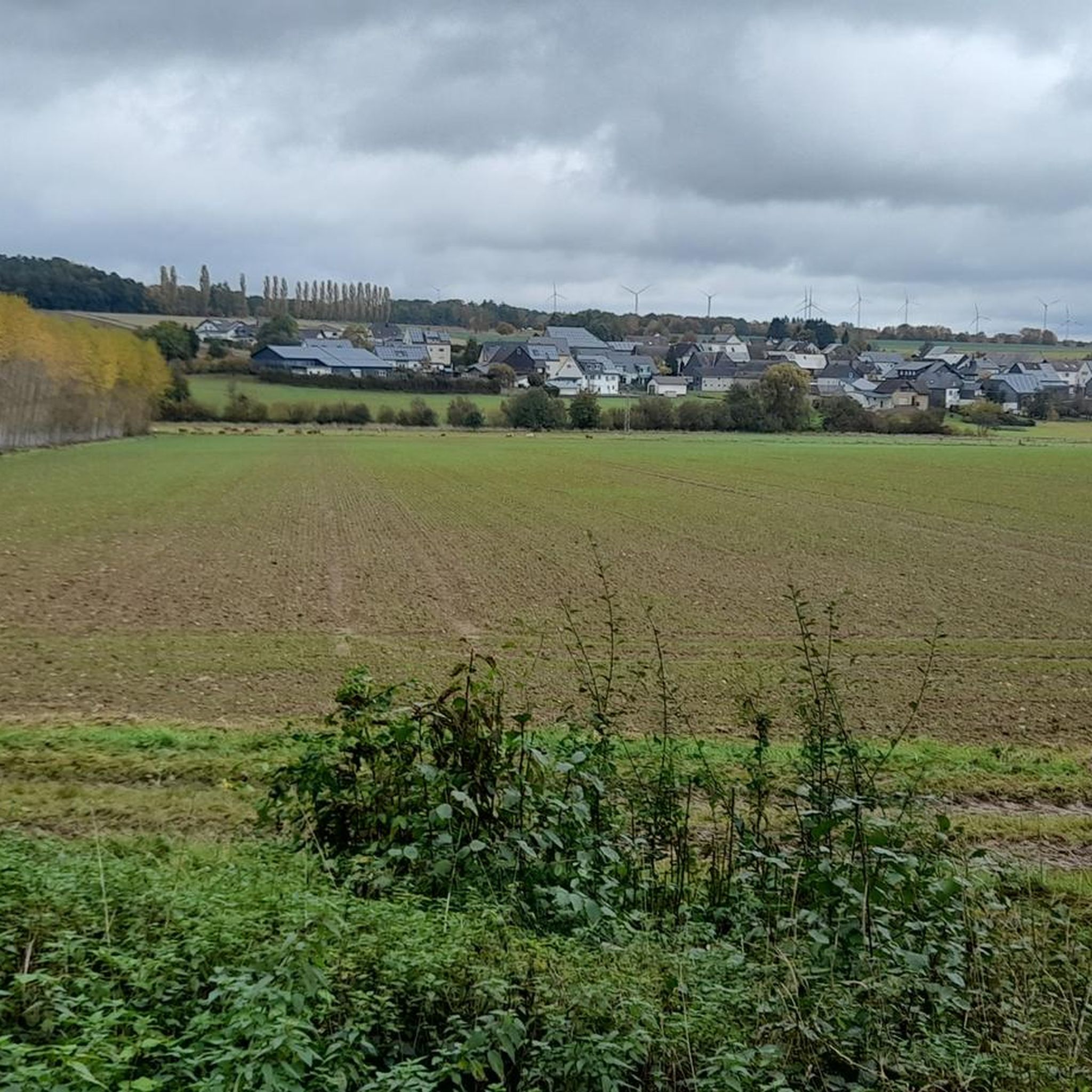
A beautiful spot... nature 🌳🍄🟫
0
0
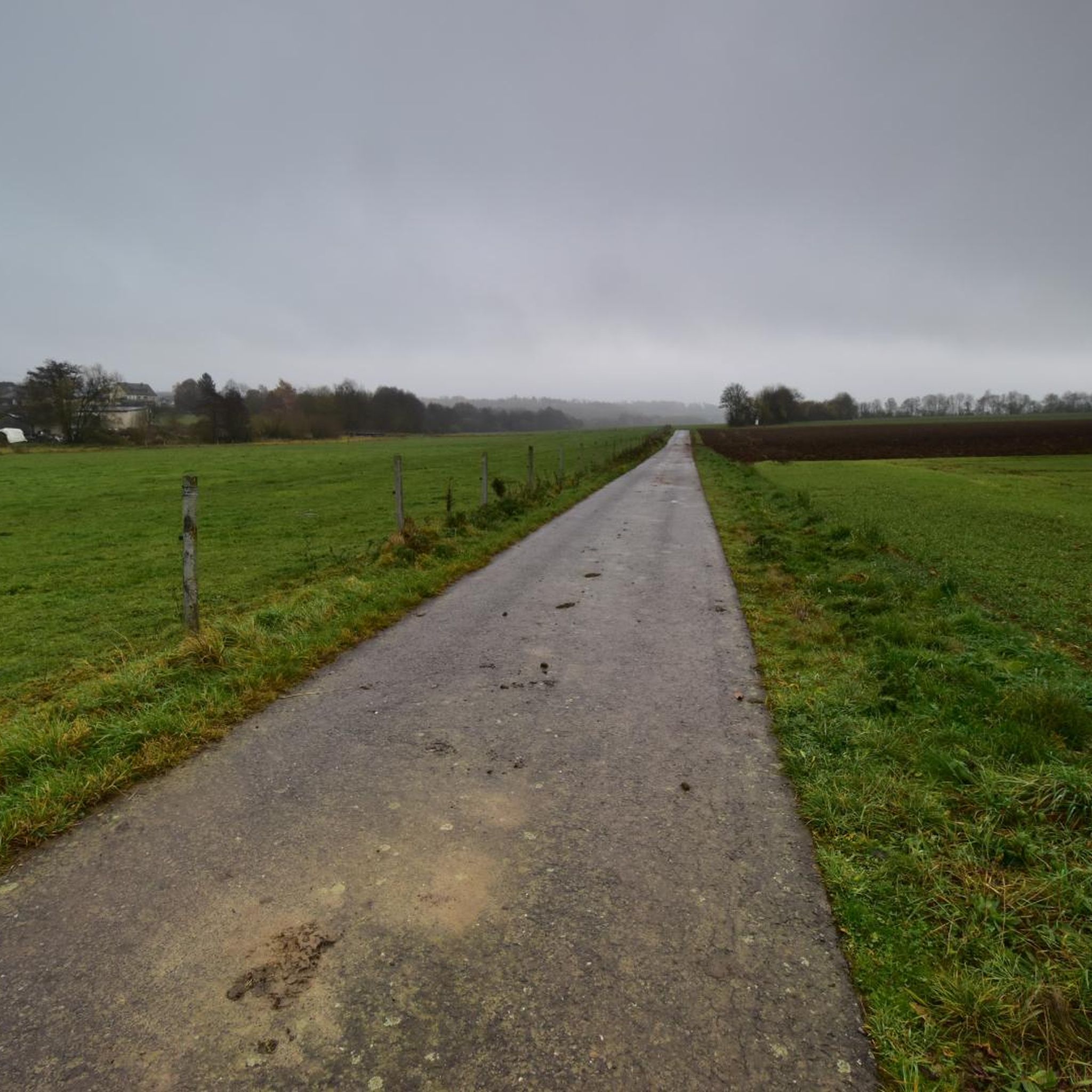
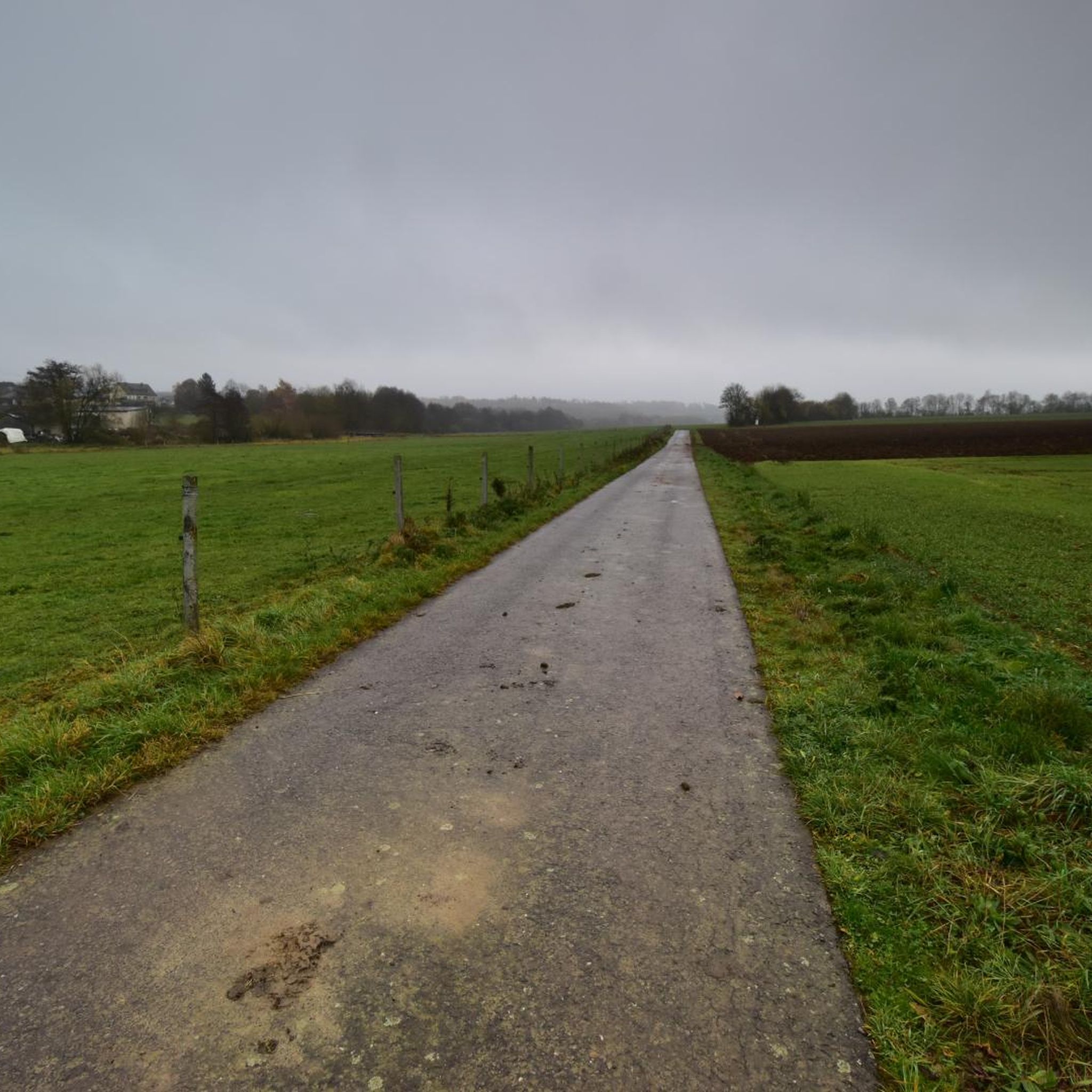
Very cool corner for biking
0
0

The cave entrance is located behind Mengerschied & Eichenmühle on the Lametbach https://de.wikipedia.org/wiki/Mengerschied?wprov=sfla1
0
0

Not very deep, but certainly an adventure for smaller children.
0
0

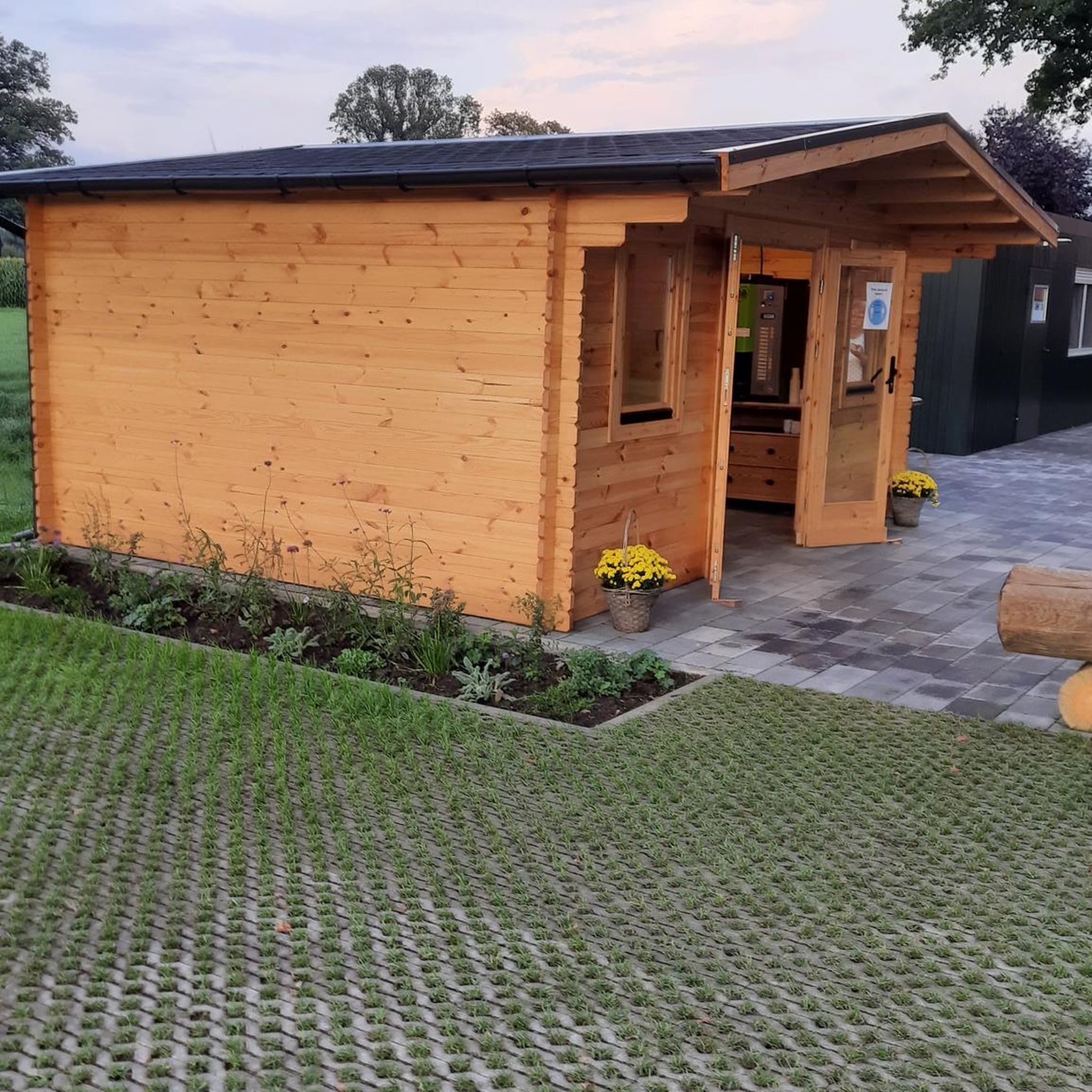
There is also a rest stop directly at the slate quarry
2
3

In 1880, Friedrich Wilhelm Franz from Wohnroth began digging a tunnel in the Katzenloch forest. He wanted to mine the coveted roofing slate here. However, the work was not crowned with success, the slate was of little use. He wasn't blue enough, as the technical term goes. Not hard enough we would say, it weathered too easily on the roof. So the work was soon abandoned. Today, the short, angled tunnel, also known as the Schnäirersch Leyebruch, is often used by children as a playground. Source: https://wohnroth-hunsrueck.de/geschichte-und-geschichten/schiefergruber.html
0
0
Frequently Asked Questions
What kind of "caves" can I expect to find around Fronhofen?
The "caves" around Fronhofen are primarily disused slate mines and mining tunnels, rather than natural caves. They offer a unique insight into the region's industrial past and the historical importance of slate extraction in the Hunsrück region.
Are there any family-friendly "caves" or mining tunnels to explore near Fronhofen?
Yes, the Schnäirersch Leyebruch Slate Mine is often used by children as a playground. It's a short, angled tunnel that offers a safe and engaging historical experience for families.
Which historical mining sites are notable around Fronhofen?
The Katzenloch Slate Mine, which operated in the early 20th century, features a 100-meter tunnel with branches. Another historical site is the Schinderhannes Cave, an approximately 15-meter-deep slate gallery near Leideneck, though its legendary connection to the outlaw Schinderhannes is unlikely.
What are the most visited "caves" in the Fronhofen area?
The Katzenloch Slate Mine is a popular choice, known for its historical significance and accessible tunnel. Another well-regarded spot is the Schnäirersch Leyebruch Slate Mine.
Are there any challenging or more adventurous mining tunnels to explore?
For those seeking a more challenging experience, the Ore mine (barred) offers a deeper exploration. It features a low entrance, a 60-meter descent, and a vertical shaft, making it suitable for experienced explorers.
What outdoor activities can I combine with a visit to the "caves" around Fronhofen?
The rolling hills and green forests around Fronhofen are ideal for various outdoor activities. You can find numerous routes for gravel biking, mountain biking, and cycling. These guides offer routes that often pass by or are near some of the historical mining sites.
Are there any natural cave formations, or are they all man-made?
While most notable sites are disused slate mines, the Love Cave near the youth camp site on the other side of the Kauerbach is considered a distinct natural feature within the local landscape.
What should I wear when exploring the mining tunnels?
Given that many are disused mines, it's advisable to wear sturdy footwear, and clothing that can get dirty. A headlamp or flashlight is essential for visibility inside the tunnels. Layers are recommended as temperatures inside can be cooler.
Is there parking available near the "caves"?
Specific parking information varies by site. However, many of these historical locations are situated along hiking and cycling paths, where roadside parking or small designated areas may be available. It's best to check local signage upon arrival.
What is the geological significance of the "caves" in Fronhofen?
The "caves" in Fronhofen are significant for their connection to the region's slate mining industry. They showcase the geological presence of slate, which was historically extracted for roofing and other purposes, even if the quality sometimes proved insufficient for sustained operation.
How long does it typically take to explore one of these mining tunnels?
Exploration time varies. Shorter tunnels like the Schnäirersch Leyebruch Slate Mine might only take 15-30 minutes. Larger sites like the Katzenloch Slate Mine, with its 100-meter main tunnel and branches, could take 30-60 minutes to explore thoroughly, especially if you take time to appreciate the historical context.
Are the "caves" around Fronhofen accessible for people with mobility issues or wheelchairs?
Due to their nature as disused mining tunnels, many of these sites have uneven terrain, narrow passages, or low entrances. For example, the Ore mine (barred) has a very low entrance. Therefore, most are not suitable for wheelchairs or those with significant mobility challenges.
Most popular routes around Fronhofen
Most popular attractions around Fronhofen

Get inspired with the komoot mobile app


Explore more
Extend your search for the best caves by checking out these guides of the top ones around Fronhofen:
