Top 20 Caves around Schneppenbach
Best caves around Schneppenbach offer insights into the region's rich mining history and unique geological formations. Located in the Hunsrück, the area is characterized by its slate deposits and ancient landscapes. Visitors can explore various underground structures, from natural rock tunnels to historical mine entrances. This area provides a blend of natural attractions and historical sites, reflecting centuries of human interaction with the landscape.
Best caves around Schneppenbach
- The most popular caves is Rock tunnel, a cave that features…
Last updated: August 20, 2026
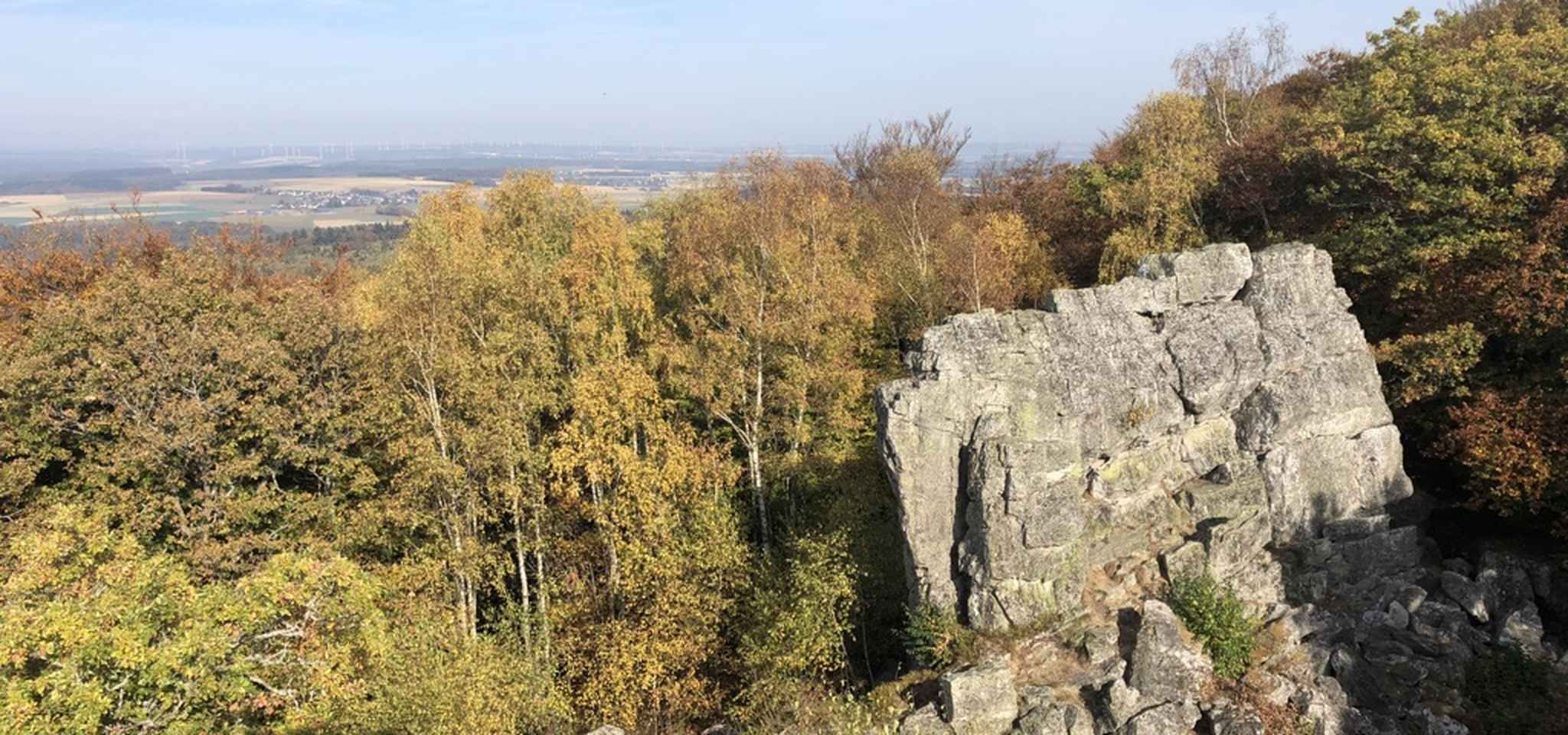
Rock tunnel
Highlight • Cave
Translated by Google •
Tip by

Herrenberg Show Mine
Highlight • Historical Site
Translated by Google •
Tip by

Sign up now to discover places like this
Get recommendations on the best single tracks, peaks, & plenty of other exciting outdoor places.
Sign up for free
Bierfincksgraben Mine
Highlight • Historical Site
Translated by Google •
Tip by

Altlayenkaul Mine Tunnel Entrance
Highlight • Historical Site
Translated by Google •
Tip by
Hahnenbach Tunnel
Highlight • Cave
Translated by Google •
Tip by

Sign up for free to discover even more caves around Schneppenbach.
Sign up for free
Already have an account?
Start today with a free account
Your next adventure awaits.
Login or Signup
Popular around Schneppenbach



Tips from the Community

Numerous tunnels in the Hahnenbachtal valley bear witness to the mining past of this region... these tunnels even have tracks that were previously used for lorries
1
0

I could have explored the right aisle with rubber boots 😕
1
0

The path leads through two consecutive rock breakthroughs. But be careful, the headroom is very limited.
32
0
Old mine tunnel that I don't want to enter because of the risk of collapse.
35
3

It is actually surprising that the topic of "dry wall" is the subject of an information board, while a little off the hiking trail at the end of a path a tunnel opens up that leads to a widely branched mine. In addition to protecting the bats, this may also be the reason why a grid prevents further access after about 10 meters. From here, however, you can already see numerous tunnels leading downwards, upwards and to the side, which are only poorly secured or not secured at all, so that one can quickly sink into the bottomless holes filled with water. Exploration would be exciting but potentially very dangerous. The wood found in the Bierfinckgraben mine allows the mining activity to be dated to three periods around 1500, around 1700 and 1750. Literature: Tree ring chronological key data on the mining history of the Hunsrück By Mechthild Neyses-Eiden https://journals.ub.uni-heidelberg.de/index.php/fuabt/article/view/54645/55623
1
0

It is best to pack a headlamp or flashlight. I was with my daughter as far as technically possible in the old tunnel. For my daughter it was definitely the highlight of the tour. Unfortunately, the flashlight of the iPhone is of little use. It was dark and cold in the tunnel.
2
0

https://www.museumsportal-rlp.de/museen/visitorbergwerk-grube-herrenberg Due to a rockfall in February 2022, the mine is closed indefinitely
3
0
There are several caves to explore along the way
2
0
Frequently Asked Questions
What types of caves can I explore around Schneppenbach?
The Schneppenbach area offers a mix of natural rock tunnels and historical mine entrances. You can find formations like the Rock tunnel, which features two consecutive rock breakthroughs, and various historical slate mines.
Are there any historical mines open to the public near Schneppenbach?
The Herrenberg Show Mine was a significant historical site offering insights into slate mining and opportunities to discover fossils. However, it is currently closed indefinitely due to a rockfall. Other historical mines like Bierfincksgraben Mine and the Altlayenkaul Mine tunnels are generally not accessible for public exploration due to safety concerns.
What historical insights do the mines around Schneppenbach offer?
The mines in the region, such as Bierfincksgraben Mine, reveal a rich mining history dating back to periods around 1500, 1700, and 1750. The Altlayenkaul mines, for instance, date back to the 17th century and bear witness to the challenging conditions miners faced, including a tragic collapse in 1740.
Can I see fossils or geological formations in the Schneppenbach area?
Yes, the region is known for its slate deposits. Historically, the Herrenberg Slate Quarry was a place to discover fossils from the Lower Devonian period, approximately 400 million years ago, including trilobites and arthropods. While the show mine is closed, the nearby Fossil Museum Bundenbach remains open and displays a world-renowned collection of these fossils.
Are there any family-friendly cave experiences near Schneppenbach?
While the Herrenberg Show Mine was previously wheelchair accessible and family-friendly, it is currently closed. For a natural, less strenuous experience, the Rock tunnel offers a unique passage, though visitors should be mindful of limited headroom.
What outdoor activities can I do near the caves around Schneppenbach?
The area around Schneppenbach is excellent for various outdoor activities. You can find numerous running trails, MTB trails, and cycling routes. These routes often pass by historical sites and natural attractions, allowing you to combine cave exploration with other adventures.
Are there hiking trails that lead to or past these caves?
Yes, many hiking trails in the Hunsrück region, including those around Schneppenbach, incorporate historical mine entrances and natural rock formations. For example, the Rock tunnel is part of a dream loop, offering a nice change of scenery on a hike.
What should I be aware of when visiting the rock tunnels?
When passing through natural formations like the Rock tunnel, be mindful of limited headroom. It's advisable to bow your head to avoid bumping it. These tunnels can also offer a cool spot on hot days.
Are there any accessible mine tunnels in the Hunsrück near Schneppenbach?
The Herrenberg Show Mine was once known for its accessibility, including for wheelchair users. However, it is currently closed indefinitely. Other historical mine tunnels in the area are generally not open for public access due to safety concerns and bat protection.
What is the best time to visit the Schneppenbach area for outdoor activities?
The season from Easter to October was historically the operating period for the Herrenberg Show Mine, suggesting favorable weather for outdoor exploration. Generally, spring through autumn offers the best conditions for hiking, cycling, and exploring the natural and historical sites in the Hunsrück region.
What do visitors appreciate most about the caves and mines around Schneppenbach?
Visitors appreciate the unique blend of natural geology and human engineering. The area provides insights into the region's rich mining history and offers a variety of underground structures to see and explore. The komoot community has shared over 450 photos and given more than 750 upvotes for these attractions, highlighting their appeal.
Are there any dangers or restrictions when exploring mine tunnels in the area?
Many historical mine tunnels, such as Bierfincksgraben Mine and the Altlayenkaul Mine tunnels, are either inadequately secured or have grids preventing access due to the risk of collapse, water-filled holes, or to protect bats. It is crucial to respect these restrictions for your safety.
Most popular routes around Schneppenbach
Most popular attractions around Schneppenbach

Get inspired with the komoot mobile app


Explore more
Extend your search for the best caves by checking out these guides of the top ones around Schneppenbach:
