Top 18 Caves around Düngenheim
Caves around Düngenheim provide insight into the geological and historical landscape of the Eifel region. This area, shaped by its volcanic past, features unique cave formations and historical mining sites. Visitors can explore a variety of subterranean environments, from former quarries to natural lava caves, reflecting the region's rich natural and industrial heritage. The terrain elevation difficulty varies, offering options for different experience levels.
Best caves around Düngenheim
- The most popular caves is Sandkaul Caves near Ettringen, a cave…
Last updated: May 15, 2026
Sandkaul Caves near Ettringen
Highlight • Cave
This former volcanic rock mining area is located on the edge of the Hochstein volcano, north of Ettringen on the L 82 …
Translated by Google •
Tip by

Sieben Stuben Lava Caves
Highlight • Cave
Translated by Google •
Tip by

Sign up now to discover places like this
Get recommendations on the best single tracks, peaks, & plenty of other exciting outdoor places.
Sign up for free
Siewe Stuwe Trail Section
Highlight (Segment) • Trail
Translated by Google •
Tip by

Old Slate Mine Tunnel
Highlight • Cave
Translated by Google •
Tip by

Waterwheel at the Margareta Slate Mine water tunnel
Highlight • Monument
Translated by Google •
Tip by

Sign up for free to discover even more caves around Düngenheim.
Sign up for free
Already have an account?
Start today with a free account
Your next adventure awaits.
Login or Signup
Tips from the Community

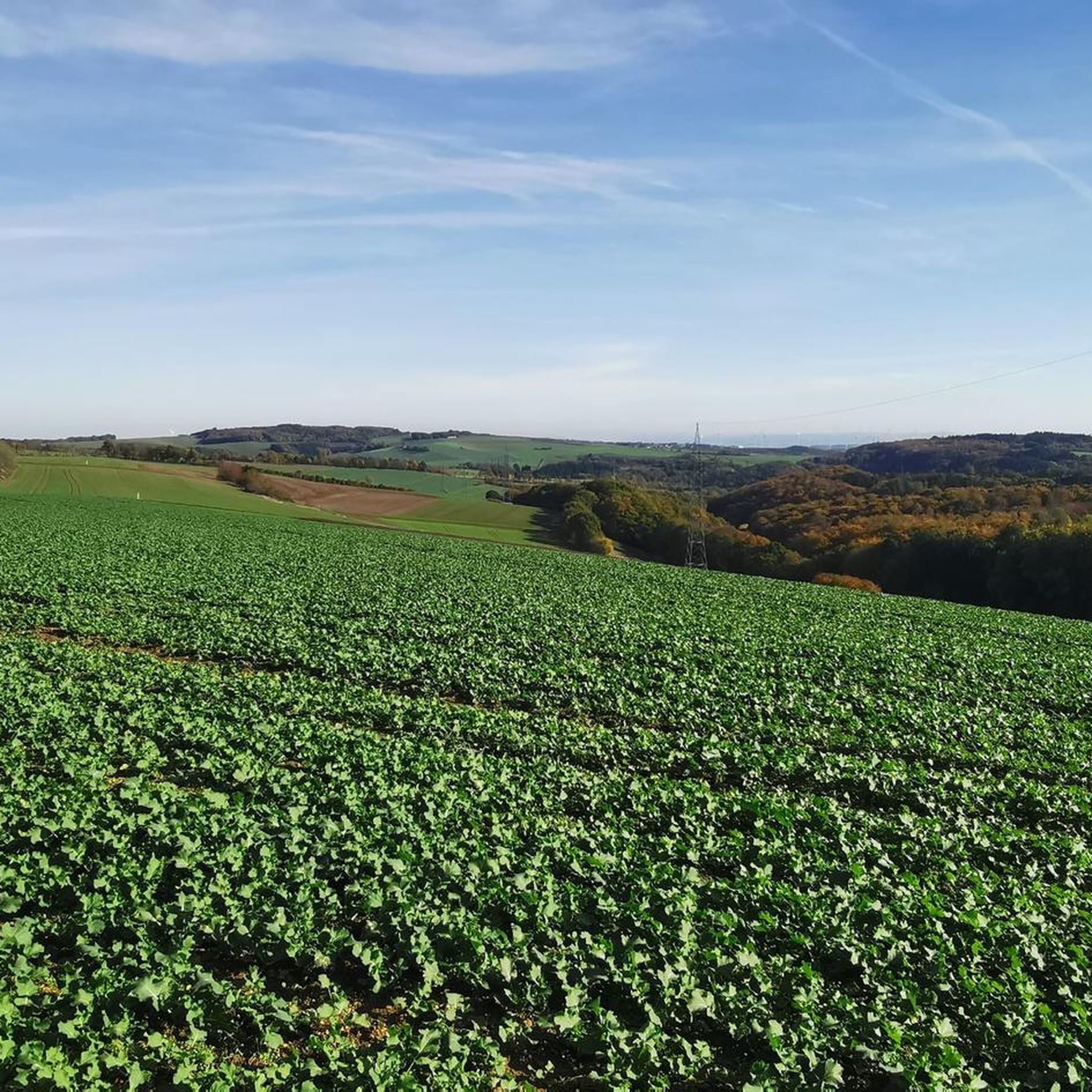
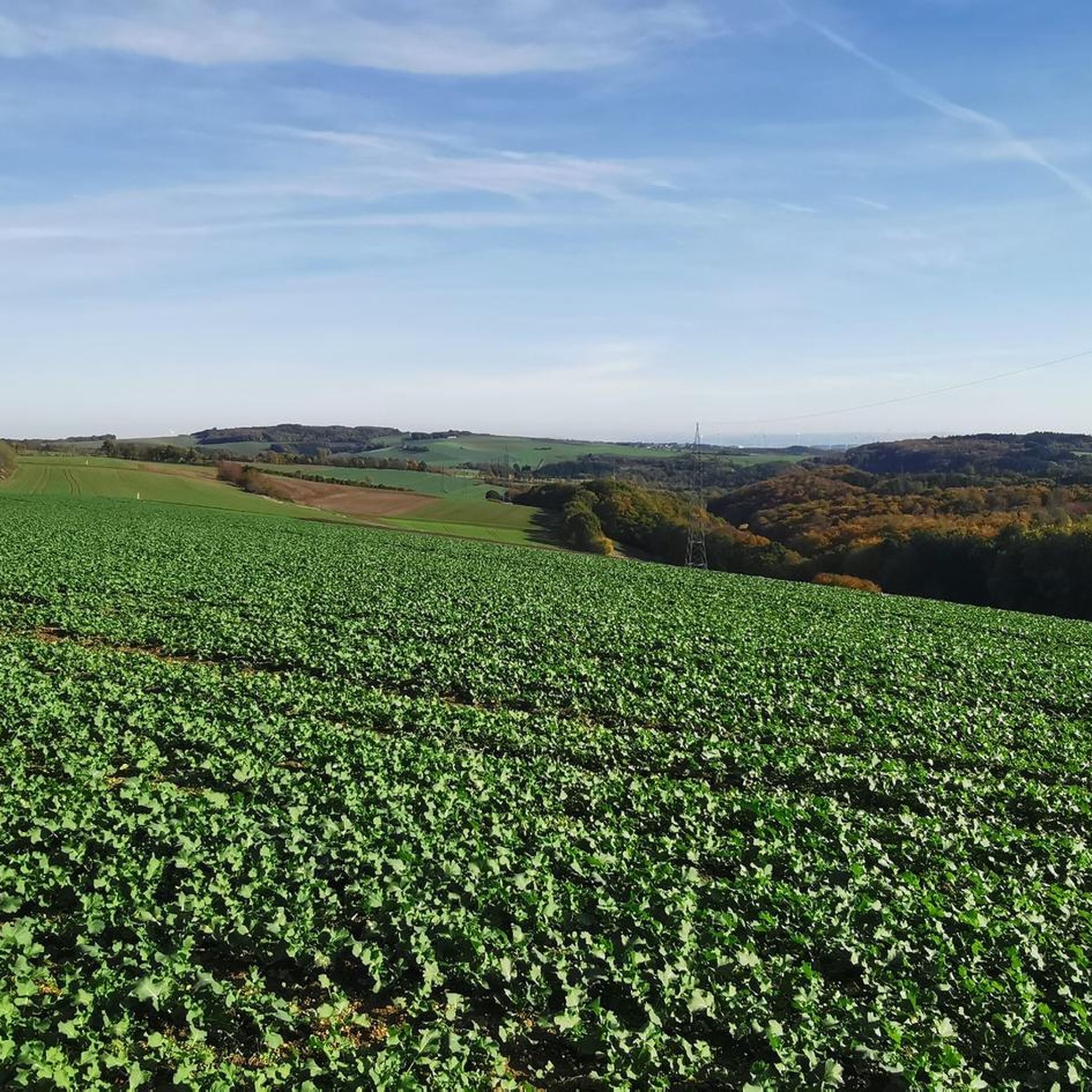
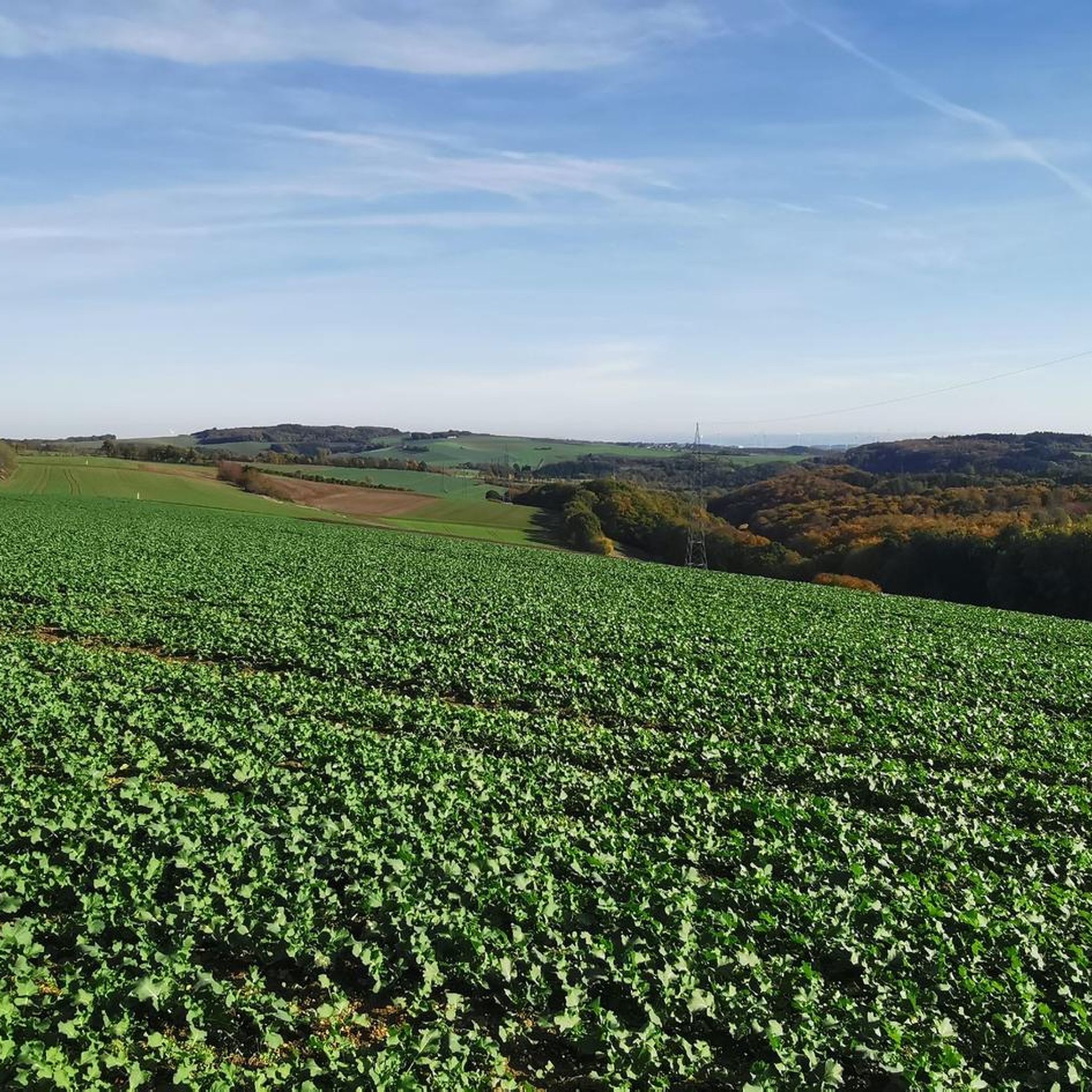
Impressive colors, especially now in autumn.
7
0

A photogenic relic of an old mill is this water wheel on a tributary of the Nette.
0
0

It's a shame that the Sandkaul Caves are used by some people as a dumping ground for their garbage.
4
1

🪖The tunnels in the mountain once served to protect the population from attacks during the World War🧨... 🎨An interesting, exciting outdoor adventure today. You can enter the cave about 20 meters... Flashlight 🔦 makes sense here. It's scary....- then turn it off for a moment!🖤🫨
5
0
The Sandkaul near Ettringen in the Volcanic Eifel.🖤 This former volcanic rock mining area is located on the edge of the Hochstein volcano, north of Ettringen on the L 82 highway, about 500 meters past the end of the village.🖤 Sad background: 🪖During World War II, the Ettringen caves were drilled into the rock...to protect against attacks🧨... 😑🙏🏼
6
0
The Sandkaul near Ettringen in the Volcanic Eifel.🖤 This former volcanic rock mining area is located on the edge of the Hochstein volcano, north of Ettringen on the L 82 highway, about 500 meters past the end of the village.🖤 Sad background: 🪖During World War II, the Ettringen caves were drilled into the rock...to protect against attacks...😑🙏🏼
4
2

The caves are interesting and this is where the most strenuous part of the Four Mountains Tour begins.
2
0

With the two Mosel slate mines Katzenberg (Mayen) and Margareta (Polch) of the company I. B. Rathscheck Söhne KG, Moselschieferbergwerke, the largest slate production in Central Europe was located near Mayen in this region with - according to their own statements - a market share of 80%. The Margareta mine near Polch-Nettesürsch was in operation until 1996. It was accessed with a 485 m long conveyor ramp in the form of a helix, which enabled truck transport from underground. Source: Wikipedia
3
0
Frequently Asked Questions
What types of caves can I explore near Düngenheim?
The region around Düngenheim, particularly the nearby Volcanic Eifel, offers a diverse range of caves. You can explore former basalt quarries that were used for millstone mining, natural lava caves, and karst caves. Many of these sites also served as shelters during historical events like World War II, adding a significant historical dimension to your visit.
Where are the most significant caves located in the broader region?
While Düngenheim itself doesn't have prominent caves, the Gerolstein region, about 40-50 kilometers away, is home to several notable sites. These include the Birresborner Eishöhlen, Mühlsteinhöhlen Hohenfels-Essingen, Buchenlochhöhle, and millstone caves at Rother Kopf and Nerother Kopf.
What makes the Birresborner Eishöhlen unique?
The Birresborner Eishöhlen (Ice Caves) are former basalt quarries known for their impressive ice formations that can persist until early summer due to a 'cold trap' effect. They were used for millstone mining until the 19th century and also served as natural refrigerators and refuges. They are freely accessible from April to October but closed in winter to protect hibernating bats. Visitors should bring sturdy shoes, a flashlight, and warm clothing.
What is the historical significance of the Mühlsteinhöhlen Hohenfels-Essingen?
These caves are a labyrinth created by centuries of basalt quarrying for millstones, with mining evidence dating back to Roman and Frankish times. Unfinished millstones can still be seen in the walls. They also served as refuges for villagers in medieval times and can form ice cones in cold winters. They are accessible year-round via a circular path.
What can I expect when visiting the Buchenlochhöhle?
The Buchenlochhöhle is a karst cave in the Gerolstein Dolomites, known for its geological history and prehistoric human activity. Archaeological finds suggest it was a shelter for Neolithic inhabitants 30,000 years ago. It's about thirty meters long and home to bats. It is freely accessible year-round, but requires climbing a ladder for entrance, and a flashlight is essential as it is unlit.
Are there any caves related to slate mining near Düngenheim?
Yes, you can explore the Old Slate Mine Tunnel, which extends several meters into the Schieferberg and offers insight into past slate mining operations. Another related site is the Waterwheel at the Margareta Slate Mine water tunnel, which is part of a historical mining area.
What should I bring when visiting caves in the Düngenheim area?
For most cave explorations in the region, it is highly recommended to wear sturdy shoes, bring a reliable flashlight (as many caves are unlit), and wear warm clothing, even in summer, as temperatures inside can be consistently low (often below 7 degrees Celsius).
When is the best time to visit the caves, especially those with ice formations?
The Birresborner Eishöhlen are best visited from April to October, as they are closed in winter to protect hibernating bats. However, to witness the most impressive ice formations, visiting in late winter or early spring (before the April opening, if permitted for guided tours) or early summer might offer the best chance, depending on the winter's severity. Other millstone caves can also form ice in particularly cold winters.
Are there family-friendly caves to explore near Düngenheim?
Many of the caves, such as the Mühlsteinhöhlen Hohenfels-Essingen, offer an adventurous exploration suitable for families. The Sieben Stuben Lava Caves are also noted as fun for the whole family, though a headlamp or flashlight is recommended. Always check specific accessibility for younger children.
What outdoor activities can I combine with a cave visit near Düngenheim?
The region offers numerous hiking opportunities. You can find various routes for hiking around Düngenheim, including easy and moderate trails. Some caves, like the Buchenlochhöhle, are directly accessible via scenic hiking paths such as the Gerolsteiner Felsenpfad and the Eifelsteig. There are also running trails available.
What do visitors enjoy most about the caves in this region?
Visitors appreciate the unique blend of natural geology and rich history. The impressive ice formations in the Birresborner Eishöhlen, the tangible connection to ancient millstone mining in places like Hohenfels-Essingen, and the historical significance as shelters during wartime or for prehistoric inhabitants are frequently highlighted. The adventurous exploration and scenic surroundings also contribute to a memorable experience.
Are there any caves that served as shelters during World War II?
Yes, several caves in the region provided refuge during World War II. The Sandkaul Caves near Ettringen, a former volcanic rock mining area, were used for protection. Similarly, the Sieben Stuben Lava Caves (also known as 'Siewe Stuwwe') served as shelters, as did the Buchenlochhöhle.
Are dogs allowed in the caves?
While many outdoor areas and trails around the caves are dog-friendly, access directly into the caves can vary. It's best to check specific regulations for each cave, especially those that are protected for bat hibernation or require climbing, as these might not be suitable or permitted for dogs.
Most popular routes around Düngenheim
Most popular attractions around Düngenheim

Get inspired with the komoot mobile app


Explore more
Extend your search for the best caves by checking out these guides of the top ones around Düngenheim:
