Top 6 Castles around Roklum
Best castles around Roklum are situated within a region rich in historical significance and diverse landscapes. While Roklum itself is a small municipality, the surrounding area offers a variety of historical sites, including castle ruins, palaces, and medieval fortresses. These structures provide insights into regional history and architecture. The landscape features rolling hills and forested areas, providing a scenic backdrop for exploring these historical landmarks.
Best castles around Roklum
- The most popular castles is Asseburg Castle Ruins, a castle…
Last updated: June 27, 2026
Asseburg Castle Ruins
Highlight • Castle
Translated by Google •
Tip by

Hornburg Old Town and Castle
Highlight • Historical Site
Translated by Google •
Tip by

Sign up now to discover places like this
Get recommendations on the best single tracks, peaks, & plenty of other exciting outdoor places.
Sign up for free
Hessen Castle
Highlight • Castle
Translated by Google •
Tip by

Schliestedt Castle
Highlight • Castle
Translated by Google •
Tip by
Stamp Station 2 Asseburg (Northern Harz Foreland)
Highlight • Structure
Translated by Google •
Tip by

Sign up for free to discover even more castles around Roklum.
Sign up for free
Already have an account?
Start today with a free account
Your next adventure awaits.
Login or Signup
Tips from the Community

Schliestedt Palace is a palace in Schliestedt, in the district of Wolfenbüttel, Lower Saxony. It was built between 1748 and 1760 in the Rococo style on the site of a castle belonging to the von Schliestedt family. The palace is considered the most significant example of Rococo architecture in the Brunswick region. The palace's predecessor was a castle whose construction date is unknown. It was the seat of the von Schliestedt family, whose line died out in 1613. A copper engraving by Merian from 1654 shows the complex, consisting of a main building with a half-timbered upper story and an annex with a stone gatehouse. According to his description, the castle was already very old at that time, had a square shape, and was surrounded by a moat. As early as 1449, the Lords of Schliestedt (landowners from approximately 1147 to 1562) relinquished the castle to the Duke of Brunswick. The castle was owned by four noble families until 1527, after which it was granted as a fief to a chancellor of the Duke of Brunswick. The castle came into the possession of the von der Streithorst family as a ducal fief in 1562. They were followed by the von Badendorff family (1663–1733), Lowisen (Luise) von der Planitz, widow of von Badendorff (1734–1741), and in 1747, Heinrich Bernhard Schrader von Schliestedt, with the permission of Duke Karl I, purchased the castle complex. He demolished it and, not far from the castle site, built the two-story Rococo palace that stands today, according to plans by Martin Peltier de Belfort. The owners subsequently included the von Bülow family (1777–1846), the von Schwicheldt family, and the von Adelebsen family (1846–1929). After various changes of ownership and different uses, Schliestedt Palace has been a retirement home since 1950.
0
0
Schliestedt Palace was built between 1748 and 1760 in the Rococo style on the site of a castle belonging to the von Schliestedt family. The palace is considered the most significant example of Rococo architecture in the Brunswick region. The palace's predecessor was a castle whose construction date is unknown. It was the seat of the von Schliestedt family, whose line died out in 1613. An engraving by Merian from 1654 depicts the complex, consisting of a main building with a half-timbered upper story and an annex with a stone gatehouse. According to his description, the castle was already very old at that time, had a square shape, and was surrounded by a moat. As early as 1449, the Lords of Schliestedt (landowners from approximately 1147 to 1562) relinquished the castle to the Duke of Brunswick. The castle was owned by four noble families until 1527, after which it was granted as a fief to a chancellor of the Duke of Brunswick. The castle came into the possession of the von der Streithorst family as a ducal fief in 1562. They were followed by the von Badendorff family (1663–1733), Lowisen (Luise) von der Planitz, widow of von Badendorff (1734–1741), and in 1747, Heinrich Bernhard Schrader von Schliestedt, with the permission of Duke Karl I, purchased the castle complex. He demolished it and, not far from the castle site, built the two-story Rococo palace that stands today, according to plans by Martin Peltier de Belfort. The owners subsequently included the von Bülow family (1777–1846), the von Schwicheldt family, and the von Adelebsen family (1846–1929). After various changes of ownership and different uses, Schliestedt Palace has been a retirement home since 1950.
0
0

The stamp arrived today.
0
0

I didn't know it until yesterday. Very beautiful castle with a bridge to the main entrance over the former moat. I found the gravestone of the house dog "Dame" from 1808 impressive.
1
2

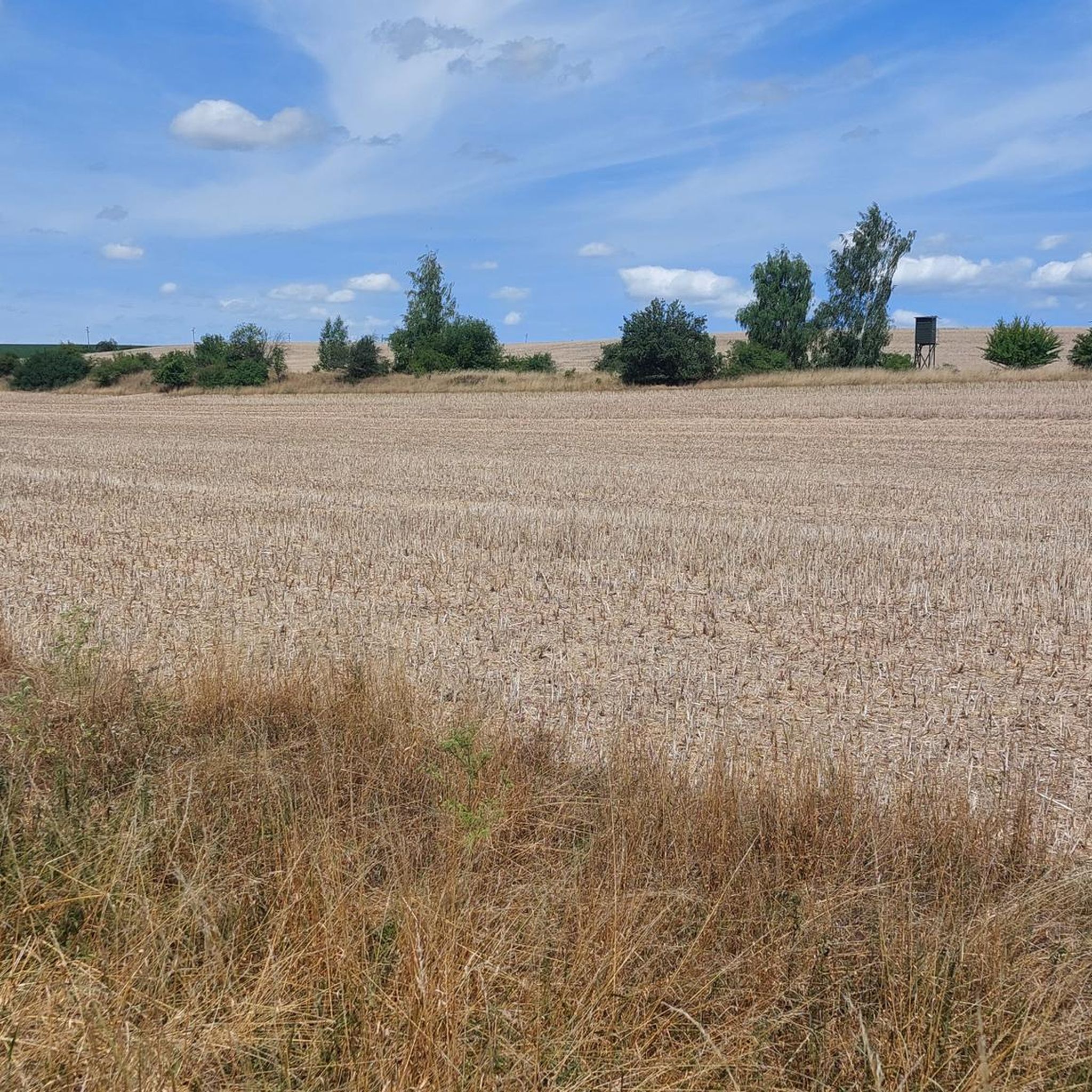
2. Stamp station of the Northern Harz Foreland leisure stamp pass (broken) The Asseburg ruins were one of the largest hilltop castles in northern Germany. It was 185 m long and 35 - 50 m wide and was considered impregnable. It was built by Gunzelin in 1218 and destroyed by fire in 1492. (Source: https://www.noerdliches-harzvorland.com)
0
2

Unfortunately, the stamp was missing today (07.07.2024).
0
1

Unfortunately the stamp is gone. I was so angry.
0
1

Stamp location
0
1
Frequently Asked Questions
What types of castles can I explore around Roklum?
The region around Roklum offers a diverse range of historical sites. You can explore impressive castle ruins like Asseburg Castle Ruins, which features trails running through its ancient walls. There are also well-preserved medieval fortresses such as Hornburg Old Town and Castle, and magnificent palaces like Hessen Castle, expanded into a Renaissance-style complex.
Are there any family-friendly castles to visit near Roklum?
Yes, several castles in the area are suitable for families. Hornburg Old Town and Castle is considered family-friendly, offering a chance to explore a historic town and its castle. Hessen Castle is also noted as family-friendly, providing insights into a former princely residence.
What historical insights do these castles offer?
The castles around Roklum provide a deep dive into regional history. Asseburg Castle Ruins showcases medieval architecture and defensive structures. Hornburg Old Town and Castle highlights a well-preserved half-timbered town and a strategic hill castle. Hessen Castle, a Renaissance palace, reveals its past as a summer residence for princes and a cultural center, with a history tied to figures like Duke Julius.
Can I find hiking trails near the castles?
Yes, many castles are situated within scenic landscapes perfect for hiking. For example, the trails at Asseburg Castle Ruins run directly through the remnants of the castle. You can find various hiking routes in the broader region, including easy hikes around Roklum. Explore options like the 'Mattierzoll – Mattierzoll Border Museum loop' or the 'Café Nettle – Shelter and Picnic Area loop' on the Easy hikes around Roklum guide.
Are there any castles with unique architectural features?
Absolutely. Hornburg Old Town and Castle is notable for its very well-preserved half-timbered town and a hill castle with an oval core and a three-meter-thick round keep. Hessen Castle stands out as a magnificent four-winged palace complex in the Renaissance style, once featuring a famous pleasure garden.
What outdoor activities are available near the castles?
Beyond exploring the castles themselves, the area around Roklum offers various outdoor activities. You can find numerous hiking trails, such as those listed in the Easy hikes around Roklum guide. For cyclists, there are options like the 'Okerauen Wolfenbüttel – Wolfenbüttel Town Moat loop' in the Cycling around Roklum guide, and mountain biking trails are also available, for example, in the MTB Trails around Roklum guide.
Is there a castle that is wheelchair accessible?
Yes, Schliestedt Castle is noted as being wheelchair accessible, making it an option for visitors with mobility needs.
What do visitors particularly enjoy about the castles in this region?
Visitors appreciate the historical significance and diverse architecture. Many enjoy the opportunity to walk through the remnants of ancient structures like Asseburg Castle Ruins and experience the charm of well-preserved medieval towns such as Hornburg Old Town and Castle. The scenic backdrops of rolling hills and forested areas also add to the appeal.
Are there any castles that were once cultural centers?
Hessen Castle developed into a significant cultural center of the region during the 16th and 17th centuries. Under Duke Heinrich Julius, it hosted a famous Renaissance garden and was a hub for intellectual and artistic life.
What is unique about Hornburg Old Town and Castle?
Hornburg Old Town and Castle is renowned for its exceptionally well-preserved half-timbered town, which has served as a film set multiple times. The hill castle itself, with its oval core and robust ring wall, dominates the city and offers a tangible connection to medieval defensive architecture.
Can I get married at any of these castles?
Yes, Schliestedt Castle offers the possibility to get married, specifically in its Hall of Mirrors.
Are there any castles that offer panoramic views?
While not a Komoot highlight, the nearby Wernigerode Castle, though further afield, is known for its picturesque setting and offers panoramic views of the Harz mountains. Within the immediate Roklum area, castles like Hornburg Old Town and Castle, situated on a hill, provide commanding views over the surrounding town and landscape.
Most popular attractions around Roklum

Get inspired with the komoot mobile app


Explore more
Looking for the best castles somewhere else? Discover other guides around Roklum:
