Top 4 Castles around Quakenbrück
Best castles around Quakenbrück offer a glimpse into the region's rich history and defensive heritage. While Quakenbrück itself features the historic Quakenbrücker Burgmannshöfe, a collection of former noble residences, the surrounding area provides additional significant historical sites. These structures, ranging from abbeys to moated estates, reflect centuries of architectural and cultural development. Visitors can explore these attractions to understand the area's past as a fortified settlement and a center of noble life.
Best castles around Quakenbrück
- The most popular castles…
Last updated: July 11, 2026
Burg Dinklage Abbey
Highlight • Religious Site
Translated by Google •
Tip by

Moated Castle and Estate Loxten
Highlight • Castle
Translated by Google •
Tip by

Sign up now to discover places like this
Get recommendations on the best single tracks, peaks, & plenty of other exciting outdoor places.
Sign up for free
Dinklage Castle — Abbey and Convent
Highlight • Religious Site
There is a monastery shop with an attached café for breaks in between.
Translated by Google •
Tip by

KardinalsDreieck
Highlight • Castle
Benedictine abbey with monastery café and well-stocked monastery shop opposite.
Castle chapel and permanent exhibition on the life and work of Cardinal von Galen.
There are also beautiful walking paths in the neighboring zoo.
Translated by Google •
Tip by

Start today with a free account
Your next adventure awaits.
Login or Signup
Popular around Quakenbrück
A cycling escape in Germany’s Lower Saxony – Pit Stop Route
Natural, rural and diverse – hiking in the Osnabrück Land
11 loops in Osnabrück Land in Germany – a cyclist’s paradise
Hase-Ems-Tour - mal anders
Hasetal-Entdecker-Tour
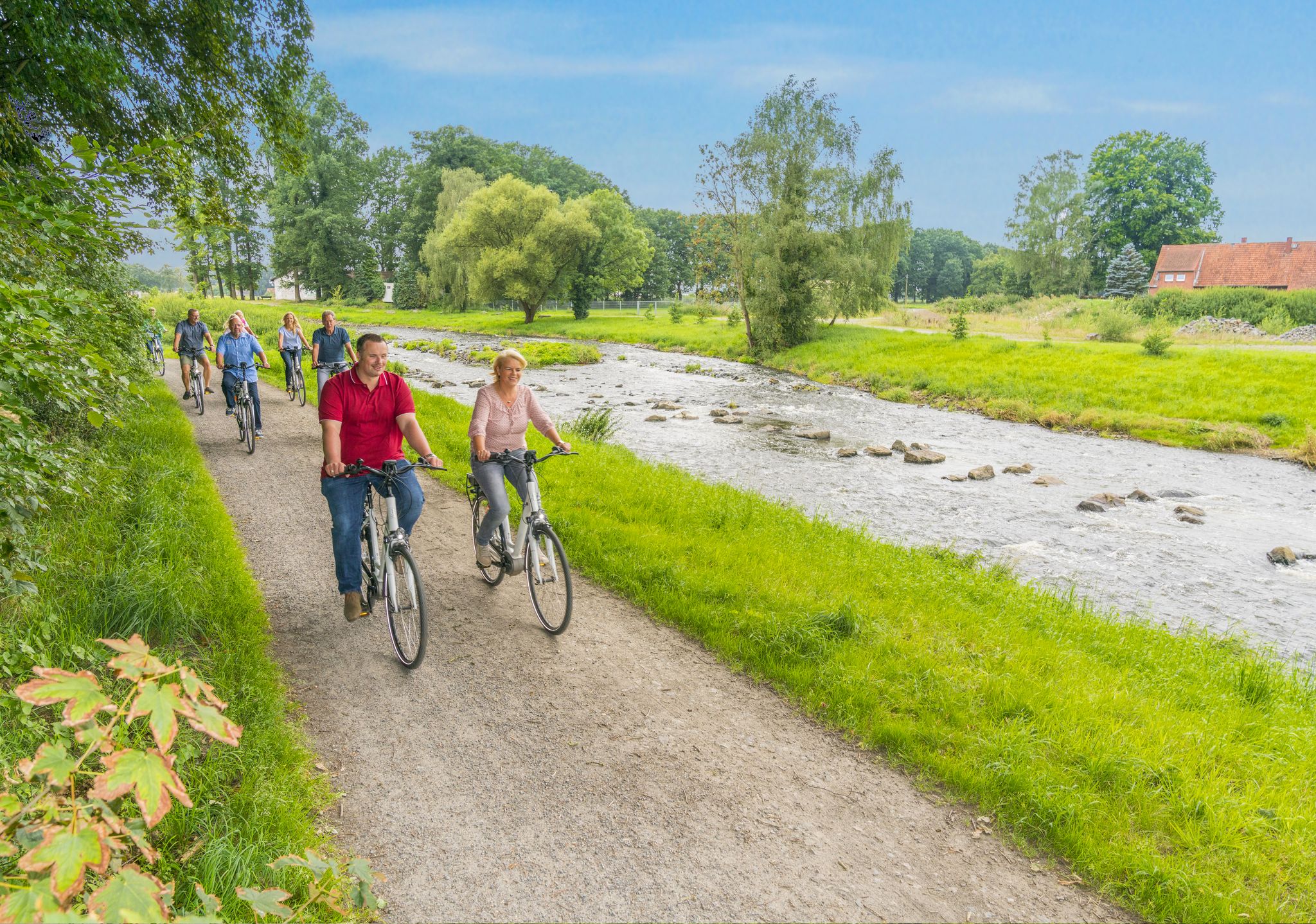
Cycling around Quakenbrück
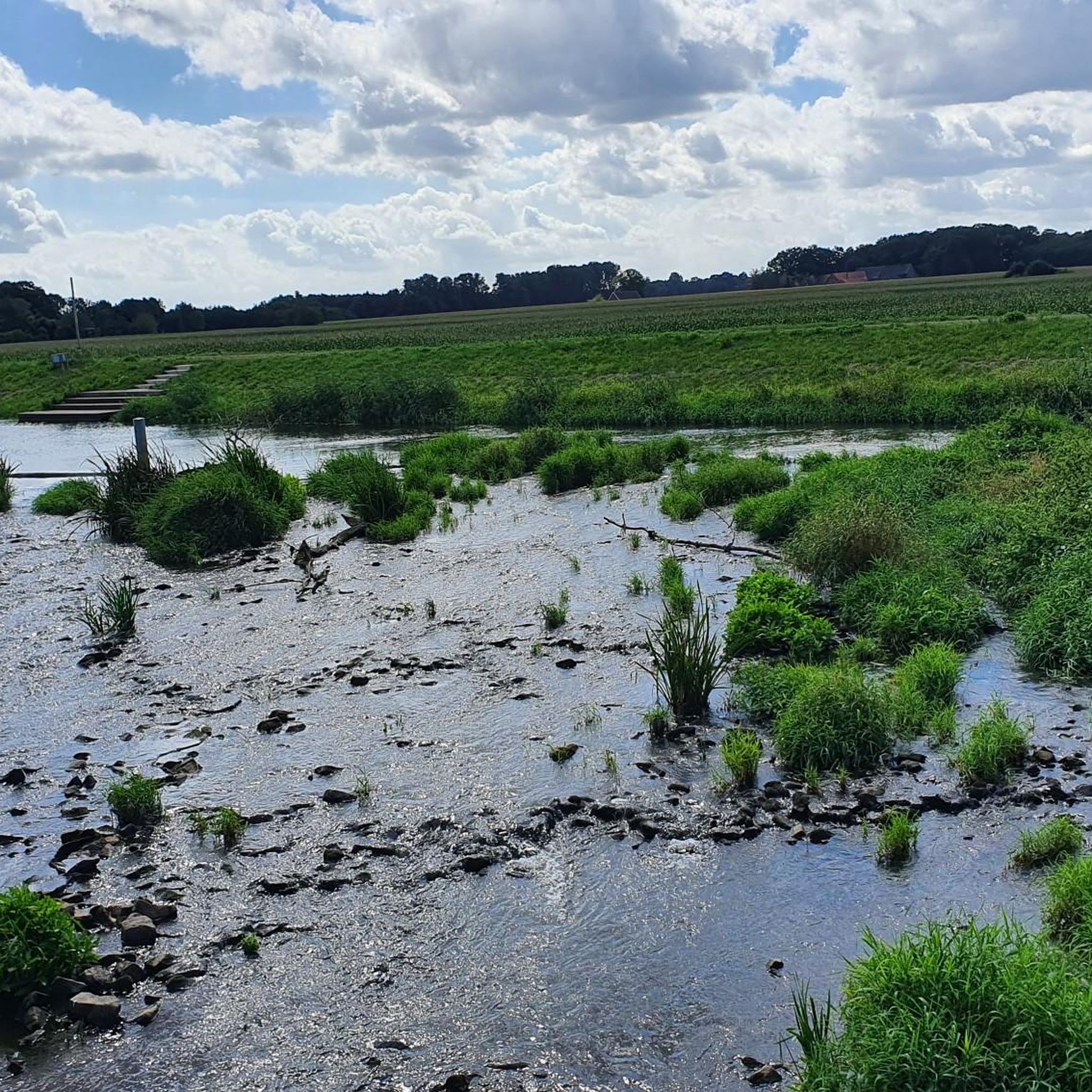
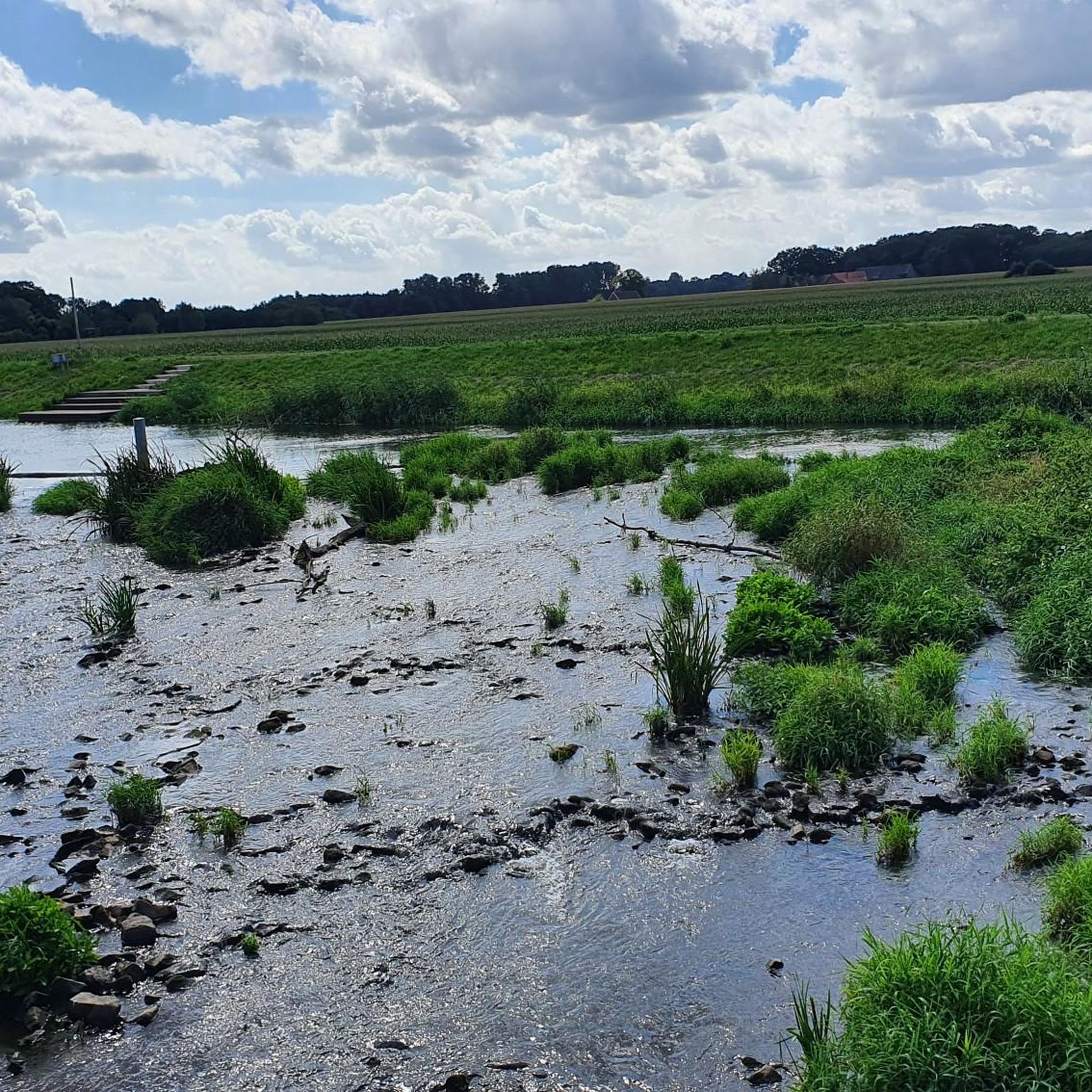
Hiking around Quakenbrück
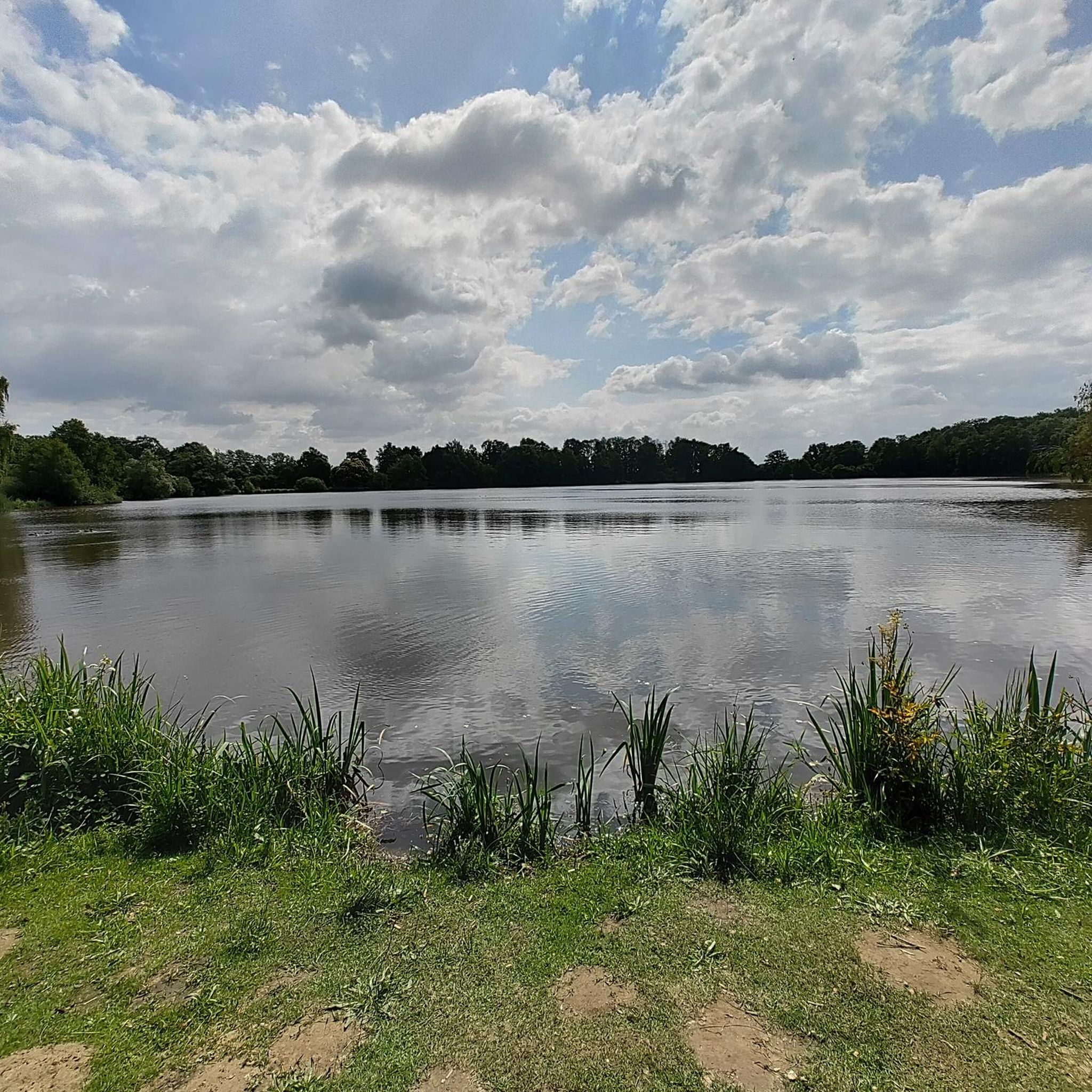
Running Trails around Quakenbrück
Road Cycling Routes around Quakenbrück
MTB Trails around Quakenbrück
Other adventures around Quakenbrück


Tips from the Community

Unfortunately, we weren't able to enter the grounds. It looks great from the outside and we're curious to visit.
0
0

The Felddieksboll motte to the south may have been the castle's predecessor. Loxten Castle was built in 1474 by Johann von Dinklage on an existing farm, which had presumably been brought into the marriage by his wife, Rixa von Brawe, as a fief of the County of Tecklenburg. His son, also named Johann, was a burgomaster of Quakenbrück Castle but lived in Loxten. In 1649, the Dinklage line of Loxten died out in the male line, and the property passed through marriage in 1653 to Captain Franz von Frydag zu Buddenburg. His son sold the property to Christian Günther von Hammerstein in 1682. He had the present castle built between 1691 and 1698. The Barons von Hammerstein-Loxten still live on the property, which was renovated in 1921/22.
0
0

Good by bike, not so recommended on foot. What is recommended, however, is a trip to the monastery café. Fantastically delicious cake🥧. There is also a nice playground there, but unfortunately it is sometimes quite littered
1
0

The complex is still a late medieval moated castle from 1597. Since 1949 it has been a Benedictine abbey.
1
0

There is a small café with delicious cakes and a lovely terrace at the monastery. The monastery shop is also located in the same building.
1
0
The Kolsterburg Dinklage is the oldest moated castle in Northern Germany.
4
0

Dinklage Castle Monastery Benedictine abbey with monastery café and well-stocked monastery shop opposite. Castle chapel and permanent exhibition on the life and work of Cardinal von Galen. There are also beautiful walking paths in the neighboring zoo. "...in my favorite place on earth" Clemens August Cardinal von Galen
1
0

Loxten Moated Castle & Estate, mid-16th century, Dutch Neoclassical, Southeast of the present farmstead stood a fortified complex, first mentioned in 1474 as a dowry by Rixa von Brawe during her marriage to Johann von Dincklage. An heir, Frydag zu Buddenburg, then sold Loxten in 1682 to Lieutenant Colonel Christian-Günther von Hammerstein, who thus established the Loxten branch of the family. Serving as a member of the Order of Orange, he and his wife Agnes, née Schenck von Winterstedt, commissioned a Dutch architect to design a two-story manor house in the Dutch Renaissance style. Construction began in 1691. When Christian-Günther was killed in battle a year later, his widow continued the construction with the help of her brother-in-law, who lived in Gesmold. The entire complex was completed in 1698. Initially the property was used as a summer or country residence.
12
0
Frequently Asked Questions
What kind of historical sites can I expect to see in and around Quakenbrück?
In Quakenbrück itself, you'll find the Quakenbrücker Burgmannshöfe, which are historic noble residences rather than traditional castles. These former aristocratic homes played a crucial role in the town's defense. Further afield, you can visit structures like Burg Dinklage Abbey, a Benedictine monastery, and the impressive Moated Castle and Estate Loxten.
What are the Quakenbrücker Burgmannshöfe and how can I explore them?
The Quakenbrücker Burgmannshöfe are a collection of 10 historic houses that were once noble seats, representing the town's medieval defensive heritage. You can experience their charm by following the 'Poggenpad' (Frog's Path), a sightseeing route that guides you past these impressive buildings and over a hundred half-timbered houses, offering a glimpse into Quakenbrück's past.
Can I visit Burg Dinklage Abbey?
Yes, Burg Dinklage Abbey is open to visitors. This Benedictine monastery, beautifully situated in a wooded nature reserve, offers a fantastic atmosphere. It includes a monastery café and a well-stocked monastery shop. You can also explore the castle chapel and a permanent exhibition on the life and work of Cardinal von Galen.
Is Moated Castle and Estate Loxten accessible to the public?
The Moated Castle and Estate Loxten is a privately owned property and not accessible to the public. However, its spacious grounds and magnificent landscaped garden are beautiful to admire from the outside. Its history dates back to a 15th-century peasant inheritance.
What is the historical significance of Burg Dinklage Abbey?
Burg Dinklage Abbey, also known as the 'Abbey of St. Scholastika', is historically significant as a Benedictine monastery that has occupied a late medieval moated castle since 1949. It is also notable as the birthplace of the later Cardinal Clemens August Graf von Galen, whose life and work are commemorated there.
Are there family-friendly options when visiting castles near Quakenbrück?
Yes, Burg Dinklage Abbey is considered family-friendly. Besides its historical and spiritual aspects, it's situated in a nature reserve with walking paths, and it features a monastery café, making it a pleasant destination for families. The nearby zoo also offers additional recreational opportunities.
What outdoor activities can I do near the historical sites around Quakenbrück?
The region around Quakenbrück offers various outdoor activities. You can find numerous cycling routes, such as 'Rapids on the Hase River' or 'Along the Hase River', which are mostly moderate in difficulty. For those who enjoy running, there are trails like 'Sole incline on the Hase'. Hiking enthusiasts can explore easy routes like 'Hase River Trail'. You can find more details on these activities in the cycling, running, and hiking guides for Quakenbrück.
Where can I find a cafe or shop near Burg Dinklage Abbey?
Dinklage Castle — Abbey and Convent features a monastery shop with an attached café. This is a great spot to take a break, enjoy some refreshments, and browse local products.
What is the best time of year to visit the historical sites around Quakenbrück?
Visiting during spring or autumn often provides pleasant weather for exploring the historical sites and enjoying outdoor activities like walking the 'Poggenpad' or hiking near Burg Dinklage Abbey. The natural beauty of the wooded areas is particularly appealing during these seasons.
What do visitors particularly enjoy about the castles and historical sites around Quakenbrück?
Visitors appreciate the unique blend of history and nature. The medieval character of Quakenbrück, especially the Burgmannshöfe, offers a charming historical experience. The serene atmosphere of Burg Dinklage Abbey, nestled in a nature reserve, is also highly valued, with many enjoying the monastery café and the surrounding walking paths.
Are there options for parking near the historical sites?
While specific parking details for each site are not provided, historical towns and popular attractions like Burg Dinklage Abbey typically offer designated parking areas for visitors. For the Quakenbrücker Burgmannshöfe, parking would generally be available within Quakenbrück town center.
Can I reach the historical sites by public transport?
Quakenbrück is generally accessible by public transport, and local buses may connect to areas near the Burgmannshöfe. For sites like Burg Dinklage Abbey, it's advisable to check local bus schedules from Quakenbrück or nearby larger towns, as direct routes might be less frequent.
Most popular routes around Quakenbrück
Most popular attractions around Quakenbrück

Get inspired with the komoot mobile app


Explore more
Looking for the best castles somewhere else? Discover other guides around Quakenbrück:
