Top 4 Gorges around Frankenheim/Rhön
Best canyons around Frankenheim/Rhön are characterized by the Rhön Biosphere Reserve's diverse landscape, featuring mountain meadows, high moors, and forests. While traditional large canyons are not present, the region offers impressive gorge-like formations. These natural features provide dramatic beauty and unique hiking experiences within this scenic area. The area is known for its deeply incised valleys and stream-carved channels.
Best canyons around Frankenheim/Rhön
- The most popular canyons is Eisgraben Nature Reserve, a forest area that features a small gorge lined with basalt rock and a wild brook. This natural monument is known for its deeply incised channel and the Eisgraben Waterfall.
- Another must-see spot is Elsbach Gorge Trail, a gorge and trail. Visitors can expect a wild and natural hiking experience along the creek, especially during snowmelt.
- Visitors also love Beginning of the Elsbach Gorge, a natural monument and viewpoint. This spot marks the start of a romantic and natural valley tour.
- Frankenheim/Rhön is known for its gorge-like formations, cascaded valleys, and stream-carved channels. The region offers a variety of intimate, dramatic landscapes to see and explore.
- The canyons around Frankenheim/Rhön are appreciated by the komoot community, with 99 photos and 285 upvotes.
Last updated: July 11, 2026
Eisgraben Nature Reserve
Highlight • Forest
Translated by Google •
Tip by

Elsbach Gorge Trail
Highlight (Segment) • Gorge
Translated by Google •
Tip by
Sign up now to discover places like this
Get recommendations on the best single tracks, peaks, & plenty of other exciting outdoor places.
Sign up for free
Mariengrotte Seiferts
Highlight • Religious Site
Translated by Google •
Tip by

Stodenberg Bridge
Highlight • Bridge
Translated by Google •
Tip by
Ritterschlucht Information Pavilion
Highlight • Rest Area
Translated by Google •
Tip by

Start today with a free account
Your next adventure awaits.
Login or Signup
Popular around Frankenheim/Rhön
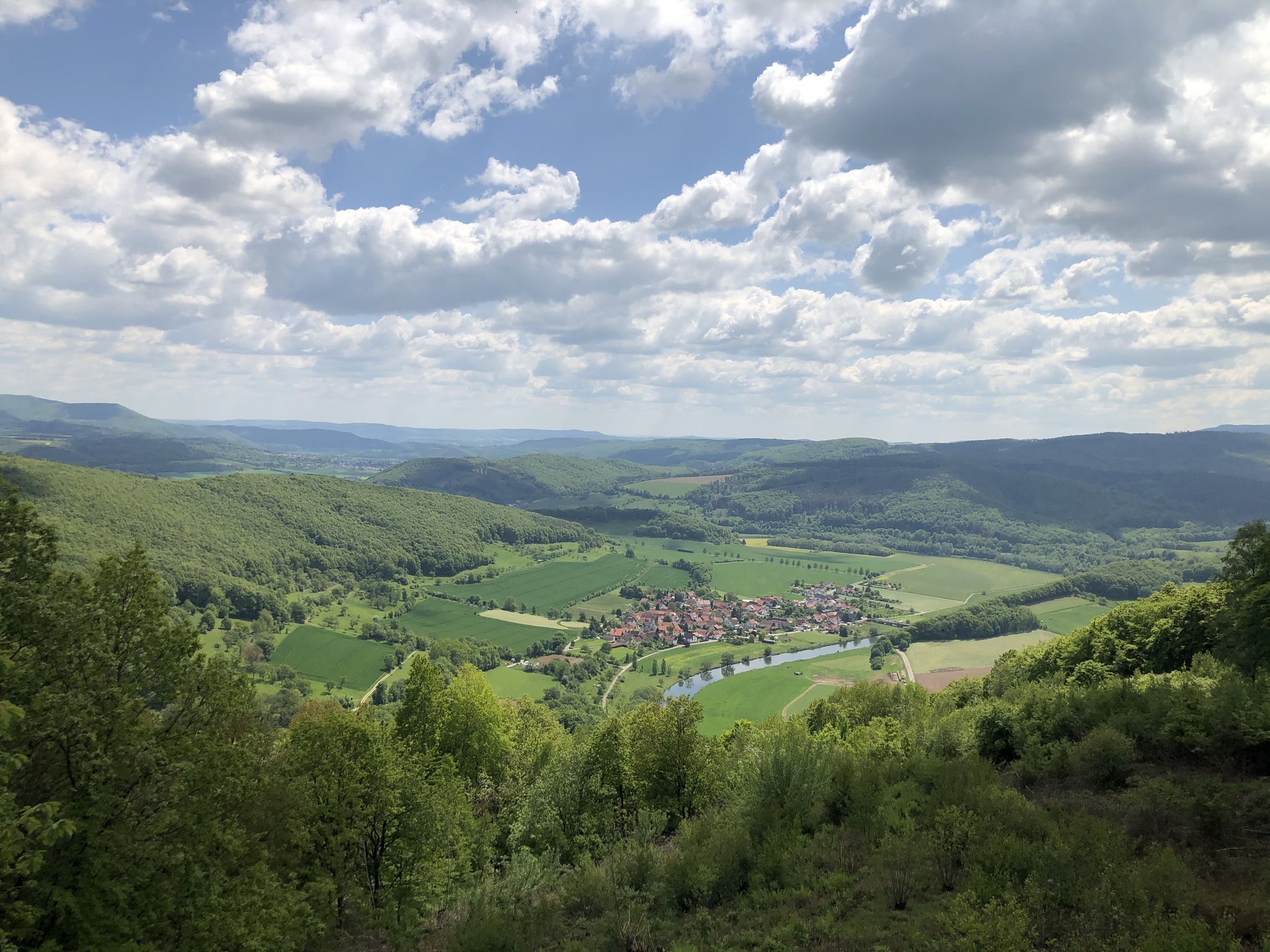
Wonderful Green Band
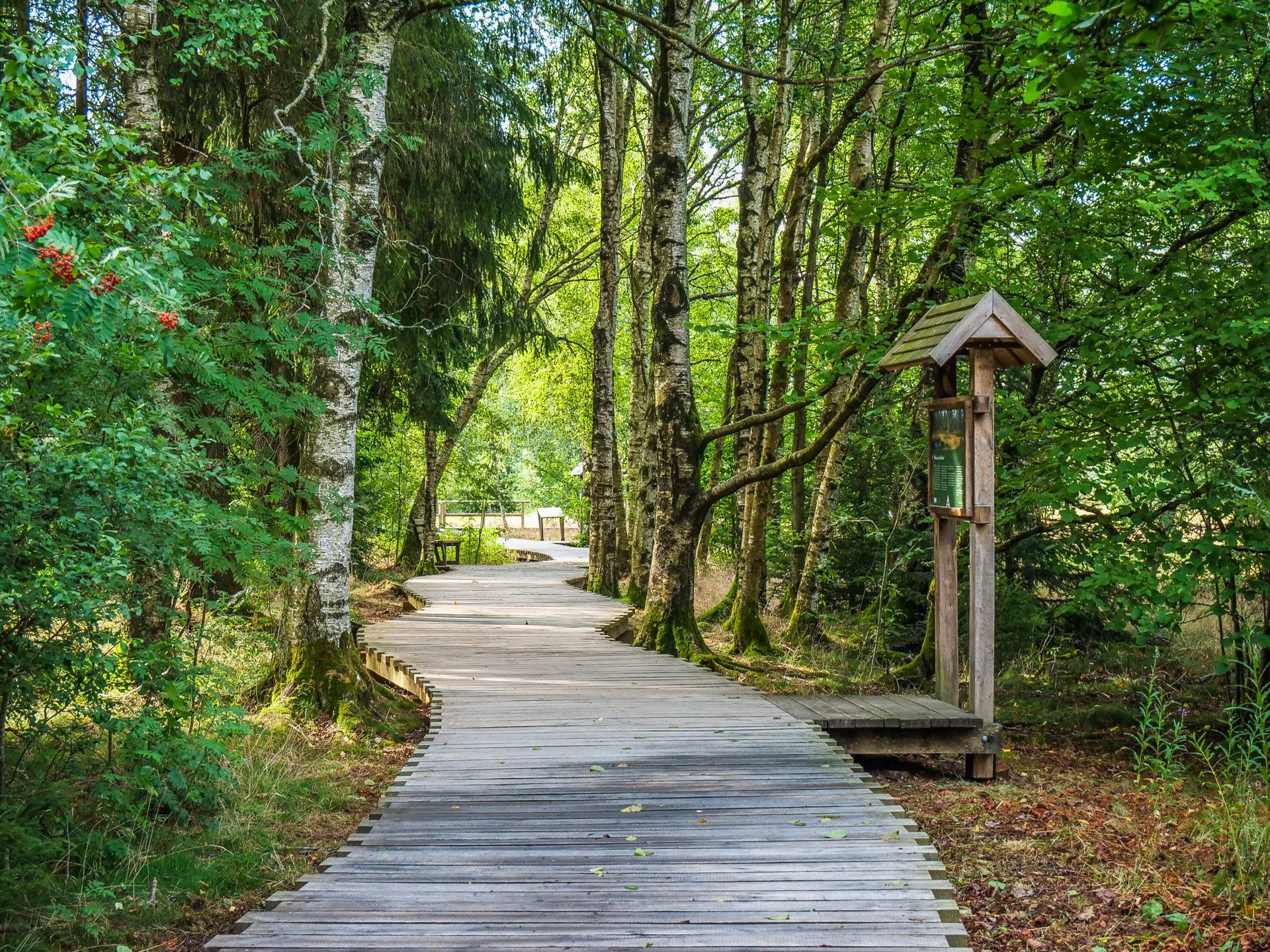
Discover the Green Belt in the Rhön with BUND
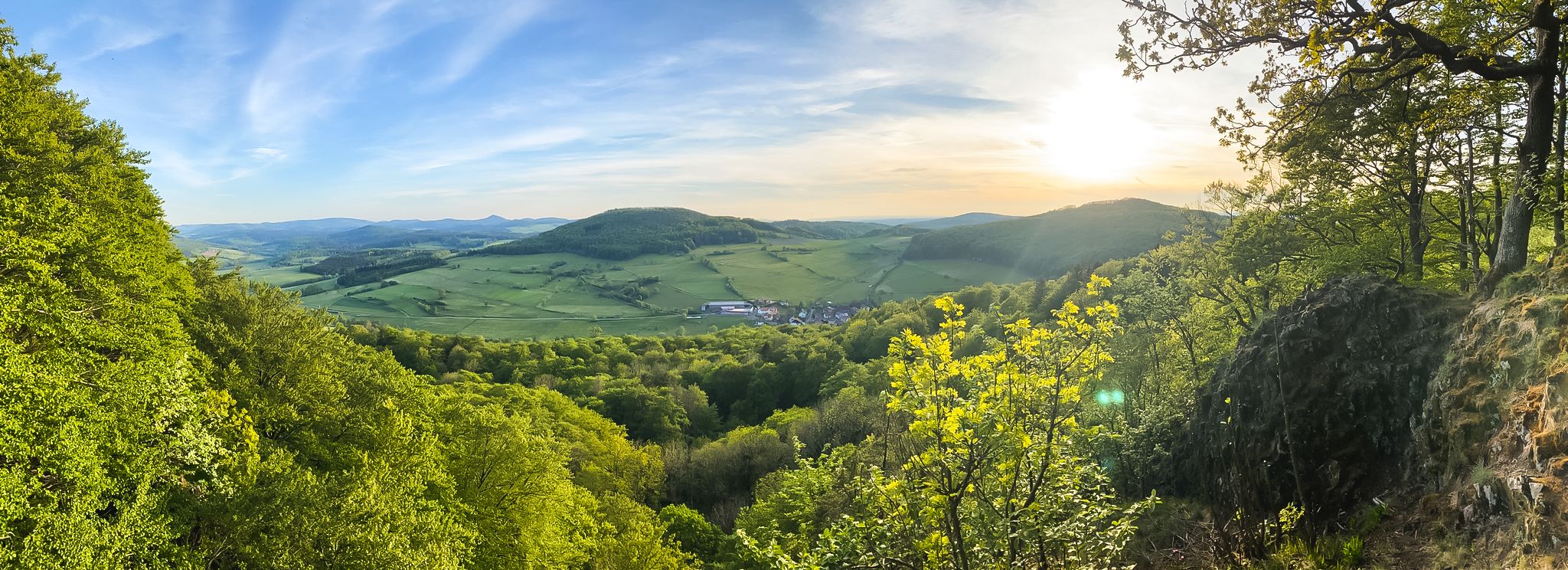
Hike Germany’s Rhön Mountains on the Hochrhöner Trail
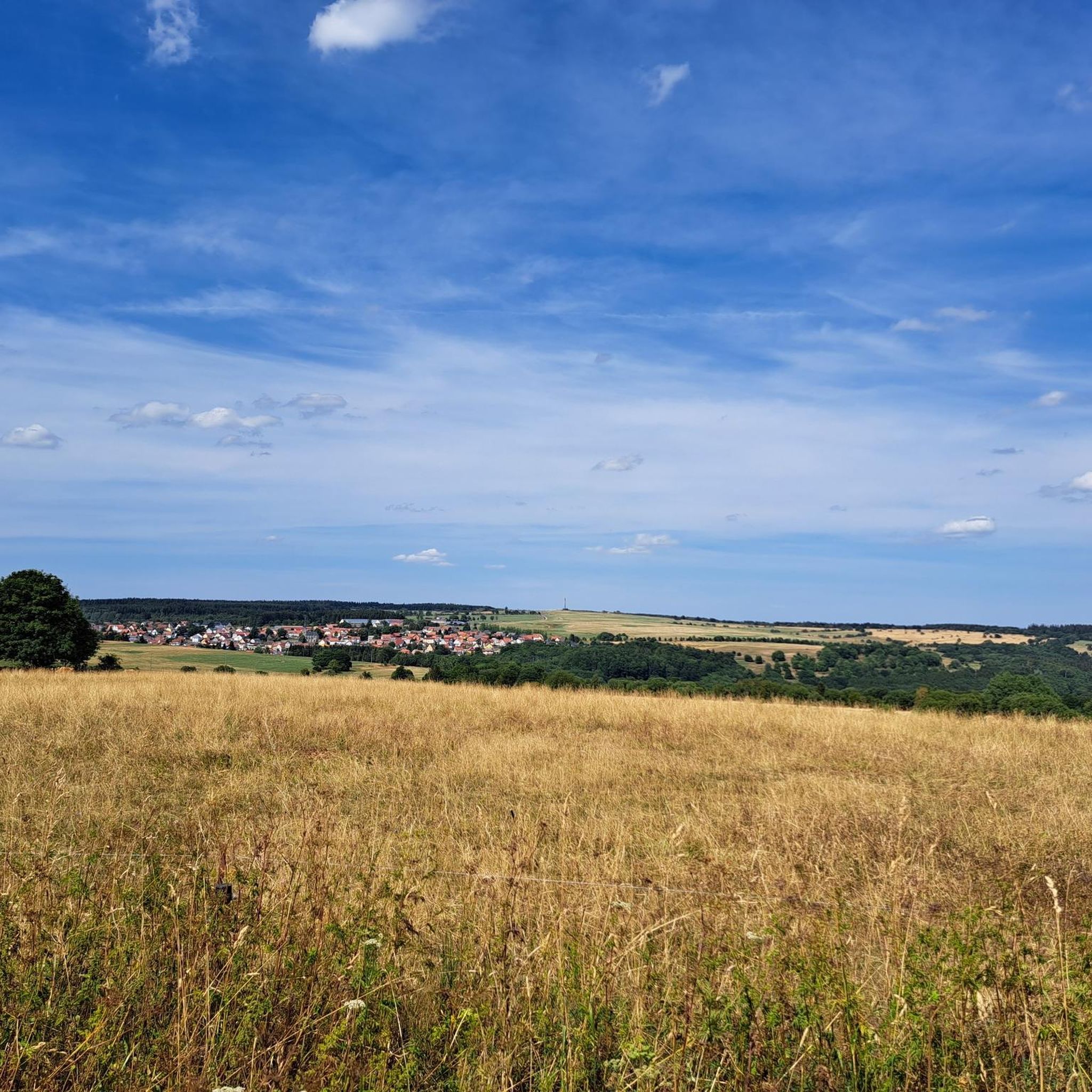
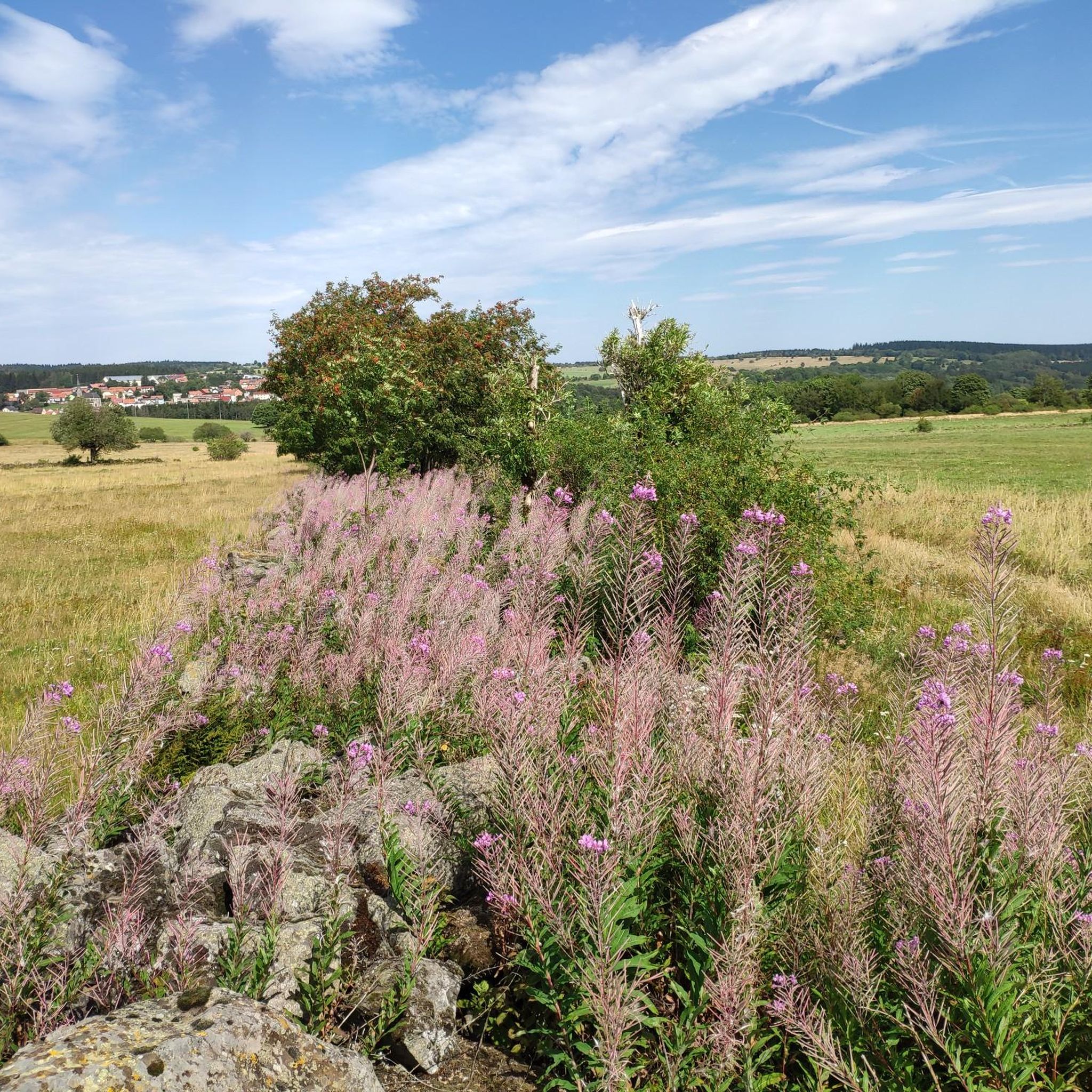
Hiking around Frankenheim/Rhön
Cycling around Frankenheim/Rhön
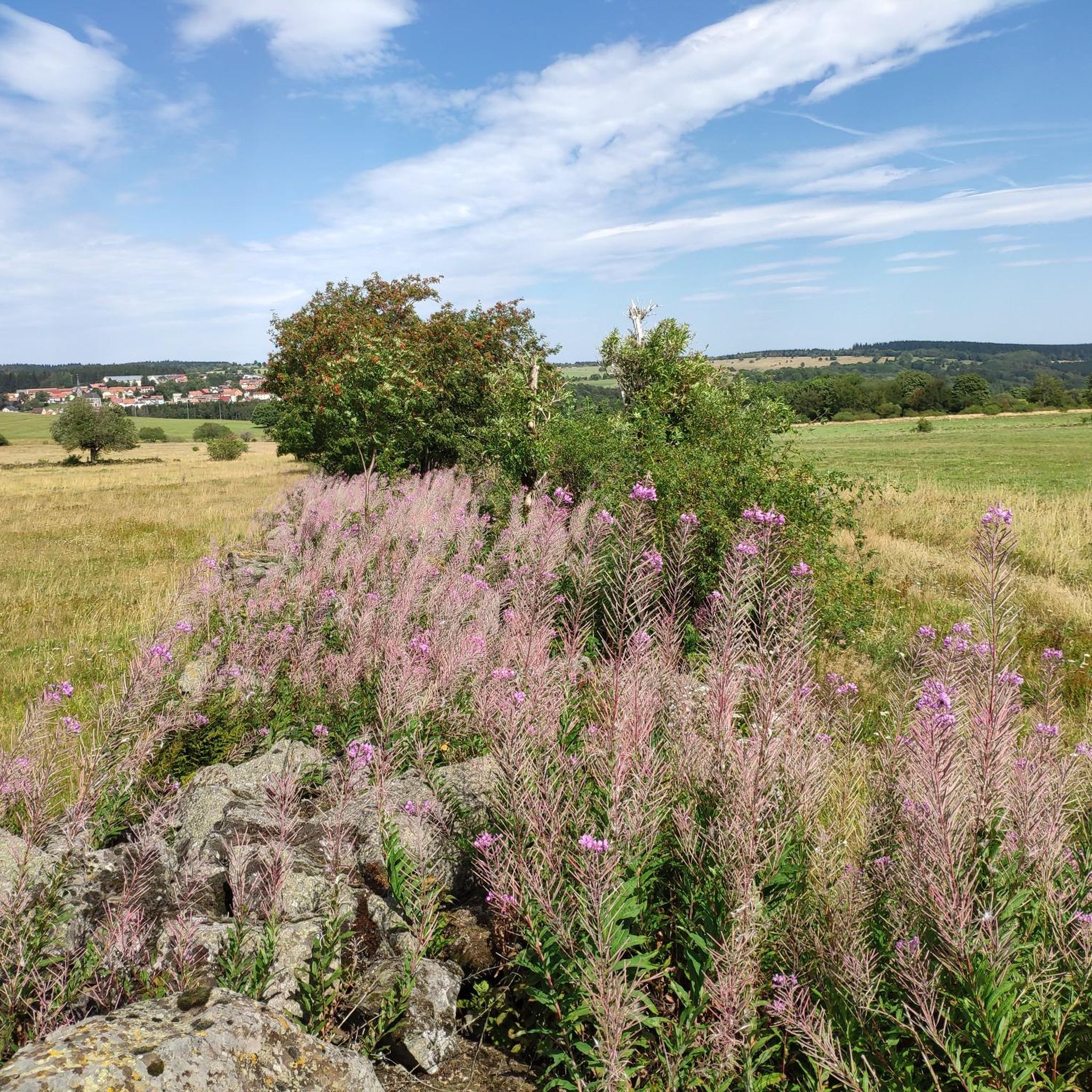
Running Trails around Frankenheim/Rhön
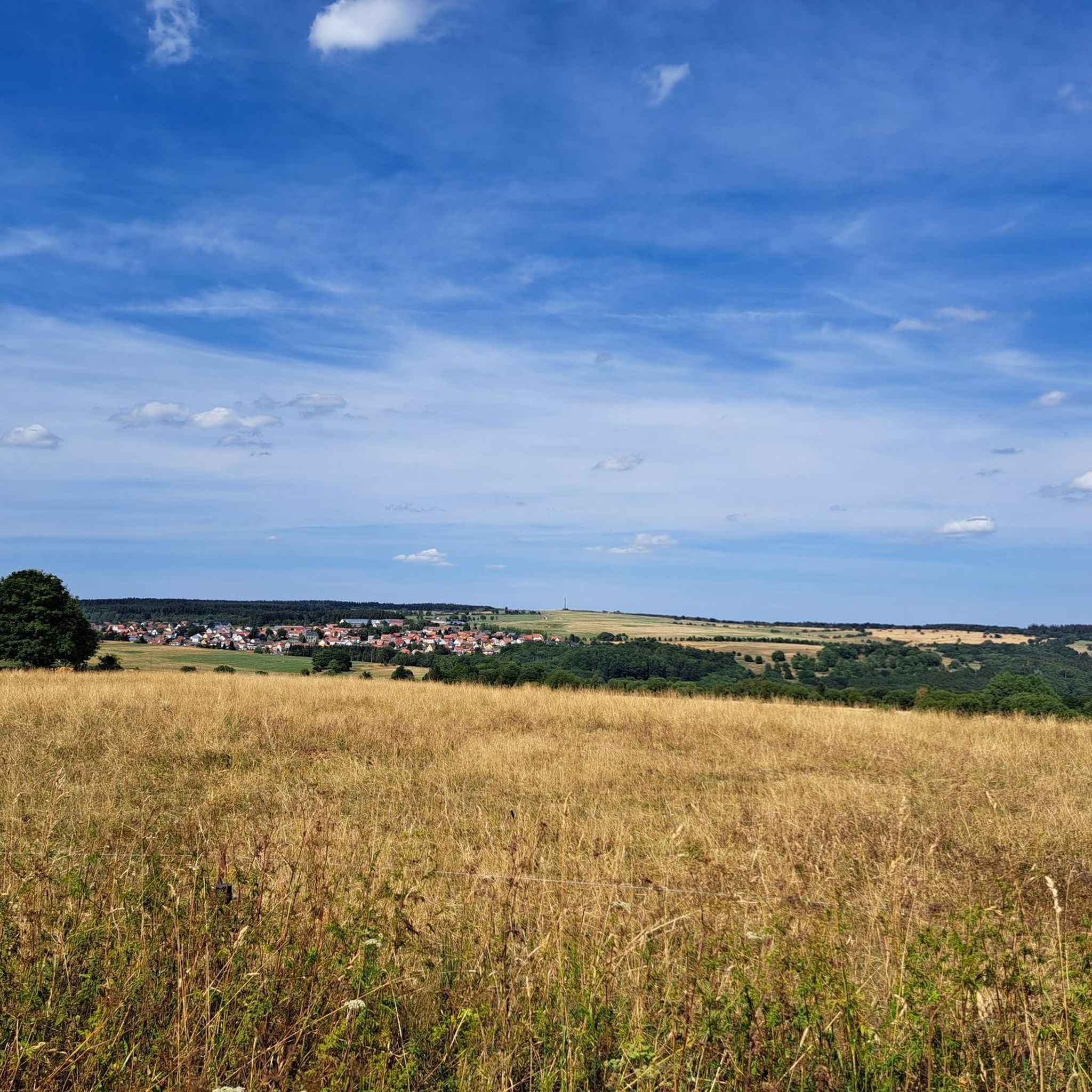
Road Cycling Routes around Frankenheim/Rhön
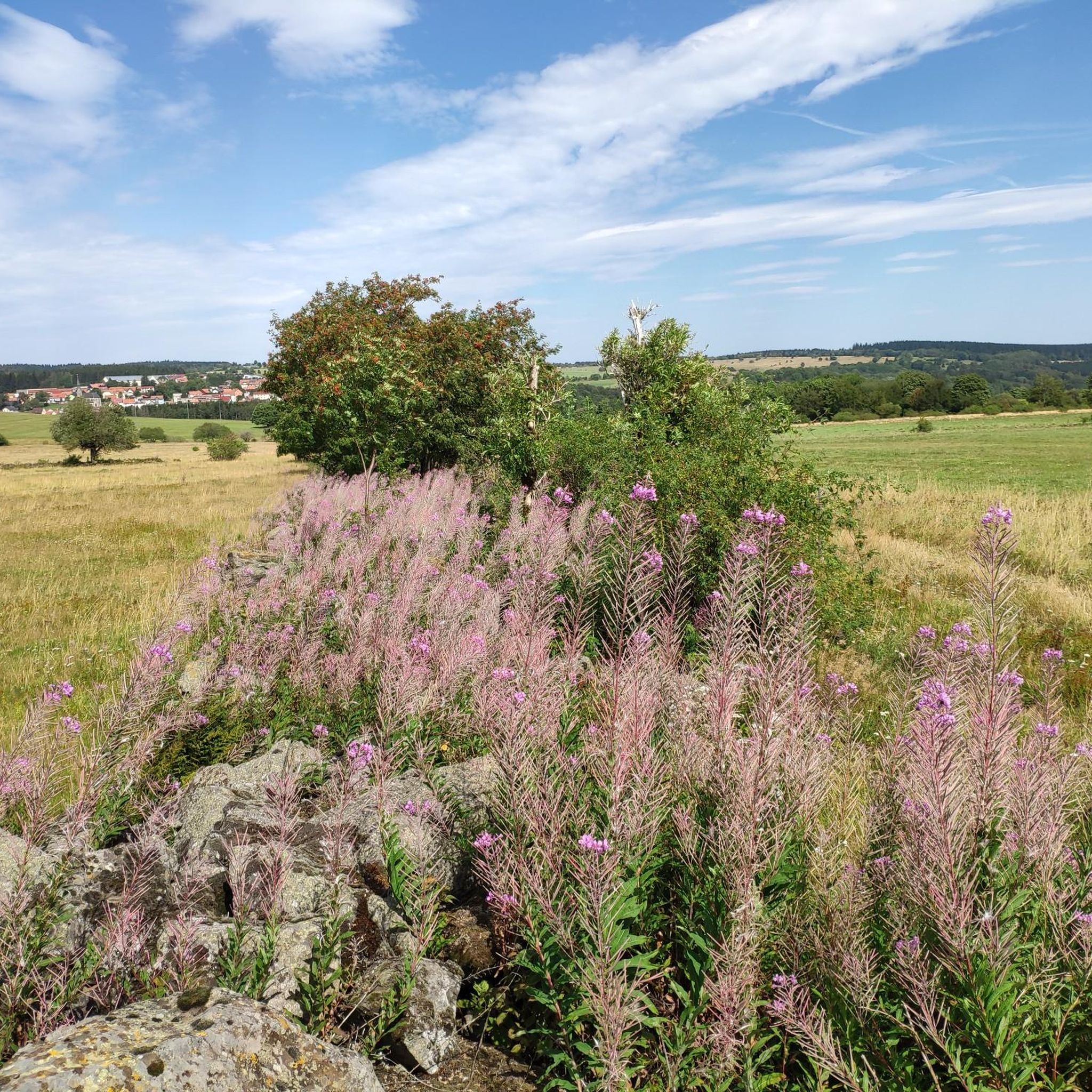
MTB Trails around Frankenheim/Rhön
Gravel biking around Frankenheim/Rhön


Tips from the Community

Unfortunately, it's still closed. I came from the other side. There was no sign there. A small bridge has unfortunately collapsed, and the grotto is empty. The main access path (asphalt) is already covered in moss. It's a shame. Hopefully, the place will be restored soon. Otherwise, it's actually a very beautiful place.
0
0

A beautiful piece of nature. Highly recommended.
1
0
A place rich in history that is worth seeing.
0
0

www.biosphaere-rhoen.de Information from panel no. 2 Eisgraben - cold wind, natural forests The water of the Aschelbach, which flows over and between the basalt blocks of the Eisgraben, comes from the Black Moor on top of the Hohe Rhön - one of the last intact raised bogs in Germany. Cold air also flows from there down the valley channel. The Eisgraben owes its name to this, because it ensures that the frost lasts here well into spring. Large areas of the Eisgraben are designated as a natural forest reserve and enjoy special protection as a core zone of the UNESCO Rhön Biosphere Reserve. Leaving the moor, the Aschelbach initially meanders quietly through the landscape and finally plunges down a 4-meter-high waterfall. When it enters the forest, the stream is then called Eisgraben. It meanders between the trees and in places drops steeply by up to 10 meters on the side. Every spring, the floods of melting snow transform the narrow summer stream into a raging torrent that cuts ever deeper into the ground. An extreme storm on July 26, 1834 gave the Eisgraben its current appearance. Torrential rain caused a massive landslide that buried the town of Hausen. The catastrophe washed out brown coal in some places, which was then mined. A considerable system of tunnels was created. However, the brown coal was still quite young and therefore of poor quality, so mining was soon stopped. The women's cave is located in the lower part of the Eisgraben. At this point, the water has dug a 50-meter-long and 20-meter-deep cave into the rock. According to legend, this cave was a refuge for the women from the hamlet of Hillenberg in times of trouble. Today, the cave is no longer accessible. Also nearby are a hunter's hut and the ruins of Hildenburg.
1
0

Here you can also take shelter for a while if it rains
1
0

The mountain hiking trail on the Elsbach is a hidden gem, a symphony of rushing water, old trees and the scent of wild nature. Here, in the silence of the Rhön Biosphere Reserve, the wild romance of a path that winds along a lively stream is revealed. The murmur of the Elsbach is a constant companion on this path. With every step, up and through the wooded Kerbtal, the worries of everyday life become quieter and the beauty of nature louder. It is a place where you feel the world with all its colors and sounds more intensely. In summer, the path offers a refreshing coolness, a green roof of leaves protects from the heat and lets the light fall in soft rays on the ground. The Elsbach Bridge can be seen in the distance, from where the idyllic path is best explored. When the snow begins to melt, the Elsbach turns into a rushing spectacle. The water dances and jumps over rocks, winding through the gorge the river has carved over the centuries. Even as one hikes uphill and the trail becomes more challenging, the depths of the gorge reveal themselves to the left, a sight that inspires both awe and wonder. The view of the bubbling water that is constantly finding its way is an unforgettable experience. The Elsbach shows its charming face in every season: framed by delicate green in spring, cool and shady in summer, bathed in a sea of gold and red in autumn and a quiet, frosty wonderland in winter. The mountain hiking trail on Elsbach is a hiking highlight for those who want to feel the rhythm of nature and hike in a landscape that invites you to pause and enjoy. Here in the heart of the Rhön Biosphere Reserve you are reminded of how valuable and worthy of protection the quiet splendor of our natural world is.
0
0

Great information board about the Ritterschlucht. With lots of information
10
0
Small pavilion with information boards about the Ritterschlucht and bird trail
12
0
Frequently Asked Questions
What kind of "canyons" can I expect to find around Frankenheim/Rhön?
While Frankenheim/Rhön, located in the Rhön Biosphere Reserve, doesn't feature large-scale canyons in the traditional sense, the region offers impressive gorge-like formations. These are deeply incised channels and cascaded valleys, shaped by water erosion, providing dramatic natural beauty and unique hiking experiences. They are characterized by steep sides, wild brooks, and often feature waterfalls.
What are some notable natural features or viewpoints within these gorges?
The region's gorges boast several striking natural features. The Eisgraben Nature Reserve is known for its deeply incised channel, basalt rock formations, and a picturesque 4-meter high waterfall. The Beginning of the Elsbach Gorge offers a natural monument and a viewpoint marking the start of a romantic valley tour.
What is the <a href="https://www.komoot.com/highlight/683129" target="_blank" rel="noopener">Eisgraben Nature Reserve</a> known for?
The Eisgraben Nature Reserve is a striking natural monument characterized by a deeply incised channel where the Aschelbach stream flows. It features a picturesque 4-meter high waterfall and is historically significant due to a severe cloudburst in 1834 that dramatically shaped its current geological structure. The Aschelbach also drains parts of the nearby Black Moor.
What makes the <a href="https://www.komoot.com/highlight/389375" target="_blank" rel="noopener">Elsbach Gorge Trail</a> a unique hiking experience?
The Elsbach Gorge Trail offers a wild and natural hiking experience along the creek. Visitors particularly enjoy its visually attractive, close-to-nature feel, especially during snowmelt when the stream becomes a rushing torrent. It's described as a wildly romantic path.
Are there family-friendly options for exploring the gorges around Frankenheim/Rhön?
Yes, some areas are suitable for families. For instance, the Ritterschlucht Information Pavilion is considered family-friendly and provides information about the Ritterschlucht gorge and a bird trail. While the gorges themselves can be rugged, many trails offer accessible sections for a family outing.
Can I bring my dog on the trails in the gorges around Frankenheim/Rhön?
Generally, dogs are welcome on hiking trails in the Rhön region, including many gorge paths, as long as they are kept on a leash. It's always advisable to check local signage for any specific restrictions in nature reserves or protected areas. The natural and wild character of these trails makes them enjoyable for dogs and their owners.
What is the difficulty level of hiking trails in the Frankenheim/Rhön gorges?
The hiking trails through the gorges around Frankenheim/Rhön are generally considered intermediate in difficulty. They involve walking along wild brooks, sometimes with steep sections or uneven terrain. While not extreme, they require a reasonable level of fitness and appropriate footwear. Some highlights like the Eisgraben Nature Reserve and Elsbach Gorge Trail are categorized as intermediate.
When is the best time of year to visit the gorges around Frankenheim/Rhön?
The gorges around Frankenheim/Rhön offer unique experiences throughout the year. Spring, especially during snowmelt, provides a dramatic view of rushing waters in places like the Elsbach Gorge Trail. Warmer months allow for enjoyment of wild blooms and cooler temperatures within the ravines. Autumn brings beautiful foliage. Winter can be picturesque but may present challenging conditions due to snow and ice.
What other outdoor activities can I do near the gorges around Frankenheim/Rhön?
Beyond exploring the gorges, the Frankenheim/Rhön region offers a variety of outdoor activities. You can find numerous hiking trails, including moderate routes like the 'Thuringian Rhön House loop' or 'Grabenberg Border Tower – Dwarf Pines in the Black Moor loop'. There are also running trails, such as the 'Eisgraben Waterfall – Eisgraben loop', and mountain biking routes like the 'Black Moor – Schwarzes Moor Information Point loop'. For more details, explore the Hiking around Frankenheim/Rhön, Running Trails around Frankenheim/Rhön, and MTB Trails around Frankenheim/Rhön guides.
What do visitors particularly enjoy about the gorges in Frankenheim/Rhön?
Visitors frequently praise the wild, natural, and romantic atmosphere of the gorges. They appreciate the close-to-nature hiking experiences, the visual attractiveness of the landscapes, and the refreshing feel of walking alongside the wild brooks. The sound of splashing water and the unique geological formations, like the basalt rocks in the Eisgraben Nature Reserve, are often highlighted.
Are there any historical or cultural sites near the gorges?
Yes, the region has some points of interest. The Ritterschlucht Information Pavilion provides insights into the local history of the Ritterschlucht gorge. Additionally, the Mariengrotte Seiferts, a beautiful old grotto with a stream, offers a quiet and historically significant spiritual site near some of the gorge areas.
What should I consider regarding parking and public transport when visiting the gorges?
While specific parking details for each gorge may vary, Frankenheim/Rhön is generally accessible by car, with designated parking areas often available near trailheads or key attractions. Public transport options in the Rhön Biosphere Reserve can be limited, so planning your route in advance and checking local bus schedules is recommended if you're not traveling by car. Many visitors opt for personal vehicles to reach the more secluded gorge entrances.
Most popular routes around Frankenheim/Rhön
Most popular attractions around Frankenheim/Rhön

Get inspired with the komoot mobile app


Explore more
Already discovered everything in this region? See additional gorges around Frankenheim/Rhön for your next adventure:
