Top 3 Gorges around Kaltenwestheim
Best canyons around Kaltenwestheim are found within the Rhön mountains, an area characterized by hills, meadows, and forests. This region offers diverse natural experiences through its wild-romantic scenery. While deep gorges are not the primary geological feature, several notable natural formations are present. Kaltenwestheim serves as a base for exploring these unique geological features and the surrounding landscape.
Best canyons around Kaltenwestheim
- The most popular canyons is Eisgraben Nature Reserve, a forest that features a small gorge lined with…
Last updated: July 11, 2026
Eisgraben Nature Reserve
Highlight • Forest
Translated by Google •
Tip by

Mariengrotte Seiferts
Highlight • Religious Site
Translated by Google •
Tip by

Sign up now to discover places like this
Get recommendations on the best single tracks, peaks, & plenty of other exciting outdoor places.
Sign up for free
Ritterschlucht Information Pavilion
Highlight • Rest Area
Translated by Google •
Tip by

View of the Umpfen Cliffs and Rhön Valley
Highlight • Viewpoint
But be careful not to step too far on the slope!
Translated by Google •
Tip by

Start today with a free account
Your next adventure awaits.
Login or Signup
Popular around Kaltenwestheim
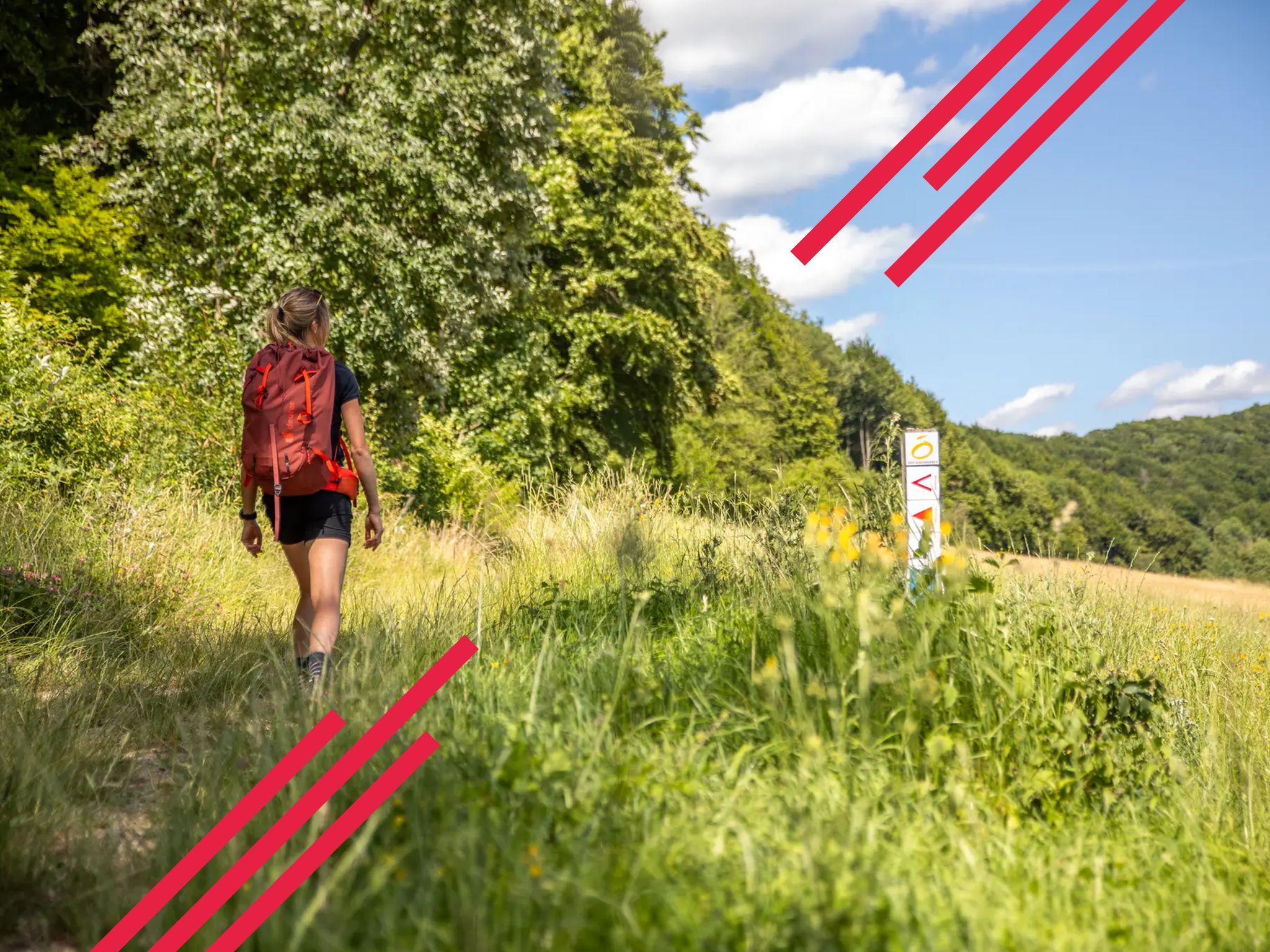
Stages of the HOCHRHÖNER Premium Hiking Trail
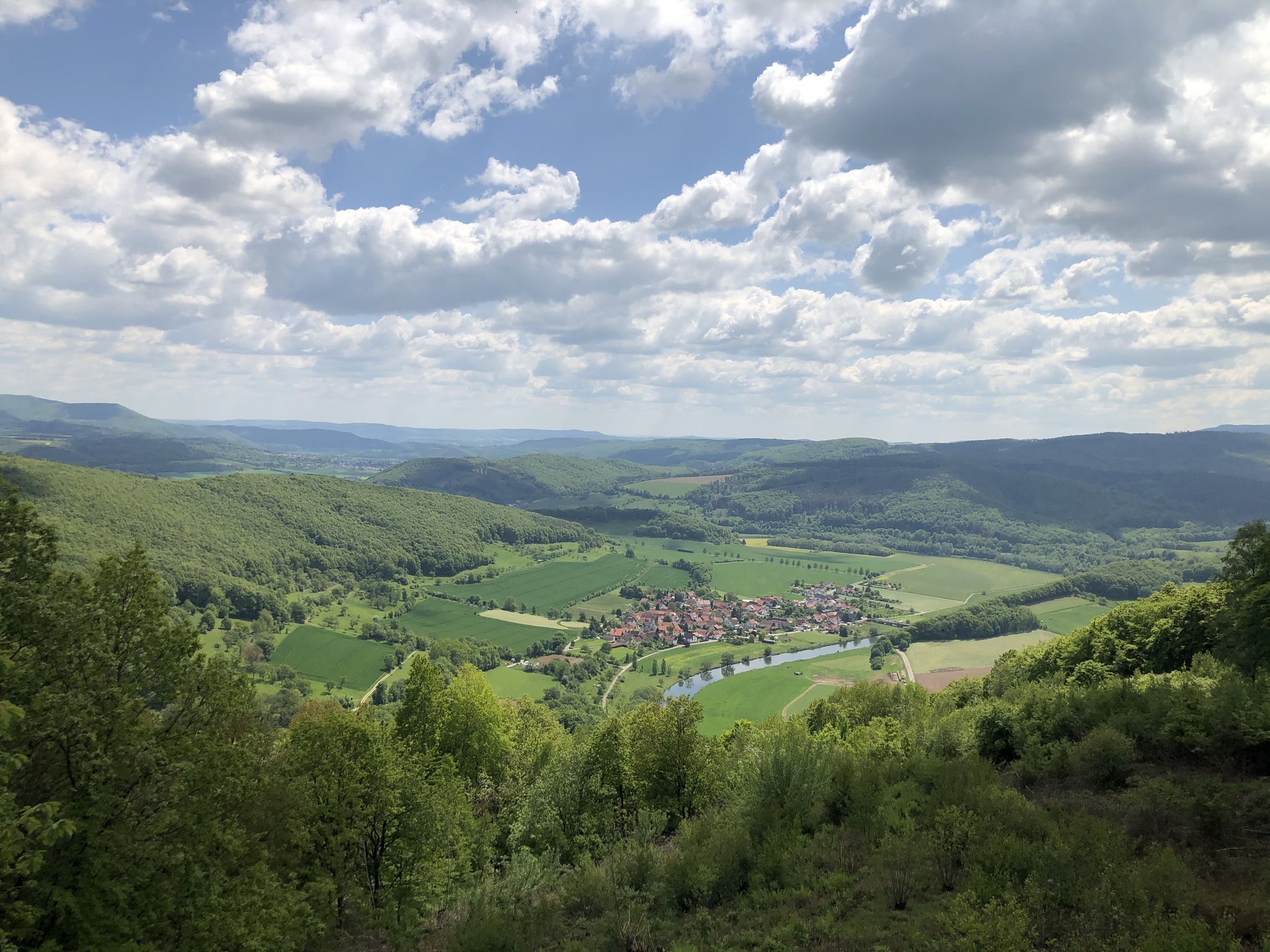
Wonderful Green Band
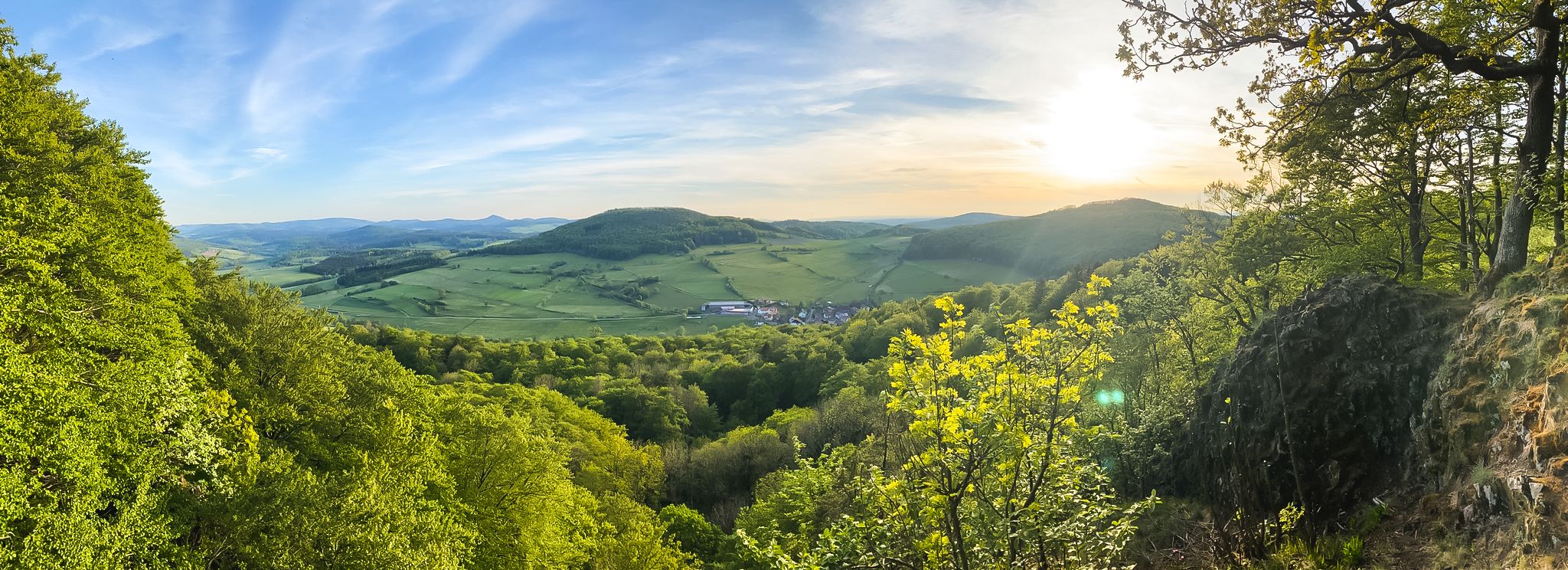
Hike Germany’s Rhön Mountains on the Hochrhöner Trail
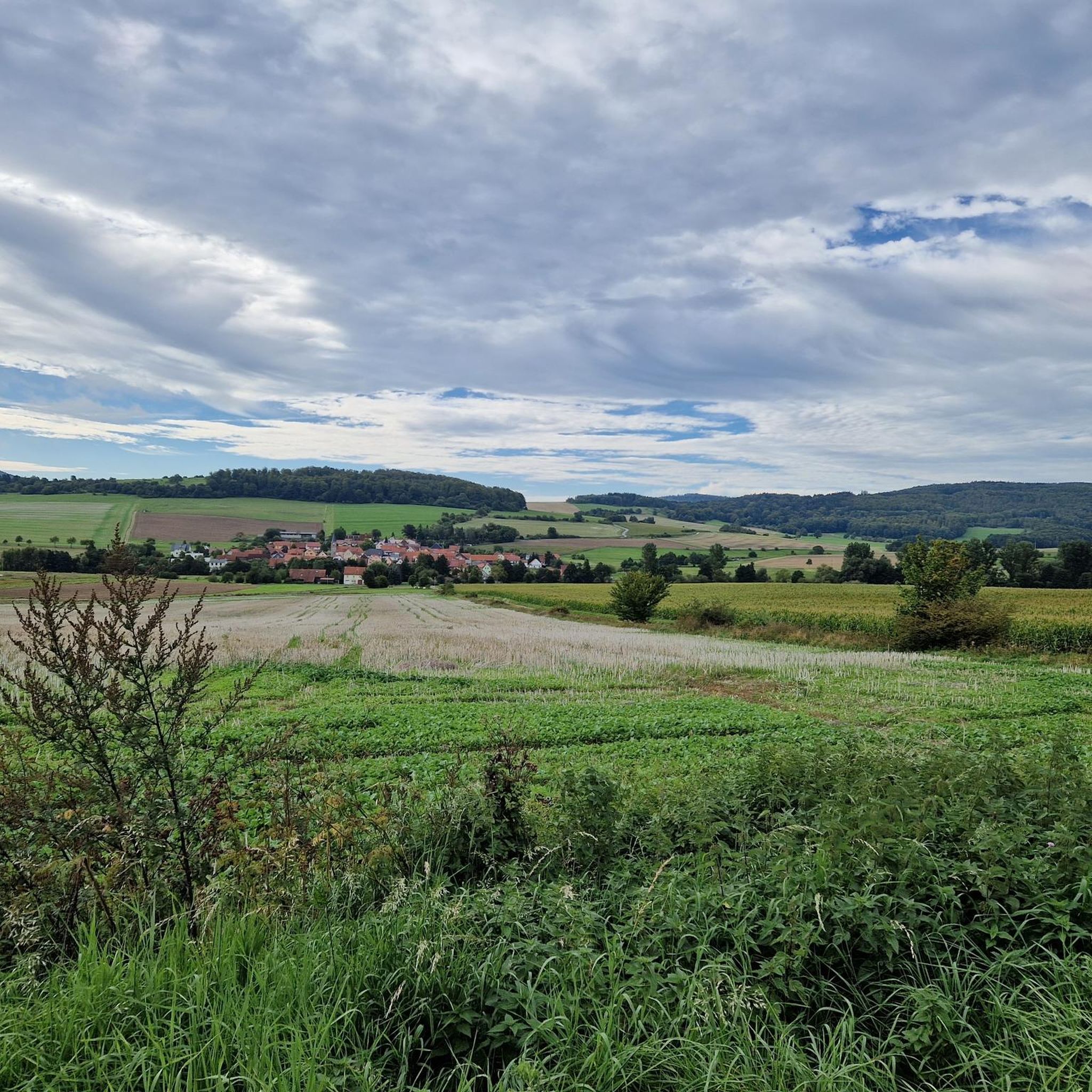
Hiking around Kaltenwestheim
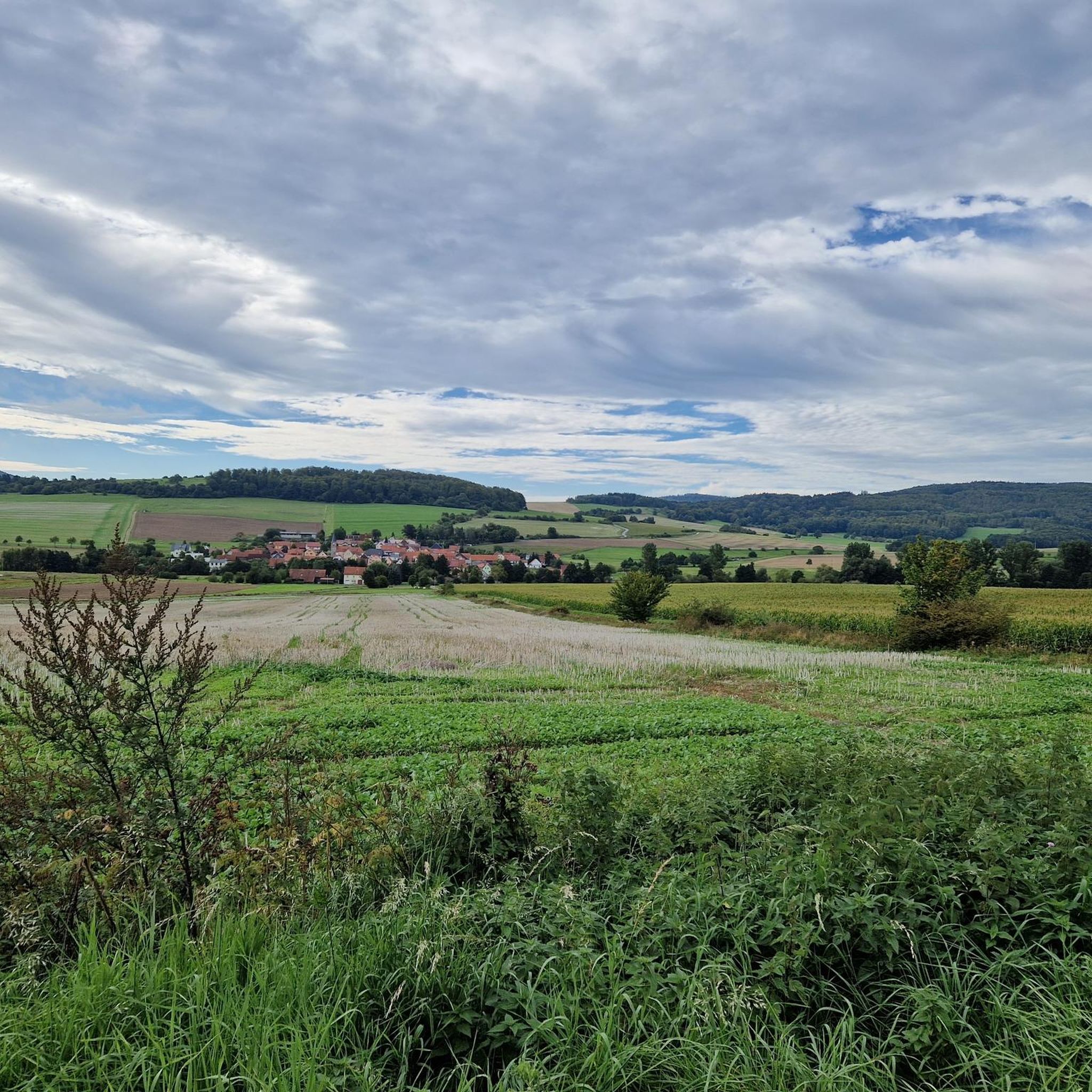
MTB Trails around Kaltenwestheim
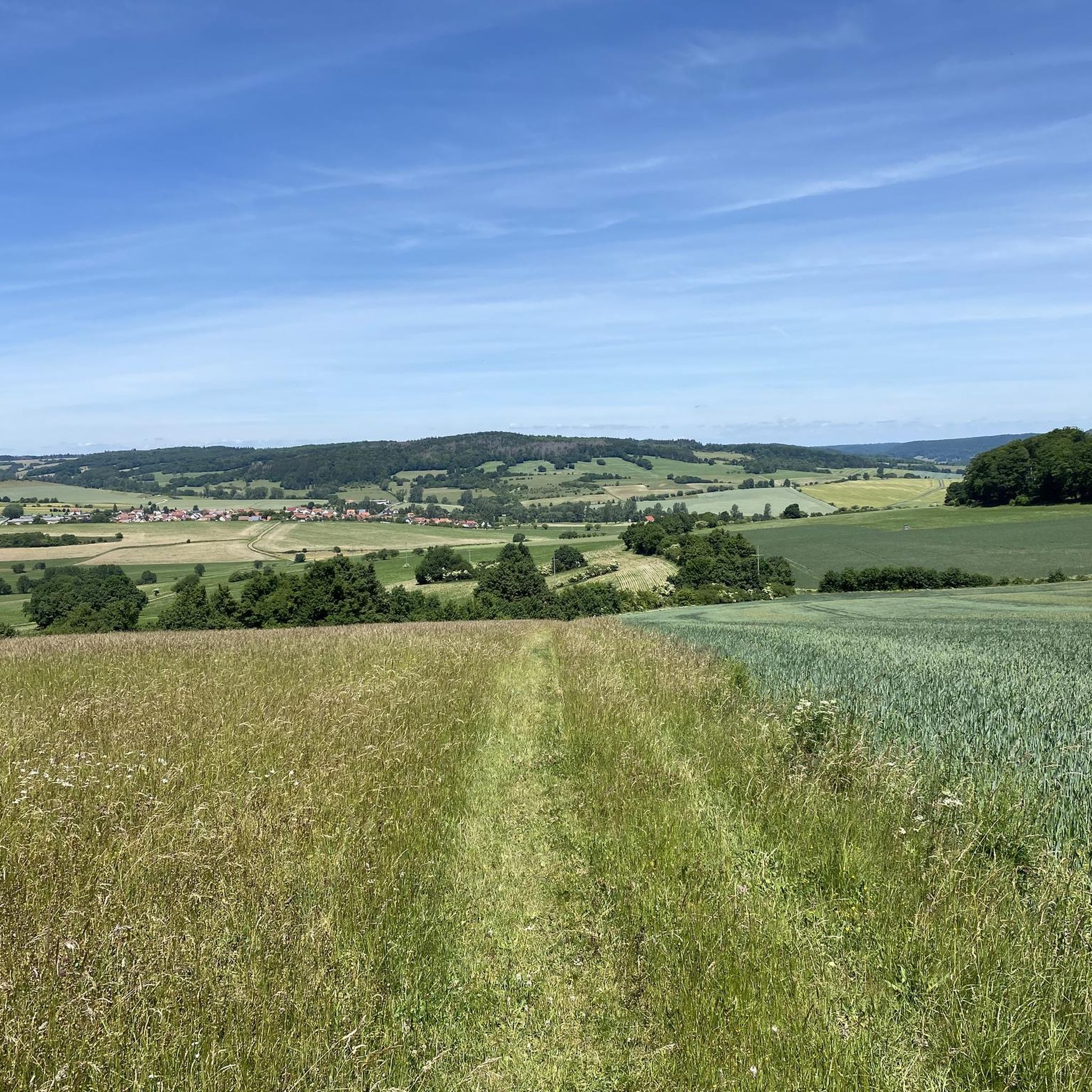
Running Trails around Kaltenwestheim
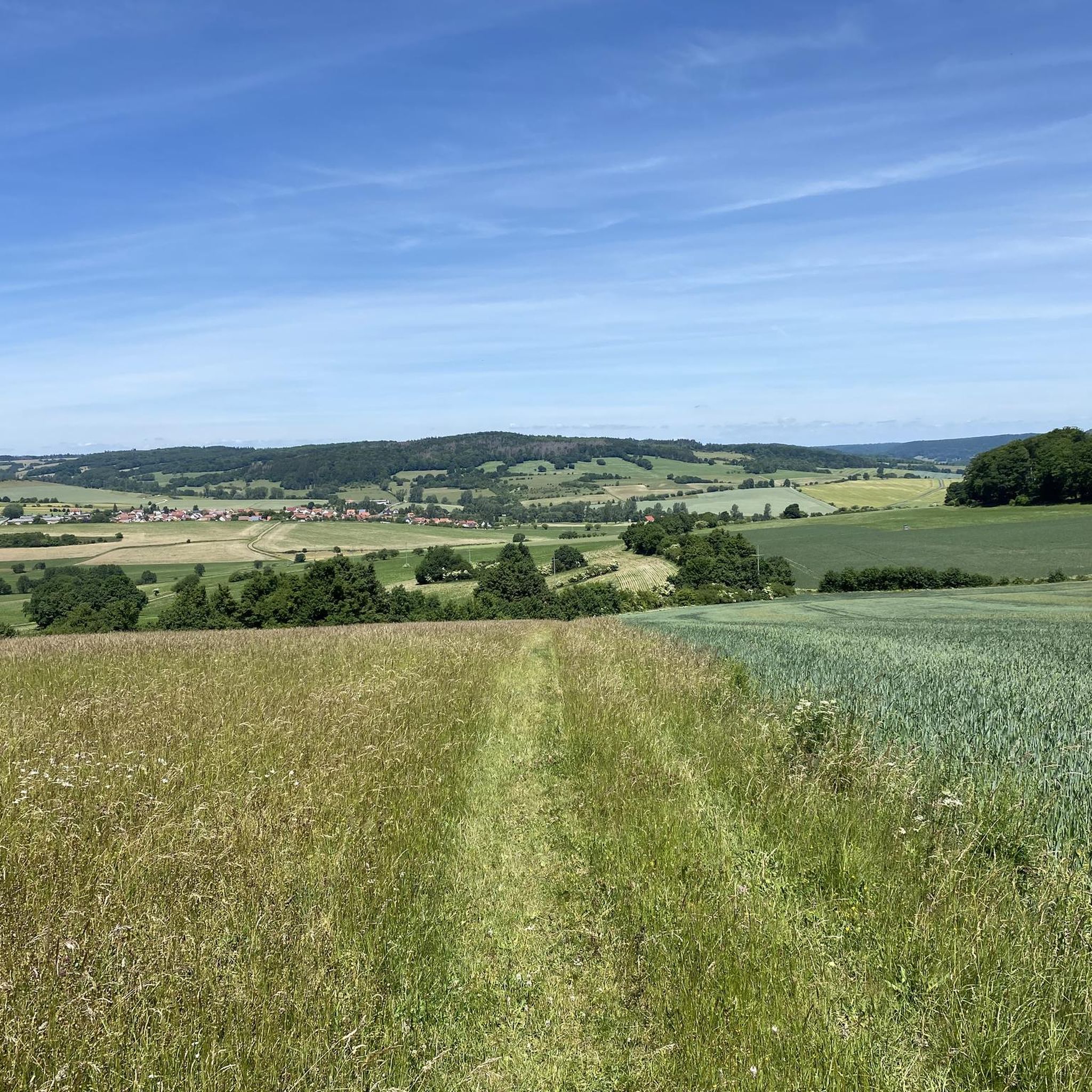
Cycling around Kaltenwestheim
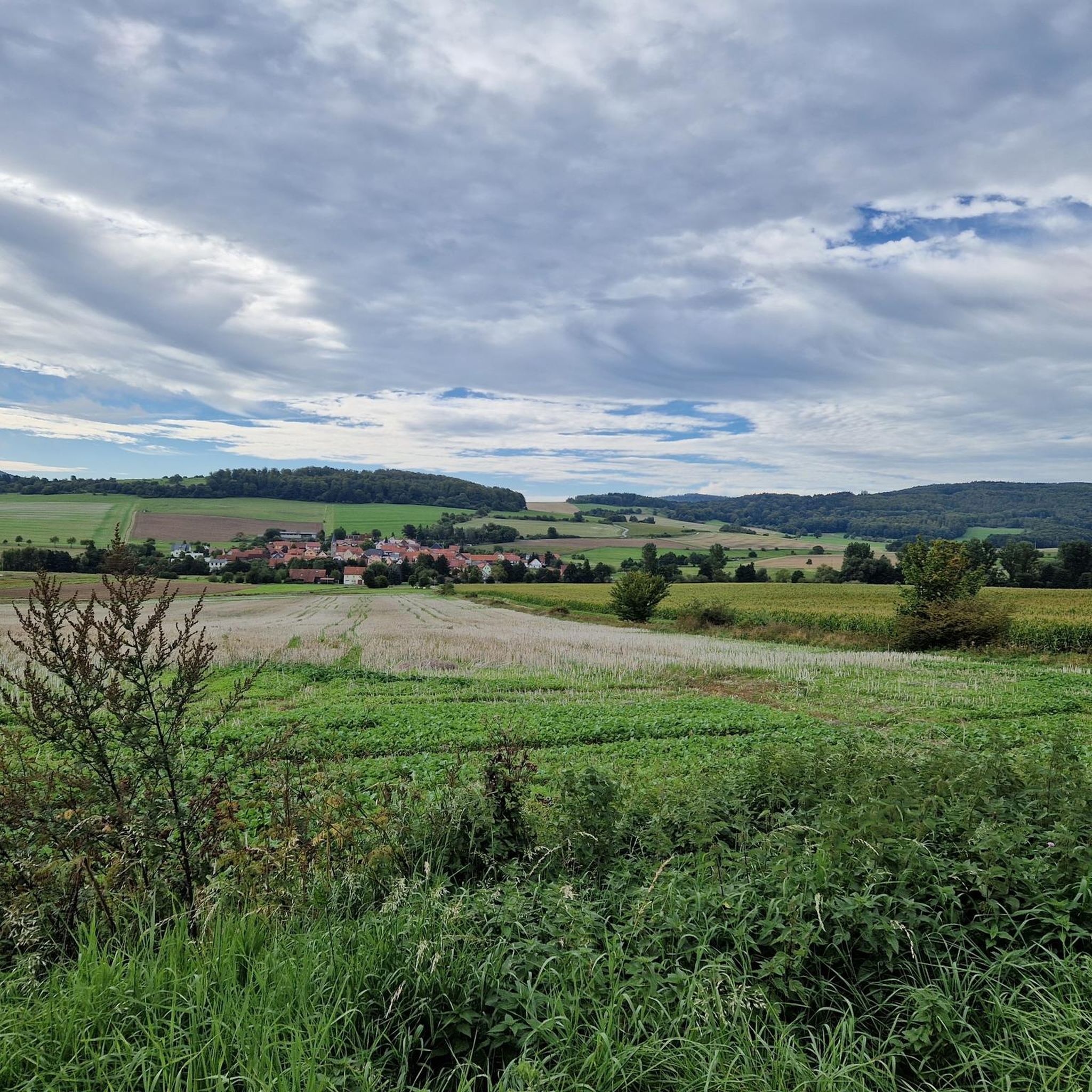
Road Cycling Routes around Kaltenwestheim
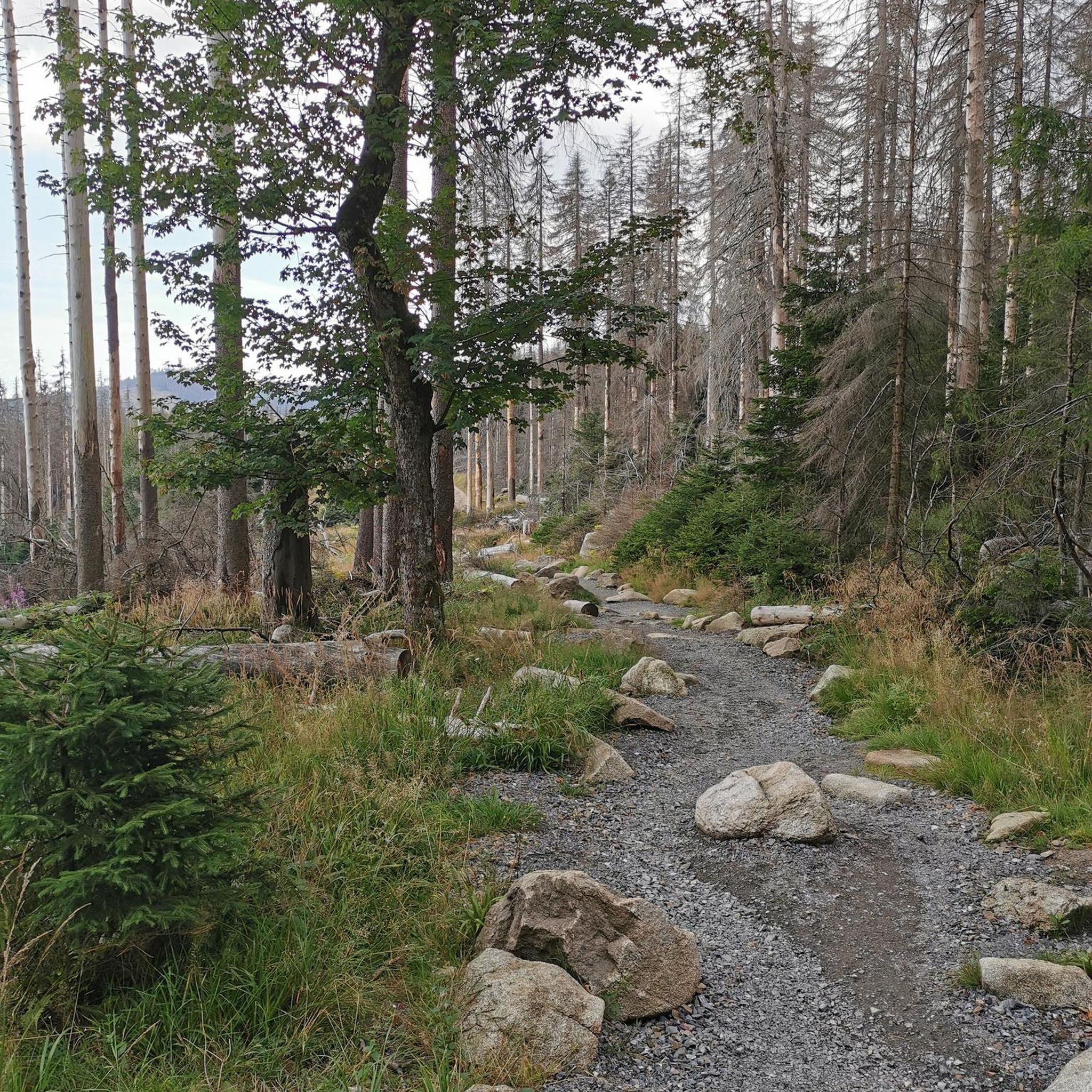
Gravel biking around Kaltenwestheim


Tips from the Community

Unfortunately, it's still closed. I came from the other side. There was no sign there. A small bridge has unfortunately collapsed, and the grotto is empty. The main access path (asphalt) is already covered in moss. It's a shame. Hopefully, the place will be restored soon. Otherwise, it's actually a very beautiful place.
0
0

A beautiful piece of nature. Highly recommended.
1
0
A place rich in history that is worth seeing.
0
0

www.biosphaere-rhoen.de Information from panel no. 2 Eisgraben - cold wind, natural forests The water of the Aschelbach, which flows over and between the basalt blocks of the Eisgraben, comes from the Black Moor on top of the Hohe Rhön - one of the last intact raised bogs in Germany. Cold air also flows from there down the valley channel. The Eisgraben owes its name to this, because it ensures that the frost lasts here well into spring. Large areas of the Eisgraben are designated as a natural forest reserve and enjoy special protection as a core zone of the UNESCO Rhön Biosphere Reserve. Leaving the moor, the Aschelbach initially meanders quietly through the landscape and finally plunges down a 4-meter-high waterfall. When it enters the forest, the stream is then called Eisgraben. It meanders between the trees and in places drops steeply by up to 10 meters on the side. Every spring, the floods of melting snow transform the narrow summer stream into a raging torrent that cuts ever deeper into the ground. An extreme storm on July 26, 1834 gave the Eisgraben its current appearance. Torrential rain caused a massive landslide that buried the town of Hausen. The catastrophe washed out brown coal in some places, which was then mined. A considerable system of tunnels was created. However, the brown coal was still quite young and therefore of poor quality, so mining was soon stopped. The women's cave is located in the lower part of the Eisgraben. At this point, the water has dug a 50-meter-long and 20-meter-deep cave into the rock. According to legend, this cave was a refuge for the women from the hamlet of Hillenberg in times of trouble. Today, the cave is no longer accessible. Also nearby are a hunter's hut and the ruins of Hildenburg.
1
0

Here you can also take shelter for a while if it rains
1
0

Great information board about the Ritterschlucht. With lots of information
10
0
Small pavilion with information boards about the Ritterschlucht and bird trail
12
0

The Aschelbach, which comes from the Rhön high plateau, has created the deep valley of the Eisgraben here. There is a reason for the name Eisgraben: the cool stream water and the accompanying cold air currents ensure that the temperature along the stream is a few degrees lower than in the surrounding area.
4
0
Frequently Asked Questions
What are the most notable geological features around Kaltenwestheim?
While traditional deep canyons are not the primary geological feature, the region around Kaltenwestheim in the Rhön mountains offers unique natural formations. Key highlights include the Eisgraben Nature Reserve, known for its small gorge lined with basalt rock and a wild brook, and the View of the Umpfen Cliffs and Rhön Valley, which provides scenic perspectives of unique rock formations.
Are there any family-friendly natural attractions or gorges in the area?
Yes, the Ritterschlucht Information Pavilion is a family-friendly spot offering information boards about the Ritterschlucht (Knight's Gorge) and a bird trail. It's a great place to learn about the local nature and history in an accessible setting.
What kind of natural scenery can I expect in the Rhön Biosphere Reserve near Kaltenwestheim?
The Rhön Biosphere Reserve, where Kaltenwestheim is located, is characterized by a diverse landscape of hills, wide meadows, and dense forests. You'll find wild-romantic scenery, including unique geological formations like the basalt rocks in the Eisgraben Nature Reserve and the striking Umpfen Cliffs.
What outdoor activities can I do near these natural formations?
The area around Kaltenwestheim is excellent for various outdoor activities. You can explore numerous hiking trails, such as those found in the Hiking around Kaltenwestheim guide. There are also options for gravel biking and cycling, with routes catering to different difficulty levels.
Is there a place for quiet reflection or spiritual significance among the natural sites?
Yes, the Mariengrotte Seiferts offers a quiet, shady atmosphere. It's a religious building with a grotto and a stream flowing along, providing a peaceful place for reflection amidst nature.
What is the best time to visit the natural attractions around Kaltenwestheim?
The Rhön region is beautiful year-round. Spring and autumn offer pleasant temperatures for hiking and exploring the diverse landscapes. Summer is ideal for longer days outdoors, while winter can transform the area into a picturesque snowy wonderland, though some trails might be less accessible.
Are there any specific viewpoints to appreciate the Rhön Valley's unique rock formations?
Absolutely. The View of the Umpfen Cliffs and Rhön Valley is a prime location. It offers a stunning scenic perspective of the Umpfen Cliffs and the broader Rhön Valley, showcasing the area's unique geological features.
What do visitors particularly enjoy about the natural sites near Kaltenwestheim?
Visitors appreciate the wild-romantic scenery and the diverse natural experiences. For instance, the Eisgraben Nature Reserve is loved for its 'real, still wild brook' and the idyllically situated hut. The Mariengrotte Seiferts is valued for its quiet, shady atmosphere and sense of peace.
Are there any nature reserves or protected areas nearby?
Yes, the entire region is part of the Rhön Biosphere Reserve, which protects its unique natural and cultural landscape. Within this, the Eisgraben Nature Reserve is a specific protected area known for its forest, gorge, and wild brook.
Can I find information about local trails and wildlife at any of these sites?
The Ritterschlucht Information Pavilion provides valuable information boards about the Ritterschlucht (Knight's Gorge) and its bird trail, offering insights into the local flora and fauna.
Are the trails around these natural formations suitable for dogs?
Many hiking trails in the Rhön Biosphere Reserve are dog-friendly, but it's always recommended to keep dogs on a leash, especially in nature reserves and near wildlife, to protect the environment and other visitors. Specific regulations may apply to certain areas.
What kind of historical significance do these natural sites hold?
While primarily natural, some sites have historical connections. The Ritterschlucht Information Pavilion, for example, is associated with the historical Ritterschlucht. The Mariengrotte Seiferts also holds historical and religious significance as a long-standing place of worship and reflection.
Most popular routes around Kaltenwestheim
Most popular attractions around Kaltenwestheim

Get inspired with the komoot mobile app


Explore more
Already discovered everything in this region? See additional gorges around Kaltenwestheim for your next adventure:
