Top 4 Caves around Diedorf/Rhön
Best caves around Diedorf/Rhön are found within the broader Rhön Mountains, a UNESCO Biosphere Reserve known for its unique volcanic landscapes and open vistas. While Diedorf itself is a smaller municipality, the surrounding region features interesting natural formations, including small grottoes and rock crevices. These geological features are often carved from red sandstone, offering a distinct exploration experience. The area provides opportunities to discover historical sites and natural monuments within its forested terrain.
Best caves around Diedorf/Rhön
- The most popular…
Last updated: July 11, 2026
Paulus Cave (Paulus Höhle) in the Ibengarten
Highlight (Segment) • Cave
Translated by Google •
Tip by

Rhönpaulus Cave (Baier Cave)
Highlight • Cave
Translated by Google •
Tip by

Sign up now to discover places like this
Get recommendations on the best single tracks, peaks, & plenty of other exciting outdoor places.
Sign up for free
Paulushöhle (Rhönpaulus' Hideout)
Highlight • Cave
Translated by Google •
Tip by

Baier Cave
Highlight • Cave
Translated by Google •
Tip by

Start today with a free account
Your next adventure awaits.
Login or Signup
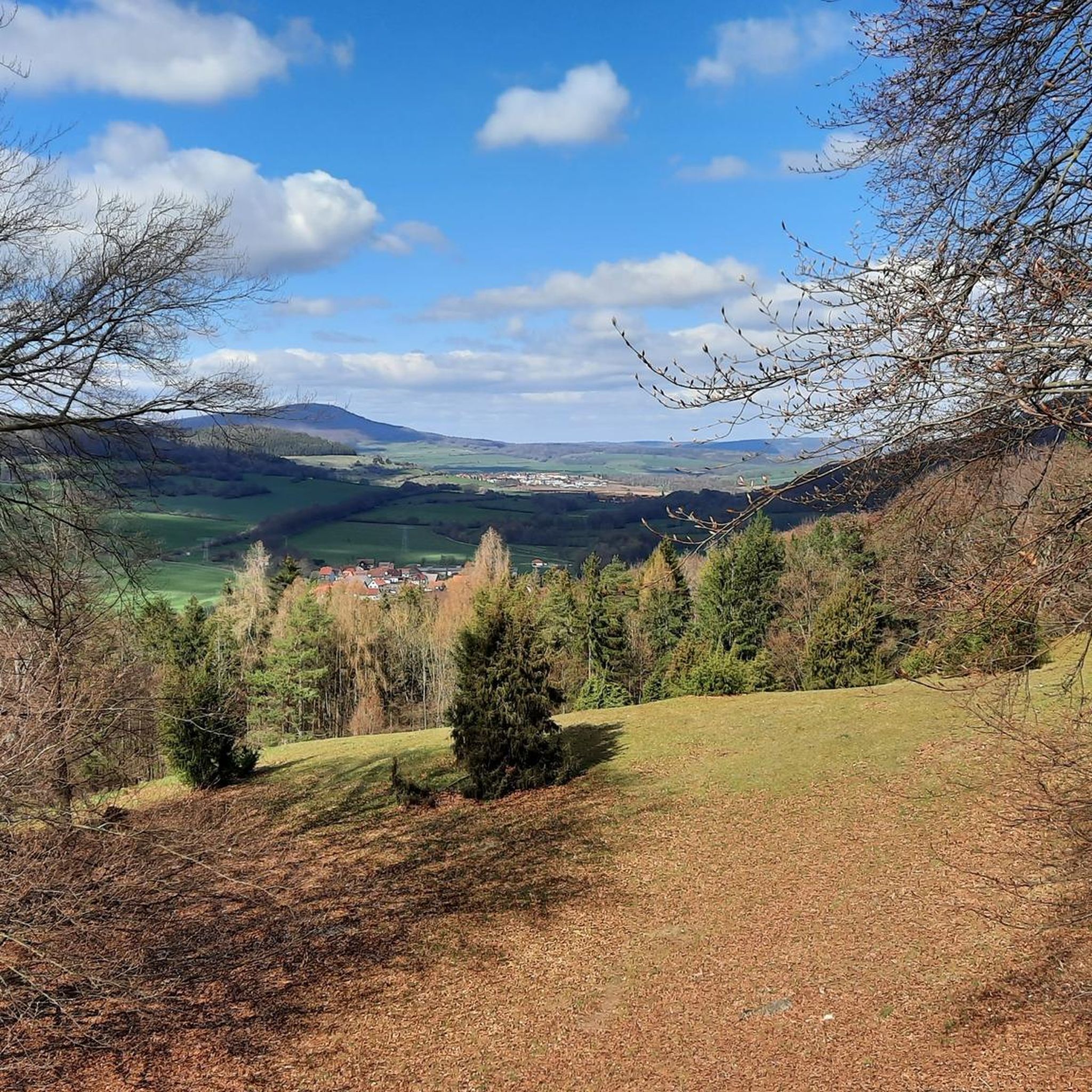
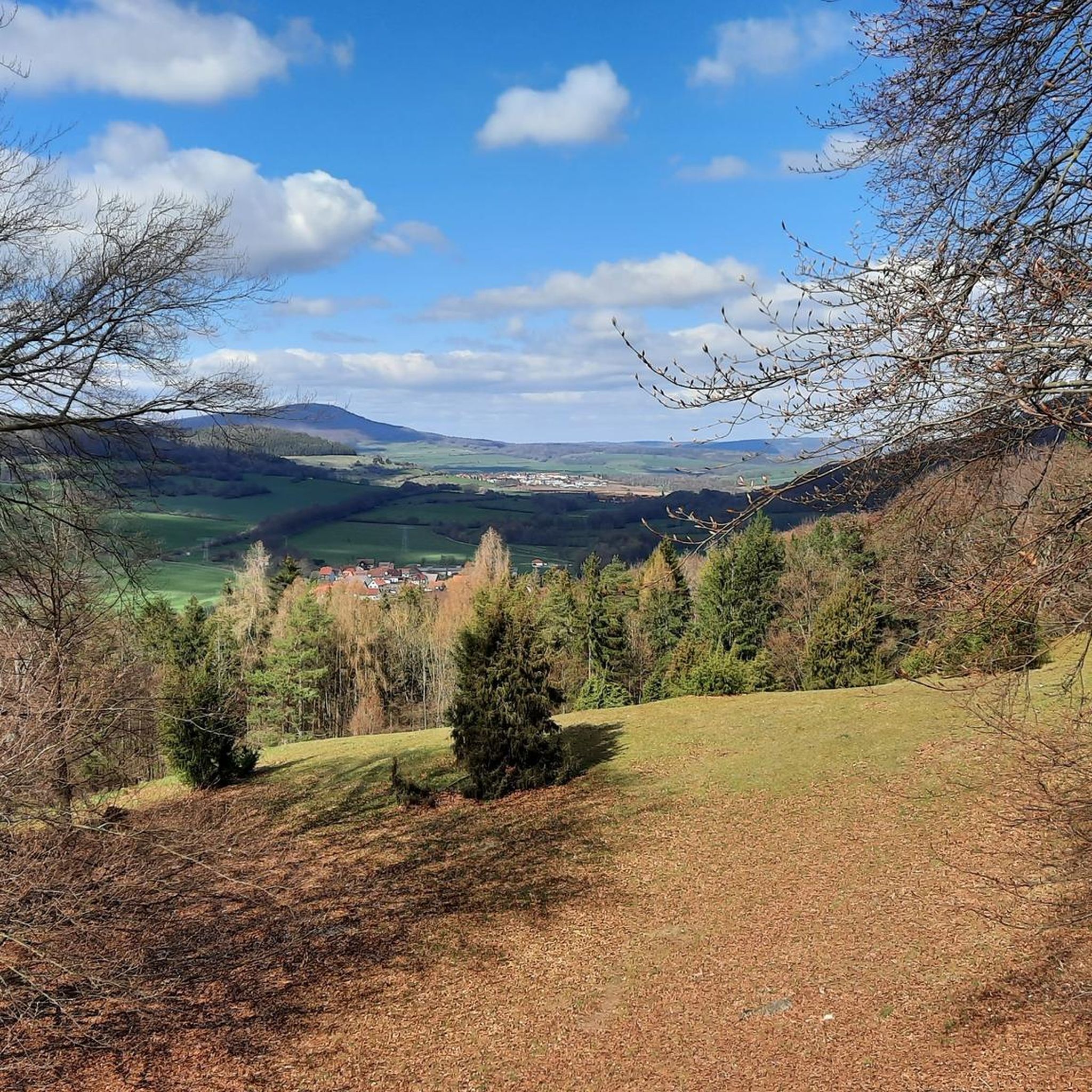
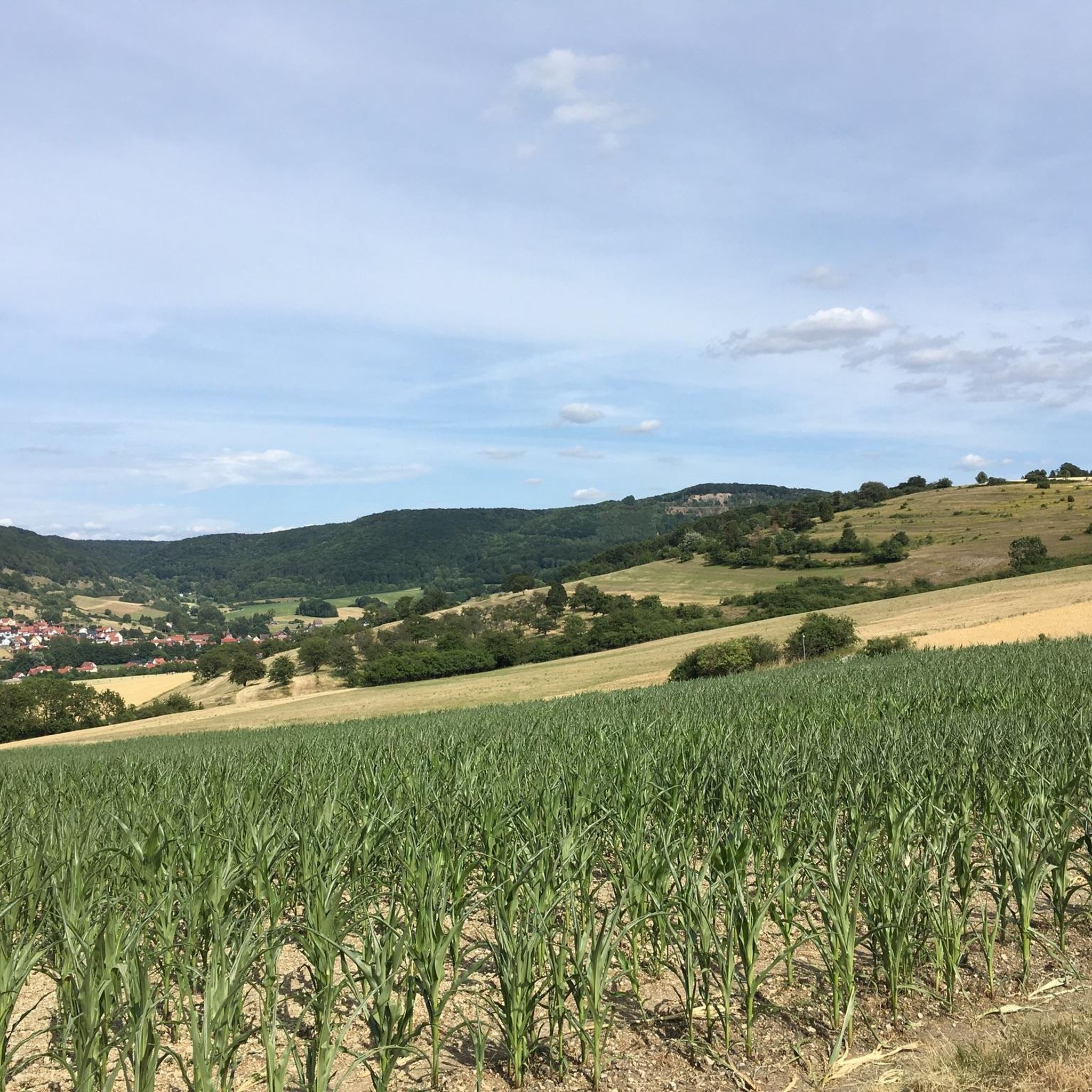
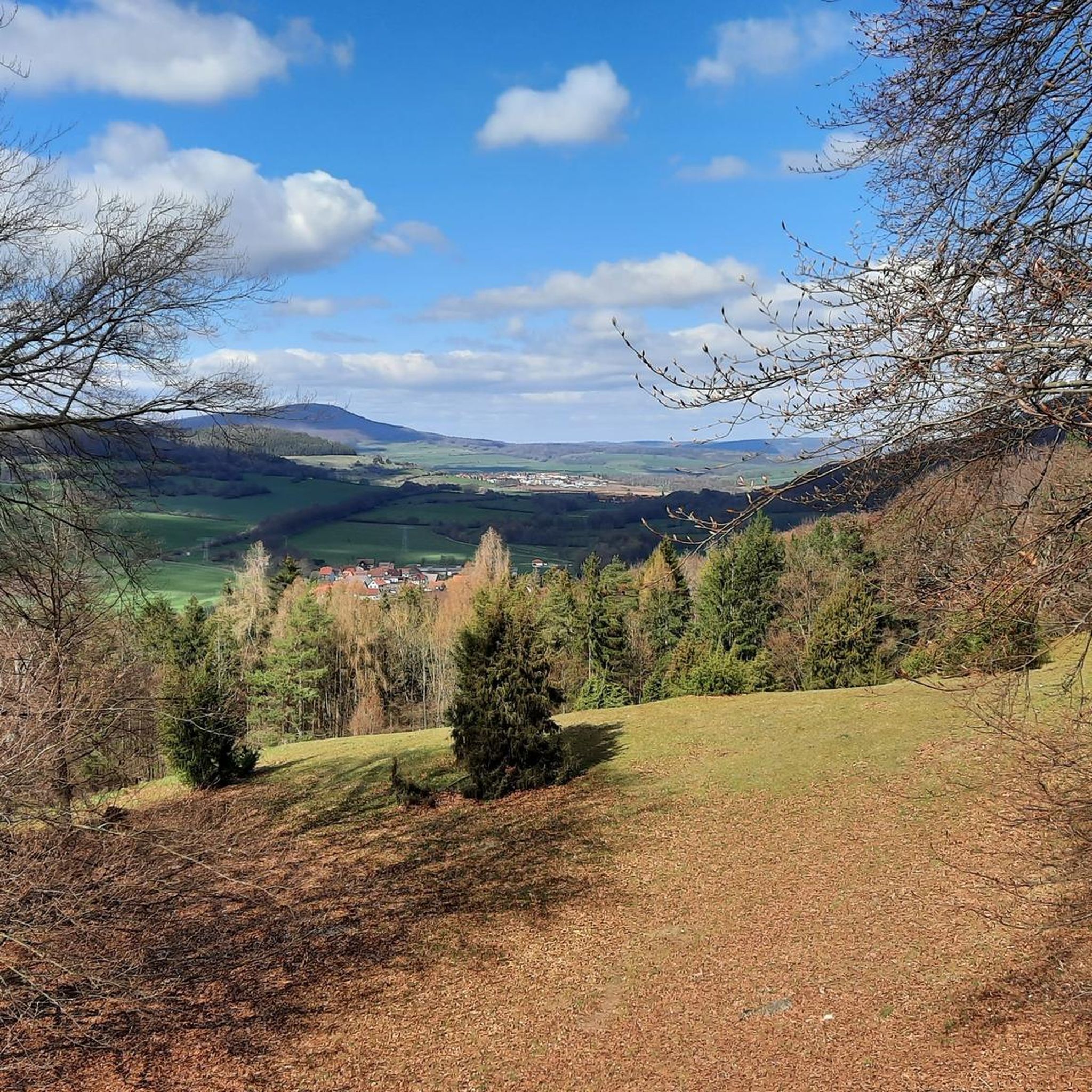

Tips from the Community

the path to the cave is steep, slippery and dangerous. Caution!
1
0


Ancient yew trees, nice and shady in summer
2
0
The yew stock was placed under protection on June 26, 1935. It is the oldest nature reserve in the Rhön and one of the oldest in Thuringia. The forest manager at the time, Otto Staudt (1920–1936), had pushed this through. The strongest specimens have trunk circumferences of approx. 2.5 m. The Ibenwald can be hiked through on a circular route.
6
0


The Ibengarten (Eibengarten) is a 56.1 hectare nature reserve in the Thuringian Rhön, in Dermbach, district of Glattbach. It is located on the northwest slope of the Neuberg at an altitude of up to 530 m above sea level. NN. The tree population includes 368 yew trees, 50 of which are over 500 years old. more: https://de.wikipedia.org/wiki/Ibengarten
5
0
Most likely the Rhönpaulus lives here
2
1

Frequently Asked Questions
What are the most notable caves or cave-like formations in the Rhön region near Diedorf?
While Diedorf itself is a small municipality, the broader Rhön Mountains offer unique geological features. The most well-known are the Wichtelhöhlen (Gnome Caves) near Bad Kissingen, which are captivating sandstone formations with winding passages. Closer to Diedorf, you can explore the Paulus Cave (Paulus Höhle) in the Ibengarten and the various Rhönpaulus Cave locations, including the Rhönpaulus Cave (Baier Cave), which are associated with local legends.
Are there family-friendly caves to visit near Diedorf/Rhön?
Yes, the Rhönpaulus Cave in the Ibengarten and Paulushöhle (Rhönpaulus' Hideout) are considered family-friendly. The Rhönpaulus' Hideout even offers a fun "installation" for a treasure hunt, making it an engaging experience for children. The Wichtelhöhlen near Bad Kissingen are also a popular family destination due to their mystical atmosphere and easy exploration.
What kind of natural formations can I expect to see in the caves around Diedorf/Rhön?
The Rhön region is known for its volcanic landscapes and unique geological features. The Paulus Cave and Rhönpaulus Cave are often found within forest settings, like the Ibengarten, which is a nature reserve with ancient yew trees. The Wichtelhöhlen are distinct for their red sandstone formations, carved by natural erosion, creating intricate crevices and small grottoes.
What historical or legendary significance do these caves hold?
Many of the caves in the region are steeped in local folklore. The Rhönpaulus Cave locations are famously linked to Johann Heinrich Valentin Paul, known as Rhönpaulus, a legendary robber from the Rhön, often depicted as a local Robin Hood. The Wichtelhöhlen (Gnome Caves) near Bad Kissingen are also associated with mystical tales of gnomes inhabiting their small passages, adding a magical element to their natural beauty.
What outdoor activities can I do near these caves?
The Rhön region is excellent for various outdoor activities. Near the caves, you can find numerous trails for hiking, mountain biking, and running. For example, you can explore easy hikes around Diedorf/Rhön, including the Bat Trail or the Educational fruit meadow trail. There are also MTB trails and running trails that pass through scenic areas like the Ibengarten, where some of the caves are located.
Are the caves around Diedorf/Rhön easily accessible?
The accessibility varies. The Wichtelhöhlen near Bad Kissingen are generally free to enter and family-friendly. For some local caves like the Rhönpaulus Cave (Baier Cave), visitors note that "the path to the cave is steep, slippery and dangerous. Caution!" Always check specific highlight details for warnings and tips regarding access.
How long does it typically take to explore the caves in the Rhön region?
The time required depends on the specific location. For smaller formations like the Paulus Cave or Paulushöhle (Rhönpaulus' Hideout), exploration might take a short while, often combined with a hike through the surrounding nature reserve. The Wichtelhöhlen can be explored at a leisurely pace, allowing visitors to wander through the various passages, which could take an hour or more depending on your interest.
Can I bring my dog to the caves in the Rhön area?
Information on dog-friendliness can vary by specific location. Natural outdoor formations like the Wichtelhöhlen or the areas around the Rhönpaulus caves are generally accessible for dogs on a leash, as they are often part of hiking trails. However, it's always best to check local signage or specific site regulations before visiting with your pet.
What is the best time of year to visit the caves in the Rhön?
The Rhön region is beautiful year-round. Spring and autumn offer pleasant temperatures for exploring the outdoor cave formations and combining visits with hiking. Summer is also popular, though it can be warmer. Some natural formations, like the Wichtelhöhlen, serve as refuge for small animals during winter, making them interesting even in colder months, but paths might be slippery. Always dress appropriately for the weather and terrain.
Are there any other interesting geological features in the Rhön Mountains besides traditional caves?
Yes, the Rhön Mountains, a UNESCO Biosphere Reserve, boast several other geological points of interest. These include the Eisgraben Nature Reserve with its basalt rock gorge, and the Teufelskeller (Devil's Cellar), which is a notable rock formation. These sites offer unique insights into the region's volcanic origins and natural erosion processes.
Most popular attractions around Diedorf/Rhön

Get inspired with the komoot mobile app


Explore more
Extend your search for the best caves by checking out these guides of the top ones around Diedorf/Rhön:
