Top 17 Caves in Ilm-Kreis
Best caves in Ilm-Kreis are found within Thuringia, Germany, a region characterized by its forested landscapes and historical significance. The area features a mix of natural rock formations and historical mining sites that have been repurposed or preserved. These geological and man-made structures offer insights into both natural processes and human history. Visitors can explore various underground environments, from ancient tunnels to crystal grottoes.
Best caves in Ilm-Kreis
- The most popular caves is Burnt Stone Tunnel, a cave that…
Last updated: September 30, 2026
Burnt Stone Tunnel
Highlight • Cave
A tunnel steeped in history, after which an incredibly beautiful view opens up. Be sure to take a break and enjoy the view.🥰
Translated by Google •
Tip by

Goethe Cave at Hermannstein
Highlight • Cave
Translated by Google •
Tip by

Sign up now to discover places like this
Get recommendations on the best single tracks, peaks, & plenty of other exciting outdoor places.
Grill hut at Karsthöhle Dienstedt
Highlight • Mountain Hut
Translated by Google •
Tip by

Dwarves' Cave
Highlight • Cave
Translated by Google •
Tip by

Dienstedt Karst Cave
Highlight • Cave
Translated by Google •
Tip by

Böhlersloch Cave
Highlight • Cave
The Böhlerhöhle consists of three flushed caves / "kettles" that are connected to each other. In the book "Legends, Fables and Romantic …
Translated by Google •
Tip by
Kammerlöcher Rock Formations
Highlight • Natural Monument
Translated by Google •
Tip by
Sophiengrotten
Highlight • Cave
Since it cannot be reached via marked paths (it is 50m below the path), this would be forbidden, at least in the core zone area.
Translated by Google •
Tip by

Former tunnel entrance (Jonastal bunker complex)
Highlight • Historical Site
The construction site, which was associated with countless victims, came to an end in 1945 with the defeat of the Nazi regime.
Info gtgj.de
Translated by Google •
Tip by
Bear Cave
Highlight • Cave
Translated by Google •
Tip by

Sign up for free to discover even more caves in Ilm-Kreis.
Already have an account?
Start today with a free account
Your next adventure awaits.
Popular around Ilm-Kreis
Nuremberg to Erfurt – Discover the German countryside by bike
The Rennsteig — Thuringia's most beautiful hiking route
Ilm Valley cycle path – 4 stages through Thuringia
Leisure cycling and touring in Thuringia
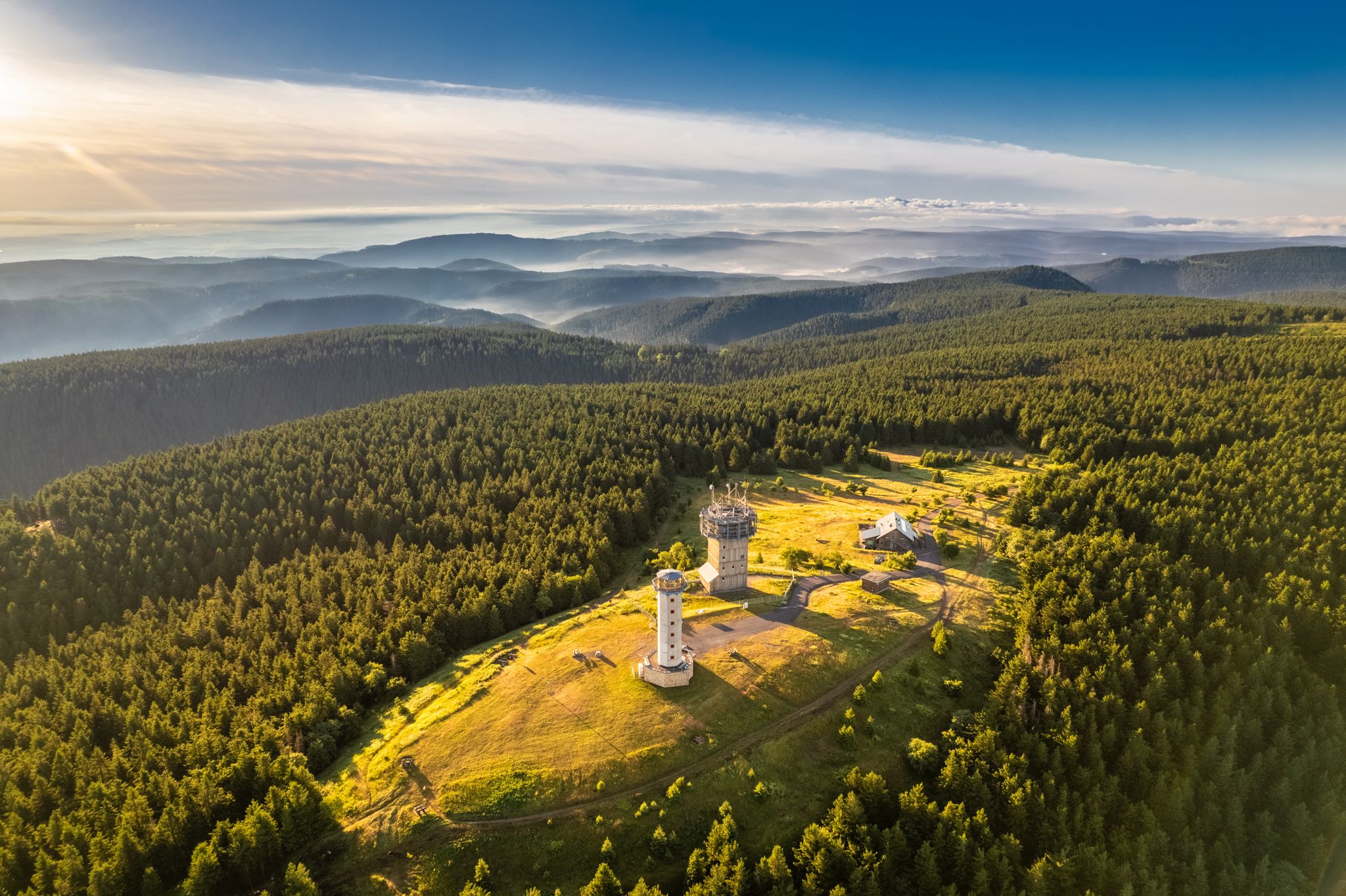
Forest, vastness and water – day trips in the Thuringian Forest
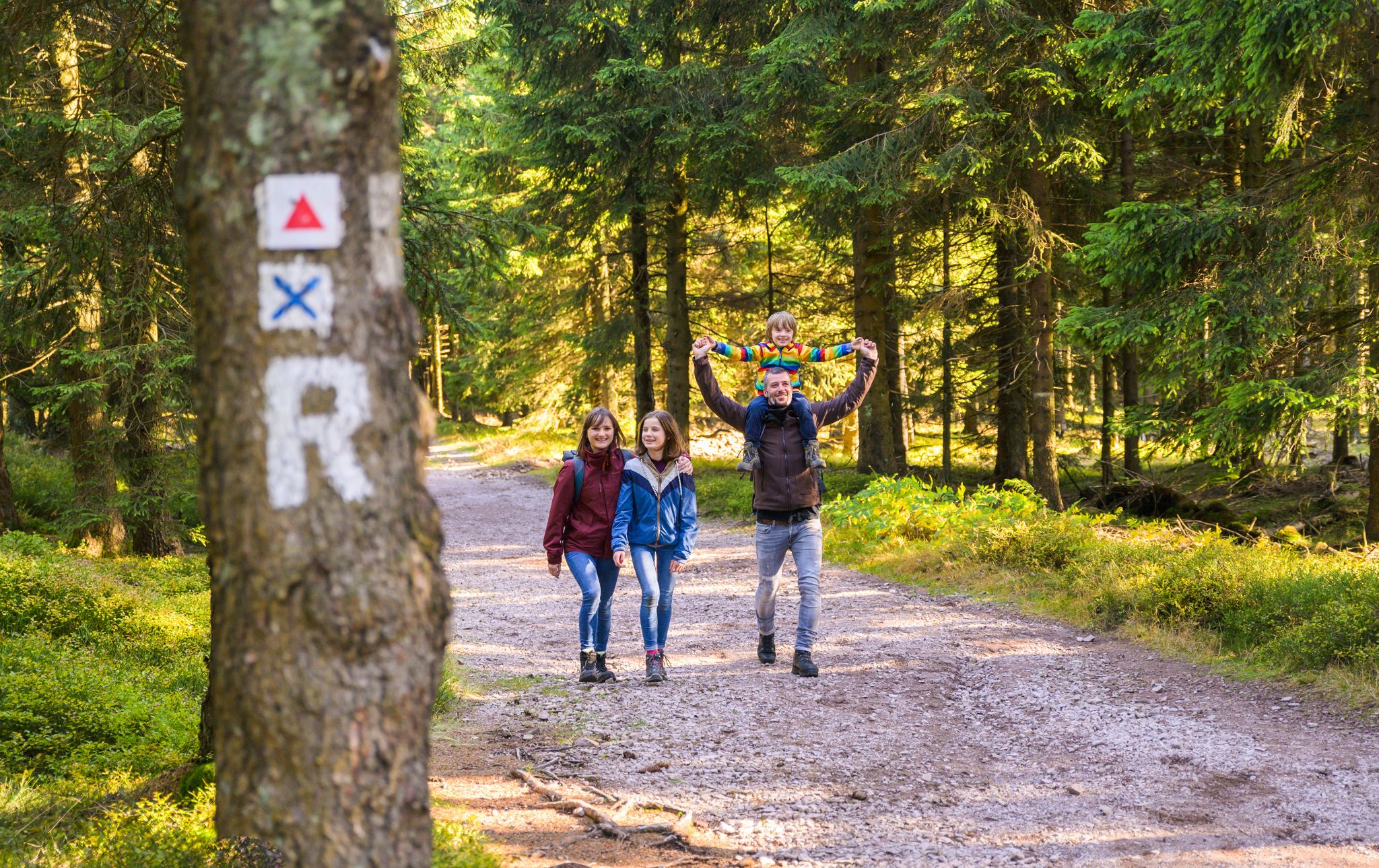
Play, nature and good fun – family hikes in the Thuringian Forest

The Thuringian Forest calls – long-distance hiking on the Rennsteig
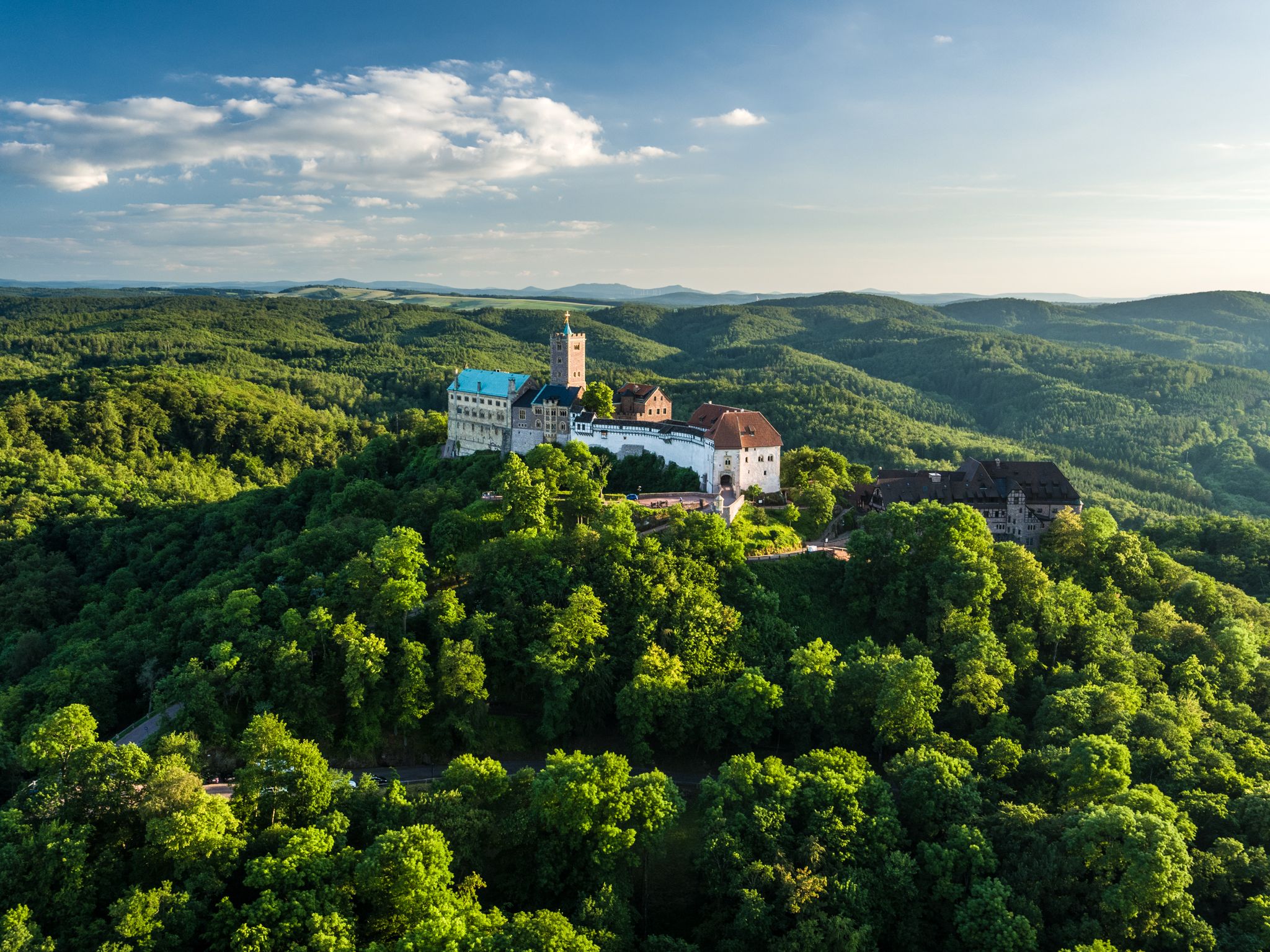
Thuringia CultureRoutes: hiking through history and nature
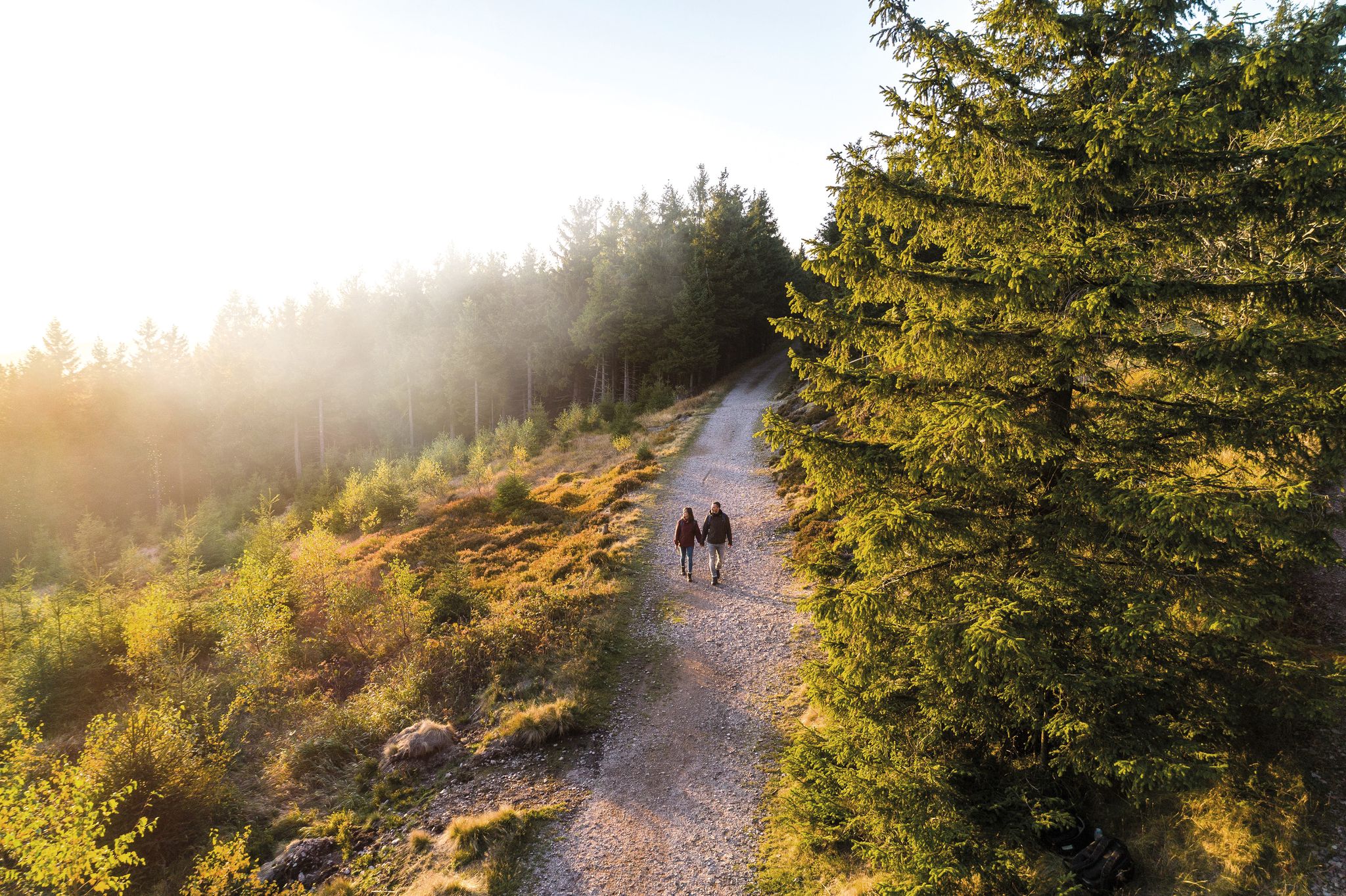
Outdoor time – hikes to help you unwind in Thuringia
Fast-paced trails and steep summits – outdoors in Thuringia
Other adventures in Ilm-Kreis


Tips from the Community

In theory, it is not allowed to be visited. But if someone happens to get lost here, they can take the rubbish that is often left lying around.
0
0

Because of these events, Felix Gebser and some other local friends began excavating stonewood between 1953 and 1955; Unfortunately unsuccessful. After further excavations on the Schenkhopfberg, a large cavity was found, but not the cave and the search was resignedly stopped. It was not until the spring of 1957 that another attempt was made. Felix Gebser, Lothar Großkunze, Reinhardt Erdmann, Rüdiger Pöttgen and a few young people were initially there. After the initial success was achieved again, the first two continued digging alone. This time, however, the entrance to the cave was found. After scratch marks left by cave bears were discovered on walls, a close collaboration was established with the Museum of Prehistory and Early History in Weimar. The initial enthusiasm was dampened when no archaeologically valuable finds could be made even at a depth of 20 meters. The two local researchers worked for months, alone in their free time and with the simplest tools, into the cave, which was filled almost to the ceiling with material.
14
2

The cave is really only suitable for dwarves.
1
0

The 'ausgebrannter Stein' (burnt-out stone) near Oberhof is an artificially created breakthrough through the rock. It was important for the Lütsche Flößgraben at the time of its construction. The alternation of fire and ice-cold water made the stone brittle and workable with mining tools. This created a tunnel 38 m long, 2.3 m high, and 2.2 m wide. If you continue along the path, you will reach the 'Hoher Stein' (high stone) with a magnificent view. The way back to Oberhof leads past the upper Sieglitzteich. Source: http://www.wandern-im-thueringer-wald.de/ausgebrannter-stein-luetsche-floessgraben
13
0

Not to be expected from the valley. Still a little insider tip
1
0

Let's see if you can find them ;)
0
0

In any case, take enough provisions with you, the ascent is not without it. 😄
1
0

apparently lovingly decorated with dwarves by local residents. Unfortunately, there is no explanation/note about this place, which is a listed building
1
0
Frequently Asked Questions
What are some unique caves to visit in the Ilm-Kreis region and its vicinity?
Beyond the well-known spots, you can explore the Burnt Stone Tunnel, a medieval tunnel with a historical view. The Saalfeld Fairy Grottoes, renowned for being the 'most colorful cave grottoes in the world,' offer vibrant mineral formations. Another unique experience is the Marienglashöhle, featuring one of Europe's largest gypsum crystal grottoes.
Are there family-friendly caves in Ilm-Kreis?
Yes, several caves in the region are suitable for families. The Saalfeld Fairy Grottoes include an adventure museum called 'Grottoneum' and a 'Fairy World' play area. The Dwarves' Cave is also categorized as family-friendly.
What kind of historical insights can I gain from visiting caves in Ilm-Kreis?
The region's caves offer a rich historical perspective. The Saalfeld Fairy Grottoes were originally an alum shale mine from the 16th to 19th centuries. The Marienglashöhle provides insight into gypsum and copper mining from 1778 to 1903. The Goethe Cave at Hermannstein has a connection to Johann Wolfgang von Goethe and may have served as a medieval guardhouse. Additionally, the Park Cave in Weimar, though outside Ilm-Kreis, reveals its past as a beer brewery and a WWII shelter.
What geological features can I expect to see in the caves around Ilm-Kreis?
You can encounter diverse geological formations. The Saalfeld Fairy Grottoes are famous for their colorful mineral deposits and speleothems. The Marienglashöhle showcases stunning gypsum crystals, some up to 90 cm long, and an underground lake with reflections. The Kammerlöcher Rock Formations feature impressive natural rock structures, steep slopes, and small caves.
Can I combine a cave visit with outdoor activities like hiking in Ilm-Kreis?
Absolutely. Many caves are situated within scenic areas perfect for hiking. For example, the Goethe Cave at Hermannstein is a notable stop on the 20 km long Goethe Trail. You can find numerous hiking opportunities in the region, including easy hikes and more challenging routes. Explore options like the 'Zwergenpfad (dwarf trail) loop' or the 'Goethe Trail in the Thuringian Forest' by visiting the Hiking in Ilm-Kreis guide.
What is the Marienglashöhle known for?
The Marienglashöhle, located in the Thuringian Forest, is primarily known for one of Europe's largest and most beautiful gypsum crystal grottoes. It also offers insights into the region's mining history and features a cave lake with stunning reflections. In winter, it hosts underground concerts illuminated by hundreds of candles.
Are there any caves in the Ilm-Kreis region that offer a unique experience beyond typical sightseeing?
Yes, the Saalfeld Fairy Grottoes are utilized as a healing gallery for speleotherapy, which can aid respiratory and skin conditions. The Marienglashöhle also hosts unique underground concerts during the winter months, providing a special atmospheric experience.
What is the significance of the Goethe Cave at Hermannstein?
The Goethe Cave at Hermannstein holds literary significance as it was frequently visited by Johann Wolfgang von Goethe, who described it as 'my beloved place of sojourn.' It is believed to have served as a medieval outlook post and is a key stop on the Goethe Trail near Ilmenau.
What are the Kammerlöcher Rock Formations?
The Kammerlöcher Rock Formations are a natural monument featuring a large number of impressive rock formations, steep slopes, and small caves. It's an area known for its scenic views and opportunities for exploration, though matching footwear is essential for navigating its terrain.
What is the Dienstedt Karst Cave?
The Dienstedt Karst Cave is a natural monument and historical site located in the Ilm-Kreis region. While specific details about its features are less publicized, it is recognized as a significant cave within the area.
Are there any caves in the region related to World War II history?
Yes, the former tunnel entrance of the Jonastal bunker complex is a historical site in the region. This complex was a construction site for an underground Nazi headquarters, where thousands of prisoners were forced to excavate tunnels under inhumane conditions until 1945.
Most popular routes in Ilm-Kreis
Most popular attractions in Ilm-Kreis

Get inspired with the komoot mobile app


Didn’t find what you were looking for?
Discover more caves in Ilm-Kreis region by region:
Explore more
Extend your search for the best caves by checking out these guides of the top ones in Ilm-Kreis:
