Top 6 Caves in Trenčín
Best caves in Trenčín are found within a region characterized by its diverse natural landscape, including the Váh River valley and surrounding mountain ranges. The area features a mix of natural karst formations and historical caves, often integrated with cultural landmarks. These geological features contribute to the region's appeal for outdoor exploration. The Trenčín region offers various opportunities to discover underground environments.
Best caves in Trenčín
- The most popular caves is Bojnice Castle, a castle that features a natural…
Last updated: August 21, 2026
Skalka Pilgrimage Site
Highlight • Religious Site
Translated by Google •
Tip by

Bojnice Castle
Highlight • Castle
-According to written records found at the Zobor Abbey, this Romanesque castle may have first been built as a wooden fort as early as 1113.
Tip by

Sign up now to discover places like this
Get recommendations on the best single tracks, peaks, & plenty of other exciting outdoor places.
Sign up for free
Jánošík Cave
Highlight • Cave
Translated by Google •
Tip by

Prehistoric Museum and Prepoštská Cave
Highlight • Cave
Translated by Google •
Tip by

Benedictine Monastery and Caves of Veľká Skalka
Highlight • Religious Site
Translated by Google •
Tip by
Opatovská Cave (Skalka near Trenčín)
Highlight • Cave
Translated by Google •
Tip by
Start today with a free account
Your next adventure awaits.
Login or Signup
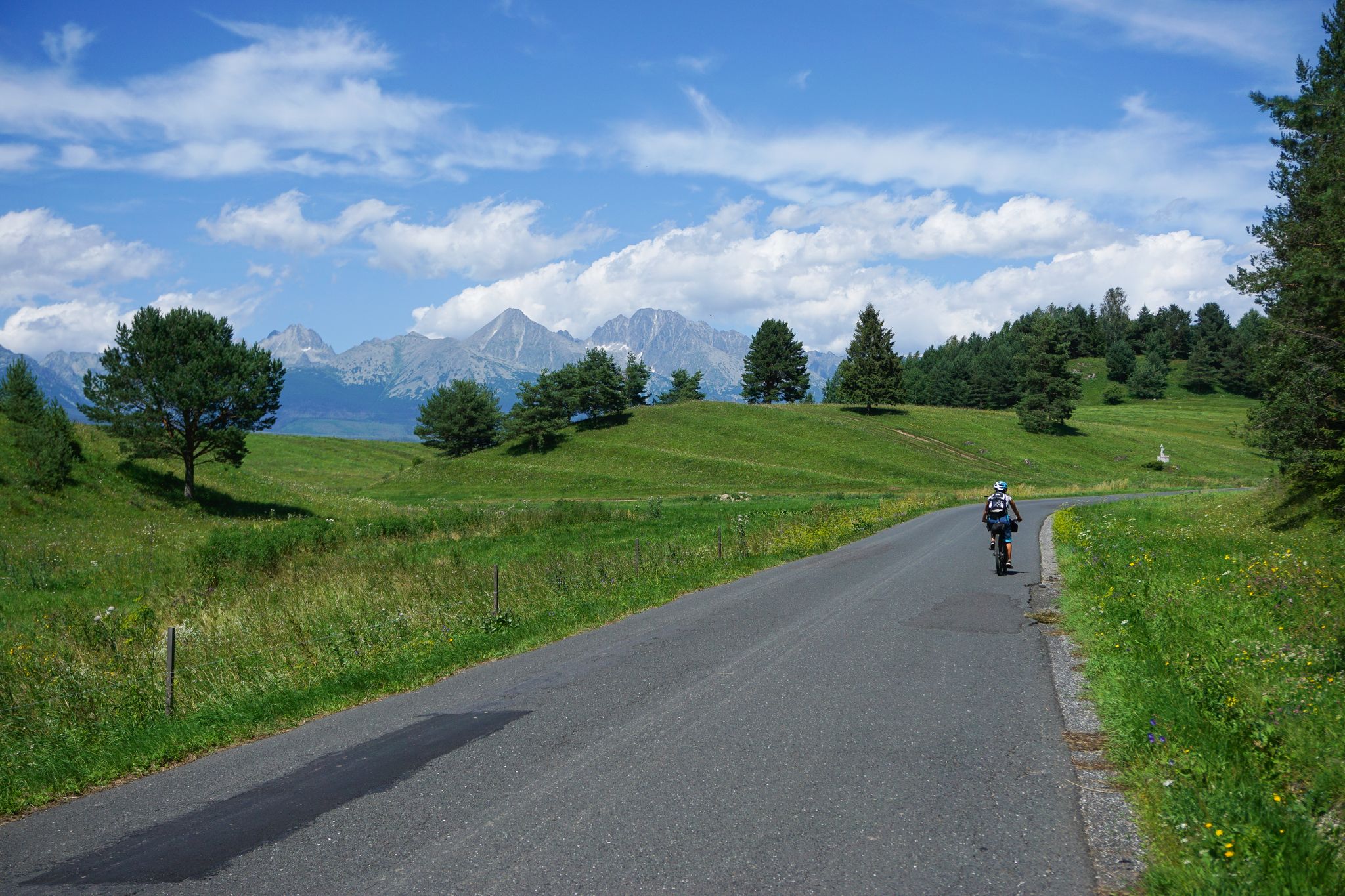
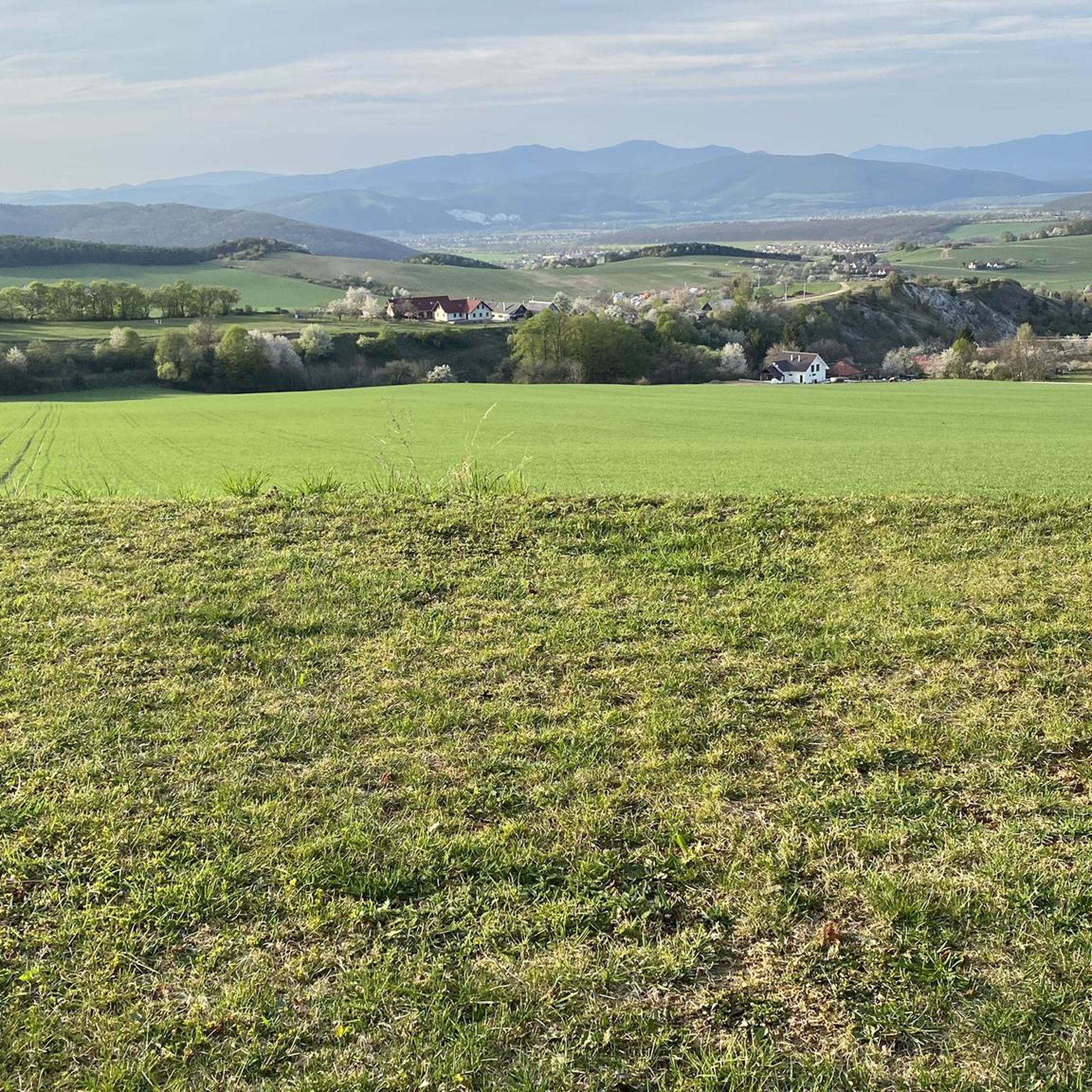
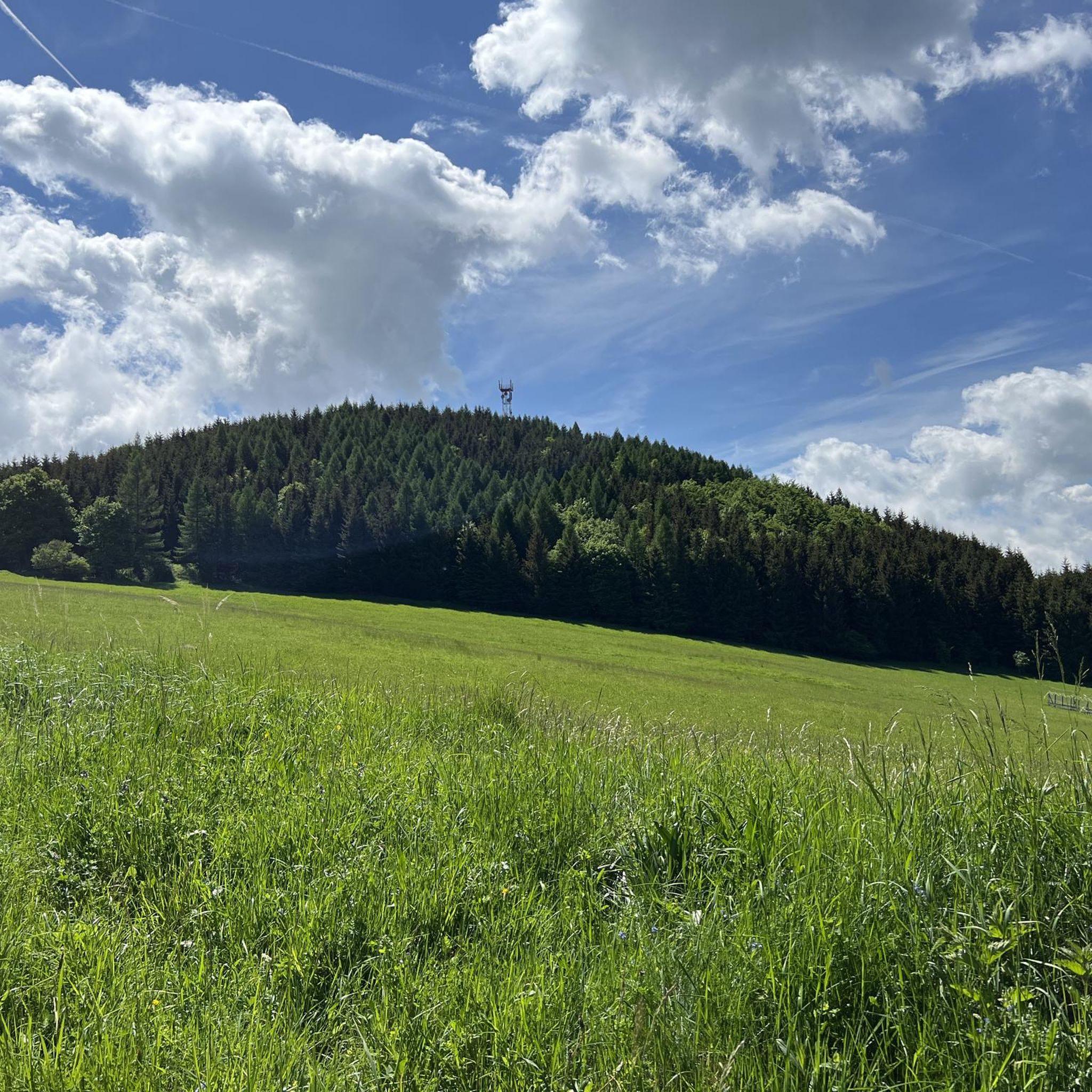
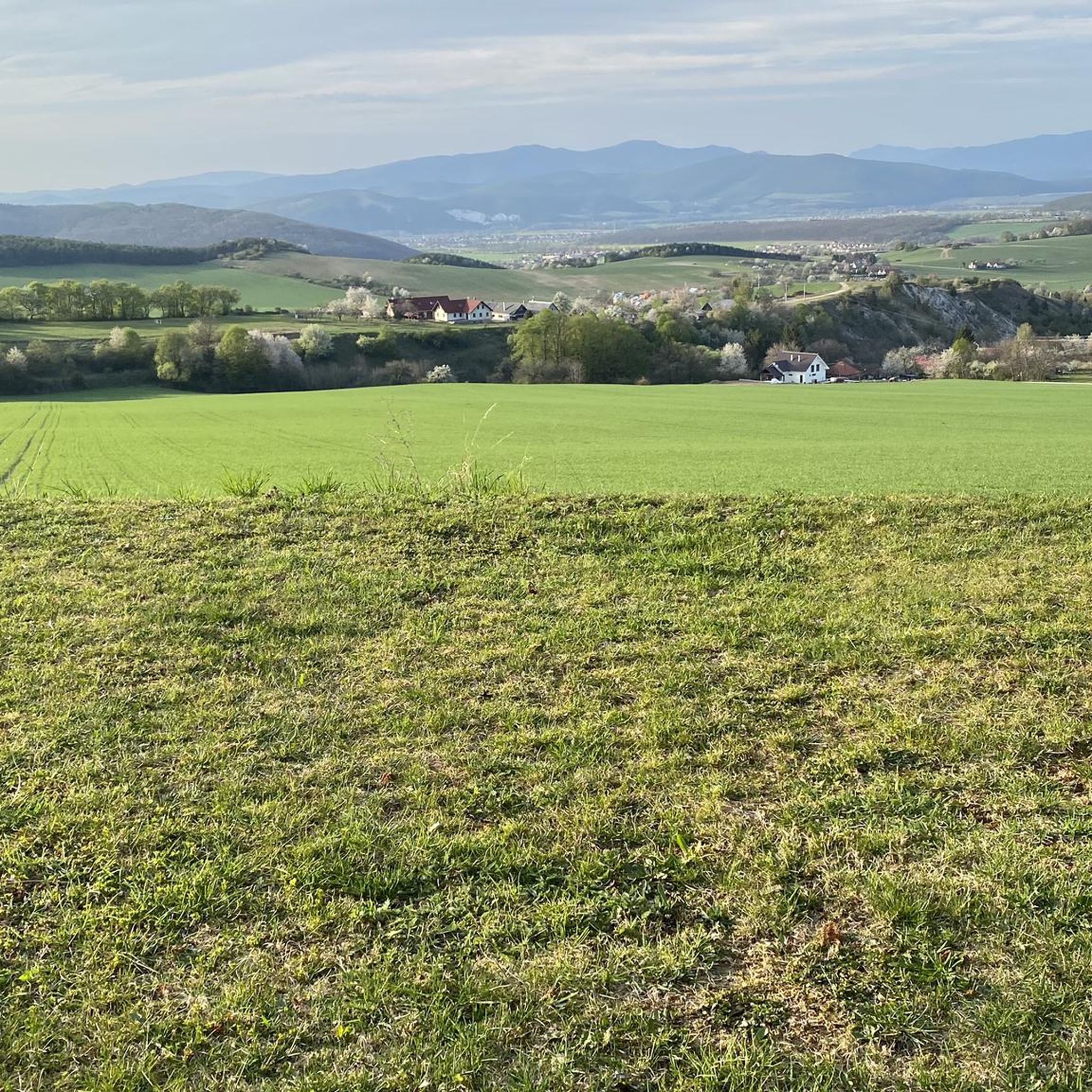

Other adventures in Trenčín

Tips from the Community


The castle can only be visited with a guided tour. But it is really worth it. Many rooms have been well restored and are furnished with all kinds of furniture. Among other things, you can visit the oldest fabric preserved in Europe and the natural cave beneath the castle.
2
1
The Museum of Prehistory of Slovakia was founded in 2007 at the Prepoštská skykyňa site. It is an educational exhibition in nature, right in a rare place where the prehistoric Neanderthal (Homo neanderthalensis) lived in Slovakia. https://muzeumpraveku.sk/muzeum/muzeum-dnes/ More information (opening hours, entrance fees, etc.): https://muzeumpraveku.sk/
3
1

Nice and interesting. Well thank you
2
0

It is the oldest pilgrimage site in Slovakia. The spiritual roots of the sacred place must be found in a pair of monks - St. Council of Ondrej and Benedict. Skalka consists of two separate areas, Velka Skalka and Mala Skalka, several meters apart. There is a small cave nearby and it is possible to have refreshments along the cycle path.
2
0

The jewel of Bojnice, a town near Prievidza, is the "fairytale castle" Bojnický zámok, one of the most visited and most beautiful castles not only in Slovakia but also in Central Europe. The castle was built on a travertine mound where a medieval castle stood in the 11th century. In the past it was owned by the most famous noble families, the last being the Pálfis. Count Johann Pálfi had the entire building rebuilt by the Budapest architect J. Hubert at the end of the 19th century, modeled on the castles on the Loire in central France. The typical silhouette of a romantic medieval castle is emphasized by the steep roofs of the palaces, the chapel and the towers. Today the castle houses the collections of the art history museum. The original furnishings and works of art from the turn of the 19th and 20th centuries are on display. The late Gothic collection of paintings is unique and the most valuable - the so-called Bojnice Altar by the Florentine master N. di Cione Ortagna from the mid-14th century. Part of the castle tour is also a visit to the stalactite cave under the castle, which is connected to the 26 m deep castle well. The best known of the numerous events at the castle is the International Ghost and Ghost Festival, which takes place regularly at the end of April and beginning of May. During this time, Bojnice Castle becomes a meeting place for ghosts, witches and vampires from all over the world. An inseparable part of the chateau area are a park and a forest park, which complete the impressive scenery. In front of the chateau entrance stands the well-known 600-year-old linden tree from Bojnice of King Matthias, the circumference of which is around 12.5 m. The king himself was very fond of visiting Bojnice and held celebrations and meetings under the linden tree. Another attraction in the immediate vicinity of the chateau are performances by the historical fencing group Bojník and performances by the falconers Aquila.
0
0

Bojnice Castle 🏰 -According to written records found at the Zobor Abbey, this Romanesque castle may have first been built as a wooden fort as early as 1113. Stone slowly began to replace the wood, and by the 12th century, the castle boasted Gothic and Renaissance elements. 📍Bojnice, Slovakia
5
0

A nice little cave that also had a religious character or whether robbers but also our ancestors were hiding here.
1
0
Frequently Asked Questions
What types of caves can I explore in the Trenčín region?
The Trenčín region offers a mix of natural karst formations and historical caves. You can find caves associated with cultural landmarks, such as the natural cave beneath Bojnice Castle, or small caves with historical and religious significance like Jánošík Cave and those near the Skalka Pilgrimage Site.
Are there family-friendly caves to visit in the Trenčín area?
Yes, Bojnice Castle features a natural cave beneath it that is part of the castle tour, making it a family-friendly option. The Prehistoric Museum and Prepoštská Cave is also noted as family-friendly.
What historical or cultural sites are connected to caves in the Trenčín region?
Several caves in the region have historical or cultural ties. Bojnice Castle, a Romanesque castle with Gothic and Renaissance elements, has a natural cave beneath it that is part of its rich history. The Skalka Pilgrimage Site, Slovakia's oldest pilgrimage site, also has a small cave nearby. Jánošík Cave is known for its historical and religious significance, potentially serving as a hiding place for robbers or ancestors.
What are some unique geological features I can expect to see in the region's caves?
While local caves like Opatovská Cave are natural monuments, for more extensive and unique geological features, you might consider caves a bit further afield. For example, Jaskyňa Driny in the Trnava Region is known for its distinctive 'toothed' drapery formations and 'Elephant's Ears' speleothems. Demänovská Cave of Liberty boasts unique dripstone ornamentation and underground lakes, while Dobšiná Ice Cave features massive ice formations, including ice waterfalls and pillars.
Are there any challenging caves for experienced explorers in the Trenčín region?
Yes, Opatovská Cave (Skalka near Trenčín) is categorized as challenging, with entrance recommended only at your own risk and with necessary equipment. This suggests a more rugged and less developed caving experience compared to guided show caves.
What outdoor activities can I do near the caves in Trenčín?
The Trenčín region offers various outdoor activities. You can find numerous running trails, road cycling routes, and gravel biking routes throughout the area. These routes often pass by or are accessible from locations near the caves, providing opportunities for hiking, cycling, and exploring the natural landscape.
What is the most visited cave in Slovakia, accessible from Trenčín for a day trip?
The most visited cave in Slovakia, accessible for a day trip from Trenčín, is Demänovská Cave of Liberty (Demänovská jaskyňa Slobody). It is renowned for its unique and beautiful dripstone ornamentation, extensive halls, and underground lakes, offering two guided routes for visitors.
Is there an ice cave near Trenčín?
While not in the immediate Trenčín region, Dobšiná Ice Cave (Dobšinská ľadová jaskyňa) is a UNESCO World Heritage site and one of the largest ice caves in Europe, accessible for a day trip. It maintains sub-zero temperatures year-round, creating impressive ice formations and waterfalls.
Are there any caves in the Trenčín region known for paleontological findings?
While not directly within the Trenčín region, Važec Cave (Važecká jaskyňa) in the nearby Liptov region is a significant paleontological site. It is known for numerous bones of cave bears (Ursus spelaeus) dating back 40,000 to 51,000 years, alongside its rich dripstone ornamentation.
What do visitors appreciate most about the caves in the Trenčín region?
Visitors appreciate the blend of natural beauty and historical significance. The natural cave beneath Bojnice Castle is a highlight, offering a unique experience within a historical setting. The spiritual roots and small cave near the Skalka Pilgrimage Site are also highly valued for their cultural context.
Are there any caves in Western Slovakia that are easily accessible from Trenčín?
Jaskyňa Driny, located in the Trnava Region, is the only accessible cave in Western Slovakia. It is situated about 2 km southwest of Smolenice, making it a more accessible option from Trenčín compared to caves in the High or Low Tatras. It features unique 'toothed' drapery formations and offers a 35-minute tour.
Most popular routes in Trenčín
Most popular attractions in Trenčín

Get inspired with the komoot mobile app


Explore more
Extend your search for the best caves by checking out these guides of the top ones in Trenčín:
