Top 20 Lakes in Αποκεντρωμένη Διοίκηση Πελοποννήσου Δυτικής Ελλάδας και Ιονίου
Best lakes in Αποκεντρωμένη Διοίκηση Πελοποννήσου Δυτικής Ελλάδας και Ιονίου include a diverse range of natural and artificial bodies of water. This region encompasses the Peloponnese, Western Greece, and the Ionian Islands, offering varied landscapes from mountainous areas to significant wetlands. Lakes here are known for their ecological importance, geological features, and recreational opportunities. The area features both freshwater and brackish lakes, some with historical or mythical significance.
Best lakes in Αποκεντρωμένη Διοίκηση Πελοποννήσου Δυτικής Ελλάδας και Ιονίου
- The most…
Last updated: June 27, 2026
Polylimnio Waterfalls
Highlight • Waterfall
Translated by Google •
Tip by

Korission Lake
Highlight • Lake
Translated by Google •
Tip by

Sign up now to discover places like this
Get recommendations on the best single tracks, peaks, & plenty of other exciting outdoor places.
Sign up for free
Voidokilia Beach
Highlight • Beach
Tip by

Vlychada Cave, Diros
Highlight • Cave
Translated by Google •
Tip by

Melissani Cave Lake
Highlight • Cave
Translated by Google •
Tip by

Strofylia Forest: Pines, Cows, and Lagoons
Highlight (Segment) • Forest
Translated by Google •
Tip by

Karavomilos Lake
Highlight • Lake
Translated by Google •
Tip by

Strofylia Wetlands
Highlight • Natural
Translated by Google •
Tip by

Waterfall and Pond
Highlight • Waterfall
Translated by Google •
Tip by

Alikes Salt Pans
Highlight • Structure
Translated by Google •
Tip by

Sign up for free to discover even more lakes in Αποκεντρωμένη Διοίκηση Πελοποννήσου Δυτικής Ελλάδας και Ιονίου.
Sign up for free
Already have an account?
Start today with a free account
Your next adventure awaits.
Login or Signup
Popular around Αποκεντρωμένη Διοίκηση Πελοποννήσου Δυτικής Ελλάδας και Ιονίου
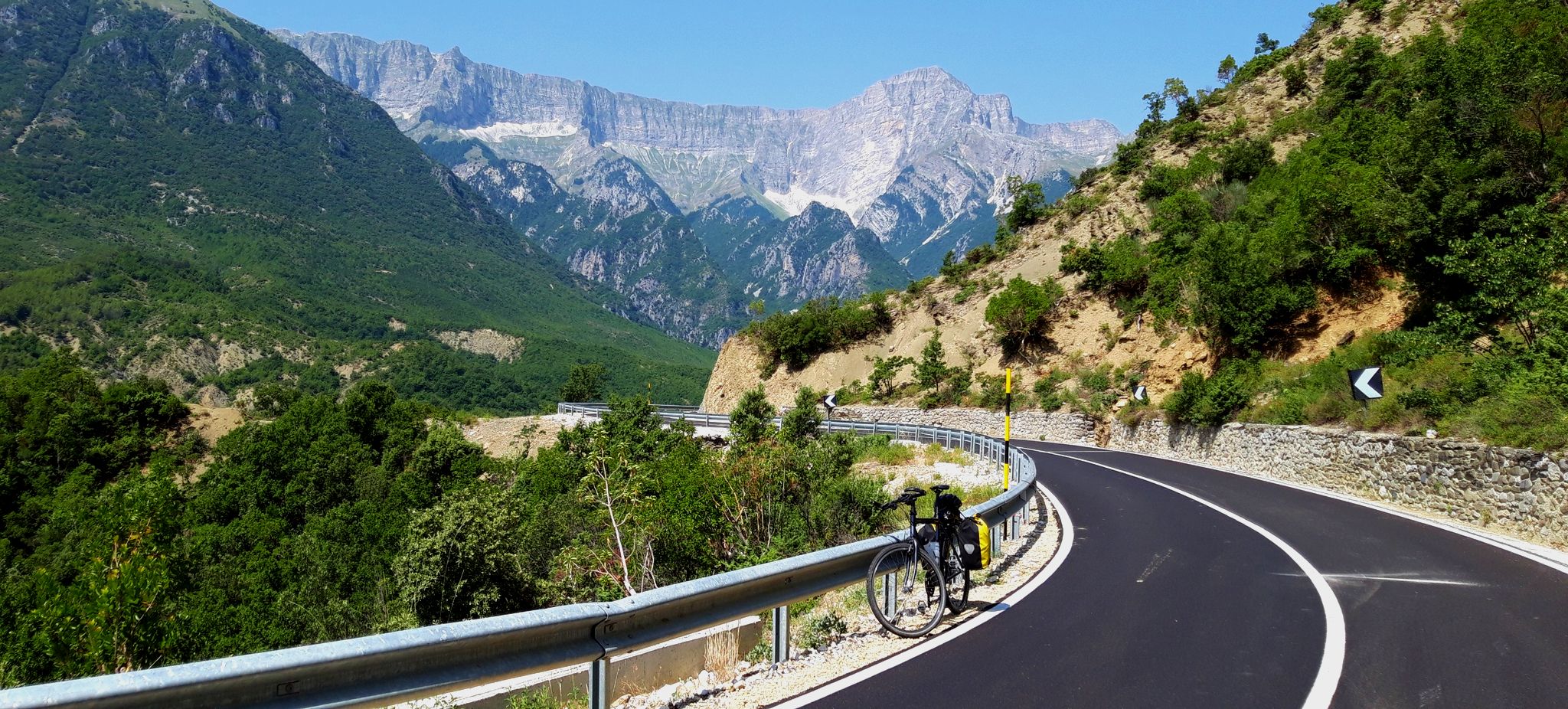
Balkan cycling adventure – Dubrovnik to Corfu
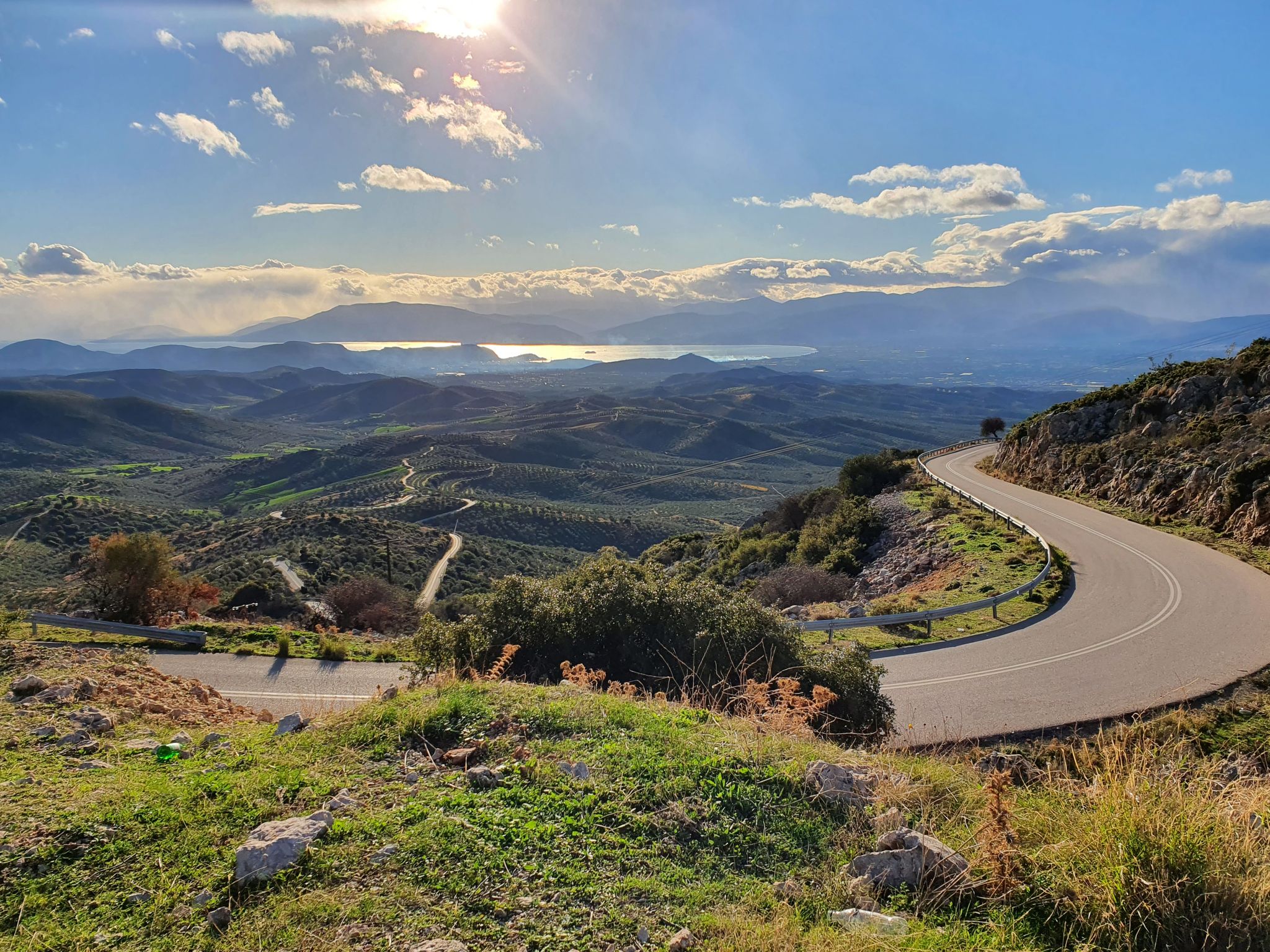
Road cycling in Greece — Athens and the Peloponnese
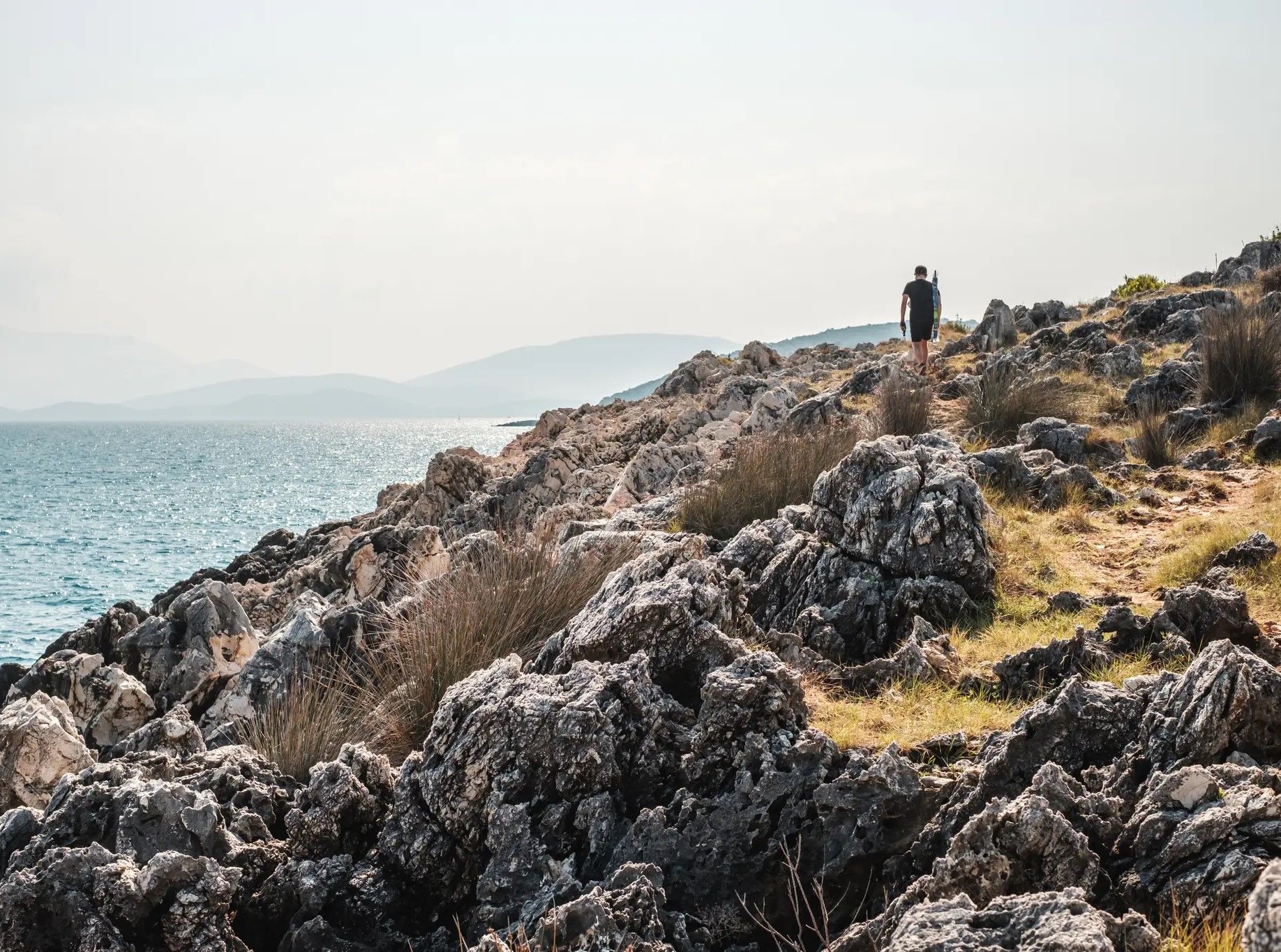
Olive groves and rocky coasts – hikes on Corfu
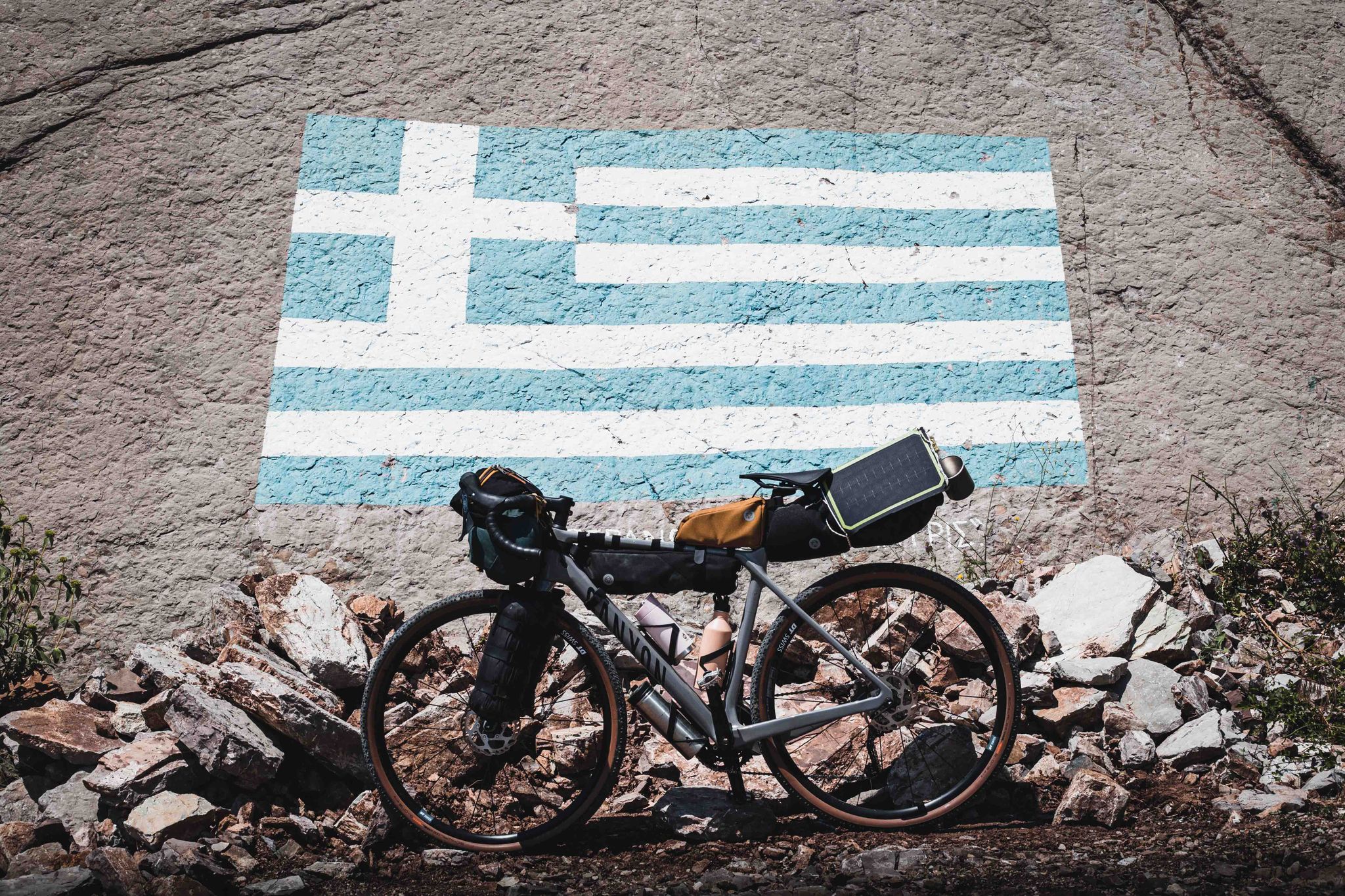
Bikepacking Griekenland: van berg tot zee
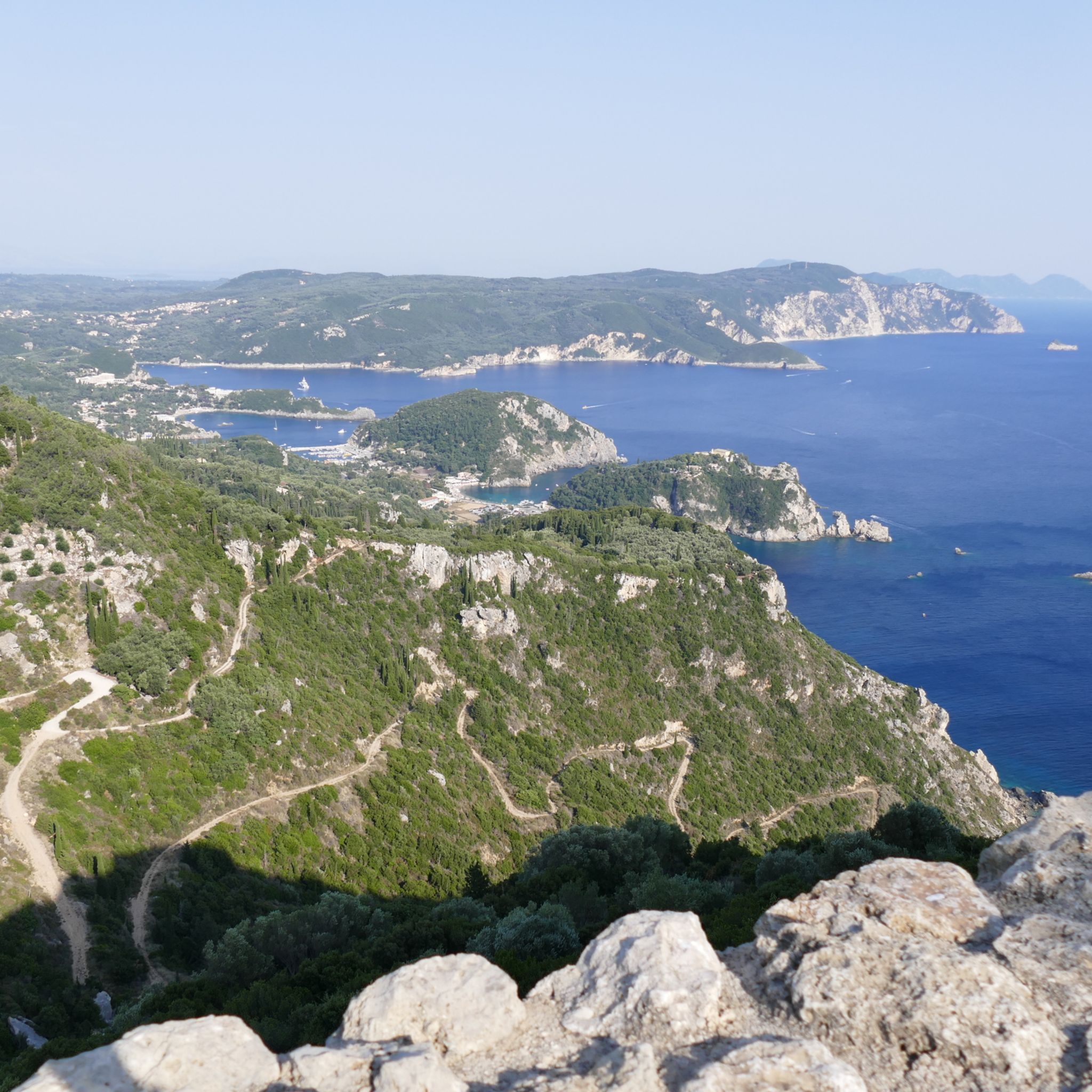
Hiking in Αποκεντρωμένη Διοίκηση Πελοποννήσου Δυτικής Ελλάδας και Ιονίου
Cycling in Αποκεντρωμένη Διοίκηση Πελοποννήσου Δυτικής Ελλάδας και Ιονίου
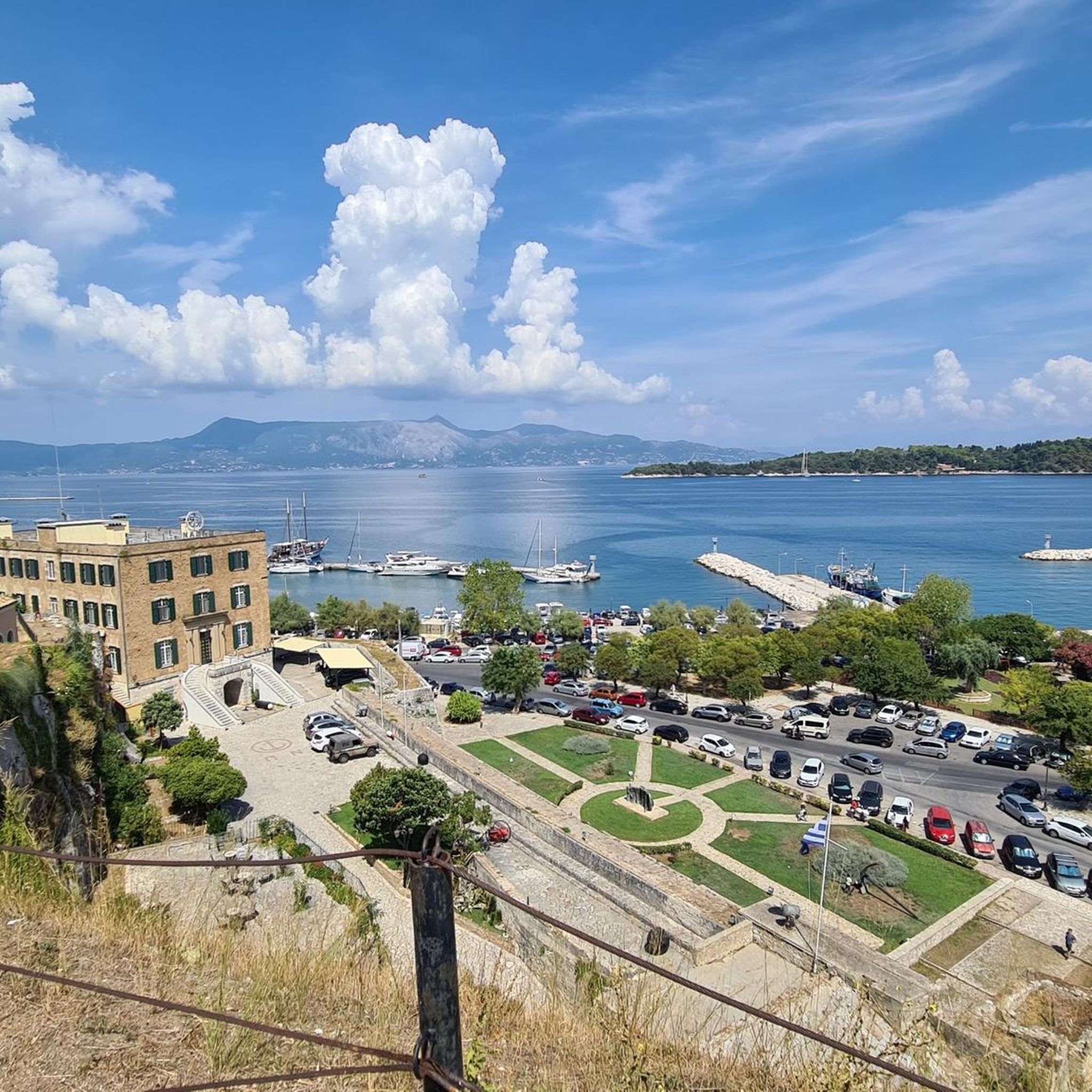
Running Trails in Αποκεντρωμένη Διοίκηση Πελοποννήσου Δυτικής Ελλάδας και Ιονίου
Road Cycling Routes in Αποκεντρωμένη Διοίκηση Πελοποννήσου Δυτικής Ελλάδας και Ιονίου
MTB Trails in Αποκεντρωμένη Διοίκηση Πελοποννήσου Δυτικής Ελλάδας και Ιονίου

Mountain Hikes in Αποκεντρωμένη Διοίκηση Πελοποννήσου Δυτικής Ελλάδας και Ιονίου
Other adventures in Αποκεντρωμένη Διοίκηση Πελοποννήσου Δυτικής Ελλάδας και Ιονίου


Tips from the Community

Spotted on these routes: the golden jackal, a colony of purple herons, eleven great white pelicans, great egret.
0
0

The Alikes Salt Pans (Salzpfannen) are located on the northeastern edge of the popular resort town of Alykes. The name „Alykes" derives from the Greek word for salt pans or salt plains. The facilities were established by the Greek government for salt production after the Second World War. Intensive use ended in the late 1970s to early 1980s, as they were no longer profitable enough. The salt pans are now a protected nature reserve and an important habitat for local wildlife. They are a popular destination for relaxed walks away from the tourist centers.
0
0
(2) The cave was named after the nymph Melissanthi, who, according to legend, took her own life there out of unrequited love for the god Pan. The hydrology is also unique: it takes about 14 days for the water to flow underground from the other side of the island (Argostoli) to the cave.
0
0
The Melissani Cave Lake (Greek Σπήλαιο Μελισσάνης) is a fascinating natural phenomenon. The cave, also known as the "Cave of the Nymphs", houses an underground lake with crystal-clear, turquoise brackish water. Entrance fees: Adults: €10. Children (6-18 years): €5. Combined ticket (Melissani + Drogarati Cave): €13. Opening hours: Summer (May-October): Daily from approx. 09:00 to 18:00. Winter (November-March): Restricted, often only Thu, Sat, Sun from 10:00 to 13:00/16:00. Best time to visit: Between 11:00 and 14:00, when the sun falls vertically through the collapsed cave roof and makes the water glow. The visit includes an approx. 10-20 minute boat trip with a guide. Tickets can be purchased directly at the entrance.
0
0
The Karavomilos Lake is an idyllic brackish lake in the coastal village of the same name on the Greek island of Kefalonia, about 2 km west of Sami. It is known for its tranquil atmosphere, lush vegetation, and its fascinating geological connection to the famous Melissani cave lake. The lake is fed by an underground karst system. Seawater that disappears on the other side of the island near Argostoli (Katavothres) flows underground across the island, mixes with freshwater, and reappears here and in the Melissani Cave. Historical water mill: A traditional water wheel stands directly on the lakeshore, recalling the former use of water power for flour production. The small lake is a refuge for ducks, geese, and fish.
0
0
Landscape: The region is characterized by the contrast between the deep blue sea, shifting sand dunes (up to 10 meters high), and dense forests. There are eight marked hiking trails (H1-H8) and four cycling routes (C1-C4) with varying levels of difficulty. Birdwatching: Special observation towers at the lagoons offer views of the rich birdlife. Beach: Kalogria Beach borders the national park and is known for its fine sand and shallow water.
0
0
The Strofylia Wetlands are part of the Kotychi-Strofylia National Park. The area is protected under the Ramsar Convention and is part of the Natura 2000 network. Strofylia Forest: The largest pine forest in Greece (predominantly Pinus pinea) stretches across 22 km² along the coast. Lagoons and Marshes: The ecosystem includes the Kotychi, Prokopos, and Araxos (also known as Papa) lagoons, as well as the Lamia marsh. Biodiversity: It is an important stopover for migratory birds on the western migration route. Inhabitants include herons, flamingos, sea turtles, and rare duck species.
0
0
Landscape: The region is characterized by the contrast between the deep blue sea, shifting sand dunes (up to 10 meters high), and dense forests. There are eight marked hiking trails (H1-H8) and four cycling routes (C1-C4) with varying levels of difficulty. Birdwatching: Special observation towers at the lagoons offer views of the rich birdlife. Beach: Kalogria Beach borders the national park and is known for its fine sand and shallow water.
0
0
Frequently Asked Questions
What are some of the most popular lakes in the Peloponnese, Western Greece, and Ionian region?
The region offers a diverse range of popular lakes. Visitors frequently enjoy the panoramic views over Voidokilia Bay and Divari Lagoon, an ideal habitat for waterfowl. Another favorite is Polylimnio Waterfalls, a series of small lakes and waterfalls perfect for adventurous hikers. Additionally, the Great Waterfall is a natural monument with small caves that attracts many explorers.
Are there family-friendly lakes in the Peloponnese, Western Greece, and Ionian region?
Yes, several lakes are well-suited for families. Korission Lake on Corfu is a significant nature reserve with rich bird diversity and a dune landscape, offering a unique experience for all ages. The Strofylia Forest: Pines, Cows, and Lagoons area also provides a family-friendly environment. For swimming and sunbathing, Chalikouna Beach, adjacent to Korission Lake, is a great option.
What kind of wildlife can I expect to see around the lakes in this region?
The lakes in the Peloponnese, Western Greece, and Ionian are rich in biodiversity. Divari Lagoon is known for attracting various bird species, including migratory birds like herons and cormorants. Korission Lake is a major birdwatching spot, home to cormorants, great egrets, flamingos, and various ducks, along with Greek tortoises and European pond turtles. Lake Stymphalia is a significant nature reserve for rare bird species and a resting area for migratory birds, also home to the rare Phoxinellus Stymfalicious fish. Moustou Lake is an important wetland for rare flora, otters, jackals, and migratory birds, with Caretta Caretta turtles observed on its beach.
Are there opportunities for hiking or cycling near the lakes?
Absolutely. The region offers numerous routes for outdoor activities. Near Lake Doxa, you can enjoy horse riding, hiking, and cycling in the wider area. For hiking, the waterfall hikes guide includes routes like the challenging Polylimnio Waterfalls trail. Cyclists can explore various paths, with options available in the cycling guide for the region.
Which lakes have historical or mythical significance?
Several lakes in the region are steeped in history and mythology. Lake Stymphalia is famous as the site where Hercules completed his sixth labor by driving away the Stymphalian Birds, and you can visit the Environmental Museum there. Lake Vouliagmeni near Loutraki is close to the archaeological site of Heraion of Perachora, with an ancient temple dedicated to the goddess Hera. The Melissani Cave and Lake on Kefalonia, a geological masterpiece, also holds historical wonder, rediscovered in 1951.
Can I swim in any of the lakes?
Yes, swimming is possible in several locations. Polylimnio Waterfalls offers pools where adventurous visitors can swim. The Waterfall and Pond is described as a refreshing, deep swimming lake. Lake Vouliagmeni, a saltwater lagoon, is renowned for its blue waters and white sand, making it perfect for swimming and sunbathing, with waters believed to have ideal temperatures.
What are some unique natural features to explore around the lakes?
Beyond the lakes themselves, you can discover unique natural features. The Vlychada Cave, Diros, offers an intriguing underground lake experience. Melissani Cave and Lake on Kefalonia allows for unique boat tours on its crystal-clear turquoise waters within the cave. Lake Doxa provides an 'alpine-like landscape' amidst the mountains, while Lake Trichonida, the largest natural lake in Greece, boasts a vast expanse of shimmering blue waters surrounded by diverse trees.
Are there any wetlands or protected areas around the lakes?
Yes, the region is home to significant wetlands and protected areas. Lake Stymphalia is designated as a protected site under the NATURA 2000 program due to its importance for rare bird species. Moustou Lake is an important wetland for protected species like otters and jackals. Korission Lake is the largest wetland on Corfu and a Natura 2000 protected area. The Strofylia Wetlands and Prokopou Lagoon are also part of the Kotyhi-Strofylia Wetlands National Park.
What do visitors enjoy most about the lakes in this region?
Visitors particularly enjoy the stunning natural beauty and the diverse activities available. Many appreciate the panoramic views, the opportunity for adventurous hikes through waterfalls, and the chance to observe rich wildlife, especially birds. The unique geological formations, such as cave lakes, and the historical significance of certain areas also add to the appeal. The refreshing swimming spots and the tranquil atmosphere are frequently highlighted by those who visit.
Which lakes are known for their scenic beauty and photography opportunities?
For breathtaking scenery, Lake Doxa is often described as having an 'alpine-like landscape' with clear blue waters harmonizing with its mountainous surroundings. The Melissani Cave and Lake on Kefalonia offers enchanting crystal-clear turquoise waters within a cave, creating stunning photographic opportunities. Lake Trichonida, as Greece's largest natural lake, provides mesmerizing sights with its vast expanse of shimmering blue waters and picturesque surrounding vegetation.
Are there any artificial lakes in the region worth visiting?
Yes, the region features notable artificial lakes. Lake Doxa in Corinthia, created in the late 1990s, is highly regarded for its beautiful integration into the natural landscape, offering an 'alpine-like' setting. Lake Kremasta in Aetolia-Acarnania is Greece's largest artificial lake, primarily for hydroelectric power, but also offers scenic views typical of large reservoirs.
Most popular routes in Αποκεντρωμένη Διοίκηση Πελοποννήσου Δυτικής Ελλάδας και Ιονίου
Most popular attractions in Αποκεντρωμένη Διοίκηση Πελοποννήσου Δυτικής Ελλάδας και Ιονίου

Get inspired with the komoot mobile app


Didn’t find what you were looking for?
Find the best lakes in Αποκεντρωμένη Διοίκηση Πελοποννήσου Δυτικής Ελλάδας και Ιονίου per region:
Explore more
Still not found your perfect lake in Αποκεντρωμένη Διοίκηση Πελοποννήσου Δυτικής Ελλάδας και Ιονίου? Check out the guides of these regions to see even more beautiful places.
