Top 14 Castles in Macedonia - Thrace
Best castles in Macedonia - Thrace are found across a region rich in history and diverse landscapes, spanning from the Aegean Sea to mountainous interiors. This area, encompassing both North Macedonia and Greek Macedonia-Thrace, features numerous historical fortresses and defensive structures. These sites offer insights into centuries of Byzantine, Ottoman, and medieval influences. The castles are often strategically located, providing expansive views of cities, coastlines, and natural terrain.
Best castles in Macedonia - Thrace
- The most popular castles is View…
Last updated: July 11, 2026
The White Tower, Thessaloniki
Highlight • Historical Site
Tip by

Platamon Castle 🏰 Nea Panteleimonas
Highlight • Castle
When the sky is clear, there is a great view towards Olympus.
Translated by Google •
Tip by

Sign up now to discover places like this
Get recommendations on the best single tracks, peaks, & plenty of other exciting outdoor places.
Sign up for free
Keep of Platamon Castle
Highlight • Castle
Translated by Google •
Tip by
Vardari Fortress 🏰 (Top Hane, Arsenal) across the Western Wall
Highlight • Castle
Tip by

Northern Wall 🏰 Acropolis Thessaloniki
Highlight • Historical Site
Tip by
Eastern Walls — Thessaloniki 🏰
Highlight • Historical Site
Tip by
View of Thessaloniki from Heptapyrgion Fortress
Highlight • Viewpoint
Tip by

Eptapyrgio Fortress (Yedikule) 🏰
Highlight • Castle
Tip by
Ruins of Agios Nikolaos Chrysokamaros Tower
Highlight • Castle
Its name was “Agios …
Tip by

Likithos Fortress Ruins
Highlight • Historical Site
Translated by Google •
Tip by

Sign up for free to discover even more castles in Macedonia - Thrace.
Sign up for free
Already have an account?
Start today with a free account
Your next adventure awaits.
Login or Signup
Popular around Macedonia - Thrace
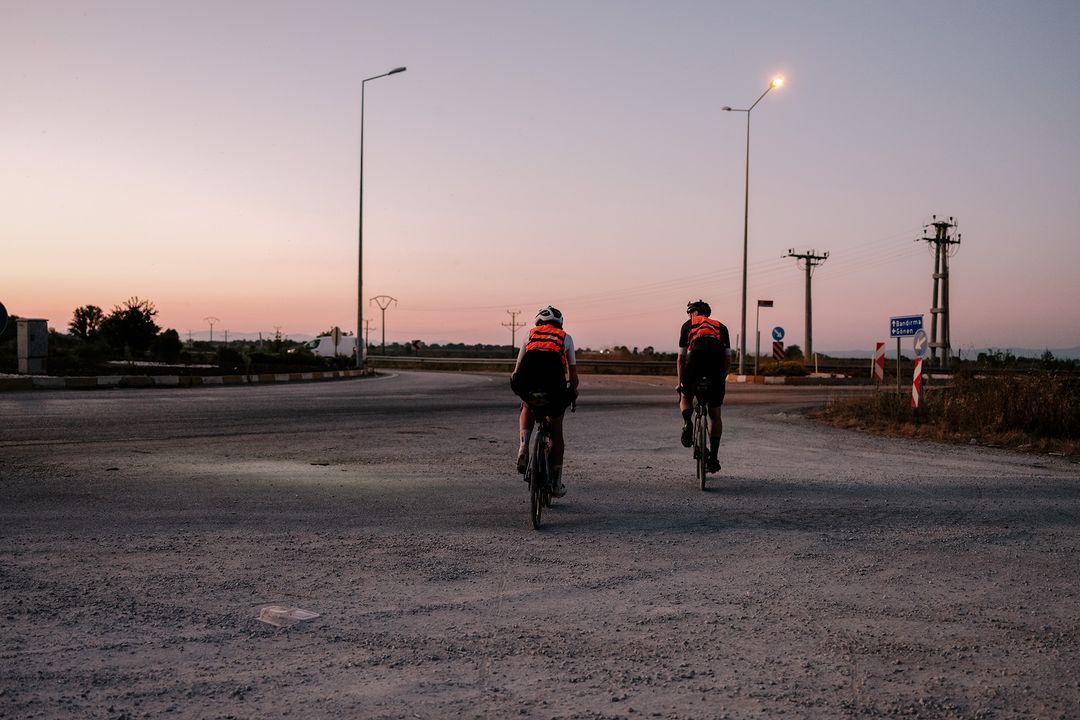
Transcontinental Race No10: crossing Europe from France to Turkey
Transcontinental Race No9 2023
Holy mountains and their stories
Hiking in Macedonia - Thrace
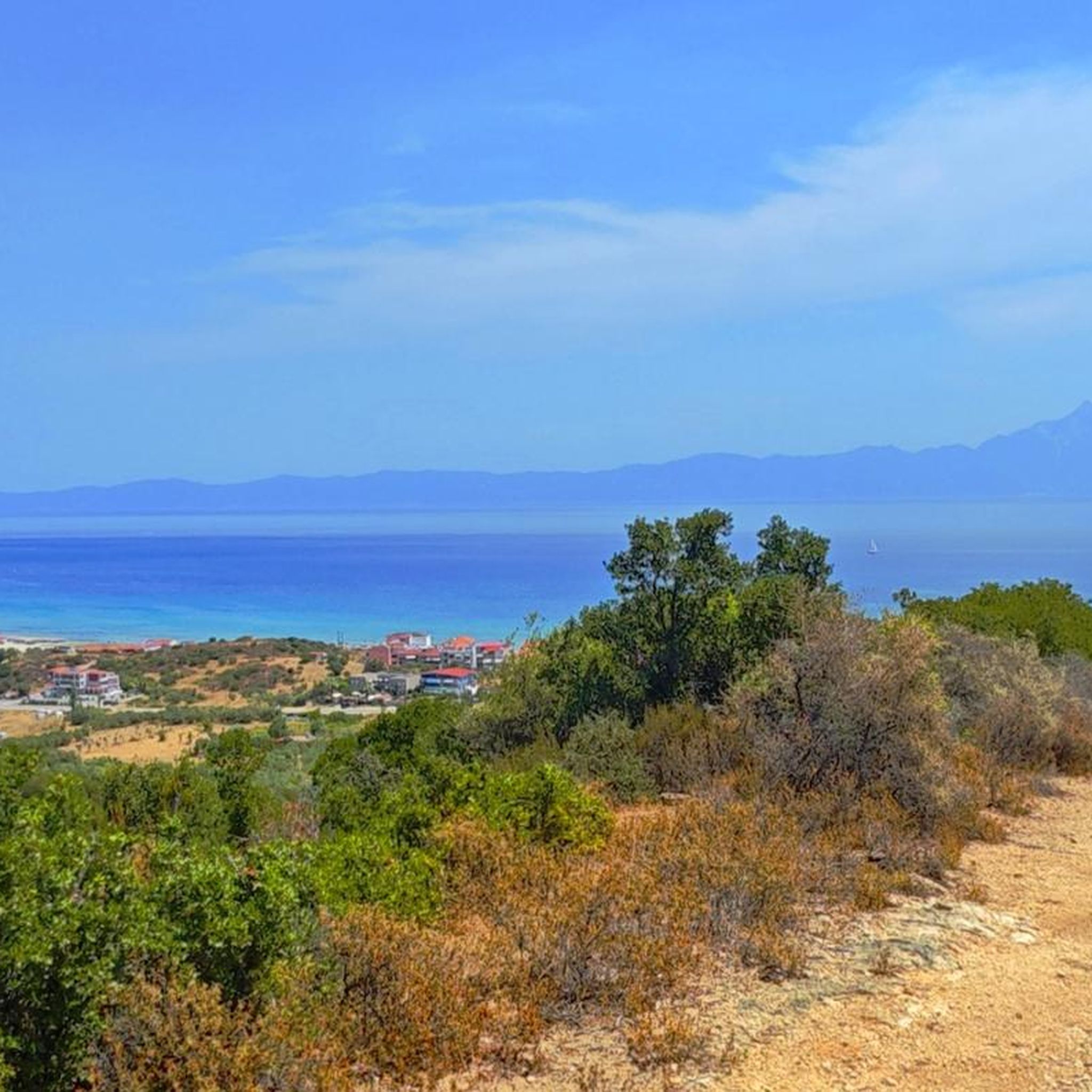
Running Trails in Macedonia - Thrace
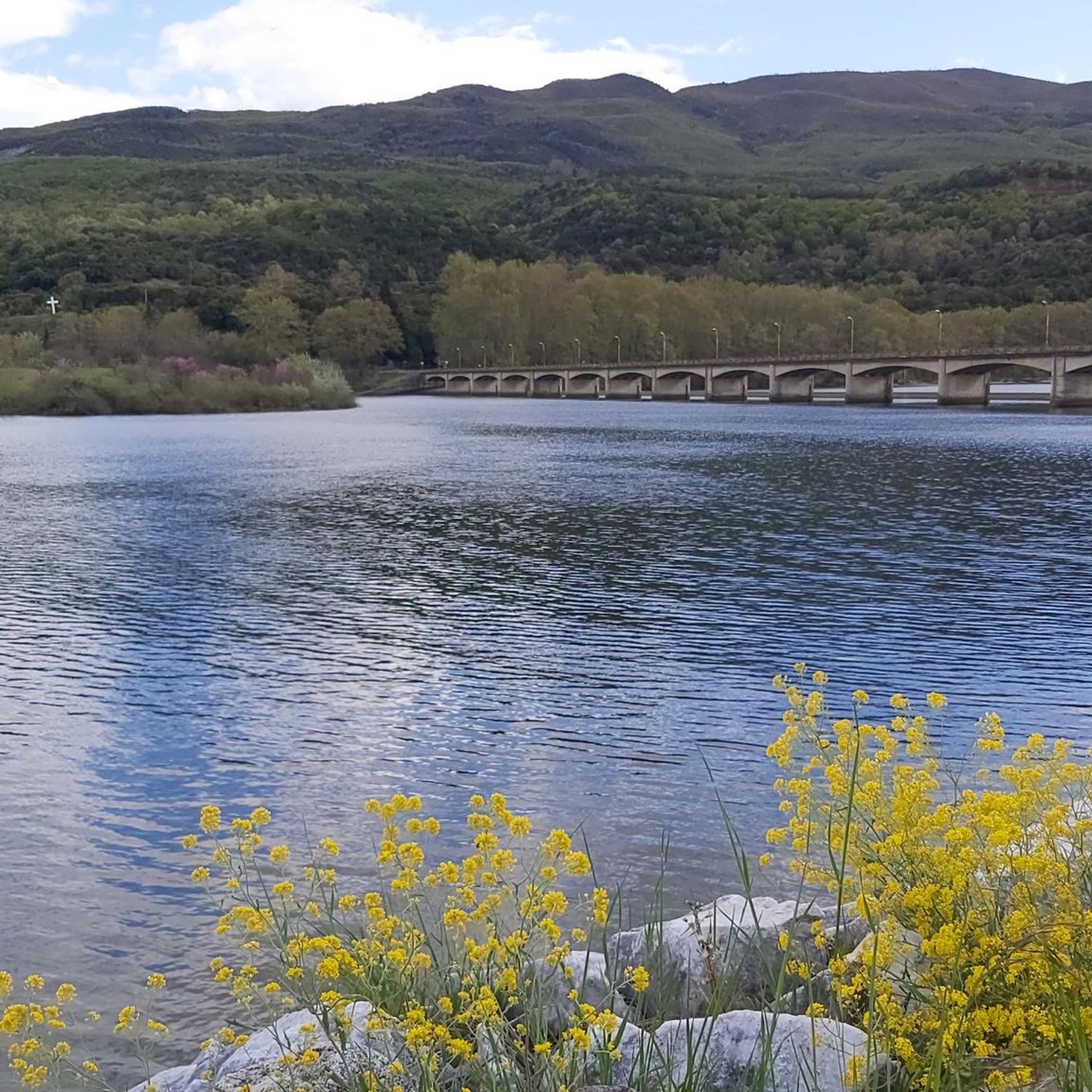
Cycling in Macedonia - Thrace
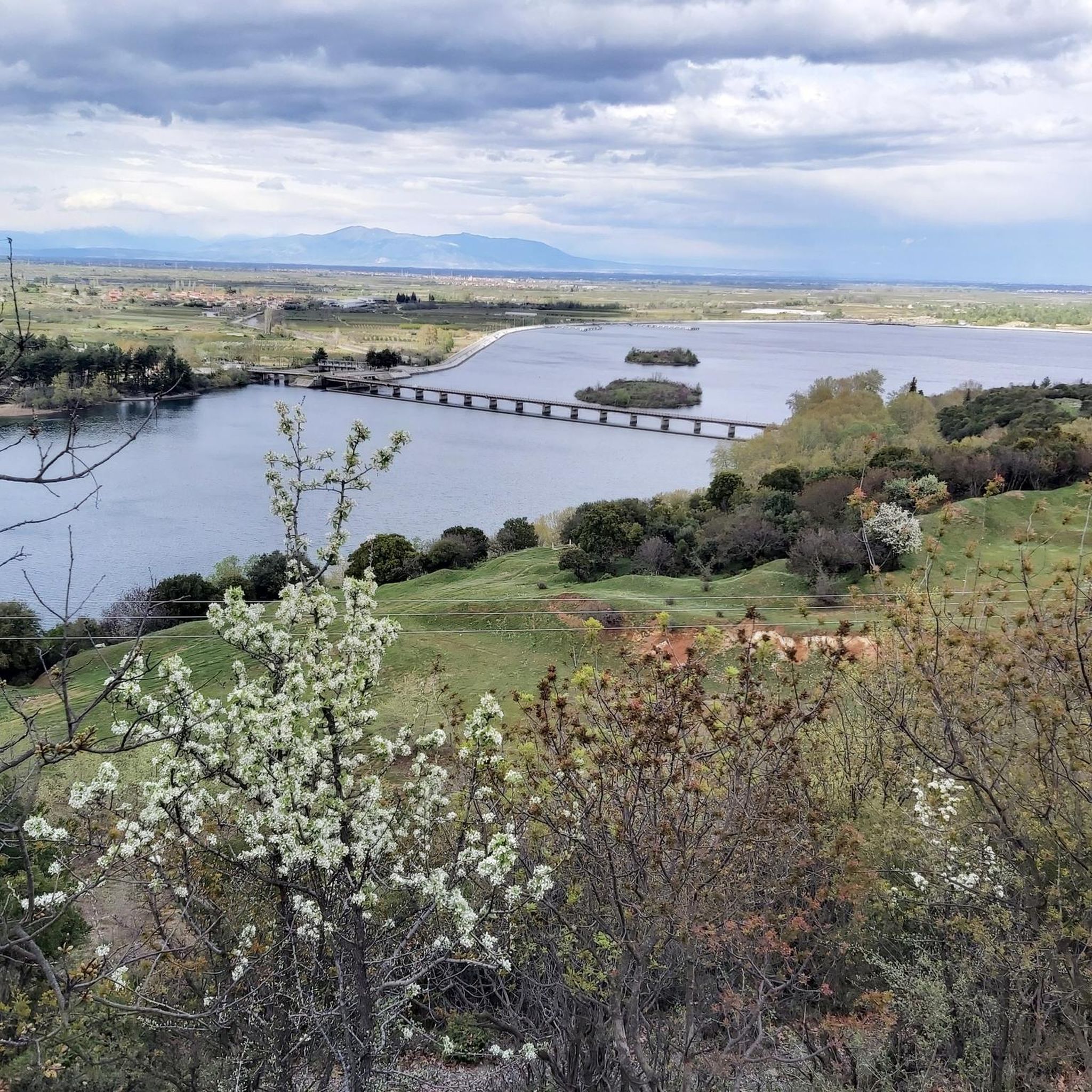
MTB Trails in Macedonia - Thrace
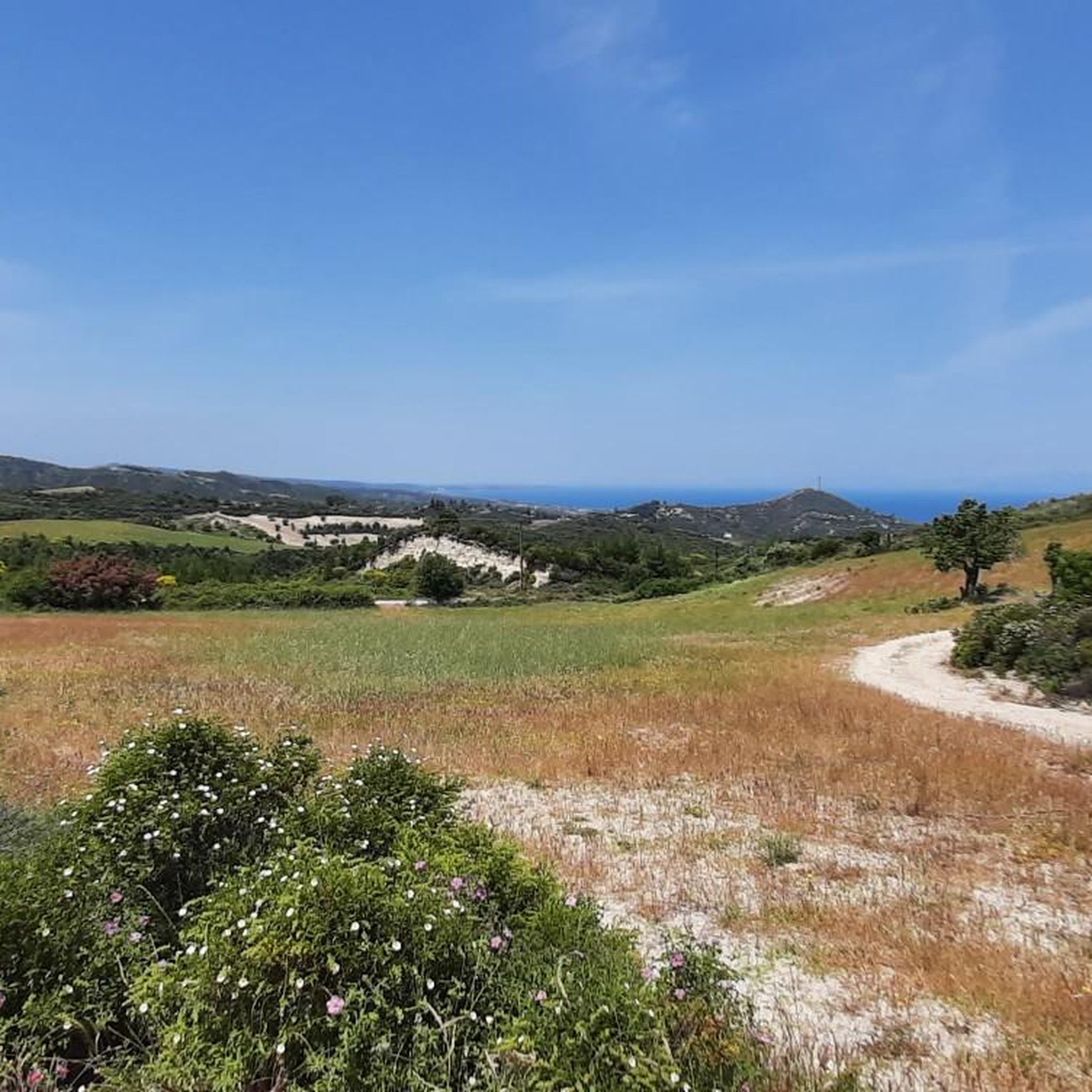
Road Cycling Routes in Macedonia - Thrace
Mountain Hikes in Macedonia - Thrace
Gravel biking in Macedonia - Thrace


Tips from the Community


The days of cheap admission are over.. 10,00€ per person 🤔
0
0

This castle is definitely worth a visit (cheap entrance fee). When the sky is clear, there is a great view towards Olympus.
3
1
This castle is definitely worth a visit. A stop here is actually a must.
3
0

Only open until 3:30pm!!
0
0

The street is called Egnatia and is the most central in Thessaloniki. It has many attractions such as: - Aristotle University - International Trade Fair Exhibition (ΔΕΘ - HELEXPO) - Kamara - Platia Aristotelous and of course it is also full of various shops.
0
0

One of the sights in the city. You can also go up the tower and enjoy the view. If you are traveling by car, you should leave the car somewhere and then walk because there is a lot of traffic there.
4
0
Frequently Asked Questions
What are some of the most historically significant castles in the Macedonia - Thrace region?
The region boasts a rich history reflected in its castles. In North Macedonia, Samuil's Fortress in Ohrid was a crucial stronghold of the First Bulgarian Empire, while Skopje Fortress (Kale Fortress) has roots dating back to the 6th century. In Greek Macedonia, the White Tower in Thessaloniki is an iconic Ottoman structure, and Platamon Castle, built by Crusaders, controlled a vital pass to southern Greece.
Which castles offer the best panoramic views?
Many castles in the region are strategically located for stunning vistas. Samuil's Fortress in Ohrid provides unparalleled views of Lake Ohrid and Galicica Mountains. In Thessaloniki, both the White Tower and Heptapyrgion Fortress offer sweeping views of the city and the Thermaic Gulf. Platamon Castle provides breathtaking 360-degree views of the Aegean Sea and Mount Olympus.
Are there family-friendly castles to visit in Macedonia - Thrace?
Yes, several castles are suitable for families. The White Tower in Thessaloniki, with its museum and rooftop views, is a popular choice. The Heptapyrgion Fortress also offers accessible outside areas for exploration. Many castles, like Kavala Fortress, have open grounds where children can explore while enjoying the historical atmosphere and views.
What kind of outdoor activities can I do near these castles?
The region offers diverse outdoor activities. Near castles in Thessaloniki, you can find running trails like the 'White Tower of Thessaloniki – Statue of Alexander the Great loop'. For those interested in more challenging routes, the area around Platamon Castle is close to Mount Olympus, offering waterfall hikes. You can explore various road cycling routes and waterfall hikes throughout Macedonia - Thrace.
What is the best time of year to visit the castles in Macedonia - Thrace?
Spring (April-May) and autumn (September-October) are generally the best times to visit. The weather is pleasant for exploring, avoiding the intense summer heat and larger crowds. In autumn, the landscapes around castles like Markovi Kuli and Didymoteicho Fortress offer beautiful colors, while spring brings blooming flora.
Are there any castles that are easily accessible by public transport or have good parking?
The White Tower and Heptapyrgion Fortress in Thessaloniki are well-connected by public transport within the city. For Heptapyrgion, taking a bus up and walking down is a popular option. Kavala Fortress is located at the top of Panagia Hill, accessible by walking through the old town, with parking available in the lower city. Platamon Castle has parking outside its grounds.
Can I find food and drink options near the castles?
Yes, many castles are located near urban centers or popular tourist areas with amenities. The White Tower is on Thessaloniki's vibrant waterfront, surrounded by cafes and restaurants. Kavala Fortress is situated above the city, with numerous dining options in the old town and harbor area. Even more remote sites like Markovi Kuli are near towns like Prilep where you can find amenities.
Which prominent castles are located in Greek Macedonia and Thrace?
In Greek Macedonia and Thrace, you can visit the iconic White Tower and Heptapyrgion Fortress in Thessaloniki, the impressive Kavala Fortress, and the strategically located Platamon Castle near Mount Olympus. Further east in Thrace, the Didymoteicho Fortress offers a glimpse into Byzantine and Ottoman history.
Which castles are located in North Macedonia?
North Macedonia is home to several significant castles. Samuil's Fortress in Ohrid is a major historical site overlooking Lake Ohrid. In Skopje, the Kale Fortress dominates the city's skyline. Markovi Kuli (Marko's Towers) near Prilep is another iconic medieval fortress, known for its dramatic setting and historical importance.
Are there any less crowded castle ruins for a more secluded experience?
For a more secluded experience, consider Markovi Kuli near Prilep in North Macedonia, which offers a sense of national pride and a glimpse into the past amidst unique geological formations. The Didymoteicho Fortress in Thrace, while significant, might also offer a less crowded visit compared to the more central Thessaloniki sites, allowing for a deeper exploration of its extensive remains.
What do visitors particularly enjoy about the castles in this region?
Visitors frequently highlight the breathtaking panoramic views offered by many castles, such as those from Heptapyrgion Fortress and the White Tower in Thessaloniki. The rich historical layers, from Byzantine to Ottoman influences, and the opportunity to explore well-preserved structures or extensive ruins are also highly appreciated. Many enjoy the blend of history with natural beauty, especially near coastal or mountainous castles.
Are there hiking opportunities around the castles?
Yes, many castles are situated in areas conducive to hiking. Markovi Kuli near Prilep is an excellent destination for hikers, offering stunning views of the mountainous landscape. While not directly adjacent to castles, the region offers numerous waterfall hikes and running trails, some of which pass through historical areas or offer views of distant fortresses.
What should I know about entry fees for castles in the region?
Entry fees vary by castle. For example, the White Tower in Thessaloniki, which houses a museum, has an entrance fee. Platamon Castle also has an entrance fee for access to its interior, though outside park access is often free. The outside areas of Heptapyrgion Fortress are generally free to visit, with fees for museum or art exhibits. It's advisable to check specific castle websites for current pricing and opening hours.
Are any of the castles wheelchair accessible?
While many historical sites present challenges for full wheelchair accessibility due to their ancient construction, some efforts have been made. The Eastern Walls of Thessaloniki are noted as wheelchair accessible in some sections. For specific castles, accessibility can vary, often limited to outer grounds or specific exhibition areas. It's recommended to contact individual sites directly for detailed accessibility information.
Most popular routes in Macedonia - Thrace
Most popular attractions in Macedonia - Thrace

Get inspired with the komoot mobile app


Didn’t find what you were looking for?
Explore Macedonia - Thrace’s best castles region by region:
Explore more
Looking for the best castles somewhere else? Discover other guides in Macedonia - Thrace:
