Top 12 Castles in Southern Finland
Best castles in Southern Finland offer a glimpse into the region's historical and cultural landscape. This area features a variety of fortresses and ruins, from coastal defenses to inland strongholds, reflecting centuries of strategic importance. These sites provide insights into medieval architecture and past eras. Southern Finland features 12 castles, providing numerous opportunities for historical exploration.
Best castles in Southern Finland
- The most popular castles is Kuusisto Castle Ruins, a castle and historical site that was a medieval episcopal castle on the island of Kuusisto. Only the basement and some walls remain, offering a unique site of cultural and natural value.
- Another must-see spot is Turku Castle, a castle and historical site. It is Finland's largest surviving medieval building, established in the late 13th century, and features a mix of medieval and Renaissance architecture.
- Visitors also love Raseborg Castle Ruins, a castle and historical site. This well-preserved medieval ruin dates back to the 1370s and was originally built on an island to protect Swedish interests.
- Southern Finland is known for medieval castles, sea fortresses, and historical ruins. These sites showcase a range of architectural styles and historical periods, from military strongholds to episcopal residences.
- The castles in Southern Finland are appreciated by the komoot community, with more than 60 upvotes and over 60 photos shared by visitors.
Last updated: July 11, 2026
Häme Castle
Highlight • Castle
Translated by Google •
Tip by

Turku Castle
Highlight • Castle
Translated by Google •
Tip by
Sign up now to discover places like this
Get recommendations on the best single tracks, peaks, & plenty of other exciting outdoor places.
Sign up for free
Kuusisto Castle Ruins
Highlight • Castle
Tip by

Ehrensvärd Museum
Highlight • Historical Site
The Commander’s House is a good example of how housing and the defensive system were connected under the same roof. The building’s side wings also functioned as fortification bastions and it was possible to access the bastion terrepleins directly from the rooms. In case of an emergency the windows of the dining room as well as of the sleeping alcove could be used as crenels from which the main entrance to the fortress, the Artillery Bay, could be defended. The building was used as the commander’s residence until 1855, when it lost its southern wing in the Crimean War.
In 1927 the Ehrensvärd Society made an initiative to establish a museum in those rooms that had served as Ehrensvärd ‘s residence. The museum was opened in 1930.
Museum is open in summertime.
Source & More information: suomenlinnatours.com/en/activities-at-suomenlinna/ehrensvard-museum
Tip by

Iso Linnamäki Castle Hill
Highlight • Historical Site
Translated by Google •
Tip by
Great Courtyard and the Tomb of Augustin Ehrensvärd
Highlight • Historical Site
The Blue Route passes through the Great Courtyard.
From May to the end of September, the water bus operates to the Tykistölahden pier, which is about 200 meters from the Great Courtyard.
The status of the administrative center was emphasized architecturally as well. The placement of the buildings and the curved facades of the square created a false perspective, enhancing the grandeur and ceremonial appearance of the square.
In the center of the square is the tomb of Augustin Ehrensvärd, with an impressive monument designed by King Gustav III of Sweden and completed by Ehrensvärd’s son Carl August together with Johan Tobias Sergel.
Ehrensvärd died in 1772, but he was temporarily buried elsewhere for 10 years while waiting for the completion of the Viapori tomb. The tomb monument was finally completed just before the end of Swedish rule in the early 19th century.
Tip by
Graniittilinna Castle Amphitheater
Highlight • Castle
Translated by Google •
Tip by
Imatran Valtionhotelli
Highlight • Castle
Translated by Google •
Tip by

Raseborg Castle Ruins
Highlight • Castle
Tip by

Louhisaari Manor
Highlight • Historical Site
There is a small cafeteria/lunch restaurant. It also offers an accommodation and a sauna next to the sea.
Tip by

Sign up for free to discover even more castles in Southern Finland.
Sign up for free
Already have an account?
Start today with a free account
Your next adventure awaits.
Login or Signup
Popular around Southern Finland

NorthCape4000 – 12 days from Lake Garda to the North Cape

Bikepacking the finest gravel in South-West Finland
Naples to North Cape — Two friends, one purpose and many scoops of ice-cream

Cape to Cape Challenge – 18,000km in 73 days
Forest frame – Nuuksio National Park overnighter
Urban escape route – Ring G
Forestbound – Sipoonkorpi National Park Overnighter
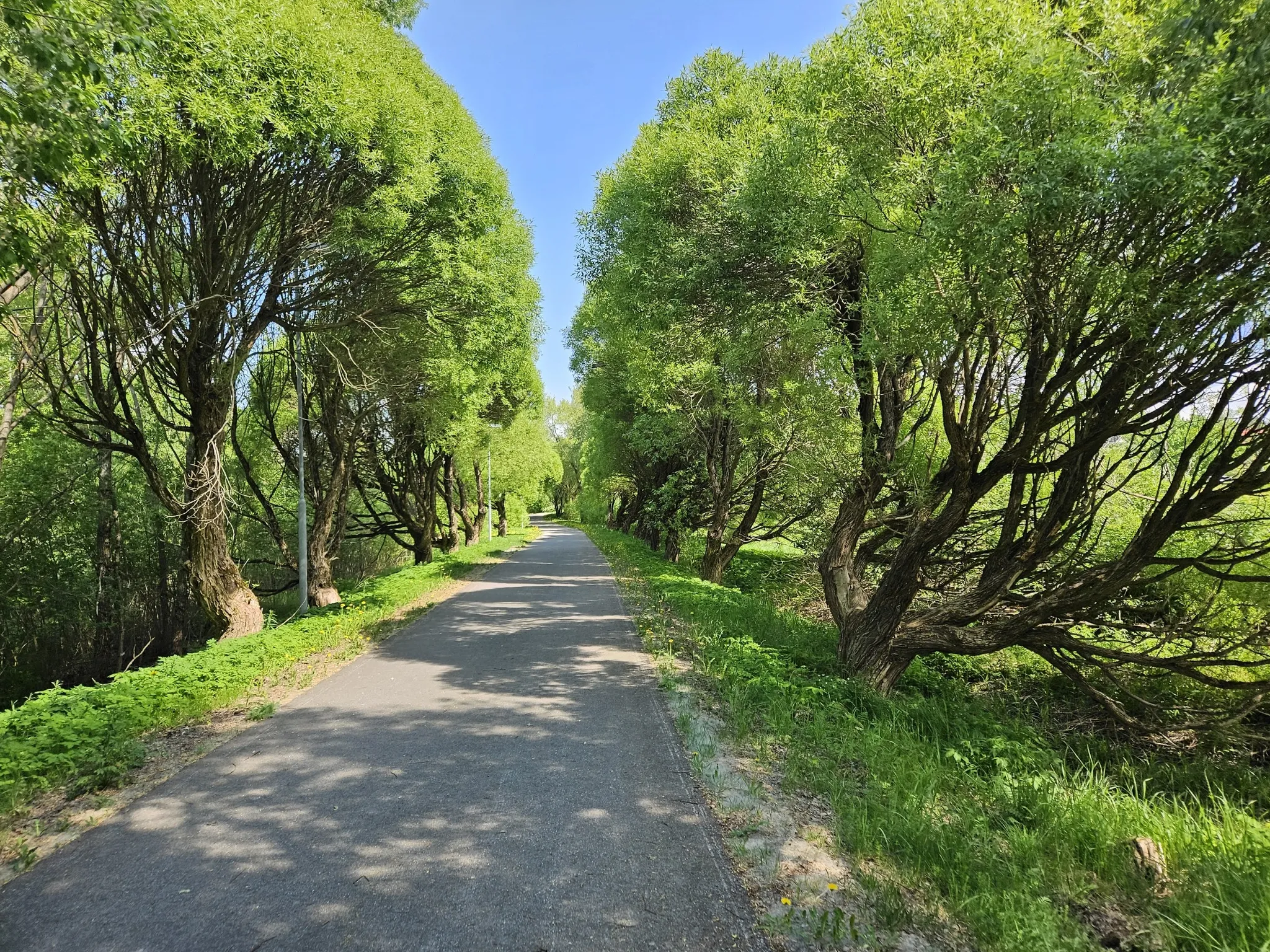
Between lakes and the sea – Western Uusimaa Loop
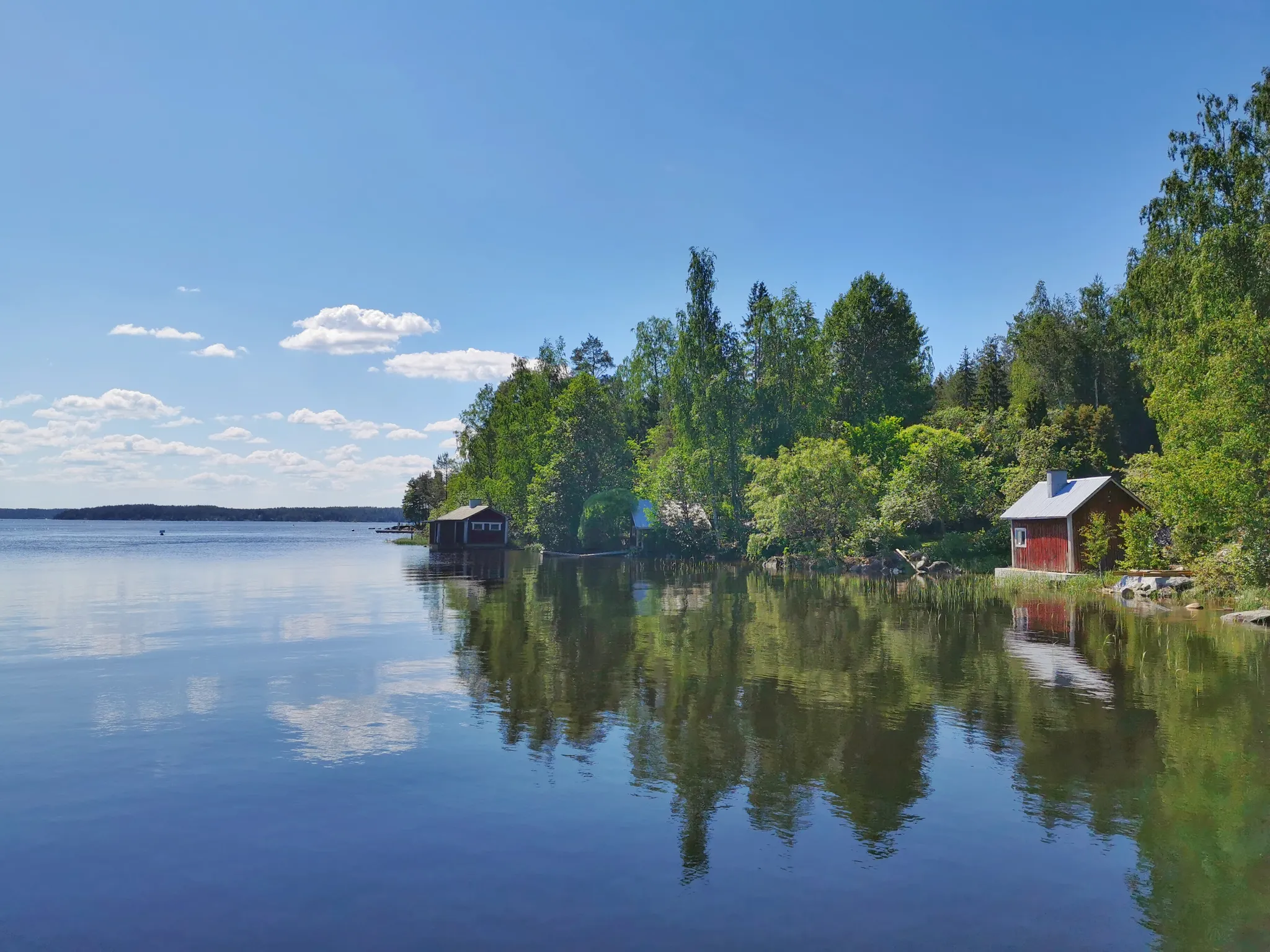
Discovering Finland's lakeland – Lake Saimaa loop from Lappeenranta
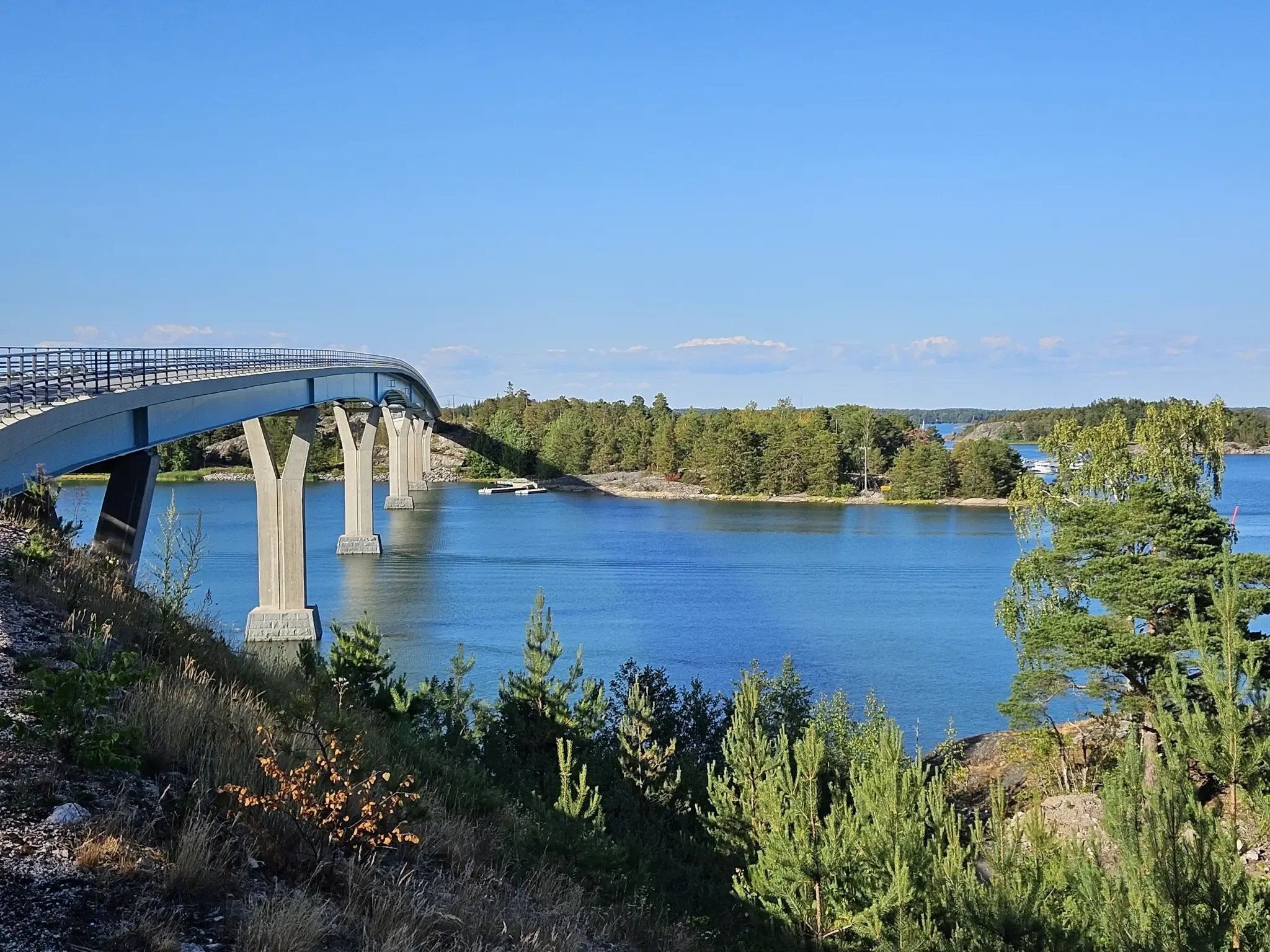
From Salo to the Archipelago sea – Finland's Coastal Route
Other adventures in Southern Finland


Tips from the Community

Opening hours Winter 2025 Saturday 29.11. at 11-16 Sunnunday 30.11. at 11-16 Summer 2026 Daily from 4th of May to 31st of August: May at 10:30 -16:00 June to August at 10:30-13:00 and 13:30-17:30 On weekends: April and September, Saturday-Sunday at 10:30-16:00 Please check the Suomenlinna opening hours end events calendar for any exceptions to opening hours.
0
0
The Ehrensvärd Museum is located by the original central courtyard of the fortress, in the old Commander’s House. The interior of the museum illustrates an 18th century residence. The collection includes paintings, furniture, weapons, and ship models portraying vessels of the Swedish Archipelago Fleet. The first resident of the building was Augustin Ehrensvärd (1710-1772), the founder of the Suomenlinna fortress. The Commander’s House is a good example of how housing and the defensive system were connected under the same roof. The building’s side wings also functioned as fortification bastions and it was possible to access the bastion terrepleins directly from the rooms. In case of an emergency the windows of the dining room as well as of the sleeping alcove could be used as crenels from which the main entrance to the fortress, the Artillery Bay, could be defended. The building was used as the commander’s residence until 1855, when it lost its southern wing in the Crimean War. In 1927 the Ehrensvärd Society made an initiative to establish a museum in those rooms that had served as Ehrensvärd ‘s residence. The museum was opened in 1930. Museum is open in summertime. Source & More information: https://suomenlinnatours.com/en/activities-at-suomenlinna/ehrensvard-museum/
0
0
Designed by the founder of Suomenlinna, Augustin Ehrensvärd, the Great Courtyard was completed in the 1760s and served as the main square and administrative center of the entire fortress. The courtyard was bordered by buildings such as the Commandant’s House, which served as the residence of the fortress commandants, and the main guardhouse. The Blue Route passes through the Great Courtyard. From May to the end of September, the water bus operates to the Tykistölahden pier, which is about 200 meters from the Great Courtyard. The status of the administrative center was emphasized architecturally as well. The placement of the buildings and the curved facades of the square created a false perspective, enhancing the grandeur and ceremonial appearance of the square. In the center of the square is the tomb of Augustin Ehrensvärd, with an impressive monument designed by King Gustav III of Sweden and completed by Ehrensvärd’s son Carl August together with Johan Tobias Sergel. Ehrensvärd died in 1772, but he was temporarily buried elsewhere for 10 years while waiting for the completion of the Viapori tomb. The tomb monument was finally completed just before the end of Swedish rule in the early 19th century.
0
0

13th century medieval castle. largest surviving medieval buliding in finland.
0
0

The magnificent castle of the high-ranking clergy in Kuusisto was a model of everyday luxury in the period in question and featured modern amenities from abroad. In the Middle Ages, the Bishop's Palace was not only the center of spiritual life in Catholic Finland, but also the focus of political power. The history of the castle ended when King Gustav Vasa ordered the demolition of the bishop's residence after the Reformation. Only ruins remained of the former splendor.
0
0
very old ruin
0
0
Turku Castle is a more than 700 year old historical monument. It has stood guard over the river Aura estuary since the 1280’s. Its granite stone walls hold within them the history of Finland, Sweden and the other Nordic countries. History in a nutshell The history of Turku Castle begins in the 1280's. During the centuries the fortification gradually changed into a grand greystone palace. In 1556, King Gustav Vasa named his son Johan Duke of Finland. The era of Johan marked a new phase in the construction of the Castle. The renaissance halls were built during this period, which also marked the beginning of the reneissance era in Finland. In the 17th century, the Governor General of Finland Per Brahe held court in the Bailey Castle. Gradually the administrative centre moved out of the by then old castle, and gave way to a prison. It also served as a storehouse and as barracks. In the 1941 bombings the castle was left in ruins. After the end of the war restaurations began. Nowadays the periods of construction can be seen in labyrinthine passages, walled up doors and windows and in mysterious staircases. Source: https://www.turku.fi/en/turkucastle More information about the Turku Castle under this Website
1
0

Site of an old castle, nowadays all that's left to see is a series of circular earthworks. Cycling is forbidden on the earthworks themselves.
1
0
Frequently Asked Questions
Which castles are particularly popular for visitors in Southern Finland?
Among the most popular castles in Southern Finland are Turku Castle, Finland's largest surviving medieval building, and Kuusisto Castle Ruins, a unique medieval episcopal castle site. Suomenlinna Sea Fortress, a UNESCO World Heritage site near Helsinki, is also a highly visited attraction, known for its extensive fortifications and museums.
Are there family-friendly castles in Southern Finland?
Yes, several castles in Southern Finland are great for families. Turku Castle offers a museum with artifacts and exhibitions. Kuusisto Castle Ruins and Raseborg Castle Ruins provide open spaces for exploration and often host medieval events and theatrical performances during summer, making history engaging for all ages. Suomenlinna Sea Fortress also has six museums, including a Toy Museum, and plenty of space for picnics and walks.
How can I reach the castles in Southern Finland using public transport?
Many castles are accessible by public transport. Suomenlinna Sea Fortress is easily reached by a short ferry ride from Helsinki's Market Square. Turku Castle is located on the banks of the Aura River in Turku, a city well-served by public transport. Häme Castle is in Hämeenlinna, which is accessible by train or bus. For specific routes and schedules, it's best to check local public transport websites for each castle's location.
What is the best time of year to visit castles in Southern Finland?
The summer months (June-August) are generally the most popular time to visit, offering pleasant weather for exploring outdoor ruins and enjoying events. Many castles, like Häme Castle and Raseborg Castle, host cultural events and guided tours during this period. However, some sites like Suomenlinna Sea Fortress are open year-round, offering a different, often quieter, experience in autumn or winter, with snow-covered landscapes adding to their charm.
Are there any castles in Southern Finland that offer unique natural features or viewpoints?
Absolutely. Kuusisto Castle Ruins are situated on the island of Kuusisto, offering a blend of cultural and natural value, with opportunities for birdwatching. Häme Castle, located on the coast of Lake Vanajavesi, provides panoramic views from its towers. Suomenlinna Sea Fortress, spread across several islands, offers stunning views of the Helsinki skyline and the Baltic Sea. You can also find a great View of Hämeenlinna Castle and Lake.
Can I find cafes or restaurants near the castles in Southern Finland?
Yes, many popular castle sites have amenities nearby. Suomenlinna Sea Fortress has several cafes and restaurants on its islands. Raseborg Castle Ruins has a restaurant and a café on site. Lappeenranta Fortress also features artisan shops and cafes. For other locations, you'll typically find dining options in the nearby towns or cities.
Which castles in Southern Finland are known for their historical significance or unique architecture?
Southern Finland boasts several historically significant castles. Turku Castle is Finland's largest and oldest surviving medieval building, showcasing a mix of medieval and Renaissance styles. Häme Castle is notable for its distinctive red brickwork, a rare feature in Nordic medieval architecture. Suomenlinna Sea Fortress is a UNESCO World Heritage site, an 18th-century maritime defense fortress with grand fortifications. Lappeenranta Fortress reflects Swedish, Russian, and Finnish cultural heritage with buildings from the 18th to early 20th centuries.
Are there opportunities for outdoor activities like cycling or hiking near the castles?
Yes, the regions around Southern Finland's castles often offer great outdoor activity options. For instance, you can find various cycling routes in Southern Finland, including tours around Lake Tuusula or the Ruissalo Island Loop near Turku. There are also gravel biking routes like the Espoo Waterfront Route. For hiking, you might find trails near sites like Kuusisto Castle Ruins, which is part of a culture and nature trail. Explore more options on the Cycling in Southern Finland or Gravel biking in Southern Finland guides.
Are there any lesser-known or hidden gem castles worth exploring in Southern Finland?
While not a traditional castle, Graniittilinna Castle Amphitheater is a unique site modeled after medieval castles, built from granite blocks in the late 19th century, and hosts amateur theater in summer. Louhisaari Manor, though a manor house, has a castle-like appearance and historical significance as the birthplace of Carl Gustaf Emil Mannerheim. These offer a different perspective beyond the major fortresses.
What kind of events or cultural experiences can I expect at Southern Finland's castles?
Many castles host a variety of events. Häme Castle frequently holds Renaissance fairs and guided tours. Raseborg Castle Ruins is known for its Midsummer celebrations, ancient markets, medieval events, and theatrical performances during the summer. Lappeenranta Fortress is an inhabited cultural destination with various events throughout the year, including the chance to spot dragoon riders in July. Suomenlinna Sea Fortress also has a vibrant cultural scene with museums and exhibitions.
Are there any castles in Southern Finland that are wheelchair accessible?
Accessibility varies by site. Some modern facilities or parts of larger complexes may be accessible. For example, Imatran Valtionhotelli, a castle-style hotel, is listed as wheelchair accessible. However, many medieval ruins and older structures may have limited accessibility due to their historical nature, uneven terrain, or stairs. It's advisable to check the specific accessibility information for each castle before visiting.
Can I visit Suomenlinna Sea Fortress during winter?
Yes, Suomenlinna Sea Fortress is open year-round. While some services or museums might have reduced hours, the fortress itself is accessible, and the ferry operates daily. Visiting in winter offers a unique, serene experience with snow-covered landscapes and fewer crowds, providing a different perspective on this UNESCO World Heritage site.
What makes Kuusisto Castle Ruins a unique historical site?
Kuusisto Castle Ruins represent a significant medieval episcopal castle built in the early 14th century. It served as the main residence for Finnish Catholic bishops and a focal point of political power before its demolition in 1528 during the Protestant Reformation. Today, only the basement and some walls remain, offering a unique site of cultural and natural value where visitors can explore the remnants of a grand castle and enjoy the surrounding nature, including birdwatching opportunities.
Are dogs allowed at historical sites and castles in Southern Finland?
Policies regarding dogs vary greatly between sites. While outdoor areas or ruins like Kuusisto Castle Ruins might allow dogs on leash, indoor museums or more preserved castles like Turku Castle or Häme Castle typically do not permit pets, with the exception of service animals. It is always best to check the specific rules for each historical site before planning your visit with a dog.
Most popular routes in Southern Finland
Most popular attractions in Southern Finland

Get inspired with the komoot mobile app


Didn’t find what you were looking for?
Explore Southern Finland’s best castles region by region:
Explore more
Looking for the best castles somewhere else? Discover other guides in Southern Finland:
