Top 6 Caves in Dubrovnik-Neretva
Best caves in Dubrovnik-Neretva are primarily found along its extensive coastline and islands, a region characterized by its karst topography and Adriatic Sea influence. This area of Croatia is known for its numerous sea caves and ancient geological formations. The landscape features a mix of rugged cliffs, islands, and a rich historical context. These natural features provide diverse opportunities for exploration and discovery.
Best caves in Dubrovnik-Neretva
- The most popular caves is Odysseus' Cave, a cave that is steeped…
Last updated: October 1, 2026
Odysseus' Cave
Highlight • Cave
Tip by

Vela Spila Cave
Highlight • Cave
Tip by

Sign up now to discover places like this
Get recommendations on the best single tracks, peaks, & plenty of other exciting outdoor places.
JNA Military Bunker and Artillery, Mljet National Park
Highlight • Structure
Tip by
Kom Summit (508 m) — Panorama
Highlight • Summit
Tip by

Šipun Cave
Highlight • Cave
Showing Translation
Tip by

Spila Cave (Nakovana Archaeological Site)
Highlight • Cave
The trail leading to it is not long or steep, but the terrain is rough and good shoes are needed.
Tip by

Old JNA Tunnel
Highlight • Structure
Translated by Google •
Tip by

Start today with a free account
Your next adventure awaits.
Popular around Dubrovnik-Neretva
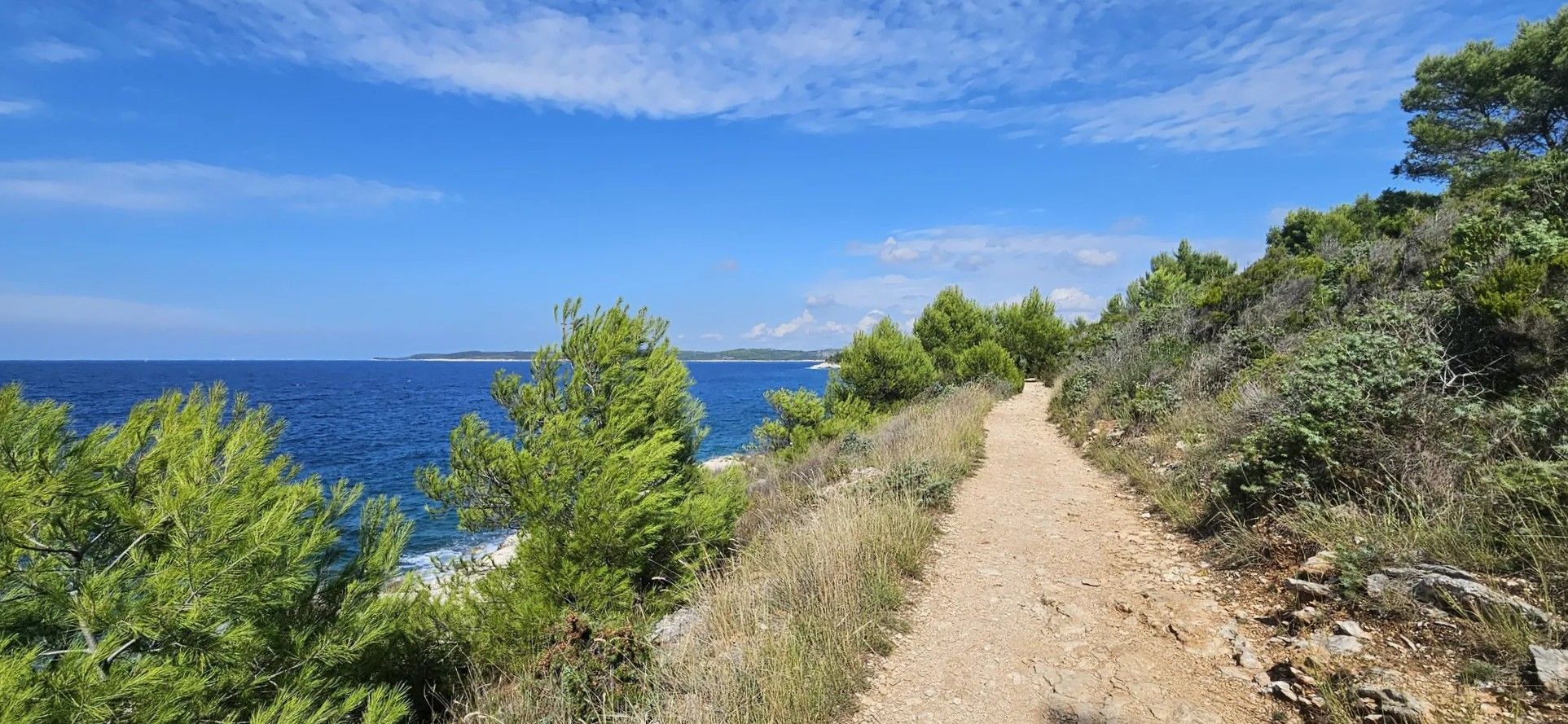
From Sea to Summit: Trail Running in Croatia

Triathlon 360 – my journey around the world
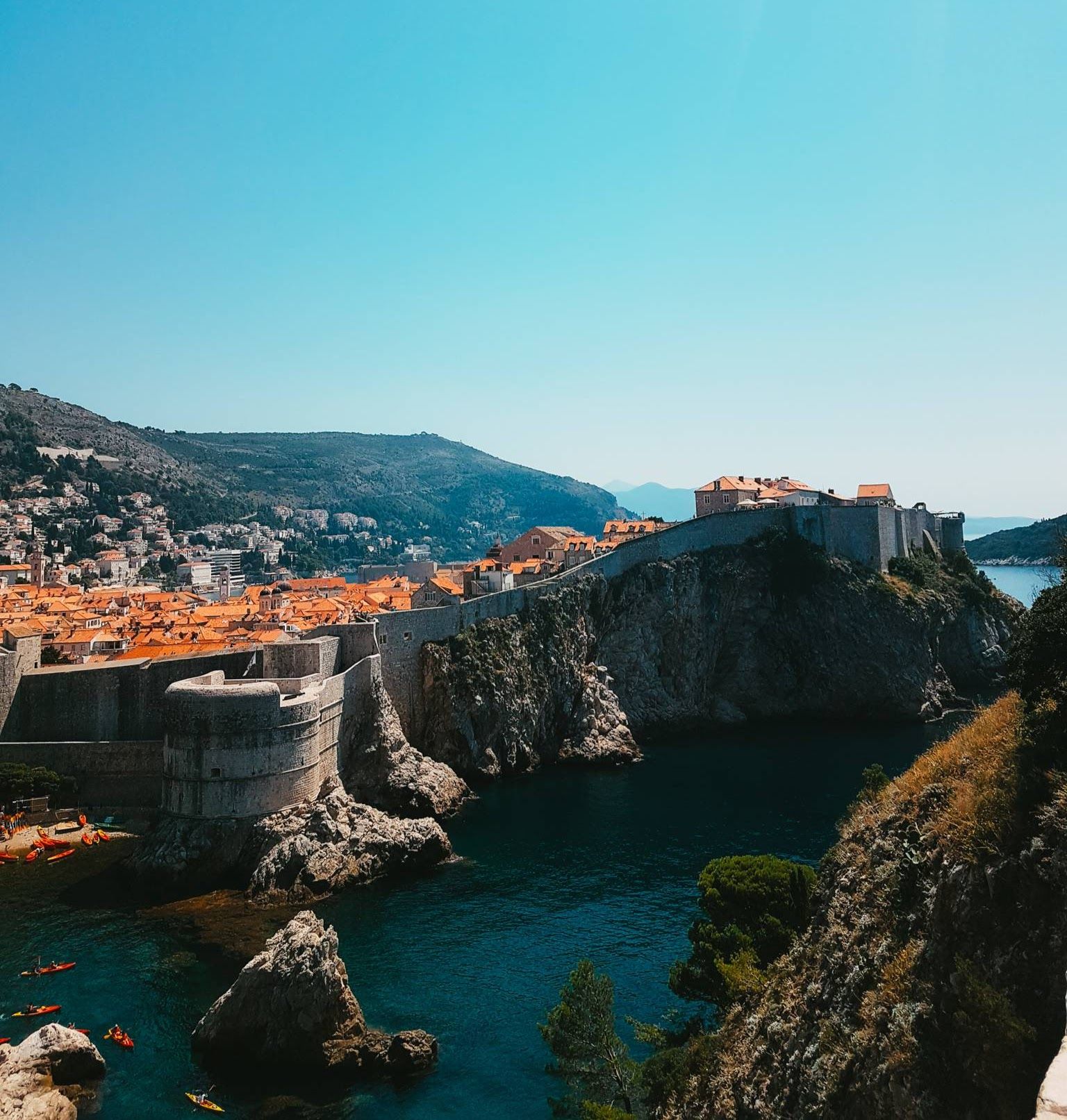
The Ciro Trail — Along the railtrail from Mostar to Dubrovnik
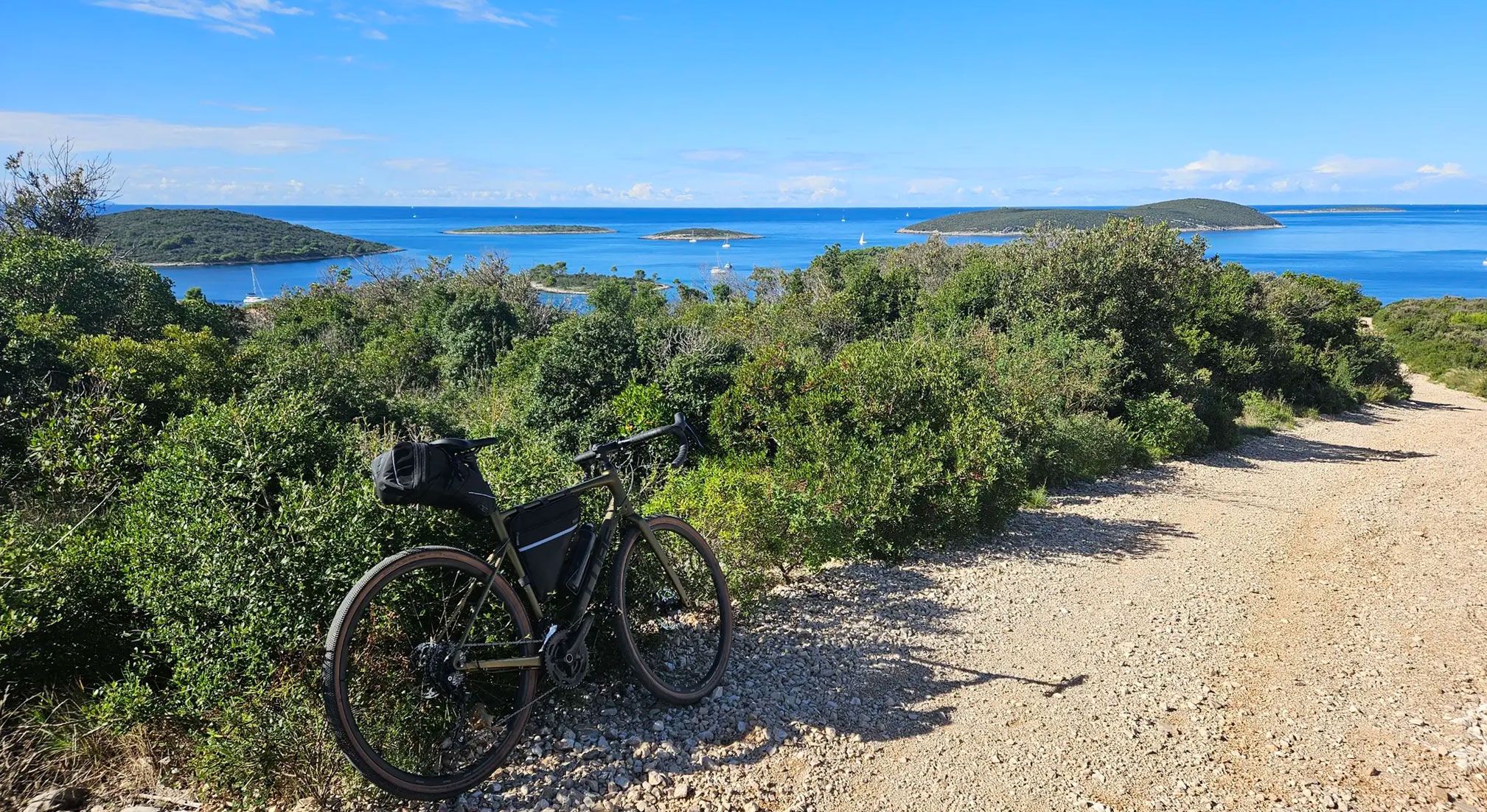
Between Coastal Panoramas and Dream Beaches: Island Bike Tours in Croatia
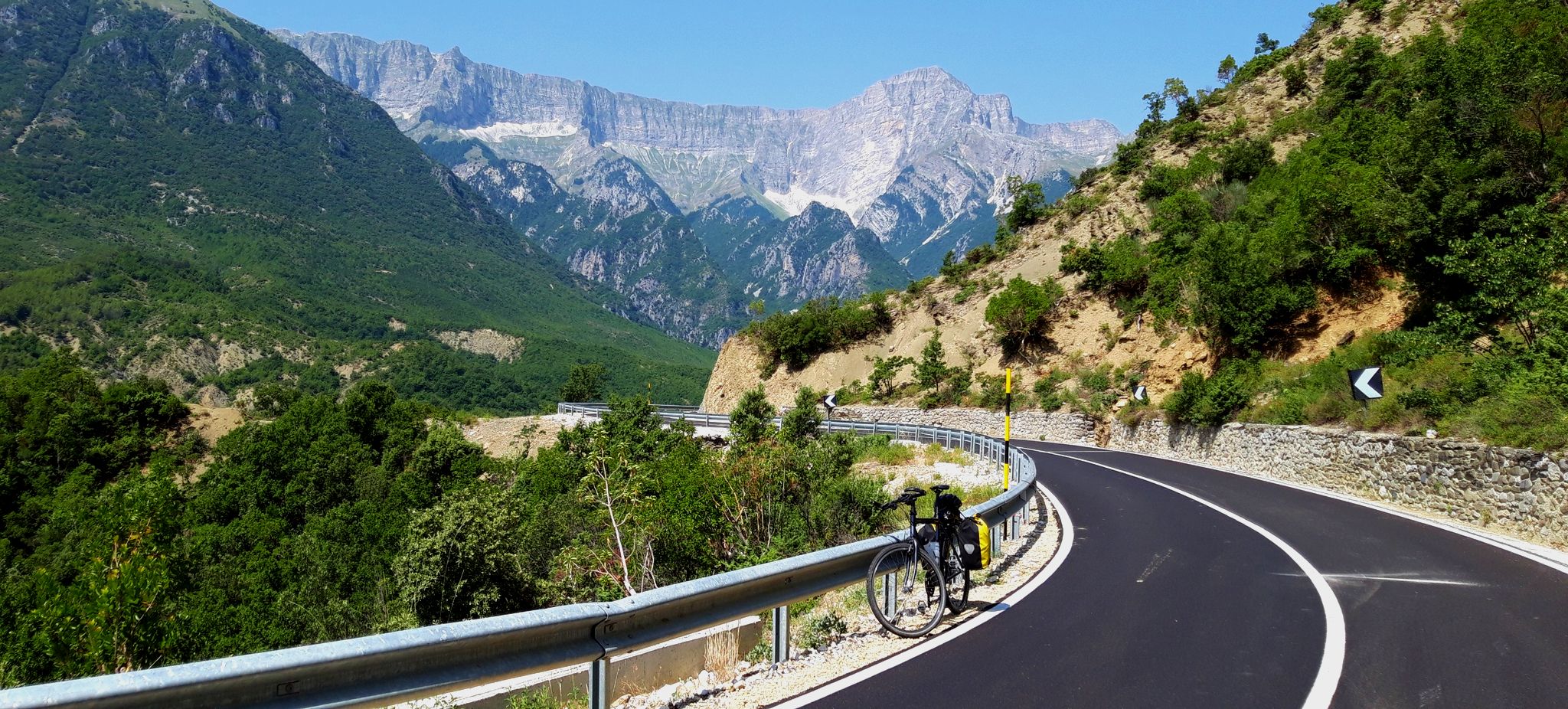
Balkan cycling adventure – Dubrovnik to Corfu
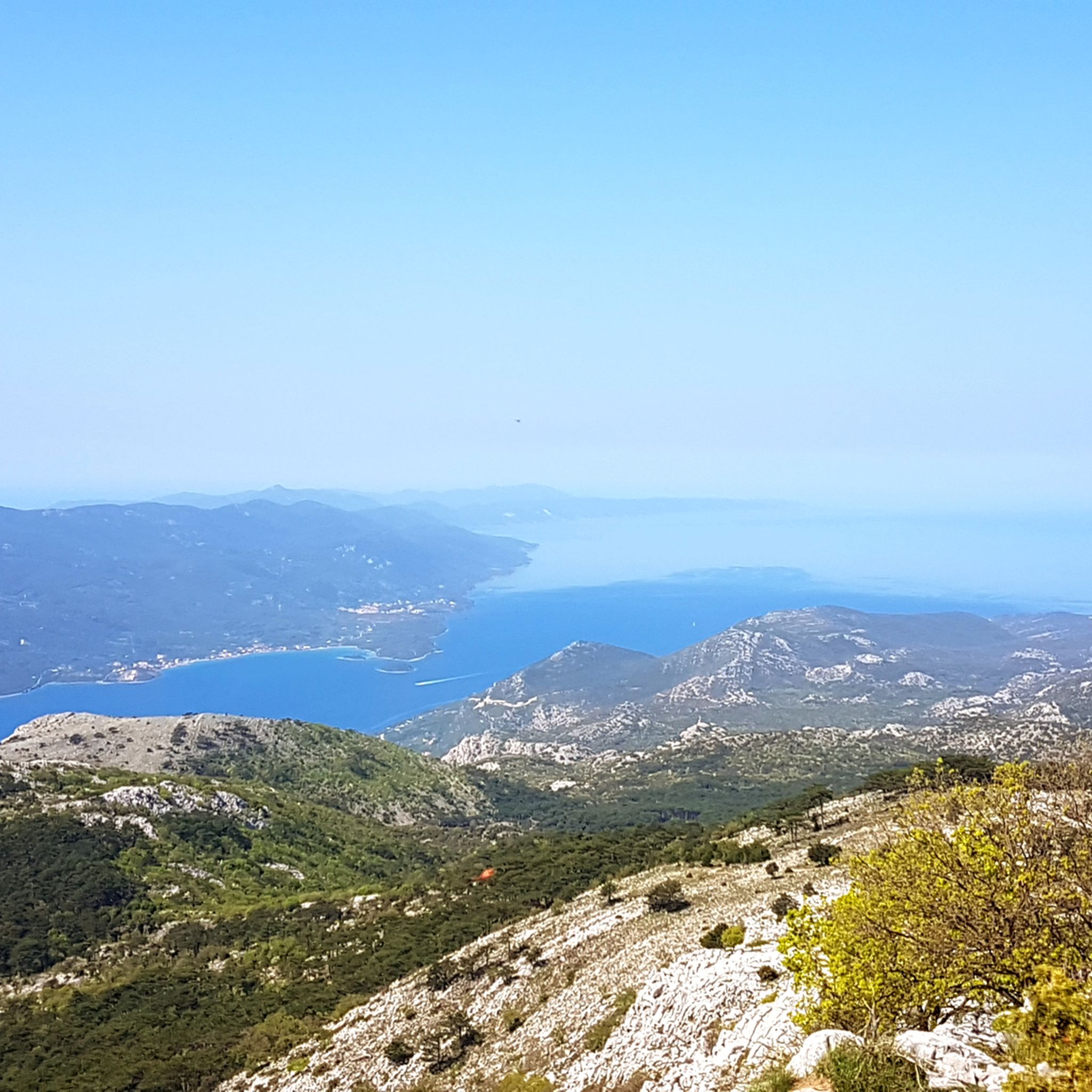
Hiking in Dubrovnik-Neretva
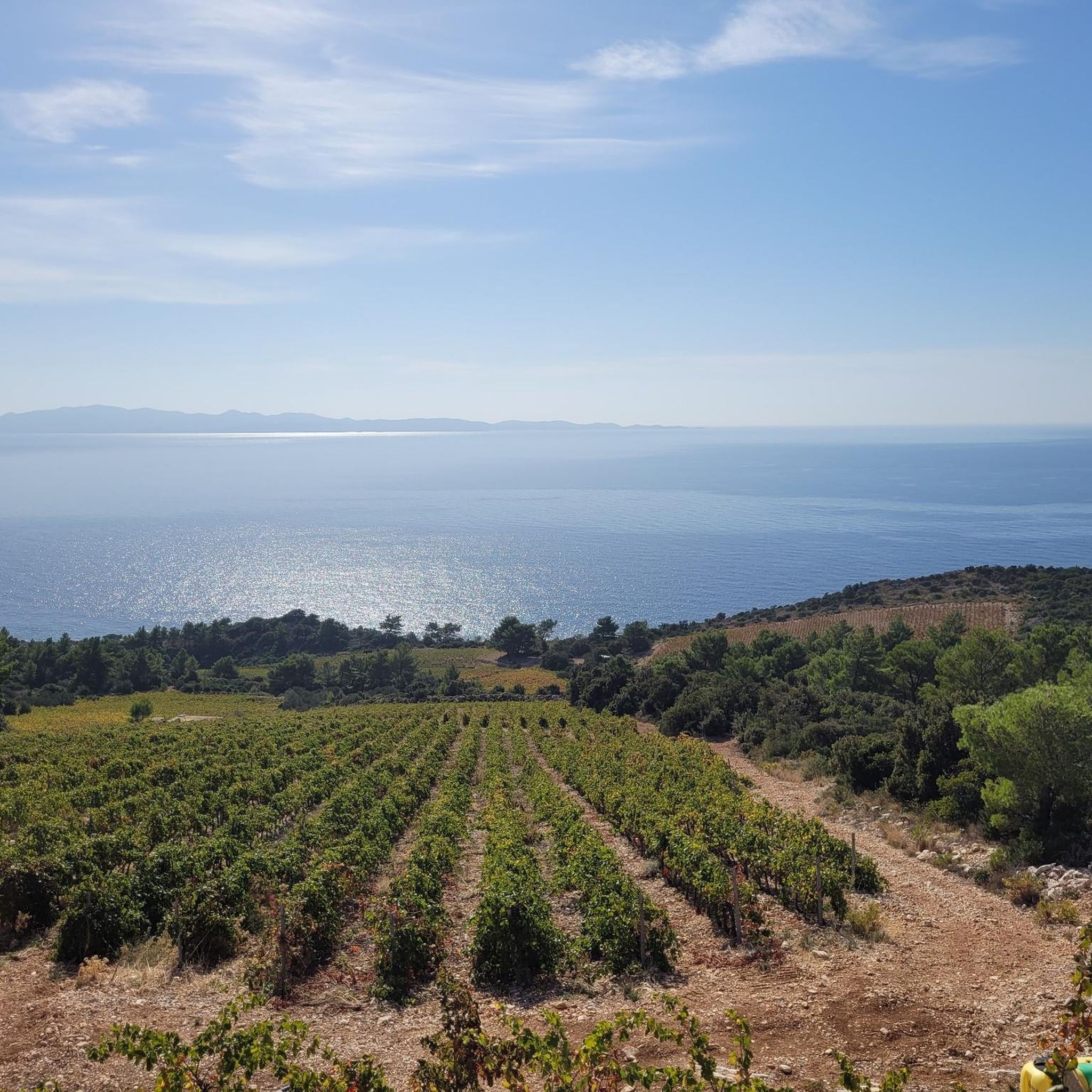
Cycling in Dubrovnik-Neretva
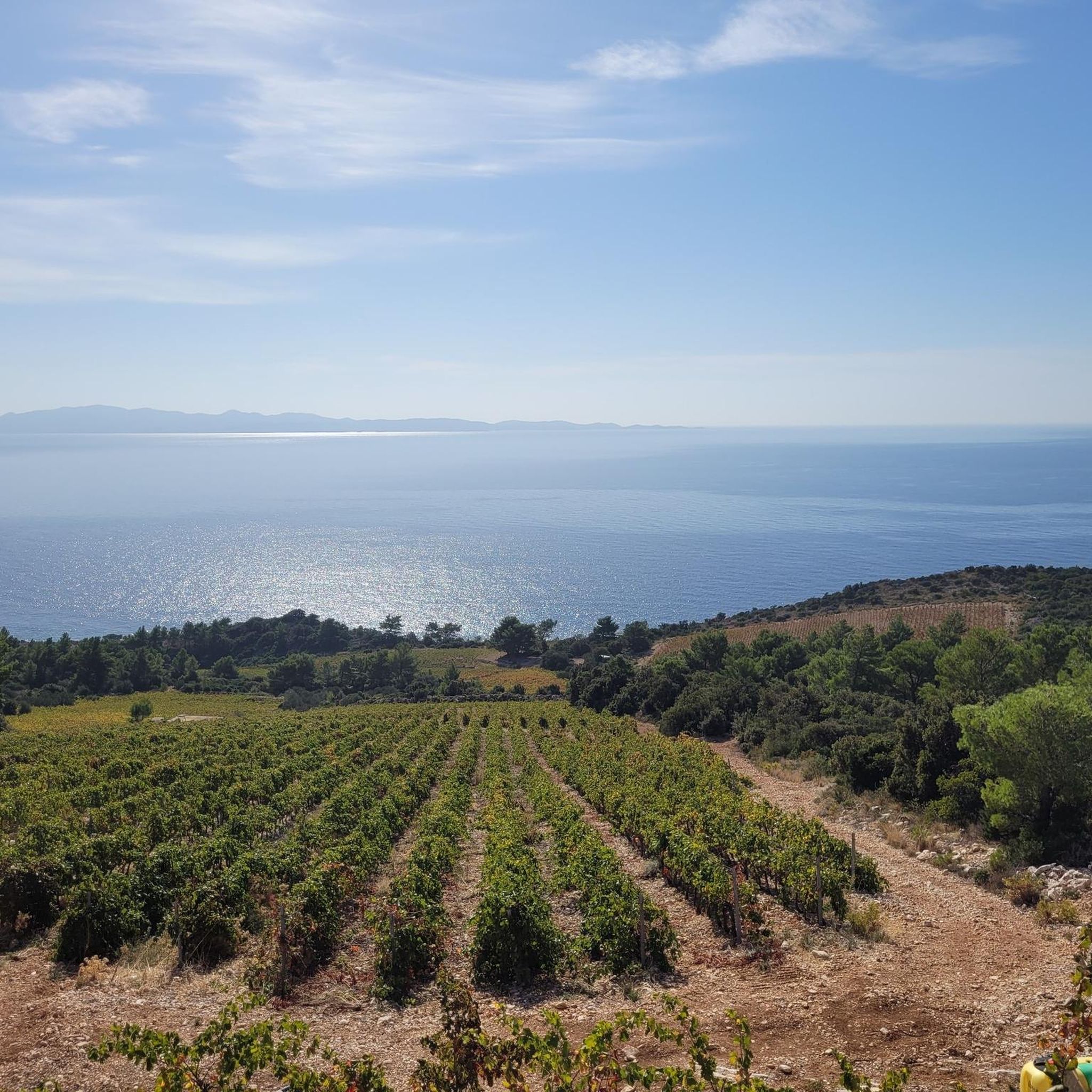
Road Cycling Routes in Dubrovnik-Neretva
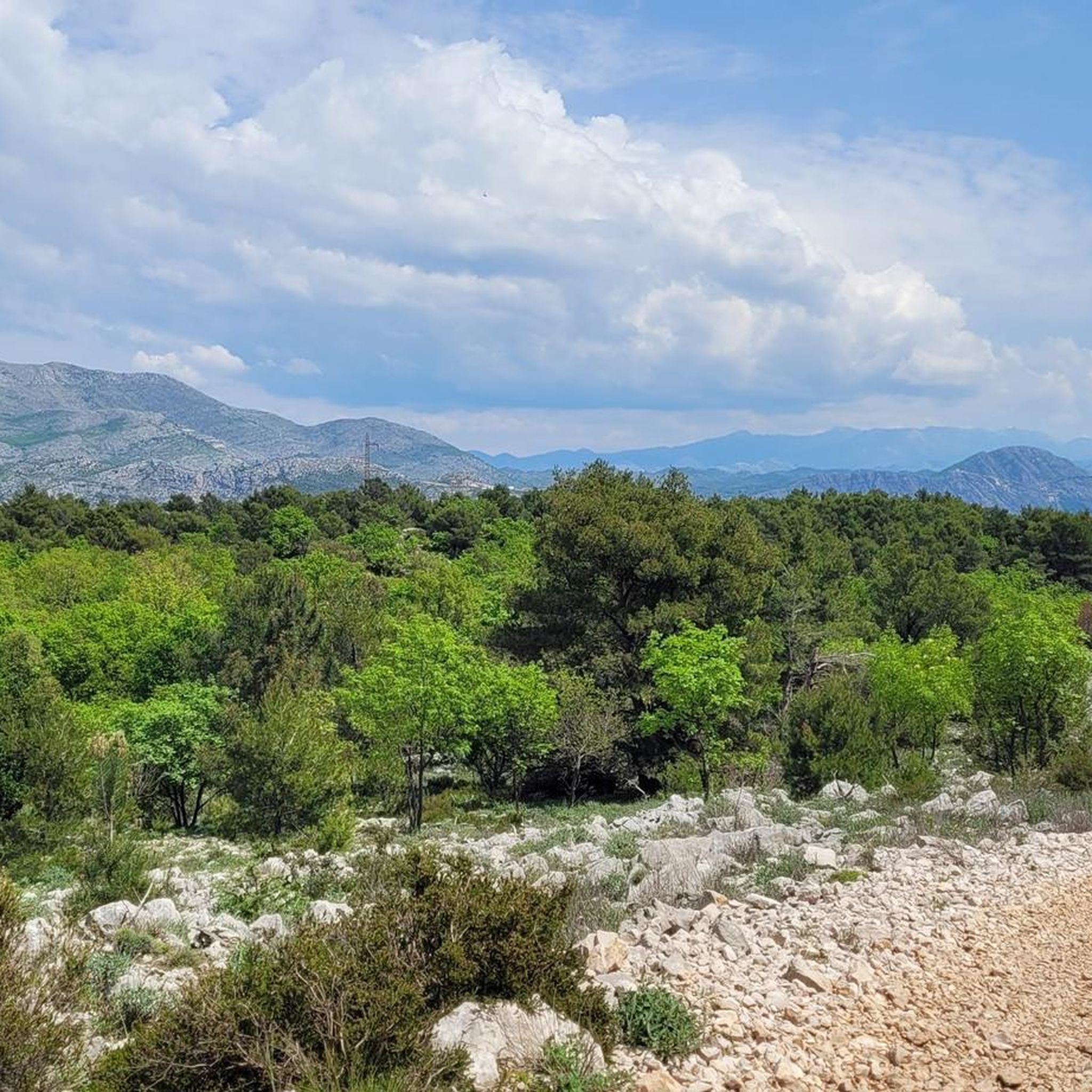
Running Trails in Dubrovnik-Neretva
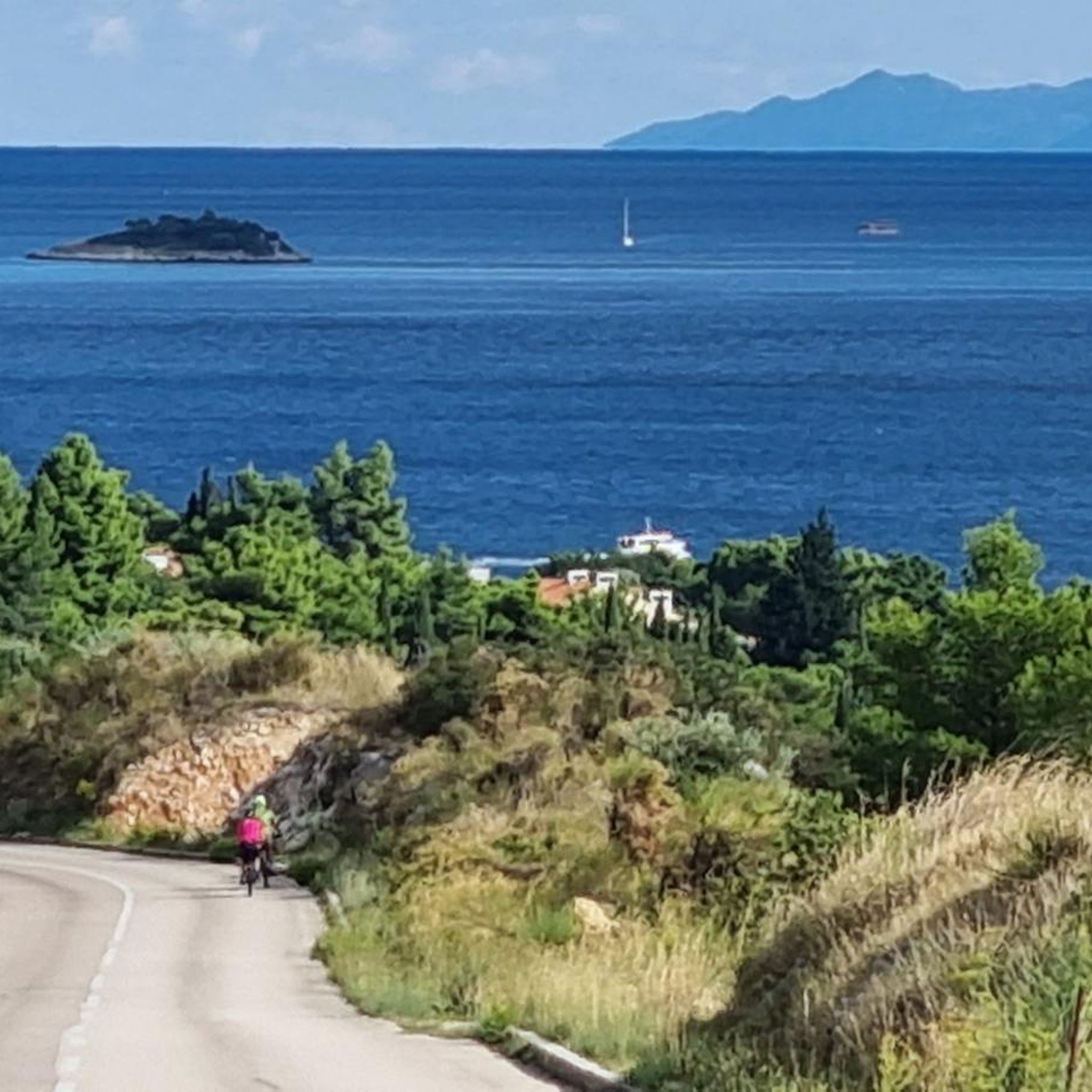
MTB Trails in Dubrovnik-Neretva
Other adventures in Dubrovnik-Neretva


Tips from the Community

Although it has served tourist purposes for many years, the Šipun cave is currently closed to the public due to its very rare and fragile flora and fauna, which is disturbed by the constant use of the cave. The large number of visits and the use of electricity alter and damage the cave's microclimate, thereby reducing the number of endangered, endemic cave species that have their micro-world solely in the Šipun cave.
0
0
Špilja Šipun, a protected geomorphological monument of nature since 1963, is located in the northeastern part of the Rat peninsula in Cavtat. It is 90 meters long, 20 meters deep, and easily accessible, which is one of the reasons why it has often been visited and mentioned throughout history. Besides typical cave geomorphological features such as stalagmites and stalactites, the cave also contains a rarer phenomenon, the so-called anhialine lake. Namely, there is a fissure in the cave formed about 10,000 years ago which allowed seawater to flow in, and fresh rainwater accumulates from the surface through the Earth's crust, thus creating a lake in which salinity oscillates from almost fresh water on the surface to salty/seawater at the bottom. The average water temperature in the lake is 14.7 °C, and the average temperature in the cave is 14.8 °C. Source: https://blog.migk.hr/2025/12/29/spilja-sipun/
0
0

The old JNA tunnel is accessible for the brave. Everyone should bring a special event light, otherwise you won't be able to see your hand in front of your face.
0
0

Great view of surrounding islands, Lastovo, Vis, Hvar, etc.
1
0

The cave is nice, although closed for public. The trail leading to it is not long or steep, but the terrain is rough and good shoes are needed.
0
0

An old military bunker was allegedly built by the Jugoslav National Army JNA in 1969 as part of the Total National Defence Force to guard sea lanes along the Adriatic after the Soviet invasion of the Czech capital ending the Prague Spring. The bunker is super dark (even during the day) and a bit creepy, so having a flashlight is a must. There are several corridors and rooms inside and halls leading to the other side. If you go to the end of the hall and then turn left and go to the end of that hall you will find a way out that leads to the old (and still "functional"!) cannon. Try controlling it, everything still works and is pretty easy to move. It's really cool!
2
0
There is a small kind of improvised bar near the Odysseus Cave where you can chill (they have hammocks) and grab a beer. It's usually open during summer, and they serve only beer in cans.
0
0
Legend has it that a man named Odysseus, after surviving a shipwreck, found shelter in a cave on the shore of an island. There he was amazed by the beauty of the island and the nymph Calypso who kidnapped him and kept him in that cave. He stayed on the island for seven years. The path to the cave begins in Babin polje, on the opposite side of the road from the Tommy store (also the best store in Mljet). Near the road is a sign pointing to Odysseus' Cave - if it seems like the only way to the trail is down the hillside on a path that maybe three people have come down in the last 10 years, you're on the right track. After that, the road climbs until you get to the view of the cave from above (which is not that grand) and the rocks from which you can swim in into the cave. The best time to catch a blue glow is from 10 am to 1 pm. Also, nearby on the rocks is the small improvised bar where you can chill (they have hammocks) and buy beer during the summer months.
0
0
Frequently Asked Questions
What are the most captivating sea caves to explore in the Dubrovnik-Neretva region?
The region is renowned for its stunning sea caves. The Blue Cave (Modra špilja) on Koločep Island is famous for its dazzling turquoise waters, while the Green Cave, also on Koločep, offers an emerald hue. Betina Cave, located beneath Dubrovnik's cliffs, is a unique half-cave, half-beach formation, perfect for a secluded experience.
Are there any caves with historical or archaeological significance in Dubrovnik-Neretva?
Yes, the region has significant archaeological caves. Vela Spila Cave is one of Europe's most important prehistoric archaeological sites, showing continuous habitation since the early Stone Age. Another notable site is Spila Cave (Nakovana Archaeological Site), though the cave itself is closed to the public, the surrounding area offers an interesting trail.
What is the best time of year to visit the caves in Dubrovnik-Neretva?
The optimal time to visit the caves, especially the sea caves, is typically from May to October. During these months, the sea is warm, and weather conditions are generally favorable for boat tours and swimming.
Are there family-friendly cave experiences in the region?
Many of the sea caves, like the Blue Cave and Green Cave, are excellent for families who enjoy swimming and snorkeling in crystal-clear waters. Vela Spila Cave is also considered family-friendly, offering an educational archaeological experience.
How can I access the sea caves, and what activities can I do there?
Most sea caves, including the Blue, Green, and Betina Caves, are accessible only by boat. Many tours combine visits to multiple caves and nearby islands. Once there, popular activities include swimming, snorkeling, and for Betina Cave, kayaking is a favored way to reach it.
Are there any less crowded or more secluded caves to visit near Dubrovnik?
Betina Cave, tucked beneath the cliffs of Dubrovnik, offers a more peaceful and secluded experience compared to some of the more popular spots. It's often without the crowds and ticket lines, making it ideal for those seeking tranquility. The Green Cave on Koločep Island is also generally quieter than the Blue Cave.
What unique natural phenomena can I expect to see in these caves?
The Blue Cave is famous for its dazzling turquoise glow created by sunlight filtering through an underwater opening. The Green Cave gets its emerald hue from sunlight reflecting off green algae. Odysseus' Cave is also known for its blue glow, particularly visible from late morning to early afternoon.
Are there any military or historical bunkers disguised as caves in the region?
Yes, you can explore historical military structures. The JNA Military Bunker and Artillery in Mljet National Park is an old bunker built by the Yugoslav National Army. It's quite dark inside, so bringing a flashlight is recommended to explore its corridors and rooms.
What should I bring when visiting caves in Dubrovnik-Neretva?
For sea caves, swimwear, snorkeling gear, and sun protection are essential. If you plan to visit caves like the JNA Military Bunker, a flashlight is a must. For trails leading to caves like Spila Cave, good shoes are needed due to rough terrain.
Can I find hiking trails near the caves in Dubrovnik-Neretva?
Yes, several caves are situated near hiking opportunities. For instance, the trail to Spila Cave (Nakovana Archaeological Site) involves a walk through rough terrain. You can also find various mountain hikes in the wider Dubrovnik-Neretva region, with routes like the 'Rocky Trail in Croatia loop from Orebić' or 'Sveti Ilija – Planinarski dom Sveti Ilija loop from Podgorje' available for exploration. For more details, check the Mountain Hikes in Dubrovnik-Neretva guide.
Are there other outdoor activities available near the caves?
Beyond caving, the Dubrovnik-Neretva region offers diverse outdoor activities. You can explore gravel biking routes, such as the 'View of Blato – View of Korčula loop from Korčula', or enjoy running trails like the 'Šipun loop from Cavtat'. For more options, refer to the Gravel biking in Dubrovnik-Neretva guide and the Running Trails in Dubrovnik-Neretva guide.
What do visitors enjoy most about the caves in Dubrovnik-Neretva?
Visitors frequently highlight the unique natural beauty, especially the mesmerizing light effects in the sea caves. The opportunity for swimming and snorkeling in crystal-clear waters, the sense of adventure in exploring hidden spots, and the tranquility away from crowds are also highly appreciated. The historical significance of sites like Vela Spila Cave also draws considerable interest.
Most popular routes in Dubrovnik-Neretva
Most popular attractions in Dubrovnik-Neretva

Get inspired with the komoot mobile app


Explore more
Extend your search for the best caves by checking out these guides of the top ones in Dubrovnik-Neretva:
