Top 20 Castles in Cosenza
Castles in Cosenza offer a journey through centuries of history in the Calabria region of Italy. The area features diverse landscapes, from the Ionian Sea coast to the Pollino National Park and the Sila Mountains. Cosenza's strategic location has led to the construction of numerous fortifications, many of which are perched on hillsides or overlooking valleys. These historical sites provide insight into the region's past and its architectural heritage.
Best castles in Cosenza
- The most popular castles is Castrovillari,…
Last updated: June 27, 2026
Castrovillari
Highlight • Settlement
Translated by Google •
Tip by

Historic Centre of Scalea
Highlight • Historical Site
Translated by Google •
Tip by
Sign up now to discover places like this
Get recommendations on the best single tracks, peaks, & plenty of other exciting outdoor places.
Sign up for free
Acri
Highlight • Settlement
Translated by Google •
Tip by

Cirella Castle Ruins
Highlight • Castle
The ruins of Cirella are the remains of …
Translated by Google •
Tip by

Federician Castle
Highlight • Castle
Translated by Google •
Tip by
Norman Castle Ruins of Scalea
Highlight • Castle
Translated by Google •
Tip by
Castle and Ruins of Old Cirella
Highlight • Castle
It is located not far from the ruins of Cirella, in a scenic …
Translated by Google •
Tip by
Villapiana Historic Center
Highlight • Historical Site
Translated by Google •
Tip by

Ruffo Castle
Highlight • Castle
Translated by Google •
Tip by
Rocca Imperiale Castle
Highlight • Castle
Translated by Google •
Tip by

Sign up for free to discover even more castles in Cosenza.
Sign up for free
Already have an account?
Start today with a free account
Your next adventure awaits.
Login or Signup
Popular around Cosenza
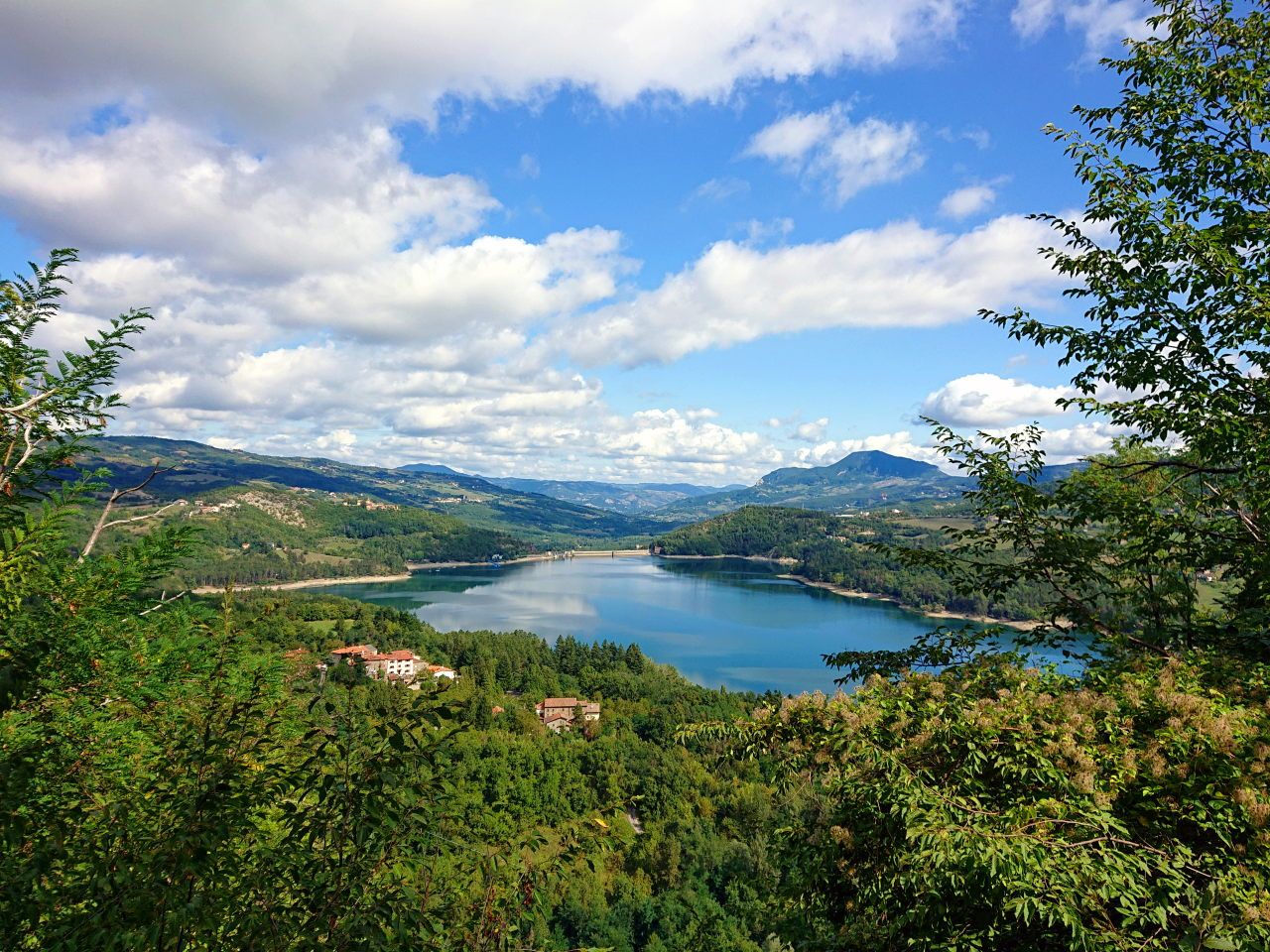
Interiora - A Journey into the Remote Areas of Italy
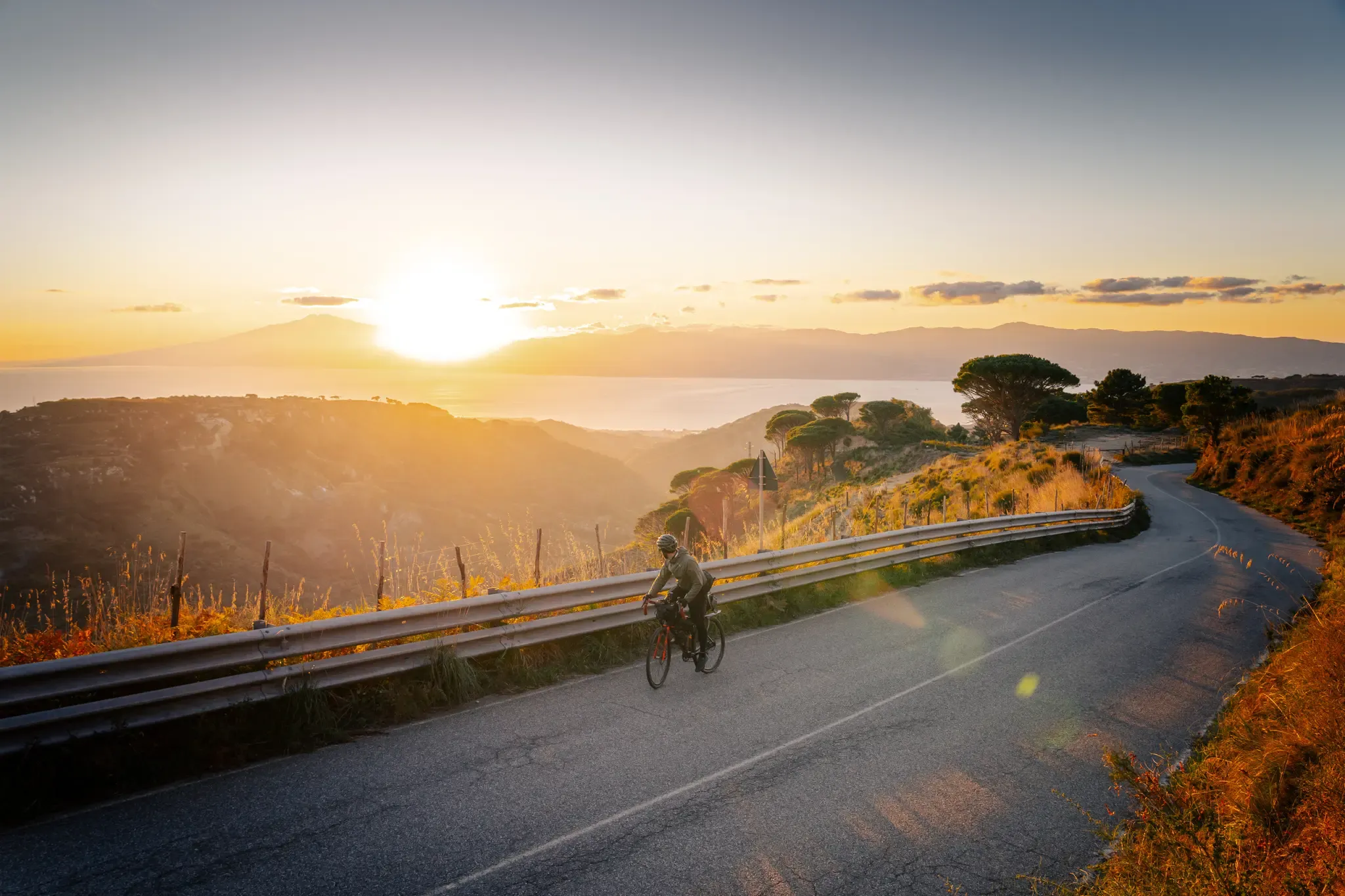
Cycle through the colourful heart of Italy’s Calabria – Ciclovia Parchi
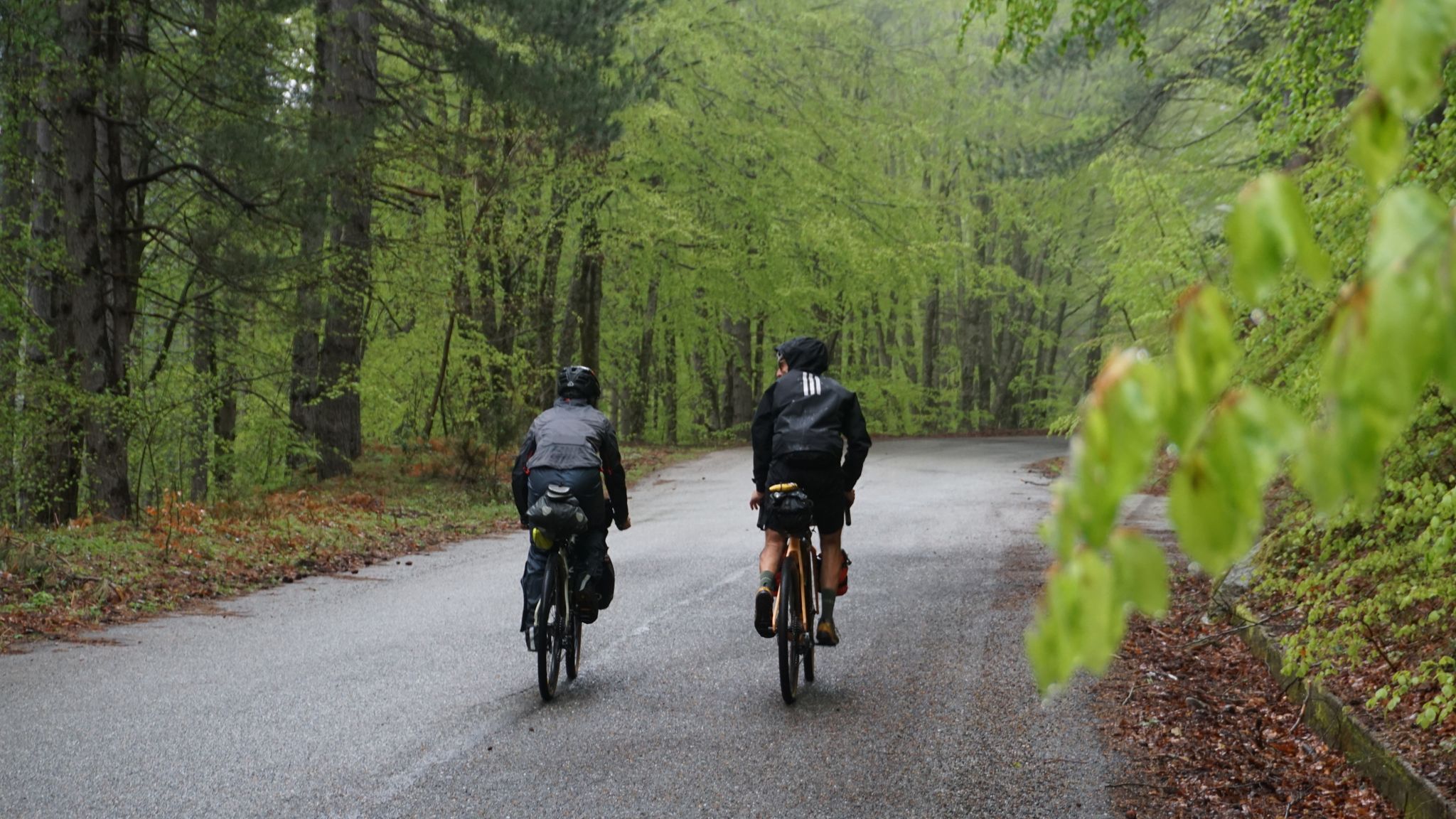
The unexpected mountain – Ciclovia Parchi Calabria
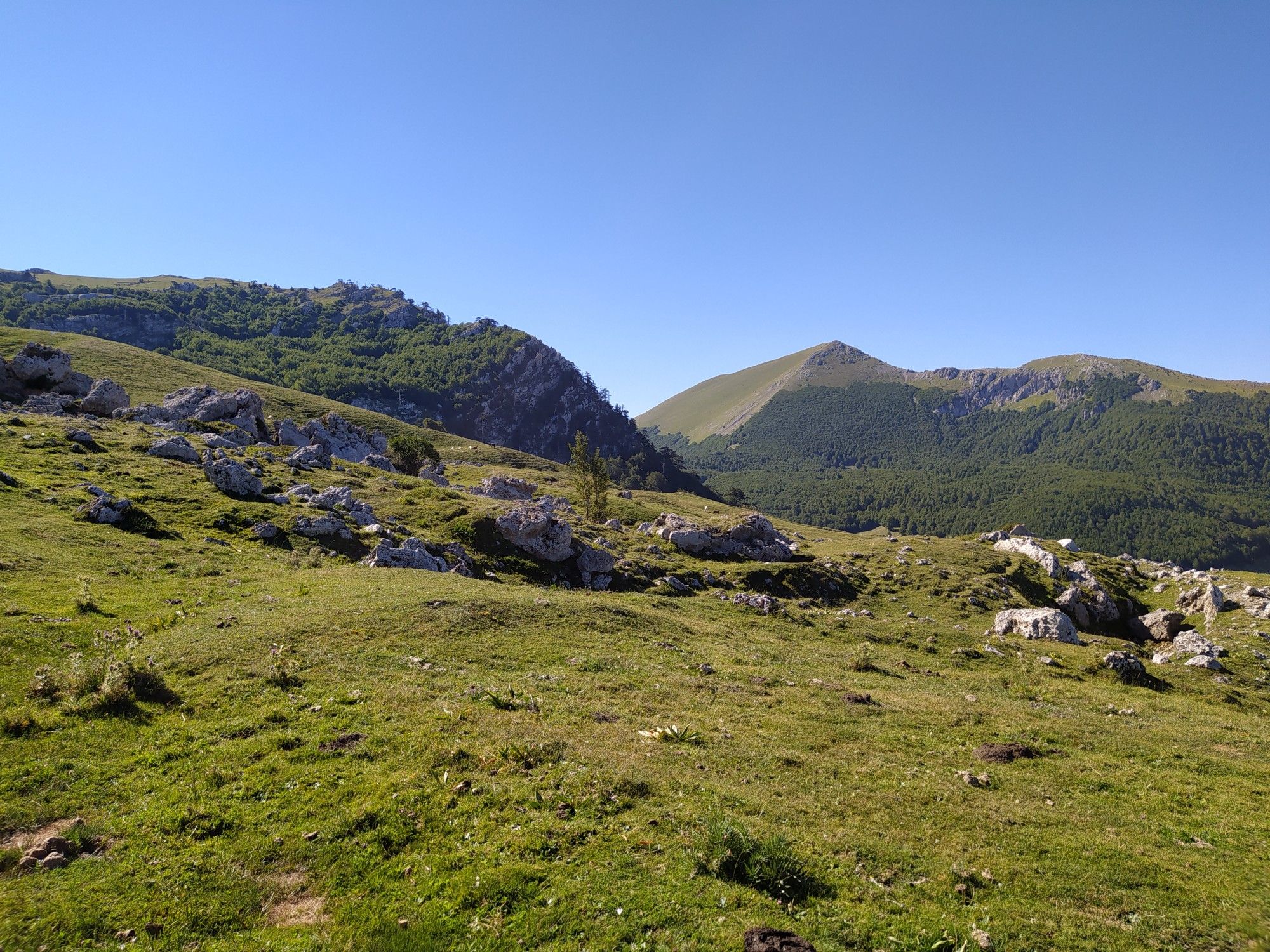
Among the ancient villages and lush forests – Sentiero Italia
Along the backbone of Calabria – Sentiero Italia
Explore art and culture in Italy – cycling Tours in Calabria's National Parks
History and faith – exploring Calabria's National Parks in southern Italy

Nature & adventure — cycling through Calabria's national parks

Gaumenfreuden für Genießer – Kulinarische Touren in Kalabrien
Hiking in Cosenza
Other adventures in Cosenza


Tips from the Community

The best place to park is the Teatro parking lot. It's free and only a two-minute walk to the ruins.
0
0

Villapiana, located in the province of Cosenza, in Calabria, stands out as a true jewel nestled between the Ionian Sea and the Pollino mountains. Its beauty lies in its dual soul, which harmoniously combines the charm of a historic village with the irresistible call of the sea. The ancient village: Perched on a hill at 206 meters above sea level, the historic center of Villapiana retains its medieval charm intact. Narrow, winding alleys wind between stone houses and stately buildings, leading to the discovery of picturesque views and suggestive squares. Don't miss a visit to the Mother Church of San Michele Arcangelo, embellished with valuable works of art, and the Norman-Swabian Castle, symbol of the town's feudal past. The sea: Villapiana Lido, the seaside village of the municipality, extends along a stretch of uncontaminated coast, characterized by golden beaches and a crystal clear sea. Here you can relax in the sun, practice water sports or simply walk along the coast, admiring the breathtaking view of the Gulf of Sibari.
5
0

The Ruffo castle of San Lucido is a fortress that dates back to the Norman period. It was damaged by the 1905 earthquake and today only the ruins remain. It is located on the Miramare square, from where you can admire a splendid panorama of the Paola coast.
0
0

Castrovillari is a city full of stories to tell; Roman, Albanian and Catholic. It is the fourth most populous city of Cosenza. The city is crossed by the Parchi Calabresi cycle path and surrounded by mountains, making it an extraordinary place for cycling enthusiasts.
1
0

Acri, one of the most populous urban centers in Calabria, is located at the foot of the immense Sila National Park. This fascinating city offers a unique combination of natural beauty and historical riches. I highly recommend you visit the majestic Acre Castle, which dominates the city with its imposing presence and offers breathtaking panoramic views of the surrounding region. Furthermore, don't miss the opportunity to explore the various historic buildings in the center that bear witness to its rich history and culture. During your visit, you will be able to admire the fascinating architecture of these buildings and immerse yourself in the evocative atmosphere of this vibrant city.
2
0
The Federiciano Castle is a medieval manor that overlooks the Ionian Sea, on the Achaean Coast. It is located right on the pebble beach of Marina di Roseto Capo Spulico, characterized by the blue and transparent sea and the particular anvil-shaped rock.
2
0
The Norman castle of Scalea is located on the top of the medieval village and was built in the 11th century on a previous Longobard fortress. Today only the ruins of the perimeter walls and a tower remain, which offer a splendid view of the sea and the town.
0
0
Scalea is a medieval village located on a terraced hill a few minutes from the sea. Its historic center is a labyrinth of stairways, alleys, arches and ancient buildings, where it is possible to visit the Norman Castle, the Basilian churches with Byzantine frescoes, the Palazzo dei Principi Spinelli and the Talao Tower, symbol of the city.
2
0
Frequently Asked Questions
What are some of the most historically significant castles in the Cosenza region?
The Cosenza region boasts several castles with deep historical roots. The Swabian Castle of Cosenza, for instance, dates back to 937 AD and was significantly expanded by Frederick II. The Ducal Castle of Corigliano was constructed in 1073 by Robert Guiscard, while the Rocca Imperiale Castle was founded by Holy Roman Emperor Frederick II in the 13th century. Each offers a unique glimpse into the region's past.
Which castles in the Cosenza area offer panoramic views?
Many castles in the Cosenza region are strategically perched to offer stunning vistas. The Swabian Castle of Cosenza provides spectacular panoramic views of Cosenza, the Crati Valley, and the Sila Mountains. The Ducal Castle of Corigliano also features a breathtaking viewpoint, and the Rocca Imperiale Castle offers excellent views from 250 meters above the Ionian Sea. Additionally, the Cirella Castle Ruins and the Santa Maria del Cedro Castle are known for their scenic locations overlooking the Tyrrhenian Sea and surrounding landscapes.
Are there family-friendly castles to visit in Cosenza?
Yes, several castles and their surrounding areas are suitable for families. Castrovillari, with its Aragonese Castle, is located in the heart of the Pollino National Park and is listed as family-friendly. The historical context and impressive architecture of many castles can be engaging for children, especially those that host cultural events or have accessible grounds for exploration.
Can I find hiking or cycling trails near the castles in Cosenza?
Absolutely. The Cosenza region is rich in outdoor activities. For instance, Castrovillari is situated along the cycle path of the parks of Calabria. You can find various outdoor routes in the region, including MTB Trails in Cosenza, Road Cycling Routes in Cosenza, and Waterfall hikes in Cosenza, many of which pass near historical sites and offer stunning natural scenery.
What are some unique architectural features to look for in Cosenza's castles?
Cosenza's castles showcase diverse architectural styles reflecting their historical periods. The Swabian Castle of Cosenza features a distinctive octagonal tower from the Swabian era, along with Aragonese shields and Anjou emblems. The Ducal Castle of Corigliano is renowned for its spiral staircase adorned with frescoes. Rocca Imperiale Castle is an imposing stone fortification with symmetrical towers and now offers access to previously inaccessible underground passageways. The Norman Swabian Castle of Morano Calabro, though mostly ruins, still displays cylindrical towers and massive stone walls.
Are there any castles located near the coast or beaches in Cosenza?
Yes, some castles offer beautiful coastal views. The Federician Castle overlooks the Ionian Sea on the Achaean Coast, located directly on the pebble beach of Marina di Roseto Capo Spulico. Rocca Imperiale Castle also provides panoramic views of the Ionian Sea from its elevated position. The town of Santa Maria del Cedro, home to its castle, overlooks the Tyrrhenian Sea.
What is the best time of year to visit the castles in Cosenza?
The spring (April-June) and autumn (September-October) months are generally ideal for visiting Cosenza's castles. The weather is pleasant for exploring, and the natural landscapes are particularly beautiful. Summer can be hot, especially in July and August, but coastal castles might offer a refreshing sea breeze. Winter visits are possible, but some sites might have reduced hours, and the weather can be cooler and wetter.
Are there any less crowded or 'hidden gem' castles worth exploring?
While the major castles attract visitors, exploring smaller or more ruined sites can offer a quieter experience. The Cirella Castle Ruins, for example, offer a place that 'smells of history' with a beautiful landscape, and the Norman Castle Ruins of Scalea provide a glimpse into the past without the larger crowds. These sites often provide a more intimate connection with the region's history.
What kind of cultural events or exhibitions can I expect at Cosenza's castles?
Many of the restored castles in the Cosenza region serve as cultural hubs. The Swabian Castle of Cosenza, after extensive restoration, now hosts cultural events and exhibitions, providing insight into the region's history. The Norman Swabian Castle of Morano Calabro also hosts cultural events and exhibitions, allowing visitors to immerse themselves in the history and culture of Calabria.
What do visitors particularly enjoy about the castles in Cosenza?
Visitors frequently praise the historical depth and the stunning panoramic views offered by the castles. The blend of ancient architecture with breathtaking natural landscapes, from the Ionian Sea to the Pollino National Park, is a major draw. The opportunity to explore well-preserved structures like the Ducal Castle of Corigliano or the imposing Rocca Imperiale Castle, along with the charm of the surrounding villages, makes for a memorable experience.
Are any of the castles in Cosenza wheelchair accessible?
Accessibility can vary significantly between castles, especially for older, medieval structures. While some modern visitor centers or ground-level areas might be accessible, many castles, due to their historical architecture with stairs, uneven terrain, and narrow passages, may present challenges for wheelchair users. It's advisable to check specific accessibility information for each castle directly before planning your visit.
What are the parking options like near the main castles?
Parking availability varies by location. For the Cirella Castle Ruins, there is a free parking lot near the Teatro, just a two-minute walk away. For castles located within historic town centers, parking might be available in designated areas a short walk from the entrance. It's recommended to research specific parking options for each castle you plan to visit, as direct on-site parking can be limited.
Most popular routes in Cosenza
Most popular attractions in Cosenza

Get inspired with the komoot mobile app


Didn’t find what you were looking for?
Explore Cosenza’s best castles region by region:
Explore more
Looking for the best castles somewhere else? Discover other guides in Cosenza:
