Top 20 Caves in Rome
Best caves in Rome offer a unique journey into the city's layered past, revealing a subterranean world beneath its modern streets. These sites, often ancient Roman structures, provide insights into historical life, death, and worship. The region's geology and millennia of human activity have created a diverse collection of underground attractions. Visitors can explore a range of historical and archaeological sites that showcase Roman engineering and cultural practices.
Best caves in Rome
- The most popular caves is St. Peter's Basilica, a religious_building that features an underground complex of passageways, chapels, and tombs. This site includes the Vatican Caves, where many popes and important figures are buried.
- Another must-see spot is Monastery of Saint Benedict and Sacred Cave, a religious_building built to guard the cave where Saint Benedict of Norcia lived as a hermit. Visitors can experience an important spiritual place with a history spanning nearly a thousand years.
- Visitors also love Fosso degli Olmetti Waterfall and Etruscan Aqueduct, a waterfall with a tunnel carved into the rock. This site features an ancient aqueduct, offering a glimpse into Etruscan engineering.
- Rome is known for its catacombs, ancient quarries, and underground religious sites. These include burial grounds, Mithraea, and subterranean basilicas, offering a variety of historical and archaeological experiences.
- The caves in Rome are appreciated by the komoot community. Users have contributed more than 1000 photos and over 800 upvotes, highlighting the appeal of these unique underground attractions.
Last updated: October 1, 2026
St. Peter's Basilica
Highlight • Religious Site
Translated by Google •
Tip by

Capuchin Crypt and Museum (Santa Maria della Concezione dei Cappuccini)
Highlight • Religious Site
Translated by Google •
Tip by
Sign up now to discover places like this
Get recommendations on the best single tracks, peaks, & plenty of other exciting outdoor places.
Fosso degli Olmetti Waterfall and Etruscan Aqueduct
Highlight • Waterfall
Translated by Google •
Tip by

Vicus Caprarius
Highlight • Historical Site
Translated by Google •
Tip by
Albano Caves
Highlight • Cave
The path is traveled by many people on mountain bikes and on foot. Taking the path of the Devil keeping the path to the right, then straight. Unfortunately, beyond the caves the collapse of a wall no longer allows, as years before, to take the route of the lakes, one is forced to go back.
Translated by Google •
Tip by

Monster Grotto at Villa Aldobrandini
Highlight • Cave
Translated by Google •
Tip by

Catacombs of San Sebastiano
Highlight • Historical Site
Translated by Google •
Tip by

Funerary Monument "Le Grotticelle"
Highlight • Monument
Among the various hypothesized dates, the most reliable would seem to be the one that places its construction in the Eneolithic period, between the Copper and Bronze Ages: these tombs essentially date back to around 2,500 BC.
The Grotticelle Tombs represent a unicum in the Castelli Romani territory, as well as a real enigma from an archaeological point of view.
nemora.it/tombe-grotticelle-di-rocca-di-papa
Translated by Google •
Tip by

Mithraeum of the Baths of Mithras (Ostia Antica)
Highlight • Historical Site
Translated by Google •
Tip by
Catacombs of St. Callixtus
Highlight • Historical Site
Source: Wikipedia
Translated by Google •
Tip by

Sign up for free to discover even more caves in Rome.
Already have an account?
Start today with a free account
Your next adventure awaits.
Popular around Rome

Naples to North Cape — Two friends, one purpose and many scoops of ice-cream
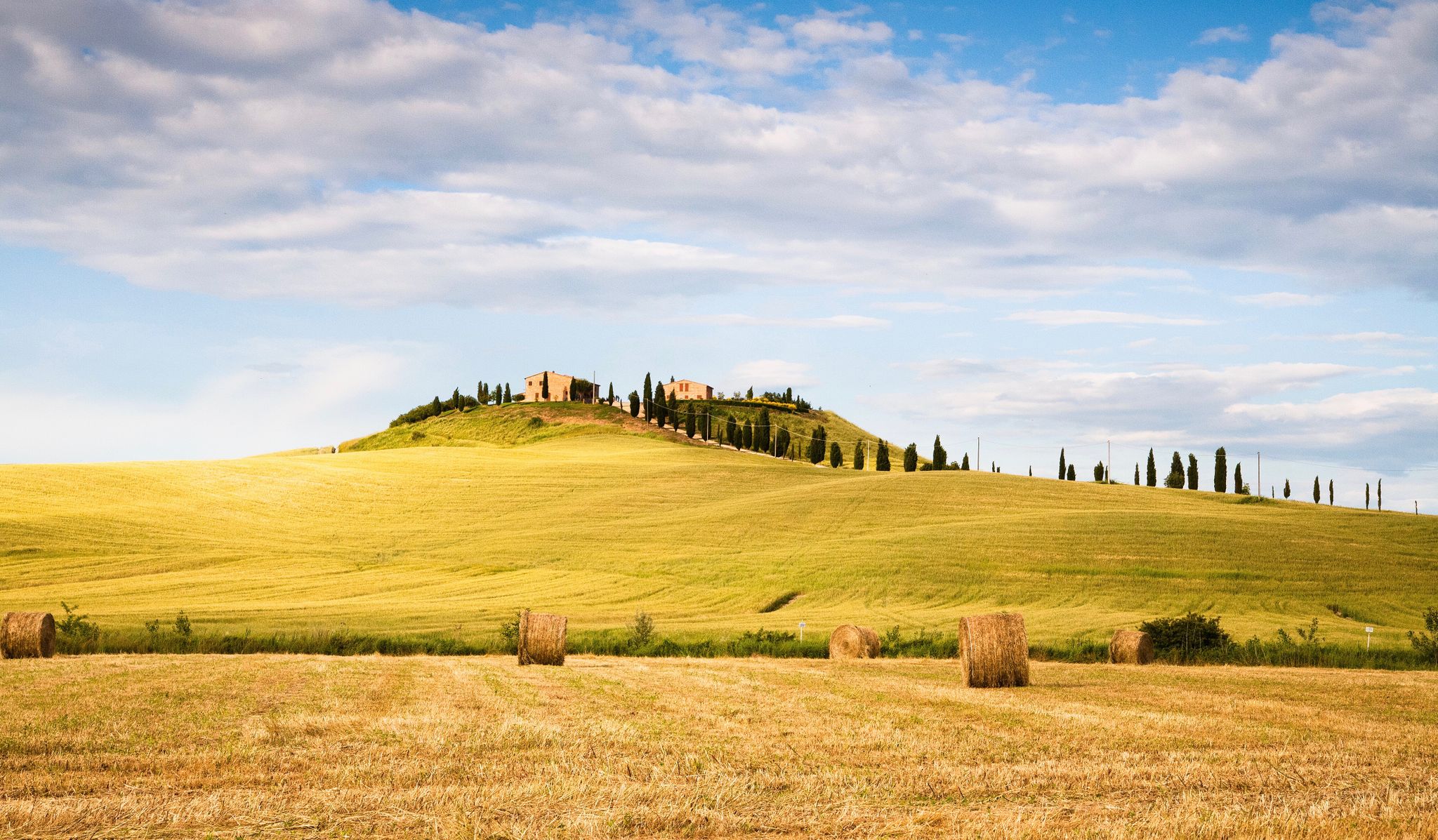
Via Francigena South — Siena to Rome
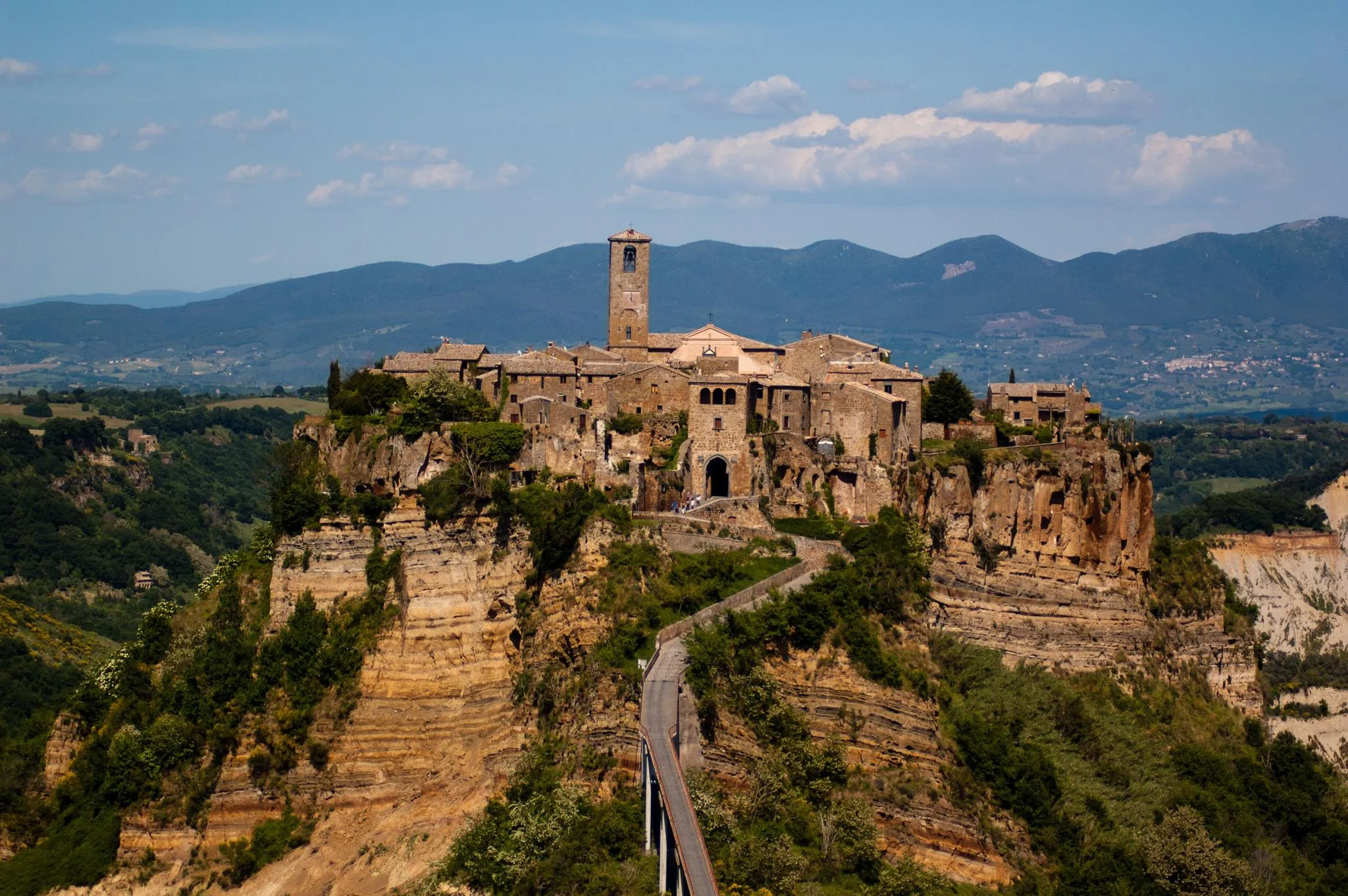
Lazio by bike – suspended villages, turquoise waters and natural parks
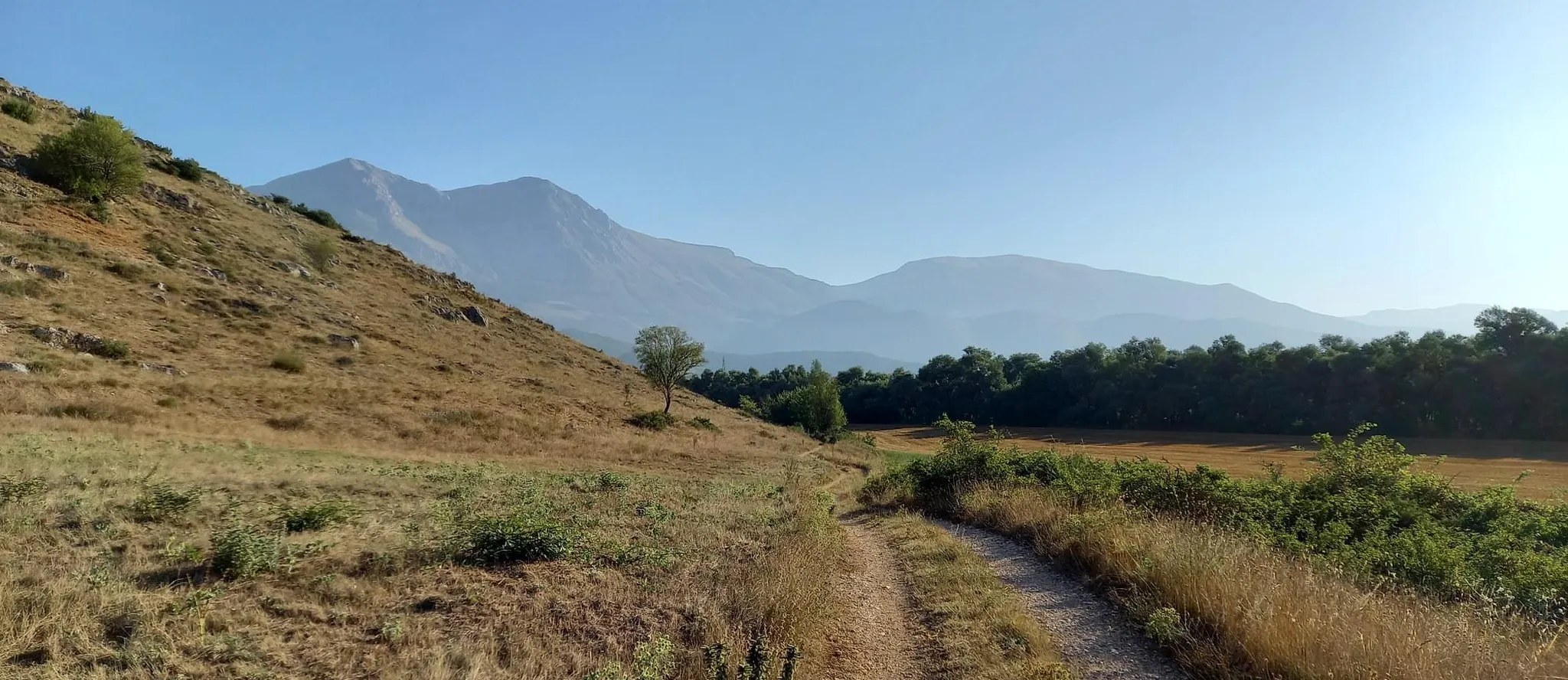
Hike from Rome to the Adriatic Sea – Way of St. Thomas
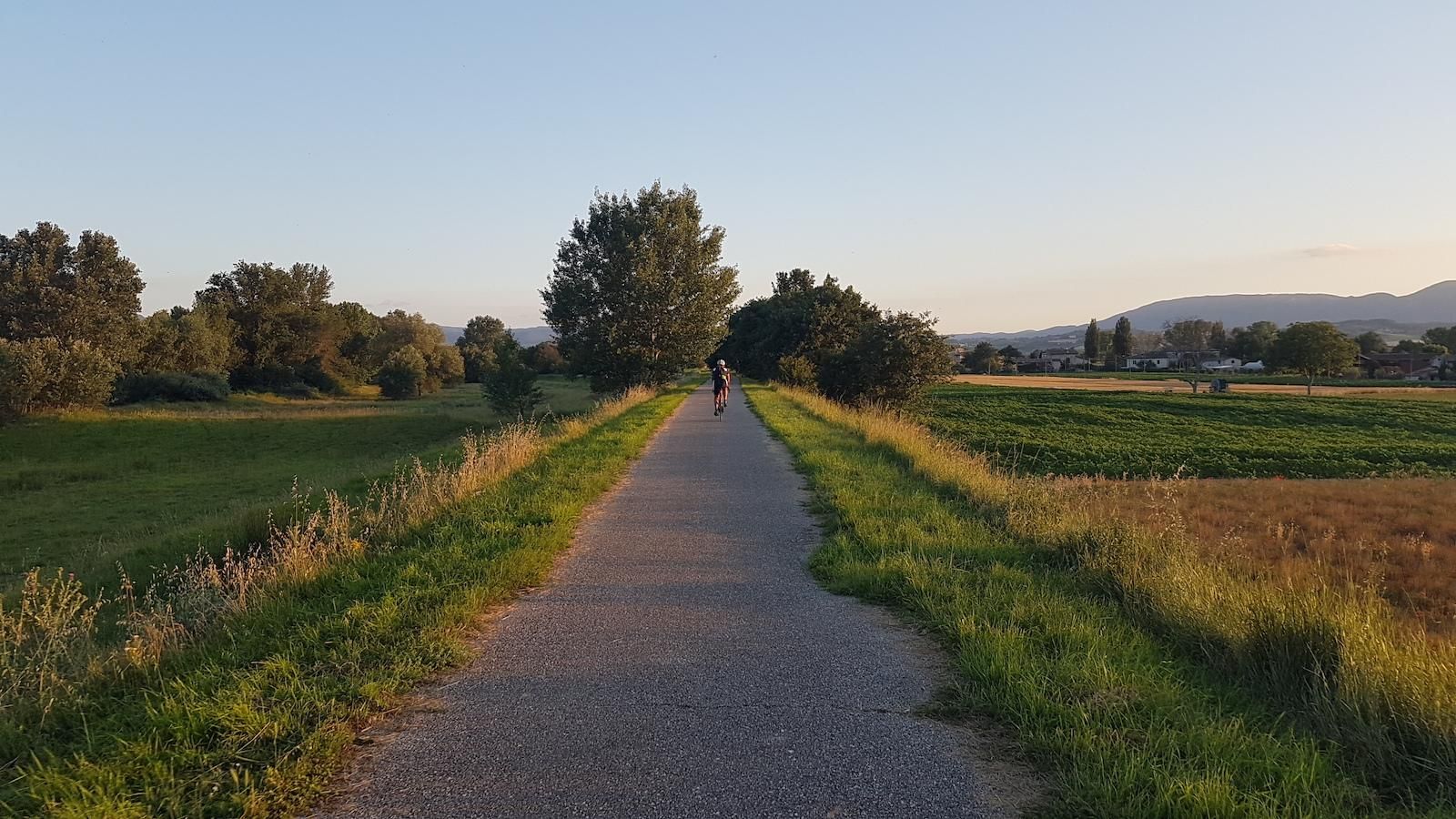
Ride St Francis Way in Italy – Via del Sud pilgrimage
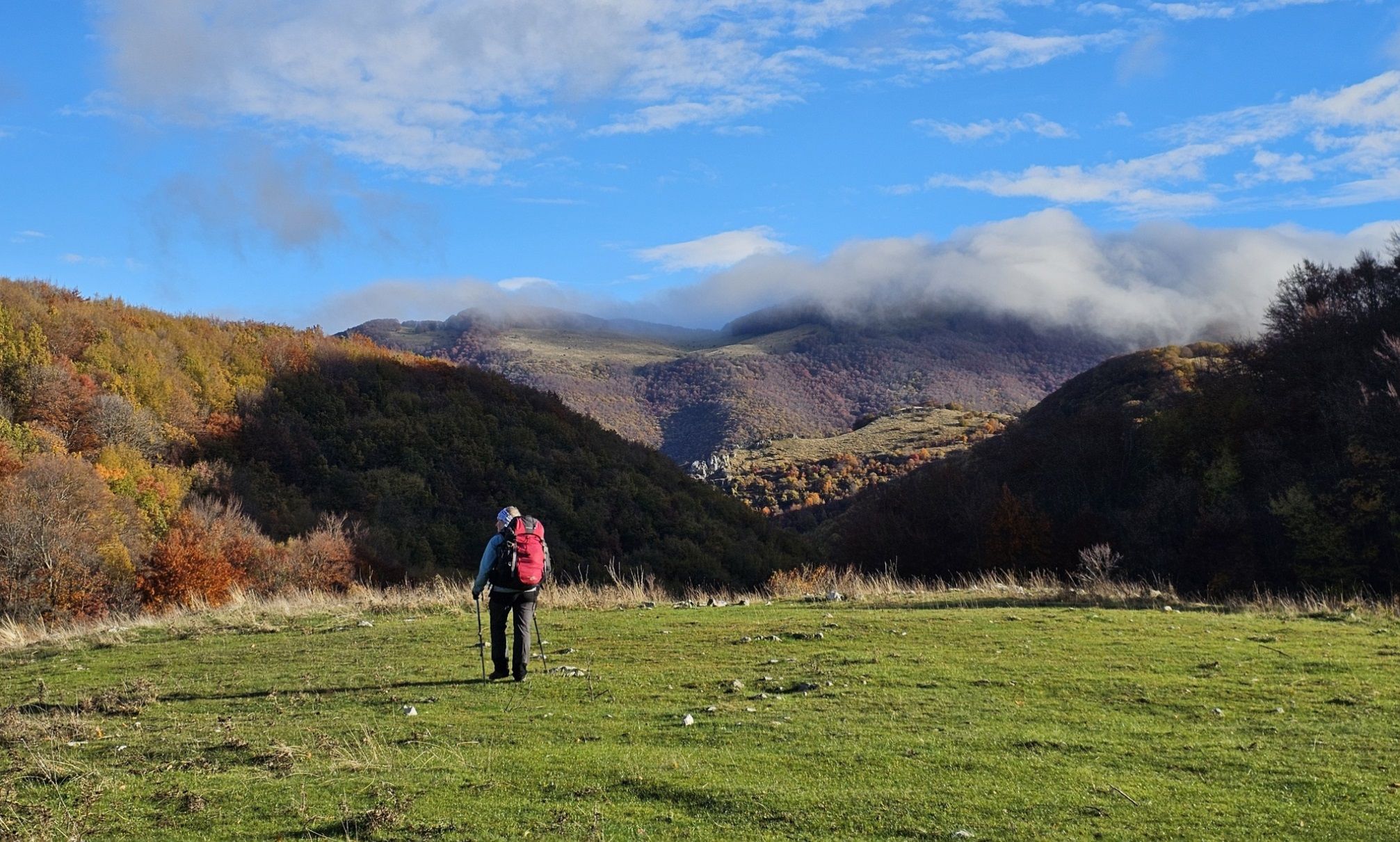
A colourful journey – hike in the Simbruini Mountains
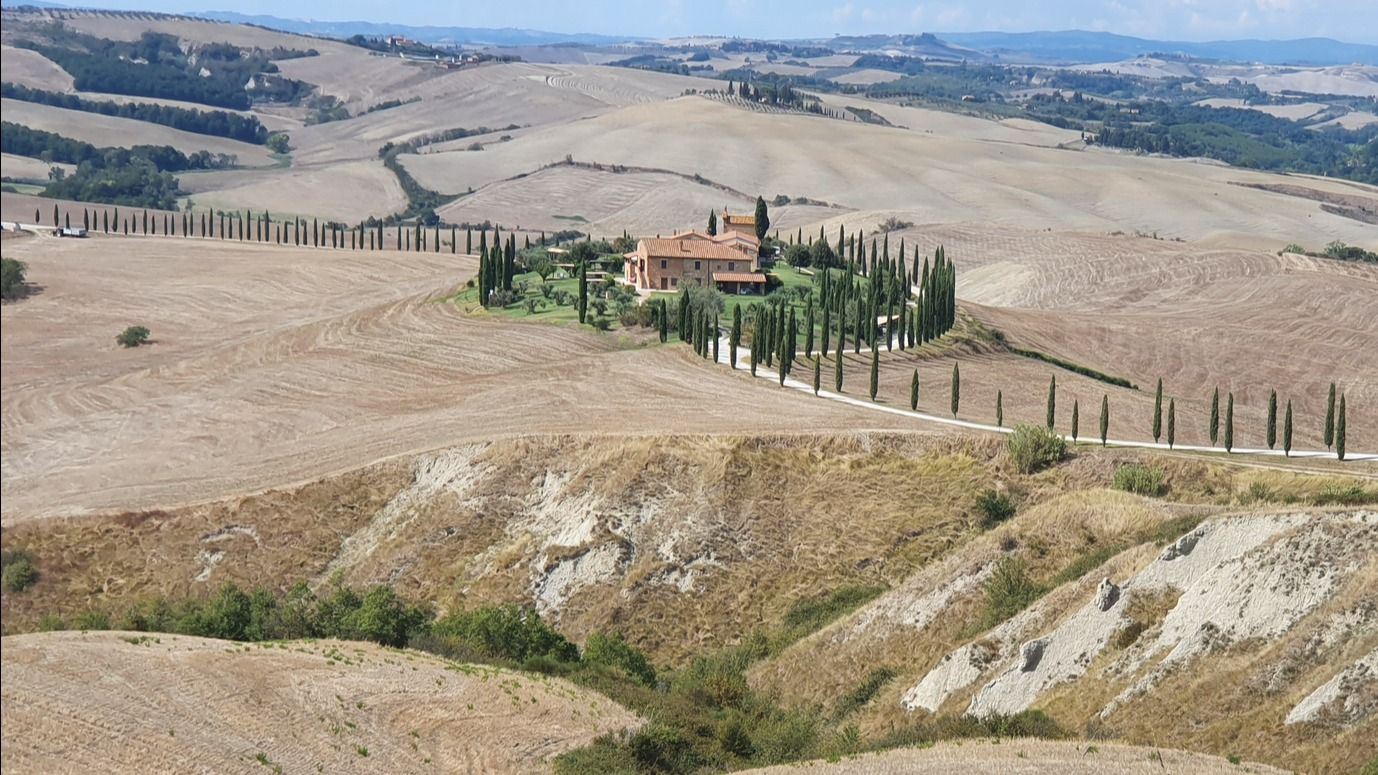
A Grand Tour of Italy – Rome to Milan by bike
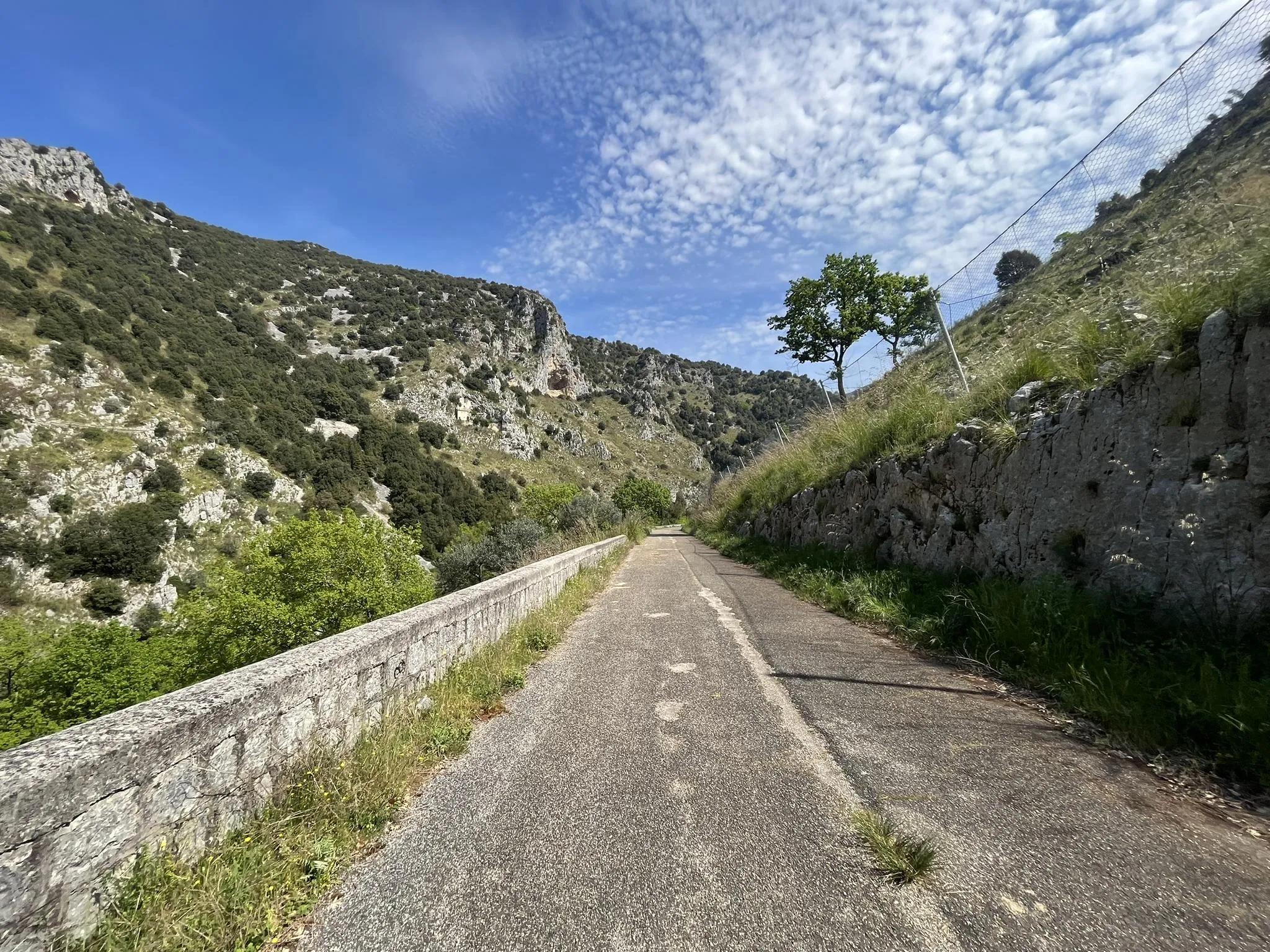
Between abbeys and quiet valleys – Saint Benedict's Way by bike
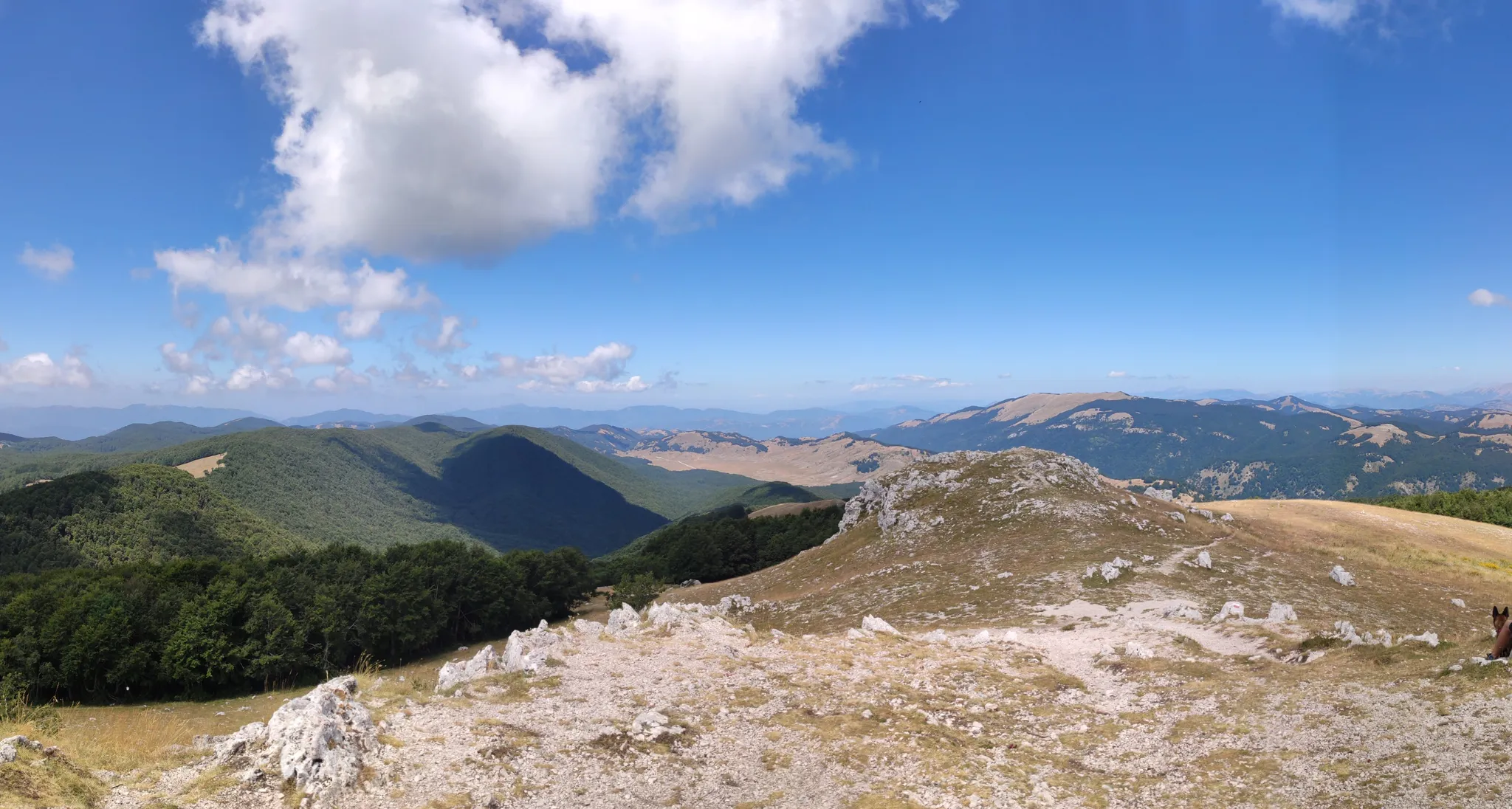
Cammino Naturale dei Parchi – Part 2 Livata to Corvaro
Ancient paths and necropolises – the Via Clodia by bike
Other adventures in Rome


Tips from the Community

The crypt consists of five small chapels or chambers, in which the bones of an estimated 3,700 deceased Capuchin monks are displayed. What makes it unique is that these bones have not only been preserved, but have been used to create artistic patterns and decorations. Think chandeliers made of human bones, walls covered in skulls, and skeletons standing or lying upright in monks' robes.
2
0
The Crypt of the Capuchins, also known as the Capuchin Crypt or the Cripta dei Cappuccini, is a fascinating and somewhat macabre tourist attraction in Rome, Italy. It is located beneath the church of Santa Maria della Concezione dei Cappuccini, located on the Via Veneto.
2
0

St. Peter's Square and St. Peter's Basilica are two of the most iconic sites in the Vatican and in Christianity. Designed by Gian Lorenzo Bernini between 1656 and 1667, St. Peter's Square is famous for its impressive colonnade that symbolises the arms of the Church extended to welcome the faithful.
13
0

Impressive what can be made from bones
2
0
Toilets available. Lunch break until 2
0
0
10€ entry, lunch break until 2pm. Toilet available
1
0

Mysterious Caves of Palazzolo, a short distance from Rocca di Papa and Albano, with a balcony view of Lake Castel Gandolfo. Close to a medieval convent, these cavities were used as stone mines in the Roman and medieval periods but some scholars hypothesize that they also functioned as prisons in unspecified periods. The frequenting of the area by brigand gangs in the eighteenth and nineteenth centuries is documented by reliable historical sources. In recent times, however, these mirrors have apparently hosted satanic masses and other similar rites.
0
0

Highly recommended insight into the underworld of Rome. A cistern filled with the water from the Trevi Fountain.
2
0
Frequently Asked Questions
What are the most historically significant underground sites in Rome?
Rome offers a rich subterranean world. Among the most significant are the ancient burial grounds known as Catacombs, such as the Catacombs of St. Callixtus, which served as the official cemetery of the Church of Rome and house the tombs of many popes. Another notable site is the Vatican Necropolis beneath St. Peter's Basilica, believed to contain the tomb of St. Peter himself. The Basilica of San Clemente also stands out for its unique layered history, allowing visitors to descend through a 12th-century basilica, a 4th-century church, and even older Roman structures including a Mithraeum.
Are there any natural caves near Rome, or are they mostly man-made structures?
While Rome is famous for its extensive man-made subterranean structures, such as catacombs, ancient quarries, and underground religious sites, there are also some natural formations. For example, the Fosso degli Olmetti Waterfall and Etruscan Aqueduct features a tunnel carved into the rock that leads behind the waterfall, showcasing both natural beauty and ancient engineering. The region's geology, particularly volcanic tuff and pozzolana, has also been extensively quarried, creating vast underground networks like the Cava Romana dell'Appia Antica.
Which catacombs are recommended for visitors in Rome?
Several catacombs are open to the public, each offering a unique historical perspective. The Catacombs of St. Callixtus are among the most famous, known for the 'Crypt of the Popes.' The Catacombs of San Sebastiano are also significant, featuring pagan mausoleums and Christian iconography. Other well-known catacombs include those of Domitilla and Priscilla, celebrated for their early Christian art and extensive tunnels.
Can I explore ancient Roman religious cult sites underground?
Yes, Rome offers fascinating insights into ancient mystery religions. You can visit several Mithraea, which are underground temples dedicated to the Persian god Mithras. A notable example is the Mithraeum located beneath the Basilica of San Clemente, offering a rare glimpse into this secretive cult. These sites are characterized by their cave-like, dark spaces, often featuring benches for communal meals and altars with the iconic bull-slaying scene.
Are there family-friendly underground attractions in Rome?
Many of Rome's underground sites can be fascinating for families, especially those with an interest in history. The Vatican Caves beneath St. Peter's Basilica are generally considered family-friendly and accessible. While some catacombs might be too somber for very young children, older children often find the historical narratives and unique environments engaging. The Domus Aurea, with its virtual reality experiences, can also be a captivating option for families.
What is the best time of year to visit Rome's underground sites?
Rome's underground sites can be visited year-round. They offer a consistently cool environment, making them a welcome escape from the summer heat. During cooler months, they provide a unique indoor activity. It's always advisable to check specific opening hours, as some sites may have reduced hours or closures during holidays or specific seasons. Many sites are open in winter.
What should I wear when visiting underground sites in Rome?
It is recommended to wear comfortable shoes, as you will often be walking on uneven surfaces and through extensive tunnels. A light jacket or sweater is also advisable, as temperatures underground are consistently cooler than at street level, even during summer.
How difficult are the underground sites in Rome to explore?
The difficulty varies by site. Many popular attractions like the Catacombs or the Basilica of San Clemente involve walking down stairs and through dimly lit passages, which are generally manageable for most visitors. Some sites, like the Vatican Necropolis, require extensive walking and are not suitable for those with mobility issues. Always check specific accessibility information for each site if you have concerns.
What outdoor activities can I do near Rome's underground sites?
The region around Rome offers diverse outdoor activities. You can find numerous hiking trails, such as those detailed in the Mountain Hikes in Rome guide, or explore scenic routes in the Waterfall hikes in Rome guide. Cycling is also popular, with options like the GRAB (Grande Raccordo Anulare Bici) or routes through Roman monuments and parks, as highlighted in the Cycling in Rome guide.
Where can I see ancient Roman engineering and construction techniques underground?
To witness Roman engineering firsthand, explore sites like the Cava Romana dell'Appia Antica, an ancient Roman quarry where tuff and pozzolana were extracted for building materials. The Fosso degli Olmetti Waterfall and Etruscan Aqueduct also features an impressive tunnel carved into rock. Additionally, the Domus Aurea, Nero's opulent palace, reveals innovative architectural solutions and extensive frescoes beneath the surface.
Are there any lesser-known or 'hidden gem' underground sites in Rome?
Beyond the famous catacombs, Rome holds many intriguing lesser-known subterranean sites. The Vicus Caprarius – La Città dell'Acqua, near the Trevi Fountain, showcases the ruins of an ancient Roman water tank and a wealthy Roman house. The Capuchin Crypt offers a macabre yet fascinating experience with its decorations made from human bones. Another unique spot is the Monster Grotto at Villa Aldobrandini, a man-made cave reproducing a monster figure.
Are Rome's underground sites accessible for wheelchairs?
Accessibility varies significantly between sites. While some modern museums or parts of larger attractions might offer wheelchair access, many ancient underground sites, with their narrow passages, uneven terrain, and numerous stairs, are not fully wheelchair accessible. It is crucial to check the specific accessibility information for each site you plan to visit in advance.
Most popular routes in Rome
Most popular attractions in Rome

Get inspired with the komoot mobile app


Didn’t find what you were looking for?
Discover more caves in Rome region by region:
Explore more
Extend your search for the best caves by checking out these guides of the top ones in Rome:
