Top 10 Huts and Cabins in Rome
Best huts in Rome are found across a landscape that blends ancient history with natural parks. The region features the historic Palatine Hill, home to the legendary Casa Romuli, alongside the volcanic landscapes of the Castelli Romani. These areas offer a variety of huts, from basic mountain refuges to wildlife observation points. The natural surroundings provide opportunities for outdoor activities like hiking and cycling.
Best huts in Rome
- The most popular huts is Artemisio Forest Refuge, a hut that was assigned to the "Natura Matura" association for ten years in 2015. It is located in the Castelli Romani area.
- Another must-see spot is Casa del Pastore Mountain Hut, a hut that provides shelter before the uphill stretch to Mount Pellecchia. The portico and tables are always accessible.
- Visitors also love Rifugio Jo Volubro, a hut located on the banks of a pond. It is managed by an association from Montelanico.
- Rome is known for mountain huts, picnic shelters, and wildlife observation huts. These offer diverse experiences for those exploring the trails near Rome with huts.
- The huts in Rome are appreciated by the komoot community, with more than 130 upvotes and 47 photos shared across 10 highlights.
Last updated: October 1, 2026
Artemisio Forest Refuge
Highlight • Mountain Hut
The temporary purpose association Natura Matura is made up of various associations present and operating in the Castelli Romani area.
Translated by Google •
Tip by

Casa del Pastore Mountain Hut
Highlight • Mountain Hut
Translated by Google •
Tip by

Sign up now to discover places like this
Get recommendations on the best single tracks, peaks, & plenty of other exciting outdoor places.
Rifugio Fonte Bologna and the Fonte Bologna spring
Highlight • Mountain Hut
Translated by Google •
Tip by

Refugio del Buttero and River Crossing
Highlight • Mountain Hut
Translated by Google •
Tip by

Valle dei Caprari Clearing and Shelter
Highlight • Mountain Hut
Translated by Google •
Tip by

Rifugio Jo Volubro
Highlight • Mountain Hut
Translated by Google •
Tip by

Rohar Wildlife Observation Hut
Highlight • Mountain Hut
A process of colonization of the body of water by animals and plants typical of wetlands began immediately. We remember that these environments are very delicate and any intervention would compromise their "life".
Visit the lake and enjoy the nature and tranquility of this extraordinary corner of our city.
Translated by Google •
Tip by

La Locanda dell'Orso
Highlight • Restaurant
Translated by Google •
Tip by

Rifugio Canai
Highlight • Mountain Hut
Translated by Google •
Tip by
Monte Cavo Mountain Hut
Highlight • Mountain Hut
It offers comfort and fun and is an ideal starting point for exploring the most adventurous trails and routes in Lazio. With a gastronomic area, relaxation, and games, it offers a memorable experience for the whole family.
experiencepark.it/il-museo-diffuso-del-bosco
Showing Translation
Tip by

Sign up for free to discover even more huts and cabins in Rome.
Already have an account?
Start today with a free account
Your next adventure awaits.
Popular around Rome
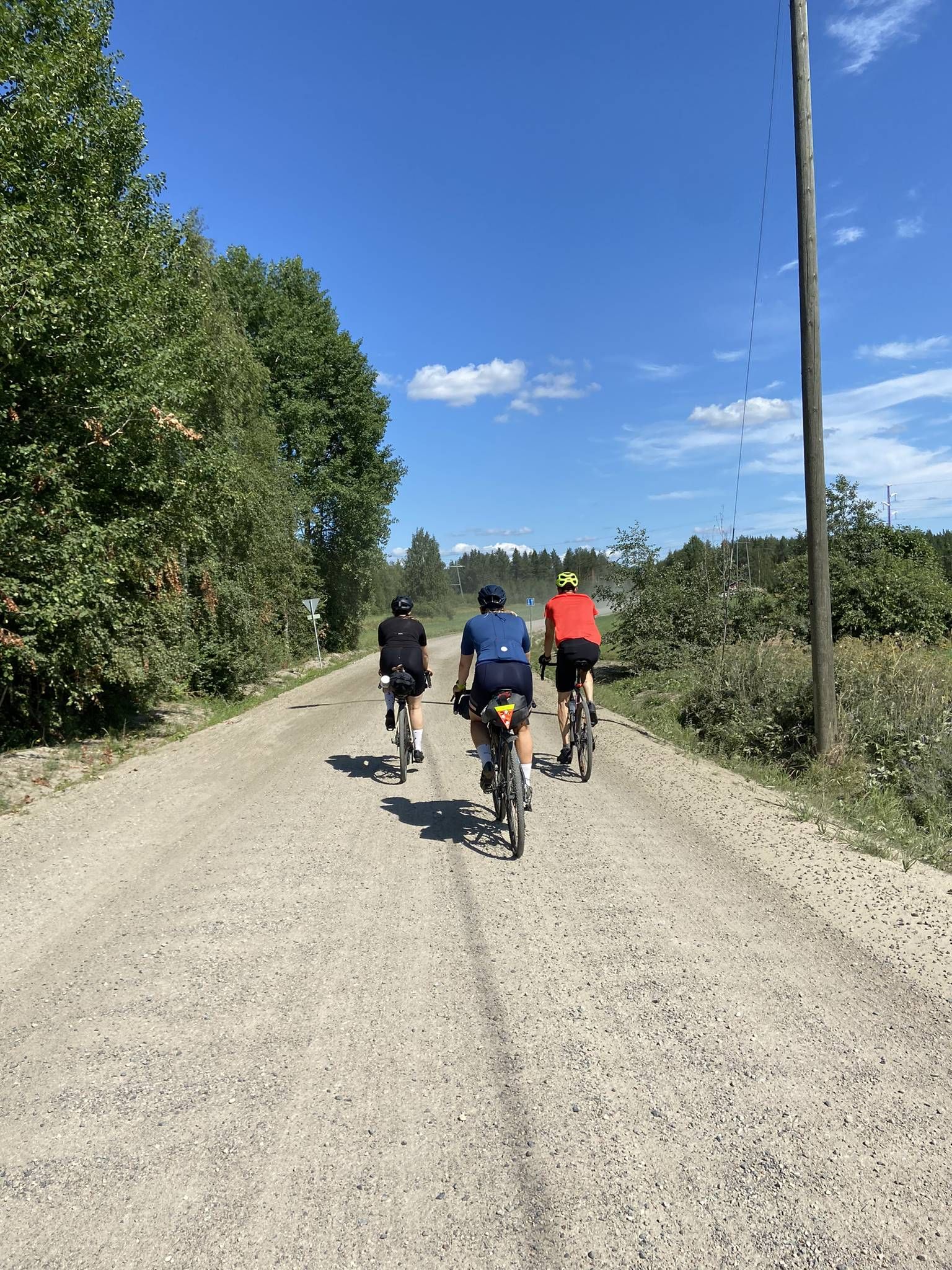
Naples to North Cape — Two friends, one purpose and many scoops of ice-cream
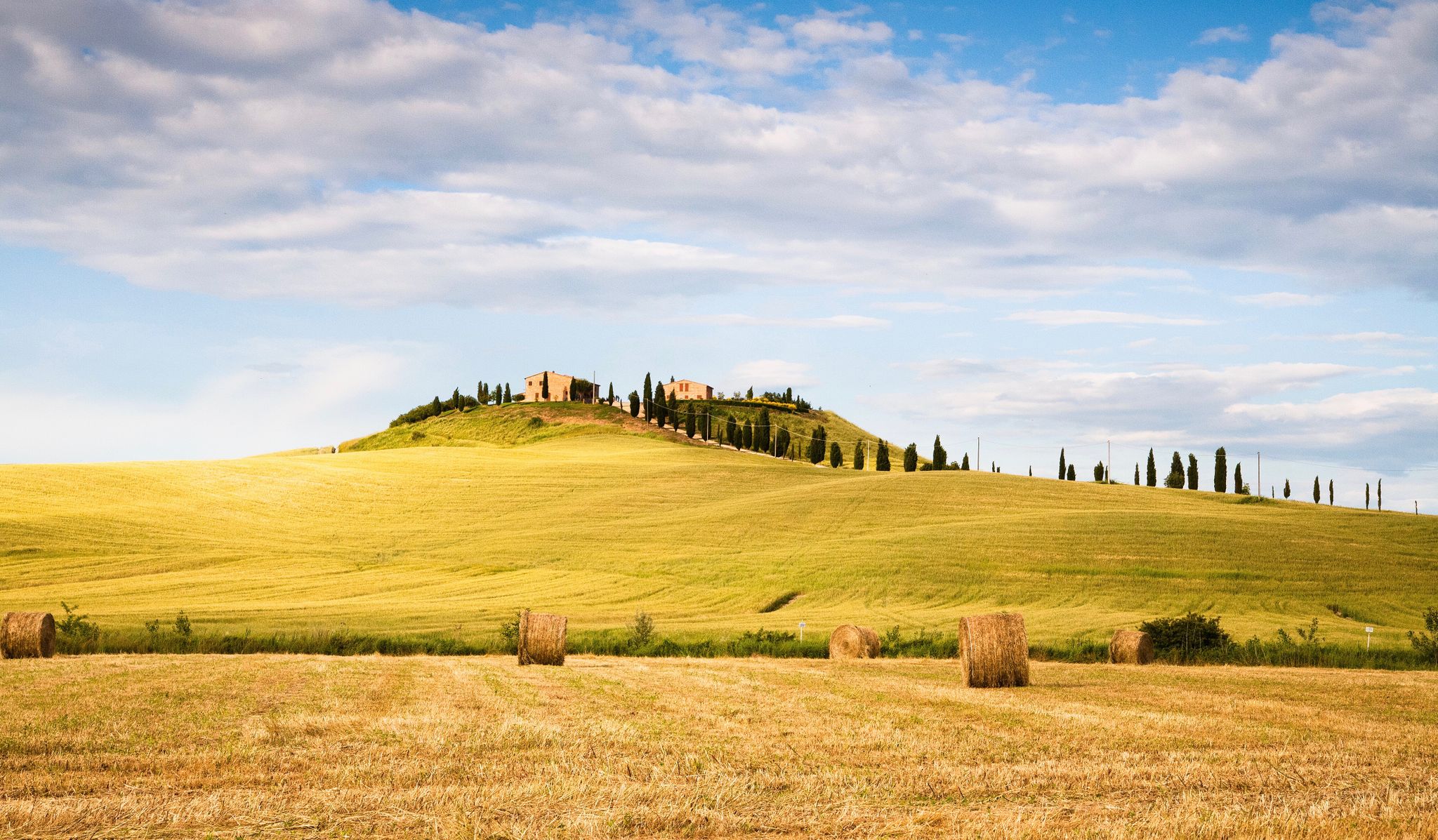
Via Francigena South — Siena to Rome
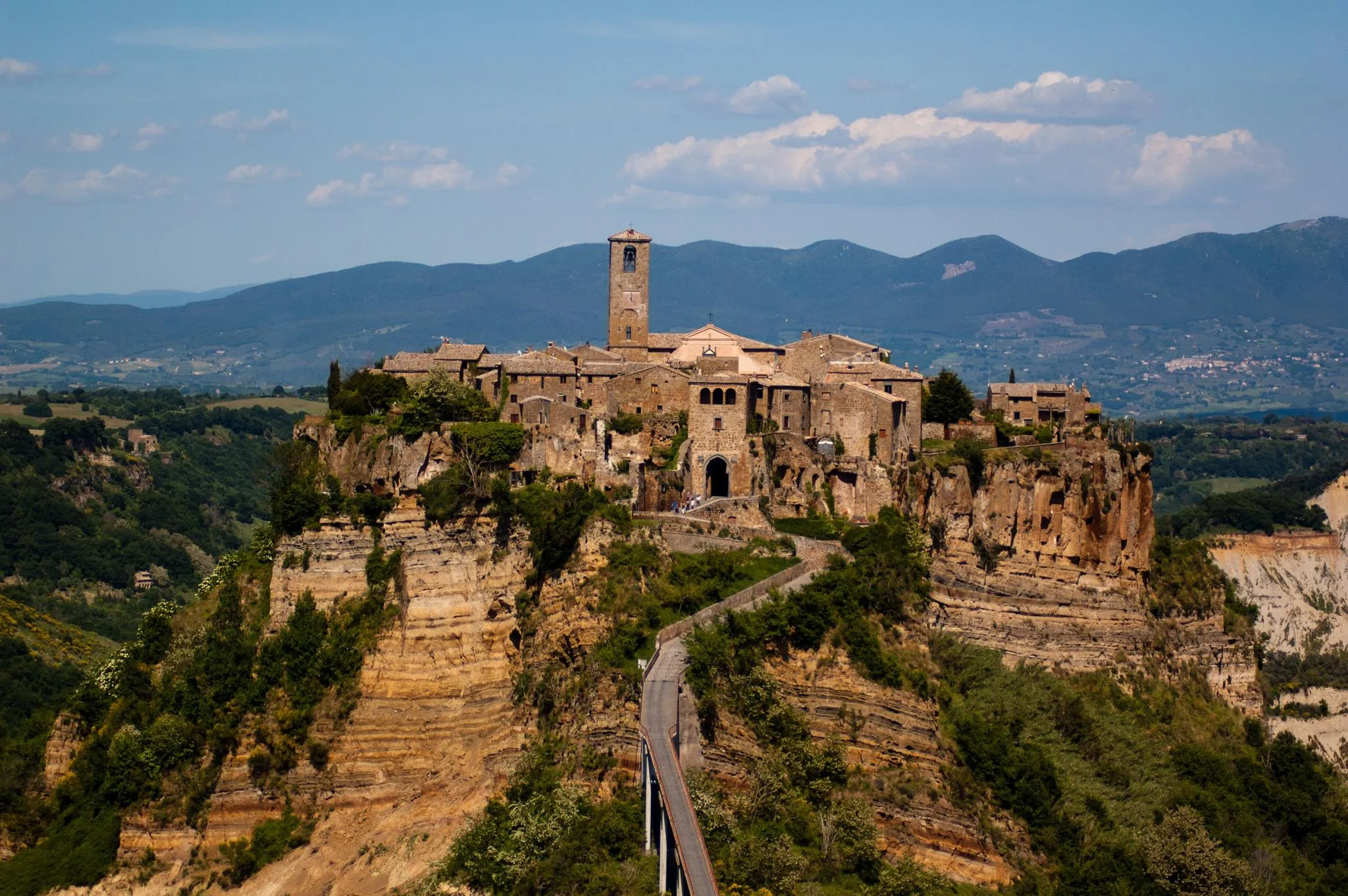
Lazio by bike – suspended villages, turquoise waters and natural parks
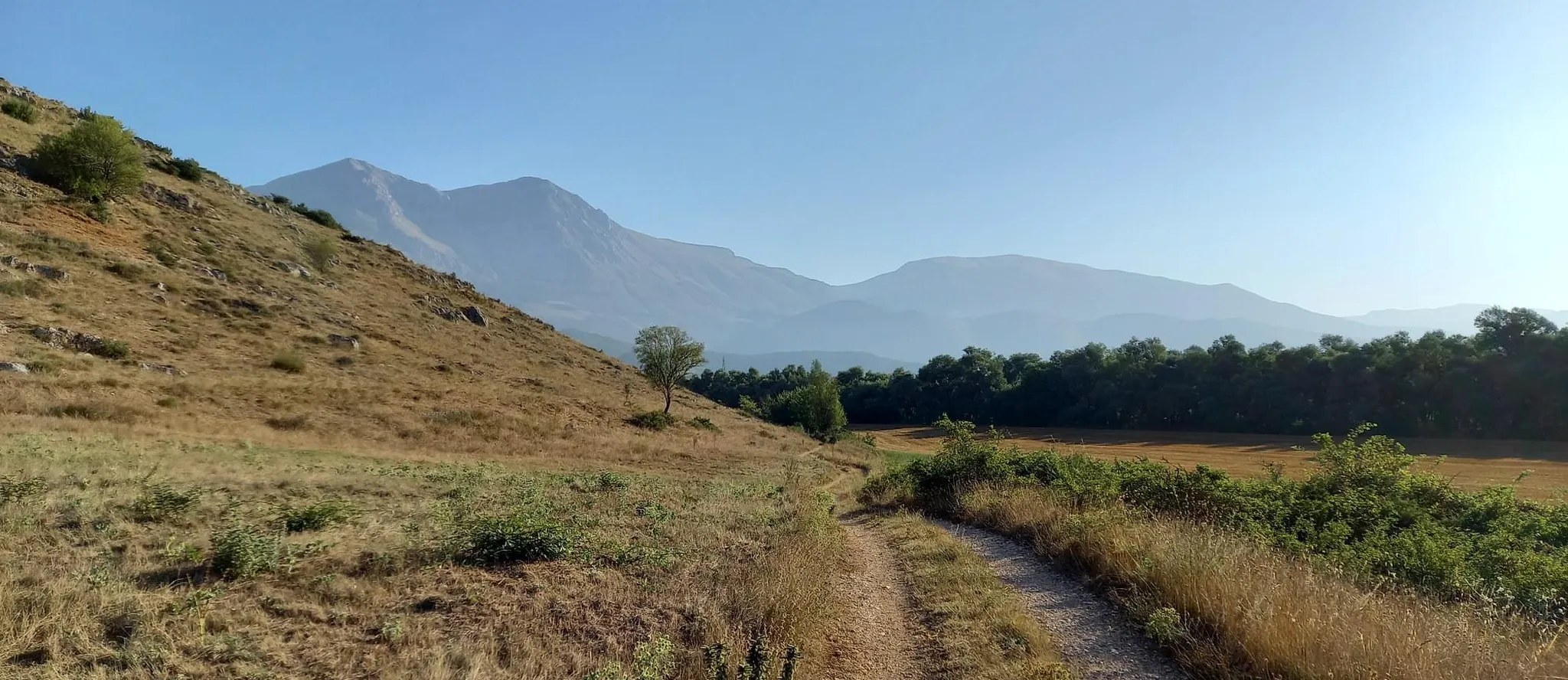
Hike from Rome to the Adriatic Sea – Way of St. Thomas
Ride St Francis Way in Italy – Via del Sud pilgrimage
A colourful journey – hike in the Simbruini Mountains
A Grand Tour of Italy – Rome to Milan by bike
Between abbeys and quiet valleys – Saint Benedict's Way by bike
Cammino Naturale dei Parchi – Part 2 Livata to Corvaro
Ancient paths and necropolises – the Via Clodia by bike
Other adventures in Rome


Tips from the Community

Place for an aperitif or lunch in the woods
0
0

The head among the plants represents man who, thanks to the environments of the Castelli Romani Regional Park, its paths, woods, plants, and panoramas, can rediscover well-being and serenity. Immersed in the greenery and clean air, the individual frees himself from daily thoughts and tensions, rediscovering a more authentic balance. It is an invitation to live close to nature, where contact with beauty becomes a tool to improve the quality of life. An artwork is born from the dialogue between man and artificial intelligence, which was asked to create an installation in chestnut wood capable of telling how nature, the forest, and plants improve life. The result is a human face, oriented towards the feminine, placed next to a spontaneous sapling and in dialogue with the surrounding landscape. A sign that suggests how, immersed in the greenery, one frees oneself from thoughts and worries, rediscovering one's own balance. https://www.experiencepark.it/il-museo-diffuso-del-bosco/
0
0
Located in the Monte Cavo area, 850 meters above sea level, La Baita di Monte Cavo is the ideal place for breakfast, lunch, snacks, and aperitifs. It offers comfort and fun and is an ideal starting point for exploring the most adventurous trails and routes in Lazio. With a gastronomic area, relaxation, and games, it offers a memorable experience for the whole family. https://www.experiencepark.it/il-museo-diffuso-del-bosco/
0
0
A small shelter, behind which is an underground cistern. A picnic area with barbecue grills is a great place to relax.
0
0

Today (25-07-2025) it felt like we were in the jungle. But in the end it's just a 500m walk: from Colle Iano begins the descent that we necessarily did on foot to the "Valle dei Caprari": you should bring scissors because the risk of hurting yourself with the thorns and the rest of the vegetation (as well as tearing your clothing) is real.
0
0

Nice little refuge where you can possibly stop for a picnic or bivouac but no water available.
0
0

Managed mountain refuge, it is possible to stay overnight and eat: call only via WhatsApp which the phone does not receive.
0
0

Ideal place for picnics
0
0
Frequently Asked Questions
What types of huts can I find in and around Rome?
The Rome region offers a diverse range of 'huts.' You can explore ancient historical sites like the legendary Casa Romuli on the Palatine Hill, rustic mountain refuges such as the Artemisio Forest Refuge and Casa del Pastore Mountain Hut, and even specialized wildlife observation huts like the Rohar Wildlife Observation Hut. There are also modern cabin-like accommodations and temporary artistic installations.
Are there any historically significant 'huts' in Rome?
Yes, one of the most historically significant 'huts' is the **Casa Romuli**, or the Hut of Romulus, located on the Palatine Hill. It's believed to be the legendary dwelling of Romulus, the founder of Rome, and offers a glimpse into the city's foundational myth. You can find more information about its historical context on Wikipedia.
Which huts are popular with visitors in the Castelli Romani area?
In the Castelli Romani area, popular huts include the Artemisio Forest Refuge, which has been managed by the "Natura Matura" association since 2015. Another well-regarded spot is the Casa del Pastore Mountain Hut, known as an excellent shelter before the ascent to Mount Pellecchia. The Rifugio Fonte Bologna is also popular, featuring a picnic area and a spring.
Are there huts designed for wildlife observation near Rome?
Yes, the Rohar Wildlife Observation Hut, created near an artificial lake, offers a unique opportunity to observe local wildlife, particularly birds, in a tranquil natural setting.
Are there family-friendly huts in the Rome region?
Several huts in the Rome region are considered family-friendly. The Artemisio Forest Refuge, Rifugio Fonte Bologna, Rohar Wildlife Observation Hut, and Rifugio Jo Volubro are all categorized as suitable for families, often featuring picnic areas or easy access.
What outdoor activities can I do near these huts?
The areas around these huts are ideal for various outdoor activities. You can enjoy hiking on trails like those in the Castelli Romani, explore the region through gravel biking or road cycling, or simply relax and have a picnic. For more detailed routes, check out the Hiking in Rome guide or the Gravel biking in Rome guide.
Can I stay overnight in any of the mountain huts near Rome?
Overnight stays are possible in some huts, though often with specific arrangements. For instance, the indoor part of the Casa del Pastore Mountain Hut requires you to obtain a key from the Municipality of Monteflavio. The Rifugio Jo Volubro also has a shelter on the banks of a pond that can be rented.
What natural features can I expect to see around the huts?
Around the huts, you can expect to encounter diverse natural features. Many are nestled within forests, such as the Artemisio Forest Refuge. Others are near lakes or ponds, like the Rifugio Jo Volubro and the Rohar Wildlife Observation Hut. You might also find viewpoints offering scenic vistas, as seen near the Valle dei Caprari Clearing and Shelter.
Are there huts that offer food or dining options?
Yes, some establishments categorized as huts also offer dining. La Locanda dell'Orso and La Madonnella Agricola are examples of huts that include restaurant facilities, providing a place to eat during your visit.
What is the best time to visit the huts and natural areas around Rome?
The best time to visit largely depends on your preferred activities. Spring and autumn offer pleasant temperatures for hiking and cycling. Summer can be warm, but mountain huts like Rifugio Canai provide respite from the heat. Winter hiking is also possible, particularly in the Castelli Romani, though some facilities might have limited access.
How can I reach the natural parks and huts around Rome using public transport?
While some areas are more accessible by car, public transport options exist for reaching natural parks. For instance, the Parco Regionale Appia Antica can be reached by public transport. For areas like the Castelli Romani, bus services connect towns, from which you can often access trailheads leading to huts. It's advisable to check local bus schedules for specific routes to your desired starting point.
Are there any unique or temporary hut installations to see in Rome?
Yes, the temporary **Festival des Cabanes at Villa Medici** showcases architecturally experimental wooden huts and pavilions in the historic gardens. These are artistic and conceptual installations, transforming the space into a laboratory for discussions on sustainable architectural forms.
What should I know about visiting the Casa Romuli on the Palatine Hill?
The Casa Romuli is a site of immense historical significance, believed to be the legendary dwelling of Rome's founder. While the original structure was a simple peasant's hut, its location on the Palatine Hill is meticulously recorded. Visiting the Palatine Hill allows you to explore the archaeological evidence of Rome's earliest settlements and connect with its foundational myths. You can learn more about its significance on Atlas Obscura.
Most popular routes in Rome
Most popular attractions in Rome

Get inspired with the komoot mobile app


Didn’t find what you were looking for?
See even more amazing huts in Rome with these guides per region:
Explore more
Find more beautiful huts and cabins in Rome by checking out the top ones in these nearby places:
