Top 16 Caves in Como
Caves in Como Italy offer diverse underground experiences, from unique geological formations to significant archaeological sites. The region, known for its picturesque lake, also features a sub-surface landscape shaped by ancient waters and geological processes. Visitors can explore a variety of cave types, including tufa caves, extensive karstic systems, and paleontological sites. These natural wonders provide insights into the area's deep history and geological evolution.
Best caves in Como
- The most popular caves include Buco del Piombo, a cave notable for its colossal entrance measuring 45 meters high and 38 meters wide. This karstic system holds archaeological evidence of human presence dating back to the Middle Paleolithic era.
- Another must-see spot is Cave Bear Cave (Grotta dell'Orso), Monte Generoso, a paleontological site. Excavations here have uncovered the remains of more than 500 cave bears and findings attributed to Neanderthal Man.
- Visitors also love Rescia Caves, a unique tufa cave system formed by mineral-rich springs. These caves feature a 500-meter pathway connecting seven chambers with stalactites, stalagmites, and rock formations, combined with access to the Orrido di Santa Giulia waterfall.
- Como is known for its tufa caves, karstic systems, and paleontological sites. The region offers a variety of underground explorations, from accessible pathways to significant historical and geological formations.
- The caves in Como are appreciated by the komoot community, with 32 upvotes and 18 photos shared by users.
Last updated: October 1, 2026
Cave Bear Cave (Grotta dell'Orso), Monte Generoso
Highlight • Cave
During the excavations in the Caverna (Grotta dell'Orso), some findings emerged that can be attributed to the Neanderthal Man, who lived in the historical period between 40,000 and 60,000 years ago. There are four finds: the first two were discovered in 1998, and the rest in 2002, discovered in the "Sala Terminale".
The visits, individual or in group, are always carried out with an expert guide.
The cave of the bear can be visited!
Translated by Google •
Tip by

Malnate Caves
Highlight (Segment) • Cave
They are very ancient sandstone quarries: in fact they date back to 25 million years ago, when they originated on the seabed.
In the past they were used for the extraction of sandstone blocks, today they are recognized as natural and cultural heritage.
Translated by Google •
Tip by

Sign up now to discover places like this
Get recommendations on the best single tracks, peaks, & plenty of other exciting outdoor places.
Molera Quarries
Highlight • Structure
Translated by Google •
Tip by

Buco del Piombo
Highlight • Cave
Translated by Google •
Tip by

Scalota del Cico
Highlight • Trail
Translated by Google •
Tip by
Buco della Noga Waterfall
Highlight • Waterfall
Translated by Google •
Tip by

Grotta del Cepp
Highlight • Cave
Translated by Google •
Tip by

Marenghi Park Marian Grotto
Highlight • Cave
Before climbing the steps of the lighthouse, on the left is the small Marenghi park with a Marian grotto.
Translated by Google •
Tip by

Rescia Caves
Highlight • Cave
Translated by Google •
Tip by

Between Lake Como and Dangri
Highlight (Segment) • Waterfall
Translated by Google •
Tip by

Sign up for free to discover even more caves in Como.
Already have an account?
Start today with a free account
Your next adventure awaits.
Popular around Como
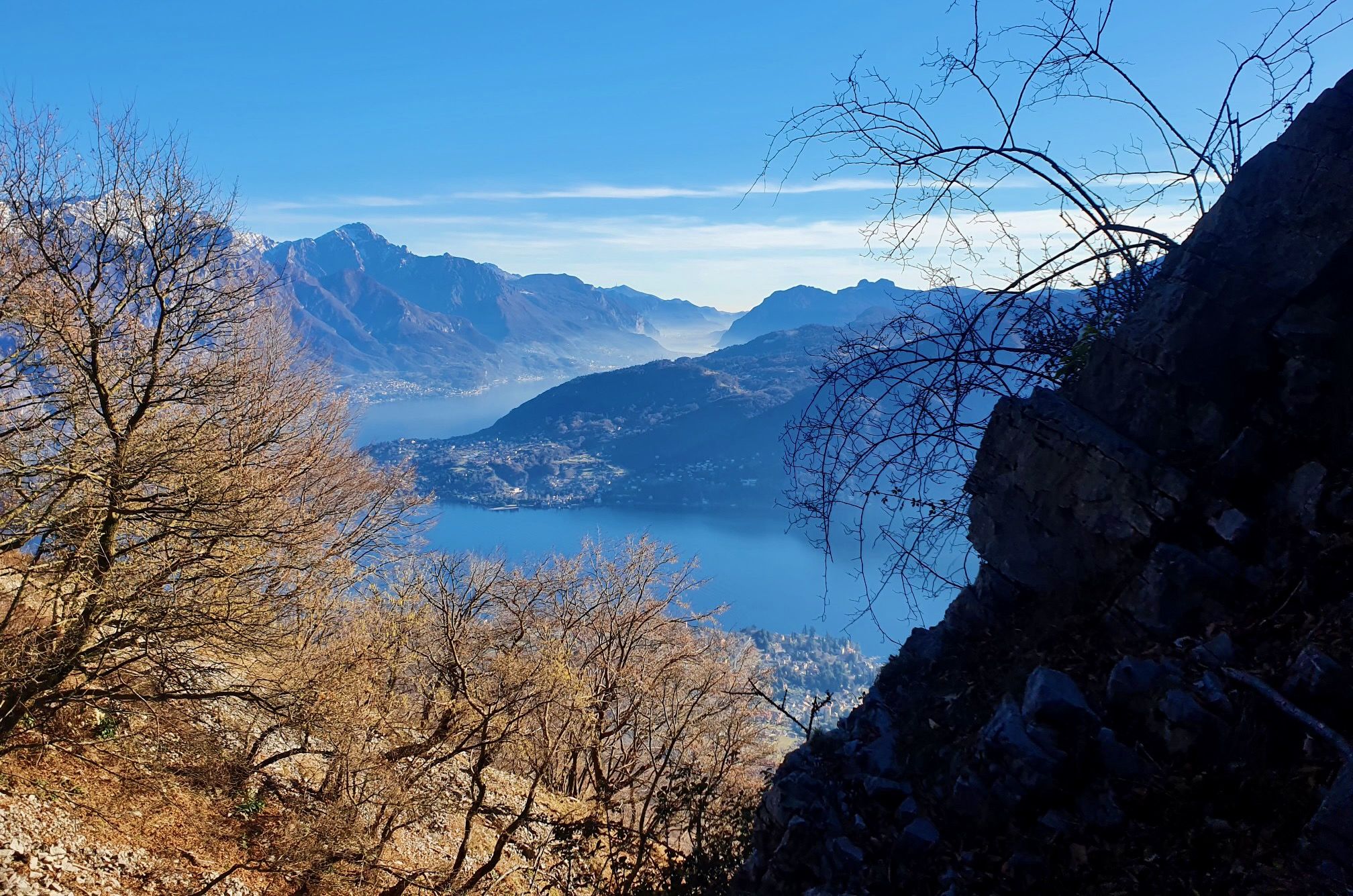
From the Romans to the War — panoramic trails at Italy's Lake Como

Road to Lisbon – bikepacking the Alps, Pyrenees and Picos de Europa

#transit: My farewell to pro-cycling – from Como to Lecchi in two days

Road to BAM! 2026 – Condividi la strada
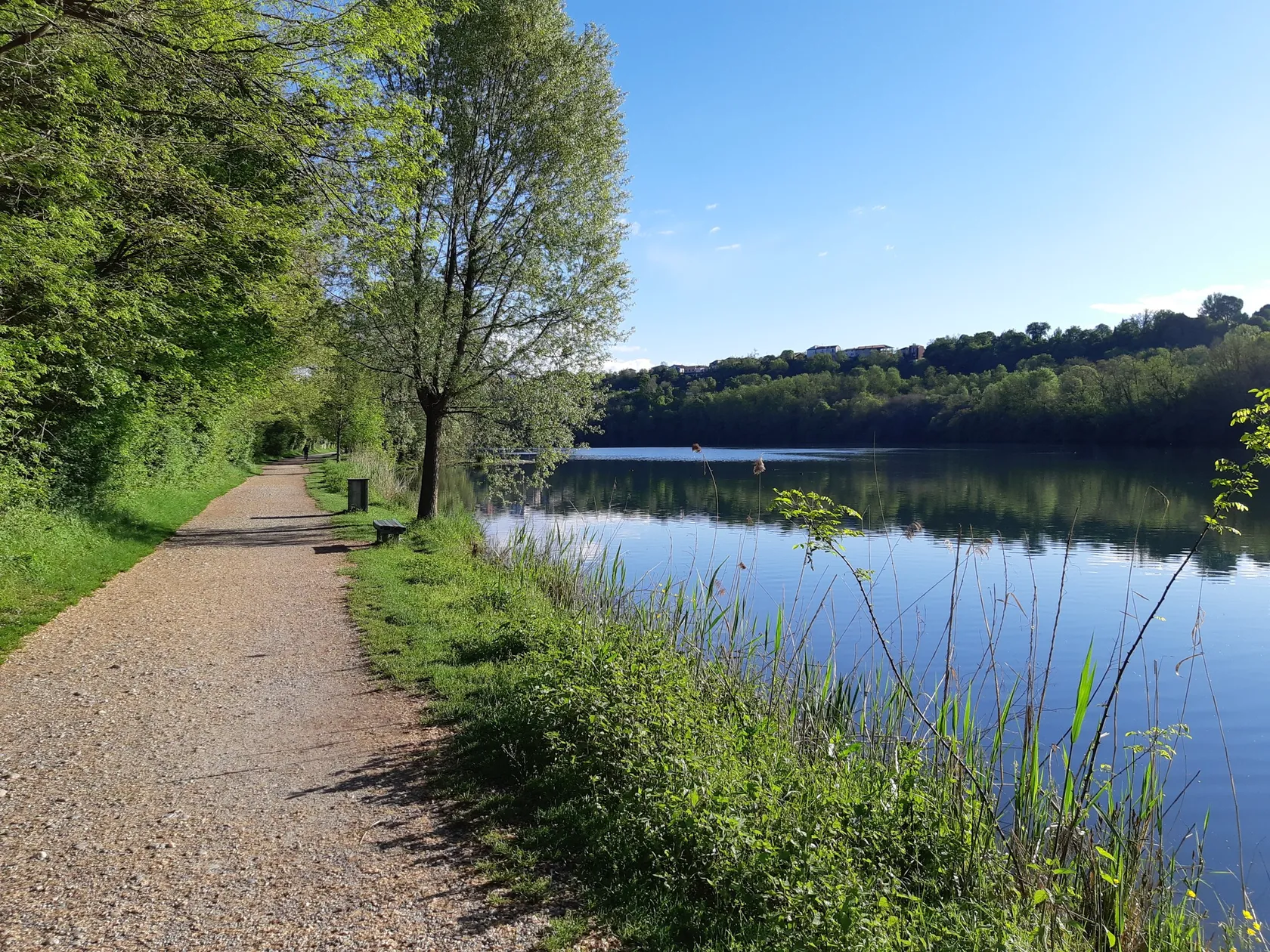
Lombardy by bike – discover historic villages and natural beauty

Exploring Insubria – CamminaForeste in Lombardy part 8
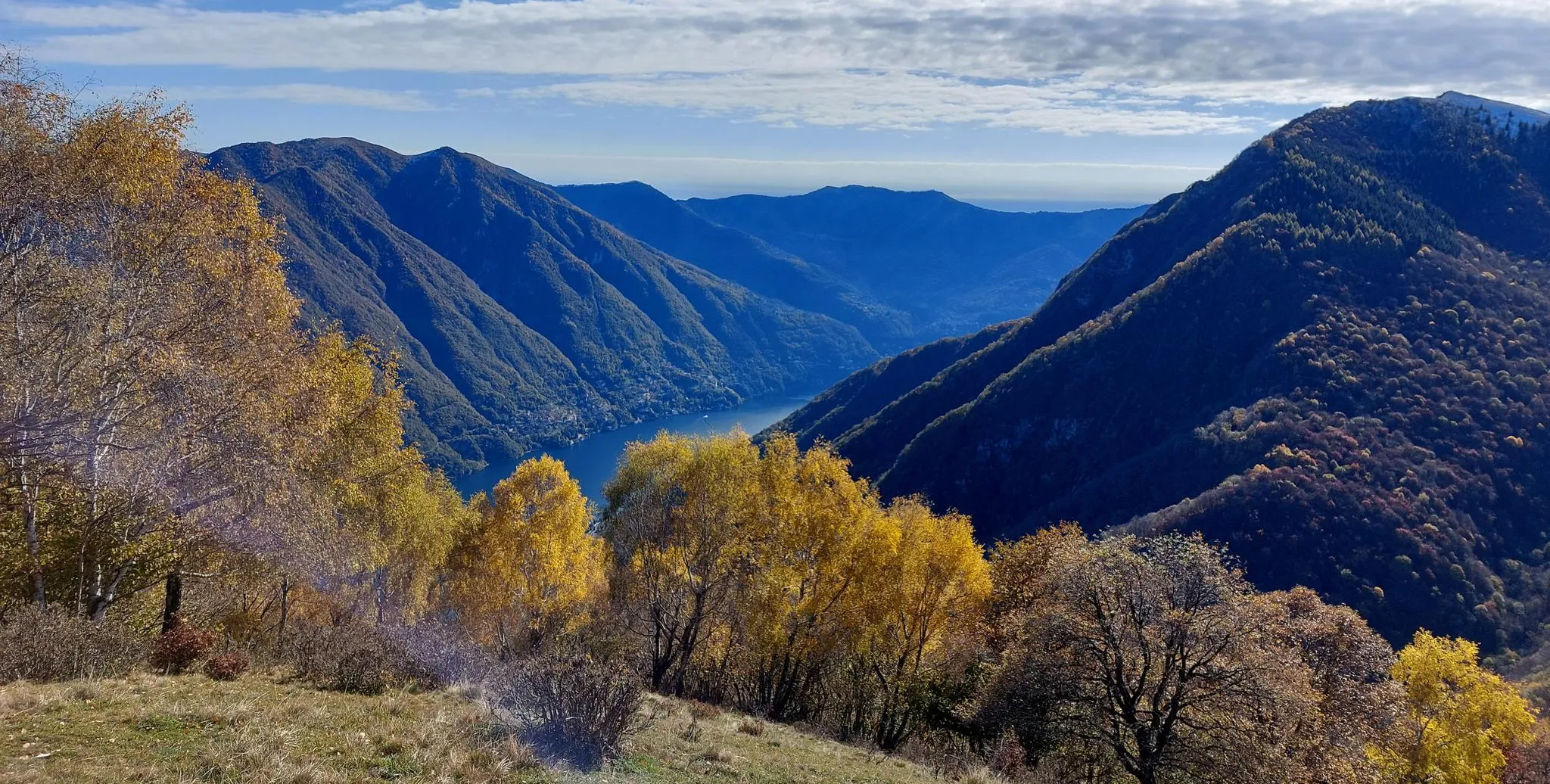
Lake Como region – CamminaForeste in Lombardy part 7
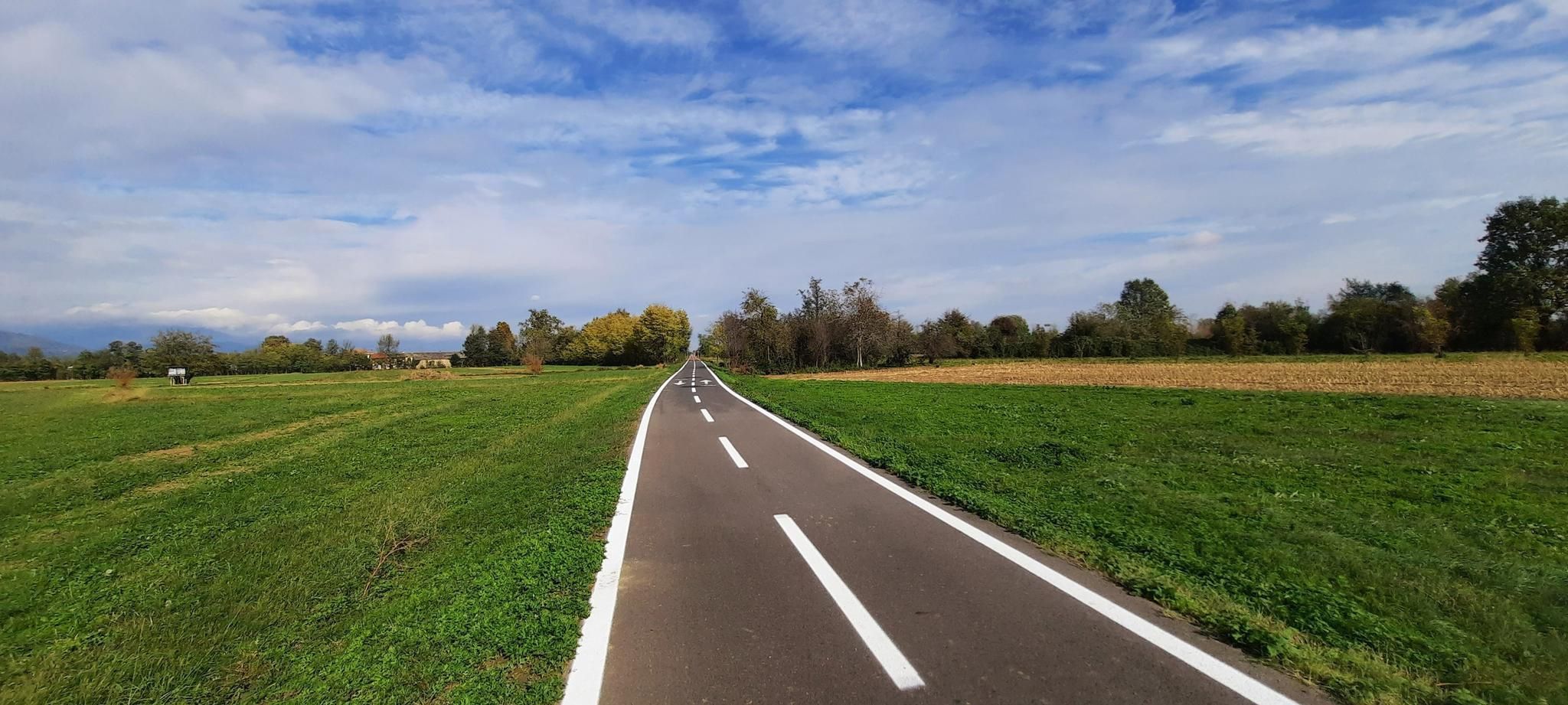
Ride across the Italian Alps – Pedemontana cycle route
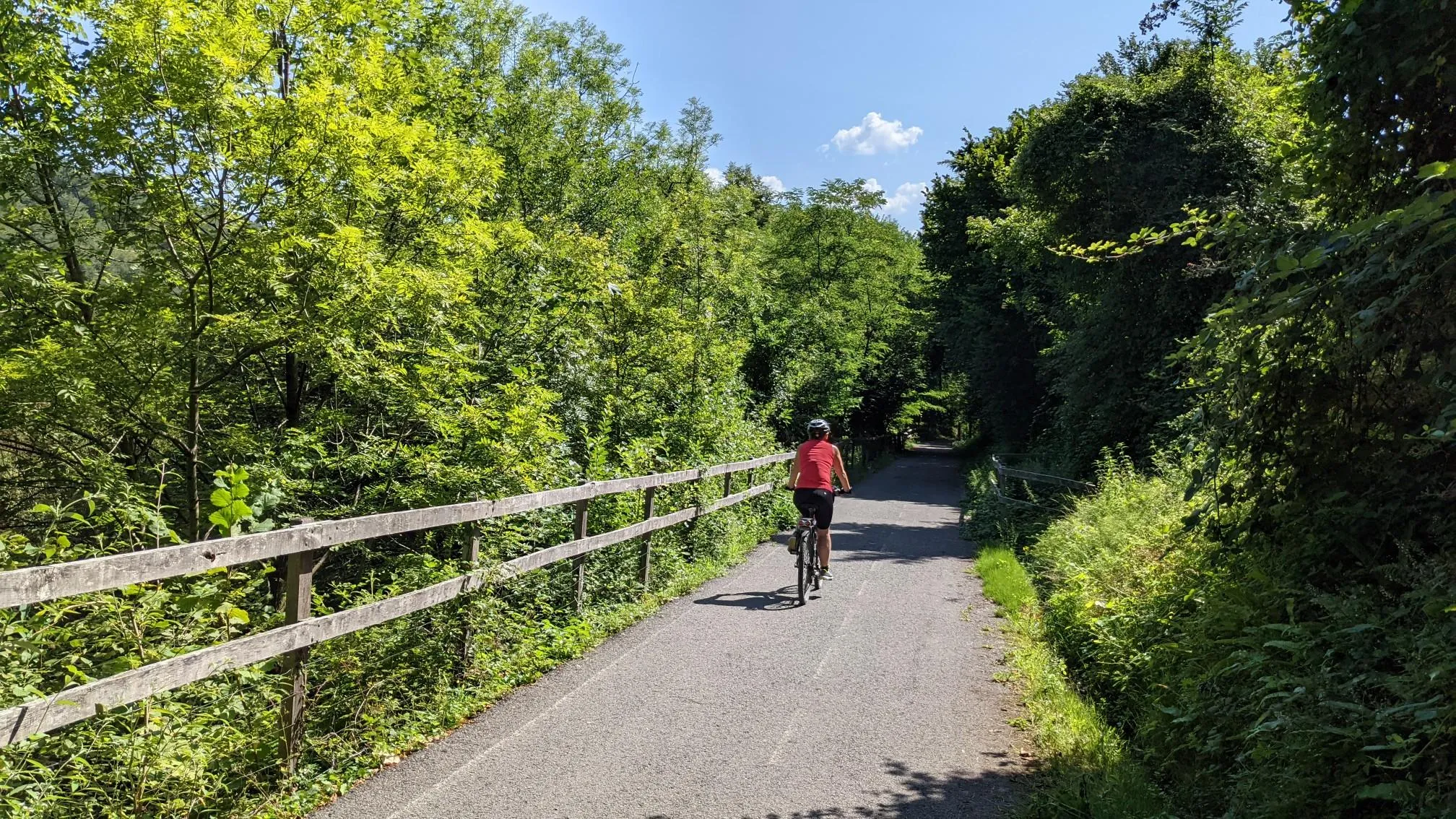
Between lakes on the Italian-Swiss border – loop of the Intelvi Valley
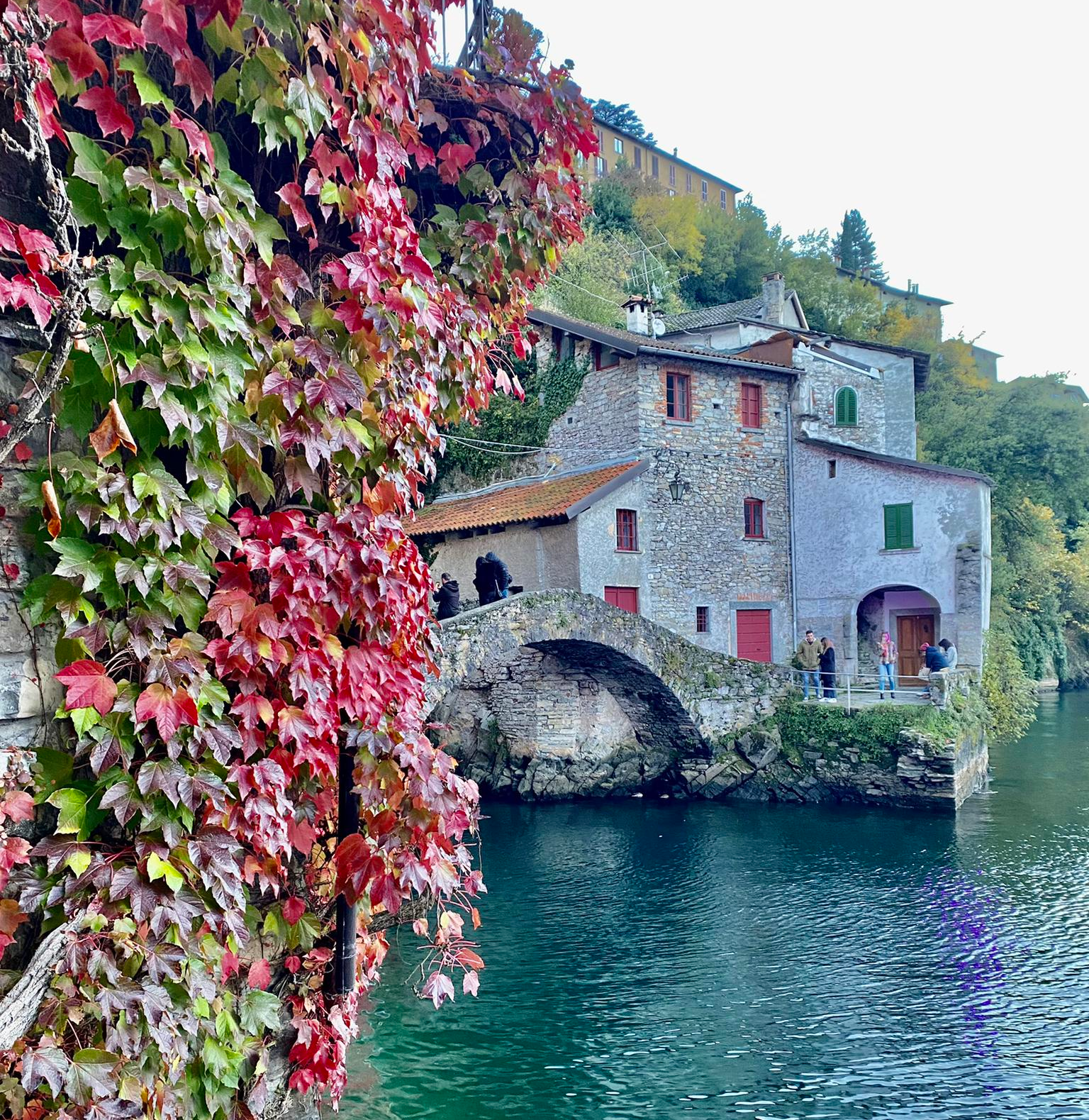
On the trails of the past - Strada Regia at Lake Como
Other adventures in Como


Tips from the Community

Here is a wooden statue of a bear
0
0

October 2025: The trail is closed by a gate but still worth a visit
0
0
suggestive path among the remains of a mine
0
0

From the Grotta del Cepp locality, numerous paths begin that lead to Monte Boletto, Monte Bolettone and Alpe del Vicerè in the Albese Valley.
0
0

A grotto lovingly designed by a third generation family. Everything is explained in a friendly and interesting way. Recommended
0
0


In the Lanza Park - beautiful! Let's hope they complete it as soon as possible up to the old Valmorea station, which at the moment can be reached but along the old "track side" section
0
1

The Malnate caves are located in the heart of the Lanza valley park. They are very ancient sandstone quarries: in fact they date back to 25 million years ago, when they originated on the seabed. In the past they were used for the extraction of sandstone blocks, today they are recognized as natural and cultural heritage.
2
0
Frequently Asked Questions
Which caves in the Como region are suitable for families?
For families, the Rescia Caves are an excellent choice. They are unique tufa caves with a 500-meter pathway of stairs and steel walkways, making them accessible. The complex also includes the Orrido di Santa Giulia, a canyon with a 70-meter waterfall, offering a diverse natural experience. The Marenghi Park Marian Grotto is also listed as family-friendly.
What kind of geological formations can I expect to see in Como's caves?
The Como region offers a variety of geological formations. The Rescia Caves are distinctive tufa caves, formed by mineral-rich spring water depositing limestone, creating spectacular stalactites, stalagmites, and unique rock shapes. Buco del Piombo is a Mesozoic-era karstic system with a colossal entrance and intricate stalactites and stalagmites. The Fiumelatte Caves are notable for their association with the milky-white Fiumelatte river and a complex labyrinth of tunnels with high water activity.
Are there any caves in Como with significant historical or archaeological importance?
Yes, several caves in the Como region hold significant historical and archaeological value. Buco del Piombo has evidence of human presence dating back to the Middle Paleolithic era, including Neanderthal tools, and was inhabited by cave bears. The Cave Bear Cave (Grotta dell'Orso), Monte Generoso is a paleontological treasure trove with remains of over 500 cave bears and Neanderthal artifacts. The Malnate Caves are ancient sandstone quarries dating back 25 million years, recognized for their natural and cultural heritage.
What is the best time of year to visit the caves in the Como area?
Many of the accessible caves in the Como region, such as the Rescia Caves, are typically open seasonally, often from April to September. Some may also host special events during Christmastime. It's advisable to check specific opening hours for each cave before planning your visit, as conditions can vary, especially for caves with high water activity like the Fiumelatte Caves.
How long does it typically take to explore the Buco del Piombo cave?
The accessible gallery of Buco del Piombo stretches for about 300 meters. Visits are typically guided, and the duration can vary depending on the tour, but generally, you can expect to spend a significant portion of an hour exploring the accessible section and learning about its history and geology.
Are there any hiking trails near the caves in Como?
Yes, the Como region offers numerous hiking opportunities near its caves. For example, you can find various waterfall hikes in Como that might lead you near cave systems or offer scenic routes in the surrounding natural reserves. The area around Buco del Piombo, located in the Valle Bova Natural Reserve, is particularly good for combining cave exploration with walks.
What should I wear for a cave exploration in Como?
When exploring caves in Como, it's generally recommended to wear comfortable, sturdy shoes with good grip, as pathways can be damp or uneven. Caves maintain a cooler, constant temperature, so even in summer, a light jacket or sweater is advisable. Some caves, like the Cave Bear Cave (Grotta dell'Orso), require expert guides, who will provide specific instructions if any specialized gear is needed.
Can I find any unique natural phenomena related to caves in the Como area?
Absolutely. The Fiumelatte Caves are intrinsically linked to the Fiumelatte river, famous for its short course and milky-white waters, which derive their color from the powerful gush from the mountain. This intermittent flow fascinated Leonardo da Vinci. The Rescia Caves are also unique as tufa caves, formed by mineral deposition rather than erosion, and are combined with the stunning Orrido di Santa Giulia canyon and its 70-meter waterfall.
Are there any caves in Como that are particularly challenging or require special equipment?
While many caves offer accessible sections, some parts of the larger systems, like the full extent of Buco del Piombo or the Moncodeno Cave in Grigna mountain, are only accessible to experienced speleologists and require specialized equipment and guides. For example, the glacier cave within Moncodeno requires mountain guides for visits.
What do visitors find most appealing about the caves in the Como region?
Visitors are often captivated by the blend of natural beauty and deep history. The colossal entrance of Buco del Piombo, the paleontological significance of the Cave Bear Cave, and the unique tufa formations of the Rescia Caves (especially combined with the Santa Giulia waterfall) are frequently highlighted. The surreal atmosphere and the opportunity to glimpse prehistoric life and geological evolution are major draws.
Are there any caves in Como that are associated with waterfalls?
Yes, the Rescia Caves complex uniquely combines the cave visit with access to the Orrido di Santa Giulia, a marvelous canyon featuring a 70-meter-high waterfall. Additionally, the Buco della Noga Waterfall is another highlight that integrates a waterfall with cave features.
Can I visit the Fiumelatte Caves, and what makes them special?
The Fiumelatte Caves are associated with the Fiumelatte river, famous for its short flow and milky white waters. The cave system is a labyrinth of tunnels with high water activity. It has three entrances, though the main lower one can be closed when the stream is gushing forcefully. Its unique hydrological characteristics and the mystery surrounding the river's intermittent flow, which fascinated Leonardo da Vinci, make it a culturally and naturally intriguing site.
Most popular routes in Como
Most popular attractions in Como

Get inspired with the komoot mobile app


Didn’t find what you were looking for?
Discover more caves in Como region by region:
Explore more
Extend your search for the best caves by checking out these guides of the top ones in Como:
