Top 9 Castles in Verbano-Cusio-Ossola
Best castles in Verbano-Cusio-Ossola offer a glimpse into centuries of history within a picturesque region of northern Italy. This area features a range of fortified structures with views of the surrounding landscapes, including Lake Maggiore. The castles contribute to the historical tapestry of Verbano-Cusio-Ossola and the wider Lake Maggiore area.
Best castles in Verbano-Cusio-Ossola
- The most popular castles is Mattarella Castle🏰🌳, a castle that rises on the plain of the Ossola Valley at an altitude of 413 meters. From…
Last updated: October 1, 2026
Isola Bella Palace and Gardens
Highlight • Historical Site
Today Isola Bella is one of the most important sights on Lake Maggiore, which can be reached by boat from Baveno or …
Translated by Google •
Tip by

Shell Grottos of the Palazzo Borromeo, Isola Bella
Highlight • Historical Site
The magnificent Palazzo Borromeo, the Palazzo Borromeo is like a huge museum
Do not miss the opportunity to enter the sacred halls of the huge baroque …
Translated by Google •
Tip by
Sign up now to discover places like this
Get recommendations on the best single tracks, peaks, & plenty of other exciting outdoor places.
Mattarella Castle🏰🌳
Highlight • Castle
Translated by Google •
Tip by

Vogogna Castle
Highlight • Castle
Translated by Google •
Tip by

View of the Castles of Cannero
Highlight • Viewpoint
Translated by Google •
Tip by

Cross✝️Mattarella Castle Tower🏰
Highlight • Castle
Translated by Google •
Tip by
Visconti Castle of Vogogna
Highlight • Castle
Translated by Google •
Tip by

Start today with a free account
Your next adventure awaits.
Popular around Verbano-Cusio-Ossola
Alpine Passes Trail – hiking 700km across Switzerland
GTA North Piedmont – Among ancient Walser settlements
Road to Lisbon – bikepacking the Alps, Pyrenees and Picos de Europa
On mule tracks from Binntal to Italy
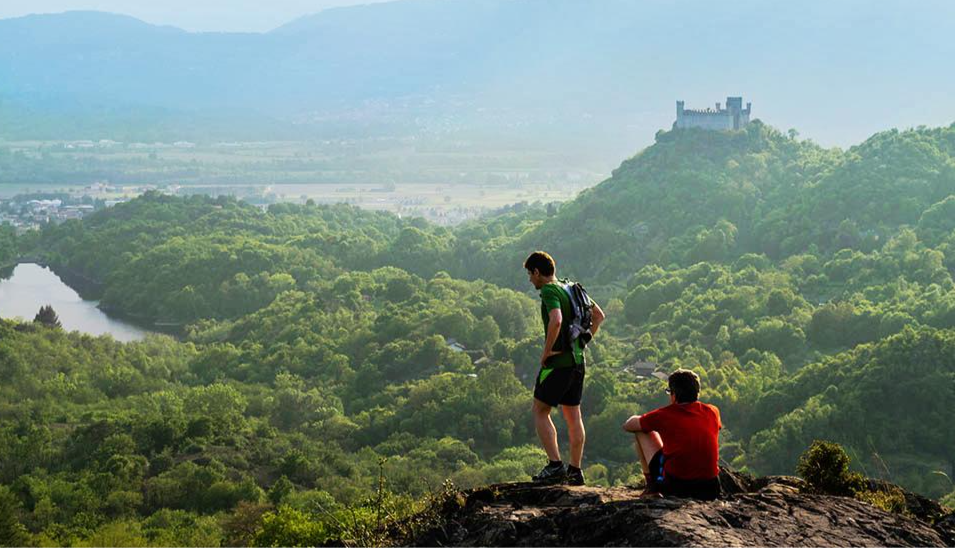
Car Free Piedmont – hiking face to face with nature
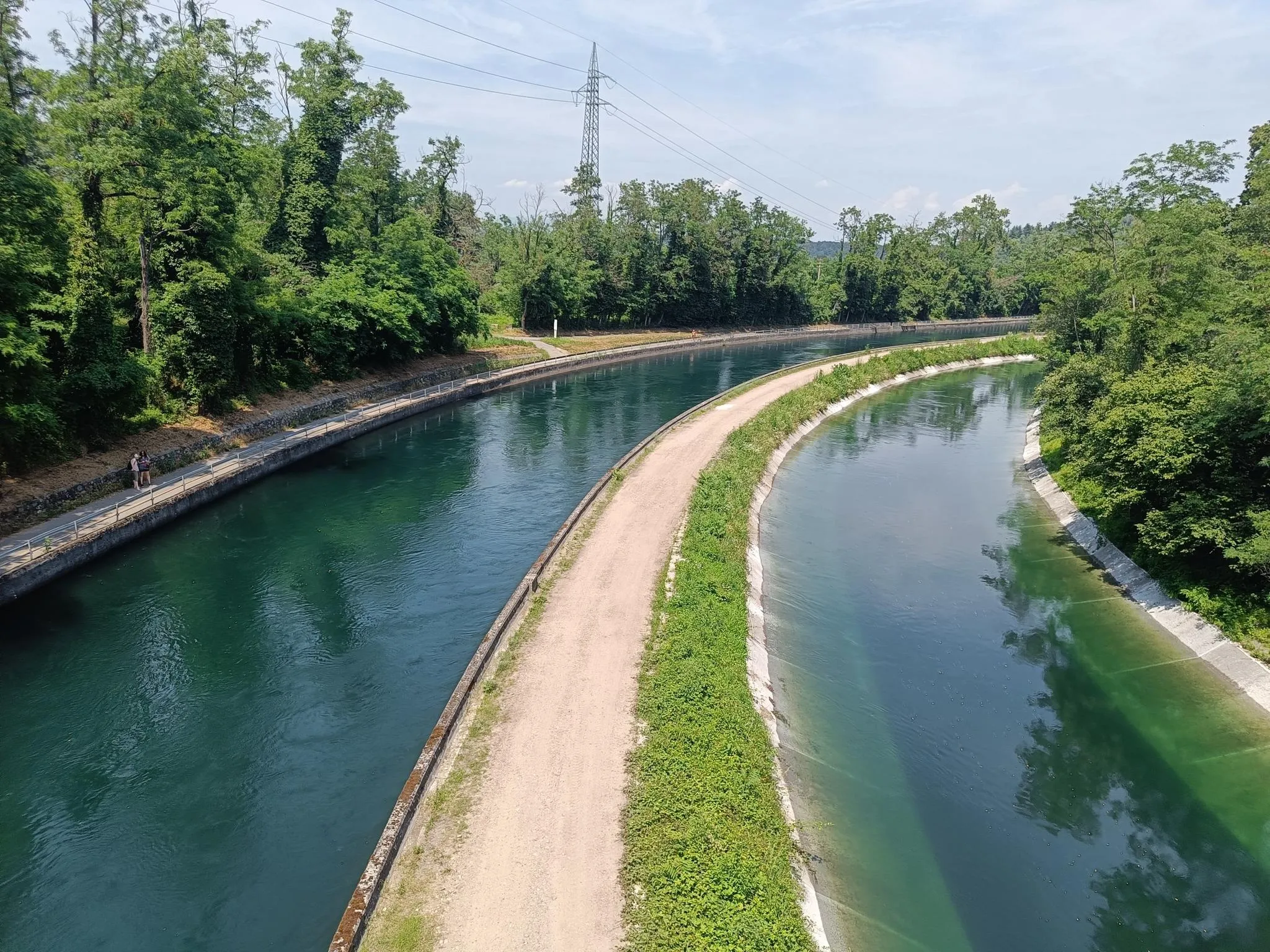
Pedal along water – loop from Milan to Lake Maggiore
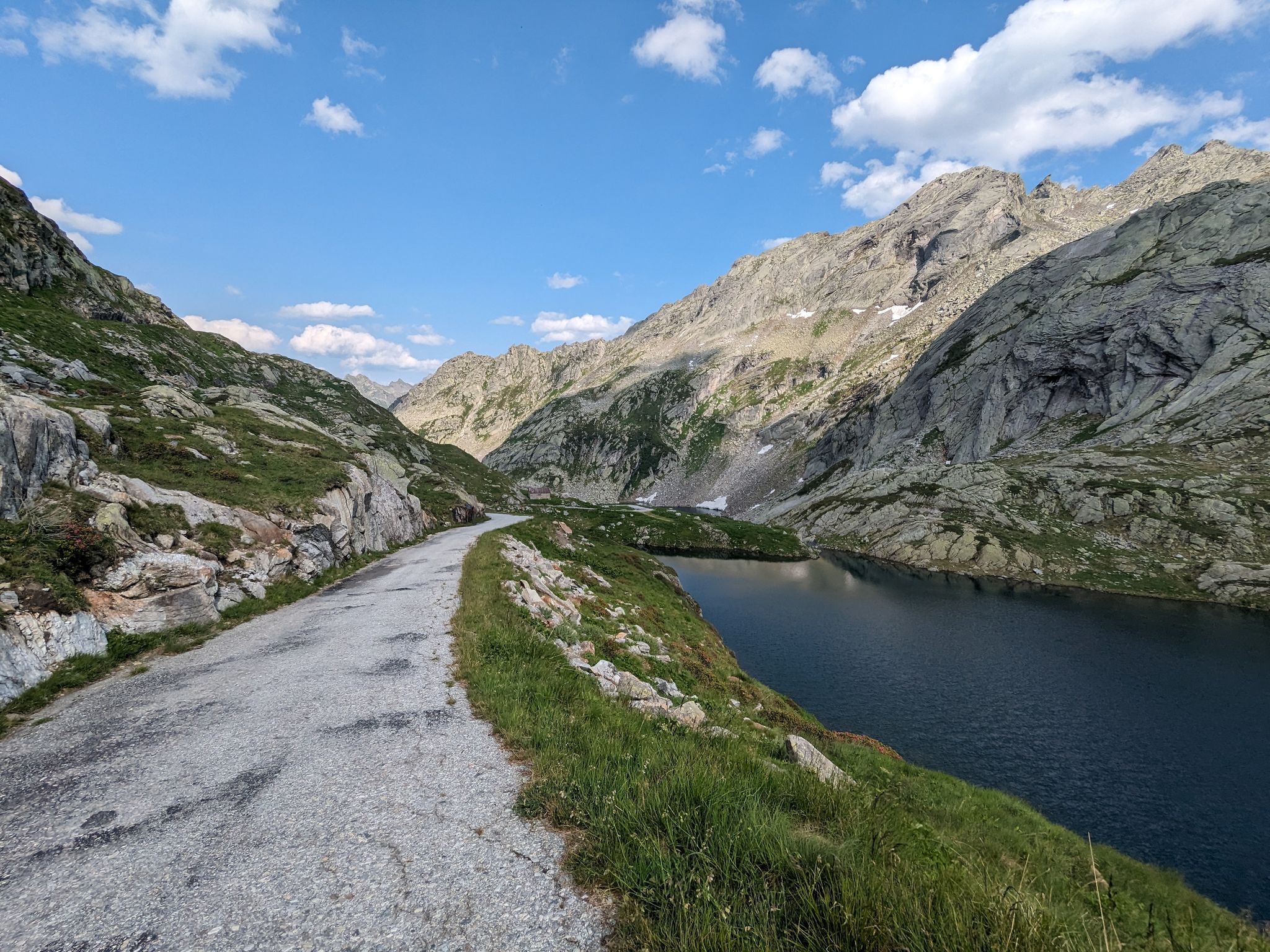
Great passes and green valleys – Ticino climbs
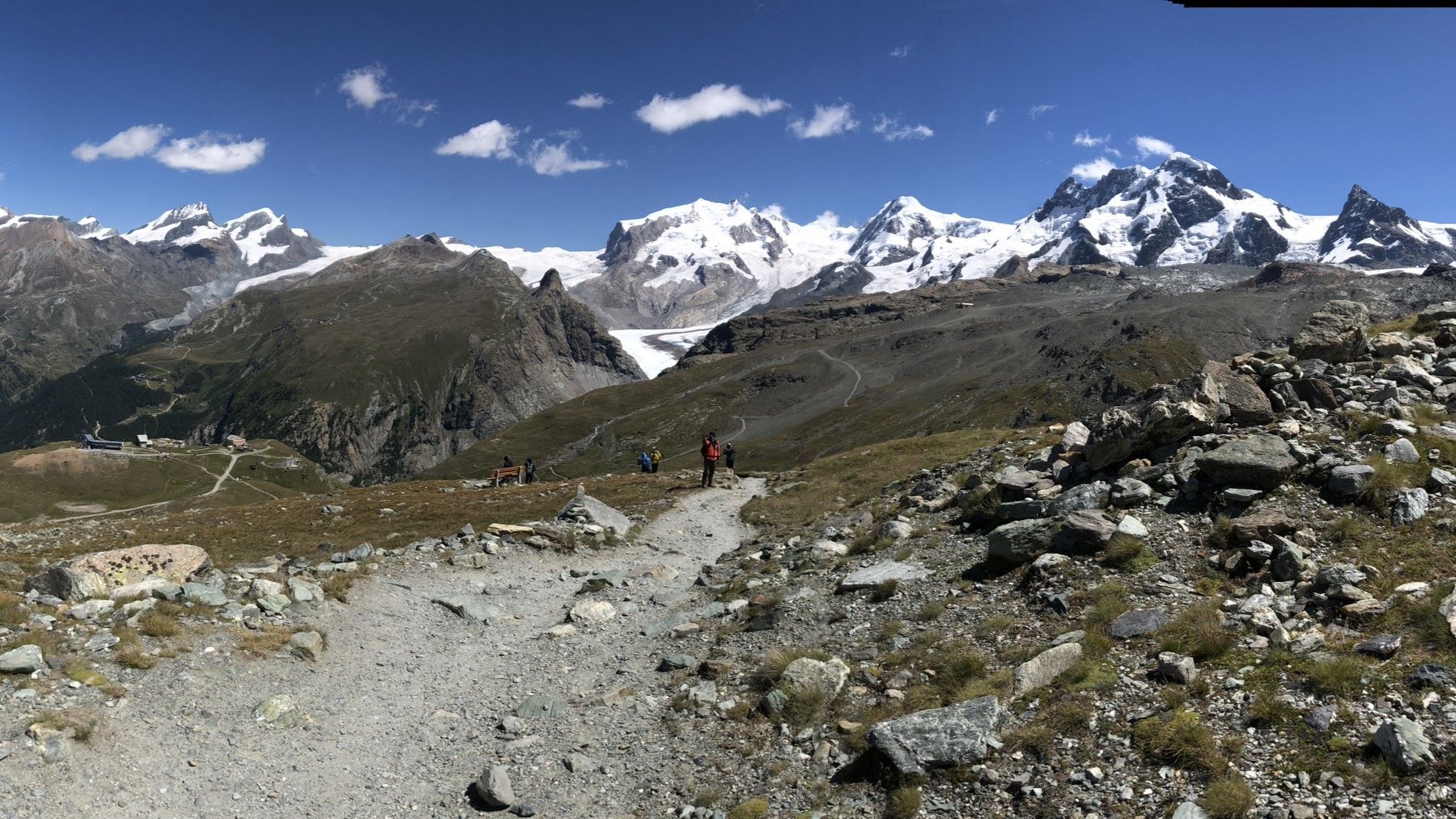
Between Italy and Switzerland – Tour of Monte Rosa
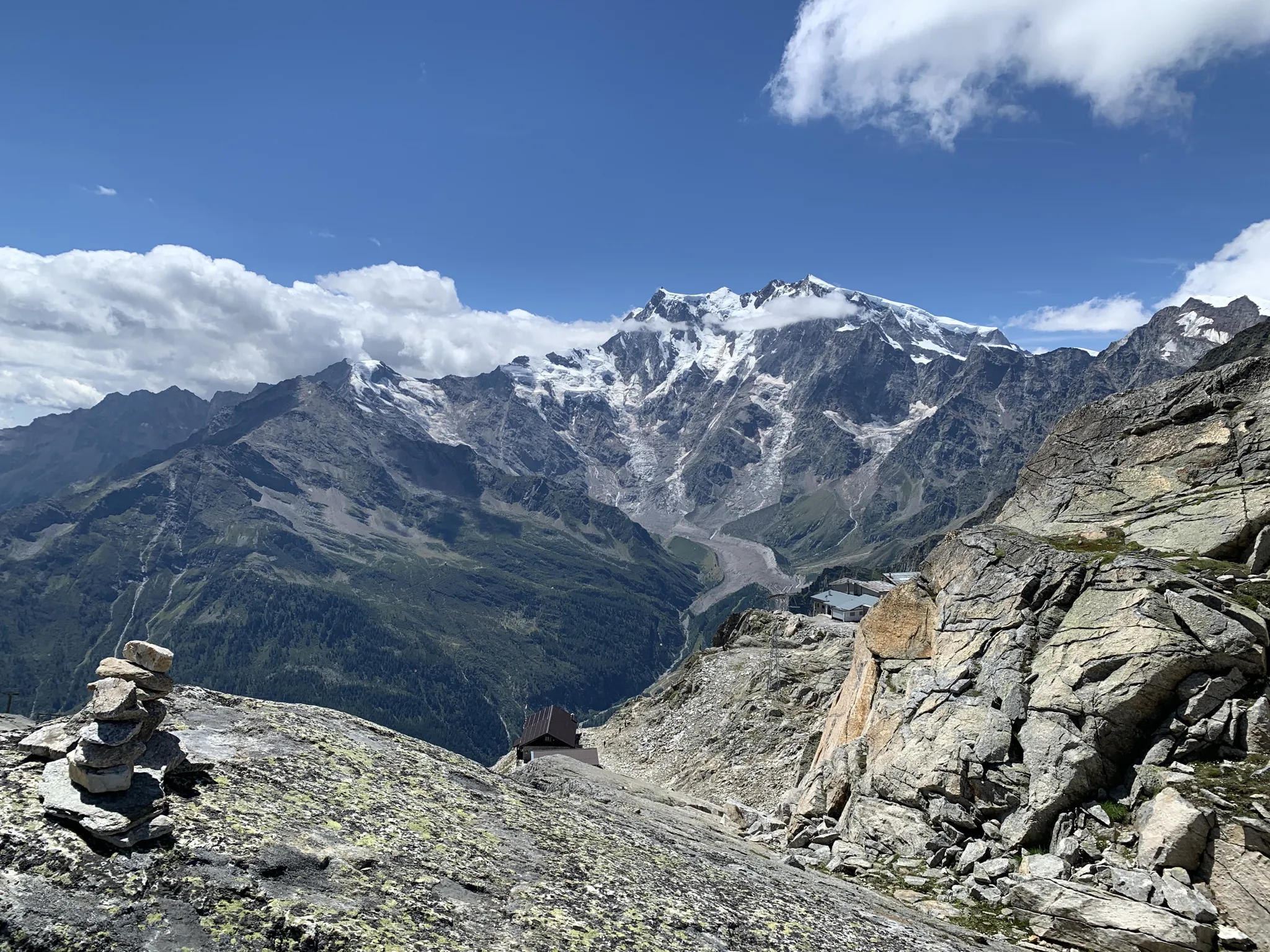
Along the highest rock face in Europe – Monterosa Est Himalayan Trail
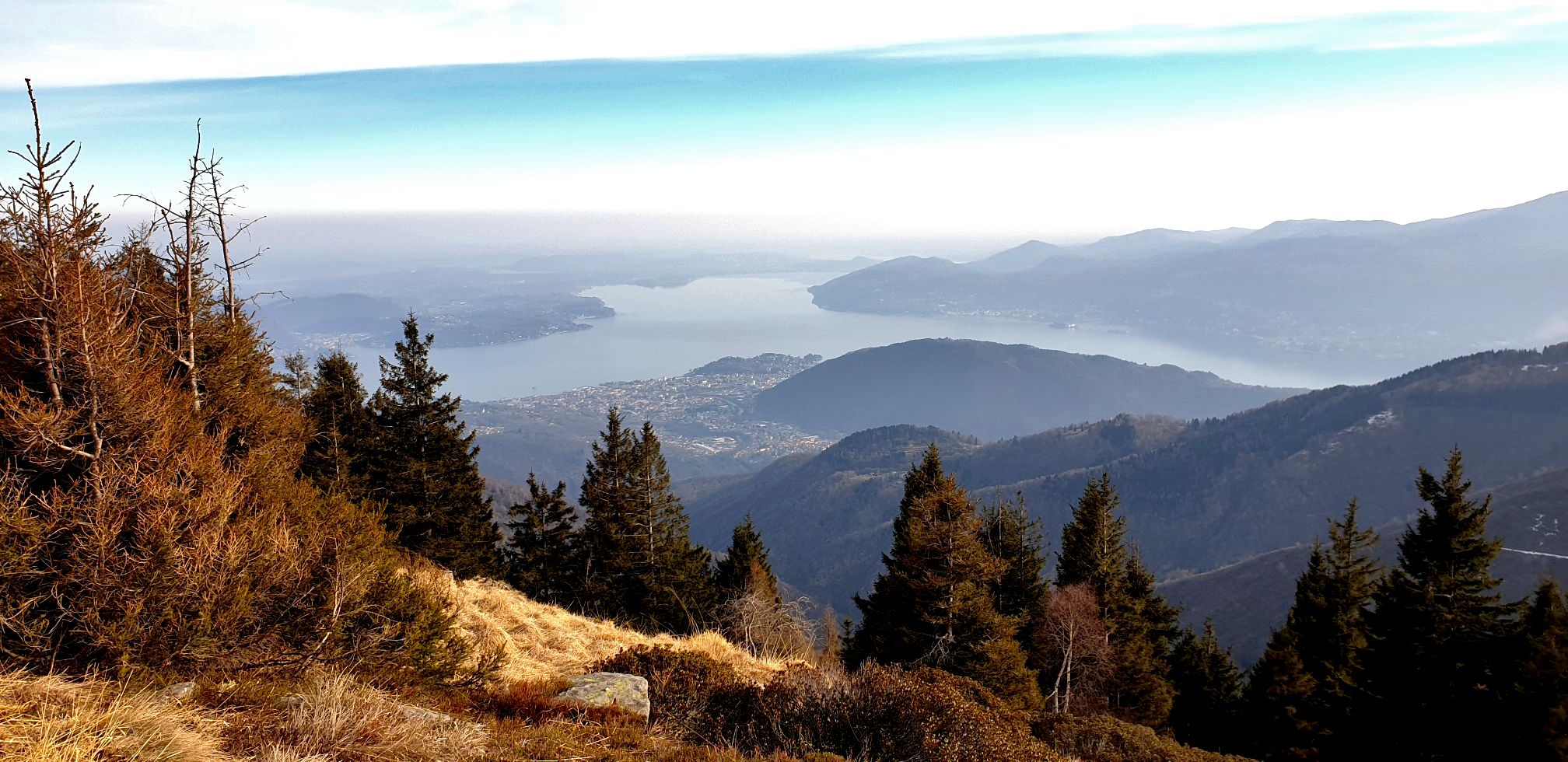
Hiking around Cicogna — Italy’s Val Grande National Park
Other adventures in Verbano-Cusio-Ossola


Tips from the Community

It's a shame that you have to pay for every extra and every nice thing, but that's just the way it is - but of course it's definitely worth it; perhaps you should consider before your trip which sights are so important that you're "happy" to pay for them.
3
0

You should definitely plan enough time to visit the palace, because it is really worth it.
0
0

The Palazzo Borromeo is very impressive. It feels like you've stepped back in time. https://terreborromeo.it/de/palazzo-borromeo
0
0

Until 1632, Isola Bella was a rocky outcrop on which a small fishing village stood. Carlo III Borromeo began leveling the rock and building a palace on the island for his wife, Isabella D'Adda. The Palazzo Borromeo and its gardens are a prime example of Baroque art. The palace features salons with views of the lake, numerous paintings by famous artists, precious furniture, marble, neoclassical stucco, ancient sculptures, armor, and Flemish tapestries made of silk with gold thread. The basement contains several shell grottoes with light and dark stone and shell decorations. The gardens are staircased and pyramid-shaped, based on ancient models, and are bordered by balustrades, on which numerous statues of mythological heroes and animals are scattered. Source: Wikipedia
3
0

The hill of Mattarella, south of Domodossola, rises on the plain of the Ossola Valley at an altitude of 413 metres. From the hill you can enjoy a splendid view of Domodossola and the mountains that frame the Ossola Valley around the city. Inhabited in ancient times, the hill probably takes its name from a pagan site for the Matrons, on which and around which a church dedicated to the Virgin Mary was later built. The hill of Mattarella was occupied by the military in the 7th century and housed a sprawling castle that was attacked and destroyed several times over the centuries. In 1014, Emperor Henry II transferred the castle to the church in Novara and the Bishop of Novara moved his palace and curia here. In 1312 the Visconti came to power in the Ossola Valley: the Mattarella Castle also became the property of the Duchy of Milan and retained its functions, especially the military ones, until 1415, when the Swiss, coming from the Alpine passes and wanting to conquer the Ossola Valley, practically demolished it completely, destroying the Bishop's Palace, the enclosure and the main towers. After these dramatic events, only a few traces of the old fortress remain today: the tower on the top of the mountain rises majestically above them. The long curtain wall is also well preserved. Unfortunately, only a few foundations remain of the rest of the castle, and especially of the sturdy towers at the entrance. Source: https://www.visitossola.it/de/poi/huegel-und-burg-mattarella-domodossola/ The cross on the tower was erected in modern times and can be clearly seen in Domodossola and the surrounding area.
1
0
The hill of Mattarella, south of Domodossola, rises on the plain of the Ossola Valley at an altitude of 413 metres. From the hill you can enjoy a splendid view of Domodossola and the mountains that frame the Ossola Valley around the city. Inhabited in ancient times, the hill probably takes its name from a pagan site for the Matrons, on which and around which a church dedicated to the Virgin Mary was later built. The hill of Mattarella was occupied by the military in the 7th century and housed a sprawling castle that was attacked and destroyed several times over the centuries. In 1014, Emperor Henry II transferred the castle to the church in Novara and the Bishop of Novara moved his palace and curia here. In 1312 the Visconti came to power in the Ossola Valley: the Mattarella Castle also became the property of the Duchy of Milan and retained its functions, especially the military ones, until 1415, when the Swiss, coming from the Alpine passes to conquer the Ossola Valley, practically demolished it completely, destroying the Bishop's Palace, the enclosure and the main towers. After these dramatic events, only a few traces of the old fortress remain today: the tower on the top of the mountain rises majestically above them. The long curtain wall is also well preserved. Unfortunately, only a few foundations remain of the rest of the castle, and especially of the sturdy towers at the entrance. Source: https://www.visitossola.it/de/poi/huegel-und-burg-mattarella-domodossola/
2
0

Beautiful and kept in excellent condition.
27
0

The castle of Vogogna was built by the Visconti of Milan in the 14th century on a pre-existing tower. In 1515 it was occupied and damaged by the Swiss, and at the end of the 18th century it became municipal property for use as a prison and home. It was restored in the 20th century and is now a historical monument.
5
0
Frequently Asked Questions
Which castles in Verbano-Cusio-Ossola offer the best panoramic views?
For breathtaking vistas, consider visiting the Mattarella Castle, which provides splendid views of Domodossola and the surrounding Ossola Valley mountains. The Rocca Borromeo di Angera, though just outside the province, also offers sweeping views of Lake Maggiore from its hilltop perch. Additionally, the ruins of Rocca di Caldé provide magnificent views over Lake Maggiore from its sheer cliffs.
Are there any family-friendly castles in the Verbano-Cusio-Ossola region?
Yes, several castles offer engaging experiences for families. The Rocca Borromeo di Angera, for example, houses one of Europe's largest collections of period dolls and toys, appealing to visitors of all ages. Vogogna Castle is known for hosting various cultural events, including a 'Harry Potter school of magic' for children, and allows for exploration of its medieval village. The View of the Castles of Cannero offers a picturesque sight that can spark imagination, and the upcoming immersive museum experience there is anticipated to be family-friendly.
What kind of historical insights can I gain from visiting these castles?
The castles in Verbano-Cusio-Ossola offer a deep dive into centuries of history. The Vogogna Castle, built by the Visconti of Milan, features reconstructions of medieval environments and permanent exhibitions. The Castelli di Cannero are steeped in tales of pirates and medieval battles, with an upcoming museum set to delve deeper into their past. The Rocca Borromeo di Angera showcases well-preserved medieval architecture and its Hall of Justice features significant 12th-century frescoes depicting historical events.
Are there any castles that are particularly well-preserved or restored?
The Rocca Borromeo di Angera stands out as one of the few medieval castles in the region that has been preserved in its entirety, showcasing architectural styles from the 12th to 14th centuries. Vogogna Castle has also undergone significant restorations since 1990, making different areas accessible and allowing visitors to see reconstructions of medieval environments.
What outdoor activities can I do near the castles in Verbano-Cusio-Ossola?
Many castles are situated in areas perfect for outdoor activities. For instance, the Rocca di Caldé offers a scenic path leading to its summit, rewarding hikers with expansive views. Near many of the region's castles, you can find various routes for hiking and cycling. Explore options like the 'Mottarone and Monte Zughero Loop' for hiking or the 'Lake Orta — Ring tour' for cycling. You can find more details on these activities in the Hiking in Verbano-Cusio-Ossola and Cycling in Verbano-Cusio-Ossola guides.
Which castles are located directly on Lake Maggiore or offer views of it?
The Castelli di Cannero emerge dramatically from the waters of Lake Maggiore, offering incredibly scenic views from the shore or by boat. The Rocca Borromeo di Angera, though located on the southern shores of Lake Maggiore in Varese, is easily visible and accessible from Verbano-Cusio-Ossola and provides sweeping lake views. The Rocca di Caldé also offers magnificent views over Lake Maggiore from its clifftop ruins.
Are there any castles that are more ruinous but still worth visiting for their historical significance?
Absolutely. The Castelli di Cannero are picturesque ruins on three rocky islets, offering a glimpse into a past of pirates and battles. The Rocca di Caldé, though destroyed in 1513, provides a site of strategic importance with magnificent views. In Lesa, the 'Castellaccio' and 'Old Castle' are ancient fortified buildings that, despite being ruins, retain significant architectural elements and historical character, connecting visitors to the region's past.
What is the best time of year to visit the castles in Verbano-Cusio-Ossola?
The spring and autumn months generally offer the most pleasant weather for exploring the castles and their surroundings, with comfortable temperatures and beautiful scenery. Summer can also be a good time, especially for castles near Lake Maggiore, though it can be busier. Winter visits are possible, but some attractions or access paths might have reduced hours or be less accessible depending on snow conditions.
Are there any castles that also function as museums?
Yes, the Castello Visconteo in Locarno (just across the border in Switzerland) functions as a civic and archaeological museum, displaying artifacts from the Bronze Age to Roman times. The Castelli di Cannero are also being transformed into an immersive museum experience, anticipated to open in June 2025, which will combine historical research with technological innovation.
Can I explore medieval villages or towns near any of these castles?
Yes, a visit to Vogogna Castle can be combined with a pleasant walk through the medieval village of Vogogna itself, which features 18th-century houses and the Palazzo Pretorio. This allows for a comprehensive experience of historical architecture and local charm.
What unique architectural features can I expect to see at these castles?
The castles in the region boast diverse architectural styles. The Rocca Borromeo di Angera is notable for its well-preserved medieval architecture from the 12th to 14th centuries, including its Hall of Justice with 12th-century frescoes. The Castello Visconteo in Locarno features fortified walls, a charming courtyard, and 15th-century frescoes characteristic of the Lombard style. The Medieval Castles of Lesa, even in ruin, retain parts of square outer walls, internal walls, and a corner turret, offering tangible historical details.
Most popular routes in Verbano-Cusio-Ossola
Most popular attractions in Verbano-Cusio-Ossola

Get inspired with the komoot mobile app


Didn’t find what you were looking for?
Explore Verbano-Cusio-Ossola’s best castles region by region:
Explore more
Looking for the best castles somewhere else? Discover other guides in Verbano-Cusio-Ossola:
