Top 18 Caves in Περιφερειακή Ενότητα Ηρακλείου
Caves in Περιφερειακή Ενότητα Ηρακλείου, located on the island of Crete, Greece, offer a diverse range of geological formations and historical significance. The region features a landscape shaped by mountains like Psiloritis, where many caves are found. These sites often served as ancient sanctuaries, dwellings, or places of refuge, reflecting the area's rich cultural past. The natural environment provides a setting for exploring these underground features.
Best caves in Περιφερειακή Ενότητα Ηρακλείου
- The most popular caves is Entrance to Agia…
Last updated: June 27, 2026
Matala Caves
Highlight • Beach
Translated by Google •
Tip by

Matala Cave Dwellings
Highlight • Cave
Translated by Google •
Tip by

Sign up now to discover places like this
Get recommendations on the best single tracks, peaks, & plenty of other exciting outdoor places.
Sign up for free
Hippie culture in Matala
Highlight • Beach
Translated by Google •
Tip by

Trachoulas Beach
Highlight • Beach
Translated by Google •
Tip by

Rock-cut tombs
Highlight • Historical Site
Translated by Google •
Tip by

Entrance to Agia Paraskevi Cave
Highlight • Cave
Translated by Google •
Tip by

Panagia Cave Church at Martsalos
Highlight • Religious Site
Christian hermits lived in the surrounding caves until the beginning of the 20th century.
Translated by Google •
Tip by

Goumenospilio Cave
Highlight • Cave
Translated by Google •
Tip by
Kamares Cave
Highlight • Cave
Translated by Google •
Tip by

Cave Church of Saint Anthony
Highlight • Cave
Translated by Google •
Tip by

Sign up for free to discover even more caves in Περιφερειακή Ενότητα Ηρακλείου.
Sign up for free
Already have an account?
Start today with a free account
Your next adventure awaits.
Login or Signup
Popular around Περιφερειακή Ενότητα Ηρακλείου
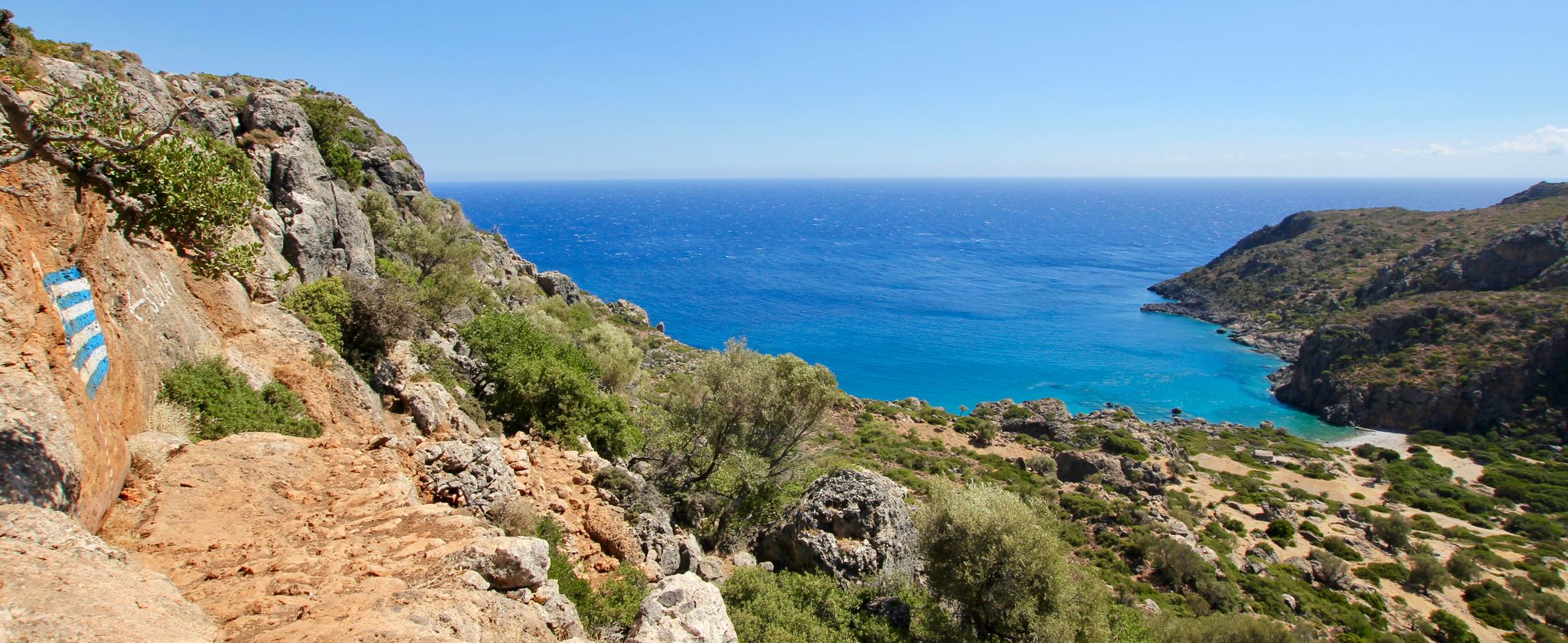
Lonely beaches & deep gorges — hiking in the south of Crete
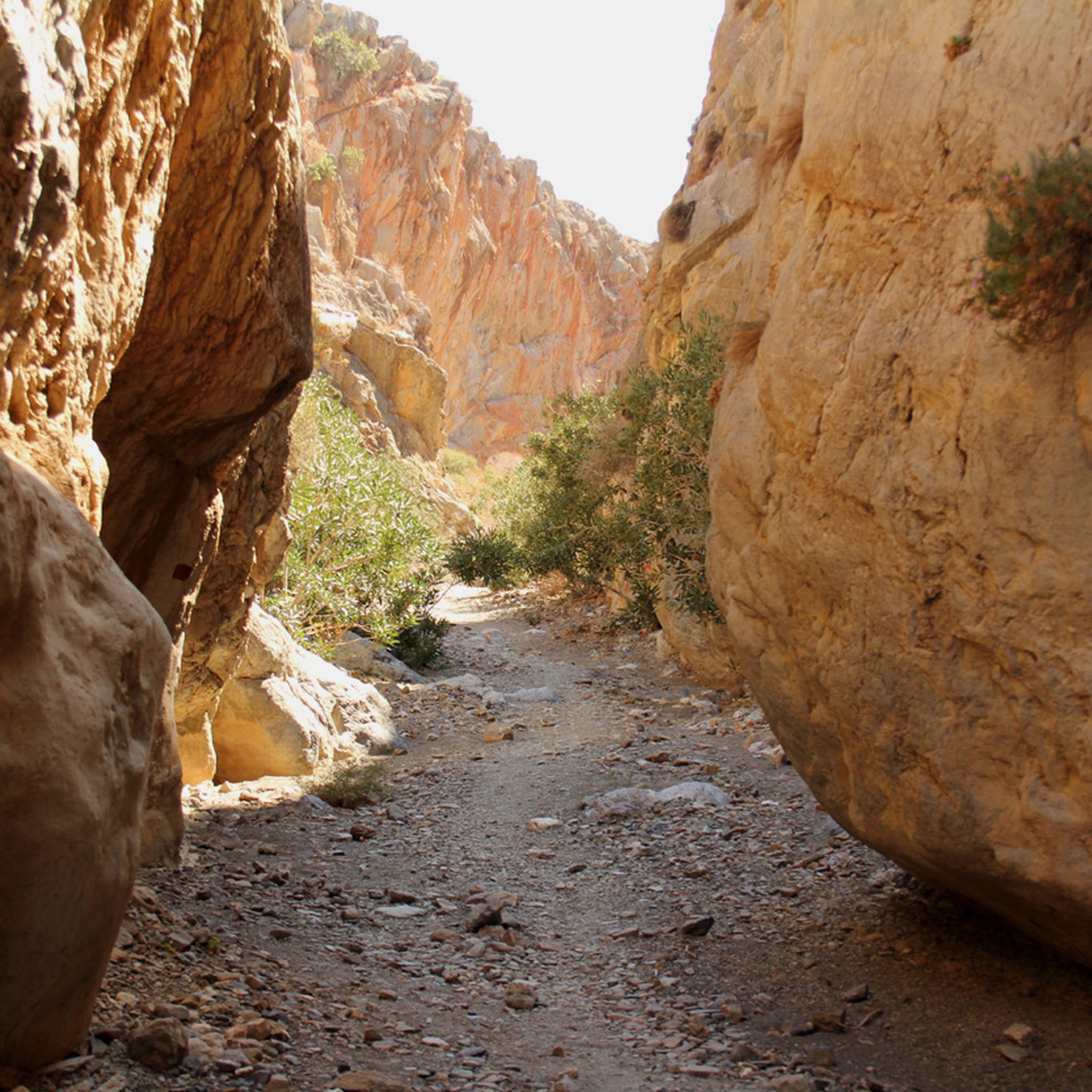
Hiking in Περιφερειακή Ενότητα Ηρακλείου
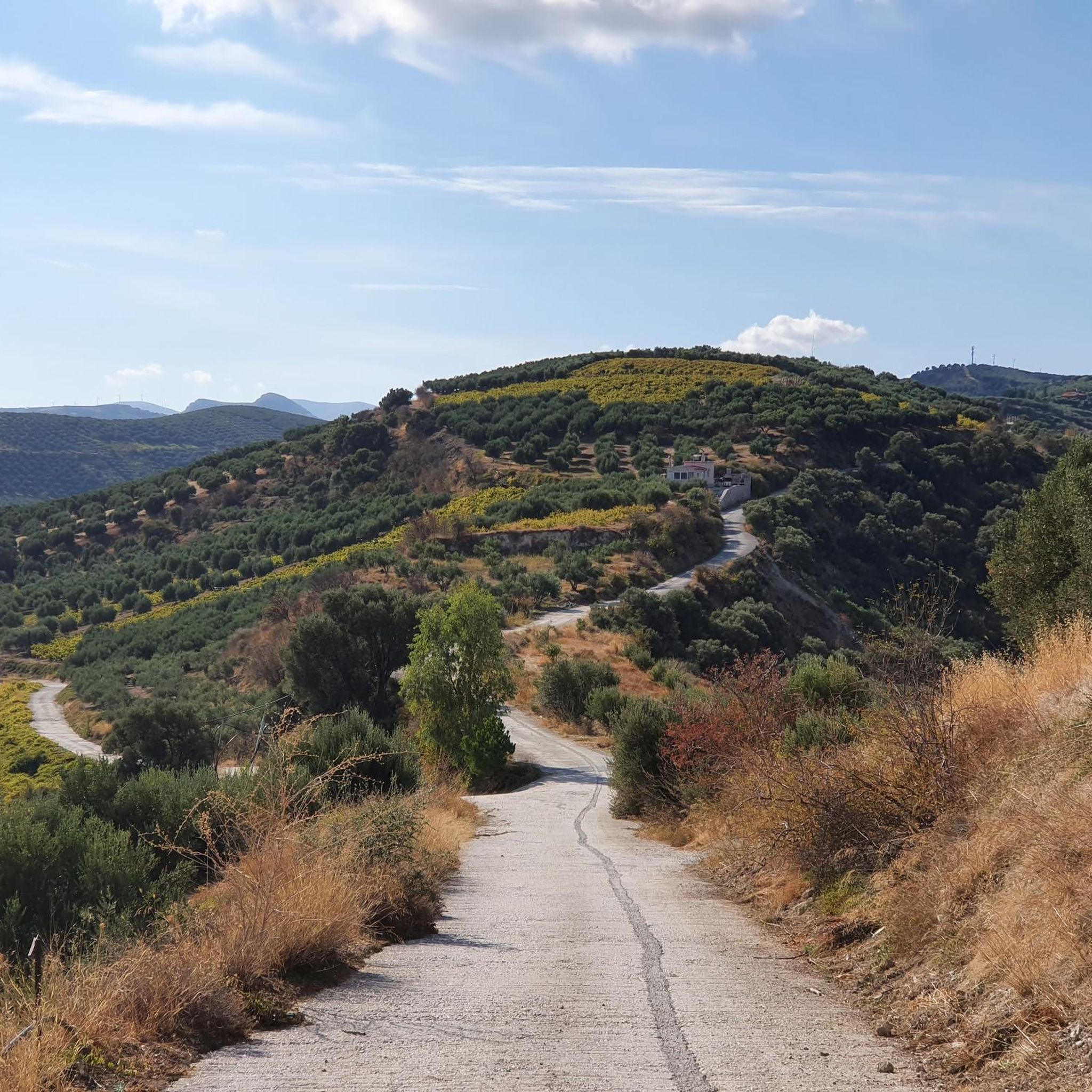
Running Trails in Περιφερειακή Ενότητα Ηρακλείου
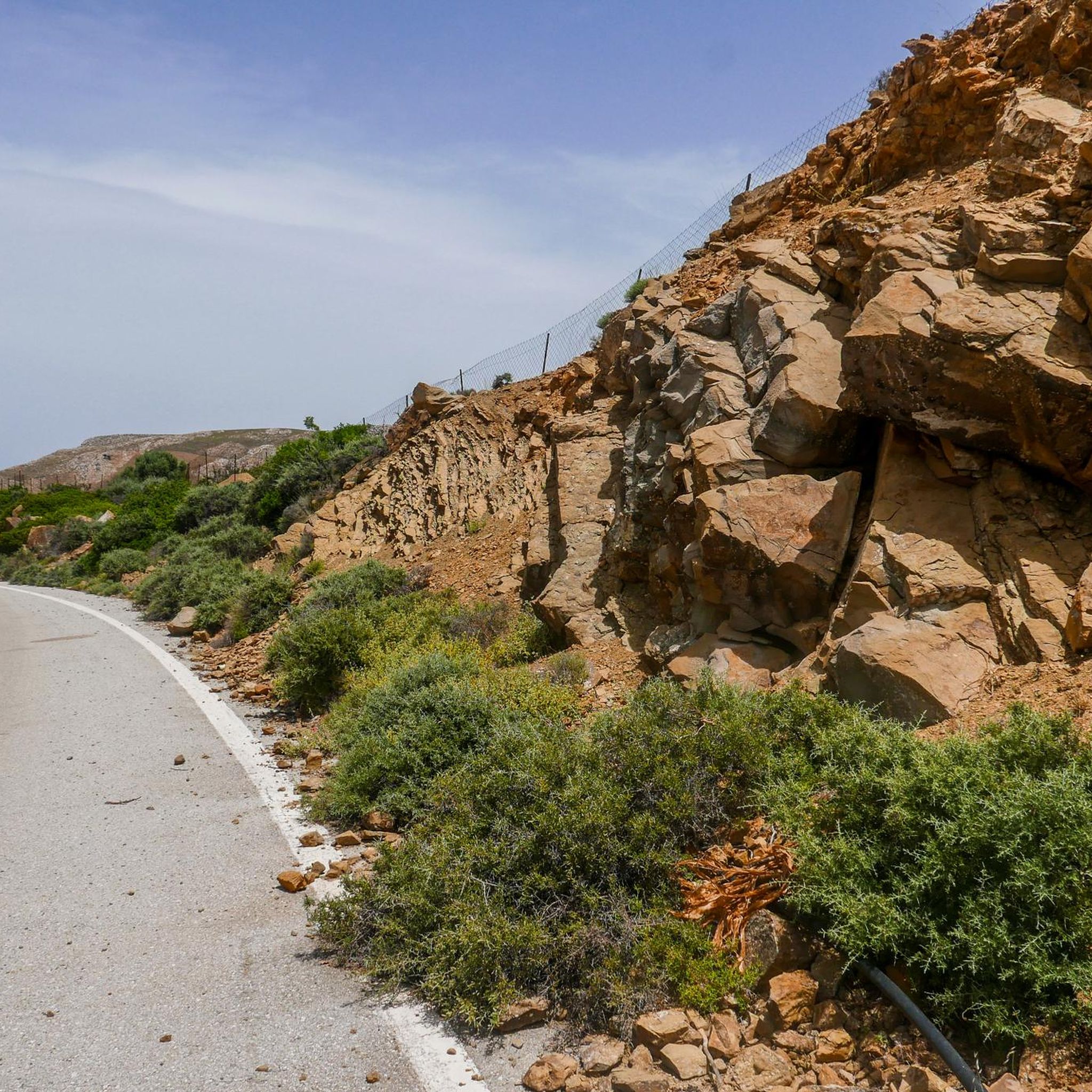
Road Cycling Routes in Περιφερειακή Ενότητα Ηρακλείου
Cycling in Περιφερειακή Ενότητα Ηρακλείου
MTB Trails in Περιφερειακή Ενότητα Ηρακλείου
Mountain Hikes in Περιφερειακή Ενότητα Ηρακλείου
Other adventures in Περιφερειακή Ενότητα Ηρακλείου

Tips from the Community

Matala, in the south of Crete, Greece's largest island, is a mystical place. Legend has it that Zeus, the father of the gods, rose from the sea here in the form of a bull, with the beautiful princess Europa on his back. It's no wonder, then, that this place possesses such a magical allure. Besides the beaches supposedly tested by Zeus, there's another very special highlight: the caves of Matala. Music legends like Bob Dylan and Cat Stevens lived in these caves in the 1960s. For dropouts and flower children from all over the world, they were a symbol of freedom and individuality. Today, you can visit these famous cave dwellings. We'll show you what else you can discover in the fishing village of Matala in Crete.
0
0
Matala was once a fishing village. In the 1960s, the caves were occupied by hippies, who were later evicted by the church and the military junta. Today, Matala is a popular tourist destination, relying on bus tours and summer visitors. There are many gift shops and bars. Matala's hippie history is celebrated during the three-day Matala Beach Festival, which has been held every June since 2011.
2
0
Matala (Greek: Μάταλα) is a village located 75 km southwest of Heraklion, Crete, Greece. Matala belongs to the municipality of Pitsidia within the municipal unit of Tympaki, municipality of Faistos, Heraklion region.
1
0
The artificial caves in the cliffs of Matala Bay were created in the Neolithic period. During the Minoan era, Matala was the port of Phaistos. In 220 BC, Matala was occupied by the Gortynians, and during the Roman period, it became the port of Gortys. It is thought that the caves once served as tombs, but it is more likely that they were used as dwellings due to their size (corpses don't require much space to move around). One of the caves is called "Brutospeliana" because, according to legend, it was frequented by the Roman general Brutus.
1
0

No longer an insider tip, but not overcrowded either, well worth it.
6
0

The Hippietree of Matala. A beautiful carved olive tree from the flower power era
1
0

The beach with small pebbles and sand is surprisingly long, with a rocky part in the middle. In the eastern part there are some caves (one of which is apparently even inhabited) that provide shade. The water is crystal clear and it quickly gets deep near the rock walls. There are no trees, no vegetation and no tavern. The rocks have the shape of sculptures from another time, here you feel like you are on another planet - hence the name Dragon Bay.
6
0

Matala, a former hippie stronghold
2
1
Frequently Asked Questions
Which caves in Heraklion are known for their impressive natural formations?
The Regional Unit of Heraklion boasts several caves with stunning geological features. Sfendoni Cave, near Zoniana, is particularly renowned for its vividly lit chambers adorned with majestic stalactites and stalagmites, some with whimsical names like 'The Harmonies' and 'The Palace'. Skotino Cave also features impressive clusters of these formations, as does Chainospilios Cave (Marmarospilios) with its ancient underground riverbed. Kamilaris Cave is noted for its large halls and rich cave formations.
Are there caves in Heraklion with significant historical or mythological importance?
Yes, several caves in the region are steeped in history and mythology. Skotino Cave, also known as Agia Paraskevi, served as a pagan sanctuary from the 3rd millennium BC and later a Christian one. The Matala Cave Dwellings are artificial caves carved into cliffs, believed to be Roman tombs or dwellings, and famously became a hippie haven in the 1960s. Ideon Andron, on Mount Ida, is mythologically significant as the hiding place of infant Zeus. The nearby Diktaean Cave (Psychro Cave) is also revered as the birthplace of Zeus.
Can I visit family-friendly caves in Heraklion?
Yes, the Matala Caves are considered family-friendly, offering a unique historical experience with stunning views. Sfendoni Cave also offers guided tours, which can be a structured and educational experience for families.
Are there any caves in Heraklion that are wheelchair accessible?
The highlight Hippie culture in Matala, which encompasses the Matala Caves area, is listed as wheelchair accessible. While the cave interiors themselves might have limitations, the general area around the Matala Caves offers some accessibility.
What kind of wildlife can I expect to see in the caves of Heraklion?
Some caves in the region are home to diverse wildlife. Sfendoni Cave is known to host four species of bats and various invertebrates. Kamilaris Cave also has a plentiful population of bats in a separate space between its two main galleries.
What should I wear when exploring caves in Heraklion?
Caves generally maintain a cooler temperature year-round, regardless of the outside weather. For example, Sfendoni Cave stays at 16-17 degrees Celsius. It's advisable to wear comfortable, sturdy shoes with good grip, as surfaces can be uneven and slippery. Bringing a light jacket or long-sleeved top is also recommended to stay comfortable inside.
Are there any lesser-known or 'hidden gem' caves worth visiting in Heraklion?
Beyond the more famous sites, you might consider Chainospilios Cave (Marmarospilios), locally known as 'the Labyrinth,' for its long, narrow passages. Kamilaris Cave offers large halls and rich formations. Agia Fotini Cave, east of Heraklion, has an accessible part ending in a church, and Neraidospilio, near Mirtia, is a multi-level cave with mythological ties to Athena.
Do I need permits or pay an entrance fee to visit caves in Heraklion?
For some of the more developed caves, an entrance fee is required. For instance, there is an entrance fee to visit the Matala Cave Dwellings. Sfendoni Cave also operates with guided tours, which typically involve a fee. Other less developed caves, like the Entrance to Agia Paraskevi Cave (Skotino Cave), can often be explored alone without a fee, but sturdy shoes and a flashlight are essential due to uneven and dark conditions.
What outdoor activities can I do near the caves in Heraklion?
The region around Heraklion's caves offers various outdoor activities. You can find numerous hiking and cycling routes. For example, there are easy hikes like the Matala Rock Formations – View over Matala Bay loop near the Matala Caves. More challenging hikes, such as the Rouvas Gorge loop, are also available. Cycling enthusiasts can explore routes like the Church and Elisa Beth Taverna – Archanes Village Square loop from Malia.
What do visitors enjoy most about the caves in Heraklion?
Visitors frequently appreciate the unique blend of natural beauty and historical significance. The Matala Caves are loved for their 'hippie feeling' and stunning bay views. The Entrance to Agia Paraskevi Cave (Skotino Cave) is praised for being an exciting, self-explorable experience. The diverse range of caves, from geological marvels to ancient sanctuaries, provides a rich cultural and natural exploration.
Are there any cave churches or religious sites within the caves of Heraklion?
Yes, several caves have religious significance. Skotino Cave, also known as Agia Paraskevi, was converted into a Christian sanctuary after serving as a pagan one. Agia Fotini Cave features its last room as a church dedicated to Agia Fotini, where an annual festival is held. The Panagia Cave Church at Martsalos and Goumenospilio Cave are also notable religious sites within caves.
Most popular routes in Περιφερειακή Ενότητα Ηρακλείου
Most popular attractions in Περιφερειακή Ενότητα Ηρακλείου

Get inspired with the komoot mobile app


Explore more
Extend your search for the best caves by checking out these guides of the top ones in Περιφερειακή Ενότητα Ηρακλείου:
