The 6 Most Amazing Peaks in the Pindus Mountains
Best mountain peaks in the Pindus Mountains are found within a rugged range often called the "spine of Greece," stretching across much of mainland Greece and into southern Albania. This region features deep gorges, dense forests, and alpine meadows, supporting rich biodiversity. The Pindus Mountains offer diverse ecosystems, from canyons to high mountains, making it a significant area for nature exploration. Traditional villages on its slopes add cultural richness to the natural landscape.
Best mountain peaks in the Pindus Mountains
- The most popular mountain peaks is View of Mount Lakmos, a viewpoint that offers expansive vistas. The climbs to this area often involve rock and scree, requiring appropriate footwear.
- Another must-see spot is View of the Astraka to Psarovotano Ridge, a viewpoint showcasing an elongated massif with a crenellated front. This view extends from the Astrāka peak over Kalōgeros and Plāka to Psarovōtano.
- Visitors also love Gamila Summit (2,497 m), a summit that is the highest point of the Tymfi mountain range. From here, a panorama includes the mountain lake Drakolimni and views to the Aoos Valley and Mount Smolikas.
- Pindus Mountains is known for summits, viewpoints, and natural monuments. The region offers a variety of mountain peaks to see and explore, from high-altitude challenges to scenic overlooks.
- The mountain peaks in the Pindus Mountains are appreciated by the komoot community, with 7 highlights and 6 upvotes.
Last updated: July 11, 2026
Gamila Summit (2,497 m)
Highlight • Summit
Translated by Google •
Tip by

Templa Summit (1,808 m)
Highlight • Summit
The hike typically starts from the Agrafa Refuge, offering a relatively easy ascent that takes about one hour to reach the top.
It is famous for providing one of the most stunning panoramic views in Greece, capturing the lake, the peaks of Voutsikaki, and the Agrafa mountain range.
The summit acts as a gateway for more advanced mountaineers, marking the beginning of the ridgeline path toward the higher Voutsikaki peak (2,154m).
Tip by

Sign up now to discover places like this
Get recommendations on the best single tracks, peaks, & plenty of other exciting outdoor places.
Sign up for free
View of the Astraka to Psarovotano Ridge
Highlight • Viewpoint
Translated by Google •
Tip by

View of Mount Lakmos
Highlight • Viewpoint
Translated by Google •
Tip by

Parnass Mountains
Highlight • Summit
Tip by

Mount Tymfristos (2,315 m)
Highlight • Summit
Translated by Google •
Tip by

View of Delphi, Itea, and the Gulf of Corinth
Highlight • Viewpoint
Tip by

Start today with a free account
Your next adventure awaits.
Login or Signup
Popular around Pindus Mountains
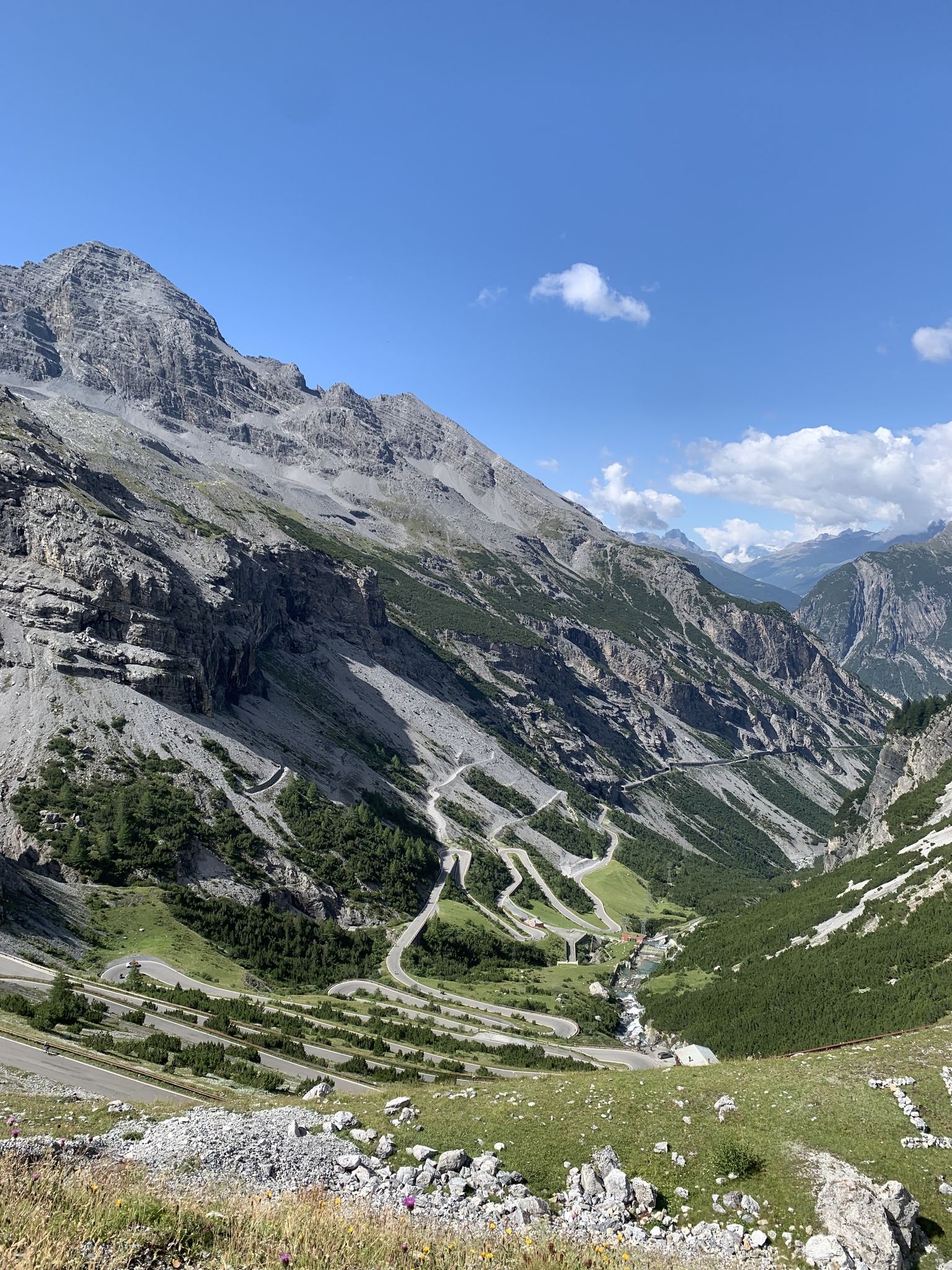
Transcontinental Race No9 2023
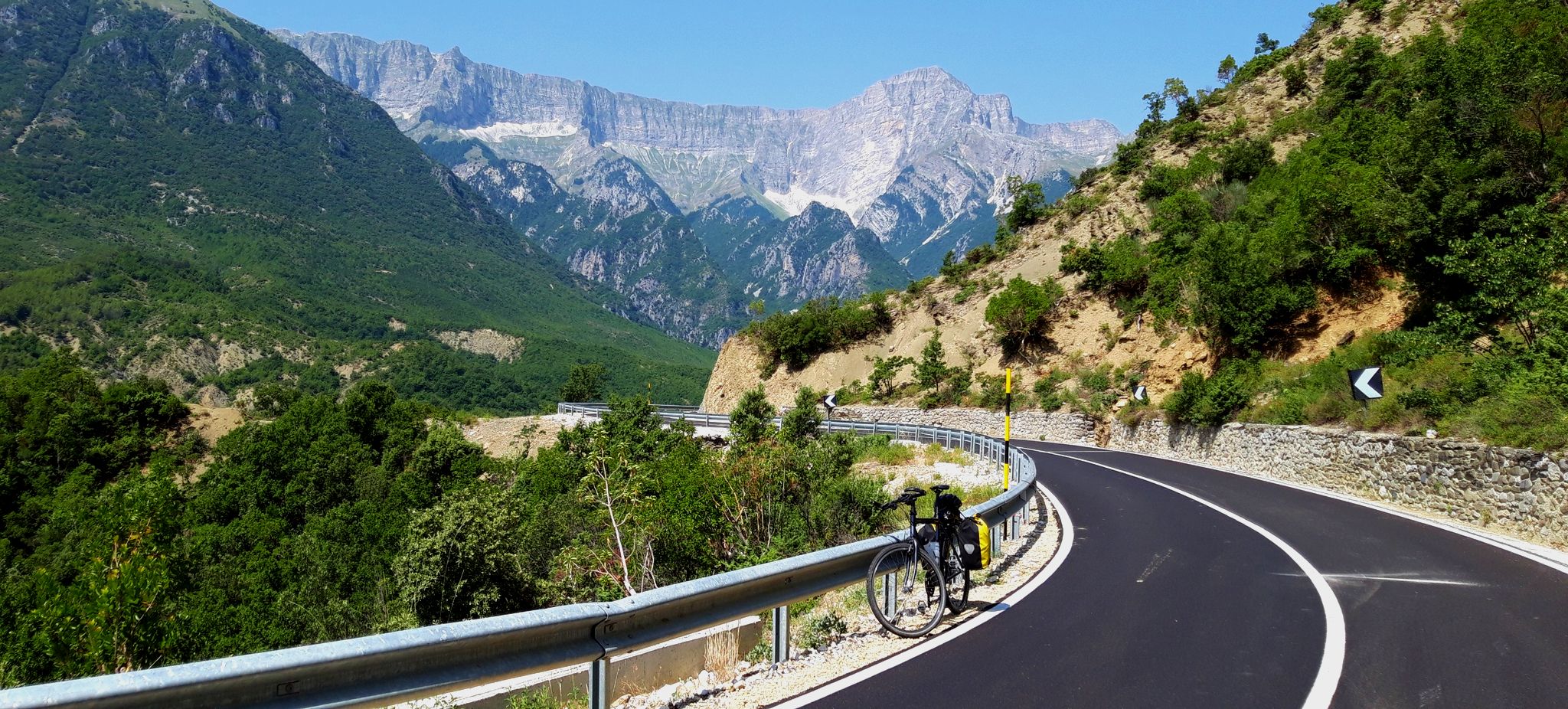
Balkan cycling adventure – Dubrovnik to Corfu
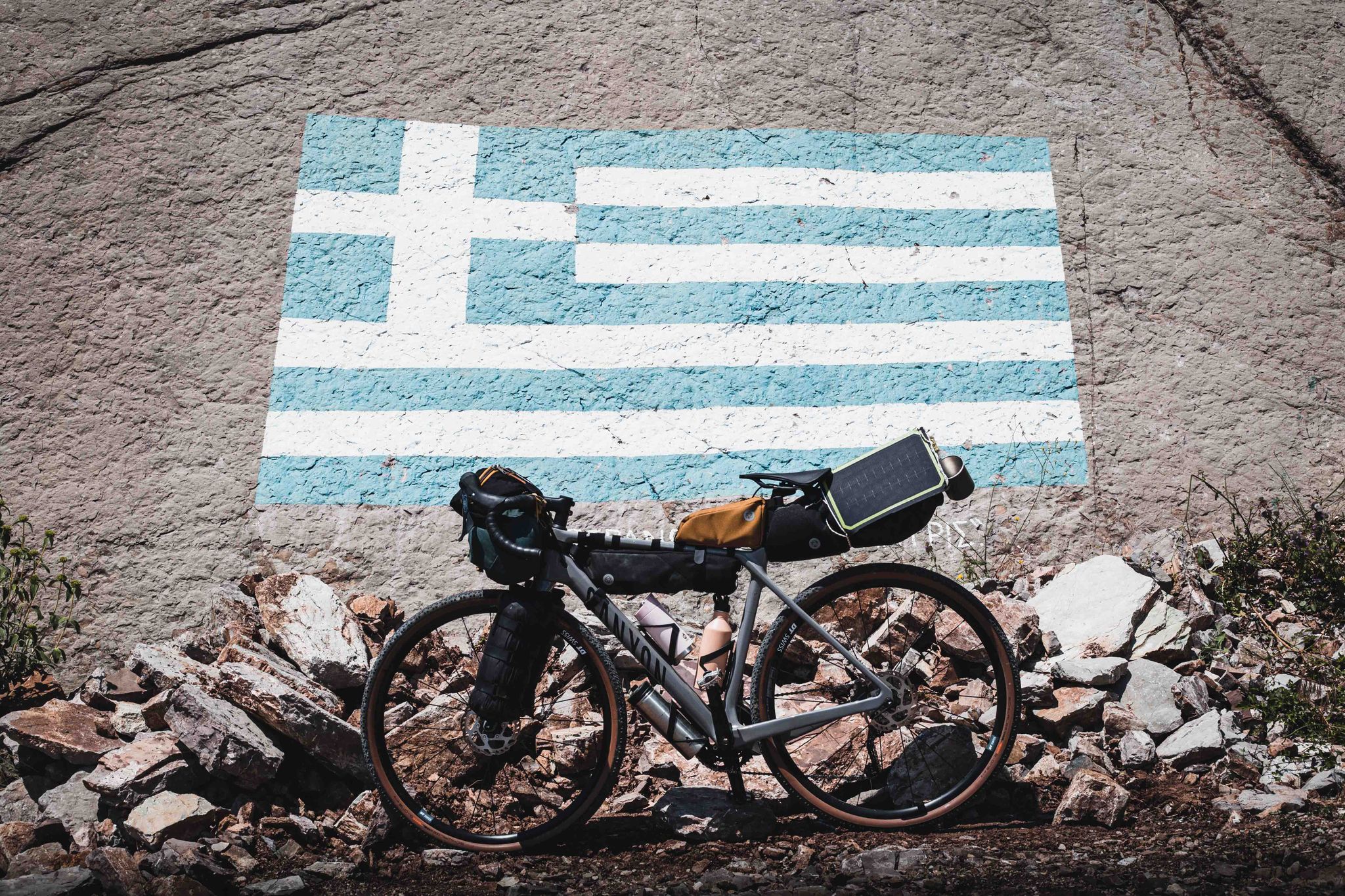
Bikepacking Griekenland: van berg tot zee
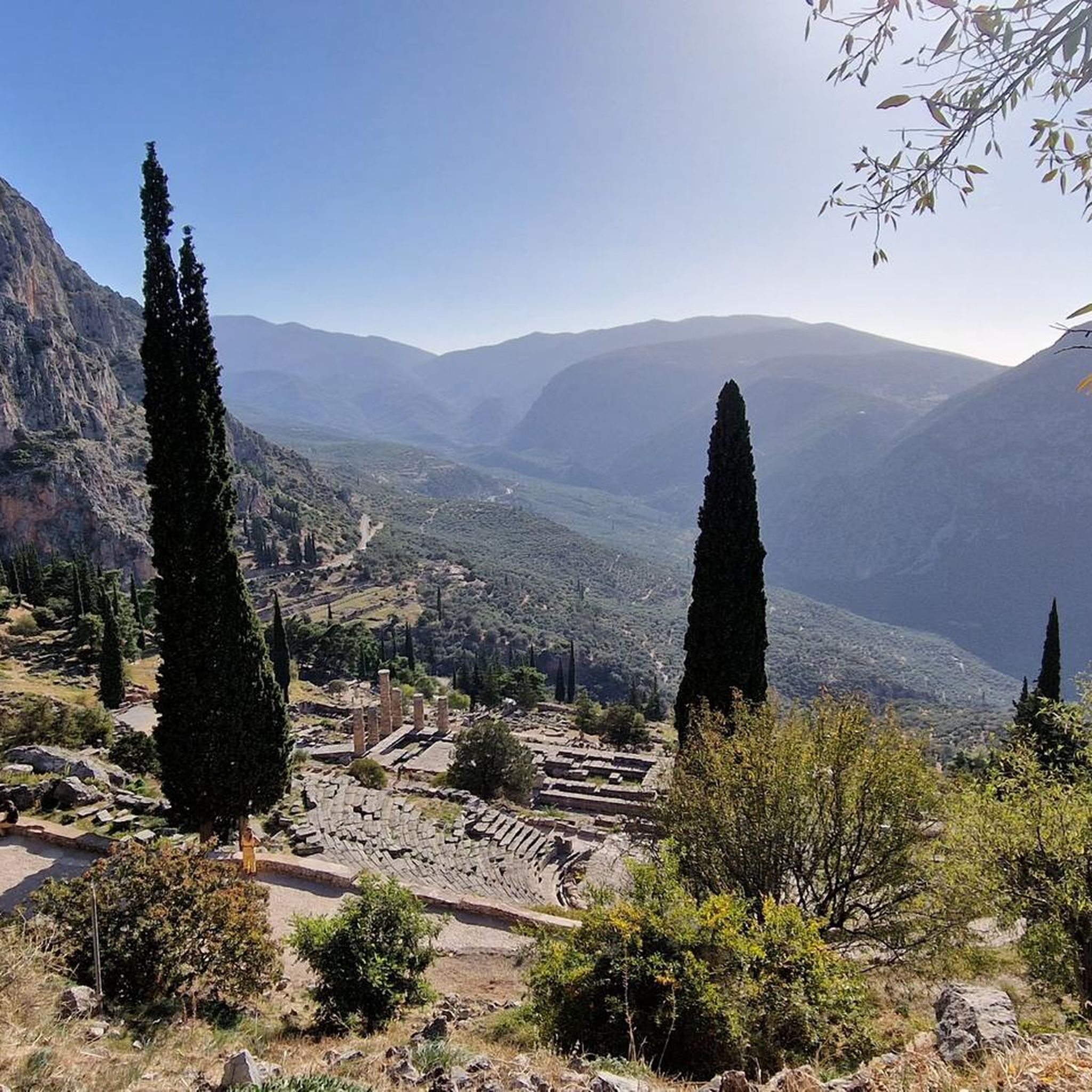
Hiking in the Pindus Mountains
Running Trails in the Pindus Mountains
Cycling in the Pindus Mountains
Road Cycling Routes in the Pindus Mountains
MTB Trails in the Pindus Mountains

Mountain Hikes in the Pindus Mountains


Tips from the Community

Templa summit is located in the Thessalian Agrafa range at an altitude of 1,809 meters, serving as a natural balcony overlooking Lake Plastira. The hike typically starts from the Agrafa Refuge, offering a relatively easy ascent that takes about one hour to reach the top. It is famous for providing one of the most stunning panoramic views in Greece, capturing the lake, the peaks of Voutsikaki, and the Agrafa mountain range. The summit acts as a gateway for more advanced mountaineers, marking the beginning of the ridgeline path toward the higher Voutsikaki peak (2,154m).
0
0

The highest peak here and always worth writing in the summit book.
1
0

Easily accessible from the Velouchi ski center, no special equipment required, just fitness and good shoes.
1
0

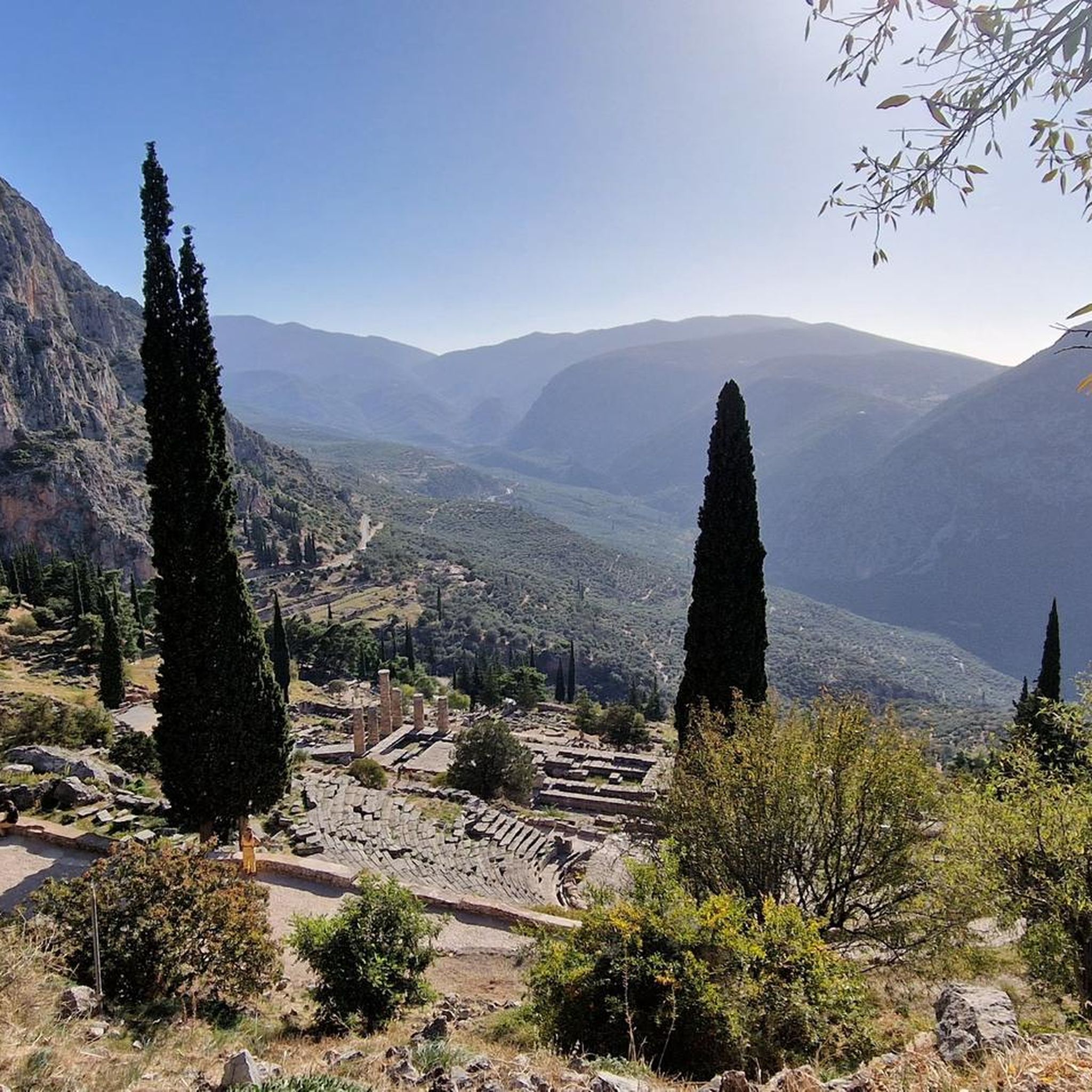
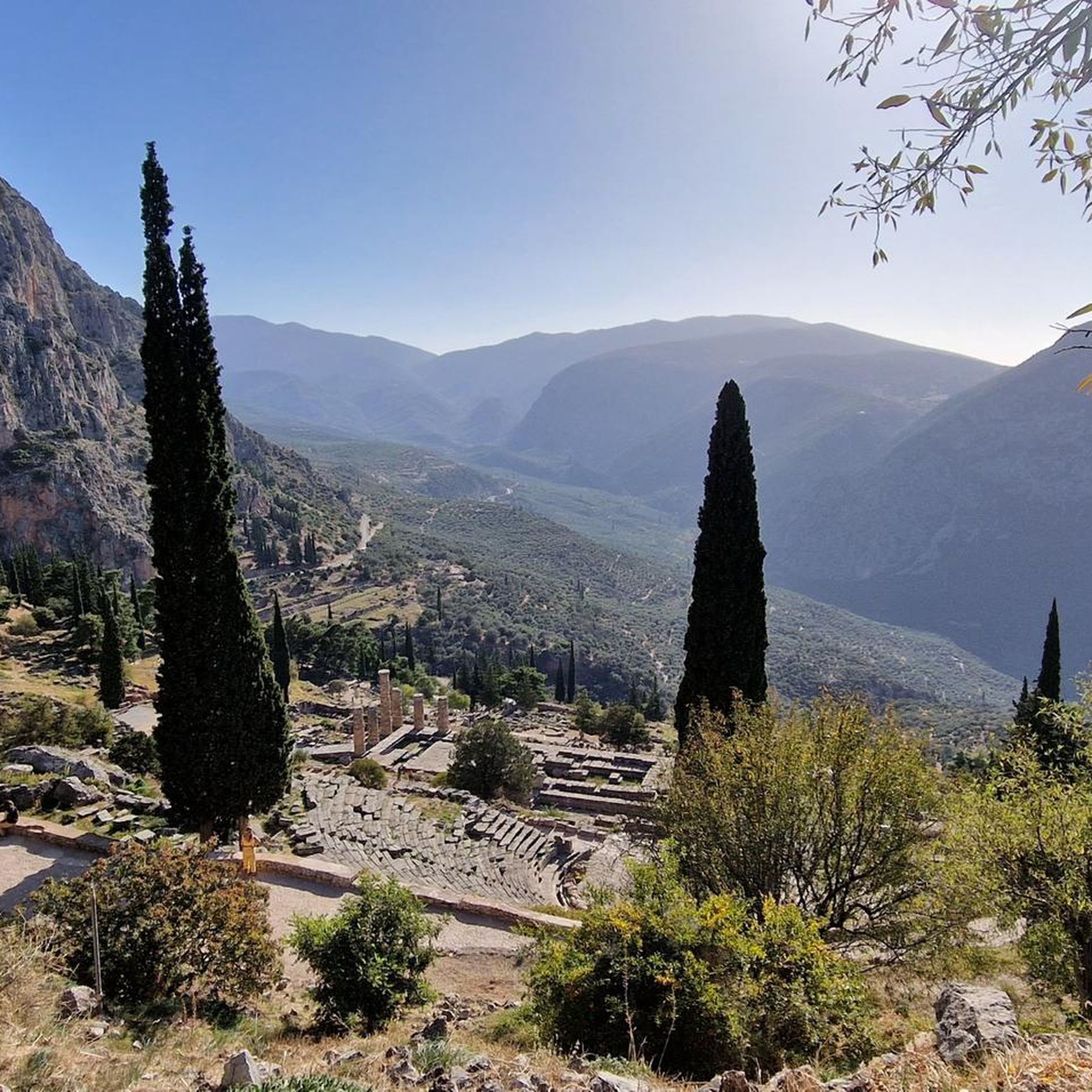
From up here, you can enjoy a breathtaking view of Delphi and the vast coastal landscape as far as the Gulf of Corinth - a panorama that lets you feel the vastness and tranquility of the Greek mountains. The serpentine roads wind through the mountains and lead into a sea of olive groves that stretch to the horizon. In the distance, the peak of Helmos rises, its shadow casting a mystical atmosphere over the landscape. A moment in which the history and nature of Greece unite in a unique way - perfect for a short break and a deep breath.
0
0

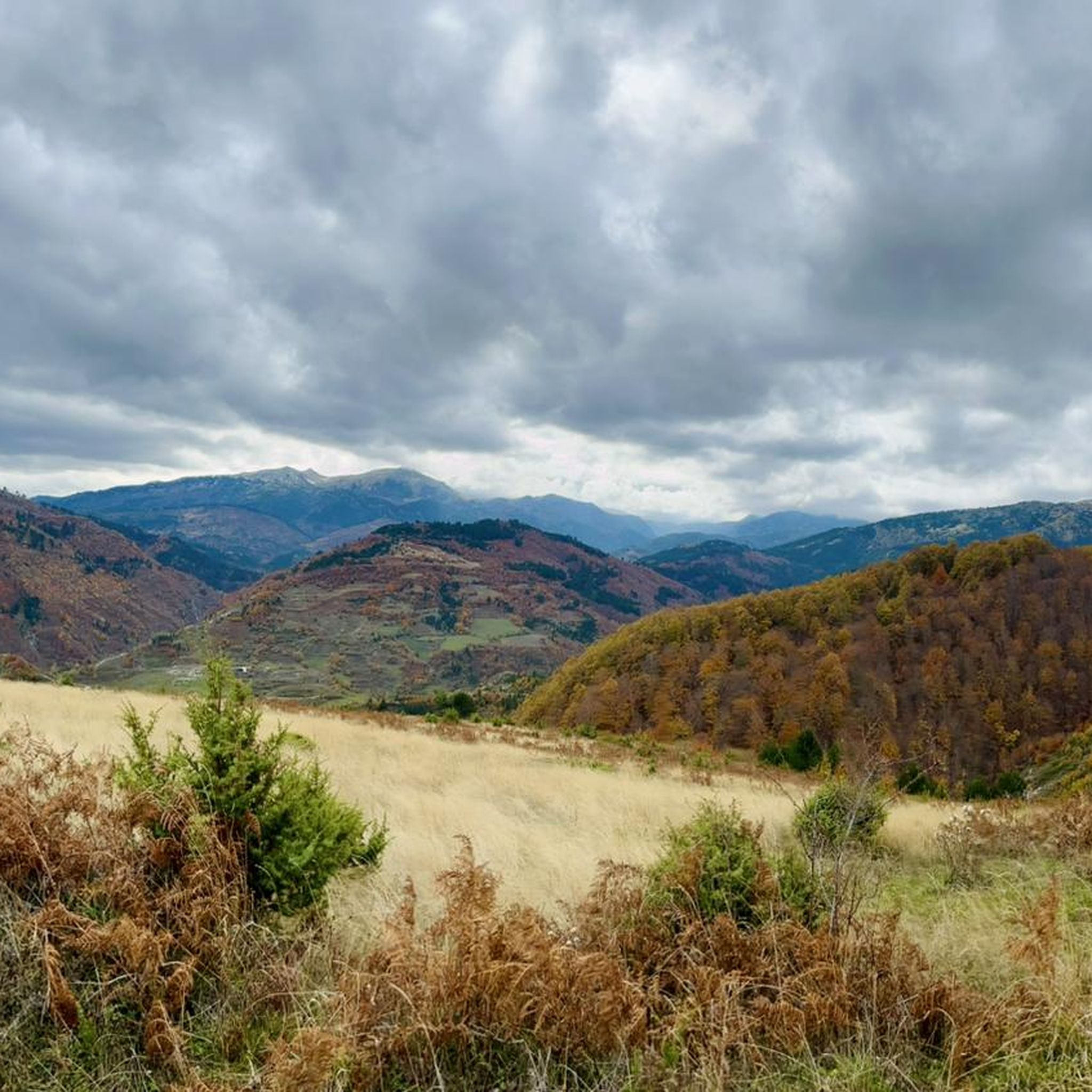
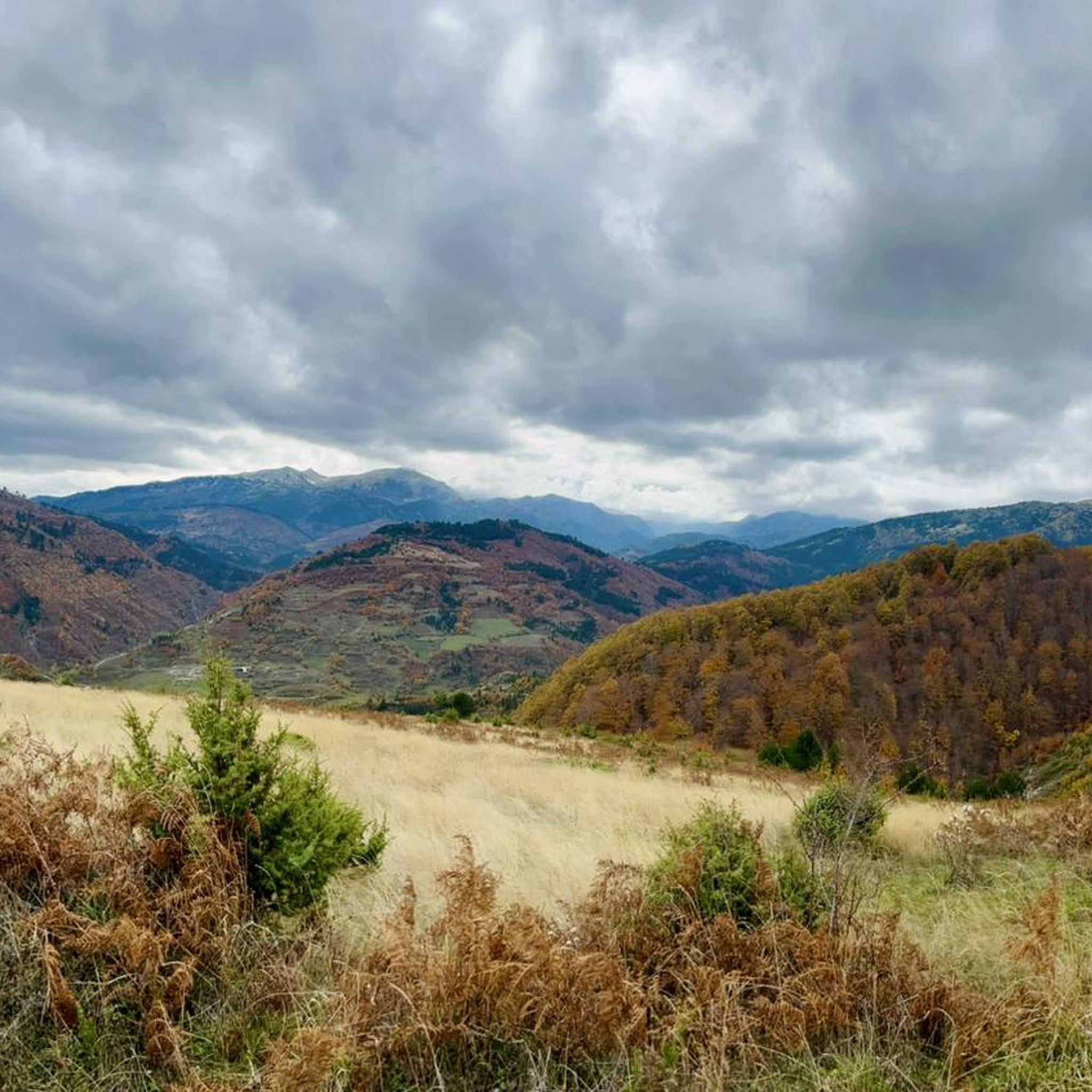
After the climb out of the breathtaking Vīkos Gorge, here comes the next eye-opener: the view of the elongated massif with its crenellated front, which stretches from the Astrāka peak over the peaks of Kalōgeros and Plāka to Psarovōtano from northeast to southwest.
1
1

"Parnass Mountain is a mountain about central Greece, north of the Gulf of Corinth. According to Greek legend, this mountain was the home of the Muse. One theory is that the prefix "Parna-" comes from the Luwian language. means House". That's what I can search about this place on google, I think someday, I will come here and enjoy its beauty. Also, invite you to enjoy an exciting e-sport with me through https://basketballstarsunblocked.io
0
0
Since most of the climbs consist of rock and scree, sturdy shoes and possibly hiking poles are recommended.
0
0

The mountain range around Parnassus (also known as Parnassos) is a place full of pristine nature and inspiration of ancient poetry. Along the trail you will have picturesque views of ancient olive groves and the pretty town of Delphi. By the way, the Parisian building Montparnasse was named after Mount Parnassos. The highest peak of the mountain range is Liakoura (Λιάκουρα) at 2,455 meters, followed by Tsárkos (Τσάρκος) at 2,415 meters and the Jerontóvrachos (Γεροντόβραχος) with 2,395 meters.
2
1
Frequently Asked Questions
Which mountain peaks in the Pindus Mountains offer the most impressive views?
For breathtaking panoramas, consider visiting Gamila Summit (2,497 m), the highest point of the Tymfi mountain range, which provides views of Drakolimni lake and Mount Smolikas. Another excellent spot is View of the Astraka to Psarovotano Ridge, offering a dramatic perspective of the elongated massif. Additionally, View of Mount Lakmos is a popular viewpoint known for its expansive vistas.
What are some of the highest peaks in the Pindus Mountains?
The Pindus Mountains are home to several majestic peaks. Mount Smolikas is the highest in the range at 2,637 meters (8,652 feet). Other notable high peaks include Mount Grammos (2,520 meters), Mount Giona (2,510 meters), and Mount Tymfi, with its highest point, Gamila Summit (2,497 m).
Are there any glacial lakes in the Pindus Mountains?
Yes, the Pindus Mountains feature several stunning glacial lakes. Mount Smolikas is famous for its heart-shaped Dragon Lake (Drakolimni) at 2,200 meters. Mount Tymfi also has its own Drakolimni at around 2,050 meters, known for its alpine newts. Mount Grammos features subalpine lakes like Gkistova and Moutsalia.
What kind of wildlife can I expect to see in the Pindus Mountains?
The Pindus Mountains are a significant hotspot for biodiversity. You might encounter brown bears, wolves, and golden eagles, particularly around Mount Smolikas and Mount Grammos. The Drakolimni of Tymfi is known for its alpine newts, and the region's diverse ecosystems support various other bird species and mammals like otters.
What are the best hiking opportunities in the Pindus Mountains?
The Pindus Mountains offer diverse hiking experiences. For challenging routes, consider the ascent to Smolikas or the trails around Mount Tymfi, often starting from villages like Papigo. Mount Giona also provides challenging routes for experienced hikers. For a variety of trails, including difficult ones, explore the Mountain Hikes in the Pindus Mountains guide, which features routes like the Mikro Papigo Village – Astraka–Papigo Hiking Path loop.
Are there any easy or family-friendly hiking trails in the Pindus Mountains?
Yes, there are options for easier hikes. The Easy hikes in the Pindus Mountains guide includes routes like the Iliochori Waterfall loop and the Megalo Papingo – Mikro Papigo loop, which are suitable for those seeking less strenuous walks. These trails often provide a gentle introduction to the region's natural beauty.
What is the best time of year to visit the Pindus Mountains for hiking?
The Pindus Mountains are best visited during the warmer months, typically from late spring to early autumn (May to October), when the alpine meadows are lush and trails are clear of snow. This period offers ideal conditions for hiking and enjoying the panoramic views. Winter hiking is possible but requires specialized equipment and experience due to snow and challenging conditions.
Are there any cultural or historical sites near the mountain peaks?
Yes, the Pindus Mountains are rich in culture and history. Traditional Vlach and Sarakatsani villages like Samarina on the slopes of Mount Smolikas offer a glimpse into local heritage. The stone-built villages of Zagori surrounding Mount Tymfi also provide a unique cultural experience. Mount Grammos holds historical significance from the Greek Civil War, with ruins and memorials still present.
What are some less crowded mountain peaks or areas to explore in the Pindus Mountains?
For those seeking adventure away from crowds, Mount Giona is considered an off-the-beaten-path gem. It offers challenging routes and a genuine connection with nature without the high visitor numbers of some other peaks. The village of Sykia serves as a key access point for exploring Giona.
What kind of forests can be found in the Pindus Mountains?
The Pindus Mountains are characterized by dense forests. Mount Smolikas, for instance, is renowned for its extensive forests of pine and beech. Mount Grammos features mixed forests and the Baruga forest, a virgin forest with beech, fir, and black pine, showcasing the region's rich arboreal diversity.
What should I wear for a summit hike in the Pindus Mountains?
For summit hikes in the Pindus Mountains, sturdy hiking shoes are essential, especially since many climbs involve rock and scree. Hiking poles are also recommended for stability. Layered clothing is advisable to adapt to changing weather conditions, as temperatures can vary significantly between lower altitudes and the peaks. Always carry waterproof and windproof outer layers.
Where can I find more information about the Pindus Mountains region?
For additional context and information about the Pindus Mountains, you can visit resources like visitmeteora.travel. This can provide broader insights into the region's geography, culture, and attractions.
Most popular routes in the Pindus Mountains
Most popular attractions in the Pindus Mountains

Get inspired with the komoot mobile app


